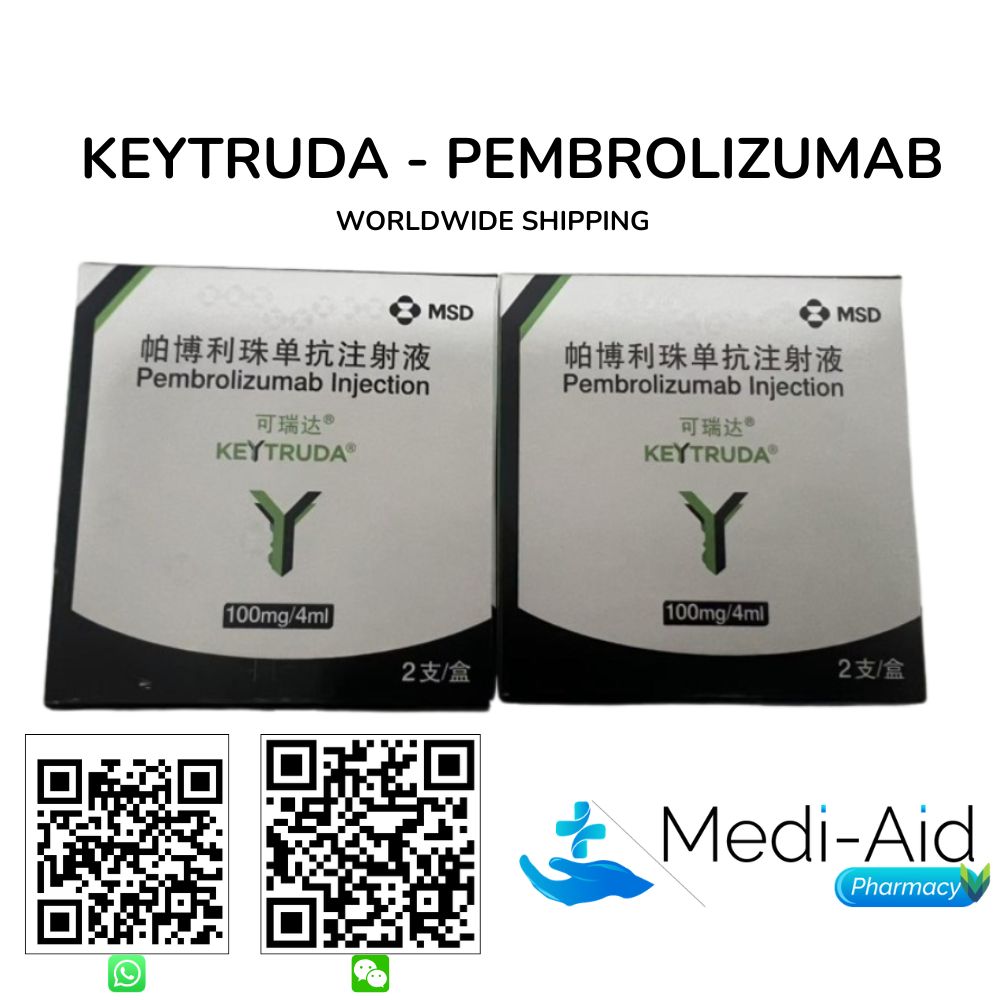
Description
Keytruda 100 MG/4 mL (Pembrolizumab) also marketed in China under the Chinese package name 可瑞达 is a humanized anti-PD-1 (Programmed Death-1) monoclonal antibody immune checkpoint inhibitor supplied as a 100 mg/4 mL concentrate for solution for infusion (2 vials per box), manufactured and commercialized by MSD (Merck Sharp & Dohme) in China-market packaging. Its active ingredient, pembrolizumab, selectively binds the PD-1 receptor on T lymphocytes and blocks its interaction with the PD-L1 and PD-L2 ligands, thereby restoring antitumor immune surveillance and enabling cytotoxic T-cell-mediated killing of tumor cells that exploit the PD-1/PD-L1 pathway to evade immune destruction.
Keytruda (pembrolizumab) 100 mg/4 mL carries the broadest oncology label of any approved anti-PD-1 therapy, with regulatory approvals across more than 30 indications spanning melanoma, non-small cell lung cancer (NSCLC), head and neck squamous cell carcinoma (HNSCC), classical Hodgkin lymphoma (cHL), urothelial carcinoma, MSI-H/dMMR solid tumors, gastric and gastroesophageal junction (GEJ) adenocarcinoma, esophageal cancer, cervical cancer, hepatocellular carcinoma (HCC), Merkel cell carcinoma (MCC), renal cell carcinoma (RCC), tumor mutational burden-high (TMB-H) solid tumors, triple-negative breast cancer (TNBC), biliary tract cancer, colorectal cancer, and endometrial carcinoma, among others.
In the landmark KEYNOTE-024 Phase 3 trial (pembrolizumab versus platinum-based chemotherapy in 305 patients with treatment-naïve advanced NSCLC and PD-L1 TPS ≥50%), pembrolizumab produced a median progression-free survival (PFS) of 10.3 months versus 6.0 months with chemotherapy (HR 0.50; 95% CI 0.37–0.68; p<0.001) and a 5-year overall survival (OS) rate of 31.9% versus 16.3% establishing pembrolizumab as the standard-of-care first-line monotherapy in PD-L1-high advanced NSCLC. Searching for Keytruda 100 MG/4 mL Pembrolizumab? Mediaid Pharmacy lists this product within its comprehensive oncology medicines portfolio and ships it worldwide.
Basic Product Information of Keytruda 100 MG/4 mL (Pembrolizumab)
| Brand Name | Keytruda 100 MG/4 mL (Pembrolizumab) |
| Chinese Package Name | 可瑞达 (Kě Ruì Dá) |
| Generic Name | Pembrolizumab |
| Drug Class | Anti-PD-1 Monoclonal Antibody; Immune Checkpoint Inhibitor (ICI); Antineoplastic Agent; Immunotherapy |
| Formulation / Dosage Form | Concentrate for Solution for Infusion (Injection IV Infusion) |
| Available Strength | 100 mg/4 mL (25 mg/mL) |
| Pack Size | 2 Vials per Box |
| Primary Indications | Melanoma; Non-Small Cell Lung Cancer (NSCLC); Head and Neck Squamous Cell Carcinoma (HNSCC); Classical Hodgkin Lymphoma (cHL); Urothelial Carcinoma; MSI-H/dMMR Solid Tumors; Gastric/GEJ Adenocarcinoma; Esophageal Cancer; Cervical Cancer; Hepatocellular Carcinoma (HCC); Merkel Cell Carcinoma (MCC); Renal Cell Carcinoma (RCC); TMB-H Solid Tumors; Triple-Negative Breast Cancer (TNBC); Biliary Tract Cancer; Colorectal Cancer; Endometrial Carcinoma (locally approved indications vary by market confirm China NMPA-approved label) |
| Manufacturer / Brand | MSD (Merck Sharp & Dohme) |
| Market Packaging | China |
| Categories | Oncology Medicines; Original Molecule Medicines; Solid Tumors Medicines |
| Global Supplier | Mediaid Pharmacy, Worldwide Shipping Available |
| Storage Conditions | Store at 2°C to 8°C (refrigerated). Do not freeze. Protect from light. Do not shake. Keep out of reach of children. |
How Keytruda 100 MG/4 mL (Pembrolizumab) Works: PD-1 Immune Checkpoint Blockade and Restoration of Antitumor T-Cell Immunity
Pembrolizumab, the active ingredient in Keytruda 100 MG/4 mL, is a humanized IgG4 kappa monoclonal antibody engineered to selectively and with high affinity bind to the PD-1 (Programmed Death-1) receptor expressed on the surface of activated T lymphocytes, natural killer (NK) cells, and B cells. PD-1 is an inhibitory immune checkpoint receptor: when engaged by its ligands PD-L1 (CD274) or PD-L2 (CD273) which are upregulated on tumor cells, tumor-associated macrophages, and stromal cells across a wide range of solid tumors and hematologic malignancies PD-1 transmits inhibitory signals through its cytoplasmic ITIM (immunoreceptor tyrosine-based inhibitory motif) and ITSM (immunoreceptor tyrosine-based switch motif) domains that suppress T-cell activation, proliferation, cytokine production (IFN-γ, TNF-α, IL-2), and cytotoxic effector function (perforin/granzyme-mediated tumor cell killing).
Tumors exploit this physiological tolerance mechanism to create an immunosuppressive microenvironment that enables immune evasion despite the presence of tumor-reactive T-cell clones capable of recognizing tumor-associated neoantigens. Pembrolizumab blocks PD-1’s interaction with both PD-L1 and PD-L2 with picomolar binding affinity (KD ≈1 nM), restoring the functional activation, clonal expansion, and cytotoxic capacity of exhausted and suppressed tumor-infiltrating lymphocytes (TILs) generating a durable, antigen-specific antitumor immune response not dependent on the tumor’s intrinsic proliferative or survival pathways.
This mechanism of immune restoration, rather than direct cytotoxic pharmacology, distinguishes pembrolizumab from conventional chemotherapy and targeted kinase inhibitors: pembrolizumab does not kill tumor cells directly; instead, it removes the immunological brake that prevents the host immune system from eliminating them. Oncology treatment providers sourcing pembrolizumab medicines for their clinical programs can browse the complete pembrolizumab collection at Mediaid Pharmacy.
At the clinical dose of 200 mg administered as a 30-minute intravenous (IV) infusion every 3 weeks (Q3W) or 400 mg every 6 weeks (Q6W) as the alternative flat-dose regimen pembrolizumab achieves near-complete and sustained PD-1 receptor occupancy on peripheral blood T cells, with pharmacokinetic modeling from the KEYNOTE clinical program demonstrating that steady-state pembrolizumab exposures at 200 mg Q3W produce receptor occupancy above the 95% saturation threshold throughout the entire dosing interval.
The pharmacokinetic profile of pembrolizumab follows a two-compartment model with time-dependent clearance: the geometric mean steady-state peak (Cmax) is approximately 90.7 μg/mL, the trough (Cmin) approximately 21.3 μg/mL, and the estimated terminal half-life approximately 27 days consistent with the prolonged target-mediated disposition expected for a high-affinity IgG4 monoclonal antibody operating at the picomolar KD of PD-1 binding. The IgG4 isotype of pembrolizumab was deliberately selected to minimize Fc-mediated effector functions (antibody-dependent cellular cytotoxicity [ADCC] and complement-dependent cytotoxicity [CDC]) against PD-1-expressing T cells themselves, as IgG4 carries substantially reduced FcγR binding affinity relative to IgG1 preserving the T-cell populations that pembrolizumab must activate rather than deplete.
A stabilizing S228P hinge mutation was introduced to prevent IgG4 Fab-arm exchange (half-antibody formation), ensuring pembrolizumab remains a bivalent, monospecific antibody throughout its systemic exposure period. Healthcare providers and distributors seeking the full range of oncology medicines available at Mediaid Pharmacy can browse the complete oncology portfolio for consolidated procurement and worldwide delivery.
The PD-L1 expression level in tumor tissue, quantified using the Tumor Proportion Score (TPS) the percentage of viable tumor cells with membrane PD-L1 staining at any intensity and the Combined Positive Score (CPS) the number of PD-L1-staining cells (tumor cells, lymphocytes, macrophages) divided by total viable tumor cells, multiplied by 100 is the primary predictive biomarker for pembrolizumab monotherapy efficacy across multiple indications. In NSCLC, the KEYNOTE-024 trial demonstrated that pembrolizumab monotherapy significantly outperformed platinum-based chemotherapy exclusively in the PD-L1 TPS ≥50% population (median PFS 10.3 vs 6.0 months; HR 0.50; p<0.001), establishing TPS ≥50% as the selection criterion for first-line pembrolizumab monotherapy in NSCLC.
In HNSCC (KEYNOTE-048, n=882), pembrolizumab monotherapy demonstrated superior OS versus EXTREME regimen (cetuximab + platinum + 5-FU) in the CPS ≥20 (median OS 14.9 vs 10.7 months; HR 0.61; p=0.0007) and CPS ≥1 subgroups (median OS 12.3 vs 10.3 months; HR 0.78; p=0.0086), while pembrolizumab combined with platinum + 5-FU demonstrated superior OS in the total population. In MSI-H/dMMR solid tumors, pembrolizumab demonstrates tumour-agnostic efficacy independent of PD-L1 expression, with the KEYNOTE-158 basket trial (n=1,066; 10 tumour types) showing an objective response rate (ORR) of 34.3% (95% CI: 28.3–40.8) across all MSI-H cohorts establishing the first tissue/site-agnostic oncology approval based solely on a molecular biomarker across tumor histologies. Oncologists sourcing Keytruda 100 MG/4 mL Pembrolizumab from China-market packaging can access the complete solid tumors medicines portfolio at Mediaid Pharmacy for comprehensive oncology procurement.
Approved Indications of Keytruda 100 MG/4 mL (Pembrolizumab) Reference Label and China NMPA-Registered Indications
Pembrolizumab, the active ingredient in Keytruda 100 MG/4 mL, carries regulatory approvals across an exceptional breadth of oncology indications the widest indication portfolio of any single approved anti-PD-1 immunotherapy. Indications span both monotherapy settings (as first-line, second-line, or subsequent therapy based on biomarker selection) and combination regimens (with platinum-based chemotherapy, anti-VEGF/VEGFR agents, anti-CTLA-4 antibodies, antibody-drug conjugates, and PARP inhibitors). The China NMPA-approved label for Keytruda (可瑞达) covers several of the major tumor types listed below; prescribers should confirm the currently approved China indications on the Keytruda China NMPA product label before initiating treatment, as locally registered indications may differ from the global FDA/EMA reference label.
|
Lung Cancer NSCLC First-Line and Second-Line Pembrolizumab Monotherapy and Combination Pembrolizumab is approved as first-line monotherapy in metastatic NSCLC with PD-L1 TPS ≥50% and no EGFR/ALK alterations (KEYNOTE-024; median PFS 10.3 vs 6.0 months; HR 0.50; p<0.001); as first-line monotherapy in metastatic NSCLC with PD-L1 TPS ≥1% and no EGFR/ALK alterations (KEYNOTE-042; OS HR 0.81; p=0.0018); as first-line combination with pemetrexed + platinum in metastatic non-squamous NSCLC regardless of PD-L1 (KEYNOTE-189; OS HR 0.56; p<0.0001); as first-line combination with carboplatin + paclitaxel/nab-paclitaxel in metastatic squamous NSCLC (KEYNOTE-407; OS HR 0.71; p=0.0008); and as second-line monotherapy in PD-L1-positive (TPS ≥1%) advanced NSCLC after platinum-based chemotherapy (KEYNOTE-010). For the full pembrolizumab combination portfolio available at Mediaid Pharmacy, browse the oncology medicines collection. |
Melanoma, GI Cancers, HNSCC, Urothelial, Lymphoma, and Tumor-Agnostic MSI-H/TMB-H Indications Pembrolizumab is approved as adjuvant and first-line/second-line therapy in unresectable or metastatic melanoma (KEYNOTE-006; OS HR 0.68 vs ipilimumab); first-line combination (with trastuzumab + chemotherapy) and second-line monotherapy in HER2-positive and PD-L1 CPS ≥10 gastric/GEJ adenocarcinoma (KEYNOTE-590, KEYNOTE-811); monotherapy in PD-L1 CPS ≥10 HNSCC first-line and PD-L1-unselected second-line (KEYNOTE-048; KEYNOTE-040); cisplatin-ineligible urothelial carcinoma and second-line post-platinum urothelial carcinoma (KEYNOTE-052; KEYNOTE-045); relapsed/refractory cHL after ≥3 prior lines (KEYNOTE-087; ORR 69%); MSI-H/dMMR colorectal cancer first-line (KEYNOTE-177; PFS HR 0.60; p=0.0002); MSI-H/dMMR non-CRC solid tumors (KEYNOTE-158; ORR 34.3%); TMB-H (≥10 mut/Mb) solid tumors (KEYNOTE-158; ORR 29%); esophageal/GEJ cancer CPS ≥10 first-line combination (KEYNOTE-590); cervical cancer CPS ≥1 (KEYNOTE-826); HCC second-line (KEYNOTE-224); TNBC combination with chemotherapy (KEYNOTE-522); and endometrial carcinoma combination with lenvatinib (KEYNOTE-775). For the complete pembrolizumab medicines range, visit Mediaid Pharmacy. |
Key Clinical Benefits of Keytruda 100 MG/4 mL (Pembrolizumab)
|
Durable Overall Survival Benefit Across Tumor Types Including 5-Year Landmark OS in NSCLC and Melanoma Pembrolizumab is the first immune checkpoint inhibitor to demonstrate a 5-year overall survival rate of 31.9% (vs 16.3% with chemotherapy) in treatment-naïve PD-L1-high (TPS ≥50%) advanced NSCLC in KEYNOTE-024 (5-year follow-up data, n=305). In advanced melanoma, KEYNOTE-006 demonstrated a 5-year OS rate of 43.3% with pembrolizumab versus 33.4% with ipilimumab a landmark outcome for a historically treatment-refractory malignancy with a median OS of less than 12 months in the pre-immunotherapy era. In first-line HNSCC (KEYNOTE-048, CPS ≥20 subgroup), pembrolizumab monotherapy produced a median OS of 14.9 months versus 10.7 months with EXTREME chemotherapy (HR 0.61; 95% CI 0.45–0.83; p=0.0007). These durable OS benefits reflecting the immunological memory established by PD-1 blockade, not merely cytostatic tumor control represent a qualitatively distinct survival outcome compared with conventional cytotoxic chemotherapy, where response durations typically do not extend beyond treatment cessation. |
Tumor-Agnostic MSI-H/dMMR Efficacy The First Biomarker-Based Tissue-Agnostic Approval in Oncology History Pembrolizumab was the first oncology drug approved by FDA based on a tumor-agnostic biomarker (MSI-H/dMMR) rather than tumor histology a paradigm-shifting regulatory milestone in 2017 covering all unresectable or metastatic MSI-H/dMMR solid tumors regardless of origin. In KEYNOTE-158 (n=1,066 patients across 10 tumor types), pembrolizumab produced an ORR of 34.3% (95% CI 28.3–40.8) across all MSI-H cohorts, with responses including endometrial (57.1%), gastric (45.8%), biliary (41.1%), small intestinal (42.1%), and colorectal (36.4%) cancers encompassing tumors for which no other approved biomarker-directed therapy delivered comparable response rates at the time of approval. KEYNOTE-177 subsequently established pembrolizumab as the first-line standard of care in MSI-H/dMMR metastatic colorectal cancer, with a median PFS of 16.5 months versus 8.2 months for FOLFOX/FOLFIRI ± bevacizumab/cetuximab (HR 0.60; 95% CI 0.45–0.80; p=0.0002). |
Broad Combination Flexibility Superior Outcomes When Pembrolizumab Is Combined with Chemotherapy, Anti-VEGF, and Targeted Agents Pembrolizumab demonstrates exceptional combination synergy across multiple tumor types and drug classes. In non-squamous NSCLC (KEYNOTE-189), pembrolizumab + pemetrexed + platinum reduced the risk of death by 44% versus chemotherapy alone (OS HR 0.56; 95% CI 0.45–0.70; p<0.0001), with a median OS of 22.0 vs 10.7 months more than doubling median OS at first-line. In TNBC (KEYNOTE-522), pembrolizumab + chemotherapy as neoadjuvant followed by adjuvant pembrolizumab monotherapy achieved a pathological complete response (pCR) rate of 64.8% versus 51.2% with chemotherapy alone (p<0.001) and reduced the risk of event-free survival events by 37% (HR 0.63; 95% CI 0.48–0.82; p=0.00031). In endometrial carcinoma (KEYNOTE-775), pembrolizumab + lenvatinib produced a median PFS of 7.2 vs 3.8 months (HR 0.56; p<0.0001) and median OS of 18.3 vs 11.4 months (HR 0.62; p<0.0001) versus chemotherapy across mismatch repair-proficient (pMMR) tumors establishing a new standard of care in platinum-pretreated disease. |
Drug Interactions and Important Safety Information for Keytruda 100 MG/4 mL (Pembrolizumab)
The clinically most significant drug interactions for pembrolizumab involve immunosuppressive agents, systemic corticosteroids, other immune checkpoint inhibitors, and agents whose toxicity profiles overlap with immune-mediated adverse reactions (imAEs). Pembrolizumab is a large IgG4 monoclonal antibody eliminated through proteolytic catabolism not through hepatic CYP enzymes, renal glomerular filtration, or P-glycoprotein transporters meaning that pembrolizumab carries no pharmacokinetic drug-drug interactions (DDIs) via CYP3A4, CYP2D6, CYP2C9, UGT1A, or P-gp pathways.
All clinically relevant pembrolizumab interactions are therefore pharmacodynamic: they arise from overlapping, opposing, or compounding immunological mechanisms rather than from metabolic enzyme competition, and they require clinical management decisions (dose adjustment, prophylactic medications, monitoring intensification, or co-therapy avoidance) rather than pharmacokinetic dose recalculation. Because Keytruda 100 MG/4 mL is supplied in China-market packaging, oncology treatment teams should additionally consult the locally registered prescribing information and any China NMPA-issued safety communications for current pharmacovigilance guidance. For the complete range of oncology medicines available at Mediaid Pharmacy, including companion immunotherapy agents and supportive care medicines, browse the full oncology portfolio.
Systemic corticosteroids and immunosuppressive agents represent the highest-priority pharmacodynamic interaction class. High-dose systemic corticosteroids (prednisone >10 mg/day equivalent) administered concomitantly with pembrolizumab at the time of treatment initiation attenuate T-cell activation and suppress the CD8+ cytotoxic T-lymphocyte (CTL) expansion that PD-1 blockade depends on for antitumor efficacy, with retrospective KEYNOTE clinical program analyses demonstrating that baseline corticosteroid use (≥10 mg prednisone equivalent) is associated with significantly inferior pembrolizumab PFS and OS outcomes across NSCLC and melanoma cohorts.
Accordingly, systemic corticosteroids at immunosuppressive doses should be avoided before pembrolizumab initiation; however, physiological replacement doses (≤10 mg prednisone equivalent daily), short-course steroid premedication for chemotherapy-combination regimens (dexamethasone antiemetic prophylaxis), and inhaled or topical steroids do not meaningfully attenuate pembrolizumab efficacy. Paradoxically, systemic corticosteroids are the first-line treatment for managing pembrolizumab-induced immune-mediated adverse reactions (imAEs): Grade 2 pneumonitis, colitis, hepatitis, nephritis, and endocrinopathies are treated with prednisone 1–2 mg/kg/day, with dose tapering over ≥4–6 weeks once symptoms improve to Grade 1 or below.
Other immune checkpoint inhibitors (anti-CTLA-4 antibodies: ipilimumab, tremelimumab; anti-PD-L1 antibodies: atezolizumab, durvalumab, avelumab) potentiate pembrolizumab’s immune-activating mechanism, substantially increasing the rate and severity of imAEs including Grade 3/4 immune-mediated colitis (incidence 13–16% with pembrolizumab + ipilimumab combination vs ≤2% with either agent alone) and require careful benefit-risk assessment and intensified imAE monitoring protocols when co-administered in combination regimens. For MSD-branded companion oncology agents available at Mediaid Pharmacy, explore the MSD oncology medicines section.
Antineoplastic agents combined with pembrolizumab in KEYNOTE regimens including pemetrexed, carboplatin, paclitaxel, nab-paclitaxel, cisplatin, 5-fluorouracil, gemcitabine, and trastuzumab carry combinatorial toxicity profiles that require proactive monitoring. Platinum-based agents combined with pembrolizumab increase the risk of renal toxicity (acute kidney injury) and peripheral neuropathy while sharing overlapping immune-mediated nephritis risk with pembrolizumab; renal function (serum creatinine, eGFR) must be monitored at each cycle. Taxanes combined with pembrolizumab increase peripheral neuropathy risk; pembrolizumab-induced Grade 2+ peripheral neuropathy must be distinguished from taxane neuropathy in combination regimens.
Lenvatinib (anti-VEGFR/FGFR TKI) combined with pembrolizumab in endometrial carcinoma and RCC produces overlapping hypertension, proteinuria, hepatotoxicity, and fatigue toxicities that require vigilant multi-toxicity monitoring; lenvatinib dose reductions are permitted by the KEYNOTE-775 and KEYNOTE-581 (CLEAR) protocols without pembrolizumab dose reduction, as pembrolizumab is administered at fixed flat-dose without weight-based adjustment. Opioid analgesics used for cancer pain management should be reviewed for potential pharmacodynamic interaction with pembrolizumab-induced immune-mediated endocrinopathies: adrenal insufficiency induced by pembrolizumab may significantly alter opioid metabolism via cortisol-dependent CYP enzyme regulation, necessitating opioid dose review if adrenal insufficiency is diagnosed during pembrolizumab treatment.
All patients receiving Keytruda 100 MG/4 mL must provide complete medication lists to their treating oncologist before each infusion cycle, including prescription, over-the-counter, herbal supplement, and traditional medicine use, as interactions with immunologically active traditional medicines used in Asian markets are incompletely characterized. For the complete pembrolizumab injection options available with worldwide shipping, visit Mediaid Pharmacy.
Side Effects and Precautions of Keytruda 100 MG/4 mL (Pembrolizumab)
|
Common Side Effects Fatigue (most commonly reported adverse event across KEYNOTE trials; incidence 20–45% across tumor types; typically manageable and does not require pembrolizumab discontinuation; assess for immune-mediated endocrinopathy-related fatigue before attributing to non-specific toxicity) Immune-mediated pneumonitis (incidence 3–4% any grade; 1% Grade 3/4; presents as new or worsening dyspnea, cough, or chest pain; requires chest CT for diagnosis; managed with corticosteroid immunosuppression for Grade ≥2; most common life-threatening imAE requiring pembrolizumab discontinuation) Immune-mediated colitis (incidence 1–4% any grade; presents as diarrhea or abdominal pain; distinguish from infectious colitis before initiating corticosteroid treatment; Grade 3/4 colitis requires permanent pembrolizumab discontinuation) Immune-mediated hepatitis (incidence 1–2%; monitor liver function tests AST, ALT, total bilirubin at baseline and before each infusion cycle; Grade 2 hepatitis requires pembrolizumab withholding and corticosteroid initiation; Grade 3/4 requires permanent discontinuation) Immune-mediated endocrinopathies: hypothyroidism (incidence 8–10%, most common endocrine imAE, requires lifelong levothyroxine replacement); hyperthyroidism (incidence 3–4%, often followed by hypothyroidism; manage with beta-blockers acutely, monitor thyroid function); adrenal insufficiency (incidence <1%; life-threatening if unrecognized; presents as fatigue, nausea, hypotension, hyponatremia; requires permanent corticosteroid replacement); type 1 diabetes mellitus (rare; severe DKA may be the presenting event; requires permanent insulin therapy) Rash and pruritus (incidence 20–30% any grade; most are Grade 1–2 maculopapular eruptions or pruritus managed with topical corticosteroids and antihistamines; Grade 3/4 skin reactions including Stevens-Johnson Syndrome (SJS) and toxic epidermal necrolysis (TEN) are rare but require immediate pembrolizumab discontinuation) Infusion-related reactions (incidence 0.2–4%; most are Grade 1–2; severe Grade 3/4 anaphylaxis is rare; managed with infusion rate reduction and antihistamines for mild reactions; epinephrine and corticosteroids for anaphylaxis) Nausea, decreased appetite, constipation, and diarrhea (incidence 10–25%; generally mild to moderate; distinguish GI symptoms of immune-mediated colitis from non-immune-mediated gastrointestinal toxicity before treatment decisions) Immune-mediated nephritis and renal dysfunction (incidence 1–2%; monitor serum creatinine before each infusion; withhold pembrolizumab and initiate corticosteroids for Grade 2 nephritis; permanently discontinue for Grade 3/4) |
Serious Warnings and Precautions Immune-mediated adverse reactions (imAEs): pembrolizumab’s mechanism of PD-1 blockade amplifies T-cell activity against both tumor antigens and normal self-antigens, producing a spectrum of immune-mediated toxicities that can affect virtually any organ system. All imAEs require prompt recognition, appropriate diagnostic workup to exclude infectious or other etiologies, and systemic immunosuppression (corticosteroids as first-line, followed by infliximab, mycophenolate mofetil, or other agents for steroid-refractory cases). Pembrolizumab must be withheld for Grade 2 imAEs and permanently discontinued for Grade 4 or recurrent Grade 3 imAEs (with specific exceptions for endocrinopathies controlled with hormone replacement). The oncology team managing the patient must have access to emergency corticosteroid supplies and immune-mediated toxicity management algorithms at all times during pembrolizumab therapy. Severe and fatal immune-mediated pneumonitis: fatal cases of immune-mediated pneumonitis have been reported with pembrolizumab. Monitor patients for new or worsening pulmonary symptoms (dyspnea, hypoxia, cough) at each visit; perform chest CT for any respiratory change; withhold pembrolizumab for Grade 2 pneumonitis (prednisone 1–2 mg/kg/day); permanently discontinue for Grade 3/4 or recurrent Grade 2 pneumonitis. Patients with pre-existing pulmonary fibrosis, radiation pneumonitis, or active pulmonary infection are at elevated risk. Embryo-fetal toxicity: pembrolizumab can cause fetal harm based on its mechanism of action (PD-1/PD-L1 pathway plays a critical role in maintaining immune tolerance at the maternal-fetal interface). Pembrolizumab is not recommended during pregnancy. Females of reproductive potential must use effective contraception during Keytruda treatment and for ≥4 months after the last dose. Males with female partners of reproductive potential should use effective contraception during treatment and for ≥4 months after the last pembrolizumab dose. Breastfeeding is not recommended during treatment and for ≥4 months after the last dose. Solid organ and allogeneic stem cell transplant complications: fatal and serious complications including hyperacute graft rejection, graft-versus-host disease (GVHD), and hepatic veno-occlusive disease have been reported in patients who received pembrolizumab before or after allogeneic hematopoietic stem cell transplant (allo-HSCT) or solid organ transplantation. The benefit-risk of pembrolizumab in transplant recipients or candidates must be carefully assessed on an individual patient basis by a multidisciplinary team with transplant and immunotherapy expertise. Immune-mediated myocarditis: pembrolizumab-associated myocarditis, including fatal cases, has been reported. Incidence is estimated at 0.1–1% but case fatality is high (up to 50% in published registry data). Present with chest pain, dyspnea, arrhythmia, or cardiac biomarker elevation (troponin, BNP). Cardiac troponin monitoring at baseline and with any cardiac symptoms is advisable. Permanently discontinue pembrolizumab for Grade 2 or higher myocarditis; initiate high-dose corticosteroids immediately upon diagnosis. Patients with active autoimmune disease (lupus, rheumatoid arthritis, inflammatory bowel disease) or prior immune-related adverse events on other ICIs have elevated imAE risk and require individualized pre-treatment risk assessment and enhanced monitoring throughout pembrolizumab therapy. |
Who Should Use Keytruda 100 MG/4 mL (Pembrolizumab)?
Keytruda 100 MG/4 mL (Pembrolizumab) is indicated for adult patients with advanced or metastatic solid tumors and hematologic malignancies across the NMPA-approved (China) and global reference-label indications described above, administered by qualified oncology healthcare professionals in a clinical setting equipped for the management of severe immune-mediated adverse reactions, including IV corticosteroid infusion, emergency immunosuppressive therapy, and intensive care escalation where required.
Biomarker-selected patient populations who derive the greatest benefit from pembrolizumab monotherapy include: patients with metastatic NSCLC and PD-L1 TPS ≥50% (first-line monotherapy, KEYNOTE-024/042); patients with HNSCC and PD-L1 CPS ≥20 or CPS ≥1 (first-line monotherapy, KEYNOTE-048); patients with advanced MSI-H/dMMR tumors across all histologies (KEYNOTE-158, KEYNOTE-177); patients with advanced TMB-H (≥10 mut/Mb) solid tumors after prior therapy (KEYNOTE-158); patients with unresectable or metastatic melanoma (first- and second-line; no mandatory biomarker requirement); and patients with urothelial carcinoma ineligible for cisplatin and with PD-L1 CPS ≥10 (first-line monotherapy, KEYNOTE-052).
Combination-regimen patient populations include metastatic non-squamous and squamous NSCLC regardless of PD-L1 (KEYNOTE-189, KEYNOTE-407); metastatic TNBC with PD-L1 CPS ≥10 or high-risk early TNBC (KEYNOTE-522); advanced endometrial carcinoma after prior platinum (KEYNOTE-775 with lenvatinib); metastatic RCC (KEYNOTE-426 with axitinib; KEYNOTE-581 CLEAR with lenvatinib); and gastric/GEJ cancer HER2-positive (KEYNOTE-811 with trastuzumab + chemotherapy) or CPS ≥10 (first-line pembrolizumab + chemotherapy).
Absolute contraindications to Keytruda 100 MG/4 mL include: known hypersensitivity to pembrolizumab or any formulation excipient (anaphylaxis/Grade 4 hypersensitivity); Grade 4 immune-mediated adverse reactions (excluding endocrinopathies controlled with hormone replacement); and recurrent Grade 3 immune-mediated reactions. Patient populations requiring careful pre-treatment benefit-risk assessment include: patients with active autoimmune disease requiring systemic immunosuppression; patients with prior allogeneic transplant; patients receiving chronic corticosteroid therapy at immunosuppressive doses; patients with active systemic infections; and patients with ECOG PS ≥3 (who were largely excluded from KEYNOTE trials and for whom pembrolizumab benefit is not established).
For oncology providers sourcing Keytruda 100 MG/4 mL (Pembrolizumab) in China-market packaging or seeking consolidated procurement of MSD oncology medicines alongside companion supportive care agents, the Mediaid Pharmacy MSD medicines portfolio and the complete oncology medicines collection are available with worldwide delivery.
Global Supplier: Mediaid Pharmacy Worldwide Shipping for Keytruda 100 MG/4 mL (Pembrolizumab)
Mediaid Pharmacy is a Dhaka-based supplier of specialty oncology and original molecule medicines with worldwide shipping to patients, oncology clinics, hospitals, cancer centers, and pharmaceutical distributors across all regions. Keytruda 100 MG/4 mL (Pembrolizumab), manufactured by MSD (Merck Sharp & Dohme) in China-market packaging (可瑞达), is available as 2 vials per box, supplied with pricing quotations, stock confirmation, full product documentation, and end-to-end international cold-chain delivery tracking for every order maintaining the 2°C to 8°C storage requirement across all international shipment legs.
Oncology treatment centers, hospital pharmacy departments, cancer research institutes, distributors, and individual patients can contact the Mediaid Pharmacy team through WhatsApp, phone, or WeChat for all inquiries about Keytruda 100 MG/4 mL Pembrolizumab stock availability, current pricing, and international delivery timelines to their specific country. Buyers sourcing pembrolizumab in China-market packaging, establishing institutional anti-PD-1 immunotherapy supply programs, or co-sourcing multiple oncology medicines in a single consolidated international shipment can browse the complete pembrolizumab medicines collection and the broader oncology medicines portfolio at Mediaid Pharmacy before submitting a consolidated quotation request.
Why Choose Keytruda 100 MG/4 mL (Pembrolizumab) from Mediaid Pharmacy?
Keytruda 100 MG/4 mL (Pembrolizumab) from Mediaid Pharmacy gives oncology treatment teams access to the world’s most broadly approved anti-PD-1 immune checkpoint inhibitor an original molecule medicine by MSD (Merck) that has generated definitive Phase 3 survival data across more tumor types than any other single oncological immunotherapy. Pembrolizumab’s 5-year OS rate of 31.9% in PD-L1-high advanced NSCLC (KEYNOTE-024), its tumor-agnostic MSI-H/dMMR approval spanning 10+ cancer histologies (KEYNOTE-158), its landmark superior OS in first-line HNSCC CPS ≥20 (KEYNOTE-048), and its neoadjuvant/adjuvant pCR improvement in early TNBC (KEYNOTE-522) collectively establish pembrolizumab as the anchor immunotherapy agent in evidence-based oncology practice across solid tumors.
The 100 mg/4 mL vial formulation (25 mg/mL) packaged as 2 vials per box in China-market packaging (可瑞达) supplies a standard 200 mg flat-dose infusion cycle (Q3W) from two vials per cycle, providing a clearly defined supply unit for both 200 mg Q3W and 400 mg Q6W dosing schedules. The flat-dose non-weight-based dosing of pembrolizumab (200 mg Q3W or 400 mg Q6W, regardless of body weight) supported by population pharmacokinetic modeling from over 2,000 patients in the KEYNOTE program eliminates dose calculation variability, simplifies pharmacy compounding, and reduces preparation error risk in institutional oncology pharmacy settings.
Mediaid Pharmacy supplies Keytruda 100 MG/4 mL Pembrolizumab with full product documentation, cold-chain shipping compliance, specialist supply support, and worldwide delivery from Dhaka. To source additional MSD oncology medicines or a complete immunotherapy and targeted therapy panel alongside Keytruda, visit the Mediaid Pharmacy MSD medicines section and the solid tumors medicines portfolio, and contact the team for a personalized procurement quotation.
Frequently Asked Questions About Keytruda 100 MG/4 mL (Pembrolizumab)
What is Keytruda 100 MG/4 mL (Pembrolizumab) used for?
Keytruda 100 MG/4 mL (Pembrolizumab) is an anti-PD-1 immune checkpoint inhibitor used to treat a broad range of advanced cancers, including melanoma, non-small cell lung cancer (NSCLC), head and neck squamous cell carcinoma (HNSCC), classical Hodgkin lymphoma (cHL), urothelial carcinoma, MSI-H/dMMR solid tumors across all histologies, gastric and GEJ adenocarcinoma, esophageal cancer, cervical cancer, hepatocellular carcinoma (HCC), Merkel cell carcinoma (MCC), renal cell carcinoma (RCC), TMB-H solid tumors, triple-negative breast cancer (TNBC), biliary tract cancer, colorectal cancer, and endometrial carcinoma. In the pivotal KEYNOTE-024 trial, pembrolizumab achieved a 5-year OS rate of 31.9% in treatment-naïve PD-L1 TPS ≥50% advanced NSCLC. Keytruda (可瑞达) is manufactured by MSD in China-market packaging and is available from Mediaid Pharmacy with worldwide shipping.
What is the generic name of Keytruda 100 MG/4 mL?
The generic name of Keytruda 100 MG/4 mL is pembrolizumab. Pembrolizumab is a humanized IgG4 kappa monoclonal antibody that selectively binds the PD-1 (Programmed Death-1) receptor, blocking its interaction with PD-L1 and PD-L2 ligands to restore antitumor T-cell immunity. The Chinese package name for Keytruda in the China-market formulation is 可瑞达 (Kě Ruì Dá). Keytruda is manufactured and commercialized globally by MSD (Merck Sharp & Dohme). Mediaid Pharmacy distributes Keytruda 100 MG/4 mL Pembrolizumab in China-market packaging globally with worldwide cold-chain shipping to patients, oncology centers, hospitals, and pharmaceutical distributors.
What is the dosage and administration schedule for Keytruda 100 MG/4 mL Pembrolizumab?
Pembrolizumab is administered as a flat-dose intravenous (IV) infusion independent of body weight: the standard dose is 200 mg every 3 weeks (Q3W) as a 30-minute IV infusion, or 400 mg every 6 weeks (Q6W) as an alternative flat-dose regimen when clinically appropriate. Both doses are supported by population pharmacokinetic modeling from over 2,000 patients in the KEYNOTE clinical program demonstrating equivalent systemic exposures at steady state. Each 200 mg flat dose requires two 100 mg/4 mL vials per Q3W cycle; each 400 mg flat dose requires four vials per Q6W cycle. Pembrolizumab should be administered through a sterile, low-protein-binding 0.2–5 μm in-line or add-on filter as a 30-minute IV infusion into a vein or IV bag (diluted in 0.9% sodium chloride or 5% dextrose solution to a final concentration of 1–10 mg/mL). Treatment is continued until disease progression, unacceptable toxicity, or up to 2 years of uninterrupted therapy, after which discontinuation is appropriate for patients in durable complete remission.
What is the difference between Keytruda (Pembrolizumab) and Opdivo (Nivolumab)?
Keytruda (pembrolizumab, MSD) and Opdivo (nivolumab, Bristol Myers Squibb) are both approved anti-PD-1 immune checkpoint inhibitors with overlapping but distinct indication portfolios. Both block PD-1 receptor signaling to restore antitumor T-cell immunity; key clinical differences include: Isotype: pembrolizumab is IgG4; nivolumab is IgG4 with a different Fc engineering approach. Dosing: pembrolizumab is dosed at 200 mg Q3W or 400 mg Q6W flat-dose; nivolumab is approved at 240 mg Q2W, 480 mg Q4W, or weight-based doses in pediatric settings. Indication breadth: pembrolizumab holds the broadest approved indication list of any anti-PD-1 agent, including the tumor-agnostic MSI-H/dMMR approval, TMB-H approval, and multiple first-line monotherapy approvals in NSCLC, HNSCC, and melanoma where nivolumab requires combination with ipilimumab (anti-CTLA-4) or cytotoxic chemotherapy. China-market availability: Keytruda 100 MG/4 mL (可瑞达) is the MSD China-packaged formulation available through Mediaid Pharmacy. The optimal anti-PD-1 choice depends on tumor type, PD-L1 status, biomarker profile, combination regimen, and locally approved indications; treatment selection must be made by the treating oncologist.
What clinical results does Pembrolizumab achieve in Phase 3 clinical trials?
Pembrolizumab has generated definitive Phase 3 OS benefit across the following landmark KEYNOTE trials: KEYNOTE-024 (NSCLC, PD-L1 TPS ≥50%): 5-year OS 31.9% vs 16.3% (chemotherapy); median PFS 10.3 vs 6.0 months (HR 0.50; p<0.001). KEYNOTE-006 (Melanoma): 5-year OS 43.3% vs 33.4% (ipilimumab). KEYNOTE-048 (HNSCC, CPS ≥20): median OS 14.9 vs 10.7 months (HR 0.61; p=0.0007). KEYNOTE-189 (Non-squamous NSCLC, all-comers): OS HR 0.56; median OS 22.0 vs 10.7 months. KEYNOTE-177 (MSI-H CRC, first-line): PFS HR 0.60; median PFS 16.5 vs 8.2 months (p=0.0002). KEYNOTE-522 (Early TNBC): pCR 64.8% vs 51.2%; EFS HR 0.63 (p=0.00031). KEYNOTE-775 (Endometrial carcinoma + lenvatinib): OS HR 0.62; median OS 18.3 vs 11.4 months (p<0.0001). KEYNOTE-158 (MSI-H non-CRC): ORR 34.3% across all MSI-H tumors.
What are the most important side effects of Keytruda (Pembrolizumab) to monitor?
The most clinically significant adverse effects of pembrolizumab are immune-mediated adverse reactions (imAEs) arising from its mechanism of PD-1 checkpoint blockade. Key imAEs to monitor include: immune-mediated pneumonitis (new dyspnea, cough, hypoxia requires CT chest and prompt corticosteroid management for Grade ≥2); immune-mediated colitis (diarrhea, abdominal pain distinguish from infectious cause); immune-mediated hepatitis (monitor AST/ALT/bilirubin before each cycle); endocrinopathies hypothyroidism (most common; requires lifelong levothyroxine), hyperthyroidism, adrenal insufficiency (potentially life-threatening; presents as unexplained fatigue, nausea, hypotension), and type 1 diabetes (rare; may present as DKA); immune-mediated nephritis (monitor serum creatinine before each infusion); severe skin reactions (SJS/TEN permanently discontinue); immune-mediated myocarditis (rare but high case-fatality; monitor troponin with cardiac symptoms). Common non-immune adverse effects include fatigue, rash/pruritus, nausea, decreased appetite, and infusion-related reactions. Discuss your individual toxicity risk with your treating oncologist before and during Keytruda 100 MG/4 mL treatment.
Is Keytruda (Pembrolizumab) safe during pregnancy or while breastfeeding?
No. Pembrolizumab can cause fetal harm based on its mechanism of action PD-1/PD-L1 signaling plays a critical physiological role in maintaining immune tolerance at the maternal-fetal interface, and immune checkpoint blockade disrupts this tolerance mechanism. Animal reproduction studies have shown increased rates of immune-mediated fetal and neonatal harm with PD-1 blockade, and the clinical risk in humans is based on this established immunological mechanism. Females of reproductive potential must use effective contraception during Keytruda treatment and for at least 4 months after the final dose. Males with female partners of reproductive potential must use effective contraception during treatment and for at least 4 months after the final dose. Breastfeeding is not recommended during pembrolizumab treatment and for at least 4 months after the last dose. Patients of reproductive potential who become pregnant or plan pregnancy during or after pembrolizumab treatment must discuss this with their treating oncologist and obstetric team immediately, as the benefit-risk of continuing, interrupting, or discontinuing pembrolizumab in pregnancy is highly individualized and must be determined by the multidisciplinary treating team.
Can I order Keytruda 100 MG/4 mL (Pembrolizumab) online with worldwide shipping?
Yes. Mediaid Pharmacy supplies Keytruda 100 MG/4 mL (Pembrolizumab) in China-market packaging (可瑞达, 2 vials/box) to oncology centers, hospitals, cancer treatment programs, distributors, and individual patients globally with worldwide cold-chain shipping. Contact Mediaid Pharmacy via WhatsApp, phone, or WeChat at +8801773428128, or email info@mediaidpharmacy.com for current stock availability, pricing, and international delivery details for your country.
Order Keytruda 100 MG/4 mL (Pembrolizumab) with Worldwide Shipping
Phone / WhatsApp / WeChat: +8801773428128 | Email: info@mediaidpharmacy.com