
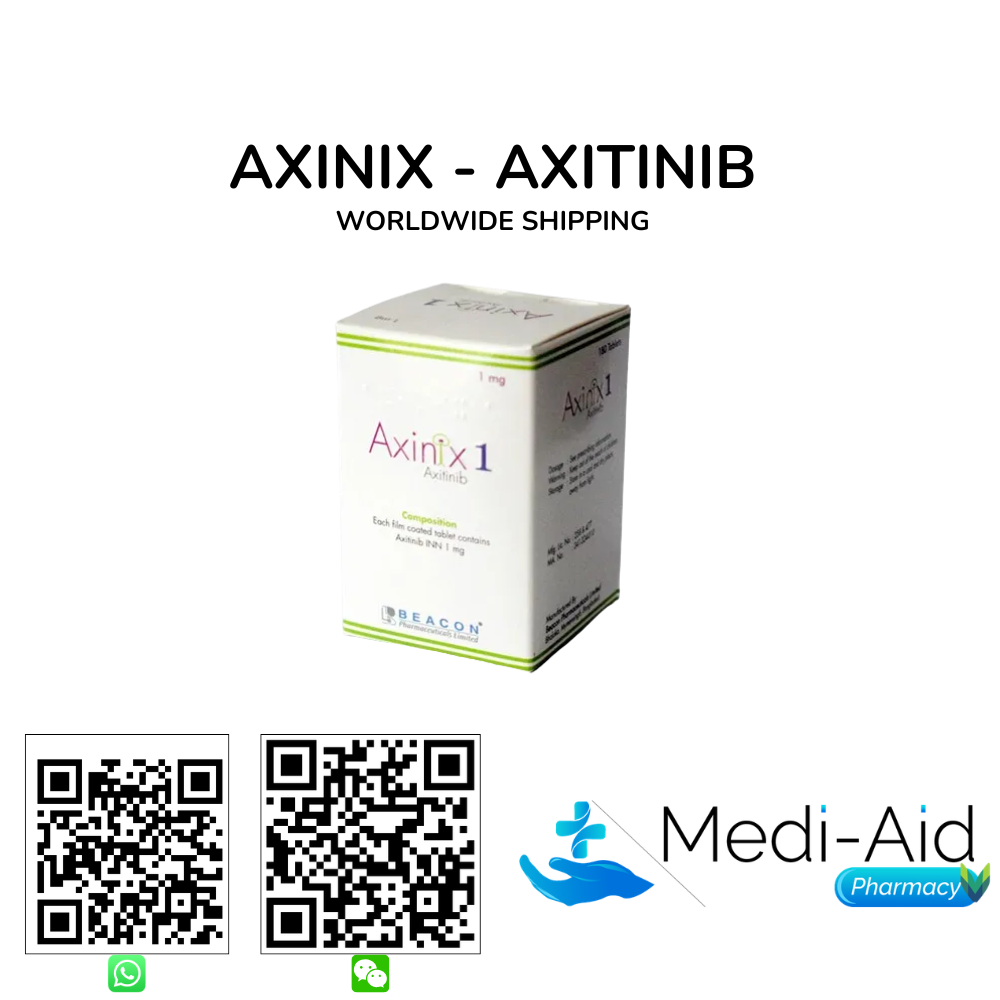
Axinix 1MG & 5MG (Axitinib)
Product Name : Axinix (Axitinib)
Generic Name : Axitinib
Formulation : Tablet
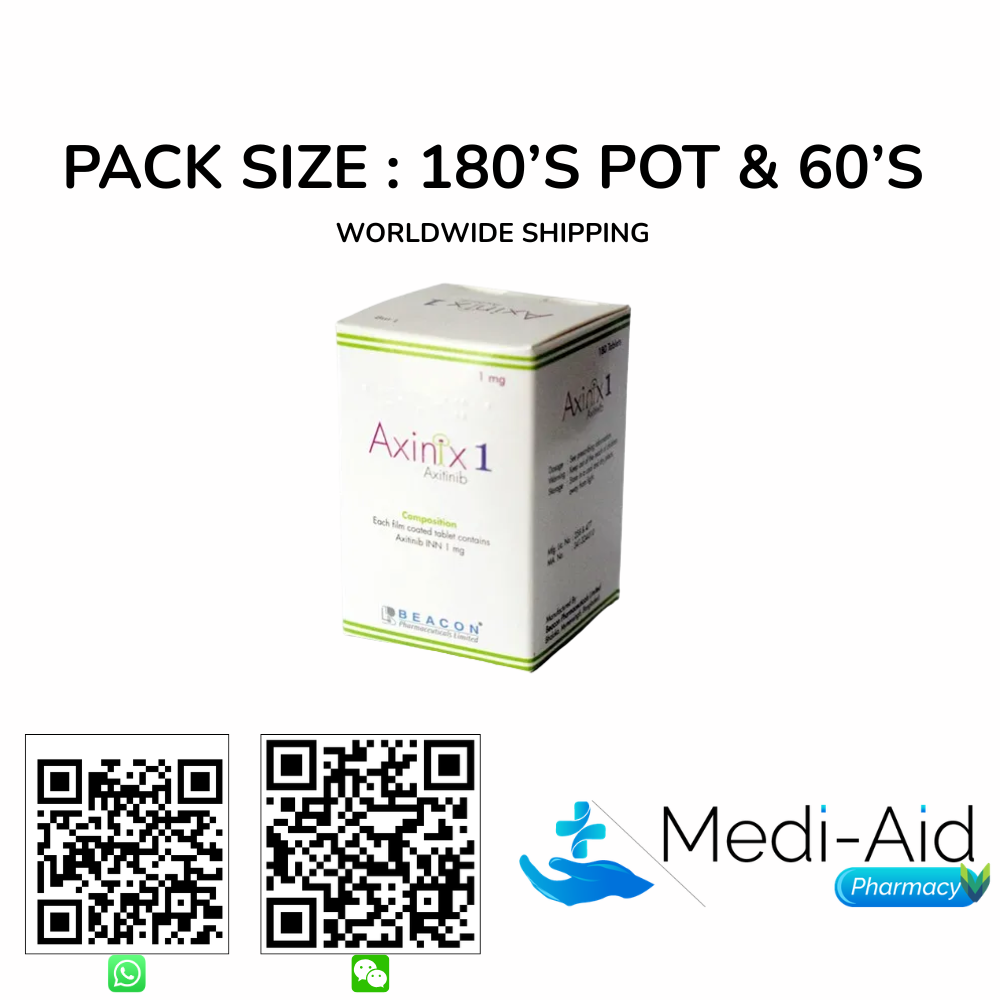
Available Pack Size : 180’s Pot & 60’s Po
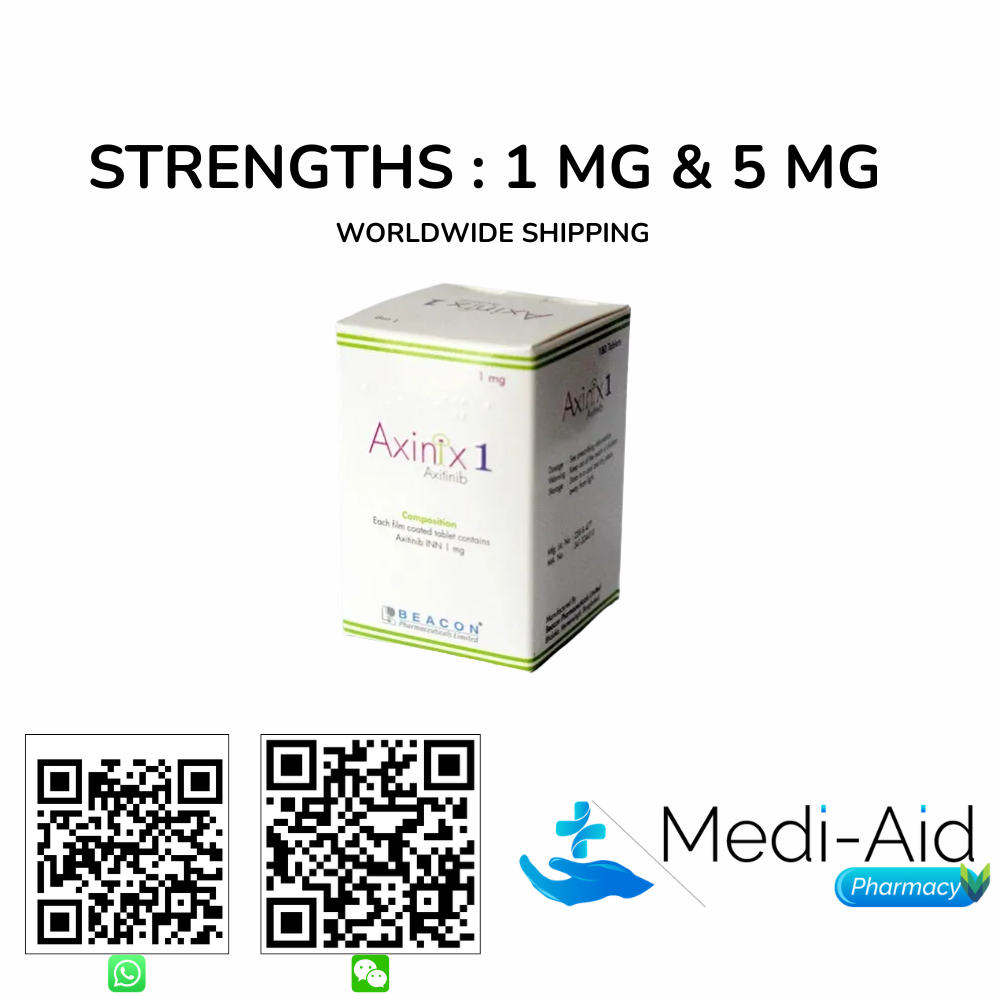
Available Strengths : 1 mg & 5 mg
Registrations : 08.07.2021

Product Information
Axinix 1MG & 5MG (Axitinib) is a potent and selective Vascular Endothelial Growth Factor Receptor (VEGFR) tyrosine kinase inhibitor indicated for the treatment of adult patients with advanced Renal Cell Carcinoma (RCC) after failure of one prior systemic therapy. Axitinib selectively inhibits VEGFR-1, VEGFR-2, and VEGFR-3 at therapeutic plasma concentrations, blocking pathologic angiogenesis and starving tumours of the blood supply required for growth and metastasis. Patients and oncologists seeking a full range of oncology and specialty cancer medicines can review Mediaid Pharmacy’s complete oncology portfolio. Axinix is manufactured by Beacon Pharmaceuticals Ltd., Bangladesh and globally supplied by Mediaid Pharmacy with worldwide shipping.
Basic Product Information of Axinix 1MG & 5MG (Axitinib)
| Brand Name | Axinix (Axitinib) |
| Generic Name | Axitinib INN |
| Drug Class | Selective VEGFR Tyrosine Kinase Inhibitor (VEGFR-1, VEGFR-2, VEGFR-3) |
| Available Strengths | 1mg and 5mg |
| Formulation | Film-Coated Tablet |
| Pack Size | 180 Tablets per Pot (1mg) & 60 Tablets per Pot (5mg) |
| Primary Indication | Advanced Renal Cell Carcinoma (RCC) after failure of one prior systemic therapy; also used in combination with pembrolizumab or avelumab for first-line advanced RCC |
| Regulatory Approvals | USFDA Approved (2012 advanced RCC monotherapy; 2019 first-line combination with pembrolizumab). EMA Approved. Health Canada Approved. |
| Originator Brand | Inlyta by Pfizer |
| Manufacturer | Beacon Pharmaceuticals Ltd., Mymensingh, Bangladesh |
| Global Supplier | Mediaid Pharmacy Worldwide Shipping Available |
| Registration Date | 08/07/2021 |
| Storage Conditions | Store below 30°C in a dry place away from light and moisture. Keep out of the reach of children. |
How Axinix 1MG & 5MG (Axitinib) Works VEGFR Pathway Inhibition and Anti-Angiogenic Mechanism
Axitinib, the active ingredient in Axinix 1MG & 5MG, is a second-generation potent and selective inhibitor of Vascular Endothelial Growth Factor Receptors (VEGFR-1, VEGFR-2, and VEGFR-3). These receptor tyrosine kinases play a central role in pathologic angiogenesis the process by which solid tumours recruit new blood vessels to sustain their growth and enable metastatic spread. In advanced Renal Cell Carcinoma (RCC), VEGF-mediated signalling is consistently dysregulated, making VEGFR inhibition the cornerstone of targeted systemic therapy.
Axitinib works by binding to the ATP-binding site of VEGFR tyrosine kinases, blocking ATP attachment and thereby preventing receptor phosphorylation and downstream signal transduction. By inhibiting VEGFR-1, VEGFR-2, and VEGFR-3 at subnanomolar concentrations, Axinix suppresses endothelial cell proliferation, survival, and new vessel sprouting in and around tumour tissue. Preclinical studies demonstrated that existing vascular density was reduced by approximately 80% within 7 days of Axitinib exposure in tumour xenograft models, with concomitant reductions in VEGFR-2 and VEGFR-3 expression. This direct anti-angiogenic effect cuts the tumour’s blood and nutrient supply, leading to growth arrest and, ultimately, tumour regression.
Critically, the IC50 of Axitinib for VEGFR-1, VEGFR-2, and VEGFR-3 is at least 100 times lower than that of sorafenib, sunitinib, or pazopanib, confirming its superior potency and selectivity profile among available VEGFR tyrosine kinase inhibitors (TKIs). Axinix has additional inhibitory activity against platelet-derived growth factor receptors (PDGFR-α and PDGFR-β) and c-Kit at nanomolar concentrations. This broader but still selective kinase profile further supports its efficacy across subtypes of advanced kidney cancer. Mediaid Pharmacy’s oncology medicines portfolio includes Axinix alongside a comprehensive range of targeted therapies and specialty cancer medicines for oncologists worldwide.
Approved Indications for Axinix 1MG & 5MG (Axitinib)
Axinix (Axitinib) 1mg and 5mg is indicated for the following oncological conditions in adult patients:
|
Advanced Renal Cell Carcinoma Second-Line Monotherapy Axinix is indicated for adult patients with advanced RCC after failure of one prior systemic therapy with sunitinib, a cytokine, or sorafenib. This is the primary and most established indication, supported by the pivotal Phase III AXIS trial in which Axitinib achieved a median progression-free survival (PFS) of 6.7 months versus 4.7 months for sorafenib (HR 0.665; p<0.0001). Approved by USFDA (2012) and EMA. |
Advanced RCC First-Line Combination with Pembrolizumab Axitinib is approved in combination with pembrolizumab (anti-PD-1 checkpoint inhibitor) for the first-line treatment of adult patients with advanced RCC. This combination, based on the KEYNOTE-426 trial, offers dual anti-tumour activity VEGFR blockade plus immune checkpoint inhibition for treatment-naive advanced kidney cancer patients. USFDA approved in 2019. |
|
Advanced RCC First-Line Combination with Avelumab Axitinib is approved in combination with avelumab (anti-PD-L1 checkpoint inhibitor) for the first-line treatment of adult patients with advanced RCC. Based on the JAVELIN Renal 101 trial, this combination demonstrated significantly improved PFS versus sunitinib monotherapy in the first-line setting. USFDA approved in 2019. |
Metastatic Clear Cell RCC All Lines Axitinib is specifically approved for advanced RCC of clear cell histology across multiple regulatory jurisdictions. Its use is guided by prior treatment history and patient performance status. Treatment with Axinix should be initiated and supervised by a physician experienced in the use of anticancer therapies. |
Key Clinical Benefits of Axinix (Axitinib) 1mg and 5mg
|
Superior VEGFR Potency and Selectivity Axitinib inhibits VEGFR-1, VEGFR-2, and VEGFR-3 at IC50 values at least 100 times lower than sorafenib, sunitinib, or pazopanib making it one of the most potent and selective VEGFR inhibitors available for clinical use in advanced RCC. |
Phase III AXIS Trial Proven Efficacy In the landmark AXIS trial (723 patients), Axitinib delivered a median PFS of 6.7 months versus 4.7 months for sorafenib (HR 0.665; p<0.0001) in second-line advanced RCC, establishing its superiority and forming the regulatory basis for global approval. |
Flexible Oral Dose Titration Axinix is available in both 1mg and 5mg strengths, enabling precise dose titration from 1mg up to 10mg twice daily. The 1mg strength (180-tablet pot) supports individualised down-titration for toxicity management, while the 5mg strength (60-tablet pot) covers standard and escalated dosing schedules. |
|
Combination Immunotherapy Compatibility Axitinib is the only VEGFR-TKI approved in combination with two separate PD-1/PD-L1 checkpoint inhibitors pembrolizumab (KEYNOTE-426) and avelumab (JAVELIN Renal 101) in the first-line RCC setting, reflecting its clean off-target profile and immunotherapy compatibility. |
Affordable Generic Alternative to Inlyta Axinix contains the same active ingredient as Inlyta (Pfizer), at a significantly lower cost bringing effective advanced RCC treatment within financial reach for patients in both developing and developed markets who require long-term VEGFR-targeted therapy. |
WHO-GMP and cGMP Certified Manufacturing Axinix is produced by Beacon Pharmaceuticals Ltd. under WHO-GMP, cGMP, and ISO-certified manufacturing standards the same quality framework used for Beacon’s internationally exported oncology and specialty medicines portfolio, verified for consistency, purity, and bioequivalence. |
How to Take Axinix 1MG & 5MG (Axitinib) Dosage and Administration Guidelines
Route of Administration: Oral swallowed whole with a glass of water, with or without food.
Standard Starting Dose: 5mg twice daily, administered approximately 12 hours apart. If the patient vomits or misses a dose, an additional dose should not be taken; the next prescribed dose should be taken at the usual scheduled time.
Dose Escalation: In patients who tolerate the 5mg twice-daily starting dose with no adverse reactions above Grade 2 (per CTCAE criteria) for two consecutive weeks, and whose blood pressure remains below 150/90 mmHg without antihypertensive therapy, the dose may be increased to 7mg twice daily, and subsequently to a maximum of 10mg twice daily.
Dose Reduction for Toxicity: Reduce to 3mg twice daily for the first dose reduction, and to 2mg twice daily for the second dose reduction, if required by adverse effects. The 1mg strength of Axinix supports granular down-titration steps across this range.
Renal Impairment: No starting dose adjustment is required for patients with pre-existing mild, moderate, or severe renal impairment. Data are limited for patients with creatinine clearance (CrCl) below 15 mL/min; use with caution in this population.
Hepatic Impairment: No dose adjustment is required in mild hepatic impairment (Child-Pugh Class A). Reduce the starting dose from 5mg to 2mg twice daily for patients with moderate hepatic impairment (Child-Pugh Class B). Axinix is not recommended in patients with severe hepatic impairment (Child-Pugh Class C).
CYP3A4/5 Inhibitor Co-Administration: Reduce the Axitinib dose when co-administering with strong CYP3A4/5 inhibitors (e.g., clarithromycin, ketoconazole, itraconazole), as these agents significantly increase Axitinib plasma exposure. Avoid grapefruit and grapefruit juice during treatment.
Paediatric Use: The safety and efficacy of Axitinib in patients under 18 years of age have not been established. Use is not recommended in the paediatric population.
Clinical Monitoring Requirements During Axinix (Axitinib) Treatment
Regular clinical monitoring is essential throughout Axinix treatment. Blood pressure must be monitored at baseline and at least every 2 weeks for the first two months, then periodically thereafter; hypertension must be managed with antihypertensive therapy before the dose is escalated. Thyroid function tests (TFTs) including TSH, T3, and T4 should be checked at baseline and monitored throughout treatment, as Axitinib commonly causes hypothyroidism. Liver function tests (LFTs) must be monitored regularly because Axitinib may cause transient elevation of serum aminotransferases in up to 25% of patients. Haematological parameters including haemoglobin, white cell count, and platelet count require monitoring. Patients should be assessed for clinical signs of venous thromboembolism (VTE), arterial thromboembolism, haemorrhage, gastrointestinal perforation, and Reversible Posterior Leukoencephalopathy Syndrome (RPLS). Any unexplained neurological symptoms including headache, seizure, visual changes, or confusion should be investigated promptly.
Drug Interactions and Important Safety Information for Axinix (Axitinib)
Axitinib is metabolised primarily by hepatic CYP3A4/5 enzymes. Strong CYP3A4/5 inhibitors including clarithromycin, ketoconazole, itraconazole, voriconazole, and grapefruit juice significantly increase Axitinib plasma concentrations and must be avoided or managed with dose reduction. Strong CYP3A4/5 inducers including rifampin (rifampicin), carbamazepine, phenytoin, phenobarbital, and St. John’s Wort substantially reduce Axitinib plasma exposure and reduce clinical efficacy; avoid concomitant use wherever possible.
Axitinib may interact with antihypertensive medications, requiring close monitoring and dose adjustment of both agents when blood pressure changes occur during treatment. Daily dosing with Axinix produces approximately 1.4-fold accumulation in plasma concentration versus single-dose administration; steady-state is typically reached within 2 to 3 days. Patients must inform their treating oncologist of all current medications, supplements, and herbal products before starting Axinix.
Side Effects and Precautions of Axinix (Axitinib)
|
Common Side Effects (>20% Incidence) Diarrhoea Hypertension (Grade ≥3 in approximately 15% of patients) Fatigue (Grade ≥3 in approximately 10% of patients) Dysphonia (hoarseness) Nausea Decreased appetite (Grade ≥3 in approximately 3% of patients) Palmar-Plantar Erythrodysesthesia (Hand-Foot Syndrome; Grade ≥3 in approximately 5%) Hypothyroidism monitor thyroid function throughout treatment Elevated serum aminotransferases (LFT elevation in up to 25% of patients) |
Serious Warnings and Precautions Hypertension can be severe; blood pressure must be controlled before and during treatment. Cardiac effects may be more common than with sunitinib and may be fatal. Arterial and venous thromboembolism (2–3% incidence). Use with caution in patients with history of pulmonary embolism in the previous 6 months or with untreated brain metastases. Haemorrhagic events including cerebral haemorrhage, haematuria, haemoptysis, and gastrointestinal bleeding. Use with caution in patients at significant bleeding risk. Reversible Posterior Leukoencephalopathy Syndrome (RPLS) presents with headache, seizure, visual disturbances, lethargy, or confusion. Discontinue Axinix if RPLS is suspected or confirmed. Gastrointestinal perforation and fistula formation have been reported. Use with caution in patients with prior abdominal surgery or active gastrointestinal disease. Wound healing complications do not initiate Axinix within 24 hours before or after major surgical procedures. Not recommended during pregnancy or breastfeeding. Effective contraception required for both men and women during treatment and for at least one week after the final dose. |
Who Should Use Axinix 1MG & 5MG (Axitinib)?
Axinix is indicated for adult patients with advanced or metastatic Renal Cell Carcinoma (RCC) who have progressed on one prior systemic therapy with sunitinib, a cytokine, or sorafenib. In contemporary oncology practice, Axinix is also used in the first-line setting in combination with pembrolizumab (KEYNOTE-426) or avelumab (JAVELIN Renal 101) for treatment-naive patients with advanced RCC. Axinix must be prescribed and supervised by a qualified oncologist or urologist with experience in anticancer therapies. A comprehensive pre-treatment assessment including blood pressure, thyroid function, renal function, hepatic function, complete blood count, and evaluation for active bleeding or brain metastases is required before initiating therapy. Physicians requiring a comprehensive source for oncology specialty medicines including VEGFR inhibitors, immunotherapy combinations, and other targeted cancer treatments can consult Mediaid Pharmacy’s oncology portfolio for availability and worldwide supply.
Manufacturer: Beacon Pharmaceuticals Ltd., Bangladesh
Beacon Pharmaceuticals Ltd. is a leading pharmaceutical manufacturer based in Mymensingh, Bangladesh and the number one oncology and specialty medicine company in the country. Beacon was the first company in Bangladesh to export cancer medicines and currently exports to markets across Asia, Africa, Europe, and Latin America. With more than 200 generic drugs and 65 oncology products in its portfolio, Beacon operates under strict WHO-GMP, cGMP, and ISO-certified manufacturing standards. Axinix (Axitinib) 1mg and 5mg is one of Beacon’s core oncology products, offering a high-quality, bioequivalent, and affordable alternative to Inlyta (Pfizer) at a fraction of the originator cost without compromising on the purity, potency, or bioequivalence required for advanced cancer treatment.
Global Supplier: Mediaid Pharmacy Worldwide Shipping for Axinix (Axitinib)
Mediaid Pharmacy is a trusted global supplier of specialty oncology and targeted therapy medications. Axinix (Axitinib) 1mg and 5mg is available through Mediaid Pharmacy with reliable worldwide shipping to South Asia, the Middle East, Africa, Europe, and beyond. Our team provides full order support including pricing, availability confirmation, documentation, and delivery tracking for oncologists, hospitals, and patients requiring Axinix internationally. Contact Mediaid Pharmacy directly via WhatsApp, phone, or WeChat for enquiries about availability and delivery to your country.
Why Choose Axinix (Axitinib) from Mediaid Pharmacy?
Axinix represents a clinically validated and cost-accessible option for the targeted treatment of advanced Renal Cell Carcinoma. As the generic bioequivalent of Inlyta (Pfizer), Axinix delivers the same active ingredient Axitinib with the same proven selective VEGFR-1, VEGFR-2, and VEGFR-3 inhibition mechanism, at a dramatically lower price. The availability of both the 1mg strength (180-tablet pot) for dose titration and the 5mg strength (60-tablet pot) for standard therapy makes Axinix uniquely well-suited to the full range of dosing scenarios encountered in real-world advanced RCC management. Manufactured by Beacon Pharmaceuticals Ltd. under WHO-GMP and cGMP standards, and distributed globally by Mediaid Pharmacy, Axinix is the trusted choice for oncologists and patients worldwide seeking proven VEGFR-targeted therapy without financial barriers. For the complete range of oncology medicines available from Mediaid Pharmacy, including combination partners and other kidney cancer treatments, visit our oncology medicines page.
Frequently Asked Questions About Axinix 1MG & 5MG (Axitinib)
What is Axinix 1MG & 5MG (Axitinib) used for?
Axinix (Axitinib) 1mg and 5mg is a selective VEGFR-1, VEGFR-2, and VEGFR-3 tyrosine kinase inhibitor indicated for the treatment of adult patients with advanced Renal Cell Carcinoma (RCC) after failure of one prior systemic therapy. Axitinib is also approved in combination with pembrolizumab or avelumab for the first-line treatment of advanced RCC. It works by blocking VEGFR-mediated angiogenic signalling to starve tumours of the blood supply required for growth and metastasis.
What is the correct starting dose of Axinix (Axitinib)?
The recommended starting dose of Axinix is 5mg taken orally twice daily, approximately 12 hours apart, with or without food. The dose may be escalated to 7mg and then to 10mg twice daily if the starting dose is well tolerated with no adverse reactions above Grade 2 for two consecutive weeks and blood pressure is controlled. Dose reductions to 3mg and then 2mg twice daily are required to manage significant toxicity. Always follow your prescribing oncologist’s exact instructions.
What strengths and pack sizes is Axinix (Axitinib) available in?
Axinix is available in 1mg film-coated tablets (supplied in a pot of 180 tablets) and 5mg film-coated tablets (supplied in a pot of 60 tablets). The 1mg strength enables precise down-titration steps for toxicity management, while the 5mg strength covers standard and escalated dosing. Both strengths are required in practice to manage the full titration range of 2mg to 10mg twice daily.
Is Axinix the same as Inlyta (Axitinib by Pfizer)?
Yes. Axinix is the generic equivalent of Inlyta (Pfizer). Both products contain the same active ingredient Axitinib in the same 1mg and 5mg dosage strengths and film-coated tablet formulation. Axinix is manufactured by Beacon Pharmaceuticals Ltd. under WHO-GMP-certified standards in Bangladesh and delivers the same clinical VEGFR-1, VEGFR-2, and VEGFR-3 inhibition mechanism as Inlyta, at a significantly lower cost, making long-term advanced RCC treatment more financially accessible worldwide.
What are the most common side effects of Axinix (Axitinib)?
The most common side effects of Axinix (occurring in more than 20% of patients) include diarrhoea, hypertension, fatigue, dysphonia, nausea, decreased appetite, and palmar-plantar erythrodysesthesia (hand-foot syndrome). Hypothyroidism and elevated liver enzymes are also frequently observed. Serious risks include arterial and venous thromboembolism, haemorrhagic events, Reversible Posterior Leukoencephalopathy Syndrome (RPLS), and gastrointestinal perforation. Always consult your prescribing oncologist for a full individual risk assessment before and during Axinix treatment.
Can Axinix (Axitinib) be used with pembrolizumab or other immunotherapy?
Yes. Axitinib is approved in combination with pembrolizumab (anti-PD-1; KEYNOTE-426 trial) and with avelumab (anti-PD-L1; JAVELIN Renal 101 trial) for the first-line treatment of adult patients with advanced RCC. These combinations leverage both VEGFR-targeted anti-angiogenic activity and immune checkpoint inhibition for greater clinical benefit than either agent alone. Combination use must be supervised by an experienced oncologist, and patients must be monitored for immune-related and VEGFR-related adverse events from both agents.
Does Axinix (Axitinib) require dose adjustment for kidney or liver problems?
No starting dose adjustment is required for patients with mild to severe renal impairment. For hepatic impairment, no adjustment is needed for mild impairment (Child-Pugh Class A); reduce the starting dose to 2mg twice daily for moderate impairment (Child-Pugh Class B); Axinix is not recommended for patients with severe hepatic impairment (Child-Pugh Class C). Always discuss your kidney and liver function results with your prescribing oncologist before starting treatment.
Can I order Axinix 1MG & 5MG (Axitinib) online with worldwide shipping?
Yes. Mediaid Pharmacy supplies Axinix (Axitinib) 1mg and 5mg to patients, oncologists, and healthcare facilities globally with worldwide shipping. Contact Mediaid Pharmacy via WhatsApp, phone, or WeChat at +8801773428128, or send your enquiry to info@mediaidpharmacy.com for pricing, stock availability, and delivery details for your country.
Order Axinix 1MG & 5MG (Axitinib) with Worldwide Shipping
Phone / WhatsApp / WeChat: +8801773428128 | Email: info@mediaidpharmacy.com
Related products
-
Velpanex 400 MG And 100 MG (Sofosbuvir)
-
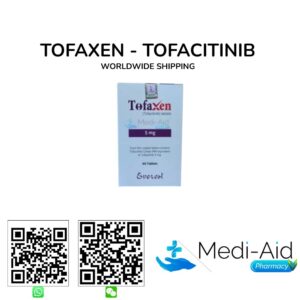
Tofaxen 5 MG (Tofacitinib)
-
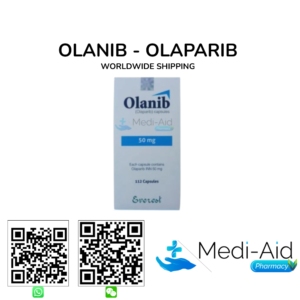
Olanib 50 MG (Olaparib INN )
-
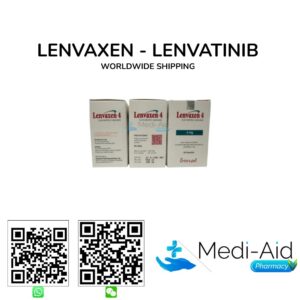
Lenvaxen 4 MG And 10 MG (Lenvatinib)
-
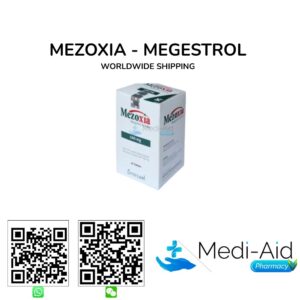
Mezoxia 160 MG (Megestrol)
-
Daclaxen 60 MG (Daclatasvir)
-
Caboxen 20 MG And 80 MG (Cabozantinib)
-
Cabozanix 20MG & 60MG (Cabozanitib)
-
Lapanix 250 MG (Lapatinib)
-
Ibrutix 140 MG (Ibrutinib)