
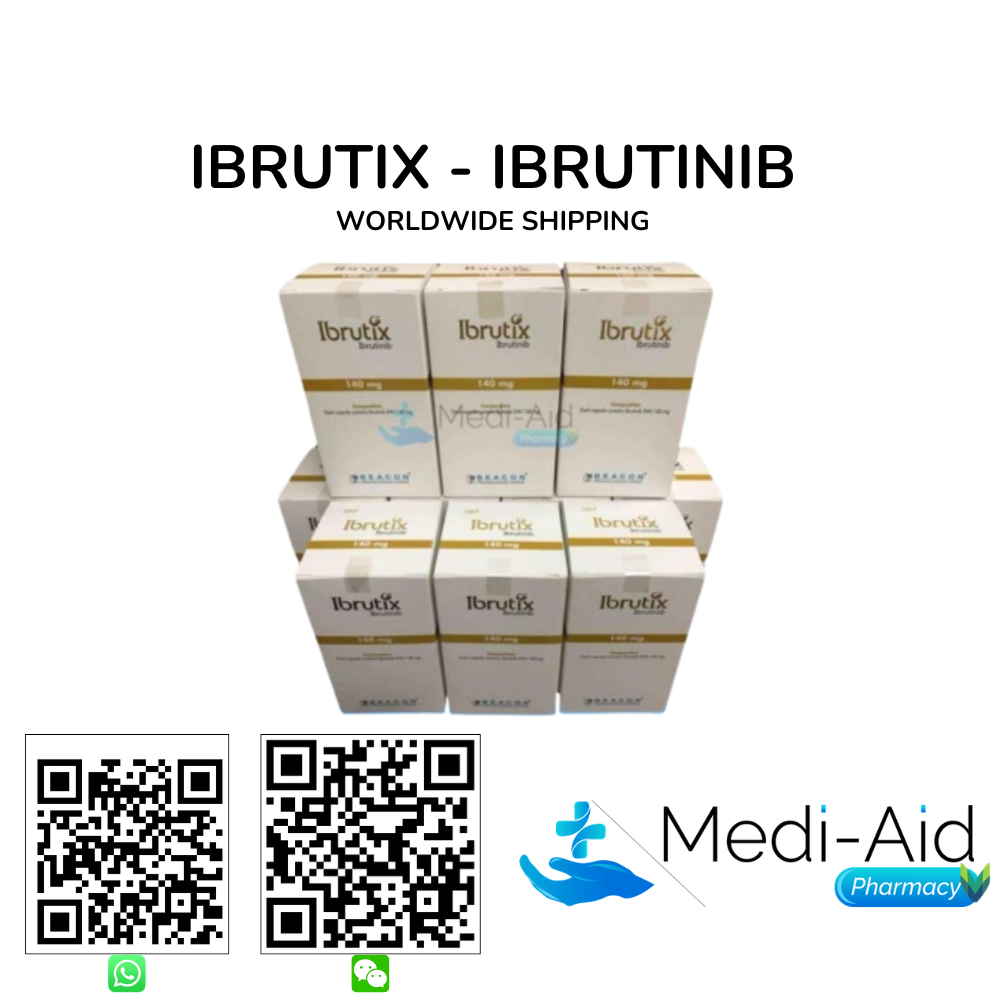
Ibrutix 140 MG (Ibrutinib)
Product Name : Ibrutix (Ibrutinib)
Generic Name : Ibrutinib INN
Formulation : Capsule
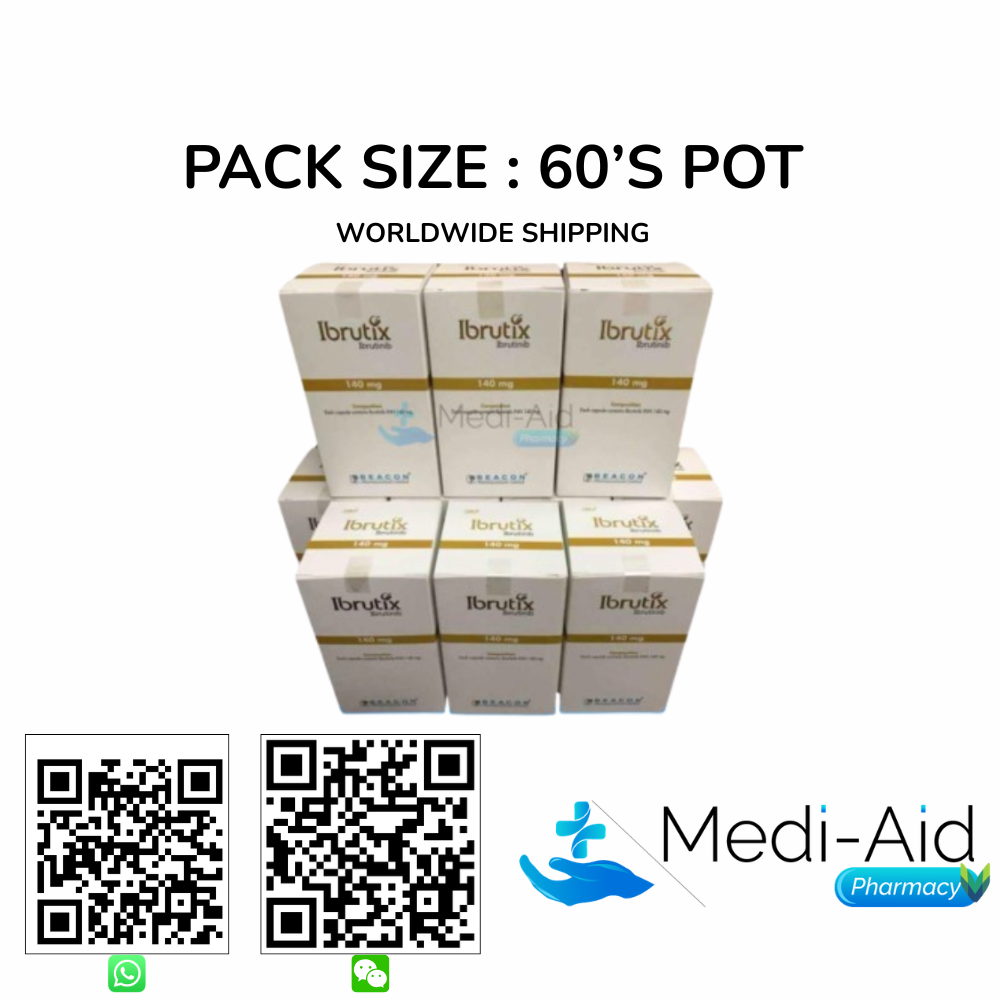
Available Pack Size : 120’s in a bottle
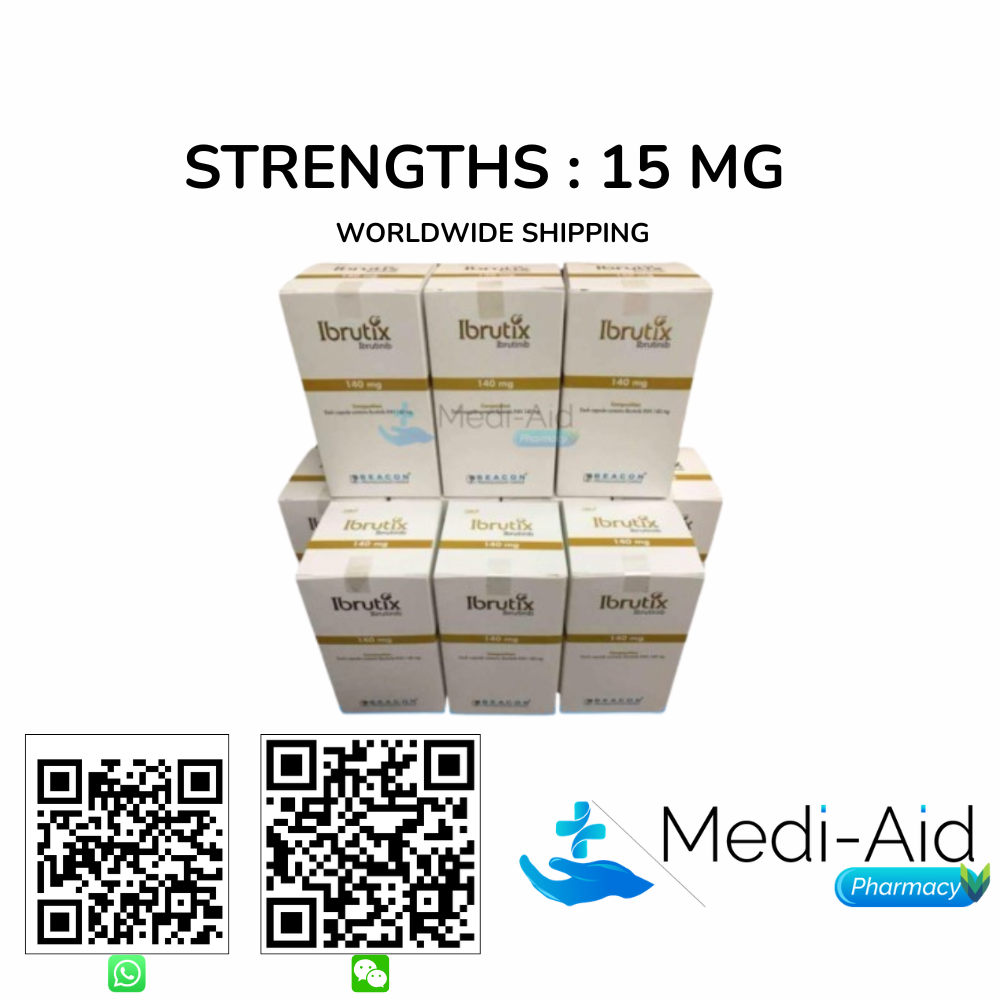
Available Strengths : 140 mg
Registrations : Bangladesh

Product Information
Ibrutix 140 MG (Ibrutinib) is a first-in-class irreversible Bruton’s Tyrosine Kinase (BTK) inhibitor indicated for the treatment of adult patients with Chronic Lymphocytic Leukemia (CLL)/Small Lymphocytic Lymphoma (SLL), Mantle Cell Lymphoma (MCL), Waldenström’s Macroglobulinemia (WM), Marginal Zone Lymphoma (MZL), and chronic Graft-versus-Host Disease (cGVHD). Ibrutinib covalently binds to Cysteine 481 (Cys481) of Bruton’s Tyrosine Kinase, producing irreversible and sustained enzyme inhibition that continuously blocks the downstream B-cell receptor (BCR) signalling pathways required for the proliferation, survival, and tissue homing of malignant B-lymphocytes. Patients and oncologists seeking a full range of oncology and specialty cancer medicines can review Mediaid Pharmacy’s complete oncology portfolio. Ibrutix is manufactured by Beacon Pharmaceuticals Ltd., Bangladesh and globally supplied by Mediaid Pharmacy with worldwide shipping.
Basic Product Information of Ibrutix 140 MG (Ibrutinib)
| Brand Name | Ibrutix (Ibrutinib) |
| Generic Name | Ibrutinib INN |
| Drug Class | Irreversible Bruton’s Tyrosine Kinase (BTK) Inhibitor First Generation, Covalent |
| Available Strength | 140 mg |
| Formulation | Capsule |
| Pack Size | 120 Capsules per Bottle |
| Primary Indications | Chronic Lymphocytic Leukemia (CLL)/SLL; Mantle Cell Lymphoma (MCL); Waldenström’s Macroglobulinemia (WM); Marginal Zone Lymphoma (MZL); Chronic Graft-versus-Host Disease (cGVHD) |
| Regulatory Approvals | USFDA Approved (2013 MCL; 2014 CLL/SLL, WM; 2017 MZL, cGVHD). EMA Approved. Health Canada Approved. |
| Originator Brand | Imbruvica by AbbVie and Janssen (Johnson & Johnson) |
| Manufacturer | Beacon Pharmaceuticals Ltd., Mymensingh, Bangladesh |
| Global Supplier | Mediaid Pharmacy Worldwide Shipping Available |
| Registration | Bangladesh |
| Storage Conditions | Store below 30°C in a dry place away from light and moisture. Keep out of the reach of children. |
How Ibrutix 140 MG (Ibrutinib) Works BTK Pathway Inhibition and Anti-Tumour Mechanism in B-Cell Malignancies
Ibrutinib, the active ingredient in Ibrutix 140 MG, is a first-in-class, first-generation irreversible inhibitor of Bruton’s Tyrosine Kinase (BTK). BTK is a non-receptor tyrosine kinase functioning as a critical intracellular signal transducer downstream of the B-cell receptor (BCR) complex. In normal B-cell biology, BTK activation following antigen binding propagates signals through the PLCγ2–PKCβ–NF-κB signalling axis, regulating B-cell proliferation, differentiation, and survival. In haematological malignancies of B-cell lineage including Chronic Lymphocytic Leukemia (CLL), Mantle Cell Lymphoma (MCL), and Waldenström’s Macroglobulinemia (WM) chronic BCR signalling and constitutive BTK activation are primary oncogenic drivers sustaining tumour cell survival and enabling tissue homing to lymph nodes and the bone marrow microenvironment.
Ibrutinib works by forming a permanent covalent bond at Cysteine 481 (Cys481) of the BTK active site, producing irreversible enzyme inhibition that persists until new BTK protein is synthesised. This distinguishes Ibrutinib from reversible kinase inhibitors: the duration of BTK suppression substantially exceeds the drug’s plasma half-life (approximately 4–6 hours), ensuring continuous pathway blockade throughout the once-daily dosing interval. By irreversibly blocking BTK, Ibrutix suppresses downstream activation of NF-κB, MAP kinase, AKT/mTOR, and PLCγ2 pathways simultaneously reducing tumour cell proliferation, preventing anti-apoptotic BCL-2 family protein upregulation, and disrupting the chemokine receptor signals (CXCR4 and CXCR5) that anchor malignant B-cells to survival-promoting bone marrow and lymph node stroma. This combined effect on BCR signalling and stromal homing drives malignant B-cells out of protective tissue niches into the peripheral circulation producing a clinically observable, transient lymphocytosis at the start of therapy that does not indicate disease progression.
Ibrutinib additionally inhibits ITK (Interleukin-2-Inducible T-Cell Kinase), a TEC-family kinase expressed in T-cells, which contributes to its efficacy in chronic Graft-versus-Host Disease (cGVHD) by modulating Th2-dominant cytokine polarisation and suppressing pathogenic donor T-cell activity. At therapeutic plasma concentrations, Ibrutinib demonstrates additional inhibitory activity against other TEC-family kinases (TEC, BMX, TXK, RLK) with structural homology to BTK, and carries measurable off-target activity on EGFR and HER2, which may account for adverse effects including diarrhoea and rash. The primary determinant of clinical efficacy in B-cell malignancies remains BTK inhibition. Mediaid Pharmacy’s oncology medicines portfolio includes Ibrutix alongside a comprehensive range of targeted therapies and specialty haematology-oncology medicines for physicians and patients worldwide.
Approved Indications for Ibrutix 140 MG (Ibrutinib)
Ibrutix (Ibrutinib) 140mg is indicated for the following haematological conditions in adult patients:
|
Chronic Lymphocytic Leukemia (CLL) / Small Lymphocytic Lymphoma (SLL) Ibrutix is indicated for adult patients with CLL/SLL as first-line therapy and in the relapsed/refractory setting. In the pivotal Phase III RESONATE trial (n=391), Ibrutinib demonstrated superior progression-free survival versus ofatumumab in relapsed/refractory CLL (HR 0.215; p<0.0001). First-line use is supported by the RESONATE-2 trial (Ibrutinib vs chlorambucil in treatment-naive CLL), demonstrating significantly improved progression-free survival. Ibrutix is also used in first-line combination with rituximab or obinutuzumab. USFDA approved 2014; EMA approved. Dose: 420mg (3 capsules) once daily. |
Mantle Cell Lymphoma (MCL) After at Least One Prior Therapy Ibrutix is indicated for adult patients with MCL who have received at least one prior therapy. In the pivotal Phase II MCL trial (PCYC-1104; n=111), Ibrutinib achieved an overall response rate (ORR) of 68% and a complete response (CR) rate of 21% in heavily pre-treated relapsed/refractory MCL patients. Mantle Cell Lymphoma is an aggressive B-cell non-Hodgkin lymphoma with historically poor outcomes following standard chemotherapy; Ibrutinib represents a key approved targeted agent in this setting. USFDA approved 2013. Dose: 560mg (4 capsules) once daily. |
|
Waldenström’s Macroglobulinemia (WM) Ibrutix is indicated for adult patients with Waldenström’s Macroglobulinemia, both treatment-naïve and relapsed/refractory. Ibrutinib achieved an ORR exceeding 90% in relapsed/refractory WM in clinical trial data. Response depth and durability correlate with MYD88 and CXCR4 mutation status; patients with MYD88L265P mutations demonstrate the most favourable responses. The iNNOVATE trial confirmed benefit of Ibrutinib combined with rituximab in treatment-naïve and relapsed/refractory WM versus placebo plus rituximab. USFDA approved 2015. Dose: 420mg (3 capsules) once daily. |
Marginal Zone Lymphoma (MZL) & Chronic Graft-versus-Host Disease (cGVHD) Ibrutix is indicated for MZL after failure of at least one prior anti-CD20-based therapy (ORR approximately 48%; CR rate approximately 3%; USFDA approved 2017; Dose: 560mg once daily). For chronic GvHD after failure of one or more prior systemic therapy lines, Ibrutinib targets ITK-mediated pathogenic T-cell activity in addition to BTK, achieving an ORR of approximately 67% in the pivotal clinical trial; USFDA approved 2017; Dose: 420mg once daily. cGVHD is discontinued when no longer requiring systemic therapy. |
Key Clinical Benefits of Ibrutix (Ibrutinib) 140 MG
|
First-in-Class Irreversible BTK Inhibition Ibrutinib is the first approved inhibitor of Bruton’s Tyrosine Kinase, establishing a new standard of care across multiple B-cell haematological malignancies. Irreversible covalent binding at Cys481 produces sustained BTK suppression that outlasts the drug’s 4–6-hour plasma half-life, ensuring continuous blockade of BCR-driven proliferation and stromal homing signals throughout the once-daily dosing interval. |
Pivotal Trial Evidence Across Five Indications Ibrutinib’s approvals across CLL/SLL, MCL, WM, MZL, and cGVHD are each supported by individual pivotal clinical trial data. In MCL, the PCYC-1104 trial achieved 68% ORR and 21% CR; in WM, response rates exceeded 90% in relapsed/refractory patients; in CLL, RESONATE demonstrated superiority versus ofatumumab (HR 0.215; p<0.0001) establishing Ibrutinib as one of the most broadly active targeted agents in haematological oncology. |
Convenient Once-Daily Oral Dosing No Infusion Required Ibrutix 140mg capsules allow a simple once-daily oral dosing regimen across all five approved indications 3 capsules (420mg) or 4 capsules (560mg) depending on the indication eliminating the need for intravenous infusion sessions and enabling patients to manage long-term haematological malignancy treatment at home without scheduled hospital visits for drug administration. |
|
Dual BCR Signalling and Stromal Microenvironment Disruption Ibrutinib simultaneously blocks BCR-driven tumour cell proliferation and disrupts CXCR4/CXCR5-mediated chemokine homing that anchors malignant B-cells to the survival-promoting bone marrow niche. This dual mechanism dislodges tumour cells from protective stromal microenvironments and reduces the sanctuary-site resistance to chemotherapy commonly observed in CLL and MCL. |
Affordable Generic Alternative to Imbruvica Ibrutix contains the same active ingredient as Imbruvica (AbbVie/Janssen) at a dramatically lower price point bringing effective, continuous BTK inhibitor therapy within financial reach for patients in South Asia, the Middle East, Africa, and other markets where Imbruvica’s originator pricing creates significant long-term treatment access barriers. |
WHO-GMP and cGMP Certified Manufacturing Ibrutix is produced by Beacon Pharmaceuticals Ltd. under WHO-GMP, cGMP, and ISO-certified manufacturing standards the same quality framework used for Beacon’s internationally exported oncology and haematology medicines portfolio, verified for consistency, purity, and bioequivalence across all production batches. |
How to Take Ibrutix 140 MG (Ibrutinib) Dosage and Administration Guidelines
Route of Administration: Oral capsules swallowed whole with a glass of water, with or without food. Capsules must not be opened, broken, or chewed. Ibrutix should be taken at approximately the same time each day. If a dose is missed and it is within 6 hours of the usual time, take it as soon as possible; if more than 6 hours have passed, skip the missed dose and resume the next day’s dose at the regular scheduled time.
CLL/SLL Dose: 420mg (3 × 140mg capsules) once daily, continued until disease progression or unacceptable toxicity. When used in combination with rituximab or obinutuzumab, Ibrutix 420mg is taken continuously alongside the scheduled antibody infusion cycles.
MCL Dose: 560mg (4 × 140mg capsules) once daily, continued until disease progression or unacceptable toxicity. A haematologist must confirm the MCL diagnosis and prior treatment history before initiating Ibrutix at this dose.
Waldenström’s Macroglobulinemia (WM) Dose: 420mg (3 × 140mg capsules) once daily, with or without rituximab, continued until disease progression or unacceptable toxicity. Response assessment includes IgM level monitoring and bone marrow evaluation at appropriate intervals.
MZL Dose: 560mg (4 × 140mg capsules) once daily, after documented failure of at least one prior anti-CD20-based therapy. Treatment continued until disease progression or unacceptable toxicity.
Chronic GvHD (cGVHD) Dose: 420mg (3 × 140mg capsules) once daily, continued until cGVHD no longer requires systemic therapy or until unacceptable toxicity occurs. Discontinuation of Ibrutix in cGVHD requires gradual tapering of concurrent immunosuppressants as directed by the treating physician.
Dose Modification for Toxicity: For Grade 3 or higher non-haematological toxicity, Grade 3 or higher neutropenia with infection or fever, or Grade 4 haematological toxicity, withhold Ibrutix until resolution to Grade 1 or baseline, then restart at the same dose. For a second occurrence, restart at the next lower dose level (560mg → 420mg; 420mg → 280mg). For a third occurrence, reduce further (→ 140mg once daily). Discontinue permanently if toxicity recurs at 140mg.
Hepatic Impairment: Reduce starting dose to 140mg once daily (1 capsule) for mild hepatic impairment (Child-Pugh Class A). For moderate hepatic impairment (Child-Pugh Class B), further dose reduction is required per the prescribing information; consult your treating haematologist for the precise reduced dose applicable to the indication. Ibrutix is not recommended in patients with severe hepatic impairment (Child-Pugh Class C).
Renal Impairment: No dose adjustment is required for mild to moderate renal impairment (CrCl ≥25 mL/min), as less than 1% of Ibrutinib is renally excreted. Use with caution in patients with severe renal impairment (CrCl <25 mL/min); data are limited in end-stage renal disease or dialysis patients.
CYP3A4 Inhibitor Co-Administration: Avoid strong CYP3A4 inhibitors (clarithromycin, ketoconazole, itraconazole, voriconazole, posaconazole, grapefruit juice) with Ibrutix; if a short-course strong inhibitor is unavoidable, reduce Ibrutinib to 140mg once daily during co-administration. For moderate CYP3A4 inhibitors (fluconazole, erythromycin), reduce to 280mg once daily. Resume the full indicated dose once the CYP3A4 inhibitor is discontinued.
Paediatric Use: The safety and efficacy of Ibrutinib in patients under 18 years of age have not been established in the approved indications. Use in the paediatric population is not recommended outside of clinical trials.
Clinical Monitoring Requirements During Ibrutix (Ibrutinib) Treatment
Regular clinical monitoring is essential throughout Ibrutix treatment. Full blood count (FBC) must be checked at baseline and monthly or more frequently during the first months of treatment; Grade ≥3 neutropenia (occurring in approximately 19% of CLL patients) and significant thrombocytopenia require dose interruption or modification per the toxicity management schedule. Cardiac monitoring is critical throughout therapy: Ibrutinib increases the risk of atrial fibrillation (AF) and atrial flutter (overall incidence approximately 6–9% annually; Grade 3 in approximately 3–5%), with risk increasing with treatment duration and background cardiac risk factors. Baseline electrocardiogram (ECG) is recommended for patients with any prior cardiac history, and newly diagnosed AF should be managed with rate or rhythm control agents while carefully evaluating anticoagulation options. Blood pressure must be monitored regularly, as Ibrutinib-associated hypertension occurs in approximately 14% of patients (Grade ≥3 in approximately 8%); antihypertensive therapy should be initiated promptly when indicated. Liver function tests (LFTs) require periodic monitoring throughout treatment. Patients must be assessed for clinical signs of serious infection including Pneumocystis jirovecii pneumonia (PJP), invasive fungal infections, and hepatitis B reactivation (fatal outcomes reported) and for haemorrhagic events (major haemorrhage in approximately 1–6%), second primary malignancies (non-melanoma skin cancer in up to 13% of long-term patients), and tumour lysis syndrome in patients with high tumour burden at treatment initiation.
Drug Interactions and Important Safety Information for Ibrutix (Ibrutinib)
Ibrutinib is metabolised primarily by hepatic CYP3A4 enzymes. Strong CYP3A4 inhibitors including clarithromycin, ketoconazole, itraconazole, voriconazole, posaconazole, and grapefruit juice substantially increase Ibrutinib plasma concentrations and must be avoided; when unavoidable for a short course, reduce Ibrutix to 140mg once daily and resume the full dose after the inhibitor is stopped. Strong CYP3A4 inducers including rifampin (rifampicin), carbamazepine, phenytoin, phenobarbital, and St. John’s Wort substantially reduce Ibrutinib plasma exposure and should be avoided; select alternative agents where clinically possible.
Ibrutinib carries a clinically significant haemorrhagic interaction risk. Warfarin and all vitamin K antagonists are contraindicated with Ibrutinib due to the risk of fatal haemorrhage. Concomitant antiplatelet agents (aspirin, clopidogrel, NSAIDs) or direct oral anticoagulants require formal risk-benefit assessment and close clinical monitoring for bleeding events throughout combined use. Ibrutinib must be withheld at least 3–7 days before and after any elective surgical procedure to minimise operative and post-operative haemorrhagic risk. Patients should inform their treating haematologist or oncologist of all current medications, supplements, and herbal products particularly any agent with anticoagulant, antiplatelet, or CYP3A4-modulating properties before starting Ibrutix.
Side Effects and Precautions of Ibrutix (Ibrutinib)
|
Common Side Effects (>20% Incidence) Diarrhoea (most common gastrointestinal toxicity; Grade ≥3 in approximately 4–9% of patients) Musculoskeletal pain, arthralgia, and myalgia Neutropenia Grade ≥3 in approximately 19% of CLL patients Thrombocytopenia and anaemia Nausea, vomiting, stomatitis, and abdominal discomfort Rash related to off-target EGFR inhibition Bruising and ecchymosis related to Ibrutinib inhibition of platelet GPVI-collagen signalling Fatigue, pyrexia, and peripheral oedema Upper respiratory tract infections and sinusitis |
Serious Warnings and Precautions Major haemorrhage including intracranial haemorrhage, gastrointestinal bleeding, and haematuria (Grade ≥3 in approximately 1–6%). Fatal haemorrhagic events have been reported. Concomitant anticoagulants or antiplatelet agents substantially increase this risk. Atrial fibrillation and atrial flutter incidence approximately 6–9% annually. Risk increases with treatment duration and background cardiac risk factors. Monitor cardiac rhythm; withhold Ibrutix if AF is symptomatic or haemodynamically significant. Hypertension incidence approximately 14%; Grade ≥3 in approximately 8% of patients. Monitor blood pressure throughout treatment; initiate antihypertensive therapy promptly when indicated. Hypertension that is poorly controlled may necessitate Ibrutix dose reduction. Serious infections including Pneumocystis jirovecii pneumonia (PJP), invasive aspergillosis, and hepatitis B reactivation (fatal cases reported). Screen for HBV before initiating treatment. Consider PJP prophylaxis in high-risk patients. Monitor for signs of infection throughout therapy. Second primary malignancies non-melanoma skin cancer reported in up to 13% of patients on long-term treatment; other malignancies in 1–5%. Annual full-body skin examination is recommended for all patients on long-term Ibrutix therapy. Tumour lysis syndrome (TLS) risk is highest at treatment initiation in patients with high tumour burden or bulky CLL/lymphoma. Ensure adequate hydration and uric acid management before and during the first cycles in high-risk patients. Not recommended during pregnancy or breastfeeding. Effective contraception required for both men and women during treatment and for one month after the final dose of Ibrutix. |
Who Should Use Ibrutix 140 MG (Ibrutinib)?
Ibrutix is indicated for adult patients with Chronic Lymphocytic Leukemia (CLL)/Small Lymphocytic Lymphoma (SLL) in both the first-line and relapsed/refractory settings; for adults with Mantle Cell Lymphoma (MCL) after at least one prior therapy; for adults with Waldenström’s Macroglobulinemia (WM) in any line of therapy; for adults with Marginal Zone Lymphoma (MZL) after failure of one anti-CD20-based therapy; and for adults with chronic Graft-versus-Host Disease (cGVHD) who have failed one or more prior systemic therapy lines. Ibrutix must be prescribed and supervised by a qualified haematologist or oncologist with experience in B-cell malignancy management and targeted kinase inhibitor therapy. A comprehensive pre-treatment assessment including complete blood count, hepatic function tests, cardiac evaluation, hepatitis B virus serology, and formal bleeding risk assessment is mandatory before initiating therapy. Physicians requiring a comprehensive source for oncology specialty medicines including BTK inhibitors, anti-CD20 agents, BCL-2 inhibitors, and other haematology-oncology targeted therapies can consult Mediaid Pharmacy’s oncology portfolio for availability and worldwide supply.
Manufacturer: Beacon Pharmaceuticals Ltd., Bangladesh
Beacon Pharmaceuticals Ltd. is a leading pharmaceutical manufacturer based in Mymensingh, Bangladesh and the leading oncology and specialty medicine company in the country. Beacon was the first company in Bangladesh to export cancer medicines and currently exports to markets across Asia, Africa, Europe, and Latin America. With more than 200 generic drugs and 65 oncology products in its portfolio, Beacon operates under strict WHO-GMP, cGMP, and ISO-certified manufacturing standards. Ibrutix (Ibrutinib) 140mg capsules are one of Beacon’s core haematology-oncology products, providing a high-quality, bioequivalent, and affordable alternative to Imbruvica (AbbVie/Janssen) at a fraction of the originator cost without compromising on the purity, potency, or bioequivalence required for the long-term treatment of B-cell haematological malignancies.
Global Supplier: Mediaid Pharmacy Worldwide Shipping for Ibrutix (Ibrutinib)
Mediaid Pharmacy is a trusted global supplier of specialty oncology and targeted haematology-oncology medications. Ibrutix (Ibrutinib) 140mg capsules (120 capsules per bottle) are available through Mediaid Pharmacy with reliable worldwide shipping to South Asia, the Middle East, Africa, Europe, and beyond. Our team provides full order support including pricing confirmation, availability verification, documentation, and delivery tracking for haematologists, oncologists, hospitals, and patients requiring Ibrutix internationally. Contact Mediaid Pharmacy directly via WhatsApp, phone, or WeChat for enquiries about availability and delivery to your country.
Why Choose Ibrutix (Ibrutinib) from Mediaid Pharmacy?
Ibrutix represents a clinically validated and cost-accessible option for the BTK-targeted treatment of B-cell haematological malignancies. As the generic bioequivalent of Imbruvica (AbbVie/Janssen), Ibrutix delivers the same active ingredient Ibrutinib with the same proven irreversible Cys481 BTK inhibition mechanism and the same 140mg capsule formulation, at a dramatically lower price. The availability of the 140mg strength in a 120-capsule bottle supports the full dosing range across all five indications from 140mg for dose-modified regimens up to 420mg (3 capsules) and 560mg (4 capsules) standard once-daily doses within a single product format. Manufactured by Beacon Pharmaceuticals Ltd. under WHO-GMP and cGMP standards, and distributed globally by Mediaid Pharmacy, Ibrutix is the trusted choice for haematologists and patients worldwide seeking proven BTK inhibitor therapy without the financial access barriers associated with originator Imbruvica pricing. For the complete range of oncology medicines available from Mediaid Pharmacy, including anti-CD20 monoclonal antibodies, BCL-2 inhibitors, and other haematological malignancy-targeted treatments, visit our oncology medicines page.
Frequently Asked Questions About Ibrutix 140 MG (Ibrutinib)
What is Ibrutix 140 MG (Ibrutinib) used for?
Ibrutix 140mg (Ibrutinib) is an irreversible Bruton’s Tyrosine Kinase (BTK) inhibitor indicated for the treatment of adult patients with Chronic Lymphocytic Leukemia (CLL)/Small Lymphocytic Lymphoma (SLL), Mantle Cell Lymphoma (MCL), Waldenström’s Macroglobulinemia (WM), Marginal Zone Lymphoma (MZL), and chronic Graft-versus-Host Disease (cGVHD) after failure of prior therapy. Ibrutinib irreversibly blocks BTK at Cysteine 481, preventing B-cell receptor (BCR) signalling that drives malignant B-cell proliferation, survival, and homing to protective bone marrow and lymph node niches.
What is the correct dose of Ibrutix (Ibrutinib) for CLL and MCL?
For CLL/SLL, Waldenström’s Macroglobulinemia, and chronic GvHD, the recommended dose is 420mg (3 × 140mg capsules) once daily. For Mantle Cell Lymphoma and Marginal Zone Lymphoma, the recommended dose is 560mg (4 × 140mg capsules) once daily. All doses are taken orally at approximately the same time each day, with or without food, and capsules must be swallowed whole without opening or crushing. Always follow your prescribing haematologist’s or oncologist’s exact instructions, particularly regarding dose modification for toxicity.
What pack size and strength is Ibrutix (Ibrutinib) available in?
Ibrutix is available in 140mg capsules supplied in a bottle of 120 capsules. The 140mg capsule strength enables flexible dosing across all five approved indications 420mg (3 capsules) for CLL/SLL, WM, and cGVHD, and 560mg (4 capsules) for MCL and MZL as a once-daily oral dose, and also supports dose reduction steps to 280mg and 140mg once daily when required for toxicity management under haematologist supervision.
Is Ibrutix the same as Imbruvica (Ibrutinib by AbbVie and Janssen)?
Yes. Ibrutix is the generic equivalent of Imbruvica (AbbVie/Janssen). Both products contain the same active ingredient Ibrutinib in the same 140mg capsule strength and formulation. Ibrutix is manufactured by Beacon Pharmaceuticals Ltd. under WHO-GMP-certified standards in Bangladesh and delivers the same irreversible covalent BTK inhibition at Cysteine 481 as Imbruvica, at a significantly lower cost, making long-term BTK inhibitor therapy for B-cell malignancies more financially accessible worldwide.
What are the most common side effects of Ibrutix (Ibrutinib)?
The most common side effects of Ibrutix (Ibrutinib) include diarrhoea, musculoskeletal pain, neutropenia, thrombocytopenia, anaemia, nausea, rash, bruising (ecchymosis), fatigue, and upper respiratory tract infections. Serious risks include major haemorrhagic events, atrial fibrillation and atrial flutter, hypertension, serious opportunistic infections (including Pneumocystis jirovecii pneumonia and hepatitis B reactivation), second primary malignancies (particularly non-melanoma skin cancer), and tumour lysis syndrome. Always consult your prescribing haematologist or oncologist for a full individual risk assessment before and throughout Ibrutix treatment.
Can Ibrutix (Ibrutinib) be used with anticoagulants or antiplatelet agents?
Ibrutinib significantly increases haemorrhagic risk and concomitant use with anticoagulants or antiplatelet agents requires formal risk-benefit evaluation and close monitoring. Warfarin and all vitamin K antagonists must not be co-administered with Ibrutinib due to the risk of fatal haemorrhagic events. If anticoagulation is clinically necessary, physicians should consider direct oral anticoagulants with careful ongoing monitoring for bleeding events. Ibrutix must be withheld for at least 3 to 7 days before and after any elective surgical procedure to reduce operative and post-operative bleeding risk. All blood-thinning medications must be disclosed to your haematologist before starting Ibrutix.
Does Ibrutix (Ibrutinib) require dose adjustment for liver or kidney problems?
For mild hepatic impairment (Child-Pugh Class A), reduce the Ibrutix starting dose to 140mg once daily. For moderate hepatic impairment (Child-Pugh Class B), further dose reduction is required per the full prescribing information for the specific indication; consult your treating haematologist for the exact reduced dose. Ibrutix is not recommended in patients with severe hepatic impairment (Child-Pugh Class C). No dose adjustment is required for mild to moderate renal impairment (CrCl ≥25 mL/min), as less than 1% of Ibrutinib is renally excreted. Use with caution in severe renal impairment (CrCl <25 mL/min). Always discuss all organ function results with your prescribing specialist before starting treatment.
Can I order Ibrutix 140 MG (Ibrutinib) online with worldwide shipping?
Yes. Mediaid Pharmacy supplies Ibrutix (Ibrutinib) 140mg (120 capsules per bottle) to patients, haematologists, oncologists, and healthcare facilities globally with worldwide shipping. Contact Mediaid Pharmacy via WhatsApp, phone, or WeChat at +8801773428128, or send your enquiry to info@mediaidpharmacy.com for pricing, stock availability, and delivery details for your country.
Order Ibrutix 140 MG (Ibrutinib) with Worldwide Shipping
Phone / WhatsApp / WeChat: +8801773428128 | Email: info@mediaidpharmacy.com
Related products
-
Niranib 140 MG (Niraparib)
-

Sofoxen 400 MG (Sofosbuvir)
-
Regonix 40MG ( Regorafenib )
-
Sunitinib 50 MG (Sunitix)
-
Crizotinib 250MG (Crizonix)
-
Mezoxia 160 MG (Megestrol)
-
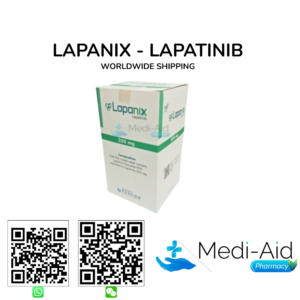
Lapanix 250 MG (Lapatinib)
-
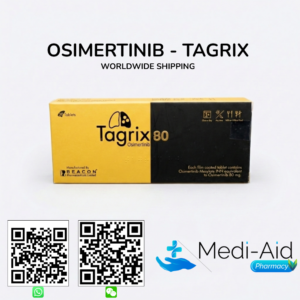
Osimertinib(Tagrix) 40MG & 80MG -(Osimertinib)
-
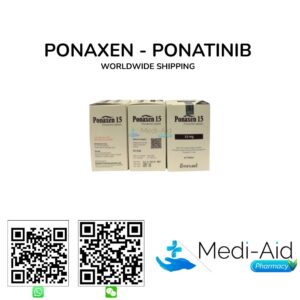
Ponaxen 15MG & 45MG (Ponatinib)
-
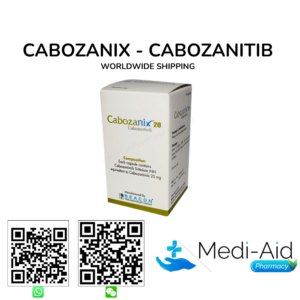
Cabozanix 20MG & 60MG (Cabozanitib)