
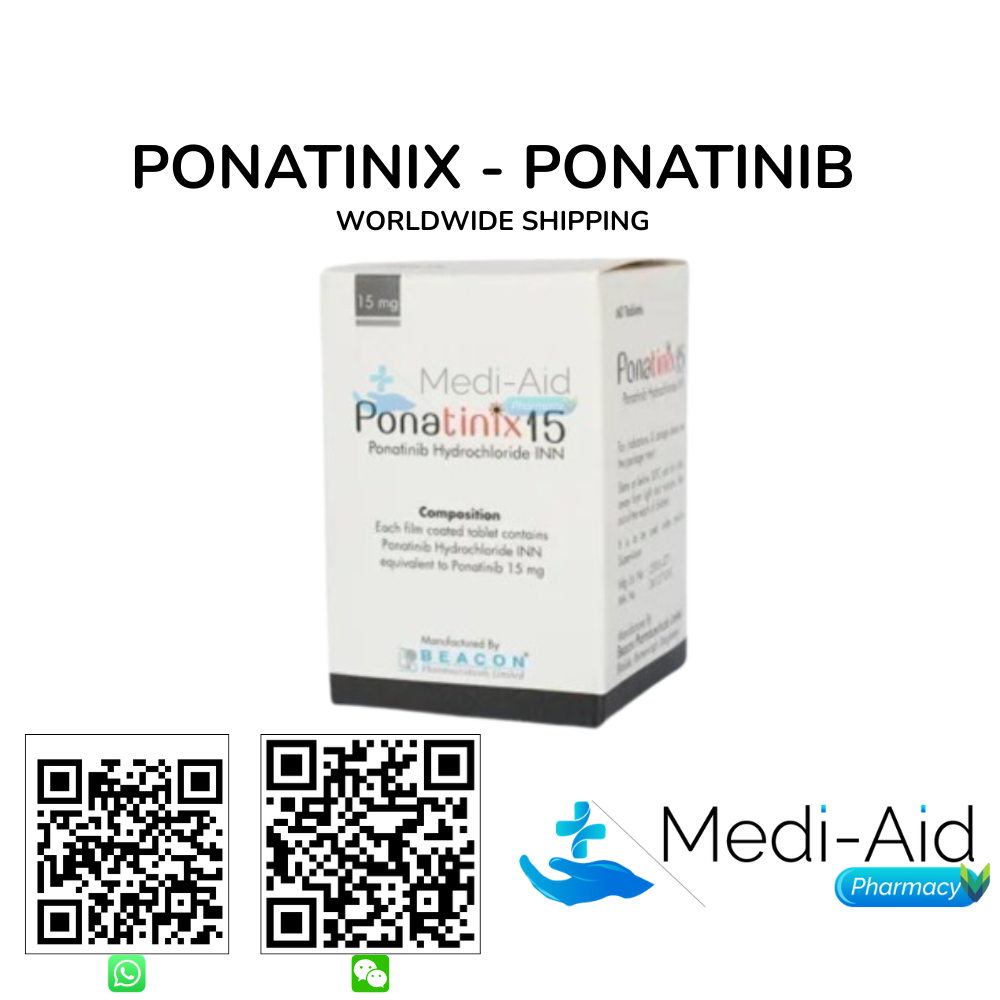
Ponatinix 15 MG (Ponatinib)
Product Name : Ponatinix 15 mg(Ponatinib)
Generic Name : Ponatinib
Formulation : Tablet
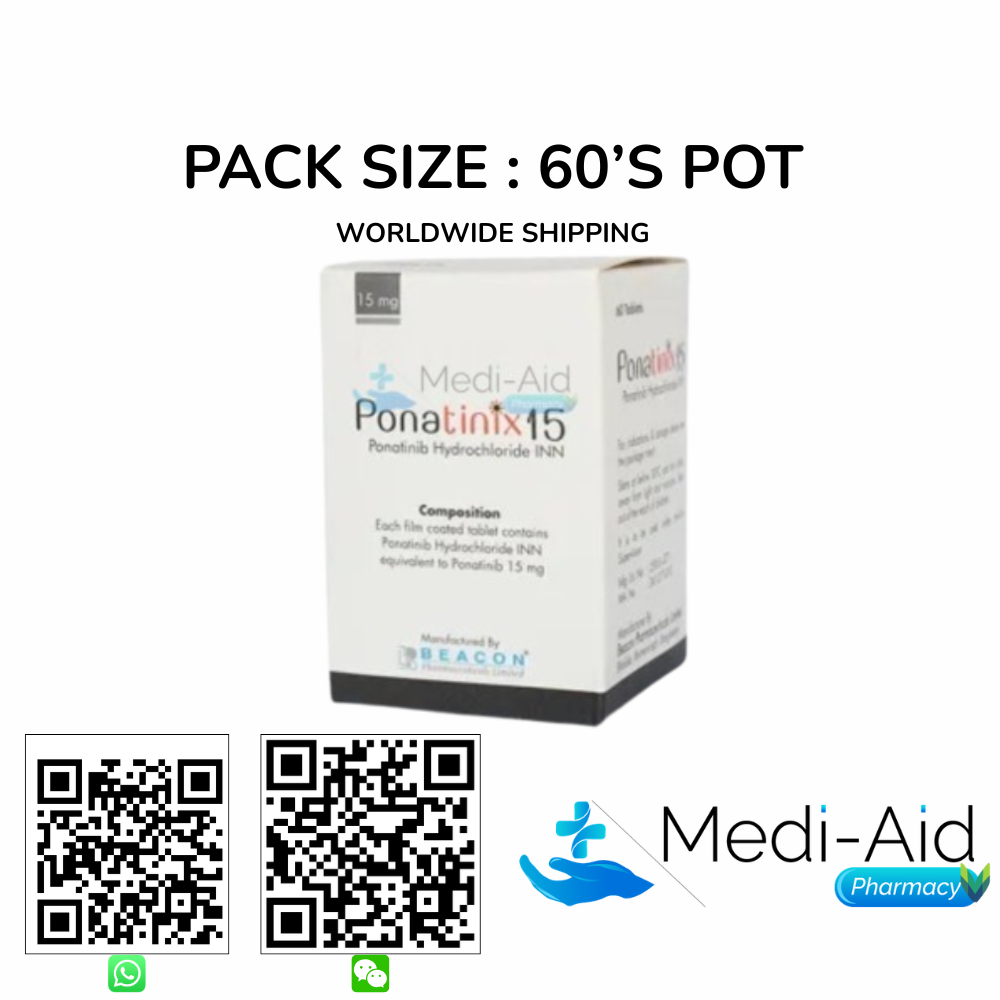
Available Pack Size : 60’s pot
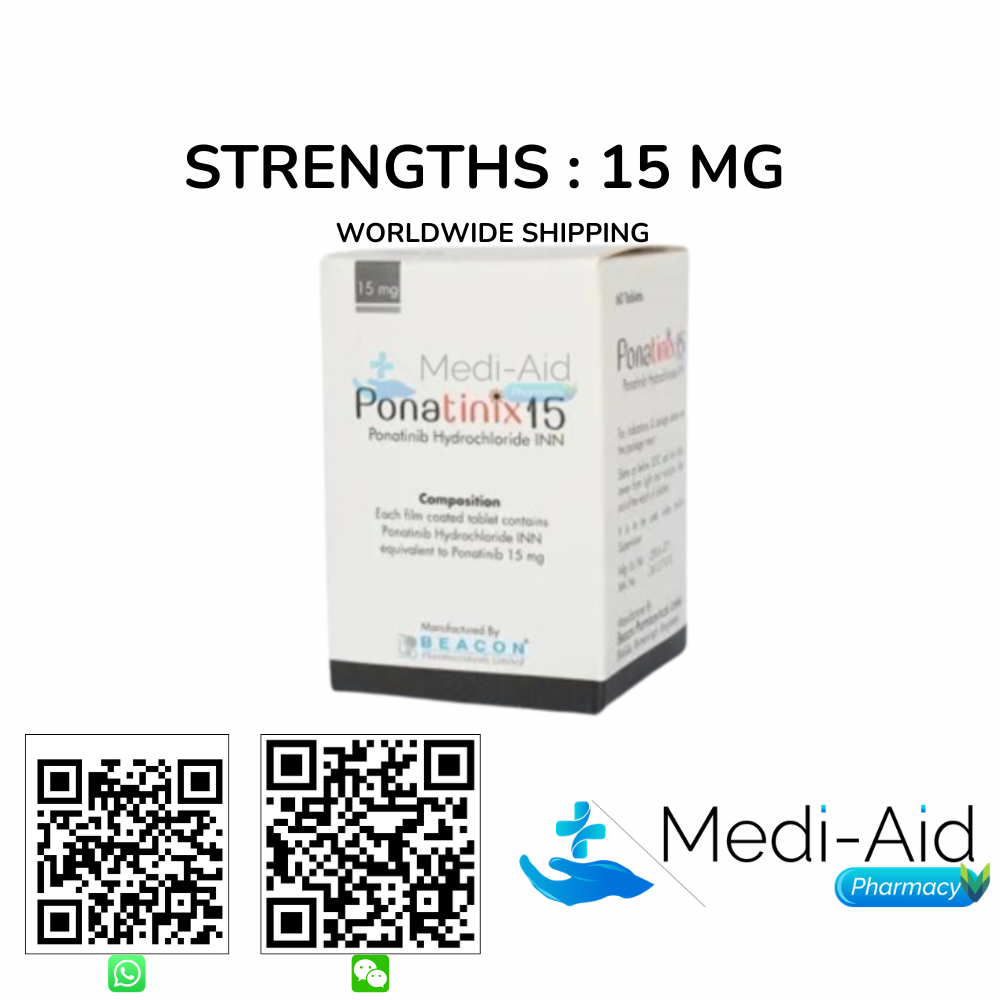
Available Strengths : 15 mg
Registrations : 08.07.2021

Product Information
Ponatinix 15 MG (Ponatinib) is a third-generation, orally administered pan-BCR-ABL tyrosine kinase inhibitor (TKI) indicated for the treatment of adult patients with chronic myeloid leukemia (CML) and Philadelphia chromosome-positive acute lymphoblastic leukemia (Ph+ ALL), including those harboring the T315I “gatekeeper” mutation that confers resistance to all first and second-generation TKIs. Ponatinib achieves potent, targeted inhibition by binding the BCR-ABL kinase domain in both the active and inactive conformations, enabling activity against all known BCR-ABL point mutations tested to date, including T315I. As a flagship product within Mediaid Pharmacy’s dedicated oncology medicines portfolio, Ponatinix provides patients and oncologists worldwide with access to proven, third-generation leukemia therapy. Manufactured by Beacon Pharmaceuticals Ltd., Bangladesh and globally supplied by Mediaid Pharmacy with worldwide shipping.
Basic Product Information of Ponatinix 15 MG (Ponatinib)
| Brand Name | Ponatinix (Ponatinib) |
| Generic Name | Ponatinib INN |
| Drug Class | Third-Generation Pan-BCR-ABL Tyrosine Kinase Inhibitor (TKI) / Multi-Kinase Inhibitor |
| Available Strengths | 15 mg |
| Formulation | Film-Coated Tablet |
| Pack Size | 60 Tablets per Pot |
| Primary Indications | Chronic Myeloid Leukemia (CML) including T315I-positive disease (CP, AP, and BP); Philadelphia Chromosome-Positive Acute Lymphoblastic Leukemia (Ph+ ALL) |
| Regulatory Approvals | USFDA Approved (CML in all phases and Ph+ ALL). EMA Approved (CML and Ph+ ALL). |
| Originator Brand | Iclusig by Takeda (formerly ARIAD Pharmaceuticals) |
| Manufacturer | Beacon Pharmaceuticals Ltd., Mymensingh, Bangladesh |
| Global Supplier | Mediaid Pharmacy Worldwide Shipping Available |
| Registration Date | 08/07/2021 |
| Storage Conditions | Store below 30 degrees C in a dry place away from light and moisture. Keep out of the reach of children. |
How Ponatinix 15 MG (Ponatinib) Works: Pan-BCR-ABL Inhibition and T315I Mutation Coverage
Ponatinib, the active ingredient in Ponatinix 15 MG, is a third-generation, orally bioavailable pan-BCR-ABL tyrosine kinase inhibitor engineered specifically to overcome the kinase domain resistance mutations that limit first and second-generation TKIs. In chronic myeloid leukemia (CML), the Philadelphia chromosome translocation t(9;22)(q34;q11) produces the BCR-ABL fusion oncogene, which encodes a constitutively active ABL tyrosine kinase that drives uncontrolled myeloid cell proliferation. Ponatinib inhibits this kinase by binding the BCR-ABL kinase domain in both the active (DFG-in) and inactive (DFG-out) conformations, positioning it uniquely among all approved BCR-ABL TKIs.
The defining clinical advantage of Ponatinib is its activity against the T315I “gatekeeper” mutation, a single threonine-to-isoleucine amino acid substitution at position 315 of the BCR-ABL kinase domain. The T315I substitution eliminates a critical hydrogen bond contact site and creates steric hindrance that blocks the binding of imatinib, dasatinib, nilotinib, and bosutinib, rendering all four approved prior-generation TKIs ineffective. Ponatinib’s chemical backbone incorporates a carbon-carbon triple bond (ethynyl linker) that permits binding around the T315I isoleucine residue, restoring potent kinase inhibition with a reported IC50 of 0.4 nM against native BCR-ABL and 36 nM against T315I BCR-ABL at therapeutic concentrations.
Beyond BCR-ABL, Ponatinib inhibits a broad panel of kinases that includes PDGFR alpha and beta, FGFR 1 through 4, VEGFR 1 through 3, KIT, FLT3, RET, TIE2, and EPH receptor kinases, contributing to its anti-leukemic breadth and its characteristic multi-kinase toxicity profile. The 15 mg once-daily dose of Ponatinix is the recommended maintenance dose for patients with CP-CML who achieve a major cytogenetic response (MCyR) on initial Ponatinib therapy, supported by the OPTIC trial, which established that response-based dose reduction to 15 mg preserves molecular response durability while substantially lowering the risk of arterial occlusive events. Oncologists seeking a comprehensive range of hematologic and solid-tumor treatments can access Mediaid Pharmacy’s full oncology specialty medicines portfolio for additional treatment options across multiple cancer indications.
Approved Indications for Ponatinix 15 MG (Ponatinib)
Ponatinix (Ponatinib) 15 MG is approved for the following clinical indications in adult patients:
|
Chronic Phase CML (CP-CML) with T315I Mutation or No Other TKI Option For adult patients with CP-CML who harbor the T315I BCR-ABL mutation or for whom no other approved TKI therapy is clinically indicated. Ponatinib is the only TKI with proven clinical activity against T315I-positive CP-CML. USFDA and EMA approved. The 15 mg dose is the recommended maintenance dose following achievement of MCyR. |
Accelerated Phase CML (AP-CML) with T315I Mutation or No Other TKI Option For adult patients in the accelerated phase of CML with the T315I mutation or for whom no other TKI therapy is appropriate. AP-CML represents a stage of higher disease burden and genetic instability, where prior-generation TKIs routinely lose efficacy, and Ponatinib provides a clinically active alternative. USFDA and EMA approved. |
|
Blast Phase CML (BP-CML) and Philadelphia Chromosome-Positive Acute Lymphoblastic Leukemia (Ph+ ALL) For adult patients in blast phase CML or with Ph+ ALL who have the T315I mutation or for whom no other TKI is indicated. BP-CML and Ph+ ALL are aggressive hematologic malignancies driven by constitutively active BCR-ABL signaling where therapeutic options are severely limited after prior TKI failure. |
Response-Based Dose Reduction Maintenance in CP-CML Responders The 15 mg once-daily dose of Ponatinix is specifically recommended for CP-CML patients who achieve a major cytogenetic response during Ponatinib treatment. Reducing to 15 mg after MCyR is established is a regulatory-supported dose management strategy that maintains durable molecular responses while reducing the risk of cardiovascular adverse events. |
Key Clinical Benefits of Ponatinix (Ponatinib) 15 MG
|
The Only TKI Active Against the T315I Gatekeeper Mutation Ponatinib is the only approved BCR-ABL TKI with demonstrated clinical efficacy against the T315I mutation. With an IC50 of 36 nM against T315I BCR-ABL, Ponatinix provides oncologists with a reliable treatment option in a resistance setting where all other TKIs fail. |
Once-Daily Oral Administration Ponatinix 15 MG is taken once daily by mouth, with or without food, making it practical for long-term maintenance therapy in outpatient settings. The oral route eliminates infusion clinic visits and reduces the administration burden for patients on extended leukemia treatment plans. |
Proven Pan-Phase CML Activity from the PACE Trial The pivotal PACE trial established Ponatinib’s efficacy across all CML phases in heavily pre-treated patients with T315I mutation or prior TKI resistance, demonstrating major cytogenetic responses in CP-CML and durable hematologic responses in accelerated and blast phase patients where prior-generation TKIs had failed. |
|
Reduced Cardiovascular Risk at the 15 MG Maintenance Dose The OPTIC trial demonstrated that response-based dose reduction to 15 mg once daily after achieving MCyR significantly reduces the incidence of arterial occlusive events compared to maintained higher-dose therapy, without compromising the durability of cytogenetic or molecular responses in CP-CML patients. |
Broad Multi-Kinase Inhibition Profile Ponatinib inhibits BCR-ABL plus PDGFR, FGFR 1 through 4, VEGFR 1 through 3, KIT, FLT3, RET, and TIE2 kinases. This multi-kinase coverage provides oncologists with a treatment option that addresses multiple leukemic resistance pathways simultaneously. |
Affordable Generic Alternative to Iclusig (Takeda) Ponatinix delivers the same active ingredient as Iclusig at a substantially lower cost. Manufactured by Beacon Pharmaceuticals Ltd. under WHO-GMP and cGMP standards, Ponatinix gives patients and healthcare providers worldwide access to proven third-generation TKI therapy without the financial barrier of originator pricing. |
How to Take Ponatinix 15 MG (Ponatinib): Dosage Guidelines
Route of Administration: Oral taken by mouth with or without food at any consistent time of day. Tablets must be swallowed whole; do not crush, cut, or chew Ponatinix tablets.
Standard Starting Dose for CML and Ph+ ALL: 45 mg once daily is the recommended initial dose for patients with CP-CML, AP-CML, BP-CML, and Ph+ ALL. Ponatinix 15 MG provides the maintenance and dose-reduction level of therapy once a response is established or toxicity requires dose adjustment.
Maintenance Dose (15 mg) for CP-CML Responders: Reduce the Ponatinib dose to 15 mg once daily when a major cytogenetic response (MCyR) is confirmed in patients with CP-CML per regulatory prescribing guidance and OPTIC trial data. This dose reduction strategy maintains molecular response durability while significantly reducing arterial occlusive event risk over extended therapy.
Dose Reduction for Hematologic Toxicity: Reduce to 30 mg once daily for Grade 3 to 4 neutropenia (ANC below 1.0 x 10 to the 9th per liter) or Grade 3 to 4 thrombocytopenia (platelets below 50 x 10 to the 9th per liter). If toxicity recurs at 30 mg, reduce to 15 mg once daily. Discontinue Ponatinix if toxicity persists at the 15 mg dose level.
Dose Reduction for Non-Hematologic Toxicity: Reduce to 30 mg, then to 15 mg, for Grade 2 or higher hepatotoxicity, Grade 3 or higher pancreatitis, clinically significant hypertension uncontrolled with antihypertensive therapy, or arterial occlusive events not requiring treatment discontinuation. Follow prescribing physician guidance for all toxicity-driven dose modifications.
Hepatic Impairment: Reduce the starting dose to 30 mg once daily in patients with moderate (Child-Pugh B) or severe (Child-Pugh C) hepatic impairment. Further reduction to 15 mg may be required based on individual tolerability and liver function monitoring results.
Pediatric Use: The safety and efficacy of Ponatinib in patients under 18 years of age have not been established. Ponatinix is not recommended in the pediatric population.
Clinical Monitoring Requirements During Ponatinix (Ponatinib) Treatment
Comprehensive clinical monitoring is mandatory throughout Ponatinix (Ponatinib) treatment. Healthcare providers must monitor for arterial occlusive events including myocardial infarction, stroke, peripheral arterial occlusion, and limb ischemia, and for venous thromboembolic events including deep vein thrombosis and pulmonary embolism, as these are the most serious and potentially fatal adverse effects of Ponatinib treatment. Specific monitoring parameters required throughout therapy include: Complete Blood Count (CBC) for myelosuppression including neutropenia, thrombocytopenia, and anemia; liver function tests (LFTs) including ALT, AST, alkaline phosphatase, and total bilirubin at baseline, then monthly and as clinically indicated throughout treatment; serum lipase and amylase at baseline and regularly during treatment for early detection of pancreatitis; blood pressure assessment at initiation and throughout treatment, as treatment-emergent hypertension is common and requires prompt management; cardiac function assessment for signs of heart failure, left ventricular dysfunction, and QTc interval prolongation; and BCR-ABL transcript quantification by quantitative PCR at defined intervals to assess cytogenetic and molecular response and guide dose management decisions. Report any new visual disturbances, limb pain, chest pain, or sudden-onset neurologic symptoms to the prescribing oncologist without delay.
Drug Interactions and Important Safety Information for Ponatinix (Ponatinib)
Co-administration of Ponatinix with strong CYP3A4 inhibitors, including ketoconazole, itraconazole, clarithromycin, ritonavir, and grapefruit juice, increases Ponatinib plasma exposure and may amplify dose-dependent adverse effects including cardiovascular toxicity, hepatotoxicity, and pancreatitis. Avoid concurrent use of strong CYP3A4 inhibitors where clinically possible; if co-administration is unavoidable, reduce the Ponatinix dose and increase monitoring frequency. Conversely, co-administration with strong CYP3A4 inducers, including rifampin, carbamazepine, phenytoin, rifabutin, and St. John’s Wort, reduces Ponatinib plasma concentrations and may compromise therapeutic efficacy against CML and Ph+ ALL; this combination should be avoided.
Proton pump inhibitors, H2-receptor antagonists, and other gastric pH-elevating agents may reduce Ponatinib oral bioavailability due to pH-dependent solubility; administer Ponatinix separately from these agents or minimize co-administration where clinically feasible. Avoid combining Ponatinix with other agents known to prolong the QTc interval, as additive effects may increase arrhythmia risk. Patients must inform their prescribing oncologist and pharmacist of all prescription medications, over-the-counter agents, nutritional supplements, and herbal products currently in use before initiating Ponatinix therapy.
Side Effects and Precautions of Ponatinix (Ponatinib) 15 MG
|
Common Side Effects Hypertension (high blood pressure) Rash, dry skin, and skin toxicity Fatigue Constipation Thrombocytopenia (low platelet count) Abdominal pain and nausea Headache Elevated liver enzymes (ALT and AST) Peripheral edema Pyrexia (fever) |
Serious Warnings and Precautions Arterial occlusive events including myocardial infarction, stroke, peripheral arterial occlusion, and fatal ischemic events. Full cardiovascular risk assessment is required before initiating therapy. Venous thromboembolic events including deep vein thrombosis (DVT) and pulmonary embolism (PE). Use with caution in patients at elevated thrombotic risk. Heart failure and left ventricular dysfunction, including fatal cases. Monitor cardiac function throughout the course of Ponatinix treatment. Hepatotoxicity including fatal liver failure. Monitor liver function tests monthly and at any sign of hepatic dysfunction during treatment. Pancreatitis including fatal cases. Monitor serum lipase and amylase at baseline and at regular intervals throughout treatment. Myelosuppression with Grade 3 to 4 neutropenia and thrombocytopenia requiring dose reduction, treatment interruption, or discontinuation. Tumor lysis syndrome (TLS) in patients with high leukemic burden at treatment initiation. Ensure adequate hydration and uric acid management before and during early therapy. Visit Mediaid Pharmacy’s oncology medicines page for supportive oncology treatment options. Embryo-fetal toxicity. Not recommended during pregnancy or breastfeeding. Effective contraception required for both males and females of reproductive potential during treatment and for a defined period after the final dose. |
Who Should Use Ponatinix 15 MG (Ponatinib)?
Ponatinix is indicated for adult patients with chronic myeloid leukemia (CML) in the chronic, accelerated, or blast phase who harbor the T315I BCR-ABL mutation, or for whom no other approved TKI therapy is clinically appropriate following failure of or intolerance to prior TKI treatment. It is also indicated for adult patients with Philadelphia chromosome-positive acute lymphoblastic leukemia (Ph+ ALL) in the same clinical circumstances. Ponatinix at the 15 mg dose is specifically used as a maintenance dose for CP-CML patients who have achieved a major cytogenetic response, and as the lowest approved dose reduction level for managing Grade 3 to 4 hematologic or non-hematologic toxicities. All treatment decisions are made exclusively by oncologists and hematologists with specialized experience in CML and leukemia management. Pre-treatment evaluation must include BCR-ABL mutation testing (including T315I screening), full cardiovascular risk stratification, complete blood count, liver function tests, serum lipase, and a thorough review of all concomitant medications for CYP3A4 interaction potential. Mediaid Pharmacy’s comprehensive oncology medicines portfolio supports multidisciplinary hematology and oncology treatment programs across global markets with a full range of specialty and supportive care products.
Manufacturer: Beacon Pharmaceuticals Ltd., Bangladesh
Beacon Pharmaceuticals Ltd. is a leading pharmaceutical manufacturer based in Mymensingh, Bangladesh and the number one oncology and specialty medicine company in the country. Beacon was the first company in Bangladesh to export cancer drugs and currently exports to markets across Asia, Africa, Europe, and Latin America. With more than 200 generic drugs and 65 oncology products in its portfolio, Beacon operates under strict WHO-GMP, cGMP, and ISO-certified manufacturing standards. Ponatinix (Ponatinib) 15 MG is one of Beacon’s internationally recognized specialty oncology products, offering a high-quality, bioequivalent, and affordable alternative to Iclusig by Takeda at a fraction of the originator cost. Every batch exported by Beacon meets the quality benchmarks required for approval in regulated international markets.
Global Supplier: Mediaid Pharmacy Worldwide Shipping for Ponatinix (Ponatinib)
Mediaid Pharmacy is a trusted global supplier of specialty oncology and hematology medications. Ponatinix (Ponatinib) 15 MG is available through Mediaid Pharmacy with reliable worldwide shipping to South Asia, the Middle East, Africa, Europe, and beyond. Our team provides full order support including pricing, availability confirmation, documentation, and delivery tracking. Contact Mediaid Pharmacy directly via WhatsApp, phone, or WeChat for all inquiries.
Why Choose Ponatinix (Ponatinib) 15 MG from Mediaid Pharmacy?
Ponatinix represents a clinically critical advance for patients with T315I-positive or multi-TKI-resistant CML and Ph+ ALL, addressing a resistance setting where no other approved TKI delivers reliable benefit. As the generic equivalent of Iclusig by Takeda, Ponatinix delivers the same active ingredient, Ponatinib, with the same third-generation pan-BCR-ABL inhibition mechanism and T315I mutation activity, at a dramatically more affordable price point. Manufactured by the internationally trusted Beacon Pharmaceuticals Ltd. under WHO-GMP and cGMP standards, and distributed globally by Mediaid Pharmacy with worldwide shipping, Ponatinix gives oncologists, hematologists, and their patients access to a proven, third-generation TKI without the financial burden of brand-name pricing. Patients and physicians requiring additional specialty oncology and hematology products can access Mediaid Pharmacy’s full range of oncology medicines sourced from verified global manufacturers. For any patient or physician seeking a proven, affordable, and globally accessible Ponatinib treatment option, Ponatinix from Mediaid Pharmacy is the trusted choice.
Frequently Asked Questions About Ponatinix 15 MG (Ponatinib)
What is Ponatinix 15 MG (Ponatinib) used for?
Ponatinix 15 MG (Ponatinib) is a third-generation pan-BCR-ABL tyrosine kinase inhibitor used to treat adult patients with chronic myeloid leukemia (CML) in the chronic, accelerated, or blast phase, and Philadelphia chromosome-positive acute lymphoblastic leukemia (Ph+ ALL), including patients with the T315I resistance mutation that renders all other currently approved TKIs ineffective. The 15 mg once-daily dose is used as the recommended maintenance dose in CP-CML patients who achieve a major cytogenetic response on Ponatinib therapy, and as the lowest dose level in toxicity-driven dose reduction protocols.
What is the T315I mutation and why is Ponatinib the treatment of choice for it?
The T315I mutation is a single point mutation in the BCR-ABL kinase domain, causing a threonine-to-isoleucine substitution at amino acid position 315. Called the “gatekeeper” mutation, T315I eliminates a critical hydrogen bond contact site and introduces steric hindrance that blocks all first-generation (imatinib) and second-generation (dasatinib, nilotinib, bosutinib) TKIs from binding effectively to BCR-ABL. Ponatinib’s chemical structure incorporates an ethynyl (carbon-carbon triple bond) linker that permits binding around the T315I isoleucine residue, restoring potent BCR-ABL inhibition with an IC50 of 36 nM against T315I BCR-ABL. This makes Ponatinib the only approved TKI with consistent clinical activity in T315I-positive CML and Ph+ ALL.
What strength and pack size is Ponatinix (Ponatinib) available in?
Ponatinix is available as 15 mg film-coated tablets supplied in a pot of 60 tablets. The 15 mg dose serves as the maintenance dose for CP-CML patients who achieve a major cytogenetic response (MCyR) on Ponatinib therapy per OPTIC trial guidance, and as the lowest dose reduction level for patients experiencing hematologic or non-hematologic toxicities on higher Ponatinib doses.
Is Ponatinix the same as Iclusig (Ponatinib by Takeda)?
Yes. Ponatinix is the generic equivalent of Iclusig. Both products contain the same active ingredient, Ponatinib, in the same dosage form and strength. Ponatinix is manufactured by Beacon Pharmaceuticals Ltd. in Bangladesh under WHO-GMP-certified conditions and delivers the same third-generation BCR-ABL inhibition mechanism as Iclusig, including full T315I mutation activity, at a significantly lower cost. This makes Ponatinix a more financially accessible long-term treatment option for patients with TKI-resistant leukemia worldwide.
What are the serious side effects of Ponatinix (Ponatinib)?
Ponatinix carries US FDA Boxed Warnings for arterial occlusive events (including myocardial infarction, stroke, and peripheral arterial occlusion), venous thromboembolic events, heart failure, and hepatotoxicity all of which have been fatal in some cases. Additional serious risks include pancreatitis, myelosuppression, tumor lysis syndrome, hypertension, and embryo-fetal toxicity. Common side effects include hypertension, rash, fatigue, constipation, thrombocytopenia, abdominal pain, nausea, elevated liver enzymes, and peripheral edema. Comprehensive cardiovascular risk assessment and regular clinical monitoring are mandatory for all patients on Ponatinix therapy.
What clinical evidence supports Ponatinib for CML?
Ponatinib’s clinical efficacy is established by the PACE trial (Ponatinib Ph+ ALL and CML Evaluation), the pivotal Phase 2 study that enrolled heavily pre-treated patients with T315I-positive or TKI-resistant CML and Ph+ ALL. PACE demonstrated major cytogenetic responses in CP-CML patients and durable hematologic responses in accelerated and blast phase patients. The OPTIC trial (Optimizing Ponatinib Treatment In CML) subsequently established the response-based dose reduction strategy, confirming that reducing to 15 mg once daily after achieving MCyR maintains deep molecular responses while significantly lowering the incidence of arterial occlusive events compared to continued higher-dose therapy.
Is Ponatinix (Ponatinib) safe during pregnancy or while breastfeeding?
No. Ponatinix is not recommended during pregnancy due to demonstrated embryo-fetal toxicity. Animal reproduction studies have shown fetal harm at exposures below the human clinical dose. Women of childbearing potential must use effective contraception during the full course of Ponatinix treatment and for a defined period after the final dose. Males with female partners of childbearing potential must also use effective contraception during treatment and for a specified period after the last dose. Ponatinib is not recommended during breastfeeding. Consult your prescribing oncologist before making any reproductive or treatment planning decisions.
Can I order Ponatinix 15 MG (Ponatinib) online with worldwide shipping?
Yes. Mediaid Pharmacy supplies Ponatinix (Ponatinib) 15 MG to patients and healthcare providers globally with worldwide shipping. Contact Mediaid Pharmacy via WhatsApp, phone, or WeChat at +8801773428128, or send an email inquiry to info@mediaidpharmacy.com for pricing, stock availability, and delivery details for your country.
Order Ponatinix 15 MG (Ponatinib) with Worldwide Shipping
Phone / WhatsApp / WeChat: +8801773428128 | Email: info@mediaidpharmacy.com
Related products
-
Baricinix 2MG & 4MG (Baricitinib)
-
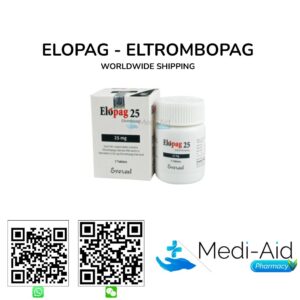
Elopag 25 MG (Eltrombopag)
-
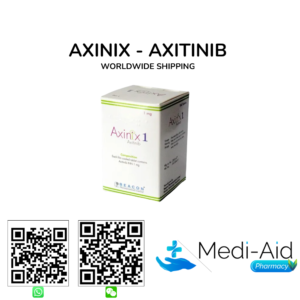
Axinix 1MG & 5MG (Axitinib)
-
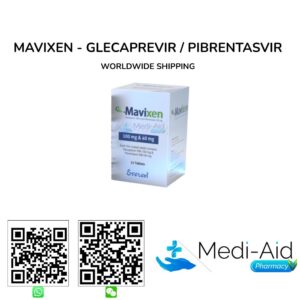
Mavixen 100 MG / 40 MG (Glecaprevir / Pibrentasvir )
-
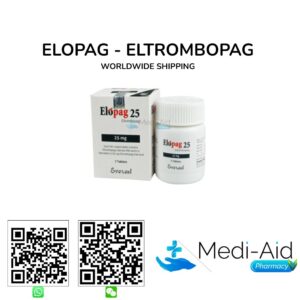
Elopag 50MG (Eltrombopag)
-
Velpanex 400 MG And 100 MG (Sofosbuvir)
-
Afanix 40 MG (Afatinib)
-
Hepanib 200 MG (Sorafenib)
-
Olanib 50 MG (Olaparib INN )
-
Sunitinib 50 MG (Sunitix)