
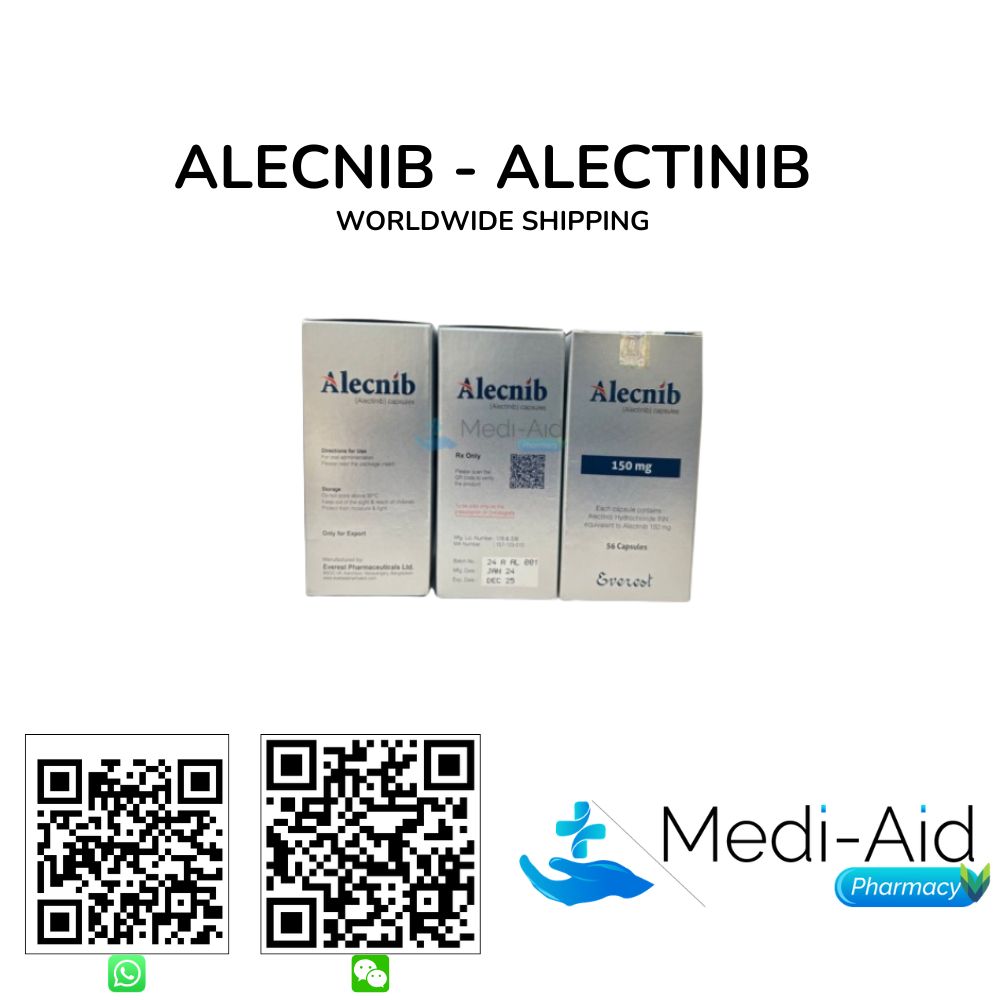
Alecnib 150 MG (Alectinib)
Product Name : Alecnib
Generic Name : Alectinib
Formulation : Tablet
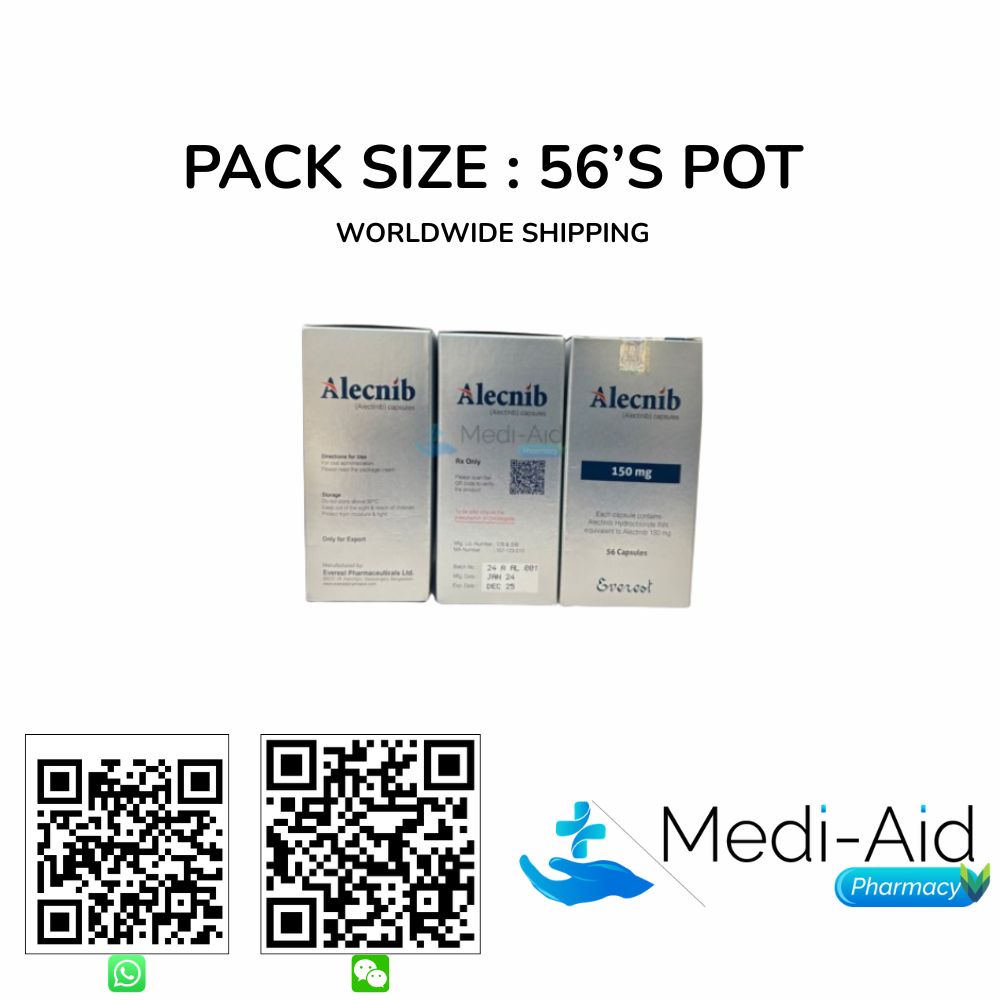
Available Pack Size : 56’s
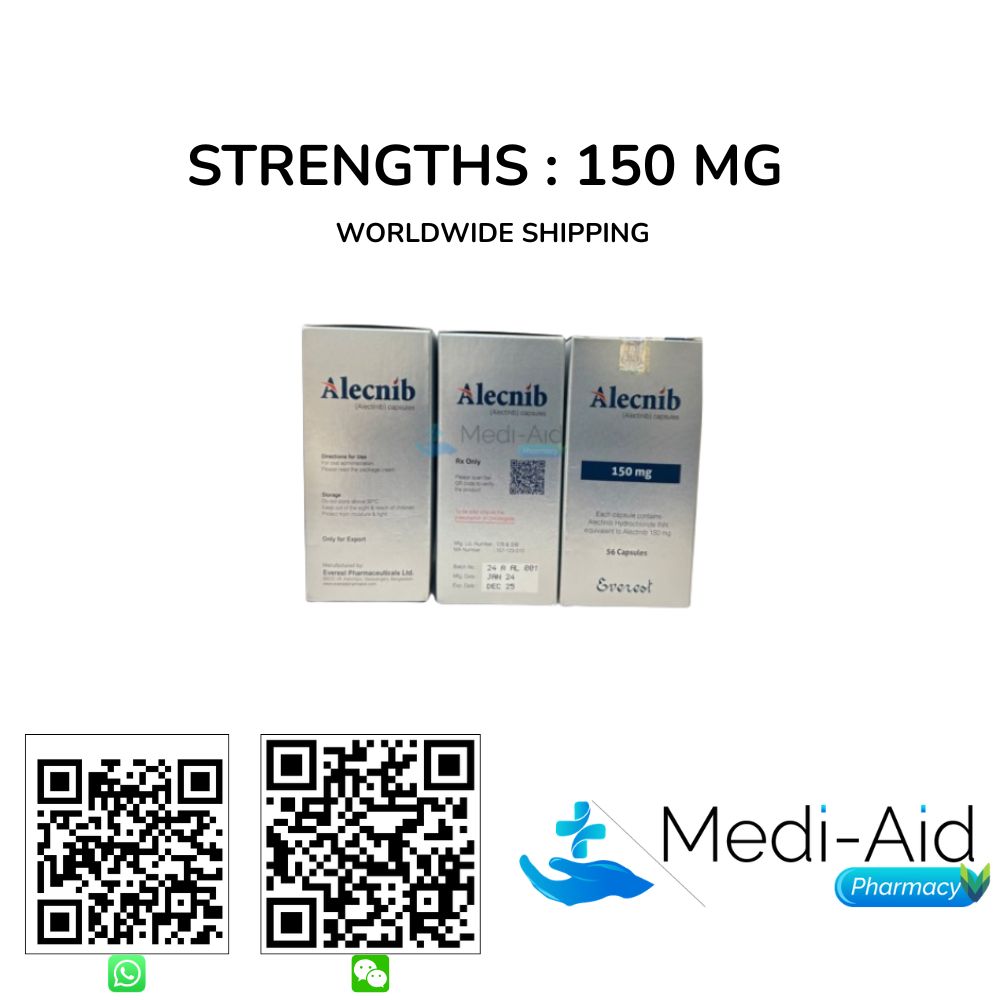
Available Strengths : 150 mg
Registrations : Export Only

Product Information
Alecnib 150 MG (Alectinib) is a second-generation, highly selective anaplastic lymphoma kinase (ALK) tyrosine kinase inhibitor (TKI) supplied as 150 mg tablets in a 56-tablet pack and registered for export only. Its active ingredient, alectinib, is a macrocyclic compound that potently and selectively inhibits ALK and the RET proto-oncogene, overcoming the majority of crizotinib-resistance mutations while achieving substantially superior central nervous system (CNS) penetration compared with first-generation ALK inhibitors. Alecnib 150 MG is indicated for the first-line treatment of adult patients with ALK-positive locally advanced or metastatic non-small cell lung cancer (NSCLC) and for the treatment of adult patients with ALK-positive locally advanced or metastatic NSCLC previously treated with crizotinib. In the landmark ALEX phase III trial, first-line alectinib delivered a median progression-free survival (PFS) of 34.8 months versus 10.9 months for crizotinib (hazard ratio 0.43; 95% CI 0.32 to 0.58), with a CNS objective response rate of 81% versus 50% for crizotinib in patients with measurable CNS lesions at baseline, establishing alectinib as the global first-line standard of care for ALK-positive NSCLC. Mediaid Pharmacy supplies Alecnib 150 MG (Alectinib) as part of its comprehensive oncology and specialty medicines portfolio, with worldwide shipping to licensed importers, oncology hospitals, and healthcare distributors. Alecnib 150 MG tablets are registered for export only and globally supplied by Mediaid Pharmacy.
Basic Product Information of Alecnib 150 MG (Alectinib)
| Brand Name | Alecnib 150 MG (Alectinib) |
| Product Name | Alecnib |
| Generic Name | Alectinib |
| Drug Class | Second-Generation ALK Tyrosine Kinase Inhibitor (ALK-TKI) / RET Inhibitor / Targeted Anticancer Therapy |
| Available Strengths | 150 mg |
| Formulation | Tablet |
| Pack Size | 56 Tablets per Pack |
| Primary Indications | First-line treatment of adults with ALK-positive locally advanced or metastatic NSCLC; treatment of adults with ALK-positive locally advanced or metastatic NSCLC previously treated with crizotinib |
| Regulatory Approvals | USFDA Approved (ALK-positive NSCLC, first-line and post-crizotinib). EMA Approved. |
| Originator Brand | Alecensa (alectinib) by Roche / Genentech |
| Global Supplier | Mediaid Pharmacy, Worldwide Shipping Available |
| Registration | Export Only |
| Storage Conditions | Store below 30°C in a dry place away from direct light and moisture. Keep out of the reach of children. |
How Alecnib 150 MG (Alectinib) Works: Second-Generation ALK Tyrosine Kinase Inhibition Mechanism
Alectinib, the active ingredient in Alecnib 150 MG, is a second-generation, highly selective, oral anaplastic lymphoma kinase (ALK) and RET proto-oncogene tyrosine kinase inhibitor. Its primary molecular target is the EML4-ALK fusion oncoprotein and other ALK gene rearrangements, which together account for approximately 3 to 5% of non-small cell lung cancer (NSCLC) diagnoses and drive malignant cell proliferation, survival, and metastasis through constitutive ALK kinase activation. Under normal physiology, ALK mediates neuronal development and differentiation through ligand-dependent signaling. When chromosomal inversions or translocations fuse ALK to partner genes, most commonly EML4, the resulting fusion proteins become constitutively active kinases that continuously signal through downstream proliferative pathways, including RAS/ERK, PI3K/AKT, and JAK/STAT3, sustaining tumor growth without requiring normal regulatory input.
Alectinib’s decisive clinical advantage over first-generation ALK inhibitor crizotinib derives from two distinguishing molecular properties. First, alectinib maintains potent inhibitory activity against the broad spectrum of crizotinib-resistance ALK mutations that emerge in tumor cells after first-generation TKI therapy, including L1196M (the “gatekeeper” mutation that eliminates crizotinib’s binding hydrogen bond), C1156Y, F1174L, L1152R, and G1269A. These mutations reduce crizotinib binding affinity substantially but do not impair alectinib binding, enabling clinical responses after crizotinib failure. Second, alectinib achieves substantially superior CNS penetration compared with crizotinib, which is a P-glycoprotein (P-gp) efflux transporter substrate at the blood-brain barrier that severely limits crizotinib’s intracranial drug concentration. Alectinib is not a P-gp substrate at clinically relevant concentrations and therefore reaches therapeutically meaningful levels in brain parenchyma, providing direct intracranial tumor control. Oncologists building a comprehensive lung cancer treatment program can access Alecnib 150 MG alongside a full portfolio of ALK-pathway agents and precision oncology therapies through Mediaid Pharmacy’s oncology medicines catalog.
In the landmark ALEX trial (phase III, first-line, 303 patients), alectinib delivered a median PFS of 34.8 months versus 10.9 months for crizotinib (hazard ratio 0.43; 95% CI 0.32 to 0.58; p less than 0.001), a CNS objective response rate of 81% versus 50% for crizotinib in patients with measurable baseline CNS lesions, and a CNS progression rate of only 12% versus 45% for crizotinib at data maturity. The 5-year PFS rate was 19.0% for alectinib versus 0% for crizotinib, a difference that quantifies alectinib’s durable long-term tumor control advantage at the population level. In the ALESIA trial (phase III, Asian patients, first-line, 187 patients), alectinib produced a median PFS of not yet reached versus 11.1 months for crizotinib (hazard ratio 0.22; 95% CI 0.13 to 0.38), with a CNS ORR of 94.1% versus 28.6% for crizotinib in patients with baseline CNS disease, independently confirming first-line superiority across a racially distinct patient population that represents a high proportion of global ALK-positive NSCLC incidence.
Approved Indications for Alecnib 150 MG (Alectinib)
Alecnib 150 MG (Alectinib) is indicated across two clinically validated settings in ALK-positive NSCLC, where second-generation ALK inhibition delivers superior PFS, CNS disease control, and response depth compared with first-generation ALK-TKI crizotinib or systemic chemotherapy:
|
First-Line Treatment of ALK-Positive Locally Advanced or Metastatic NSCLC USFDA and EMA approved for adult patients with ALK-positive locally advanced or metastatic NSCLC as first-line therapy, confirmed by a validated ALK diagnostic assay. In the ALEX trial, first-line alectinib produced a median PFS of 34.8 months versus 10.9 months for crizotinib, a CNS ORR of 81% versus 50%, a CNS progression rate of 12% versus 45%, and a 5-year PFS rate of 19% versus 0%, making alectinib the evidence-based global first-line standard for ALK-positive NSCLC per NCCN, ESMO, and ASCO guidelines. |
Treatment of ALK-Positive NSCLC Previously Treated with Crizotinib USFDA and EMA approved for adult patients with ALK-positive locally advanced or metastatic NSCLC who progressed on or became intolerant to crizotinib. In the ALUR phase III trial (107 patients), alectinib produced an ORR of 37.5% versus 2.9% for chemotherapy and a median PFS of 9.6 months versus 1.4 months (hazard ratio 0.15; 95% CI 0.08 to 0.29), establishing highly significant clinical benefit in post-crizotinib ALK-positive NSCLC, including patients with crizotinib-resistance ALK mutations within alectinib’s inhibitory spectrum. |
|
ALK-Positive NSCLC with CNS Metastases: Preferred First-Line Agent Alectinib is the preferred first-line ALK-TKI for ALK-positive NSCLC patients with CNS metastases, based on its documented blood-brain barrier penetration, intracranial ORR of 81% in ALEX, and CNS progression rate of only 12% versus 45% for crizotinib. The ALESIA trial confirmed a CNS ORR of 94.1% versus 28.6% for crizotinib in Asian patients with baseline CNS disease, independently validating alectinib’s intracranial superiority. Up to 40% of ALK-positive NSCLC patients develop CNS metastases during their disease course, making this CNS activity clinically decisive. |
Crizotinib-Resistant ALK Mutations: L1196M, C1156Y, F1174L, G1269A Alectinib retains potent inhibitory activity against the majority of crizotinib-resistance ALK mutations that emerge at disease progression on first-generation TKI therapy, including L1196M (gatekeeper), C1156Y, F1174L, L1152R, and G1269A. Molecular resistance testing using next-generation sequencing (NGS) at crizotinib progression guides optimal sequencing to alectinib for patients with these covered mutations, with lorlatinib reserved for alectinib-resistance mutations including G1202R and I1171T/N. |
Key Clinical Benefits of Alecnib 150 MG (Alectinib)
|
34.8-Month Median PFS in First-Line NSCLC: ALEX Trial In the ALEX phase III trial (303 patients, first-line ALK-positive NSCLC), alectinib delivered a median PFS of 34.8 months versus 10.9 months for crizotinib (hazard ratio 0.43; p less than 0.001). The 5-year PFS rate was 19.0% for alectinib versus 0% for crizotinib. This 34.8-month median PFS is the highest reported for any ALK inhibitor in a head-to-head first-line phase III trial and established alectinib as the unequivocal global standard for first-line ALK-positive NSCLC therapy. |
81% CNS ORR: Landmark Intracranial Disease Control In ALEX, alectinib produced an intracranial ORR of 81% versus 50% for crizotinib in patients with measurable baseline CNS metastases, and a CNS progression rate of 12% versus 45% at data maturity. In ALESIA, the intracranial ORR reached 94.1% versus 28.6% for crizotinib in Asian patients with baseline CNS disease. This intracranial efficacy is the primary clinical reason alectinib is uniformly preferred over crizotinib for ALK-positive NSCLC patients with brain metastases or high CNS progression risk. |
37.5% ORR Post-Crizotinib: ALUR Phase III Confirmation In the ALUR phase III trial (107 patients, ALK-positive NSCLC after crizotinib failure), alectinib delivered an ORR of 37.5% versus 2.9% for chemotherapy (hazard ratio 0.15; p less than 0.001) and a median PFS of 9.6 months versus 1.4 months. The ALUR results confirm that alectinib delivers clinically significant responses in post-crizotinib patients, including those with acquired crizotinib-resistance mutations within alectinib’s inhibitory spectrum of activity. |
|
ALESIA: Not Reached vs 11.1 Months PFS Across Asian Patients The ALESIA phase III trial (187 Asian patients, first-line) confirmed alectinib’s superiority with a median PFS of not yet reached versus 11.1 months for crizotinib (hazard ratio 0.22; 95% CI 0.13 to 0.38), and a CNS ORR of 94.1% versus 28.6% in patients with baseline CNS lesions. These results are clinically important because Asian patient populations account for a disproportionately high share of global ALK-positive NSCLC incidence, and ALESIA confirms that the ALEX efficacy and safety profile applies equally in this population. |
Superior Tolerability vs Crizotinib: Fewer GI, Visual, and Renal Events In ALEX, alectinib demonstrated a substantially more favorable tolerability profile than crizotinib: grade 3 or higher adverse events were reported in 41% of alectinib patients versus 50% with crizotinib. Alectinib causes significantly less nausea, vomiting, diarrhea, visual disturbance, and renal cyst formation than crizotinib, and early discontinuation due to adverse events was 11% with alectinib versus 13% with crizotinib, supporting continuous long-term oral treatment without compounding tolerability-driven interruptions. |
Oral Twice-Daily Tablet with Full 150 MG Dose Reduction Flexibility Alectinib is administered orally twice daily with food, eliminating intravenous chemotherapy requirements. The 150 mg tablet strength enables oncologists to deliver the full 600 mg twice-daily standard dose (four 150 mg tablets twice daily) and to execute the defined two-step dose reduction sequence to 450 mg twice daily (three tablets) and 300 mg twice daily (two tablets) for adverse reaction management without tablet splitting, compounding, or dose approximation. |
How to Take Alecnib 150 MG (Alectinib): Dosage Guidelines
Route of Administration: Oral (taken by mouth) twice daily with food. Alecnib 150 MG tablets must be swallowed whole with a meal; administering alectinib with food is mandatory to ensure consistent drug absorption throughout treatment. If a dose is missed, patients should take it with food as soon as they remember unless fewer than 6 hours remain before the next scheduled dose; do not take two doses at the same time to make up for a missed one.
Standard Adult Dose (All Approved Indications): 600 mg orally twice daily with food. The standard dose is achieved by taking four 150 mg Alecnib tablets twice daily, once in the morning and once in the evening, each with a meal. Treatment continues until disease progression or unacceptable toxicity. Alecnib 150 MG tablets should not be crushed, chewed, or opened.
First Dose Reduction: 450 mg Twice Daily: Reduce alectinib to 450 mg twice daily (three 150 mg Alecnib tablets twice daily, taken with food) for the first dose reduction step required by grade 3 or higher hepatotoxicity, intolerable grade 2 ALT/AST elevation, grade 3 CPK elevation with muscle symptoms, ILD/pneumonitis grade 2, grade 3 bradycardia, or other grade 3 toxicity requiring interruption per the prescribing oncologist’s clinical judgment.
Second Dose Reduction: 300 mg Twice Daily: Reduce alectinib to 300 mg twice daily (two 150 mg Alecnib tablets twice daily, taken with food) when the patient cannot tolerate the 450 mg twice-daily dose and continued treatment remains clinically appropriate. Permanently discontinue alectinib if 300 mg twice daily is not tolerated.
Severe Hepatic Impairment (Child-Pugh C): Reduce the alectinib starting dose to 450 mg twice daily for patients with severe hepatic impairment. No dose adjustment is required for mild or moderate hepatic impairment (Child-Pugh A or B). Monitor liver function closely in all patients with any degree of hepatic impairment throughout therapy.
Renal Impairment: No dose adjustment is required for patients with mild or moderate renal impairment. Alectinib has not been studied in patients with severe renal impairment (creatinine clearance less than 30 mL/min) or end-stage renal disease; use in these patients requires individualized oncologist assessment and close monitoring.
Clinical Monitoring Requirements During Alecnib 150 MG (Alectinib) Treatment
Comprehensive clinical monitoring is mandatory before and throughout the course of Alecnib (Alectinib) treatment. Before initiating therapy, oncologists must complete liver function tests (ALT, AST, alkaline phosphatase, bilirubin), creatine phosphokinase (CPK), complete blood count (CBC), and baseline cardiac rate assessment by clinical examination or ECG. Liver function tests are the highest-priority ongoing laboratory assessment: ALT, AST, and bilirubin must be evaluated every 2 weeks during the first 3 months of treatment and then monthly thereafter, with additional testing whenever hepatotoxicity symptoms such as jaundice, dark urine, abdominal pain, or fatigue develop. Grade 2 ALT or AST elevation greater than 3 times the upper limit of normal (ULN) with concurrent bilirubin greater than 2 times ULN requires immediate permanent treatment discontinuation. Grade 3 ALT or AST elevation (greater than 5 times ULN) without elevated bilirubin requires treatment interruption and dose reduction to 450 mg twice daily upon recovery to grade 1 or below; grade 4 hepatotoxicity requires permanent discontinuation.
Interstitial lung disease (ILD) and pneumonitis occurred in 3.3% of alectinib-treated patients in the ALEX trial, with 0.9% grade 3 or higher events. Any new or worsening respiratory symptoms including dyspnea, cough, or fever during alectinib therapy must prompt immediate radiographic evaluation and treatment interruption; grade 2 or higher confirmed ILD/pneumonitis requires permanent discontinuation. Bradycardia is reported in approximately 19% of alectinib-treated patients, predominantly asymptomatic; heart rate must be assessed at each clinical visit. Alectinib must be permanently discontinued for life-threatening symptomatic bradycardia not attributable to an identifiable concomitant medication. Creatine phosphokinase (CPK) elevation occurred in up to 43% of patients in ALEX, predominantly grade 1 to 2; CPK must be measured monthly and whenever muscle pain, tenderness, or weakness is reported. Grade 4 CPK elevation, or any grade CPK elevation accompanied by severe muscle symptoms, requires permanent treatment discontinuation. Photosensitivity reactions have been reported with alectinib: patients must minimize direct sun exposure, wear protective clothing, and apply broad-spectrum SPF 50 or higher sunscreen daily throughout treatment, and must avoid sunlamps and tanning beds entirely. On radiological or clinical disease progression during alectinib therapy, repeat tumor biopsy or liquid biopsy by next-generation sequencing (NGS) is strongly recommended to identify specific on-target ALK resistance mutations (G1202R, I1171T/N, V1180L) and off-target resistance mechanisms, which determine eligibility for lorlatinib, a third-generation ALK inhibitor active against alectinib-resistance mutations including G1202R.
Drug Interactions and Important Safety Information for Alecnib 150 MG (Alectinib)
Alectinib is primarily metabolized by CYP3A4, and its active metabolite M4 is also a CYP3A4 substrate. Strong CYP3A4 inhibitors, including itraconazole, ketoconazole, clarithromycin, voriconazole, ritonavir, and grapefruit and grapefruit juice, increase alectinib and M4 plasma exposure and may amplify alectinib-related adverse reactions including hepatotoxicity, bradycardia, and CPK elevation. Avoid concurrent use of strong CYP3A4 inhibitors during alectinib therapy wherever clinically possible; if co-administration cannot be avoided, monitor closely for signs of alectinib toxicity intensification. Strong CYP3A4 inducers, including rifampicin, carbamazepine, phenytoin, phenobarbital, and St. John’s Wort, substantially reduce alectinib and M4 plasma exposure, potentially compromising therapeutic efficacy against ALK-positive NSCLC tumors; these agents should be avoided throughout alectinib treatment, and an alternative co-medication with lower CYP3A4-inducing potential should be selected wherever possible.
Alectinib and its active metabolite M4 are inhibitors of BCRP (breast cancer resistance protein) and may increase the plasma concentrations of BCRP substrates, including rosuvastatin and other statins; monitor patients for signs of rosuvastatin-associated myopathy or rhabdomyolysis if co-administration is required and use the lowest effective statin dose. Alectinib is also a P-glycoprotein (P-gp) inhibitor and may increase the exposure of P-gp substrates with a narrow therapeutic index, such as digoxin, colchicine, and certain immunosuppressants; monitor closely for P-gp substrate toxicity. Because alectinib causes bradycardia, concurrent use of other heart-rate-reducing agents, including beta-blockers, non-dihydropyridine calcium channel blockers (diltiazem, verapamil), digoxin, and ivabradine, compounds the bradycardic effect and requires close heart rate monitoring with dose modification of the contributing agent if symptomatic bradycardia develops. Women of reproductive potential must use highly effective contraception during alectinib treatment and for 3 months after the final dose. Male patients with female partners of reproductive potential should use effective contraception during treatment and for 3 months after the final dose. Breastfeeding must be discontinued during alectinib treatment and for 1 week after the final dose due to potential risks to the nursing infant. Patients must disclose all current medications, herbal preparations, and dietary supplements to their oncologist before starting Alecnib therapy.
Side Effects and Precautions of Alecnib 150 MG (Alectinib)
|
Common Side Effects Fatigue and asthenia Constipation Peripheral edema (swelling of hands, feet, and ankles) Myalgia and musculoskeletal pain Nausea Headache Increased weight Decreased appetite Elevated CPK (creatine phosphokinase), reported in up to 43% of patients in ALEX Elevated ALT and AST (liver enzymes) |
Serious Warnings and Precautions Hepatotoxicity: monitor ALT, AST, and bilirubin every 2 weeks for the first 3 months, then monthly. Grade 2 elevation with bilirubin greater than 2 times ULN requires permanent discontinuation; grade 3 without elevated bilirubin requires interruption and dose reduction on recovery. ILD and Pneumonitis: occurred in 3.3% of patients in ALEX. Withhold alectinib immediately for any new respiratory symptoms; grade 2 or higher confirmed ILD/pneumonitis requires permanent discontinuation. Bradycardia: reported in approximately 19% of patients, predominantly asymptomatic. Monitor heart rate at every clinical visit; permanently discontinue for life-threatening symptomatic bradycardia not attributable to a concomitant medication. Severe CPK Elevation and Rhabdomyolysis: monitor CPK monthly and for any new muscle pain or weakness. Grade 4 CPK elevation, or any CPK elevation with severe muscle symptoms, requires permanent discontinuation. Embryo-Fetal Toxicity: alectinib is expected to cause fetal harm based on animal data and mechanism of action. Highly effective contraception is required during treatment and for 3 months after the final dose. Breastfeeding must be discontinued during treatment and for 1 week after the final dose. |
Who Should Use Alecnib 150 MG (Alectinib)?
Alecnib 150 MG (Alectinib) is prescribed for adult patients with ALK-positive locally advanced or metastatic non-small cell lung cancer (NSCLC) confirmed by a validated ALK diagnostic assay, across two approved clinical settings: as first-line therapy replacing crizotinib as the international standard of care, supported by the ALEX and ALESIA phase III trial datasets; and as second-line therapy for patients who progressed on or became intolerant to crizotinib, supported by the ALUR phase III trial. ALK positivity must be confirmed by a validated companion diagnostic assay such as the Ventana ALK (D5F3) CDx immunohistochemistry (IHC) assay (FDA-approved), fluorescence in situ hybridization (FISH), or comprehensive next-generation sequencing (NGS) of tumor tissue or plasma before initiating alectinib therapy. Alectinib is particularly the preferred treatment option for patients with CNS metastases at diagnosis or at high risk of CNS progression, given its documented blood-brain barrier penetration and intracranial ORR of 81% in the ALEX trial. ALK-positive NSCLC accounts for approximately 3 to 5% of all NSCLC diagnoses and disproportionately affects younger patients, never-smokers or light smokers, and those with adenocarcinoma histology, making comprehensive molecular profiling of all newly diagnosed advanced NSCLC patients a prerequisite for identifying ALK-positive cases and ensuring optimal therapy selection. Alecnib is prescribed exclusively by medical oncologists or thoracic oncologists with expertise in precision oncology and ALK-TKI therapy for lung cancer. For institutions and distributors requiring a comprehensive range of targeted lung cancer therapies, immunotherapies, and supportive oncology agents, Mediaid Pharmacy’s oncology specialty medicines portfolio provides a complete range of precision cancer treatments sourced from verified international manufacturers.
Global Supplier: Mediaid Pharmacy Worldwide Shipping for Alecnib 150 MG (Alectinib)
Mediaid Pharmacy is a trusted global supplier of specialty oncology and targeted therapy medications, supplying Alecnib 150 MG (Alectinib) with reliable worldwide shipping to South Asia, the Middle East, Africa, Southeast Asia, Europe, and beyond. Alecnib 150 MG is registered for export only and is supplied in a 56-tablet pack, supporting the dosing cycle for patients on alectinib therapy. Our specialist team provides complete order support including pricing quotations, stock availability confirmation, regulatory and import documentation, and end-to-end international delivery tracking. Contact Mediaid Pharmacy directly via WhatsApp, phone, or WeChat for all inquiries regarding Alecnib 150 MG (Alectinib) availability, pricing, and international delivery to your country. Buyers who require additional targeted oncology medicines within a single consignment can review the full oncology medicine collection at Mediaid Pharmacy before requesting a combined quotation.
Why Choose Alecnib 150 MG (Alectinib) from Mediaid Pharmacy?
Alecnib 150 MG (Alectinib) gives oncology teams a clinically proven, second-generation ALK-TKI backed by the landmark ALEX, ALESIA, and ALUR trial datasets: a median first-line PFS of 34.8 months (versus 10.9 months for crizotinib), an intracranial ORR of 81% in patients with baseline CNS disease (versus 50% for crizotinib), a CNS progression rate of only 12% (versus 45% for crizotinib), a 5-year PFS rate of 19% (versus 0% for crizotinib), and a post-crizotinib ORR of 37.5% (versus 2.9% for chemotherapy) that is unmatched by first-generation ALK inhibitors or chemotherapy in this setting. The 150 mg tablet strength in a 56-tablet pack enables oncologists to deliver the full 600 mg twice-daily standard dose (four 150 mg tablets twice daily) and execute the complete two-step dose reduction protocol to 450 mg and then 300 mg twice daily without tablet manipulation, compounding, or dose approximation. Mediaid Pharmacy supplies Alecnib 150 MG with full product specifications, direct oncology specialist support, and worldwide shipping. Every order is initiated through a prescription-based inquiry to ensure supply is aligned with verified clinical need. To source additional ALK-pathway agents, EGFR inhibitors, immunotherapies, or other targeted cancer therapies for a comprehensive NSCLC treatment program, visit the Mediaid Pharmacy oncology medicines section, then contact our team for a personalized quotation.
Frequently Asked Questions About Alecnib 150 MG (Alectinib)
What is Alecnib 150 MG (Alectinib) used for?
Alecnib 150 MG (Alectinib) is a second-generation, highly selective ALK tyrosine kinase inhibitor used for two approved indications in ALK-positive non-small cell lung cancer (NSCLC): first-line treatment of adults with ALK-positive locally advanced or metastatic NSCLC, and treatment of adults with ALK-positive locally advanced or metastatic NSCLC previously treated with crizotinib. ALK-positive NSCLC accounts for approximately 3 to 5% of all NSCLC diagnoses and is confirmed by validated ALK testing, including Ventana ALK (D5F3) CDx IHC, FISH, or comprehensive NGS, before initiating alectinib. Alecnib 150 MG tablets are registered for export only and supplied globally by Mediaid Pharmacy.
What is the correct dose of Alecnib 150 MG (Alectinib)?
The dose must always be determined by your treating oncologist. Based on the originator Alecensa reference label, the recommended dose for adults in all approved indications is 600 mg alectinib twice daily, taken with food. The 600 mg dose is achieved by taking four 150 mg Alecnib tablets twice daily with a meal (morning and evening). If dose reduction is required due to adverse reactions, the dose is reduced from 600 mg to 450 mg twice daily (three tablets), then to 300 mg twice daily (two tablets). Never change your brand, strength, or dosing schedule without your oncologist’s guidance.
What is the ALEX trial and why does it support alectinib as the first-line standard of care?
The ALEX trial (Alectinib versus Crizotinib in Untreated ALK-Positive Non-Small-Cell Lung Cancer) was a randomized, open-label, phase III trial in 303 patients with previously untreated ALK-positive locally advanced or metastatic NSCLC. In ALEX, alectinib achieved a median PFS of 34.8 months versus 10.9 months for crizotinib (hazard ratio 0.43; p less than 0.001), an intracranial ORR of 81% versus 50% for crizotinib, a CNS progression rate of only 12% versus 45% for crizotinib, and a 5-year PFS rate of 19% versus 0% for crizotinib. These results led to alectinib replacing crizotinib as the recommended first-line standard of care for ALK-positive NSCLC in NCCN, ESMO, ASCO, and other major international oncology guidelines.
Why does alectinib have superior CNS activity compared with crizotinib?
Alectinib’s superior CNS activity versus crizotinib results from its ability to penetrate the blood-brain barrier effectively. Crizotinib is a substrate of P-glycoprotein (P-gp) efflux transporters at the blood-brain barrier, which actively pump crizotinib out of the central nervous system and severely limit intracranial drug concentrations. Alectinib is not a clinically relevant P-gp substrate and reaches therapeutically meaningful brain parenchyma concentrations. In the ALEX trial, this pharmacological difference produced an intracranial ORR of 81% for alectinib versus 50% for crizotinib and a CNS progression rate of only 12% versus 45%. In the ALESIA trial, the intracranial ORR reached 94.1% for alectinib versus 28.6% for crizotinib. This CNS protection is clinically decisive because up to 40% of ALK-positive NSCLC patients develop brain metastases during their disease course.
What is an ALK gene rearrangement and how is it tested?
An ALK gene rearrangement is a chromosomal inversion or translocation that fuses the ALK gene to a partner gene, most commonly EML4, creating a constitutively active EML4-ALK fusion kinase that continuously drives tumor cell proliferation and survival without normal regulatory control. ALK rearrangements are found in approximately 3 to 5% of NSCLC cases and are more prevalent in younger patients, never-smokers or light smokers, and adenocarcinoma histology. ALK positivity is confirmed by the Ventana ALK (D5F3) CDx IHC assay (FDA-approved companion diagnostic for alectinib), fluorescence in situ hybridization (FISH), or comprehensive next-generation sequencing (NGS) of tumor tissue or plasma. Your oncologist will select the appropriate test based on available biopsy material, institutional testing capabilities, and applicable national prescribing guidelines.
What are the side effects of Alecnib 150 MG (Alectinib)?
Common side effects of alectinib include fatigue, constipation, peripheral edema, myalgia, nausea, headache, weight gain, decreased appetite, elevated creatine phosphokinase (CPK, reported in up to 43% of patients), and elevated liver enzymes (ALT, AST). Serious adverse reactions include hepatotoxicity (monitor liver function every 2 weeks for the first 3 months), interstitial lung disease or pneumonitis (approximately 3.3% in ALEX), bradycardia (approximately 19%, predominantly asymptomatic), severe CPK elevation or rhabdomyolysis, and photosensitivity reactions. Embryo-fetal toxicity is expected based on animal data and mechanism of action. Regular liver function, CPK, and heart rate monitoring are mandatory throughout alectinib treatment. Always discuss your individual risk profile with your oncologist before and during therapy.
Is Alecnib 150 MG (Alectinib) safe during pregnancy or while breastfeeding?
No. Based on animal reproduction studies and alectinib’s mechanism of action as an ALK inhibitor, alectinib is expected to cause fetal harm when administered during pregnancy. Women of reproductive potential must use highly effective contraception during alectinib treatment and for 3 months after the final dose. Male patients with female partners of reproductive potential should use effective contraception during treatment and for 3 months after the final dose. Alectinib may also impair male fertility based on animal study data. Breastfeeding must be discontinued during treatment and for 1 week after the last dose due to potential risks to the nursing infant. Speak with your oncologist urgently if you are pregnant, planning a pregnancy, or breastfeeding before starting Alecnib 150 MG.
Can I order Alecnib 150 MG (Alectinib) online with worldwide shipping?
Yes. Mediaid Pharmacy supplies Alecnib 150 MG (Alectinib) to patients, hospitals, oncology centers, and licensed healthcare providers globally, in 56-tablet packs, with worldwide shipping. Contact Mediaid Pharmacy via WhatsApp, phone, or WeChat at +8801773428128, or email info@mediaidpharmacy.com for pricing, stock availability, import documentation support, and full delivery details for your country.
Order Alecnib 150 MG (Alectinib) with Worldwide Shipping
Phone / WhatsApp / WeChat: +8801773428128 | Email: info@mediaidpharmacy.com
Related products
-
Mavixen 100 MG / 40 MG (Glecaprevir / Pibrentasvir )
-
Axinix 1MG & 5MG (Axitinib)
-
Lapanix 250 MG (Lapatinib)
-
Velpanex 400 MG And 100 MG (Sofosbuvir)
-
Hepanib 200 MG (Sorafenib)
-
Tofaxen 5 MG (Tofacitinib)
-
Osimertinib(Tagrix) 40MG & 80MG -(Osimertinib)
-
Cabozanix 20MG & 60MG (Cabozanitib)
-
Ponaxen 15MG & 45MG (Ponatinib)
-
Elopag 25 MG (Eltrombopag)