Description
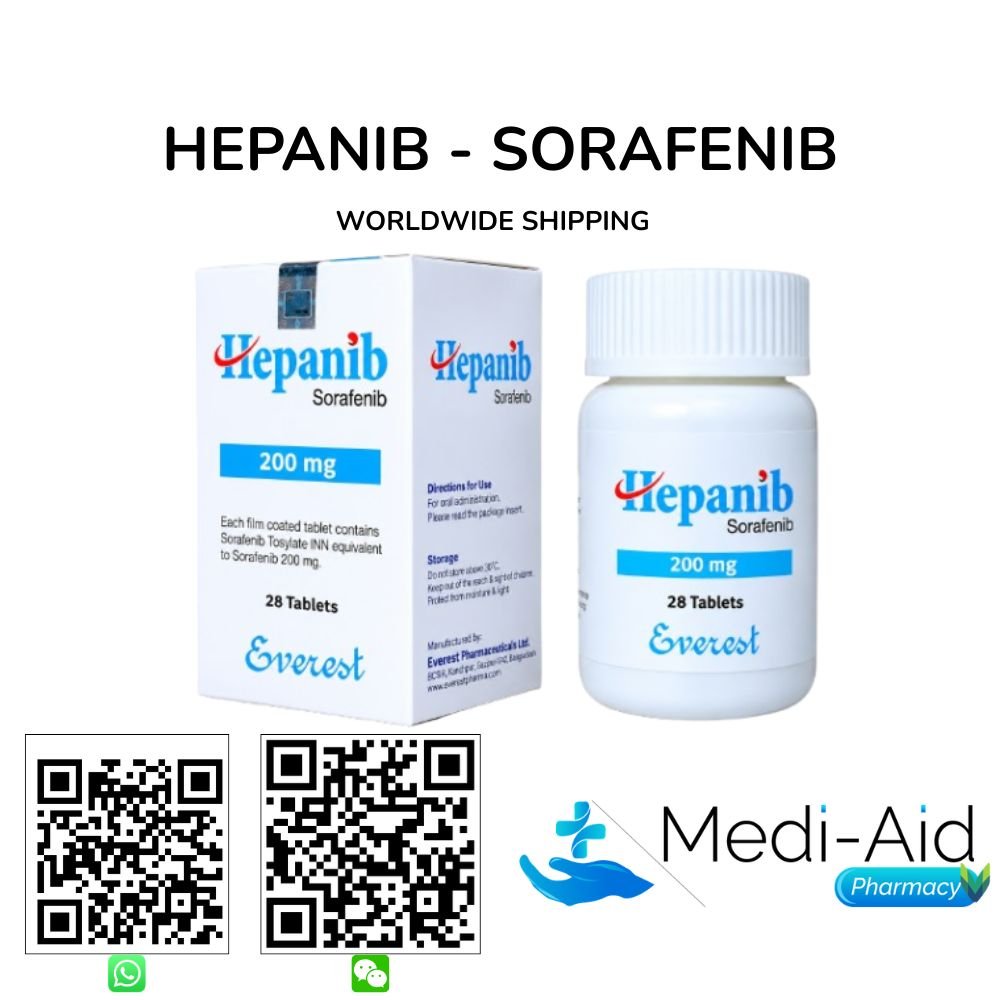
Hepanib 200 MG (Sorafenib) is a first-in-class, orally bioavailable, potent multikinase inhibitor (MKI) that simultaneously targets multiple intracellular and cell surface kinases including c-RAF, B-RAF (wild-type and V600E mutant), VEGFR-1 (FLT1), VEGFR-2 (KDR), VEGFR-3 (FLT4), PDGFR-β, c-KIT (CD117), FLT3, and RET (including mutant RET) blocking the RAF/MEK/ERK intracellular signaling cascade responsible for tumor cell proliferation while simultaneously suppressing VEGFR- and PDGFR-driven tumor angiogenesis, thereby delivering a unique dual antiproliferative and antiangiogenic mechanism of action that targets both tumor cell-intrinsic growth signals and the tumor microenvironment vascular supply required for sustained tumor progression and metastasis supplied as film-coated tablets, 200 mg strength, 28 tablets per pot, and manufactured by Everest Pharmaceuticals Ltd. in Bangladesh.
Sorafenib, the active pharmaceutical ingredient (API) of Hepanib, holds three distinct FDA-approved indications spanning kidney cancer (advanced renal cell carcinoma), liver cancer (unresectable hepatocellular carcinoma), and thyroid cancer (locally recurrent or metastatic radioactive iodine-refractory differentiated thyroid carcinoma) the broadest multi-tumor-type indication footprint of any first-generation oral multikinase inhibitor. The recommended dose across all three indications is 400 mg (two Hepanib 200 MG film-coated tablets) orally twice daily (BID) on a continuous schedule without rest days, taken without food or with a low-fat, low-calorie meal; at this dose (four 200 mg tablets per day), one 28-tablet pot of Hepanib provides a 7-day supply, with four pots required per 28-day treatment cycle.
The landmark Phase 3 SHARP trial (NCT00105443) established sorafenib as the first systemic therapy in more than four decades to demonstrate a statistically significant overall survival (OS) benefit in advanced unresectable hepatocellular carcinoma: median OS 10.7 months versus 7.9 months with placebo (HR 0.69; 95% CI 0.55–0.87; p<0.001) a 31% reduction in the risk of death and median time to progression (TTP) 5.5 months versus 2.8 months (HR 0.58; 95% CI 0.45–0.74; p<0.001), fundamentally transforming the standard of care for advanced HCC. The Phase 3 TARGET trial (NCT00073307) established sorafenib as the first oral targeted therapy approved for advanced renal cell carcinoma, achieving a median progression-free survival (PFS) of 5.5 months versus 2.8 months with placebo (HR 0.44; 95% CI 0.35–0.55; p<0.01) a 56% reduction in the risk of disease progression and an OS hazard ratio of 0.72 (95% CI 0.54–0.94) at the second interim analysis in cytokine-refractory advanced RCC.
The Phase 3 DECISION trial (NCT00984282) established sorafenib as the first approved systemic therapy for RAI-refractory differentiated thyroid cancer, achieving a median PFS of 10.8 months versus 5.8 months with placebo (HR 0.59; 95% CI 0.45–0.76; p<0.0001) with a partial response rate of 12% versus less than 1% in a population with no previously approved systemic treatment option. Important: Hand-foot skin reaction (HFSR), also termed palmar-plantar erythrodysesthesia (PPE), is the most clinically characteristic and quality-of-life-impacting adverse effect of sorafenib the drug-class defining dermatological toxicity of RAF/VEGFR multikinase inhibitors occurring in up to 76% of patients across all grades and Grade 3 or higher in approximately 8–30% depending on the clinical trial and tumor type; proactive, intensive preventive skin care must be initiated before the first sorafenib dose: apply thick emollient cream (urea 10–20% or petroleum-based) to palms and soles twice daily from day 1 of treatment, avoid high-pressure areas and friction-generating activities, use protective footwear with padded insoles, and conduct a pre-treatment pedicure to remove existing calluses that become foci for HFSR; during treatment, grade HFSR at each clinic visit per CTCAE criteria and apply the pre-specified dose modification algorithm (Grade 1: continue current dose + intensify skin care; Grade 2: first occurrence reduce dose if not improved within 7 days or intolerable; recurrence at Grade 2 reduce dose; Grade 3: interrupt therapy until resolution to Grade 0–1, then resume at next lower dose level).
Hypertension is common with sorafenib and requires blood pressure monitoring before treatment initiation and at regular intervals throughout therapy (weekly for the first 6 weeks, then periodically); antihypertensive therapy must be initiated or intensified as clinically indicated; sorafenib should be temporarily withheld for severe or hypertensive urgency/emergency not controlled by antihypertensive therapy. Hemorrhagic events, including fatal hemorrhages, have occurred with sorafenib; monitor patients for signs of bleeding; in patients receiving sorafenib concurrently with warfarin or other anticoagulants, INR must be monitored regularly and frequently, as sorafenib can alter INR and significantly increase bleeding risk.
Cardiac ischemia and/or myocardial infarction have been reported with sorafenib; consider temporary or permanent discontinuation in patients who develop cardiac ischemia or infarction; conduct a thorough cardiovascular history and risk assessment before initiating sorafenib. QT/QTc interval prolongation has been observed with sorafenib; monitor serum electrolytes (potassium, magnesium, calcium) at baseline and correct deficiencies before initiating therapy; obtain a baseline ECG and monitor QTc periodically in patients with pre-existing QT prolongation, electrolyte disturbances, or who are receiving concomitant QT-prolonging medications; avoid sorafenib with other QT-prolonging agents when possible.
Wound healing impairment has been reported; suspend sorafenib administration for at least 10 days before scheduled elective surgery; do not resume until adequate wound healing is confirmed in consultation with the operating surgeon. Sorafenib can cause embryo-fetal toxicity; females of reproductive potential must use effective non-hormonal contraception during treatment and for 6 months after the last dose; males with female partners of reproductive potential must use effective contraception during treatment and for 3 months after the last dose; verify pregnancy status before initiating sorafenib in all females of reproductive potential.
Strong CYP3A4 inducers including rifampicin, carbamazepine, phenytoin, dexamethasone (high dose), and St. John’s Wort reduce sorafenib AUC by approximately 37% and must be avoided during Hepanib therapy; sorafenib inhibits CYP2C8 and UGT1A1/UGT1A9 and may increase exposure of CYP2C8 substrates (paclitaxel), UGT1A1 substrates (irinotecan, bilirubin), and docetaxel (AUC increased 36–80%; avoid combination outside approved protocols); warfarin INR changes have been reported and INR must be monitored frequently in all patients receiving sorafenib concomitantly with warfarin.
Searching for Hepanib 200 MG Sorafenib? Mediaid Pharmacy lists this product across its oncology medicines, kidney cancer medicines, liver cancer medicines, thyroid cancer medicines, and Everest Pharmaceuticals medicines portfolios and ships it worldwide.
Basic Product Information of Hepanib 200 MG (Sorafenib)
| Brand Name | Hepanib 200 MG (Sorafenib) |
| Product Name | Hepanib |
| Generic Name | Sorafenib (developmental code BAY 43-9006; a first-in-class, orally bioavailable multikinase inhibitor [MKI] simultaneously targeting intracellular kinases [c-RAF, B-RAF wild-type and V600E mutant] and cell surface receptor tyrosine kinases [VEGFR-1/FLT1, VEGFR-2/KDR, VEGFR-3/FLT4, PDGFR-β, c-KIT/CD117, FLT3, RET including mutant RET]; sorafenib blocks tumor cell proliferation via RAF/MEK/ERK pathway inhibition and suppresses tumor-driven angiogenesis via VEGFR and PDGFR receptor tyrosine kinase inhibition, delivering dual antitumor activity through both antiproliferative and antiangiogenic mechanisms; the originator brand is Nexavar, developed by Bayer AG and Onyx Pharmaceuticals [now Amgen] through their oncology collaboration; sorafenib was the first oral targeted therapy approved for advanced renal cell carcinoma [FDA approval: December 19, 2005, TARGET trial], the first systemic agent to demonstrate a survival benefit in advanced unresectable hepatocellular carcinoma in more than four decades [FDA approval: November 16, 2007, SHARP trial, NEJM 2008], and the first systemic therapy approved for RAI-refractory differentiated thyroid carcinoma [FDA approval: November 22, 2013, DECISION trial]; sorafenib is included in NCCN Clinical Practice Guidelines in Oncology as a standard treatment option for HCC, RCC, and RAI-refractory DTC and in ESMO Clinical Practice Guidelines for all three indications) |
| Drug Class | Multikinase Inhibitor (MKI); RAF Kinase Inhibitor (c-RAF, B-RAF [wild-type and V600E mutant]); VEGFR Inhibitor (VEGFR-1/FLT1, VEGFR-2/KDR, VEGFR-3/FLT4); PDGFR-β Inhibitor; c-KIT (CD117) Inhibitor; FLT3 Inhibitor; RET Inhibitor (including mutant RET clinically relevant for DTC); Dual Antiproliferative and Antiangiogenic Targeted Oncology Agent; Oral Multi-Tumor-Type Targeted Kinase Inhibitor; Advanced Renal Cell Carcinoma (RCC) Targeted Therapy; Unresectable Hepatocellular Carcinoma (HCC) Targeted Therapy; RAI-Refractory Differentiated Thyroid Carcinoma (DTC) Targeted Therapy; Small-Molecule Antineoplastic Agent; Oral Kinase Inhibitor (Second-Generation Diaryl Urea Scaffold); Nexavar Generic (Originator: Bayer AG/Onyx Pharmaceuticals) |
| Formulation | Film-Coated Tablet (oral administration; taken WITHOUT food at least 1 hour before or 2 hours after a meal OR with a low-fat, low-calorie meal; a high-fat meal reduces sorafenib bioavailability and should be avoided at the time of dosing; swallow tablets whole with a full glass of water; two 200 mg tablets are taken together per dose, twice daily approximately 12 hours apart; dosing is continuous with no scheduled rest days or treatment cycle breaks; if vomiting occurs after a dose, do not take an additional dose for that dosing interval resume the next scheduled dose at the next regular twice-daily interval) |
| Available Strengths | 200 mg per film-coated tablet (Hepanib 200 MG; the recommended starting dose of 400 mg twice daily [BID] requires two 200 mg tablets per dose; first dose reduction for toxicity: 400 mg once daily [two 200 mg tablets once daily]; second dose reduction for toxicity: 400 mg every other day [two 200 mg tablets every other day]; all dose modification decisions are made by the treating oncologist based on toxicity grading per CTCAE criteria; Grade 3 HFSR and other Grade 3 or higher toxicities typically require dose interruption followed by restart at the next lower dose level) |
| Available Pack Size | 28 tablets per pot (at the recommended starting dose of 400 mg twice daily [two 200 mg tablets per dose, twice daily = four tablets per day on a continuous schedule with no rest days], one pot of Hepanib 200 MG provides a 7-day supply; four pots of Hepanib 200 MG per 28-day cycle are required at the standard starting dose of 400 mg BID; for procurement planning, oncology departments, hospital pharmacies, and patient access programs typically order in multiples of four pots for each 28-day treatment cycle; for patients on the first dose-reduction level of 400 mg once daily [two 200 mg tablets once daily = two tablets per day], one pot provides a 14-day supply; for patients on the second dose-reduction level of 400 mg every other day [two tablets every other day = one tablet per day on average], one pot provides approximately a 28-day supply; treatment is continued until disease progression or unacceptable toxicity for all three FDA-approved indications, making ongoing monthly procurement planning and 4-pot-per-28-day-cycle ordering the standard for continuous sorafenib therapy programs) |
| Dosing Schedule | Recommended Starting Dose (All Three Indications): Sorafenib 400 mg (two Hepanib 200 MG film-coated tablets) orally twice daily (BID), taken approximately 12 hours apart, WITHOUT food (at least 1 hour before or 2 hours after a meal) OR with a low-fat, low-calorie meal (avoid high-fat meals at time of dosing), on a continuous daily schedule with no scheduled rest days or cycle breaks. Duration: Until disease progression or unacceptable toxicity for all three indications (advanced RCC, unresectable HCC, RAI-refractory DTC). Mandatory Safety Monitoring Before and During Treatment: Blood pressure (BP) before initiation and weekly for the first 6 weeks, then periodically thereafter; CBC with differential and comprehensive metabolic panel at baseline and periodically; serum electrolytes (potassium, magnesium, calcium) at baseline and correct abnormalities before starting; ECG (QTc interval) at baseline and periodically in patients at risk; wound status assessment suspend sorafenib at least 10 days before scheduled elective surgery; pregnancy test before initiating in all females of reproductive potential; skin examination at every clinical visit for HFSR/PPE grading and management per CTCAE criteria. Dose Reductions for Toxicity: First dose reduction: 400 mg once daily (two 200 mg tablets once daily); second dose reduction: 400 mg every other day; withhold sorafenib for Grade 3 HFSR and other clinically significant Grade 3 toxicities until resolution to Grade 0–1, then resume at the next lower dose level; permanently discontinue sorafenib for confirmed life-threatening hemorrhage, drug-induced liver injury meeting discontinuation criteria, Grade 4 non-hematological toxicity not resolving with dose modification, or confirmed cardiac infarction/ischemia that does not resolve with interruption. No dose adjustment required for mild (Child-Pugh A) or moderate (Child-Pugh B) hepatic impairment; no data for severe hepatic impairment (Child-Pugh C) use with extreme caution; no dose adjustment required for mild, moderate, or severe renal impairment (not requiring dialysis); no dose adjustment required in patients ≥65 years of age. |
| Primary Indications | KIDNEY CANCER (Renal Cell Carcinoma RCC): Advanced Renal Cell Carcinoma Second-Line (TARGET Trial): Sorafenib 400 mg BID as treatment for patients with advanced renal cell carcinoma after failure of prior systemic therapy (primarily cytokine-based therapy). Based on Phase 3 TARGET trial (NCT00073307; n=903 patients with clear cell or predominantly clear cell advanced RCC after failure of one prior systemic therapy; 1:1 randomization): median PFS 5.5 months versus 2.8 months with placebo (HR 0.44; 95% CI 0.35–0.55; p<0.01; 56% reduction in risk of disease progression); OS HR 0.72 (95% CI 0.54–0.94; p=0.02 at second interim analysis); best response rate included partial response in 10% of sorafenib-treated patients versus 2% of placebo-treated patients; stable disease ≥28 weeks in 23% versus 11%. FDA approval: December 19, 2005 the first FDA approval for any oral targeted therapy for renal cell carcinoma.LIVER CANCER (Hepatocellular Carcinoma HCC): Unresectable Hepatocellular Carcinoma First-Line (SHARP Trial): Sorafenib 400 mg BID for patients with unresectable hepatocellular carcinoma. Based on Phase 3 SHARP trial (NCT00105443; n=602 patients with advanced unresectable HCC, Child-Pugh A, ECOG PS 0–2, no prior systemic therapy; 1:1 randomization): primary endpoints: OS and TTP. Median OS: 10.7 months versus 7.9 months with placebo (HR 0.69; 95% CI 0.55–0.87; p<0.001; 31% reduction in risk of death; published in NEJM 2008 by Llovet et al.). Median TTP: 5.5 months versus 2.8 months (HR 0.58; 95% CI 0.45–0.74; p<0.001; 96% improvement in TTP). Disease control rate: 43% versus 32%. This trial established sorafenib as the first systemic therapy to demonstrate a statistically significant survival benefit in advanced HCC in more than 40 years of clinical investigation in this disease. FDA approval: November 16, 2007. THYROID CANCER (Differentiated Thyroid Carcinoma DTC): |
| Manufacturer / Brand | Everest Pharmaceuticals Ltd., Country of Origin: Bangladesh (originator molecule and brand Nexavar developed and commercialized by Bayer AG in collaboration with Onyx Pharmaceuticals [now acquired by Amgen]; sorafenib was the first oral multikinase inhibitor approved for advanced renal cell carcinoma [FDA: December 19, 2005], the first systemic therapy to demonstrate a survival benefit in advanced unresectable hepatocellular carcinoma in more than four decades [FDA: November 16, 2007, SHARP trial], and the first systemic therapy approved for RAI-refractory differentiated thyroid carcinoma [FDA: November 22, 2013, DECISION trial]; sorafenib remains included in NCCN and ESMO clinical practice guidelines as a standard of care option for all three approved indications) |
| Global Supplier | Mediaid Pharmacy, Worldwide Shipping Available |
| Storage Conditions | Store at room temperature, 20°C to 25°C (68°F to 77°F); excursions permitted to 15°C to 30°C (59°F to 86°F). Store in the original container with the lid tightly closed. Protect from moisture. Keep out of the reach of children. |
How Hepanib (Sorafenib) Works: Dual RAF Kinase and VEGFR/PDGFR Inhibition Delivering Simultaneous Antiproliferative and Antiangiogenic Tumor Suppression
Sorafenib (Hepanib) is a biaryl urea-scaffold small molecule that inhibits multiple kinases through direct competition with ATP at the kinase ATP-binding pocket. Its dual antitumor mechanism operates across two independent and mutually reinforcing biological axes. The first axis is intracellular RAF kinase inhibition targeting tumor cell proliferation: sorafenib binds to c-RAF (CRAF) and B-RAF (BRAF) in their inactive DFG-out conformation, preventing RAF autophosphorylation and activation, thereby blocking propagation of the RAF/MEK/ERK mitogen-activated protein kinase (MAPK) signal transduction cascade the central intracellular pathway through which growth factor receptor signals (from EGFR, VEGFR, PDGFR, and RET, among others) are transduced into nuclear transcription factor activation, cell cycle entry, and tumor cell division.
By locking c-RAF and B-RAF in their inactive conformations and preventing RAF-MEK-ERK signaling, sorafenib directly suppresses the tumor cell-autonomous proliferative drive that sustains continuous tumor growth. This RAF axis is particularly relevant in RCC (which is driven by VHL loss leading to constitutive HIF-1α/VEGF and MAPK pathway activation), HCC (which frequently activates the RAS/RAF/MAPK pathway through multiple upstream signals), and DTC (which commonly harbors RET/PTC rearrangements, BRAF V600E mutations, or RAS mutations that activate the MAPK pathway sorafenib’s RET and BRAF V600E inhibitory activity addresses these DTC-specific molecular drivers directly).
The second axis is cell surface VEGFR and PDGFR receptor tyrosine kinase inhibition targeting tumor angiogenesis: sorafenib simultaneously inhibits VEGFR-1 (FLT1), VEGFR-2 (KDR the primary mediator of VEGF-driven endothelial cell proliferation, survival, and neovascularization), and VEGFR-3 (FLT4 the primary mediator of lymphangiogenesis) as well as PDGFR-β (a critical receptor for pericyte recruitment and vascular maturation), thereby blocking the VEGF-driven tumor angiogenic program that is indispensable for tumor growth beyond 1–2 mm in diameter.
Solid tumors require a continuous neovascular supply of oxygen and nutrients provided by VEGF-driven angiogenesis to sustain progressive growth; sorafenib’s VEGFR-2 and PDGFR-β inhibition disrupts both endothelial cell proliferation (VEGFR-2) and the pericyte-vascular stabilization axis (PDGFR-β) that is required for formation of functional, durable tumor blood vessels, depriving the tumor of its neovascular support and creating antiangiogenic tumor starvation.
The therapeutic significance of sorafenib’s dual mechanism antiproliferative (RAF/MAPK) + antiangiogenic (VEGFR/PDGFR) lies in its ability to attack the tumor simultaneously on two fronts that are both essential for tumor survival but cannot compensate for each other: blocking intracellular RAF signaling suppresses tumor cell proliferation independent of vascular status, while blocking VEGFR/PDGFR suppresses the neovascular supply independent of tumor cell signaling status.
In hepatocellular carcinoma a highly vascularized tumor driven by HIF-1α-induced VEGF overexpression resulting from chronic hypoxia, cirrhosis, and metabolic dysregulation sorafenib’s antiangiogenic axis is particularly active, explaining the SHARP trial’s landmark survival benefit in a disease where angiogenesis is a central pathophysiological driver of rapid progression. In renal cell carcinoma where VHL gene loss leads to constitutive HIF-1α/VEGF overexpression and highly vascularized tumor biology sorafenib’s VEGFR blockade directly targets the dominant oncogenic driver, explaining the TARGET trial’s PFS benefit in a cytokine-refractory VHL/HIF/VEGF-driven tumor.
In differentiated thyroid carcinoma where RAI-refractory progression is frequently driven by activating mutations in RET (RET/PTC rearrangements), BRAF (V600E), or RAS that constitutively activate both MAPK signaling and VEGF-driven angiogenesis sorafenib’s combined RAF kinase, RET, and VEGFR inhibitory activity directly addresses the molecular drivers of RAI-refractory tumor progression, explaining the DECISION trial’s PFS benefit in a population with no prior approved systemic therapy.
The continuous twice-daily oral dosing schedule (400 mg BID, no rest days) is designed to maintain sustained kinase inhibition across all three targets throughout the treatment course, preventing inter-dose recovery of VEGFR/PDGFR and RAF pathway signaling that would permit tumor re-vascularization or proliferative rebound.
Who Should Use Hepanib 200 MG (Sorafenib)?
Hepanib 200 MG (Sorafenib) is indicated for adult patients across three distinct tumor types kidney cancer (advanced renal cell carcinoma), liver cancer (unresectable hepatocellular carcinoma), and thyroid cancer (RAI-refractory differentiated thyroid carcinoma) in three separate FDA-approved indications each supported by landmark Phase 3 clinical trial evidence. Unlike PARP inhibitors or EGFR inhibitors that require companion diagnostic biomarker testing before initiation, sorafenib does not require mandatory companion diagnostic testing for any of its three approved indications; patient eligibility is determined by clinical and radiological criteria rather than molecular testing requirements, simplifying access and reducing the diagnostic burden before treatment initiation. All three indications are managed in collaboration with an experienced oncologist who confirms clinical eligibility, reviews concomitant medications for drug interactions, establishes the safety monitoring protocol (BP, CBC, electrolytes, ECG, skin assessment), and directs dose modification decisions throughout treatment.
In kidney cancer, Hepanib (Sorafenib) is indicated for adult patients with advanced renal cell carcinoma (RCC) after failure of prior systemic therapy. The TARGET-defined patient population consists of adults with histologically confirmed clear cell or predominantly clear cell advanced RCC whose disease had progressed after at least one prior systemic treatment (principally cytokine-based therapy interferon-alpha [IFN-α] or interleukin-2 [IL-2] in the pivotal trial era). In contemporary clinical practice, sorafenib is used in later lines of therapy for advanced RCC after failure of VEGFR TKI-based first-line regimens (sunitinib, cabozantinib, axitinib) or immunotherapy combinations (nivolumab plus ipilimumab, pembrolizumab plus axitinib); NCCN guidelines list sorafenib as a Useful in Certain Circumstances option for second-line and later-line advanced RCC, and it remains the preferred treatment option in settings where more recently approved agents are unavailable or not affordable. The TARGET trial’s eligibility included patients with ECOG performance status 0–2, adequate hepatic function (bilirubin ≤1.5× ULN, transaminases ≤2.5× ULN), adequate renal function (creatinine ≤1.5× ULN), and no uncontrolled infection or other systemic illness criteria that remain the clinical reference for Hepanib prescribing in RCC. Hepanib is used for kidney cancer treatment in oncology centers worldwide where sorafenib remains the accessible oral TKI standard.
In liver cancer, Hepanib (Sorafenib) is indicated for adult patients with unresectable hepatocellular carcinoma (HCC). The SHARP-defined patient population consists of adults with advanced (BCLC Stage C, or BCLC Stage B not amenable to or progressing after locoregional therapy), unresectable HCC, Child-Pugh A hepatic function score, and ECOG performance status 0–2 with no prior systemic therapy. These criteria remain the clinical reference for initiating Hepanib in HCC: patients must have preserved liver function (Child-Pugh A defined as: total bilirubin ≤2 mg/dL, serum albumin >3.5 g/dL, prothrombin time/INR within normal limits, no ascites, no encephalopathy); Child-Pugh B patients have been treated with sorafenib in real-world practice and in some trials, though with less favorable tolerability and outcomes; Child-Pugh C patients have insufficient hepatic reserve for sorafenib and are not candidates. Alpha-fetoprotein (AFP) testing at baseline is recommended to establish a baseline tumor marker for response monitoring during treatment. In contemporary HCC clinical practice, sorafenib is used in first-line advanced HCC when lenvatinib (Lenvima) is not available or not suitable, and remains the standard first-line systemic agent in resource-limited settings where the SHARP trial established the evidence base; sorafenib is also used in second-line HCC in patients who progress after atezolizumab plus bevacizumab or other first-line regimens. Hepanib is listed in the Mediaid Pharmacy liver cancer medicines portfolio for HCC treatment programs worldwide.
In thyroid cancer, Hepanib (Sorafenib) is indicated for adult patients with locally recurrent or metastatic, progressive radioactive iodine (RAI)-refractory differentiated thyroid carcinoma (DTC). RAI-refractory DTC is defined as DTC that: (a) lacks sufficient RAI uptake to deliver a therapeutic radiation dose to all measurable tumor lesions on a diagnostic RAI scan; (b) demonstrated progression of measurable disease within 12–16 months after the last RAI treatment despite documented RAI uptake; or (c) has received a cumulative RAI dose of ≥600 mCi (22.2 GBq) with no clear evidence of additional benefit. The DECISION trial enrolled patients with papillary (most common), follicular, Hürthle cell, and poorly differentiated DTC histologies all four histological subtypes of differentiated thyroid cancer are within the approved indication with progressive disease documented within 14 months prior to randomization. ECOG performance status 0–2 and adequate hepatic and renal function are the key clinical eligibility criteria. Patients with medullary thyroid carcinoma (MTC) and anaplastic thyroid carcinoma (ATC) are outside the approved DTC indication.
In contemporary thyroid cancer practice, sorafenib and lenvatinib are both NCCN Category 1 recommendations for RAI-refractory DTC; institutional experience, toxicity profiles, patient comorbidities, and drug availability guide the choice between agents. Hepanib is listed in the Mediaid Pharmacy thyroid cancer medicines portfolio for RAI-refractory DTC treatment programs. Hepanib is not indicated for: patients with well-differentiated DTC that remains RAI-sensitive (defined as uptake sufficient to deliver a therapeutic RAI dose without demonstrated progression after RAI); patients with medullary thyroid carcinoma (MTC vandetanib or cabozantinib are the approved agents); patients with anaplastic thyroid carcinoma (ATC); patients with Child-Pugh C hepatic function (insufficient hepatic reserve); and patients who are pregnant. All prescribing decisions for Hepanib should be made by or in consultation with an experienced oncologist with specific expertise in the relevant tumor type.
Oncology departments managing advanced RCC, HCC, or RAI-refractory DTC treatment programs, hospital pharmacies procuring oral targeted oncology medicines, and patients and families can contact Mediaid Pharmacy directly for Hepanib 200 MG availability, pricing, and international delivery.
Global Supplier: Mediaid Pharmacy Worldwide Shipping for Hepanib 200 MG (Sorafenib)
Mediaid Pharmacy is a Dhaka-based supplier of specialty oral targeted oncology, kidney cancer, liver cancer, thyroid cancer, and rare disease medicines with worldwide shipping to patients, oncology departments, hepatology-oncology programs, thyroid cancer treatment centers, hospital pharmacies, oncology day units, patient access programs, and international distributors across all regions. Hepanib 200 MG (Sorafenib), manufactured by Everest Pharmaceuticals Ltd. in Bangladesh, is supplied as 200 mg film-coated tablets in 28-tablet pots, with pricing quotations, stock confirmation, full product documentation, and end-to-end international delivery tracking for every order.
The procurement logistics of Hepanib 200 MG are defined by sorafenib’s continuous twice-daily dosing architecture: at the recommended starting dose of 400 mg twice daily (two 200 mg tablets per dose, twice daily = four tablets per day on a continuous schedule with no rest days), one pot of Hepanib 200 MG delivers a 7-day supply, and four pots of Hepanib deliver the standard 28-day treatment cycle supply. This 4-pots-per-28-day-cycle dispensing arithmetic is the operational standard for Hepanib procurement: RCC treatment programs managing patients on continuous sorafenib order four pots per 28-day cycle; advanced HCC programs in hepatology-oncology units dispensing sorafenib on a 28-day cycle order four pots per dispensing visit; RAI-refractory DTC treatment programs at thyroid cancer centers also order four pots per 28-day cycle for each patient maintained on the standard 400 mg BID starting dose.
For patients on dose-reduced regimens (400 mg once daily = two tablets per day = two pots per 28-day cycle; 400 mg every other day = one tablet per day average = one pot per 28-day cycle), supply planning is adjusted accordingly by the treating oncologist in consultation with Mediaid Pharmacy. Advanced RCC treatment departments; hepatology-oncology programs managing first-line HCC sorafenib therapy; thyroid cancer centers sourcing sorafenib for RAI-refractory DTC patients; hospital formulary procurement departments co-sourcing Hepanib with other oral targeted oncology medicines; and individual patients and families accessing sorafenib for hepatocellular carcinoma liver cancer treatment or advanced renal cell carcinoma kidney cancer therapy can contact the Mediaid Pharmacy team through WhatsApp, phone, or WeChat for Hepanib 200 MG stock availability, current pricing, and international delivery timelines for their country.
Why Choose Hepanib 200 MG (Sorafenib) from Mediaid Pharmacy?
Hepanib (Sorafenib) from Everest Pharmaceuticals Ltd. delivers the validated dual antiproliferative and antiangiogenic mechanism of the first-in-class RAF/VEGFR multikinase inhibitor sorafenib a molecule with three distinct FDA-approved indications spanning kidney cancer (advanced RCC, TARGET trial), liver cancer (unresectable HCC, SHARP trial), and thyroid cancer (RAI-refractory DTC, DECISION trial) as a precisely formulated 200 mg oral film-coated tablet in a 28-tablet pot providing a 7-day supply at the recommended 400 mg BID starting dose. Sorafenib is pharmacologically and clinically distinguished across the targeted oncology landscape by four evidence-based attributes that remain clinically relevant in the contemporary treatment landscape for all three tumor types.
First, sorafenib achieved the first statistically significant overall survival benefit in advanced unresectable hepatocellular carcinoma in more than four decades of systemic therapy development the SHARP trial’s demonstration of a 31% reduction in the risk of death (median OS 10.7 versus 7.9 months; HR 0.69; 95% CI 0.55–0.87; p<0.001; published NEJM 2008) in a disease where multiple prior chemotherapy, hormonal, and biological agents had failed to demonstrate a survival benefit in Phase 3 trials represents one of the most historically significant landmark results in medical oncology, transforming the standard of care for advanced HCC and establishing oral multikinase inhibitor therapy as the foundation of the modern systemic HCC treatment paradigm. The SHARP trial’s survival benefit has been reproduced in real-world studies across all geographic regions including the Asia-Pacific ORIENTAL trial (which confirmed the SHARP results in a predominantly HBV-associated HCC population: median OS 6.5 versus 4.2 months; HR 0.68; p=0.014), confirming sorafenib’s survival benefit across diverse HCC etiologies (HBV-, HCV-, and alcohol-associated HCC).
Second, sorafenib’s dual RAF/VEGFR mechanism delivers simultaneous antiproliferative and antiangiogenic suppression a mechanistic breadth that single-target VEGFR inhibitors lack: by inhibiting c-RAF and B-RAF (the central nodes of the MAPK tumor cell proliferation cascade) simultaneously with VEGFR-1/2/3 and PDGFR-β (the primary mediators of tumor angiogenesis and lymphangiogenesis), sorafenib attacks the tumor’s growth machinery and vascular supply in a single oral agent, reducing the probability of adaptive resistance through either axis alone and providing durable disease control across tumor types with diverse molecular drivers.
Third, sorafenib is the first oral kinase inhibitor approved across three separate tumor types (kidney, liver, thyroid) providing clinicians and healthcare institutions managing multi-tumor-type cancer care programs the ability to source a single oral multikinase inhibitor formulation that covers advanced RCC, unresectable HCC, and RAI-refractory DTC under one procurement, one pharmacist familiarity framework, and one institution-level formulary entry, simplifying administration without sacrificing tumor-type-specific clinical evidence.
Fourth, sorafenib is an orally self-administered, twice-daily tablet taken on a simple continuous schedule with no rest days or cycle breaks two tablets (400 mg) in the morning and two tablets (400 mg) approximately 12 hours later, every day, without food enabling complete outpatient management with predictable 4-pots-per-28-day-cycle procurement, no requirement for intravenous infusion visits, and straightforward adherence monitoring for all three approved indications. Hepanib 200 MG is manufactured by Everest Pharmaceuticals Ltd. and is available through Mediaid Pharmacy in 28-tablet pots.
To source the complete range of kidney cancer medicines, liver cancer medicines, thyroid cancer medicines, and oral targeted oncology medicines, visit the Mediaid Pharmacy kidney cancer medicines portfolio, liver cancer medicines portfolio, thyroid cancer medicines portfolio, the oncology medicines collection, and the Everest Pharmaceuticals medicines range, and contact the Mediaid Pharmacy team for a personalized quotation.
Frequently Asked Questions About Hepanib 200 MG (Sorafenib)
What is Hepanib 200 MG (Sorafenib) used for?
Hepanib 200 MG (Sorafenib) is an oral first-in-class multikinase inhibitor with three FDA-approved indications spanning three distinct tumor types. In kidney cancer: advanced renal cell carcinoma (RCC) after failure of prior systemic therapy based on Phase 3 TARGET trial (n=903; median PFS 5.5 versus 2.8 months; HR 0.44; 56% reduction in risk of disease progression; FDA approval: December 19, 2005). In liver cancer: unresectable hepatocellular carcinoma (HCC) based on Phase 3 SHARP trial (n=602; median OS 10.7 versus 7.9 months; HR 0.69; 31% reduction in risk of death; median TTP 5.5 versus 2.8 months; HR 0.58; FDA approval: November 16, 2007; the first survival benefit in advanced HCC in over 40 years). In thyroid cancer: locally recurrent or metastatic RAI-refractory differentiated thyroid carcinoma (DTC) based on Phase 3 DECISION trial (n=417; median PFS 10.8 versus 5.8 months; HR 0.59; partial response rate 12% versus <1%; FDA approval: November 22, 2013; the first approved therapy for RAI-refractory DTC). The recommended dose is 400 mg (two Hepanib 200 MG tablets) twice daily on a continuous schedule without food. Hepanib 200 MG, 28 tablets per pot, is manufactured by Everest Pharmaceuticals Ltd. in Bangladesh and is available through Mediaid Pharmacy with worldwide shipping.
What is the generic name of Hepanib?
The generic name of Hepanib is sorafenib (developmental code BAY 43-9006). Sorafenib is an orally bioavailable, potent, first-in-class multikinase inhibitor belonging to the class of diaryl urea-scaffold kinase inhibitors. Sorafenib simultaneously targets intracellular kinases (c-RAF, B-RAF wild-type and V600E mutant) involved in tumor cell proliferation via the RAF/MEK/ERK MAPK cascade, and cell surface receptor tyrosine kinases (VEGFR-1, VEGFR-2, VEGFR-3, PDGFR-β, c-KIT, FLT3, RET) involved in tumor angiogenesis and growth factor signaling. This dual mechanism delivers simultaneous antiproliferative and antiangiogenic tumor suppression in a single oral agent. Sorafenib was the first oral multikinase inhibitor approved by the FDA for renal cell carcinoma (December 19, 2005), the first systemic therapy to demonstrate a survival benefit in advanced hepatocellular carcinoma (November 16, 2007, SHARP trial), and the first approved systemic therapy for RAI-refractory differentiated thyroid carcinoma (November 22, 2013, DECISION trial). The originator brand of sorafenib is Nexavar, developed by Bayer AG and Onyx Pharmaceuticals (now Amgen). Hepanib is manufactured by Everest Pharmaceuticals Ltd. in Bangladesh and is available as 200 mg film-coated tablets in 28-tablet pots. Mediaid Pharmacy distributes Hepanib (Sorafenib) globally with worldwide shipping to patients, oncology departments, hospital pharmacies, and kidney, liver, and thyroid cancer treatment programs worldwide.
How should Hepanib (Sorafenib) tablets be taken dose, food requirements, and schedule?
The recommended dose of Hepanib (Sorafenib) for all three FDA-approved indications (advanced RCC, unresectable HCC, RAI-refractory DTC) is 400 mg (two 200 mg film-coated tablets) orally twice daily (BID), taken approximately 12 hours apart for example, one dose in the morning and one dose in the evening. Critically, Hepanib tablets must be taken WITHOUT food (at least 1 hour before eating or 2 hours after eating a meal) or with a low-fat, low-calorie meal; a high-fat, high-calorie meal taken at the same time as a sorafenib dose reduces bioavailability and should be avoided. Swallow tablets whole with a full glass of water. Dosing is continuous with no scheduled rest days or cycle breaks take Hepanib every day at approximately the same times until the treating oncologist directs a dose modification or treatment discontinuation. If a dose is missed, skip it and take the next scheduled dose at its regular time do not double the dose to make up for a missed dose. If vomiting occurs after taking a dose, do not retake that dose resume the next regular dose at the next scheduled dosing interval. The first dose reduction for toxicity is 400 mg once daily (two tablets once daily); the second dose reduction is 400 mg every other day (two tablets every other day). All dose modification decisions must be made by the treating oncologist based on toxicity grading. Treatment continues until disease progression or unacceptable toxicity for all three indications. Store Hepanib in its original container at room temperature (20–25°C), tightly closed, protected from moisture.
What are the side effects of Hepanib (Sorafenib)?
The most clinically characteristic and significant adverse effects of sorafenib are hand-foot skin reaction (HFSR), hypertension, diarrhea, fatigue, and alopecia. Hand-foot skin reaction (HFSR/PPE) is the drug-class-defining dermatological toxicity of RAF/VEGFR multikinase inhibitors and the toxicity most requiring proactive management: it occurs in approximately 30–76% of patients across all grades and Grade 3 or higher in 8–30% depending on the trial, presenting as erythema, blistering, peeling, and painful thickening of the palms and soles at pressure points; intensive preventive skin care from day 1 (emollient creams, padded footwear, pre-treatment pedicure for calluses) is mandatory; dose modification per the CTCAE HFSR grading algorithm is applied for Grade 2 or 3 HFSR. Hypertension occurs in approximately 17% of patients (Grade 3 or higher in approximately 3–5%); BP monitoring before and during therapy and antihypertensive therapy initiation or escalation as needed are required. Diarrhea (43–55%), fatigue (37%), alopecia (up to 67% in some trials typically diffuse non-scarring hair thinning), rash/desquamation (40%), and nausea (23%) are common and typically low-to-moderate grade. Elevated liver enzymes (ALT, AST, bilirubin) occur in a subset of patients and require periodic LFT monitoring. Hemorrhagic events (including rare fatal cases) have been reported monitor for signs of bleeding. Cardiac ischemia or infarction was reported in approximately 2.9% of sorafenib-treated patients in TARGET versus 0.4% with placebo assess cardiovascular risk before initiating. QT prolongation has been observed baseline and periodic ECG monitoring is recommended in at-risk patients. Wound healing impairment suspend 10 days before elective surgery. Elevated serum lipase and amylase occur frequently but are usually asymptomatic; clinical pancreatitis is rare. All sorafenib therapy must be initiated and monitored by an experienced oncologist with systematic BP monitoring, skin assessment, CBC, and LFT monitoring throughout treatment.
How effective is sorafenib for hepatocellular carcinoma (liver cancer), and how does it compare to lenvatinib?
Sorafenib demonstrated a statistically significant and clinically landmark overall survival benefit in advanced unresectable hepatocellular carcinoma (HCC) in the Phase 3 SHARP trial (NCT00105443) the defining study that established sorafenib as the first-line standard of care for over a decade. SHARP enrolled 602 patients with advanced unresectable HCC, Child-Pugh A, ECOG PS 0–2, and no prior systemic therapy, randomized 1:1 to sorafenib 400 mg BID versus placebo. The primary endpoint was met: median OS 10.7 months versus 7.9 months (HR 0.69; 95% CI 0.55–0.87; p<0.001; 2.8-month OS improvement; 31% reduction in risk of death). Median TTP was 5.5 versus 2.8 months (HR 0.58; 95% CI 0.45–0.74; p<0.001). The SHARP results were confirmed in the independent Asian ORIENTAL trial (n=271; predominantly HBV-associated HCC; median OS 6.5 versus 4.2 months; HR 0.68; p=0.014). These results established sorafenib as the first survival-benefit-demonstrating systemic therapy for HCC in more than 40 years and created the reference comparator arm for all subsequent HCC systemic therapy trials. Lenvatinib (Lenvima) versus sorafenib (Hepanib): The Phase 3 REFLECT trial (n=954; first-line advanced HCC; BCLC B/C) tested lenvatinib 12 mg/day (8 mg if BW <60 kg) versus sorafenib 400 mg BID in a non-inferiority design. Lenvatinib met non-inferiority for OS (HR 0.92; 95% CI 0.79–1.06; non-inferiority margin 1.08) and demonstrated numerically superior PFS (7.3 versus 3.6 months; HR 0.64; p<0.001), objective response rate (ORR 24% versus 9% by mRECIST; p<0.0001), and disease control rate. The different toxicity profiles distinguish the two agents: sorafenib is associated primarily with HFSR and diarrhea; lenvatinib is associated primarily with hypertension (42% Grade 3+), proteinuria (25%), decreased appetite, fatigue, and hypothyroidism. In centers where both agents are available, ESMO and NCCN guidelines list both as standard first-line options for Child-Pugh A advanced HCC, with lenvatinib showing higher ORR and PFS and sorafenib having the longer, more extensively validated evidence base. Contact Mediaid Pharmacy for the full range of liver cancer medicines including Hepanib (Sorafenib) and other HCC treatment options.
How effective is sorafenib for RAI-refractory differentiated thyroid cancer, and how does it compare to lenvatinib?
Sorafenib demonstrated statistically significant progression-free survival benefit in RAI-refractory differentiated thyroid carcinoma (DTC) in the Phase 3 DECISION trial (NCT00984282) the pivotal study establishing sorafenib as the first approved systemic therapy for RAI-refractory DTC. DECISION enrolled 417 patients with locally recurrent or metastatic RAI-refractory DTC (papillary, follicular, Hürthle cell, or poorly differentiated histology) with progression within 14 months of randomization, randomized 1:1 to sorafenib 400 mg BID versus placebo. Primary endpoint: median PFS 10.8 months versus 5.8 months (HR 0.59; 95% CI 0.45–0.76; p<0.0001; 41% reduction in risk of disease progression). Partial response rate: 12.2% versus 0.5%. Stable disease: 42% versus 33%. No statistically significant OS benefit was demonstrated (crossover confounded the OS analysis). Lenvatinib (SELECT trial) versus sorafenib (DECISION trial) for RAI-refractory DTC: The Phase 3 SELECT trial (n=392; lenvatinib versus placebo for RAI-refractory DTC) demonstrated a dramatically superior PFS benefit for lenvatinib: median PFS 18.3 versus 3.6 months (HR 0.21; 95% CI 0.14–0.31; p<0.0001) with an ORR of 65% versus 2%. While no head-to-head comparison trial has been conducted between sorafenib and lenvatinib for DTC, the DECIDE and SELECT data are frequently compared: lenvatinib’s PFS (18.3 months) is substantially longer than sorafenib’s (10.8 months) and its ORR (65%) dramatically exceeds sorafenib’s (12%). Current NCCN and ESMO guidelines list both sorafenib and lenvatinib as Category 1 recommendations for RAI-refractory DTC, with lenvatinib generally preferred where available based on the more robust PFS and ORR data, and sorafenib used where lenvatinib is unavailable, not affordable, or in settings where specific BRAF V600E or RET-mutated DTC characteristics favor sorafenib’s direct BRAF V600E and RET inhibitory activity. Visit the Mediaid Pharmacy thyroid cancer medicines collection for Hepanib (Sorafenib) and the full RAI-refractory DTC treatment portfolio.
Can I order Hepanib 200 MG (Sorafenib) online with worldwide shipping?
Yes. Mediaid Pharmacy supplies Hepanib 200 MG (Sorafenib), film-coated tablets, 28 tablets per pot, manufactured by Everest Pharmaceuticals Ltd. in Bangladesh, to patients, kidney cancer oncology departments, hepatology-oncology HCC treatment programs, RAI-refractory thyroid cancer treatment centers, hospital pharmacies, oncology day units, patient access programs, and healthcare providers globally. At the standard 400 mg BID dose (four tablets per day), four pots of Hepanib 200 MG provide a complete 28-day treatment cycle supply. Contact Mediaid Pharmacy via WhatsApp, phone, or WeChat at +8801773428128, or email info@mediaidpharmacy.com for pricing, current stock availability, shipping options, and international delivery details for your country.
Order Hepanib 200 MG (Sorafenib) with Worldwide Shipping
Phone / WhatsApp / WeChat: +8801773428128 | Email: info@mediaidpharmacy.com
Reviews
There are no reviews yet.