
Description
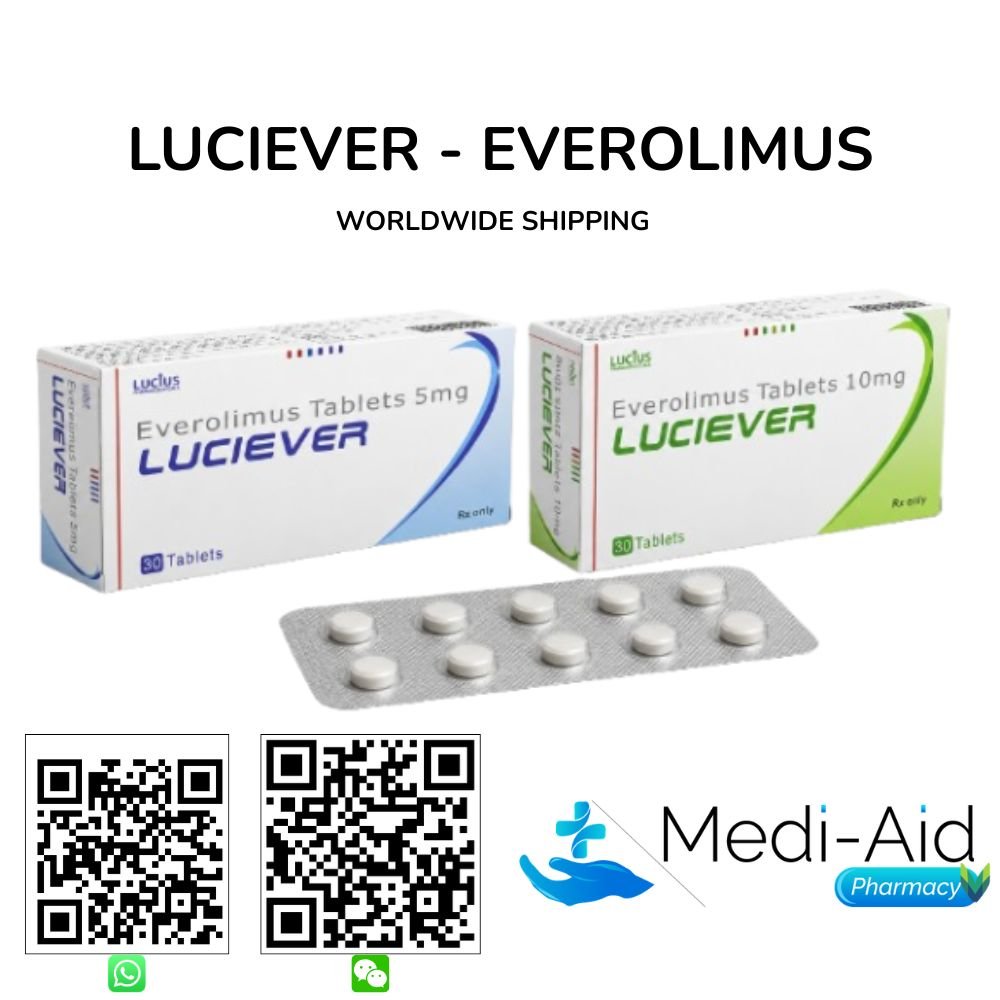
LuciEver 5 MG & 10 MG (Everolimus) is a first-generation, orally bioavailable mTOR inhibitor (mechanistic target of rapamycin inhibitor) and rapamycin analogue (rapalog) a small-molecule, allosteric kinase inhibitor that selectively and potently inhibits mTOR complex 1 (mTORC1), a serine/threonine kinase within the PI3K/AKT/mTOR signalling axis that functions as a master integrator of mitogenic growth factor signals, nutrient availability, and energy status to control cell cycle progression, protein synthesis, angiogenesis, and tumour cell proliferation, thereby blocking downstream phosphorylation of S6 kinase 1 (S6K1) and eukaryotic translation initiation factor 4E-binding protein 1 (4E-BP1), arresting susceptible tumour cells in G1 phase of the cell cycle and suppressing the aberrant mTOR hyperactivation that drives disease progression in hormone receptor-positive (HR+) breast cancer, advanced renal cell carcinoma (RCC), and progressive neuroendocrine tumours (NETs) supplied as tablets in two strengths 5 mg and 10 mg in 30 tablets per box, and manufactured by Lucius Pharmaceuticals (Lao) Co., Ltd. in Laos.
Everolimus, the active pharmaceutical ingredient (API) of LuciEver, carries multiple FDA-approved oncology indications spanning breast cancer, renal cell carcinoma, and neuroendocrine tumours. The Phase 3 BOLERO-2 trial demonstrated that everolimus 10 mg/day plus exemestane more than doubled median progression-free survival (PFS) versus placebo plus exemestane at 7.8 months versus 3.2 months (HR 0.43; p<0.0001) in postmenopausal women with HR+/HER2-negative advanced breast cancer who had progressed on a nonsteroidal aromatase inhibitor. The Phase 3 RECORD-1 trial demonstrated everolimus 10 mg/day versus placebo achieved a median PFS of 4.9 months versus 1.9 months (HR 0.33; 95% CI 0.25–0.43; p<0.001) in advanced renal cell carcinoma after VEGF-targeted therapy failure, leading to early trial termination at interim analysis for outstanding efficacy. The Phase 3 RADIANT-3 trial demonstrated everolimus 10 mg/day versus placebo achieved a median PFS of 11.0 months versus 4.6 months (HR 0.35; 95% CI 0.27–0.45; p<0.0001) in progressive pancreatic neuroendocrine tumours (pNET), more than doubling progression-free survival.
Important: Everolimus carries serious warnings for non-infectious pneumonitis/interstitial lung disease (ILD; occurring in 14–19% of patients, with Grade 3–4 events in 3–8% the most clinically critical toxicity requiring vigilant monitoring, dose interruption or permanent discontinuation), immunosuppression and serious/fatal infections (including Pneumocystis jiroveci pneumonia/PCP, aspergillosis, and Candida infections PCP prophylaxis should be considered), hyperglycaemia and new-onset diabetes, severe hyperlipidaemia, myelosuppression (anaemia, thrombocytopenia), impaired wound healing, renal failure, and embryo-foetal toxicity.
Stomatitis/mouth sores (44–68% incidence) is the most common dose-limiting toxicity; oral management is essential. Everolimus is a CYP3A4 substrate strong CYP3A4 inhibitors may increase everolimus exposure dramatically; strong CYP3A4 inducers may reduce efficacy avoid both unless dose adjustment is implemented by the treating oncologist. Live vaccines are contraindicated during everolimus therapy. Searching for LuciEver 5 MG & 10 MG Everolimus? Mediaid Pharmacy lists this product across its oncology medicines, breast cancer medicines, kidney cancer medicines, and Lucius Pharmaceuticals medicines portfolios and ships it worldwide.
Basic Product Information of LuciEver 5 MG & 10 MG (Everolimus)
| Brand Name | LuciEver 5 MG & 10 MG (Everolimus) |
| Product Name | LuciEver |
| Generic Name | Everolimus (also referred to by its developmental code RAD001; a rapamycin analogue [rapalog] and structural derivative of sirolimus with enhanced oral bioavailability and pharmacokinetic profile; the originator brand is Afinitor® / Afinitor Disperz®, developed and manufactured by Novartis; first FDA approval for advanced RCC: 30 March 2009) |
| Drug Class | mTOR Inhibitor (Mechanistic Target of Rapamycin Inhibitor); mTORC1 Inhibitor; Rapamycin Analogue (Rapalog); PI3K/AKT/mTOR Pathway Inhibitor; Small-Molecule Kinase Inhibitor; Antineoplastic Agent; Targeted Oncology Agent; Immunosuppressant (in transplant settings); Oral Cancer Medicine; Macrolide Immunosuppressant |
| Formulation | Tablet (oral administration; may be taken with or without food, but must be taken consistently always with food or always without food at the same time each day to maintain stable plasma exposure; swallow whole do not crush, chew, or split; if unable to swallow, disperse tablet in approximately 30 mL of water immediately before administration) |
| Available Strengths | 10 mg per tablet (LuciEver 10 MG; the recommended starting dose for all oncology indications one 10 mg tablet once daily) and 5 mg per tablet (LuciEver 5 MG; used for first-level dose reduction when toxicity requires reduction from 10 mg once daily to 5 mg once daily under oncologist supervision) |
| Available Pack Size | 30 tablets per box (at the recommended 10 mg once-daily starting dose [LuciEver 10 MG], a 30-day supply per box; at the 5 mg once-daily dose-reduction level [LuciEver 5 MG], a 30-day supply per box) |
| Dosing Schedule | Recommended Starting Dose (Oncology Indications HR+ Breast Cancer, Advanced RCC, pNET, GI/Lung NET): Everolimus 10 mg (one LuciEver 10 MG tablet) orally once daily, taken at the same time each day, consistently with or without food. High-fat meals substantially reduce Cmax and AUC; patients must choose one administration condition (with food or without food) and maintain it consistently throughout treatment. Dose Reduction for Toxicity (First Reduction): 5 mg once daily (one LuciEver 5 MG tablet). If toxicity persists or is Grade 3–4, consider temporary dose interruption followed by resumption at 5 mg once daily, or permanent discontinuation for Grade 4 or recurring severe adverse events. Dose Modification for Hepatic Impairment: Moderate hepatic impairment (Child-Pugh class B): reduce starting dose to 5 mg/day (LuciEver 5 MG); severe hepatic impairment (Child-Pugh class C): avoid use or reduce to 2.5 mg/day if benefit outweighs risk, per oncologist judgement. Dose Modification for CYP3A4 Drug Interactions: Strong CYP3A4 inhibitors: avoid concomitant use or reduce everolimus dose substantially; moderate CYP3A4 inhibitors: reduce dose to 2.5 mg/day; strong CYP3A4 inducers: avoid or consider increasing dose to 20 mg/day under close monitoring. If a dose is missed for more than 6 hours, skip the missed dose and resume the next day’s scheduled dose. Consult the treating oncologist for all dose modification and management decisions. |
| Primary Indications | (1) HR+/HER2-Negative Advanced Breast Cancer in Combination with Exemestane (BOLERO-2): Everolimus 10 mg/day in combination with exemestane 25 mg/day for postmenopausal women with hormone receptor-positive, HER2-negative advanced breast cancer with recurrence or progression following letrozole or anastrozole therapy. Based on Phase 3 BOLERO-2 trial (mPFS 7.8 months vs 3.2 months; HR 0.43; p<0.0001 more than doubled PFS). FDA approval: 20 July 2012.
(2) Advanced Renal Cell Carcinoma (RCC) After VEGF-Targeted Therapy Failure (RECORD-1): Everolimus 10 mg/day as monotherapy for adult patients with advanced RCC after failure of treatment with sunitinib or sorafenib (VEGF-targeted therapy). Based on Phase 3 RECORD-1 trial (mPFS 4.9 months vs 1.9 months; HR 0.33; p<0.001 67% risk reduction in progression). FDA approval: 30 March 2009. (3) Progressive Pancreatic Neuroendocrine Tumours (pNET RADIANT-3): Everolimus 10 mg/day for adult patients with progressive, well-differentiated (Grade 1–2) pNET in unresectable, locally advanced, or metastatic disease. Based on Phase 3 RADIANT-3 trial (mPFS 11.0 months vs 4.6 months; HR 0.35; p<0.0001 more than doubled PFS). FDA approval: 5 May 2011. (4) Progressive Non-Functional Neuroendocrine Tumours of GI or Lung Origin (RADIANT-4): Everolimus 10 mg/day for adult patients with progressive, well-differentiated, non-functional NET of gastrointestinal (GI) or lung origin that does not require immediate surgery. Based on Phase 3 RADIANT-4 trial (mPFS 11.0 months vs 3.9 months; HR 0.48; p<0.00001 nearly tripled PFS). FDA approval: 26 February 2016. (5) TSC-Associated Renal Angiomyolipoma and TSC-Associated SEGA: Everolimus is also FDA-approved for tuberous sclerosis complex (TSC)-associated renal angiomyolipoma not requiring immediate surgery (EXIST-2; FDA approval: 29 August 2012) and TSC-associated subependymal giant cell astrocytoma (SEGA) (EXIST-1; FDA approval: 29 October 2010). Dose is weight-based for TSC indications consult prescribing information. |
| Manufacturer / Brand | Lucius Pharmaceuticals (Lao) Co., Ltd., Country of Origin: Laos (originator molecule and brand Afinitor® developed and manufactured by Novartis AG; first FDA oncology approval: 30 March 2009, for advanced RCC; subsequently approved for additional oncology indications through 2016) |
| Global Supplier | Mediaid Pharmacy, Worldwide Shipping Available |
| Storage Conditions | Store at room temperature, 20°C to 25°C (68°F to 77°F); excursions permitted to 15°C to 30°C (59°F to 86°F). Store in the original packaging (blister or bottle) with the lid or seal tightly closed. Protect from light and moisture. Keep out of the reach of children. |
How LuciEver (Everolimus) Works: mTOR Inhibition, PI3K/AKT Pathway Blockade, and Cell Cycle Arrest in Breast Cancer, Renal Cell Carcinoma, and Neuroendocrine Tumours
Everolimus (LuciEver) is an orally bioavailable, semi-synthetic macrolide rapamycin analogue (rapalog) that acts as an allosteric inhibitor of mTOR (mechanistic target of rapamycin), specifically targeting mTOR complex 1 (mTORC1), one of two multiprotein mTOR complexes that orchestrate cellular responses to growth factors, nutrient availability, energy status, and cellular stress signals.
mTOR is a serine/threonine protein kinase that occupies a central position in the PI3K/AKT/mTOR signalling cascade one of the most frequently dysregulated oncogenic pathways across human cancers, including hormone receptor-positive (HR+) breast cancer (where PIK3CA mutations activating this pathway occur in approximately 40% of cases), advanced renal cell carcinoma (where VHL gene loss constitutively activates HIF-1α through mTOR pathway up-regulation), and pancreatic and gastrointestinal neuroendocrine tumours (where mTOR pathway activation is documented in 15–20% of cases by TSC2 or PTEN mutations).
Everolimus mechanism of action begins with intracellular binding to the immunophilin FKBP12 (FK506-binding protein 12 kDa), forming a high-affinity everolimus-FKBP12 binary complex that then binds to and allosterically inhibits the FKBP12-rapamycin-binding (FRB) domain of mTOR within mTORC1, selectively suppressing mTORC1 kinase activity while leaving mTOR complex 2 (mTORC2) less directly affected at standard therapeutic concentrations.
mTORC1 inhibition by the everolimus-FKBP12 complex blocks phosphorylation of two key downstream effectors: (1) S6 kinase 1 (S6K1/p70S6K), which promotes ribosomal biogenesis, mRNA translation of proliferative proteins (including cyclin D1 and c-Myc), and cell cycle progression from G1 to S phase; and (2) eukaryotic translation initiation factor 4E-binding protein 1 (4E-BP1), whose hyperphosphorylation normally releases it from inhibitory sequestration of eIF4E, allowing cap-dependent translation of oncoproteins driving tumour growth.
By preventing 4E-BP1 phosphorylation, everolimus maintains 4E-BP1 in its hypophosphorylated, eIF4E-sequestering state, broadly suppressing cap-dependent mRNA translation of pro-proliferative and pro-survival proteins. In HR+/HER2-negative breast cancer, mTOR pathway activation primarily driven by PIK3CA gain-of-function mutations, PTEN loss, or amplification of upstream receptor tyrosine kinases is the dominant mechanism of acquired resistance to aromatase inhibitors (anastrozole, letrozole): mTOR-driven protein synthesis bypasses the growth-suppressive effect of oestrogen depletion, sustaining tumour proliferation.
Everolimus directly targets this resistance mechanism: by blocking mTORC1 downstream of PIK3CA/AKT, everolimus restores sensitivity to endocrine therapy (specifically exemestane, a steroidal AI) when used in combination, explaining the rationale and clinical efficacy observed in the BOLERO-2 trial where everolimus plus exemestane more than doubled PFS in NSAI-resistant HR+/HER2-negative advanced breast cancer.
In advanced renal cell carcinoma (RCC), particularly the clear cell histological subtype that accounts for 75–80% of all RCC cases, loss of the von Hippel-Lindau (VHL) tumour suppressor gene occurring in approximately 80% of clear cell RCC stabilises hypoxia-inducible factors HIF-1α and HIF-2α, which in turn transcriptionally activate pro-angiogenic genes including VEGF, PDGF, and TGF-α that drive the highly vascularised growth of RCC. mTOR further amplifies HIF-1α-dependent transcription, creating a convergent oncogenic driver that is susceptible to mTOR inhibition. Everolimus blocks mTORC1-mediated HIF-1α protein synthesis in addition to its direct anti-proliferative effects, providing complementary anti-angiogenic and anti-tumour mechanisms in RCC following failure of VEGF-targeted therapy (sunitinib, sorafenib).
In neuroendocrine tumours which express mTOR pathway components and frequently carry TSC2, PTEN, or PIK3CA alterations activating the mTOR axis mTORC1 inhibition by everolimus reduces NET cell proliferation, suppresses the neuroendocrine secretory phenotype, and inhibits tumour vasculature by reducing VEGF production, explaining the profound PFS prolongation demonstrated in both the RADIANT-3 (pNET: mPFS 11.0 months vs 4.6 months) and RADIANT-4 (GI/lung NET: mPFS 11.0 months vs 3.9 months) Phase 3 trials. Everolimus has an elimination half-life of approximately 30 hours, supporting once-daily dosing to maintain sustained mTORC1 inhibition throughout the dosing interval, and reaches steady-state plasma concentrations within 2 weeks of initiating therapy at the 10 mg daily dose.
Clinical Data, Safety Profile, and Drug Interactions of LuciEver (Everolimus 5 MG & 10 MG)
| Key Clinical Trials | BOLERO-2 (Phase 3; Breast Cancer Everolimus + Exemestane vs Placebo + Exemestane): n=724 postmenopausal women with HR+/HER2-negative advanced breast cancer; randomised 2:1 (everolimus 10 mg + exemestane 25 mg vs placebo + exemestane); prior progression on letrozole or anastrozole. Primary endpoint: PFS. Results: mPFS 7.8 months vs 3.2 months (HR 0.43; 95% CI 0.35–0.54; p<0.0001, local assessment) more than doubled PFS. Central assessment mPFS 10.6 months vs 4.1 months (HR 0.36). OS: 31.0 months vs 26.6 months (not statistically significant; p=0.14). FDA approval: 20 July 2012.
RECORD-1 (Phase 3; Advanced RCC Everolimus vs Placebo): n=416 patients with advanced clear cell RCC after failure of sunitinib, sorafenib, or both; randomised 2:1 to everolimus 10 mg/day or placebo; stopped early at second interim analysis for outstanding efficacy. Primary endpoint: PFS by independent central review. Results: mPFS 4.9 months vs 1.9 months (HR 0.33; 95% CI 0.25–0.43; p<0.001) 67% reduction in risk of progression or death. FDA approval: 30 March 2009. RADIANT-3 (Phase 3; Progressive pNET Everolimus vs Placebo): n=410 patients with progressive, Grade 1–2 pancreatic NET; randomised 1:1 to everolimus 10 mg/day or placebo. Primary endpoint: PFS. Results: mPFS 11.0 months vs 4.6 months (HR 0.35; 95% CI 0.27–0.45; p<0.0001) more than doubled PFS. Long-term OS: 44.02 months vs 37.68 months (everolimus vs placebo). FDA approval: 5 May 2011. RADIANT-4 (Phase 3; Progressive GI/Lung NET Everolimus vs Placebo): n=302 patients with progressive, well-differentiated non-functional NET of GI or lung origin; randomised 2:1 to everolimus 10 mg/day or placebo. Primary endpoint: PFS. Results: mPFS 11.0 months vs 3.9 months (HR 0.48; 95% CI 0.35–0.67; p<0.00001) nearly tripled PFS. FDA approval: 26 February 2016. |
| Common Adverse Reactions | The most clinically significant and common adverse reactions across everolimus Phase 3 oncology trials (all grades, ≥20%) are: stomatitis/mouth ulcers/mucositis (44–68% of patients across indications; Grade 3–4 in 4–9%; the most common dose-limiting toxicity use non-alcohol-based mouthwash for prophylaxis and treatment; avoid hydrogen peroxide or iodine-based preparations); infections (37–50%; including upper respiratory tract infections, pneumonia, urinary tract infections serious and fatal infections including Pneumocystis jiroveci pneumonia [PCP], aspergillosis, and Candida have occurred; consider PCP prophylaxis; avoid live vaccines); rash (29–59%); fatigue (31–45%); diarrhoea (17–30%); nausea (18–26%); peripheral oedema (17–25%); decreased appetite (18–25%); anaemia (26–92% depending on indication and assessment); thrombocytopenia (19–23%); dyspnoea (15–24%); cough (14–22%); and hyperglycaemia (13–57% monitor fasting glucose and HbA1c before initiating and periodically during therapy). Non-infectious pneumonitis (ILD/pneumonitis) of any grade occurred in 14–19% of patients across oncology trials; Grade 3 in 3–8%; fatal outcomes have been reported interrupt everolimus for symptomatic Grade 2, permanently discontinue for Grade 4 or corticosteroid-dependent Grade 3. Monitor for new or worsening respiratory symptoms (dyspnoea, cough, hypoxia). Establish baseline CBC, comprehensive metabolic panel, fasting glucose, and lipid panel before initiating everolimus; monitor monthly for the first 3 months and quarterly thereafter. |
| Drug Interactions | Everolimus is primarily metabolised by CYP3A4 and is also a substrate of P-glycoprotein (P-gp). Strong CYP3A4/P-gp inhibitors (ketoconazole, itraconazole, clarithromycin, ritonavir, cobicistat, telithromycin, nefazodone, grapefruit/grapefruit juice): dramatically increase everolimus plasma exposure may increase AUC by up to 15-fold; avoid concomitant use. If unavoidable, reduce everolimus dose substantially and monitor trough concentrations. Moderate CYP3A4 inhibitors (erythromycin, verapamil, fluconazole, diltiazem, fosamprenavir, ciclosporin): increase everolimus exposure moderately; reduce everolimus dose to 2.5 mg once daily if concomitant use is necessary; monitor for toxicity. Strong CYP3A4/P-gp inducers (rifampicin, rifabutin, carbamazepine, phenytoin, phenobarbital, St John’s Wort/Hypericum perforatum): substantially reduce everolimus exposure and may compromise anti-tumour efficacy; avoid concomitant use; if unavoidable, consider doubling everolimus dose to 20 mg once daily with close monitoring. Concomitant ACE inhibitors (enalapril, lisinopril, ramipril): may increase risk of angioedema (co-administration is not contraindicated but clinical vigilance required). Live attenuated vaccines (MMR, varicella, yellow fever, BCG, intranasal influenza): contraindicated during everolimus therapy due to immunosuppression-related risk of vaccine-induced infection. Disclose all concomitant medications, herbal supplements, and grapefruit-containing foods to the treating oncologist before initiating everolimus therapy. |
| Pregnancy & Lactation | Everolimus can cause embryo-foetal harm and is contraindicated during pregnancy. Animal reproductive studies demonstrated embryo-foetal toxicity including malformations and decreased foetal weight at sub-clinical maternal exposures. Everolimus’s mechanism of action as an mTOR inhibitor blocking mTORC1-mediated protein synthesis and cell cycle progression essential for normal embryogenesis presents inherent risk to the developing foetus throughout gestation. Females of reproductive potential must use highly effective contraception during everolimus treatment and for at least 8 weeks after the last dose. Males with female partners of reproductive potential should use effective contraception during everolimus treatment and for at least 4 weeks after the last dose. Everolimus may impair fertility in both males and females; discuss fertility preservation options with the treating oncologist before initiating therapy. There are no data on the presence of everolimus in human breast milk; because of the potential for serious adverse reactions in the breastfed infant, breastfeeding is not recommended during everolimus treatment and for at least 2 weeks after the last dose. Verify pregnancy status before initiating LuciEver in females of reproductive potential. Discuss all aspects of reproductive counselling with the treating oncologist before starting everolimus therapy. |
Who Should Use LuciEver 5 MG & 10 MG (Everolimus)?
LuciEver 10 MG (Everolimus) is the recommended starting-dose tablet for patients across multiple approved oncology indications where everolimus 10 mg once daily is the standard therapeutic dose: specifically, postmenopausal women with HR+/HER2-negative advanced breast cancer in combination with exemestane following NSAI progression (BOLERO-2 indication); adult patients with advanced renal cell carcinoma after failure of VEGF-targeted therapy (RECORD-1 indication); and adult patients with progressive pancreatic, gastrointestinal, or lung neuroendocrine tumours (RADIANT-3 and RADIANT-4 indications).
LuciEver 5 MG is the dose-reduction tablet for patients currently on everolimus 10 mg/day whose treating oncologist determines that toxicity most commonly stomatitis/mucositis, non-infectious pneumonitis, severe hyperglycaemia, severe infections, or other Grade ≥3 adverse reactions necessitates dose reduction from 10 mg to 5 mg once daily, while preserving the continuous once-daily dosing schedule that defines everolimus therapy.
First, postmenopausal women with HR-positive, HER2-negative advanced or metastatic breast cancer who have experienced disease recurrence or progression during or after nonsteroidal aromatase inhibitor (anastrozole or letrozole) therapy represent the BOLERO-2-defined breast cancer indication. The Phase 3 BOLERO-2 trial (n=724) demonstrated that everolimus 10 mg/day plus exemestane 25 mg/day versus placebo plus exemestane achieved median PFS of 7.8 months versus 3.2 months (HR 0.43; p<0.0001), more than doubling PFS in this endocrine-resistant breast cancer population and establishing the everolimus plus exemestane combination as a pivotal standard-of-care regimen for HR+ advanced breast cancer following first-line NSAI failure.
Second, adult patients with advanced renal cell carcinoma, particularly clear cell histology, who have progressed on or after prior VEGF receptor-tyrosine kinase inhibitor therapy (sunitinib, sorafenib, pazopanib, or axitinib) represent the RECORD-1-defined RCC indication. The Phase 3 RECORD-1 trial (n=416) demonstrated a median PFS of 4.9 months versus 1.9 months (HR 0.33; p<0.001) with everolimus versus placebo, a 67% reduction in risk of disease progression, in RCC patients after VEGF-TKI failure leading to trial termination at planned interim analysis for overwhelming efficacy.
Third, adult patients with progressive, well-differentiated (Grade 1 or 2) pancreatic neuroendocrine tumours in unresectable, locally advanced, or metastatic disease are candidates for everolimus therapy per the RADIANT-3 indication. The Phase 3 RADIANT-3 trial (n=410) demonstrated median PFS of 11.0 months versus 4.6 months (HR 0.35; p<0.0001) more than doubled PFS with long-term overall survival data confirming 44.02 months in the everolimus arm versus 37.68 months with placebo.
Fourth, adult patients with progressive, well-differentiated, non-functional NET of gastrointestinal (GI) or lung origin who do not require immediate surgery are eligible for everolimus therapy per the RADIANT-4 indication: the Phase 3 RADIANT-4 trial (n=302) demonstrated median PFS of 11.0 months versus 3.9 months (HR 0.48; p<0.00001). LuciEver is not intended for patients with HER2-positive breast cancer (not studied in this population), severe hepatic impairment (Child-Pugh C; contraindicated or use with extreme caution), active uncontrolled infections, or who require live attenuated vaccines during therapy.
HR+ breast cancer oncology departments, renal oncology and urology oncology teams managing advanced RCC, NET tumour boards and gastroenterology/endocrinology oncology units, hospital formulary procurement departments, and individual patients accessing everolimus for breast cancer, kidney cancer treatment, and the broader oncology medicines collection can contact Mediaid Pharmacy directly for LuciEver 5 MG and 10 MG availability and worldwide delivery.
Global Supplier: Mediaid Pharmacy Worldwide Shipping for LuciEver 5 MG & 10 MG (Everolimus)
Mediaid Pharmacy is a Dhaka-based supplier of specialty targeted oncology, breast cancer, kidney cancer, and rare disease medicines with worldwide shipping to patients, HR+/HER2-negative breast oncology departments, advanced RCC and renal oncology units, neuroendocrine tumour (NET) treatment programmes, hospital pharmacies, oncology day units, and international distributors across all regions. LuciEver (Everolimus) 5 MG and 10 MG, manufactured by Lucius Pharmaceuticals (Lao) Co., Ltd. in Laos, are supplied as tablets in 30-tablet boxes, with pricing quotations, stock confirmation, full product documentation, and end-to-end international delivery tracking for every order.
The clinical significance of stocking both 5 mg and 10 mg strengths is directly tied to everolimus’s toxicity management protocol: the approved prescribing information for everolimus defines dose reduction from the starting 10 mg once daily to 5 mg once daily as the primary dose modification step when adverse reactions including stomatitis, non-infectious pneumonitis, hyperglycaemia, infections, or haematologic toxicity require dose adjustment, and LuciEver 5 MG provides the precise tablet strength required for this reduction without the need to split or manipulate the 10 mg tablet.
HR+ breast cancer oncology departments managing patients on the BOLERO-2-based everolimus plus exemestane regimen; renal oncology teams sourcing everolimus for post-VEGF-TKI advanced RCC; NET tumour boards and medical oncology departments treating patients with progressive pNET or GI/lung NET; and individual patients and families accessing everolimus for breast cancer treatment in regions where access or cost presents barriers can contact the Mediaid Pharmacy team through WhatsApp, phone, or WeChat for enquiries regarding LuciEver 5 MG and 10 MG stock availability, current pricing, and international delivery timelines. Procurement teams co-sourcing LuciEver with other oral targeted oncology medicines can browse the complete Mediaid Pharmacy portfolio before requesting a consolidated quotation.
Why Choose LuciEver 5 MG & 10 MG (Everolimus) from Mediaid Pharmacy?
LuciEver (Everolimus) from Lucius Pharmaceuticals (Lao) Co., Ltd. delivers the validated mTOR inhibitory mechanism of everolimus a molecule with five distinct FDA-approved indications spanning HR+/HER2-negative advanced breast cancer, advanced renal cell carcinoma, pancreatic neuroendocrine tumours, GI/lung neuroendocrine tumours, and tuberous sclerosis complex-associated tumours in two precisely formulated oral tablet strengths (5 mg and 10 mg, 30 tablets per box) that together provide the complete therapeutic dosing continuum from recommended starting dose to first-level dose reduction. Everolimus is pharmacologically and clinically distinguished within its therapeutic landscape by four evidence-based attributes.
First, everolimus is the only mTOR inhibitor with FDA-approved indications across three distinct oncology categories breast cancer, renal cell carcinoma, and neuroendocrine tumours reflecting the breadth of mTOR pathway dependence across tumour types and establishing everolimus as one of the most broadly indicated targeted oncology agents in clinical practice. No other oral mTOR inhibitor carries approvals across this span of solid tumour indications.
Second, everolimus is the first agent proven to overcome aromatase inhibitor resistance in HR+/HER2-negative advanced breast cancer through mTOR pathway inhibition: the BOLERO-2 Phase 3 trial was the pivotal clinical study demonstrating that targeting the PI3K/AKT/mTOR resistance mechanism rather than continuing single-agent endocrine therapy in NSAI-resistant HR+ breast cancer could produce a more than doubling of PFS (7.8 months vs 3.2 months; HR 0.43), establishing the everolimus-plus-exemestane combination as the first molecularly targeted treatment to breach the endocrine resistance barrier in this breast cancer population and inform the broader therapeutic paradigm of combining endocrine therapy with pathway inhibitors.
Third, everolimus demonstrated profound, statistically significant PFS prolongation in neuroendocrine tumours across two separate Phase 3 trials (RADIANT-3 and RADIANT-4) achieving median PFS exceeding 11 months in both studies across pNET and GI/lung NET establishing everolimus as a cornerstone treatment in the NET management landscape and the only mTOR inhibitor approved for these rare tumour types.
Fourth, everolimus is an orally administered, once-daily tablet enabling complete self-administration at home without clinic visits for drug delivery, which is particularly significant for patients with metastatic breast cancer, advanced RCC, or progressive NETs who are managing chronic disease on continuous therapy. LuciEver 5 MG and 10 MG are manufactured by Lucius Pharmaceuticals (Lao) Co., Ltd. and are available through Mediaid Pharmacy as 30-tablet boxes.
To source the complete range of mTOR inhibitors, HR+ breast cancer medicines, kidney cancer medicines, and oncology medicines, visit the Mediaid Pharmacy breast cancer medicines portfolio, kidney cancer medicines collection, and the Lucius Pharmaceuticals medicines range, and contact the team for a personalised quotation.
Frequently Asked Questions About LuciEver 5 MG & 10 MG (Everolimus)
What is LuciEver 5 MG & 10 MG (Everolimus) used for?
LuciEver (Everolimus) is an oral mTOR inhibitor with multiple FDA-approved oncology indications: (1) in combination with exemestane for postmenopausal women with HR+/HER2-negative advanced breast cancer with disease recurrence or progression following letrozole or anastrozole therapy (BOLERO-2: mPFS 7.8 months vs 3.2 months; HR 0.43); (2) as monotherapy for adult patients with advanced renal cell carcinoma after failure of VEGF-targeted therapy (RECORD-1: mPFS 4.9 months vs 1.9 months; HR 0.33); (3) as monotherapy for progressive, well-differentiated pancreatic neuroendocrine tumours in unresectable, locally advanced, or metastatic disease (RADIANT-3: mPFS 11.0 months vs 4.6 months; HR 0.35); (4) as monotherapy for progressive, well-differentiated, non-functional NET of GI or lung origin not requiring immediate surgery (RADIANT-4: mPFS 11.0 months vs 3.9 months; HR 0.48); and (5) for tuberous sclerosis complex-associated renal angiomyolipoma and SEGA. The recommended starting dose for all oncology indications is 10 mg once daily (LuciEver 10 MG tablet); the 5 mg once-daily dose (LuciEver 5 MG tablet) is used for toxicity-driven dose reduction. Both strengths are supplied in 30-tablet boxes, manufactured by Lucius Pharmaceuticals (Lao) Co., Ltd., and are available through Mediaid Pharmacy with worldwide shipping.
What is the generic name of LuciEver?
The generic name of LuciEver is everolimus, also referred to by its developmental code RAD001. Everolimus is an orally bioavailable, semi-synthetic macrolide rapalog (rapamycin analogue) and mTOR inhibitor belonging to the PI3K/AKT/mTOR pathway inhibitor class of antineoplastic and immunosuppressant agents. Everolimus is a structural derivative of sirolimus (rapamycin) with enhanced oral bioavailability and improved pharmacokinetic profile. The originator brand of everolimus for oncology indications is Afinitor® (and Afinitor Disperz® for dispersible tablet formulations in TSC indications), developed and commercialised by Novartis AG, with the first FDA oncology approval for advanced RCC on 30 March 2009. LuciEver is manufactured by Lucius Pharmaceuticals (Lao) Co., Ltd. in Laos, and is available as 5 mg and 10 mg tablets in 30-tablet boxes. Mediaid Pharmacy distributes LuciEver (Everolimus) globally with worldwide shipping to patients, oncology departments, hospital pharmacies, and breast cancer, kidney cancer, and NET treatment programmes.
What is the difference between everolimus and temsirolimus?
Everolimus (LuciEver) and temsirolimus (Torisel) are both mTOR inhibitors and rapamycin analogues (rapalogs) that inhibit mTORC1, but they differ critically in route of administration, approved indications, and dosing schedule. Everolimus is an oral tablet (5 mg or 10 mg once daily), self-administered at home without clinical visits; temsirolimus is administered by intravenous (IV) infusion (25 mg weekly) at a clinical facility, requiring healthcare professional involvement for every dose. Everolimus is FDA-approved for HR+/HER2-negative advanced breast cancer (with exemestane), advanced RCC after VEGF-TKI failure, progressive pNET and GI/lung NET, and TSC-associated tumours reflecting its broad oncology application. Temsirolimus is FDA-approved specifically for first-line treatment of advanced RCC (in poor-risk patients) and relapsed/refractory mantle cell lymphoma, indications that do not overlap with everolimus’s approved uses. In the advanced RCC setting, everolimus is specifically indicated for the second-line post-VEGF-TKI setting, while temsirolimus is used first-line in poor-risk patients they are sequentially complementary rather than interchangeable. Visit the Mediaid Pharmacy kidney cancer medicines collection for the full range of RCC treatment options available with worldwide shipping.
How is LuciEver 10 MG (Everolimus) administered?
Everolimus tablets are administered orally, once daily, at the same time each day. The critical administration rule is consistency with food: everolimus must be taken either consistently with food or consistently without food at every dose high-fat meals reduce Cmax and AUC substantially, so switching between fed and fasted states introduces variable drug exposure; patients should select one administration method and maintain it throughout therapy. The approved starting dose for all oncology indications is 10 mg orally once daily (one LuciEver 10 MG tablet). Dose reduction for toxicity is to 5 mg once daily (one LuciEver 5 MG tablet). Swallow tablets whole do not crush, chew, or split; if a patient cannot swallow the tablet, it may be dispersed completely in approximately 30 mL of water by gentle stirring immediately before administration, followed by rinsing the vessel with additional 30 mL of water and swallowing. If a dose is missed by more than 6 hours, skip the missed dose and resume the next scheduled dose the following day do not double-dose. Everolimus is taken continuously without scheduled treatment breaks (unlike some chemotherapy regimens). For breast cancer, everolimus is taken in combination with exemestane 25 mg/day; for RCC and NET indications, everolimus is administered as monotherapy. All dose modification decisions must be directed by the treating oncologist.
What are the side effects of LuciEver (Everolimus)?
The most clinically significant adverse effects of everolimus are non-infectious pneumonitis, stomatitis, immunosuppression/infections, hyperglycaemia, and myelosuppression. Stomatitis/mouth ulcers is the most frequently reported dose-limiting toxicity, occurring in 44–68% of patients; prophylactic non-alcoholic, non-iodine-based mouthwash (e.g., normal saline or sodium bicarbonate) initiated at the start of therapy and maintained throughout is the standard preventative approach. Non-infectious pneumonitis occurred in 14–19% of patients across BOLERO-2 and RECORD-1; Grade 3 events in 3–8%; all patients developing new or worsening respiratory symptoms (dyspnoea, dry cough, hypoxia) during therapy must be evaluated promptly with chest imaging dose interruption is required for symptomatic Grade 2, and permanent discontinuation for Grade 4 or corticosteroid-dependent Grade 3. Infections (bacterial, fungal, viral, and protozoal) occurred in 37–50% of patients due to everolimus-mediated immunosuppression; fatal opportunistic infections including PCP and aspergillosis have been reported consider PCP prophylaxis, avoid live vaccines, and promptly evaluate febrile or infected patients. Hyperglycaemia (13–57%) and new-onset diabetes were observed; monitor fasting glucose before initiating and periodically during therapy; everolimus may worsen pre-existing diabetes. Myelosuppression: anaemia (26–92%), thrombocytopenia (19–23%), and neutropenia; monitor CBC before initiating and periodically throughout therapy. Always establish baseline CBC, comprehensive metabolic panel (including renal function, liver function), fasting glucose, and fasting lipid panel before initiating everolimus under supervision of an experienced oncologist.
How effective is everolimus for HR+/HER2-negative advanced breast cancer?
Everolimus demonstrated a landmark, practice-changing PFS improvement in the Phase 3 BOLERO-2 trial (n=724) the first Phase 3 study to demonstrate that targeting the mTOR resistance pathway could overcome aromatase inhibitor resistance in HR+/HER2-negative advanced breast cancer. Adding everolimus 10 mg/day to exemestane 25 mg/day versus placebo plus exemestane more than doubled progression-free survival: median PFS 7.8 months versus 3.2 months by local assessment (HR 0.43; 95% CI 0.35–0.54; p<0.0001); central assessment mPFS 10.6 months versus 4.1 months (HR 0.36). Clinical benefit rate was 51.3% with everolimus plus exemestane versus 26.4% with placebo plus exemestane. Overall response rate (ORR) was 12.6% versus 1.7%. Overall survival medians were 31.0 months versus 26.6 months (HR 0.89; p=0.14), which did not reach statistical significance, likely due to the high rate of post-progression crossover in the placebo arm. The BOLERO-2 results were consistent across clinically defined subgroups including patients with visceral metastases, bone-only disease, and prior fulvestrant exposure. The everolimus plus exemestane combination established by BOLERO-2 became a standard second-line endocrine therapy option for postmenopausal HR+/HER2-negative advanced breast cancer after NSAI failure, and led to the landmark FDA approval of everolimus for breast cancer on 20 July 2012. LuciEver (Everolimus) is available through Mediaid Pharmacy with worldwide shipping; visit the oncology medicines collection for the full targeted therapy portfolio.
Is LuciEver (Everolimus) safe during pregnancy or while breastfeeding?
LuciEver (Everolimus) can cause embryo-foetal harm and is contraindicated during pregnancy. Animal reproductive toxicology studies demonstrated embryo-foetal toxicity including malformations and decreased foetal weight at sub-clinical maternal exposures, reflecting the critical requirement for mTOR signalling in embryonic cell proliferation and organogenesis. The mTOR pathway is essential for normal placental and foetal development; its pharmacological inhibition poses inherent teratogenic risk throughout gestation. Females of reproductive potential must use highly effective contraception during everolimus treatment and for at least 8 weeks after the last dose. Males with female partners of reproductive potential should use effective contraception during everolimus treatment and for at least 4 weeks after the last dose. Everolimus may impair fertility in both males and females of reproductive potential based on animal data; advise patients of this risk and discuss fertility preservation options before initiating therapy. There are no data on the presence of everolimus in human breast milk; because of the potential for serious adverse reactions in the breastfed infant, breastfeeding is not recommended during everolimus treatment and for at least 2 weeks after the last dose. Verify pregnancy status with a serum or urine pregnancy test before initiating LuciEver in females of reproductive potential. Discuss all aspects of reproductive planning, fertility counselling, and contraceptive requirements with the treating oncologist before starting everolimus therapy.
Can I order LuciEver 5 MG & 10 MG (Everolimus) online with worldwide shipping?
Yes. Mediaid Pharmacy supplies LuciEver 5 MG and 10 MG (Everolimus), tablets, 30 tablets per box, manufactured by Lucius Pharmaceuticals (Lao) Co., Ltd. in Laos, to patients, HR+/HER2-negative breast oncology departments, renal oncology units managing advanced RCC, neuroendocrine tumour treatment centres, hospital pharmacies, oncology day units, patient access programmes, and healthcare providers globally. Contact Mediaid Pharmacy via WhatsApp, phone, or WeChat at +8801773428128, or email info@mediaidpharmacy.com for pricing, current stock availability for both 5 mg and 10 mg strengths, shipping options, and international delivery details for your country.
Order LuciEver 5 MG & 10 MG (Everolimus) with Worldwide Shipping
Phone / WhatsApp / WeChat: +8801773428128 | Email: info@mediaidpharmacy.com
Reviews
There are no reviews yet.