
Description
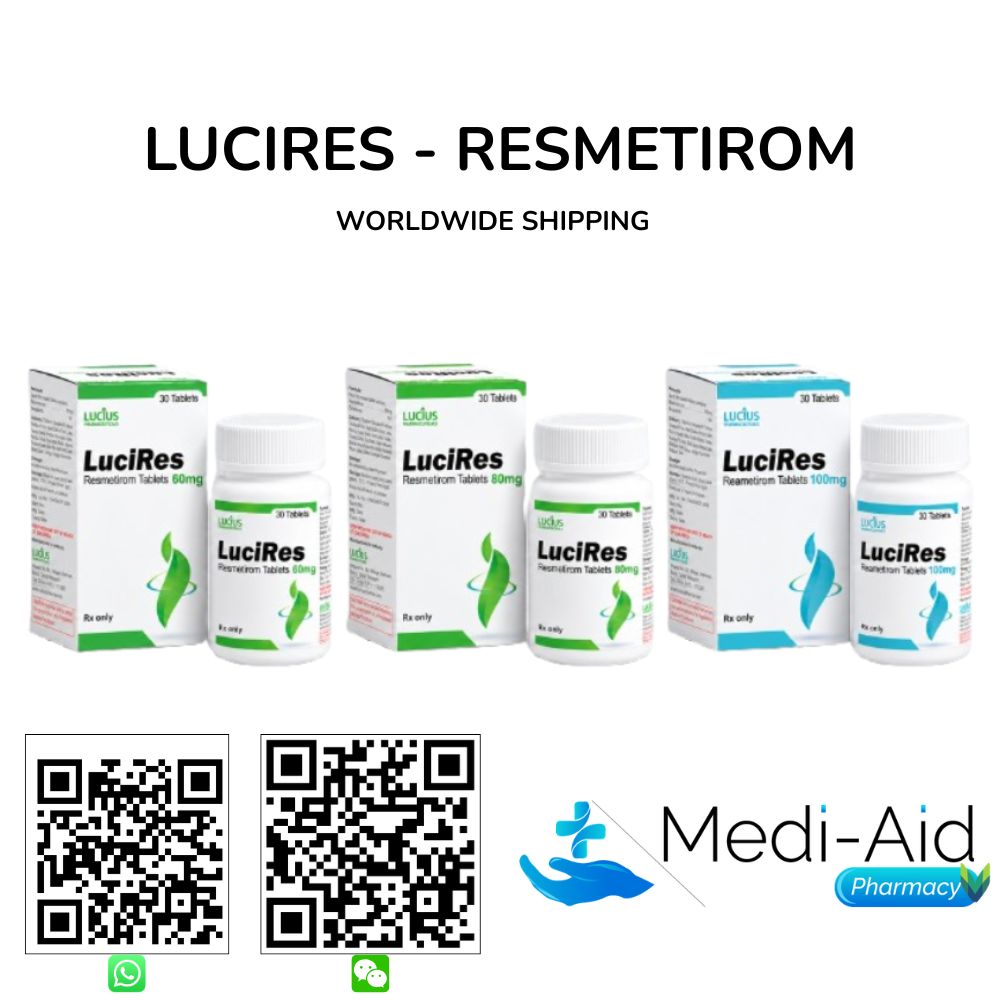
LuciRes 60 MG, 80 MG, and 100 MG (Resmetirom) is a first-in-class oral selective thyroid hormone receptor beta (THR-beta) agonist a liver-targeted, orally bioavailable small molecule that selectively activates the thyroid hormone receptor beta (THR-beta) isoform in hepatocytes to reduce hepatic fat accumulation, attenuate hepatic inflammation, and reverse liver fibrosis in adults with noncirrhotic metabolic dysfunction-associated steatohepatitis (MASH, formerly designated non-alcoholic steatohepatitis or NASH) with moderate-to-advanced liver fibrosis (consistent with F2 to F3 fibrosis stages on the METAVIR or Batts-Ludwig fibrosis staging systems) supplied as film-coated tablets in 60 mg, 80 mg, and 100 mg strengths in a 30-tablet pot and manufactured by Lucius Pharmaceuticals (Lao) Co., Ltd. in Laos.
Its active ingredient, resmetirom INN, selectively targets THR-beta in the liver to increase hepatic fatty acid beta-oxidation, reduce de novo lipogenesis (DNL), lower hepatic triglyceride content, attenuate lipotoxic inflammation, and decrease liver fibrosis the fundamental hepatic pathological processes that drive MASH progression to cirrhosis, hepatocellular carcinoma (HCC), end-stage liver disease, and liver-related mortality in an estimated 115 million adults worldwide.
In the landmark Phase 3 MAESTRO-NASH trial (966 adults with biopsy-confirmed MASH and F2 to F3 fibrosis), resmetirom met both co-primary histological endpoints: MASH resolution without worsening fibrosis was achieved in 26% of patients receiving 80 mg and 30% of patients receiving 100 mg versus 10% with placebo (p less than 0.001 for both doses), and fibrosis improvement by at least one stage without worsening MASH was achieved in 24% of patients receiving 80 mg and 26% of patients receiving 100 mg versus 14% with placebo (p less than 0.001 for both doses), establishing resmetirom as the first and only FDA-approved pharmacotherapy for MASH as of March 14, 2024.
Searching for LuciRes 60 MG 80 MG 100 MG Resmetirom? Mediaid Pharmacy lists this product across its liver disease medicines and Lucius Pharmaceuticals portfolios and ships it worldwide.
Basic Product Information of LuciRes 60 MG, 80 MG, and 100 MG (Resmetirom)
| Brand Name | LuciRes 60 MG, 80 MG, and 100 MG (Resmetirom) |
| Product Name | LuciRes |
| Generic Name | Resmetirom INN |
| Drug Class | First-in-Class Oral Selective Thyroid Hormone Receptor Beta (THR-beta) Agonist; Liver-Targeted THR-beta Agonist; MASH Pharmacotherapy; Metabolic Dysfunction-Associated Steatohepatitis (MASH) Agent; NASH Treatment Agent; Hepatic Fat Reduction Agent; Liver Fibrosis Reduction Agent; De Novo Lipogenesis Inhibitor; Lipid-Lowering Agent; Liver Disease Medicine |
| Formulation | Film-Coated Tablet |
| Available Strengths | 60 mg, 80 mg, and 100 mg per film-coated tablet |
| Available Pack Size | 30 Tablets per Pot |
| Dosing and Dose Modification | Recommended starting dose: Resmetirom is dosed once daily orally with food on a body-weight basis. The recommended starting dose for patients weighing less than 100 kg is 80 mg once daily; the recommended starting dose for patients weighing 100 kg or more is 100 mg once daily. The 60 mg strength is used for dose reduction in patients who experience intolerable adverse reactions or who require concomitant strong CYP3A4 inhibitor co-administration. Hepatic impairment: No dose adjustment is required for patients with mild-to-moderate hepatic impairment (Child-Pugh A or B); resmetirom has not been studied in patients with severe hepatic impairment (Child-Pugh C) and is not recommended in patients with decompensated cirrhosis. Drug interactions: Resmetirom is a CYP3A4 and P-glycoprotein (P-gp) substrate; co-administration with strong CYP3A4 inhibitors (clarithromycin, itraconazole, ketoconazole, ritonavir, voriconazole) significantly increases resmetirom plasma concentrations and requires dose reduction to the 60 mg strength. Always consult the treating hepatologist or gastroenterologist before initiating LuciRes in any adult patient with MASH. |
| Primary Indications | Treatment of adults with noncirrhotic metabolic dysfunction-associated steatohepatitis (MASH) with moderate-to-advanced liver fibrosis (consistent with F2 to F3 fibrosis stages). LuciRes (Resmetirom) is administered as a once-daily oral film-coated tablet taken with food. Each treatment decision must account for fibrosis stage confirmed by liver biopsy, body weight, concomitant medications (particularly CYP3A4 inhibitors and statins), hepatic synthetic function, cardiovascular risk profile, thyroid status, and bone health. Always consult the full prescribing information and the treating hepatologist or gastroenterologist. |
| Manufacturer | Lucius Pharmaceuticals (Lao) Co., Ltd., Laos |
| Country of Origin | Laos |
| Originator Reference Brand | REZDIFFRA® (resmetirom tablets, by Madrigal Pharmaceuticals FDA-approved March 14, 2024, as the first and only drug approved in the United States for the treatment of noncirrhotic MASH with moderate-to-advanced liver fibrosis in adults; approved based on the pivotal Phase 3 MAESTRO-NASH trial of 966 biopsy-confirmed MASH patients). REZDIFFRA® contains resmetirom INN as the active pharmaceutical ingredient in the same first-in-class oral selective THR-beta agonist drug class. LuciRes is manufactured by Lucius Pharmaceuticals (Lao) Co., Ltd. in Laos and is supplied through Mediaid Pharmacy for international procurement. |
| Global Supplier | Mediaid Pharmacy, Worldwide Shipping Available |
| Storage Conditions | Store at room temperature (20°C to 25°C; excursions permitted 15°C to 30°C). Keep in the original packaging and protect from moisture and light. Keep out of the reach of children. |
How LuciRes (Resmetirom) Works: First-in-Class Selective THR-beta Agonism in Metabolic Dysfunction-Associated Steatohepatitis (MASH)
Resmetirom INN is the world’s first approved oral selective thyroid hormone receptor beta (THR-beta) agonist for the treatment of MASH a structurally novel, orally bioavailable small molecule that selectively activates the thyroid hormone receptor beta (THR-beta) isoform predominantly expressed in hepatocytes, exploiting the liver’s high THR-beta expression relative to extrahepatic tissues (heart, bone, skeletal muscle, pituitary gland) to deliver hepatically targeted thyromimetic pharmacodynamic activity without the tachycardia, atrial fibrillation, accelerated bone mineral density loss, and hypothalamic-pituitary-thyroid axis suppression associated with non-selective systemic thyroid hormone administration.
THR-beta is the isoform responsible for the majority of the liver’s thyroid hormone-driven metabolic programs, including regulation of mitochondrial and peroxisomal fatty acid beta-oxidation, de novo lipogenesis (DNL), hepatic lipid export via very low-density lipoprotein (VLDL), bile acid synthesis from cholesterol, and mitochondrial biogenesis and energy substrate switching. Metabolic dysfunction-associated steatohepatitis (MASH) formerly designated non-alcoholic steatohepatitis (NASH) is a progressive chronic liver disease arising from excessive hepatic lipid accumulation (steatosis grade 1 to 3), hepatocyte ballooning injury, lobular inflammation with neutrophilic infiltration, and progressive periportal fibrosis that advances through F2 (moderate) and F3 (advanced) fibrosis stages toward F4 cirrhosis, hepatocellular carcinoma (HCC), portal hypertension, liver failure, and liver-related death in the absence of effective disease-modifying pharmacotherapy.
MASH affects an estimated 6.5% of the global adult population approximately 115 million individuals worldwide with 20% to 25% of MASH patients progressing to cirrhosis within 10 to 15 years; no pharmacotherapy had received regulatory approval for MASH until resmetirom was approved by the FDA on March 14, 2024, ending a multi-decade void in MASH treatment options.
Resmetirom’s hepatically selective THR-beta agonism activates a coherent set of downstream hepatic metabolic programs that collectively address the four primary pathophysiological drivers of MASH:
First, resmetirom activates peroxisomal and mitochondrial fatty acid beta-oxidation pathways in hepatocytes, increasing the rate at which excess hepatic fatty acids are catabolized to acetyl-CoA for energy production and reducing the hepatic lipid burden that constitutes the first hit in the dual-hit and multiple-parallel-hits models of MASH pathogenesis.
Second, resmetirom suppresses de novo lipogenesis (DNL) in the liver by downregulating lipogenic transcription factors (SREBP-1c) and key DNL enzymes (acetyl-CoA carboxylase 1 and 2 [ACC1/2], fatty acid synthase [FAS]), reducing the rate of new fat synthesis from dietary carbohydrate precursors that contributes up to 26% of hepatic triglyceride accumulation in MASH versus approximately 5% in healthy subjects.
Third, resmetirom promotes hepatic lipid export by enhancing VLDL triglyceride secretion and upregulating the hepatic LDL receptor pathway, simultaneously reducing intrahepatic triglyceride content (measured by MRI proton density fat fraction [MRI-PDFF]) and circulating LDL-C and triglyceride levels.
Fourth, reduction of hepatic lipid accumulation and lipotoxic fatty acid intermediates (diacylglycerols, ceramides, lysophosphatidylcholines) attenuates lipotoxic signaling cascades, decreases mitochondrial reactive oxygen species (ROS) production, suppresses endoplasmic reticulum (ER) stress responses, and reduces the nuclear factor-kappa B (NF-kB)-driven inflammatory cytokine production and hepatic stellate cell activation pathways that collectively drive MASH progression from simple steatosis to steatohepatitis with ballooning, to progressive fibrosis, to cirrhosis.
For the complete range of liver disease medicines at Mediaid Pharmacy, browse the full portfolio for worldwide shipping options.
The clinical evidence for resmetirom’s mechanism of action in MASH is established by the landmark Phase 3 MAESTRO-NASH trial the pivotal global, randomized, double-blind, placebo-controlled Phase 3 trial in biopsy-confirmed MASH (966 adults with MASH and F2 to F3 fibrosis, NAS score of 4 or higher, enrolled at 113 sites across 23 countries). Resmetirom met both co-primary histological endpoints: MASH resolution without worsening fibrosis in 26% of patients receiving 80 mg (p less than 0.001) and 30% of patients receiving 100 mg (p less than 0.001) versus 10% with placebo; and fibrosis improvement by at least one stage without worsening MASH in 24% of patients receiving 80 mg (p less than 0.001) and 26% of patients receiving 100 mg (p less than 0.001) versus 14% with placebo.
Additional significant benefits included MRI-PDFF liver fat reductions of 29.3% (80 mg) and 32.3% (100 mg) versus 2.7% with placebo at Week 52, LDL-C reductions of 15.8% (80 mg) and 18.6% (100 mg) versus placebo, triglyceride reductions of approximately 20%, and significant improvements in ALT, AST, GGT, ELF score, PRO-C3, and FibroScan liver stiffness measurement. Pharmacokinetically, resmetirom is rapidly absorbed after oral administration with food, reaches peak plasma concentration (Tmax) in approximately 4 hours, and has a plasma elimination half-life of approximately 20 to 22 hours supporting the clinical rationale for once-daily dosing.
Resmetirom is metabolized primarily by CYP3A4 and is a substrate of the P-glycoprotein (P-gp) efflux transporter; strong CYP3A4 inhibitors require dose reduction to the 60 mg strength. For resmetirom film-coated tablets by Lucius Pharmaceuticals and international shipping options, contact Mediaid Pharmacy directly.
LuciRes 60 MG, 80 MG, and 100 MG (Resmetirom): Indications, Dosing, and Key Safety Information
| Approved Indications | Metabolic Dysfunction-Associated Steatohepatitis (MASH) with Liver Fibrosis: Treatment of adults with noncirrhotic MASH with moderate-to-advanced liver fibrosis (consistent with F2 to F3 fibrosis stages on the METAVIR or Batts-Ludwig staging systems). LuciRes (Resmetirom) is administered as an oral once-daily film-coated tablet taken with food. Limitation of use: LuciRes has not been studied in patients with decompensated cirrhosis (Child-Pugh C) or in patients with MASH and F4 (cirrhotic) fibrosis; its use is not established in these populations. MASH diagnosis should be confirmed by liver biopsy consistent with histological MASH criteria (NAS score of 4 or higher with at least 1 point each in steatosis, ballooning, and lobular inflammation) before initiating resmetirom in accordance with regulatory approval requirements and specialist guidance. |
| Recommended Dose | Adults with MASH (F2 to F3 fibrosis): Resmetirom is dosed once daily orally with food. The recommended starting dose is 80 mg once daily for patients with body weight less than 100 kg, and 100 mg once daily for patients with body weight of 100 kg or more. LuciRes film-coated tablets should be swallowed whole with a meal do not crush, chew, or split the tablets. Administer at the same time each day with food to ensure consistent systemic bioavailability. Dose reduction: Reduce LuciRes to 60 mg once daily for patients unable to tolerate the starting dose due to adverse reactions, or for patients requiring co-administration of strong CYP3A4 inhibitors that cannot be discontinued. Consult the treating hepatologist before any dose modification or discontinuation of LuciRes. |
| Dose Modification | CYP3A4 Inhibitors: Co-administration of resmetirom with strong CYP3A4 inhibitors (clarithromycin, itraconazole, ketoconazole, ritonavir, voriconazole, grapefruit juice) significantly increases resmetirom plasma exposures and necessitates dose reduction to 60 mg once daily. Avoid co-administration with strong CYP3A4 inhibitors unless the clinical benefit outweighs the risk. Hepatic impairment: No dose adjustment is required for patients with mild-to-moderate hepatic impairment (Child-Pugh A or B); LuciRes is not recommended in patients with severe hepatic impairment (Child-Pugh C) or decompensated cirrhosis. Renal impairment: No dose adjustment is required for patients with mild, moderate, or severe renal impairment based on pharmacokinetic data. Always consult the treating hepatologist before initiating or adjusting LuciRes in any patient with significant organ impairment or co-administered interacting medications. |
| Key Safety Warnings | Hepatotoxicity: Resmetirom may cause liver enzyme elevations (ALT, AST) during treatment. Monitor liver function tests at baseline and at regular intervals during LuciRes therapy. Interrupt or discontinue LuciRes if clinically significant hepatic injury occurs and evaluate for alternative causes including drug-induced liver injury (DILI).
Drug-Induced Liver Injury: Avoid co-administration of LuciRes with other agents with known hepatotoxic potential. Review all concomitant medications for hepatotoxic risk before initiating resmetirom therapy in MASH patients, who have pre-existing hepatic vulnerability. Gallbladder Disease: Resmetirom affects bile acid metabolism and hepatic cholesterol handling. Monitor patients for signs and symptoms of gallbladder disease (right upper quadrant or epigastric pain, nausea, fever, and jaundice) during treatment and evaluate by abdominal ultrasonography if clinically indicated. Bone Loss: Thyroid hormone receptor agonists may affect bone mineral density (BMD) through activation of bone remodeling. Assess bone health at baseline using dual-energy X-ray absorptiometry (DEXA) in patients with existing risk factors for osteoporosis (postmenopausal women, patients with prior fragility fractures, patients on chronic corticosteroids) and monitor BMD as clinically appropriate during long-term LuciRes therapy. Thyroid Function: Resmetirom selectively targets THR-beta and has limited activity at the THR-alpha isoform (the predominant pituitary isoform), minimizing suppression of the hypothalamic-pituitary-thyroid (HPT) axis at therapeutic doses; however, monitor thyroid-stimulating hormone (TSH) levels in patients with pre-existing thyroid disease or in patients receiving exogenous thyroid hormone replacement therapy (levothyroxine), as resmetirom may reduce levothyroxine dose requirements. Adjust thyroid replacement dosing as clinically needed. Pregnancy: There are no adequate and well-controlled studies of resmetirom use in pregnant women. Animal reproduction studies demonstrated adverse embryo-fetal effects at clinically relevant exposures. LuciRes is not recommended during pregnancy; females of reproductive potential must use effective contraception during treatment and for an appropriate interval after the last dose. Perform a pregnancy test before initiating LuciRes in females of reproductive potential. Lactation: It is not known whether resmetirom is excreted in human breast milk. The potential for adverse effects in breastfed infants cannot be excluded. Advise patients not to breastfeed during LuciRes treatment. Always consult the current full prescribing information for the complete and most up-to-date safety profile. |
| Common Adverse Reactions | Nausea, diarrhea, and vomiting are the most commonly reported adverse reactions of resmetirom in the MAESTRO-NASH Phase 3 trial. Nausea was reported in 26% of resmetirom-treated patients versus 11% with placebo; diarrhea was reported in 28% of resmetirom-treated patients versus 17% with placebo. Most gastrointestinal adverse events were mild-to-moderate in severity, occurred during the initial weeks of treatment, and resolved without necessitating permanent discontinuation. Elevations of ALT and AST have been reported monitor hepatic function parameters throughout therapy and at baseline. Pruritus, abdominal pain, constipation, and fatigue have also been reported at lower frequencies. Gallbladder-related events and bone-related adverse effects require monitoring during long-term therapy. Always discuss the complete adverse reaction profile, monitoring schedule, contraindications, and drug interaction potential with the treating hepatologist or gastroenterologist before and throughout LuciRes treatment. |
| Drug Interactions | Resmetirom is a CYP3A4 and P-glycoprotein (P-gp) substrate. Strong CYP3A4 inhibitors (clarithromycin, itraconazole, ketoconazole, ritonavir, voriconazole, grapefruit): increase resmetirom plasma concentrations significantly; reduce LuciRes dose to 60 mg once daily if co-administration cannot be avoided. Strong CYP3A4 inducers (rifampin, carbamazepine, phenytoin, St. John’s Wort): reduce resmetirom plasma concentrations and may decrease therapeutic efficacy; avoid co-administration with strong CYP3A4 inducers. Statins: Resmetirom may increase plasma concentrations of statins that are P-gp substrates or CYP3A4-sensitive (atorvastatin, simvastatin, rosuvastatin); monitor patients for statin-related adverse effects including myopathy and rhabdomyolysis when initiating LuciRes in patients already on statin therapy. Thyroid hormone replacement: Resmetirom may reduce exogenous thyroid hormone requirements in patients on levothyroxine; monitor TSH levels at baseline and periodically during therapy and adjust levothyroxine dosing as needed. Bile acid sequestrants: May reduce resmetirom gastrointestinal absorption if co-administered; administer LuciRes at least 4 hours before or after bile acid sequestrants if co-administration is clinically required. Disclose all concomitant medications, nutritional supplements, and herbal products to the treating hepatologist before initiating LuciRes (Resmetirom). |
| Hepatic Impairment | No dose adjustment of LuciRes is required for patients with mild hepatic impairment (Child-Pugh A) or moderate hepatic impairment (Child-Pugh B). LuciRes is not recommended in patients with severe hepatic impairment (Child-Pugh C) or decompensated cirrhosis, as resmetirom has not been formally studied in these populations and the safety and efficacy profile has not been established. Since MASH patients being considered for LuciRes therapy inherently have progressive hepatic disease with varying degrees of steatosis, inflammation, ballooning injury, and fibrosis and potential compromise of synthetic liver function at F2 to F3 stages regular monitoring of liver function tests (ALT, AST, total and direct bilirubin, GGT, albumin, INR, and platelet count as indicators of developing portal hypertension) is required throughout LuciRes treatment. Consult the treating hepatologist for individualized guidance in patients with significant hepatic fibrosis, declining synthetic liver function, or portal hypertension before initiating and during ongoing LuciRes therapy. |
| Pregnancy and Lactation | The safety of resmetirom in human pregnancy has not been established; animal reproductive toxicity studies have shown evidence of adverse effects on embryo-fetal development at exposures relevant to the clinical dose range of LuciRes. LuciRes is not recommended during pregnancy. Females of reproductive potential must use effective contraception during LuciRes treatment and for an appropriate washout period after the final dose, as specified in the current prescribing information. Perform a pregnancy test before initiating LuciRes treatment in females of reproductive potential. It is not known whether resmetirom is excreted in human breast milk; the potential for adverse effects on breastfed infants cannot be excluded at this time. Advise patients not to breastfeed during LuciRes treatment. Notify the treating hepatologist immediately if pregnancy is confirmed during resmetirom treatment and discontinue LuciRes promptly pending specialist review and risk-benefit reassessment. |
Who Should Use LuciRes 60 MG, 80 MG, and 100 MG (Resmetirom)?
LuciRes 60 MG, 80 MG, and 100 MG (Resmetirom) is indicated for adults with noncirrhotic metabolic dysfunction-associated steatohepatitis (MASH) with moderate-to-advanced liver fibrosis (consistent with F2 to F3 fibrosis stages) a progressive chronic liver disease characterized histologically by hepatic steatosis (grade 1 or greater), hepatocyte ballooning injury, lobular inflammation, and periportal fibrosis arising from hepatic metabolic dysfunction driven by obesity, type 2 diabetes mellitus (T2DM), dyslipidemia (elevated LDL-C and triglycerides), hypertension, hyperinsulinemia, and insulin resistance in the setting of metabolic syndrome.
MASH is the progressive inflammatory subset of metabolic dysfunction-associated steatotic liver disease (MASLD, formerly NAFLD) and affects an estimated 6.5% of the global adult population approximately 115 million individuals worldwide with 20% to 25% of affected adults progressing to advanced fibrosis (F3 to F4), cirrhosis, portal hypertension, hepatocellular carcinoma (HCC), and liver failure within 10 to 15 years of diagnosis in the absence of effective disease-modifying pharmacotherapy.
First, adult patients (18 years and older) with a liver biopsy-confirmed diagnosis of MASH meeting the histological activity criteria (NAFLD Activity Score [NAS] of 4 or higher with at least 1 point each in steatosis, hepatocyte ballooning, and lobular inflammation) and a fibrosis stage of F2 or F3 on the METAVIR or Batts-Ludwig fibrosis staging system represent the primary FDA-approved indication population for LuciRes Resmetirom. In the pivotal Phase 3 MAESTRO-NASH trial (966 biopsy-confirmed MASH patients with F2 to F3 fibrosis), resmetirom achieved MASH resolution without worsening fibrosis in 26% (80 mg) and 30% (100 mg) of treated patients versus 10% with placebo (p less than 0.001), and fibrosis improvement by at least one stage without worsening MASH in 24% (80 mg) and 26% (100 mg) versus 14% with placebo (p less than 0.001), establishing statistically significant and clinically meaningful superiority as the world’s first approved MASH pharmacotherapy.
Second, adult MASH patients with significant cardiometabolic comorbidities particularly type 2 diabetes mellitus, atherogenic dyslipidemia (elevated LDL-C, elevated non-HDL-C, hypertriglyceridemia), obesity (BMI greater than 30 kg/m2), and established cardiovascular disease who require simultaneous hepatic disease modification and lipid lowering may derive compound benefit from resmetirom’s dual hepatic and cardiometabolic pharmacodynamic profile demonstrated in the MAESTRO-NASH trial: LDL-C reductions of 15.8% (80 mg) and 18.6% (100 mg) versus placebo, and triglyceride reductions of approximately 20%, providing clinically meaningful cardiovascular risk factor improvement alongside MASH histological disease modification.
Third, adult MASH patients who have failed, are intolerant of, or are not suitable candidates for lifestyle modification alone including structured dietary intervention (Mediterranean dietary pattern, caloric restriction of 500 to 750 kcal/day), supervised weight-loss programs (targeting 7% to 10% body weight reduction), and aerobic exercise programs which are the current cornerstone of MASH management in clinical guidelines but achieve sustained histological MASH resolution in fewer than 10% of patients without adjunct pharmacotherapy represent a population in whom resmetirom provides the first evidence-based oral pharmacological option targeting MASH disease progression directly at the molecular level.
Fourth, specialist hepatology centres, gastroenterology practices, endocrinology and diabetes units co-managing patients with metabolic liver disease and T2DM, internal medicine programs managing adults with obesity-related multi-organ damage, and hospital pharmacy departments co-sourcing oral targeted liver therapies can browse the Mediaid Pharmacy liver disease medicines collection for the full selection available for international delivery. LuciRes is not recommended in patients with decompensated cirrhosis, F4 fibrosis, or in patients with contraindicated co-medications that cannot be safely managed; all treatment decisions must be individualized by the treating hepatologist or gastroenterologist.
Global Supplier: Mediaid Pharmacy Worldwide Shipping for LuciRes 60 MG, 80 MG, and 100 MG (Resmetirom)
Mediaid Pharmacy is a Dhaka-based specialty supplier of liver disease medicines and metabolic pharmacotherapy with worldwide shipping to patients, hepatology clinics, gastroenterology departments, metabolic liver disease treatment units, endocrinology centres, hospital pharmacy departments, and international distributors across all regions. LuciRes 60 MG, 80 MG, and 100 MG (Resmetirom), manufactured by Lucius Pharmaceuticals (Lao) Co., Ltd. in Laos, is supplied as 30 film-coated tablets per pot in all three strength variants 60 mg, 80 mg, and 100 mg with comprehensive pricing quotations by strength, real-time stock confirmation, full product documentation, and end-to-end international delivery tracking for every order.
The 30-tablet pot format of LuciRes provides hepatology and gastroenterology programmes with a practical 30-day supply unit fully aligned with the once-daily dosing schedule for resmetirom, simplifying procurement planning for MASH treatment programmes requiring continuous long-term pharmacotherapy. Hepatology centres, MASH and NASH specialist clinics, gastroenterology and hepatobiliary units, endocrinology departments co-managing metabolic liver disease and T2DM, hospital pharmacy departments co-sourcing oral targeted liver therapies alongside other specialty medicines, international distributors, and individual adult patients with biopsy-confirmed MASH can contact the Mediaid Pharmacy team through WhatsApp, phone, or WeChat for all inquiries regarding resmetirom tablets for MASH and fatty liver disease including pricing by strength (60 mg, 80 mg, 100 mg), current stock availability, and international delivery timelines to their country.
Procurement teams co-sourcing LuciRes alongside other specialty liver disease or metabolic medicines can browse the complete Mediaid Pharmacy liver disease medicines collection and the Lucius Pharmaceuticals medicines portfolio before requesting a consolidated international procurement quotation.
Why Choose LuciRes 60 MG, 80 MG, and 100 MG (Resmetirom) from Mediaid Pharmacy?
LuciRes 60 MG, 80 MG, and 100 MG (Resmetirom) delivers the world’s first approved oral disease-modifying pharmacotherapy for metabolic dysfunction-associated steatohepatitis (MASH) with moderate-to-advanced liver fibrosis a first-in-class liver-targeted selective THR-beta agonist backed by the landmark Phase 3 MAESTRO-NASH trial that established resmetirom as the world’s first drug approved for MASH on March 14, 2024, ending decades of unmet therapeutic need in a disease affecting over 115 million adults globally with no previously approved pharmacological disease-modifying treatment option.
In the MAESTRO-NASH Phase 3 trial (966 randomized adult patients with biopsy-confirmed MASH and F2 to F3 fibrosis enrolled at 113 sites across 23 countries), resmetirom met both co-primary histological biopsy endpoints: MASH resolution without worsening fibrosis in 26% (80 mg) and 30% (100 mg) versus 10% with placebo (p less than 0.001), and fibrosis improvement by at least one stage without worsening MASH in 24% (80 mg) and 26% (100 mg) versus 14% with placebo (p less than 0.001) representing the first successful Phase 3 trial of an oral pharmacological therapy in MASH to support FDA regulatory approval. Significant additional benefits included MRI-PDFF liver fat reductions of 29.3% (80 mg) and 32.3% (100 mg) versus 2.7% with placebo, LDL-C reductions of 15.8% to 18.6%, triglyceride reductions of approximately 20%, and statistically significant improvements in ALT, AST, GGT, ELF score, PRO-C3 collagen biomarker, and FibroScan liver stiffness measurement establishing a multidimensional metabolic and hepatic benefit profile extending beyond histology to non-invasive fibrosis biomarker improvement and cardiovascular risk factor reduction.
Resmetirom’s hepatically selective THR-beta agonism mechanism is fundamentally distinct from lifestyle interventions, bariatric procedures, GLP-1 receptor agonists, incretin-combination therapies, and non-targeted metabolic interventions for liver disease achieving direct pharmacological correction of the primary hepatic metabolic dysregulation driving MASH (suppression of de novo lipogenesis, enhancement of beta-oxidation, reduction of lipotoxic intermediates, attenuation of inflammatory and fibrogenic pathways) without the cardiovascular (tachycardia, atrial fibrillation), skeletal (accelerated bone loss), and neuroendocrine (HPT axis suppression) adverse effects of non-selective systemic thyroid hormone treatment.
The three-strength 30-tablet pot format of LuciRes (60 mg, 80 mg, and 100 mg film-coated tablets) supports precise weight-based dosing (80 mg for patients under 100 kg; 100 mg for patients 100 kg and above) and enables clinically indicated dose reduction to the 60 mg strength for patients requiring tolerability management or mandatory co-administration of strong CYP3A4 inhibitors providing comprehensive dosing flexibility across a diverse adult MASH population with varying weight, comorbidity, and polypharmacy profiles. LuciRes is manufactured by Lucius Pharmaceuticals (Lao) Co., Ltd. in Laos and is available through Mediaid Pharmacy with full product documentation, specialist supply coordination, multi-strength inventory, and worldwide shipping from Dhaka.
To source additional liver disease and specialty medicines by Lucius Pharmaceuticals alongside LuciRes, visit the brand portfolio section and the liver disease medicines portfolio at Mediaid Pharmacy and contact the procurement team for a personalized quotation including shipping timelines to your country or institution.
Frequently Asked Questions About LuciRes 60 MG, 80 MG, and 100 MG (Resmetirom)
What is LuciRes 60 MG, 80 MG, and 100 MG (Resmetirom) used for?
LuciRes (Resmetirom) is the world’s first approved oral disease-modifying pharmacotherapy for metabolic dysfunction-associated steatohepatitis (MASH), indicated for the treatment of adults with noncirrhotic MASH with moderate-to-advanced liver fibrosis (consistent with F2 to F3 fibrosis stages). LuciRes works by selectively activating the thyroid hormone receptor beta (THR-beta) in the liver, increasing hepatic fatty acid beta-oxidation, reducing de novo lipogenesis, lowering hepatic fat content, attenuating liver inflammation and hepatocyte ballooning, and reversing liver fibrosis simultaneously addressing the histological and metabolic drivers of MASH progression to cirrhosis and liver failure. The originator brand for resmetirom is REZDIFFRA® (Madrigal Pharmaceuticals, FDA-approved March 14, 2024). LuciRes, manufactured by Lucius Pharmaceuticals (Lao) Co., Ltd. in Laos, is available through Mediaid Pharmacy with worldwide shipping to patients, specialist hepatology centres, and MASH and metabolic liver disease treatment clinics.
What is the generic name of LuciRes?
The generic name of LuciRes is resmetirom INN. LuciRes is the brand name registered by Lucius Pharmaceuticals (Lao) Co., Ltd. for resmetirom manufactured in Laos. LuciRes is formulated as film-coated tablets in 60 mg, 80 mg, and 100 mg strengths, supplied in a 30-tablet pot format. The originator reference brand is REZDIFFRA® (Madrigal Pharmaceuticals, FDA-approved March 14, 2024). Mediaid Pharmacy distributes LuciRes globally with worldwide shipping to patients, hepatology centres, MASH specialist clinics, gastroenterology departments, and hospital pharmacy departments managing adults with metabolic liver disease and liver fibrosis.
What is the difference between LuciRes (Resmetirom) and REZDIFFRA (Resmetirom)?
LuciRes and REZDIFFRA® both contain resmetirom INN as the active pharmaceutical ingredient and share the same first-in-class oral selective THR-beta agonist mechanism of action for the treatment of MASH with liver fibrosis. REZDIFFRA® is the originator brand developed and commercialized by Madrigal Pharmaceuticals and was approved by the FDA on March 14, 2024 the first drug approval in the history of MASH pharmacotherapy for the treatment of adults with noncirrhotic MASH with moderate-to-advanced liver fibrosis (F2 to F3). LuciRes is manufactured by Lucius Pharmaceuticals (Lao) Co., Ltd. in Laos and is supplied in 60 mg, 80 mg, and 100 mg film-coated tablet strengths in a 30-tablet pot, available through Mediaid Pharmacy for international procurement by MASH specialist centres and patients in regions where REZDIFFRA® may be unavailable or cost-prohibitive. For the full range of liver disease medicines at Mediaid Pharmacy, browse the complete portfolio for worldwide shipping.
How is LuciRes 60 MG, 80 MG, and 100 MG (Resmetirom) administered?
LuciRes (Resmetirom) is administered orally once daily with food at the same time each day. The recommended starting dose is 80 mg once daily for patients with body weight less than 100 kg, and 100 mg once daily for patients with body weight of 100 kg or more. LuciRes film-coated tablets must be swallowed whole with a meal do not crush, chew, or split the tablets, as film-coating integrity supports absorption consistency. If a dose is missed, take it as soon as remembered on the same day with food; if not remembered until the next day, skip the missed dose and continue with the next scheduled dose do not take two doses on the same day. The 60 mg strength is used for dose reduction in patients who experience intolerable adverse reactions or who require co-administration of strong CYP3A4 inhibitors that cannot be discontinued. Always consult the treating hepatologist or gastroenterologist before initiating, adjusting, or discontinuing LuciRes.
What are the side effects of LuciRes 60 MG, 80 MG, and 100 MG (Resmetirom)?
The most commonly reported adverse reactions of resmetirom in the MAESTRO-NASH Phase 3 trial include nausea (26% vs 11% with placebo), diarrhea (28% vs 17% with placebo), and vomiting. Most gastrointestinal adverse events were mild-to-moderate in severity, emerged during the initial weeks of treatment, and resolved without requiring permanent discontinuation of therapy. Elevations of ALT and AST have also been reported monitor liver enzymes throughout treatment. Pruritus, abdominal pain, constipation, and fatigue have been observed at lower frequencies. Additional monitoring requirements during long-term LuciRes therapy include hepatic function, gallbladder status, bone mineral density (in at-risk patients), and thyroid function (particularly in patients on levothyroxine replacement). Always discuss the complete safety profile, monitoring plan, contraindications, and drug interaction potential with the treating hepatologist or gastroenterologist before and throughout LuciRes treatment.
How effective is Resmetirom (LuciRes) for MASH and liver fibrosis?
Resmetirom has demonstrated statistically significant and clinically meaningful efficacy in MASH with liver fibrosis in the Phase 3 MAESTRO-NASH trial the pivotal global, randomized, double-blind, placebo-controlled Phase 3 trial in adult MASH patients (966 participants with biopsy-confirmed MASH and F2 to F3 fibrosis enrolled at 113 sites across 23 countries). Resmetirom met both co-primary histological biopsy endpoints: MASH resolution without worsening fibrosis in 26% (80 mg, p less than 0.001) and 30% (100 mg, p less than 0.001) versus 10% with placebo; and fibrosis improvement by at least one stage without worsening MASH in 24% (80 mg, p less than 0.001) and 26% (100 mg, p less than 0.001) versus 14% with placebo. Significant additional benefits included MRI-PDFF liver fat reduction of 29.3% to 32.3% versus 2.7% with placebo, LDL-C reduction of 15.8% to 18.6%, triglyceride reduction of approximately 20%, and significant improvements in ALT, AST, GGT, ELF score, PRO-C3, and FibroScan. LuciRes delivers the same active ingredient resmetirom INN in the 60 mg, 80 mg, and 100 mg film-coated tablet format, sourced through Mediaid Pharmacy with worldwide shipping. For the complete liver disease medicines range at Mediaid Pharmacy, browse the full portfolio for international ordering.
Is LuciRes 60 MG, 80 MG, and 100 MG (Resmetirom) safe during pregnancy or while breastfeeding?
LuciRes (Resmetirom) is not recommended during pregnancy, as animal reproductive toxicity studies have demonstrated adverse effects on embryo-fetal development at clinically relevant exposures; adequate and well-controlled studies in pregnant women have not been conducted. Females of reproductive potential must use effective contraception during LuciRes treatment. A pregnancy test should be performed before initiating LuciRes in females of reproductive potential. Breastfeeding is not recommended during LuciRes treatment because it is not known whether resmetirom is excreted in human breast milk and the potential for adverse effects on breastfed infants cannot be excluded at this time. If pregnancy occurs during resmetirom treatment, the treating hepatologist must be notified immediately and LuciRes should be discontinued promptly. Consult the treating specialist before starting LuciRes in any patient of reproductive potential and review the current prescribing information for the most up-to-date reproductive safety and contraception guidance.
Can I order LuciRes 60 MG, 80 MG, and 100 MG (Resmetirom) online with worldwide shipping?
Yes. Mediaid Pharmacy supplies LuciRes 60 MG, 80 MG, and 100 MG (Resmetirom) to patients, hepatology clinics, MASH specialist centres, gastroenterology departments, endocrinology units, metabolic liver disease treatment programmes, hospital pharmacy departments, and healthcare providers globally across all regions. Contact Mediaid Pharmacy via WhatsApp, phone, or WeChat at +8801773428128, or email info@mediaidpharmacy.com for current pricing by strength (60 mg, 80 mg, or 100 mg), real-time stock availability confirmation, and international delivery details for your country or institution.
Order LuciRes 60 MG, 80 MG, and 100 MG (Resmetirom) with Worldwide Shipping
Phone / WhatsApp / WeChat: +8801773428128 | Email: info@mediaidpharmacy.com


Reviews
There are no reviews yet.