Description
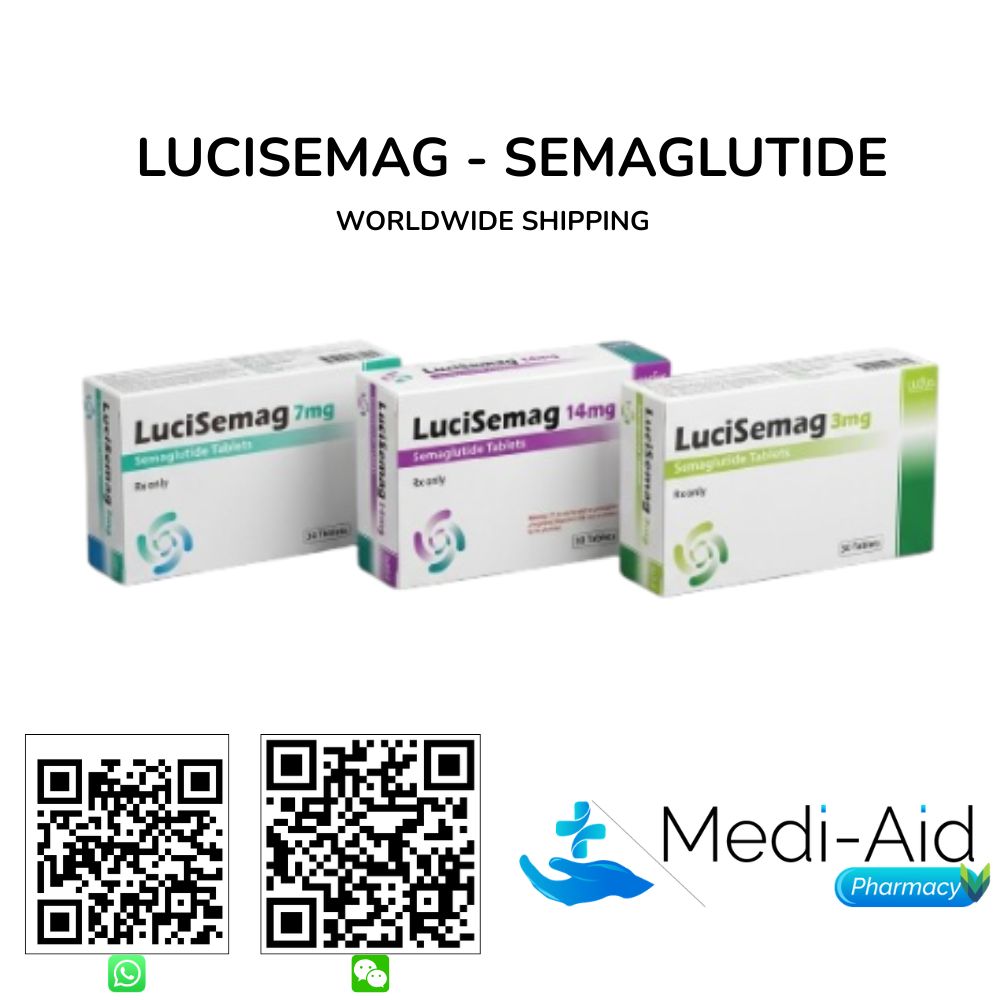
LuciSemag (Semaglutide) is a first-in-class oral glucagon-like peptide-1 (GLP-1) receptor agonist the world’s only orally administered GLP-1 receptor agonist approved for the treatment of type 2 diabetes mellitus, formulated as a once-daily tablet that delivers semaglutide a 34-amino acid, C18-fatty acid acylated GLP-1 analogue through a proprietary gastric absorption technology using the absorption enhancer sodium N-(8-[2-hydroxybenzoyl]amino)caprylate (SNAC), enabling transcellular epithelial uptake of intact semaglutide peptide across the gastric mucosa and achieving therapeutic systemic plasma concentrations from oral dosing alone supplied in three dose strengths: 3 mg, 7 mg, and 14 mg oral tablets, 30 tablets per pack, and manufactured by Lucius Pharmaceuticals (Lao) Co., Ltd. in Laos. Its active ingredient, semaglutide, is structurally identical to the molecule used in injectable semaglutide formulations, differing only in its delivery vehicle: the SNAC absorption enhancer creates a transient local pH elevation on the gastric mucosal surface that temporarily increases semaglutide’s lipophilicity and membrane permeability, enabling peptide absorption through a transcellular mechanism independent of GLP-1 receptor-mediated gastric motility effects.
Following oral absorption, semaglutide activates GLP-1 receptors on pancreatic beta cells to stimulate glucose-dependent insulin secretion, suppresses postprandial glucagon secretion from pancreatic alpha cells, slows gastric emptying to attenuate postprandial glucose excursions, and acts centrally on hypothalamic GLP-1 receptors to reduce appetite and energy intake. In the pivotal Phase 3 PIONEER 1 trial (monotherapy, 26 weeks), oral semaglutide 14 mg once daily achieved a mean HbA1c reduction of 1.4% from baseline versus 0.0% with placebo (estimated treatment difference: −1.4 percentage points, p<0.001), with 76% of patients achieving HbA1c below 7.0% versus 31% with placebo. In the head-to-head PIONEER 3 trial against sitagliptin 100 mg, oral semaglutide 14 mg achieved HbA1c reduction of 1.3% versus 0.7% with sitagliptin (estimated treatment difference: −0.5 percentage points, p<0.001), establishing oral semaglutide as the first and only once-daily oral GLP-1 receptor agonist to demonstrate superiority over a DPP-4 inhibitor and an SGLT2 inhibitor on HbA1c reduction in Phase 3 head-to-head trials.
Searching for LuciSemag Semaglutide? Mediaid Pharmacy lists this product across its diabetes medicines and Lucius Pharmaceuticals portfolios and ships it worldwide.
Basic Product Information of LuciSemag (Semaglutide)
| Brand Name | LuciSemag (Semaglutide) |
| Product Name | LuciSemag |
| Generic Name | Semaglutide |
| Drug Class | First-in-Class Oral Glucagon-Like Peptide-1 (GLP-1) Receptor Agonist; Incretin Mimetic; Oral GLP-1 Analogue; Antidiabetic Agent; Glucose-Dependent Insulin Secretion Potentiator; Glucagon Suppressor; Gastric Emptying Modulator; Appetite Suppressant; Oral Peptide (SNAC-Enabled); Pancreatic Beta Cell Stimulant |
| Formulation | Oral Tablet (SNAC Co-Formulation; Immediate-Release) |
| Available Strengths | 3 mg, 7 mg, and 14 mg semaglutide per tablet (three strengths covering the full approved oral dose escalation schedule) |
| Available Pack Size | 30 tablets per pack (one pack per strength per month of daily dosing) |
| Dosing & Dose Escalation | Initiation dose (3 mg): Take one 3 mg tablet once daily for the first 30 days. The 3 mg dose is an initiation dose only it is not intended to achieve glycaemic control and is used to improve gastrointestinal tolerability during treatment start. Escalation to 7 mg: After 30 days on 3 mg, increase to one 7 mg tablet once daily. The 7 mg dose may be used as the maintenance dose if adequate glycaemic control is achieved and tolerated. Escalation to 14 mg: If additional glycaemic control is required after at least 30 days on 7 mg and the dose is tolerated, increase to one 14 mg tablet once daily. The 14 mg dose is the maximum approved oral dose and the dose used in the primary efficacy endpoints of the PIONEER Phase 3 programme. Critical administration requirements: LuciSemag must be taken on an empty stomach upon waking, with up to 120 mL (approximately half a glass) of plain water only no other beverages. Wait at least 30 minutes before eating, drinking anything other than water, or taking any other oral medication. These conditions are mandatory to achieve adequate SNAC-mediated gastric absorption of semaglutide; food, other beverages, or other medications taken simultaneously will significantly reduce semaglutide bioavailability. Swallow tablet whole do not crush, split, or chew. If a dose is missed, skip the missed dose and resume the next day on the regular once-daily schedule; do not double the dose. |
| Primary Indications | Type 2 Diabetes Mellitus: As an adjunct to diet and exercise to improve glycaemic control in adults with type 2 diabetes mellitus, used as monotherapy or in combination with other oral antidiabetic agents or basal insulin when existing treatment does not provide adequate glycaemic control. LuciSemag (oral semaglutide) is not indicated for type 1 diabetes mellitus, diabetic ketoacidosis, or as a first-line treatment when metformin is appropriate and tolerated. LuciSemag is not currently approved for chronic weight management for weight management, injectable semaglutide formulations are indicated. Each treatment decision must account for baseline HbA1c, renal function, cardiovascular risk, personal or family history of medullary thyroid carcinoma (MTC) or Multiple Endocrine Neoplasia syndrome type 2 (MEN2), pancreatitis history, and concomitant antidiabetic medications always consult the full prescribing information and the treating endocrinologist or diabetologist. |
| Manufacturer | Lucius Pharmaceuticals (Lao) Co., Ltd., Laos |
| Country of Origin | Laos (Lao PDR) |
| Originator Reference Brand | RYBELSUS® (oral semaglutide tablets 3 mg, 7 mg, and 14 mg, developed and marketed by Novo Nordisk approved by the FDA in September 2019 as the first oral GLP-1 receptor agonist for the improvement of glycaemic control in adults with type 2 diabetes mellitus). RYBELSUS® contains semaglutide as the active pharmaceutical ingredient in the same oral GLP-1 receptor agonist SNAC co-formulation. The injectable semaglutide reference brands are OZEMPIC® (0.5 mg, 1 mg, 2 mg subcutaneous once weekly, Novo Nordisk, FDA-approved December 2017 for T2DM) and WEGOVY® (2.4 mg subcutaneous once weekly, Novo Nordisk, FDA-approved June 2021 for chronic weight management). LuciSemag is manufactured by Lucius Pharmaceuticals (Lao) Co., Ltd. in Laos and is supplied through Mediaid Pharmacy for international procurement. |
| Global Supplier | Mediaid Pharmacy, Worldwide Shipping Available |
| Storage Conditions | Store below 30°C (86°F) in a dry place, away from moisture and direct sunlight. Keep tablets in their original blister packaging until immediately before use. Do not store in a bathroom or any humid environment. Keep out of the reach of children. Do not use after the expiry date printed on the carton and blister. |
How LuciSemag (Semaglutide) Works: First-in-Class Oral GLP-1 Receptor Agonism via SNAC-Enabled Gastric Absorption in Type 2 Diabetes
Semaglutide is a synthetic analogue of human glucagon-like peptide-1 (GLP-1) a 30-amino acid incretin hormone secreted by intestinal L cells in response to nutrient ingestion that stimulates glucose-dependent insulin secretion, suppresses glucagon, slows gastric emptying, and reduces appetite via central GLP-1 receptors in the hypothalamus and brainstem. Natural GLP-1 has a plasma half-life of approximately 1 to 2 minutes due to rapid degradation by dipeptidyl peptidase-4 (DPP-4) and neutral endopeptidase.
Semaglutide is structurally engineered with two key modifications over native GLP-1 to achieve a pharmacokinetically viable once-daily oral profile: (1) a substitution at position 8 from alanine to alpha-aminoisobutyric acid that confers resistance to DPP-4 cleavage, extending the plasma half-life from minutes to approximately one week; and (2) acylation with a C18 fatty acid chain via a linker to lysine at position 26, enabling high-affinity albumin binding that further prolongs systemic half-life to approximately 7 days and reduces renal clearance the same pharmacokinetic engineering used in the injectable semaglutide formulations OZEMPIC® and WEGOVY®.
The fundamental pharmacological challenge of delivering a 34-amino acid acylated peptide orally bypassing intestinal proteases, gastric acid degradation, and the tight epithelial barrier is solved in LuciSemag through co-formulation with sodium N-(8-[2-hydroxybenzoyl]amino)caprylate (SNAC), a medium-chain fatty acid derivative absorption enhancer that has been used in pharmaceutical formulations for decades. SNAC achieves oral semaglutide absorption through a localised, transcellular mechanism in the stomach rather than in the small intestine: SNAC dissolves rapidly and creates a transient local pH microenvironment on the gastric mucosal surface that increases semaglutide’s lipophilicity and membrane permeability, enabling intact semaglutide molecules to cross the gastric epithelium via transcellular transport before reaching the DPP-4-expressing small intestinal epithelium.
This gastric absorption mechanism requires an empty stomach and plain water only at the time of dosing food, other beverages, and other oral medications alkalinise gastric pH and dilute the SNAC concentration gradient, reducing oral semaglutide bioavailability by 40–60%.
Following absorption from the gastric mucosa, semaglutide enters systemic circulation and binds with high affinity and selectivity to GLP-1 receptors expressed on pancreatic beta cells, pancreatic alpha cells, gastric smooth muscle, hypothalamic neurons, brainstem neurons, myocardium, and vascular endothelium activating adenylyl cyclase and elevating intracellular cyclic AMP (cAMP), which triggers PKA and EPAC2-mediated signalling cascades that augment glucose-dependent insulin exocytosis, suppress glucagon secretion, delay gastric emptying to reduce postprandial glucose excursions, and activate central satiety pathways to reduce appetite and food intake.
The glucose-dependent character of semaglutide’s insulin secretion mechanism means that insulin release is amplified only when plasma glucose is elevated, automatically declining at near-fasting glucose concentrations eliminating the glucose-independent insulin secretagogue mechanism that produces hypoglycaemia with sulfonylureas, and accounting for the low rate of hypoglycaemia observed with semaglutide as monotherapy across the PIONEER Phase 3 programme.
Pharmacokinetically, oral semaglutide reaches maximum plasma concentration (Tmax) approximately 1 hour after dosing, with a terminal half-life of approximately 1 week the same as injectable semaglutide, reflecting albumin binding-mediated systemic retention after gastric absorption. Absolute oral bioavailability is approximately 1% compared to subcutaneous semaglutide, but therapeutic plasma concentrations sufficient to achieve clinically meaningful HbA1c reduction and body weight loss are consistently achieved across the 7 mg and 14 mg dose strengths. For the complete range of diabetes medicines at Mediaid Pharmacy, browse the full portfolio for worldwide shipping.
LuciSemag (Semaglutide): Indications, Dosing, and Key Safety Information
| Approved Indications | Type 2 Diabetes Mellitus: As an adjunct to diet and exercise to improve glycaemic control in adults with type 2 diabetes mellitus (T2DM). LuciSemag (oral semaglutide) is used as: (1) monotherapy when metformin is inappropriate due to intolerance or contraindication; (2) add-on combination therapy with metformin, a sulfonylurea, an SGLT2 inhibitor, or a DPP-4 inhibitor; (3) combination with basal insulin when existing oral antidiabetic therapy does not provide adequate glycaemic control. LuciSemag is not indicated for type 1 diabetes mellitus, diabetic ketoacidosis, or for chronic weight management in adults without type 2 diabetes. Each treatment decision must consider baseline HbA1c, renal function, cardiovascular risk, personal or family history of medullary thyroid carcinoma or MEN2, pancreatitis history, and concomitant antidiabetic medications always consult the treating endocrinologist or diabetologist and the full prescribing information. |
| Recommended Dose & Escalation | Step 1 3 mg once daily for 30 days (initiation only, not a therapeutic glycaemic control dose). Step 2 7 mg once daily after 30 days on 3 mg (first therapeutic maintenance dose; use if glycaemic targets are met and tolerated). Step 3 14 mg once daily after at least 30 days on 7 mg, if additional glycaemic control is required (maximum approved oral dose). Administer on an empty stomach with no more than 120 mL of plain water, at least 30 minutes before first food, any other drink, or any other oral medication. No dose adjustment required for renal or mild-to-moderate hepatic impairment. |
| Contraindications | Personal or family history of medullary thyroid carcinoma (MTC). Multiple Endocrine Neoplasia syndrome type 2 (MEN2). History of serious hypersensitivity to semaglutide or any excipient of LuciSemag (including anaphylaxis and angioedema). Semaglutide is not indicated for type 1 diabetes mellitus or for the treatment of diabetic ketoacidosis. Always review the complete contraindications in the current prescribing information before initiating LuciSemag. |
| Boxed Warning | Thyroid C-cell tumours: semaglutide caused dose-dependent and treatment-duration-dependent thyroid C-cell tumours in rodents at clinically relevant exposures. It is unknown whether semaglutide causes thyroid C-cell tumours in humans. LuciSemag is contraindicated in patients with a personal or family history of medullary thyroid carcinoma (MTC) or in patients with Multiple Endocrine Neoplasia syndrome type 2 (MEN2). Patients should be counselled regarding the potential risk of MTC and instructed to report symptoms of thyroid tumours (neck mass, dysphagia, dyspnoea, persistent hoarseness) to the treating physician promptly. |
| Common Adverse Reactions | Nausea, diarrhoea, decreased appetite, vomiting, constipation, and abdominal pain are the most commonly reported adverse reactions with oral semaglutide in the PIONEER Phase 3 programme. Gastrointestinal adverse events were most frequent during initiation and dose escalation and were generally transient and mild-to-moderate in severity. In PIONEER 1 (monotherapy vs placebo), nausea was reported in 18.3% (semaglutide 14 mg) versus 6.1% (placebo) and diarrhoea in 13.7% versus 5.3%. Adverse events leading to treatment discontinuation were 11.2% (semaglutide 14 mg) versus 2.7% (placebo) in PIONEER 1. Serious adverse reactions include pancreatitis (discontinue LuciSemag if suspected), acute kidney injury (due to dehydration from gastrointestinal adverse effects), severe hypoglycaemia (when combined with sulfonylurea or insulin), and diabetic retinopathy complications (reported in PIONEER 6, particularly in patients with pre-existing retinopathy undergoing rapid HbA1c correction). Always counsel patients regarding the 30-minute fasting requirement before dosing, gastrointestinal effects, hydration, and the importance of reporting persistent abdominal pain to the treating endocrinologist. |
| Drug Interactions | Critical absorption interaction: LuciSemag must be taken on an empty stomach with plain water only, at least 30 minutes before any other oral medication, food, or non-water beverage. Co-administration of any oral medication at the same time as LuciSemag may reduce semaglutide bioavailability significantly, and semaglutide’s gastric-emptying slowing effect may in turn alter the rate of absorption of concomitant oral medications. Oral contraceptives: Semaglutide’s transient effect on gastric motility may reduce oral contraceptive absorption if taken simultaneously administer oral contraceptives at least 30 minutes after LuciSemag or consider alternative contraceptive methods. Levothyroxine and narrow therapeutic index drugs: Take at least 30 minutes after LuciSemag to avoid absorption interactions; monitor drug levels where clinically indicated. Insulin secretagogues and basal insulin: Co-administration with a sulfonylurea or basal insulin increases hypoglycaemia risk consider dose reduction of the secretagogue or insulin when initiating LuciSemag. Other antidiabetic agents: No clinically significant pharmacokinetic interaction with metformin, SGLT2 inhibitors, or pioglitazone; no dose adjustment of LuciSemag required. Do not combine with another GLP-1 receptor agonist (injectable or oral). |
| Renal Impairment | No dose adjustment of LuciSemag is required for mild, moderate, or severe renal impairment. Semaglutide is not primarily renally eliminated it undergoes proteolytic degradation to small peptides and amino acids with negligible renal excretion of intact semaglutide. The primary renal safety concern with LuciSemag is acute kidney injury secondary to dehydration caused by gastrointestinal adverse effects (nausea, vomiting, diarrhoea); monitor renal function and ensure adequate hydration during LuciSemag initiation and dose escalation in patients with pre-existing renal impairment. Consult the treating endocrinologist and nephrologist for individualised antidiabetic management guidance in patients with significant chronic kidney disease. |
| Pregnancy & Lactation | LuciSemag (Semaglutide) is not recommended during pregnancy. Animal reproductive and developmental toxicity studies demonstrated embryo-fetal developmental effects (skeletal malformations, reduced fetal growth) at clinically relevant exposures; data in pregnant women are insufficient to establish safety. Semaglutide has a half-life of approximately one week; females of reproductive potential should discontinue LuciSemag at least 2 months before a planned pregnancy. Breastfeeding is not recommended during LuciSemag treatment, as it is unknown whether semaglutide is excreted in human milk. If pregnancy occurs during semaglutide treatment, notify the treating endocrinologist immediately and transition to an insulin-based antidiabetic regimen per specialist guidance. |
Who Should Use LuciSemag (Semaglutide)?
LuciSemag (Semaglutide) is indicated for adults with type 2 diabetes mellitus requiring improved glycaemic control as an adjunct to diet and exercise specifically those for whom an oral medication delivering GLP-1 receptor agonist class efficacy (glucose-dependent insulin secretion, glucagon suppression, postprandial glucose reduction, and body weight benefit) is preferred over injectable incretin-based therapies, representing a clinically distinct patient access pathway to GLP-1 RA pharmacology without injection.
First, adults with type 2 diabetes who require GLP-1 receptor agonist class efficacy but who decline, are unable to self-administer, or face access barriers to injectable GLP-1 receptor agonists (semaglutide sc, liraglutide, dulaglutide, exenatide) are the primary indication population for LuciSemag. The Phase 3 PIONEER 4 trial (711 patients, 52 weeks) directly addressed this population: oral semaglutide 14 mg once daily achieved non-inferior HbA1c reduction to subcutaneous semaglutide 1 mg once weekly (−1.2% vs −1.4%, estimated treatment difference 0.3 percentage points, 95% CI −0.0 to 0.5) and non-inferior body weight reduction (−4.4 kg vs −4.9 kg) establishing that transitioning from injectable to oral semaglutide at the 14 mg dose preserves the majority of the injectable molecule’s glycaemic and weight benefit.
Second, adults with type 2 diabetes requiring meaningful add-on HbA1c reduction beyond what DPP-4 inhibitors achieve represent a well-characterised population for LuciSemag. In PIONEER 3 (1,864 patients on background metformin ± sulfonylurea, 26 weeks), oral semaglutide 14 mg reduced HbA1c by 1.3% versus 0.7% with sitagliptin 100 mg (estimated treatment difference −0.5 percentage points, p<0.001) and produced body weight reduction of −3.1 kg versus +0.6 kg with sitagliptin the first demonstration of statistically superior HbA1c reduction and body weight loss for a once-daily oral agent over a standard-of-care DPP-4 inhibitor in a Phase 3 T2DM trial.
Third, adults with type 2 diabetes requiring meaningful glycaemic control above what SGLT2 inhibitors provide are supported by PIONEER 2 (822 patients, 26 weeks), where oral semaglutide 14 mg achieved HbA1c reduction of 1.3% versus 0.9% with empagliflozin 25 mg (estimated treatment difference −0.4 percentage points, p<0.001) with greater body weight loss (−3.8 kg vs −3.7 kg, non-significant difference).
Fourth, adults with type 2 diabetes and established cardiovascular disease or high cardiovascular risk are supported by the PIONEER 6 cardiovascular outcomes trial (3,183 patients with T2DM and high cardiovascular risk, median 15.9 months): oral semaglutide met non-inferiority for three-point MACE versus placebo (HR 0.79, 95% CI 0.57–1.11), with a nominally significant 49% reduction in cardiovascular death (HR 0.51, 95% CI 0.31–0.84) in the point estimate analysis the cardiovascular outcomes evidence supporting GLP-1 RA class benefits for high-risk T2DM patients from an oral formulation.
Endocrinology centres and diabetes specialist clinics co-sourcing LuciSemag alongside other oral antidiabetic or GLP-1 receptor agonist medicines can browse the Mediaid Pharmacy diabetes medicines portfolio for the full selection available for international delivery.
Global Supplier: Mediaid Pharmacy Worldwide Shipping for LuciSemag 3 MG, 7 MG & 14 MG (Semaglutide)
Mediaid Pharmacy is a Dhaka-based supplier of specialty diabetes, endocrinology, and metabolic medicines with worldwide shipping to patients, diabetes specialist centres, endocrinology clinics, hospital pharmacy departments, and international distributors across all regions. LuciSemag (Semaglutide), manufactured by Lucius Pharmaceuticals (Lao) Co., Ltd. in Laos, is supplied as oral tablets in three strengths 3 mg (initiation), 7 mg (first maintenance), and 14 mg (maximum dose) each in a 30-tablet pack that covers one month of once-daily dosing at that dose level, with pricing quotations by strength and pack, stock confirmation, full product documentation, and end-to-end international delivery tracking for every order. The 30-tablet-per-pack format of LuciSemag aligns directly with the approved monthly dose escalation schedule one pack of 3 mg for the first month, one pack of 7 mg from month two, and one pack of 14 mg from month three onwards where indicated simplifying the procurement, dispensing, and patient counselling workflow for diabetes clinics and pharmacy departments managing structured GLP-1 receptor agonist initiation programmes.
Diabetes specialist centres managing type 2 diabetes patients transitioning from injectable to oral GLP-1 receptor agonist therapy, endocrinology programmes requiring the broadest available GLP-1 RA efficacy data versus DPP-4 inhibitors and SGLT2 inhibitors in oral tablet format, hospital pharmacy departments co-sourcing oral antidiabetic agents for outpatient diabetes management, international distributors, and individual patients can contact the Mediaid Pharmacy team through WhatsApp, phone, or WeChat for all inquiries regarding LuciSemag Semaglutide stock availability by strength, current pricing, and international delivery timelines to their country. Procurement teams co-sourcing LuciSemag with other specialty diabetes or metabolic medicines can browse the complete Mediaid Pharmacy diabetes medicines collection and the Lucius Pharmaceuticals medicines portfolio before requesting a consolidated quotation.
Why Choose LuciSemag (Semaglutide) from Mediaid Pharmacy?
LuciSemag (Semaglutide) delivers the world’s first and only oral GLP-1 receptor agonist for type 2 diabetes an oral once-daily tablet formulation of semaglutide backed by the landmark Phase 3 PIONEER programme (10 trials across diverse type 2 diabetes populations) that collectively establishes oral semaglutide as the most comprehensively studied oral antidiabetic agent for head-to-head superiority against an active comparator DPP-4 inhibitor and SGLT2 inhibitor in the same Phase 3 programme. In PIONEER 3 (1,864 patients on background metformin ± sulfonylurea), oral semaglutide 14 mg achieved HbA1c reduction of 1.3% versus 0.7% with sitagliptin 100 mg (estimated treatment difference −0.5 pp, p<0.001) and body weight reduction of −3.1 kg versus +0.6 kg with sitagliptin at 26 weeks the first Phase 3 trial in T2DM to demonstrate statistically significant superiority on HbA1c and weight of a once-daily oral GLP-1 RA over a once-daily DPP-4 inhibitor in patients on background oral therapy.
In PIONEER 2 (822 patients on background metformin), oral semaglutide 14 mg achieved HbA1c reduction of 1.3% versus 0.9% with empagliflozin 25 mg (estimated treatment difference −0.4 pp, p<0.001) demonstrating superiority over an SGLT2 inhibitor on HbA1c as an additional oral therapy in metformin-treated patients. In PIONEER 1 (monotherapy, 478 patients), semaglutide 14 mg achieved 76% of patients reaching HbA1c below 7.0% versus 31% with placebo (p<0.001), with mean body weight reduction of −2.3 kg versus −1.1 kg placebo at 26 weeks. Semaglutide’s pharmacological advantage over DPP-4 inhibitors which only prevent endogenous GLP-1 degradation and achieve modest incremental GLP-1 receptor activation is direct, supraphysiological GLP-1 receptor agonism with semaglutide concentrations far exceeding endogenous GLP-1 plasma levels, producing pharmacodynamic effects on HbA1c, glucagon, gastric emptying, and body weight not achievable through DPP-4 inhibition alone.
LuciSemag’s three-strength oral tablet range 3 mg (tolerability initiation), 7 mg (first therapeutic maintenance), and 14 mg (maximum glycaemic control dose) covers the complete approved oral semaglutide dose escalation schedule in a convenient 30-tablet monthly pack format, manufactured by Lucius Pharmaceuticals (Lao) Co., Ltd. in Laos and supplied through Mediaid Pharmacy with worldwide shipping. To source additional Lucius Pharmaceuticals medicines and the full range of diabetes medicines available at Mediaid Pharmacy, browse both portfolios and contact the team for a personalised quotation.
Frequently Asked Questions About LuciSemag 3 MG, 7 MG & 14 MG (Semaglutide)
What is LuciSemag (Semaglutide) used for?
LuciSemag (Semaglutide) is the world’s first and only oral GLP-1 receptor agonist tablet, indicated as an adjunct to diet and exercise to improve glycaemic control in adults with type 2 diabetes mellitus (T2DM). It is used as monotherapy when metformin is not tolerated or is contraindicated, and as add-on combination therapy with metformin, sulfonylureas, SGLT2 inhibitors, or basal insulin when existing treatment does not achieve adequate HbA1c control. LuciSemag (oral semaglutide) works by activating GLP-1 receptors to stimulate glucose-dependent insulin secretion, suppress inappropriate glucagon release, slow gastric emptying, and reduce appetite the same pharmacological mechanism as injectable semaglutide (OZEMPIC®), delivered in oral tablet form through SNAC-mediated gastric absorption. The originator brand is RYBELSUS® (Novo Nordisk, FDA-approved September 2019). LuciSemag, manufactured by Lucius Pharmaceuticals (Lao) Co., Ltd., is available through Mediaid Pharmacy with worldwide shipping to patients, diabetes specialist centres, and endocrinology clinics.
What is the generic name of LuciSemag?
The generic name of LuciSemag is semaglutide. LuciSemag is the brand name registered by Lucius Pharmaceuticals (Lao) Co., Ltd. for oral semaglutide manufactured in Laos. LuciSemag is formulated as once-daily oral tablets in three strengths 3 mg, 7 mg, and 14 mg each supplied in a 30-tablet pack, covering the full three-step approved oral semaglutide dose escalation schedule. The originator reference brand for oral semaglutide is RYBELSUS® (Novo Nordisk). Mediaid Pharmacy distributes LuciSemag globally with worldwide shipping to patients, diabetes centres, endocrinology clinics, and hospital pharmacy departments.
What is the difference between LuciSemag (Semaglutide) and RYBELSUS (Semaglutide)?
LuciSemag and RYBELSUS® both contain semaglutide as the active pharmaceutical ingredient and share the same once-daily oral GLP-1 receptor agonist mechanism for type 2 diabetes mellitus, delivered via SNAC-enabled oral absorption in the same three strengths 3 mg, 7 mg, and 14 mg tablets. RYBELSUS® is the originator brand developed and marketed by Novo Nordisk, approved by the FDA in September 2019 as the first oral GLP-1 receptor agonist for type 2 diabetes in adults. LuciSemag is manufactured by Lucius Pharmaceuticals (Lao) Co., Ltd. in Laos and is supplied through Mediaid Pharmacy for international procurement by specialist diabetes centres and patients in regions where RYBELSUS® may be unavailable or cost-prohibitive. For the full range of diabetes medicines at Mediaid Pharmacy, browse the complete collection.
How is LuciSemag (Semaglutide) taken correctly?
LuciSemag (Semaglutide) must be taken on an empty stomach immediately upon waking, with no more than 120 mL (approximately half a glass) of plain water no other beverages, no food, and no other oral medications at the same time. After taking LuciSemag, wait at least 30 minutes before eating, drinking anything other than water, or taking any other oral medication. This 30-minute fasting window is mandatory: food, beverages other than water, or other oral drugs alkalinise gastric pH and dilute the SNAC absorption gradient, significantly reducing semaglutide’s oral bioavailability. Swallow the tablet whole do not crush, split, or chew. Begin with 3 mg once daily for the first 30 days (initiation dose only, not for glycaemic control), then escalate to 7 mg once daily. If additional glycaemic control is needed after at least 30 days on 7 mg, increase to 14 mg once daily the maximum approved oral dose. If a dose is missed, skip it and resume the next day; never double the dose.
What are the side effects of LuciSemag (Semaglutide)?
The most commonly reported adverse reactions with oral semaglutide in the PIONEER Phase 3 programme include nausea, diarrhoea, decreased appetite, vomiting, constipation, and abdominal pain. Gastrointestinal adverse events were most frequent during initiation and dose escalation and generally resolved with continued treatment. In PIONEER 1 (monotherapy), nausea occurred in 18.3% of patients on semaglutide 14 mg versus 6.1% with placebo. Serious adverse reactions include pancreatitis (discontinue LuciSemag immediately if suspected), acute kidney injury from dehydration due to GI adverse effects, hypoglycaemia when combined with a sulfonylurea or insulin, and diabetic retinopathy complications (particularly in patients with pre-existing retinopathy undergoing rapid HbA1c correction). LuciSemag carries a boxed warning for thyroid C-cell tumours and is contraindicated in patients with a personal or family history of medullary thyroid carcinoma (MTC) or MEN2. Always discuss the complete safety profile, GI tolerability management, the mandatory 30-minute pre-dose fasting requirement, thyroid history, and concomitant medication adjustment with the treating endocrinologist before and throughout LuciSemag treatment.
How effective is oral Semaglutide (LuciSemag) for type 2 diabetes?
Oral semaglutide has demonstrated statistically significant and clinically meaningful efficacy across the 10-trial Phase 3 PIONEER programme in type 2 diabetes. As monotherapy (PIONEER 1, 26 weeks): semaglutide 14 mg reduced HbA1c by 1.4% from baseline versus 0.0% with placebo, with 76% of patients achieving HbA1c below 7.0% versus 31% placebo. Versus sitagliptin 100 mg (PIONEER 3, 1,864 patients, 26 weeks): semaglutide 14 mg achieved HbA1c reduction of 1.3% versus 0.7% sitagliptin (p<0.001 for superiority). Versus empagliflozin 25 mg (PIONEER 2, 822 patients, 26 weeks): semaglutide 14 mg achieved HbA1c reduction of 1.3% versus 0.9% empagliflozin (p<0.001 for superiority). Versus injectable semaglutide 1 mg sc (PIONEER 4, 52 weeks): oral semaglutide 14 mg achieved non-inferior HbA1c reduction (−1.2% vs −1.4%) and non-inferior body weight loss (−4.4 kg vs −4.9 kg). Cardiovascular safety (PIONEER 6): HR for MACE 0.79, 95% CI 0.57–1.11 (non-inferior vs placebo). LuciSemag delivers the same active ingredient semaglutide at the approved oral 3 mg, 7 mg, and 14 mg tablet doses, sourced through Mediaid Pharmacy with worldwide shipping. For the complete diabetes medicines range at Mediaid Pharmacy, browse the full portfolio for international delivery.
Is LuciSemag (Semaglutide) safe during pregnancy or while breastfeeding?
LuciSemag (Semaglutide) is not recommended during pregnancy. Animal reproductive toxicity studies have shown fetal developmental effects at clinically relevant semaglutide exposures, and adequate controlled data in pregnant women are not available. Because semaglutide has a plasma half-life of approximately one week, females of reproductive potential should discontinue LuciSemag at least 2 months before a planned pregnancy. Breastfeeding is not recommended during treatment, as it is unknown whether semaglutide is excreted in human milk. If pregnancy occurs during LuciSemag treatment, notify the treating endocrinologist immediately. For women with type 2 diabetes who become pregnant, transition to an insulin-based antidiabetic regimen is recommended in consultation with the treating specialist. Consult the treating endocrinologist and review the current prescribing information for the most up-to-date reproductive and lactation safety guidance.
Can I order LuciSemag (Semaglutide) online with worldwide shipping?
Yes. Mediaid Pharmacy supplies Lucius Pharmaceuticals LuciSemag oral semaglutide tablets in 3 mg, 7 mg, and 14 mg strengths (30 tablets per pack) to patients, diabetes specialist centres, endocrinology clinics, hospital pharmacy departments, and healthcare providers globally. Contact Mediaid Pharmacy via WhatsApp, phone, or WeChat at +8801773428128, or email info@mediaidpharmacy.com for pricing by strength, current stock availability, and international delivery details for your country.
Order LuciSemag 3 MG, 7 MG & 14 MG (Semaglutide) with Worldwide Shipping
Phone / WhatsApp / WeChat: +8801773428128 | Email: info@mediaidpharmacy.com

Reviews
There are no reviews yet.