
Description
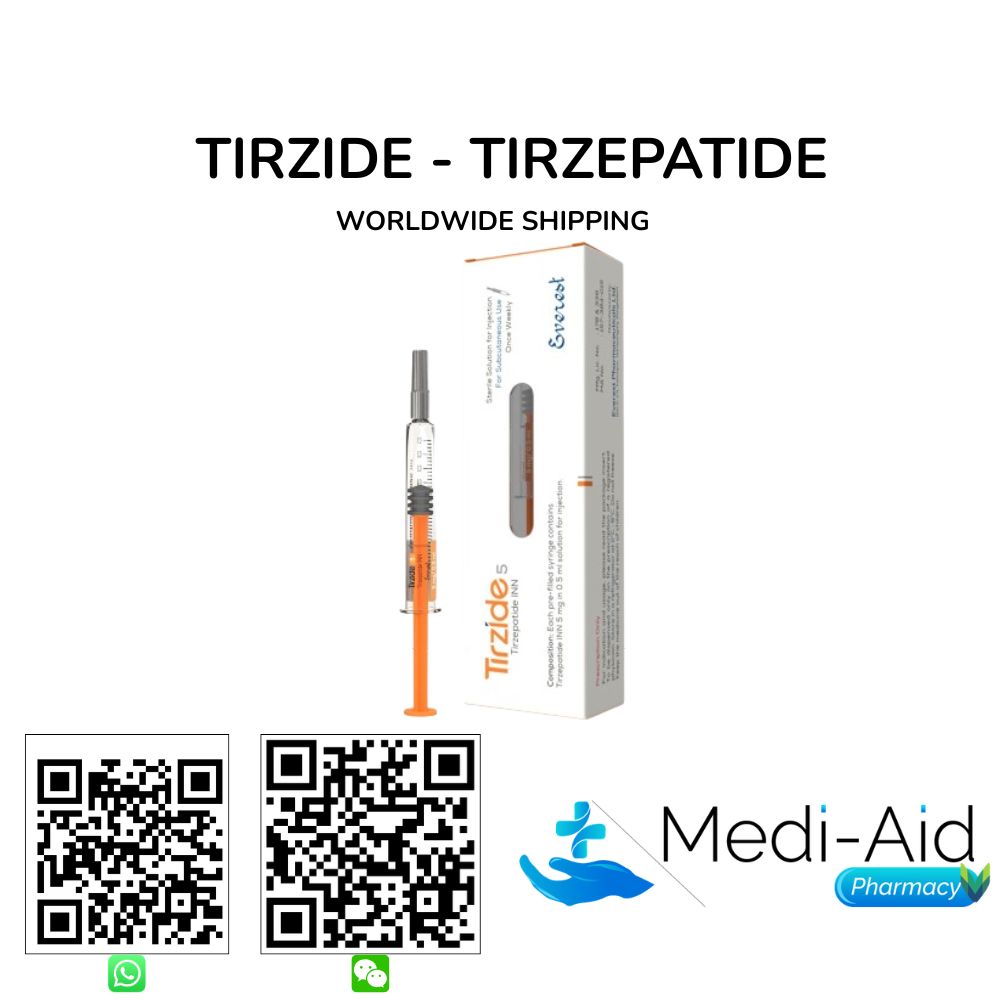
Tirzide 5 MG (Tirzepatide) is a dual GIP (glucose-dependent insulinotropic polypeptide) and GLP-1 (glucagon-like peptide-1) receptor agonist the world’s first and only approved twincretin supplied as a 5 mg solution for injection in a pre-filled syringe (1 syringe/box with alcohol pad and first aid bandage) and manufactured by Everest Pharmaceuticals Ltd. in Bangladesh. Its active ingredient, tirzepatide, simultaneously activates both the GIP receptor and the GLP-1 receptor with a single once-weekly subcutaneous injection, producing superior glycemic and weight management outcomes compared with any approved selective GLP-1 receptor agonist.
The 5 mg dose of tirzepatide is the first maintenance dose in the reference-label titration schedule prescribed after the 4-week 2.5 mg initiation period to deliver the first full therapeutic level of tirzepatide’s dual incretin action. In the pivotal SURPASS-2 Phase 3 trial (n=1,879 adults with type 2 diabetes mellitus on background metformin), tirzepatide 5 mg produced a mean HbA1c reduction of 2.01% from baseline versus 1.86% with semaglutide 1 mg (p<0.001) and a mean body weight reduction of 7.6 kg versus 5.7 kg with semaglutide 1 mg at 40 weeks establishing that even the lowest tirzepatide maintenance dose achieves statistically superior glycemic control and weight loss compared with the maximally approved dose of semaglutide used in T2DM.
In the SURMOUNT-1 Phase 3 trial (n=2,539 adults with obesity or overweight without T2DM), tirzepatide 5 mg produced a mean body weight reduction of 15.0% from baseline versus 2.4% with placebo at 72 weeks. Searching for Tirzide 5 MG Tirzepatide? Mediaid Pharmacy lists this product within its comprehensive diabetes medicines portfolio and ships it worldwide.
Basic Product Information of Tirzide 5 MG (Tirzepatide)
| Brand Name | Tirzide 5 MG (Tirzepatide) |
| Product Name | Tirzide |
| Generic Name | Tirzepatide INN |
| Drug Class | Dual GIP (Glucose-Dependent Insulinotropic Polypeptide) and GLP-1 (Glucagon-Like Peptide-1) Receptor Agonist; Twincretin; Antidiabetic Agent; Incretin-Based Therapy |
| Formulation | Solution for Injection (Pre-filled Syringe) |
| Available Strength | 5 mg |
| Available Pack Size | 1 Pre-filled Syringe/Box (with alcohol pad & first aid bandage) |
| Primary Indications & Dose Position | Type 2 diabetes mellitus (T2DM) in adults as an adjunct to diet and exercise: first maintenance dose 5 mg subcutaneously once weekly for ≥4 weeks after completing the 2.5 mg initiation phase; may titrate further in 2.5 mg increments (to 7.5 mg, 10 mg, 12.5 mg, or 15 mg) every 4 weeks as needed for additional glycemic control; maximum dose 15 mg once weekly. Patients who achieve their glycemic target on 5 mg once weekly may remain at this dose without further titration. Chronic weight management as an adjunct to a reduced-calorie diet and increased physical activity in adults with initial BMI ≥30 kg/m² (obesity) or ≥27 kg/m² (overweight) with at least one weight-related comorbidity: same 5 mg first maintenance dose and titration schedule applies. The 5 mg dose is the first dose level that delivers full tirzepatide therapeutic efficacy across both indications. |
| Manufacturer | Everest Pharmaceuticals Ltd., Bangladesh |
| Registration | Bangladesh |
| Originator Reference Brand | Mounjaro (tirzepatide) by Eli Lilly for type 2 diabetes; Zepbound (tirzepatide) by Eli Lilly for chronic weight management |
| Global Supplier | Mediaid Pharmacy, Worldwide Shipping Available |
| Storage Conditions | Store at 2°C to 8°C (refrigerated). Do not freeze. Protect from light. If stored at room temperature (up to 30°C/86°F), use within the period stated on the pack. Keep out of the reach of children. |
How Tirzide 5 MG (Tirzepatide) Works: Full-Dose Dual GIP and GLP-1 Receptor Activation at the First Maintenance Level
Tirzepatide, the active ingredient in Tirzide 5 MG, is the world’s first approved dual GIP and GLP-1 receptor agonist a drug class referred to as a twincretin because it pharmacologically replicates both endogenous incretin hormones simultaneously within a single molecule. At the 5 mg dose, tirzepatide delivers its full twincretin mechanism at the first therapeutically effective maintenance level of the reference-label titration schedule, crossing from the tolerance-building phase that the 2.5 mg initiation dose is designed to accomplish into the sustained dual receptor engagement that drives the glycemic and metabolic outcomes measured in the SURPASS and SURMOUNT Phase 3 trial programs.
Tirzepatide binds and activates the GIP (glucose-dependent insulinotropic polypeptide) receptor expressed in pancreatic beta-cells, adipocytes, bone, and the central nervous system and the GLP-1 (glucagon-like peptide-1) receptor expressed in pancreatic beta-cells, alpha-cells, the hypothalamus, hindbrain nuclei, the gastrointestinal tract, and cardiac tissue with each receptor engagement activating distinct intracellular signaling cascades (cAMP-PKA-CREB and cAMP-PI3K-Epac2 pathways) that converge on overlapping but non-redundant metabolic outcomes, producing an additive and in many parameters synergistic pharmacodynamic effect that exceeds the sum of selective activation of either receptor alone. This receptor duality is the mechanistic basis for tirzepatide’s clinical superiority over all approved selective GLP-1 receptor agonists (liraglutide, semaglutide, dulaglutide, exenatide, and lixisenatide) across head-to-head trials.
At the 5 mg maintenance dose, tirzepatide’s GLP-1 receptor agonism activates four coordinated antidiabetic mechanisms: (1) glucose-dependent stimulation of pancreatic beta-cell insulin secretion releasing insulin only when plasma glucose is elevated above the physiological threshold, providing intrinsic hypoglycemia protection when tirzepatide is used without concomitant insulin or sulfonylurea; (2) glucose-dependent suppression of pancreatic alpha-cell glucagon secretion, reducing postprandial hepatic glucose output that is the dominant driver of fasting hyperglycemia in T2DM; (3) slowing of gastric emptying, which blunts the postprandial glucose excursion by decelerating carbohydrate delivery to the small intestine; and (4) activation of central GLP-1 receptors in the hypothalamic arcuate nucleus and brainstem nuclei controlling energy homeostasis, producing anorexigenic signaling that suppresses appetite, reduces meal size, and decreases total caloric intake.
Tirzepatide’s GIP receptor agonism at 5 mg delivers a pharmacologically orthogonal set of complementary effects: GIP receptor activation in pancreatic beta-cells amplifies glucose-stimulated insulin secretion through cAMP signaling pathways distinct from GLP-1 receptor-coupled adenylyl cyclase activation, producing a statistically significant additive insulinotropic effect measurable in euglycemic hyperinsulinemic clamp studies comparing tirzepatide versus selective GLP-1 RAs at equivalent doses. GIP receptor activation in adipocytes modulates lipoprotein lipase-mediated triglyceride clearance from circulation and promotes fatty acid re-esterification in adipose tissue metabolic effects that contribute to tirzepatide’s superior reduction of ectopic fat deposition in the liver and skeletal muscle beyond what is attributable to weight loss alone, as demonstrated in magnetic resonance imaging substudies of the SURPASS-3 trial showing tirzepatide-associated reductions in liver fat content of up to 70% from baseline in patients with non-alcoholic fatty liver disease. Clinicians managing patients with T2DM and cardiometabolic comorbidities can review the full range of tirzepatide medicines at Mediaid Pharmacy for their clinical prescribing programs.
Tirzide 5 MG delivers the 5 mg first maintenance dose of tirzepatide as a ready-to-inject pre-filled syringe administered subcutaneously once weekly. Each box contains 1 pre-filled syringe with an alcohol pad and first aid bandage, providing a complete single-injection kit for one week of maintenance therapy. The pharmacokinetic profile of tirzepatide at 5 mg achieved through the same fatty acid conjugation and albumin-binding engineering that underpins the once-weekly dosing of semaglutide, producing a plasma half-life of approximately 5 days reaches a steady-state plasma concentration within 4 to 5 weeks of weekly dosing at the 5 mg dose level, meaning that patients who have completed the 2.5 mg initiation phase and transitioned to 5 mg will achieve stable therapeutic exposures by the end of their first month at 5 mg.
This 4-to-5-week window to pharmacokinetic steady-state at 5 mg is the basis for the reference-label instruction to remain at each dose level for a minimum of 4 weeks before any further upward titration. In the landmark SURPASS-2 Phase 3 trial, tirzepatide 5 mg achieved an HbA1c reduction of –2.01% and weight reduction of –7.6 kg from baseline at 40 weeks versus –1.86% and –5.7 kg for semaglutide 1 mg (p<0.001 for both; n=1,879), confirming that 5 mg tirzepatide alone delivers glycemic and weight outcomes that surpass those of a maximally approved dose of the leading selective GLP-1 receptor agonist. Healthcare providers sourcing the complete Tirzide strength range or companion diabetes medicines can explore the diabetes medicines portfolio at Mediaid Pharmacy for worldwide delivery.
In the SURPASS-1 Phase 3 monotherapy trial (tirzepatide versus placebo in 478 adults with T2DM not on background antidiabetic medication, 40 weeks), tirzepatide 5 mg produced a mean HbA1c reduction of –1.87% from a baseline of approximately 7.9% versus –0.04% with placebo (p<0.001) and a mean body weight change of –7.0 kg versus –0.7 kg with placebo confirming that the 5 mg maintenance dose achieves robust, statistically significant glycemic control and meaningful weight reduction when tirzepatide is used as monotherapy, without background antidiabetic medication. In SURPASS-1, 87% of tirzepatide 5 mg-treated patients achieved HbA1c below 7.0% (the ADA standard glycemic target) versus 20% in the placebo group, and 33% achieved HbA1c below 5.7% (normoglycemic range) an unprecedented glycemic normalization rate for a monotherapy antidiabetic agent, attributable to the dual incretin receptor mechanism not achievable with any selective GLP-1 receptor agonist.
Approved Indications and Dose Position of Tirzepatide 5 MG (Reference Label for Tirzide 5 MG (Tirzepatide))
Tirzepatide, the active ingredient in Tirzide 5 MG, carries reference-label indications in two distinct therapeutic areas: glycemic management in adults with type 2 diabetes mellitus as an adjunct to diet and exercise, and chronic weight management in adults with obesity or overweight with weight-related comorbidities. In both indications, tirzepatide 5 mg holds a uniquely defined dose position: it is the first maintenance dose in the structured titration ladder the level at which therapeutic efficacy is first achieved following the 4-week 2.5 mg gastrointestinal adaptation phase and it is simultaneously a permissible long-term maintenance dose for patients who achieve their individualized glycemic or weight management targets without requiring further titration to 7.5 mg or above. Prescribers should confirm locally approved indications on the Tirzide product label and current national diabetes and obesity management guidelines before initiating or maintaining treatment at 5 mg.
|
Type 2 Diabetes Mellitus First Therapeutic Maintenance Dose (5 mg Once Weekly) Indicated for adults with T2DM as an adjunct to diet and exercise to improve glycemic control: first maintenance dose 5 mg subcutaneously once weekly for ≥4 weeks, administered after the mandatory 2.5 mg initiation phase. Approval and clinical validation are based on the SURPASS Phase 3 program (SURPASS-1 through SURPASS-5): tirzepatide 5 mg produced an HbA1c reduction of –1.87% versus placebo in SURPASS-1 (monotherapy, n=478) and –2.01% versus –1.86% with semaglutide 1 mg in SURPASS-2 (n=1,879; p<0.001), with 87% of SURPASS-1 patients achieving HbA1c below 7.0% on 5 mg monotherapy. Patients meeting glycemic targets at 5 mg may remain at this dose; those requiring additional control may titrate to 7.5 mg after ≥4 weeks. For broader antidiabetic agent selection alongside tirzepatide, browse the diabetes medicines collection at Mediaid Pharmacy. |
Chronic Weight Management 5 mg Maintenance Dose Delivering 15.0% Body Weight Reduction Indicated for chronic weight management in adults with BMI ≥30 kg/m² (obesity) or ≥27 kg/m² (overweight) with at least one weight-related comorbidity (hypertension, dyslipidemia, T2DM, obstructive sleep apnea, or cardiovascular disease) as an adjunct to a reduced-calorie diet and increased physical activity. In SURMOUNT-1 (n=2,539 adults without T2DM, 72 weeks), tirzepatide 5 mg produced a mean body weight reduction of 15.0% from baseline versus 2.4% with placebo a 12.6 percentage point advantage over placebo at the lowest maintenance dose, with patients achieving clinically significant weight losses that approach outcomes previously reserved for pharmacological doses two to three times higher. Patients achieving their weight management target at 5 mg may remain at this dose without mandatory titration. For the complete tirzepatide strength range, visit the tirzepatide medicines collection at Mediaid Pharmacy. |
Key Clinical Benefits of Tirzide 5 MG (Tirzepatide)
|
Proven HbA1c Superiority Over Semaglutide 1 mg at the Lowest Tirzepatide Maintenance Dose Tirzepatide 5 mg is the only antidiabetic treatment demonstrated to achieve statistically superior HbA1c reduction compared with semaglutide 1 mg the world’s leading GLP-1 receptor agonist at an equal or lower dose level. In SURPASS-2, tirzepatide 5 mg produced an HbA1c reduction of –2.01% versus –1.86% with semaglutide 1 mg (p<0.001) in 1,879 adults with T2DM at 40 weeks, confirming that the 5 mg dose alone the entry point of effective tirzepatide therapy exceeds the glycemic efficacy ceiling of the maximally approved semaglutide T2DM dose. In SURPASS-1 monotherapy (vs. placebo, n=478), 5 mg tirzepatide reduced HbA1c by –1.87% from baseline, with 87% of patients reaching HbA1c below 7.0% and 33% reaching normoglycemic HbA1c below 5.7% rates unmatched by any previously approved pharmacological monotherapy in T2DM. |
15.0% Mean Body Weight Reduction in Non-Diabetic Obesity Clinically Meaningful at the Entry Maintenance Dose In SURMOUNT-1 (n=2,539 adults with obesity or overweight without T2DM, 72 weeks), tirzepatide 5 mg produced a mean body weight loss of 15.0% from baseline versus 2.4% with placebo a 12.6 percentage point treatment difference achievable at 5 mg without requiring titration to the 10 mg or 15 mg maximum doses. In the T2DM population (SURPASS-2), tirzepatide 5 mg reduced body weight by a mean of –7.6 kg versus –5.7 kg with semaglutide 1 mg at 40 weeks a clinically meaningful advantage of –1.9 kg in body weight reduction over the leading GLP-1 receptor agonist, delivering simultaneous glycemic and cardiometabolic benefit. At 5 mg, patients who are unable to tolerate higher doses or who achieve adequate glycemic and weight targets without further titration obtain clinically validated outcomes without requiring dose escalation to 10 mg or 15 mg. |
Flexible Maintenance Remain at 5 mg or Continue Titrating: The Reference Dose Junction Point Tirzepatide 5 mg is the reference-label junction point in tirzepatide titration: the first dose at which therapeutic targets may be met and maintained long-term, and the dose from which further titration to 7.5 mg, 10 mg, 12.5 mg, or 15 mg proceeds if additional glycemic or weight control is needed. This dual role gives prescribers flexibility unmatched by fixed-dose incretin therapies: patients with moderate T2DM or limited weight loss requirements may achieve durable control at 5 mg without the additional GI burden of higher doses, while patients with more aggressive HbA1c or weight management targets can proceed through the full titration schedule with 5 mg as a stable, well-characterized intermediate step. The once-weekly pre-filled syringe format of Tirzide 5 MG requiring no dose calculation, reconstitution, or pen dialing supports long-term adherence at this first maintenance level for as long as clinically appropriate. |
Drug Interactions and Important Safety Information for Tirzide 5 MG (Tirzepatide)
The most clinically significant drug interactions for tirzepatide at the 5 mg maintenance dose involve insulin and insulin secretagogues, orally administered narrow-therapeutic-window medications, and agents that independently alter glycemic control. Because the 5 mg dose is the first level at which tirzepatide achieves full dual GIP and GLP-1 receptor agonism, its pharmacodynamic interactions with co-administered antidiabetic agents are more pronounced at 5 mg than at the 2.5 mg initiation dose making the transition from 2.5 mg to 5 mg the most clinically important pharmacodynamic transition point in the tirzepatide titration schedule for patients on concomitant insulin or sulfonylurea therapy.
Tirzepatide’s metabolic pathway is proteolytic degradation of its peptide backbone and beta-oxidation/omega-oxidation of its fatty acid side chain a CYP enzyme-independent elimination route meaning that tirzepatide carries no clinically relevant CYP3A4, CYP2C9, or CYP2D6 drug-drug interactions, simplifying co-prescribing management substantially compared with most oral antidiabetic drugs whose elimination involves hepatic CYP metabolism.
Insulin and insulin secretagogues (sulfonylureas, meglitinides) present the highest-priority interaction risk at the 5 mg maintenance dose. At 5 mg, tirzepatide’s full glucose-dependent insulin secretagogue effect is engaged, meaning that co-administration with basal insulin (insulin glargine, insulin degludec), prandial insulin, or pre-mixed insulin significantly increases hypoglycemia risk; most prescribers reduce the concomitant basal insulin dose by 20–40% when transitioning from the 2.5 mg initiation phase to the 5 mg maintenance dose, with blood glucose self-monitoring intensified during this transition period.
Sulfonylureas (glibenclamide, glipizide, glimepiride, gliclazide) and meglitinides (repaglinide, nateglinide) amplify hypoglycemia risk through their glucose-independent insulin-releasing mechanism; dose reduction of the sulfonylurea or meglitinide to the lowest effective dose is recommended when the patient transitions to tirzepatide 5 mg maintenance. Oral medications with absorption-rate-sensitive pharmacokinetics require careful management at the 5 mg dose: tirzepatide’s gastric emptying delay is maximally expressed at the maintenance dose, slowing the rate of absorption (reducing Cmax and delaying Tmax) of co-administered oral drugs.
The most clinically consequential affected medicines include oral hormonal contraceptives for which a barrier contraceptive method should be added for 4 weeks after the transition to the 5 mg maintenance dose and after any subsequent dose increase and levothyroxine, where TSH monitoring should be performed after tirzepatide initiation and at each dose escalation. Clinicians sourcing companion diabetes medications alongside Tirzide 5 MG can review the complete diabetes medicines range available at Mediaid Pharmacy.
Warfarin and narrow-therapeutic-index vitamin K antagonists require more frequent INR monitoring when tirzepatide is dose-escalated to 5 mg, as changes in gastric emptying may alter warfarin absorption kinetics. Corticosteroids (systemic, intra-articular, or epidural) antagonize tirzepatide’s glucose-lowering effect by inducing insulin resistance and stimulating hepatic glucose output; blood glucose monitoring must be intensified whenever corticosteroid therapy is started or stopped in patients receiving tirzepatide 5 mg, with short-term antidiabetic dose adjustments guided by glucose readings and prescriber judgment.
Alcohol enhances hypoglycemia risk, particularly in patients on concurrent insulin or sulfonylurea, and may mask hypoglycemic symptoms; patients should be clearly counseled to limit alcohol intake throughout tirzepatide maintenance. Sympathomimetic agents (epinephrine, pseudoephedrine, albuterol) can transiently elevate blood glucose, partially counteracting tirzepatide’s glycemic effect. Atypical antipsychotics (olanzapine, clozapine, quetiapine) and second-generation antihistamines with significant anticholinergic activity may compound tirzepatide-induced gastric motility slowing and weight-related metabolic effects; these combinations require individual benefit-risk assessment by the prescribing team.
All patients must provide a complete medication list prescription, over-the-counter, vitamins, and herbal supplements to their prescribing endocrinologist or diabetologist before and throughout Tirzide 5 MG treatment. For Everest Pharmaceuticals-branded companion medicines, visit the Everest Pharmaceuticals medicines section at Mediaid Pharmacy.
Side Effects and Precautions of Tirzide 5 MG (Tirzepatide)
|
Common Side Effects Nausea (most frequently reported adverse event at 5 mg maintenance; more pronounced at 5 mg than at the 2.5 mg initiation dose but attenuated by the 4-week adaptation period; typically peaks in the first 4–8 weeks at each dose level and diminishes with continued therapy; eating smaller, lower-fat meals reduces severity) Diarrhea (second most common gastrointestinal adverse event; generally transient; hydration and dietary adjustments help manage severity at the 5 mg maintenance level) Vomiting (more likely during the first few weeks at 5 mg following the transition from 2.5 mg initiation; patients should be advised to eat slowly, in smaller portions, and to avoid high-fat foods) Constipation (reported less frequently than nausea or diarrhea but noted particularly at sustained 5 mg dosing; increased dietary fiber, fluid intake, and physical activity assist management) Decreased appetite (pharmacodynamically mediated by central GLP-1 receptor activation; a desired therapeutic effect in the weight management indication; may require nutritional monitoring for patients at risk of inadequate caloric intake) Abdominal discomfort, bloating, and dyspepsia (attributed to gastric emptying delay; typically mild and self-limiting) Injection site reactions (erythema, pruritus, swelling at injection site; rotate injection sites abdomen, thigh, upper arm with each weekly injection; avoid injecting into lipohypertrophic skin areas) Hypoglycemia (rare as monotherapy; risk significantly increased when co-administered with insulin or sulfonylurea; dose reduction of co-medications is often required at the 5 mg maintenance level) Gastroesophageal reflux, belching, and flatulence (less commonly reported; attributable to gastric emptying delay and increased gastric distension) |
Serious Warnings and Precautions Thyroid C-cell tumors (medullary thyroid carcinoma): tirzepatide caused dose-dependent thyroid C-cell tumors including carcinoma in rodent studies at clinically relevant exposures. Relevance to humans has not been established. Tirzide 5 MG is contraindicated in patients with a personal or family history of medullary thyroid carcinoma (MTC) or Multiple Endocrine Neoplasia syndrome type 2 (MEN2). Patients must be counseled on this risk before starting treatment and instructed to promptly report symptoms of potential thyroid tumors (neck mass, dysphagia, hoarseness, persistent cough, or shortness of breath) throughout the maintenance period at any dose. Pancreatitis: acute pancreatitis including hemorrhagic and necrotizing cases has been reported with GLP-1 receptor agonists and with tirzepatide. Discontinue Tirzide 5 MG immediately if pancreatitis is suspected (persistent severe epigastric pain radiating to the back, nausea, vomiting, or elevated serum lipase/amylase) and do not restart if pancreatitis is confirmed. Patients with prior pancreatitis history require careful benefit-risk assessment before tirzepatide maintenance is initiated or continued. Acute kidney injury (AKI): sustained nausea, vomiting, and diarrhea at the 5 mg maintenance dose can cause clinically significant dehydration, precipitating AKI particularly in patients with pre-existing CKD stage 3 or above, patients on ACE inhibitors or ARBs, and elderly patients. Monitor renal function before and at intervals during tirzepatide maintenance; withhold Tirzide 5 MG until the patient is adequately rehydrated and renally stable if significant dehydrating GI adverse events occur. Diabetic retinopathy complications: rapid HbA1c normalization associated with tirzepatide 5 mg (mean –1.87% to –2.01% reduction) may transiently worsen diabetic retinopathy in patients with pre-existing proliferative or severe non-proliferative retinopathy. Baseline ophthalmological evaluation is recommended before initiation, with monitoring throughout the period of rapid glycemic improvement. Hypersensitivity reactions: serious hypersensitivity reactions including anaphylaxis and angioedema have been reported. Permanently discontinue Tirzide 5 MG for Grade 3 or 4 hypersensitivity reactions; patients with known hypersensitivity to tirzepatide INN or any formulation excipient must not receive this product. Embryo-fetal toxicity: tirzepatide is not recommended during pregnancy as it may cause fetal harm based on its mechanism of action. Females of reproductive potential must use effective contraception during Tirzide 5 MG treatment and for at least 2 weeks after the final dose. Given the approximately 5-day plasma half-life of tirzepatide, prescribers recommend discontinuing tirzepatide at least 2 months before a planned pregnancy to allow adequate systemic clearance. Breastfeeding is not recommended during treatment. Discuss reproductive plans with your endocrinologist or obstetrician before initiating or continuing Tirzide 5 MG. |
Who Should Use Tirzide 5 MG (Tirzepatide)?
Tirzide 5 MG (Tirzepatide) is prescribed for two distinct, clearly defined patient groups defined by the reference-label titration schedule and individualized prescribing decisions. First, Tirzide 5 MG is indicated for every adult patient transitioning from the 2.5 mg tirzepatide initiation phase regardless of the underlying indication (T2DM glycemic control or chronic weight management) as the mandatory first maintenance dose prescribed after 4 weeks at 2.5 mg, at which point the gastrointestinal adaptation period has been completed and therapeutic efficacy delivery begins. All adults who tolerate the 2.5 mg initiation phase proceed to Tirzide 5 MG as the next step in their treatment program.
Second, Tirzide 5 MG is indicated for patients who have been established on tirzepatide 5 mg maintenance whether for T2DM or chronic weight management and for whom the prescribing endocrinologist or diabetologist has determined that HbA1c, fasting plasma glucose, and/or body weight targets are being met at 5 mg without requiring escalation to the 7.5 mg, 10 mg, 12.5 mg, or 15 mg dose levels. The reference prescribing information explicitly identifies 5 mg once weekly as a permissible long-term maintenance dose, not merely a transitional step, for patients who achieve durable glycemic or weight outcomes without further titration a clinically meaningful distinction that allows prescribers to individualize the maintenance dose to the minimum effective level and reduces unnecessary GI adverse event burden from higher doses.
Contraindications that must be assessed before prescribing Tirzide 5 MG include: personal or family history of medullary thyroid carcinoma (MTC) or MEN2; type 1 diabetes mellitus (for which tirzepatide is not indicated); diabetic ketoacidosis (not appropriate for tirzepatide management); and confirmed hypersensitivity to tirzepatide INN or any product excipient. Before initiating or continuing Tirzide 5 MG, prescribers should assess: HbA1c and fasting glucose (for T2DM indication); BMI, body weight, and weight-related comorbidities (for weight management indication); renal function (eGFR); baseline cardiovascular risk; diabetic retinopathy status; concomitant antidiabetic medication regimen requiring dose adjustment; and personal/family thyroid history.
For patients requiring additional Everest Pharmaceuticals-branded medicines or a comprehensive diabetes management formulary alongside Tirzide 5 MG, the Mediaid Pharmacy Everest Pharmaceuticals medicines portfolio and the complete diabetes medicines collection offer a comprehensive selection with worldwide delivery.
Global Supplier: Mediaid Pharmacy Worldwide Shipping for Tirzide 5 MG (Tirzepatide)
Mediaid Pharmacy is a Dhaka-based supplier of specialty and diabetes medicines with worldwide shipping to patients, clinics, hospitals, and distributors across all regions. Tirzide 5 MG (Tirzepatide), manufactured by Everest Pharmaceuticals Ltd. in Bangladesh, is available as 1 pre-filled syringe per box (with alcohol pad and first aid bandage), supplied with pricing quotations, stock confirmation, full product documentation, and end-to-end international delivery tracking for every order. Endocrinology centers, diabetology clinics, obesity medicine programs, distributors, and individual patients can contact the Mediaid Pharmacy team through WhatsApp, phone, or WeChat for all inquiries about Tirzide 5 MG Tirzepatide stock availability, current pricing, and international delivery timelines to their specific country.
Buyers sourcing tirzepatide for first maintenance dose supply, establishing tirzepatide prescribing programs, or co-sourcing multiple diabetes or cardiometabolic medicines in a single consolidated international shipment can browse the complete tirzepatide medicines collection and the broader diabetes medicines collection at Mediaid Pharmacy before submitting a consolidated quotation request.
Why Choose Tirzide 5 MG (Tirzepatide) from Mediaid Pharmacy?
Tirzide 5 MG (Tirzepatide) provides endocrinologists, diabetologists, and obesity medicine specialists with the reference-label first maintenance dose of tirzepatide the 5 mg dose that marks the clinical threshold between tolerance optimization and full dual GIP/GLP-1 receptor agonism, and the level at which the landmark SURPASS-2 trial demonstrated statistically significant superiority over semaglutide 1 mg (–2.01% vs. –1.86% HbA1c; –7.6 kg vs. –5.7 kg body weight; p<0.001) in 1,879 adults with T2DM. The 5 mg maintenance dose is simultaneously the entry point to full therapeutic efficacy and a validated long-term maintenance dose for patients who achieve their individualized glycemic or weight management targets without requiring further titration a prescribing flexibility that 5 mg provides and no other tirzepatide dose replicates.
Tirzide 5 MG is manufactured by Everest Pharmaceuticals Ltd., a Bangladesh-based pharmaceutical manufacturer, and supplied in an individually boxed pre-filled syringe with alcohol pad and first aid bandage a complete once-weekly injection kit with no reconstitution, pen setting, or dose calculation required, supporting the simplest possible patient-administered injection experience at the first maintenance dose level. At 5 mg once weekly (one syringe per week), each box of Tirzide 5 MG provides a one-week supply matching the reference-label weekly injection schedule. Mediaid Pharmacy supplies Tirzide 5 MG with full product documentation, specialist supply support, and worldwide shipping from Dhaka.
To source additional tirzepatide dose strengths, Everest Pharmaceuticals companion medicines, or a complete diabetes medicine panel alongside Tirzide 5 MG, visit the Mediaid Pharmacy Everest Pharmaceuticals medicines section and contact the team for a personalized quotation.
Frequently Asked Questions About Tirzide 5 MG (Tirzepatide)
What is Tirzide 5 MG (Tirzepatide) used for?
Tirzide 5 MG (Tirzepatide) is a dual GIP and GLP-1 receptor agonist (twincretin) used as the first therapeutic maintenance dose of tirzepatide in adults with type 2 diabetes mellitus (T2DM) and in adults with obesity or overweight with at least one weight-related comorbidity for chronic weight management. The 5 mg dose is prescribed after completing the 4-week 2.5 mg initiation phase and is maintained for ≥4 weeks before any further titration. In SURPASS-2, tirzepatide 5 mg produced an HbA1c reduction of –2.01% versus –1.86% with semaglutide 1 mg (p<0.001). In SURMOUNT-1, tirzepatide 5 mg produced a mean body weight loss of 15.0% versus 2.4% with placebo at 72 weeks. Patients who achieve their glycemic or weight management targets at 5 mg may remain on this dose without mandatory further titration. Tirzide 5 MG is available at Mediaid Pharmacy with worldwide shipping.
What is the generic name of Tirzide 5 MG?
The generic name of Tirzide 5 MG is tirzepatide INN. The product name listed in the Everest Pharmaceuticals Ltd. catalog is Tirzide. Tirzide 5 MG is a solution for injection supplied in a pre-filled syringe (1 syringe/box with alcohol pad and first aid bandage), manufactured by Everest Pharmaceuticals Ltd. in Bangladesh. The originator reference brands for tirzepatide are Mounjaro (for T2DM) and Zepbound (for chronic weight management), developed and commercialized by Eli Lilly and Company. Mediaid Pharmacy distributes Tirzide 5 MG globally with worldwide shipping to patients, healthcare providers, and distributors.
What is the difference between Tirzide 5 MG and Tirzide 2.5 MG?
Tirzide 2.5 MG (Tirzepatide) and Tirzide 5 MG (Tirzepatide) contain the same active ingredient tirzepatide INN but hold completely distinct clinical roles in the tirzepatide treatment program. Tirzide 2.5 MG is the initiation dose: prescribed exclusively for the first 4 weeks of therapy to allow gastrointestinal adaptation and minimize nausea and vomiting, and not expected to deliver full glycemic or weight management efficacy independently. Tirzide 5 MG is the first maintenance dose: the level at which full dual GIP and GLP-1 receptor agonism delivers measurable therapeutic benefit, as demonstrated in SURPASS-1 (–1.87% HbA1c, 87% of patients reaching HbA1c below 7.0% as monotherapy) and SURPASS-2 (–2.01% HbA1c, superior to semaglutide 1 mg, p<0.001). The transition from Tirzide 2.5 MG to Tirzide 5 MG occurs after 4 weeks at 2.5 mg and represents the shift from tolerability optimization to active therapeutic control. The 5 mg dose may be continued long-term if targets are met.
Can patients stay on Tirzide 5 MG long-term without titrating to a higher dose?
Yes. The tirzepatide reference prescribing information explicitly identifies 5 mg once weekly as a permissible long-term maintenance dose not merely a transitional step toward 10 mg or 15 mg. Patients who achieve their individualized HbA1c target (typically below 7.0% for most adults with T2DM per ADA and EASD guidelines) or their weight management goal at 5 mg may remain on Tirzide 5 MG indefinitely without further titration. Upward titration to 7.5 mg and beyond is clinically appropriate when glycemic or weight management targets are not fully achieved after ≥4 weeks at 5 mg, or when the prescribing endocrinologist determines that a higher dose is necessary to achieve a more aggressive HbA1c or weight reduction target. Remaining at 5 mg when targets are met reduces GI adverse event burden and simplifies supply management for long-term continuous therapy.
What clinical results does tirzepatide 5 mg achieve in clinical trials?
Tirzepatide 5 mg produced the following outcomes in Phase 3 trials: in SURPASS-1 (monotherapy vs. placebo, n=478, 40 weeks), HbA1c reduction of –1.87% versus –0.04% for placebo; body weight reduction of –7.0 kg versus –0.7 kg; 87% of patients reaching HbA1c below 7.0%. In SURPASS-2 (vs. semaglutide 1 mg, n=1,879, 40 weeks), HbA1c reduction of –2.01% versus –1.86% (p<0.001); body weight reduction of –7.6 kg versus –5.7 kg (p<0.001) both endpoints superior to semaglutide 1 mg. In SURPASS-3 (vs. insulin degludec, n=1,444, 52 weeks), tirzepatide 5 mg produced an HbA1c reduction of –1.93% versus –1.34% with insulin degludec and a body weight change of –7.5 kg versus +2.3 kg (weight gain) with insulin degludec. In SURMOUNT-1 (chronic weight management, non-diabetic, n=2,539, 72 weeks), tirzepatide 5 mg produced a mean body weight reduction of 15.0% from baseline versus 2.4% with placebo.
What are the side effects of Tirzide 5 MG (Tirzepatide)?
The most common side effects of tirzepatide 5 mg are gastrointestinal: nausea (the most frequent, most prominent in the first 4–8 weeks at the 5 mg maintenance level), diarrhea, vomiting, constipation, decreased appetite, abdominal pain, dyspepsia, belching, and flatulence. These GI effects are attributable to tirzepatide’s gastric emptying delay and central appetite suppression, and most are mild-to-moderate in severity and transient diminishing with continued therapy as the gastrointestinal tract adapts to sustained tirzepatide exposure at 5 mg. Injection site reactions (redness, pruritus, swelling) are managed by rotating injection sites. Hypoglycemia is uncommon with tirzepatide monotherapy but significantly increased in combination with insulin or sulfonylurea, requiring dose reduction of co-medications. Serious adverse effects include acute pancreatitis, acute kidney injury from dehydration secondary to GI side effects, hypersensitivity reactions (including anaphylaxis), worsening of diabetic retinopathy, and a theoretical thyroid C-cell tumor risk based on rodent studies (leading to contraindication in MTC/MEN2 history patients). Discuss your individual risk profile with your prescribing endocrinologist or diabetologist before and during Tirzide 5 MG treatment.
Is Tirzide 5 MG (Tirzepatide) safe during pregnancy or while breastfeeding?
No. Tirzepatide is not recommended during pregnancy due to the potential for fetal harm based on animal reproduction studies and its mechanism of action (GIP and GLP-1 receptor activation affects developmental signaling pathways). Females of reproductive potential must use effective contraception during Tirzide 5 MG treatment and for at least 2 weeks after the final dose, accounting for tirzepatide’s approximately 5-day plasma half-life and tissue clearance profile. Prescribers typically recommend discontinuing tirzepatide at least 2 months before a planned pregnancy to allow adequate systemic clearance before conception. Women using oral hormonal contraceptives should add a barrier method for 4 weeks after each tirzepatide dose increase, including the transition from the 2.5 mg initiation phase to the 5 mg maintenance dose, due to tirzepatide’s effect on oral contraceptive absorption. Breastfeeding is not recommended during treatment. Consult your prescribing endocrinologist or obstetrician before starting or continuing Tirzide 5 MG if you are pregnant, planning a pregnancy, or currently breastfeeding.
Can I order Tirzide 5 MG (Tirzepatide) online with worldwide shipping?
Yes. Mediaid Pharmacy supplies Tirzide 5 MG (Tirzepatide) to patients and healthcare providers globally. Contact Mediaid Pharmacy via WhatsApp, phone, or WeChat at +8801773428128, or email info@mediaidpharmacy.com for pricing, current stock availability, and international delivery details for your country.
Order Tirzide 5 MG (Tirzepatide) with Worldwide Shipping
Phone / WhatsApp / WeChat: +8801773428128 | Email: info@mediaidpharmacy.com


Reviews
There are no reviews yet.