
Description
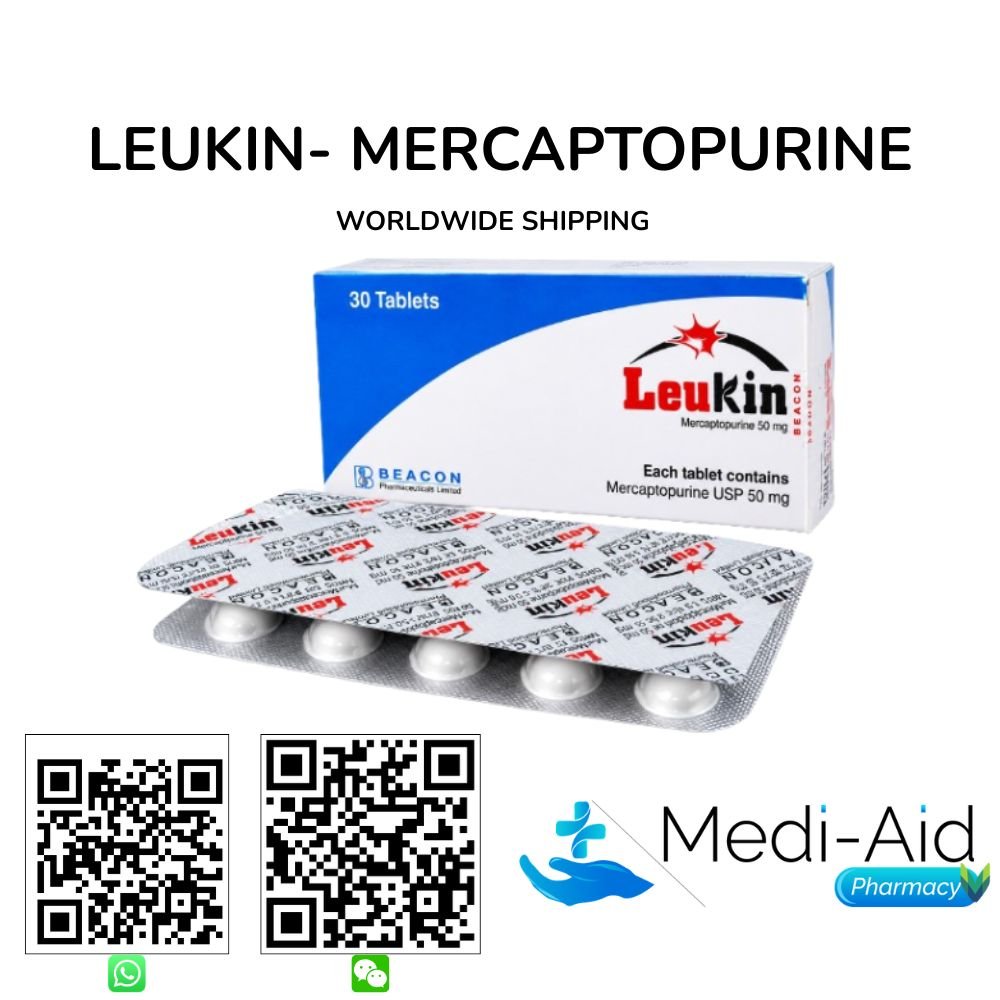
Leukin 50 MG (Mercaptopurine) is an oral thiopurine antimetabolite tablet available in a 50 mg strength, supplied in a pack of 30 tablets per box, manufactured by Beacon Pharmaceuticals PLC of Bangladesh. The active ingredient, mercaptopurine (6-MP), is a cytotoxic thiopurine purine antagonist and prodrug that is intracellularly converted to thioguanine nucleotides (6-TGN) the pharmacologically active metabolites that become incorporated into DNA and RNA and competitively inhibit de novo purine biosynthesis via suppression of phosphoribosyl pyrophosphate (PRPP) amidotransferase the first and rate-limiting enzyme of the de novo purine synthesis pathway thereby inducing irreversible DNA strand breaks, S-phase-specific cell-cycle arrest, and apoptosis in rapidly proliferating leukaemic blast cells.
Mercaptopurine is a cornerstone of acute lymphoblastic leukaemia (ALL) maintenance chemotherapy across all major international ALL treatment protocols including BFM (Berlin-Frankfurt-Münster), COG (Children’s Oncology Group), MRC UKALL, and NOPHO where it is administered daily as the backbone of maintenance therapy combined with weekly low-dose methotrexate. The reference-label maintenance dose of mercaptopurine in ALL is 50–75 mg/m²/day orally, requiring prospective dose individualisation guided by thiopurine S-methyltransferase (TPMT) genotype or phenotype and ongoing complete blood count (CBC) monitoring to maintain the target absolute neutrophil count (ANC) range that defines optimal maintenance therapy intensity. A single 30-tablet box of Leukin 50 MG provides a full 30-day supply at a fixed daily dose of 50 mg.
The long-term cure rate of childhood ALL with modern protocol therapy in which mercaptopurine maintenance plays a critical role now exceeds 90% in high-income country settings, and multiple randomised trials and meta-analyses have confirmed that optimised mercaptopurine dosing intensity during maintenance is independently associated with reduced relapse risk and improved event-free survival (EFS). Searching for Leukin 50 MG Mercaptopurine? Mediaid Pharmacy stocks this product within its comprehensive leukemia medicines portfolio and ships worldwide.
Basic Product Information of Leukin 50 MG (Mercaptopurine)
| Brand Name | Leukin 50 MG (Mercaptopurine) |
| Product Name | Leukin |
| Generic Name | Mercaptopurine (6-Mercaptopurine; 6-MP) |
| Drug Class | Thiopurine Antimetabolite; Purine Antagonist; Cytotoxic Chemotherapy Agent for Acute Lymphoblastic Leukaemia (ALL) Maintenance and Acute Myeloid Leukaemia (AML) |
| Formulation | Tablet |
| Available Strength | 50 mg per tablet |
| Available Pack Size | 30 Tablets per box (30-day supply at a fixed daily dose of 50 mg; 15-day supply at 100 mg/day) |
| Primary Indication | Acute Lymphoblastic Leukaemia (ALL) Maintenance Therapy (Primary); Acute Myeloid Leukaemia (AML) per protocol; Paediatric and Adult Patients |
| Reference-Label Maintenance Dose | 50–75 mg/m²/day orally once daily; dose individualised by TPMT genotype/phenotype and CBC monitoring; swallowed whole with water, preferably at the same time each day on an empty stomach or consistently with food |
| Manufacturer / Brand | Beacon Pharmaceuticals PLC, Bangladesh |
| Country of Origin | Bangladesh |
| Categories | Beacon Pharmaceuticals Medicines, Leukemia Medicines, Oncology Medicines |
| Storage Conditions | Store below 25°C in a dry place, protected from light and moisture. Keep out of the reach of children. |
| Global Supplier | Mediaid Pharmacy Worldwide Shipping Available |
How Leukin 50 MG (Mercaptopurine) Works: Thiopurine Prodrug Activation, Thioguanine Nucleotide Incorporation, and De Novo Purine Synthesis Inhibition in Leukaemic Blast Cells
Mercaptopurine, the active ingredient in Leukin 50 MG, is an orally bioavailable, S-phase-specific cytotoxic thiopurine antimetabolite that acts as a prodrug requiring intracellular enzymatic activation to exert its antileukaemic effects. Following oral absorption, mercaptopurine is converted within leukaemic and normal haematopoietic cells by the enzyme hypoxanthine-guanine phosphoribosyltransferase (HGPRT) to 6-thioinosine-5′-monophosphate (6-TIMP), which is subsequently converted through a series of enzymatic steps to the principal cytotoxic metabolites: thioguanine nucleotides (6-TGN) including 6-thioguanosine-5′-triphosphate (6-TGTP) and 6-thio-dGTP that fraudulently incorporate into DNA and RNA in place of normal guanine nucleotides, triggering futile mismatch repair cycling, DNA double-strand breaks, and S-phase-specific apoptosis in proliferating leukaemic blast cells.
A thiopurine antimetabolite refers to a structural analogue of natural purines (guanine and hypoxanthine) that enters purine metabolic pathways as a fraudulent substrate, disrupting purine nucleotide biosynthesis through two mechanistically distinct actions: (1) Direct DNA and RNA incorporation 6-TGN metabolites are incorporated into the DNA double helix, where they are recognised as mismatched bases by the mismatch repair (MMR) machinery; repeated futile MMR cycles generate persistent DNA strand breaks, triggering ATM/ATR-mediated checkpoint activation and p53-dependent or p53-independent apoptosis in rapidly dividing leukaemic blasts; and (2) Inhibition of de novo purine synthesis mercaptopurine metabolites including 6-methylthioinosine monophosphate (6-MTIMP, produced by thiopurine methyltransferase [TPMT]-mediated methylation) potently inhibit phosphoribosyl pyrophosphate amidotransferase (PPAT), the first committed and rate-limiting enzyme of the de novo purine synthesis pathway, depleting the intracellular purine nucleotide pool essential for DNA replication in proliferating cells.
TPMT (thiopurine S-methyltransferase) pharmacogenomics governs the balance between cytotoxic 6-TGN accumulation and inactivating methylation to 6-methylmercaptopurine (6-MMP): patients with low or absent TPMT activity (TPMT poor metabolizers; approximately 0.3% of the population; homozygous for TPMT*2, *3A, or *3C loss-of-function alleles) shunt virtually all mercaptopurine through the HGPRT → 6-TGN activation pathway, accumulating dangerously high 6-TGN concentrations that cause profound and potentially fatal myelosuppression at standard doses. TPMT intermediate metabolizers (approximately 10% of the population; heterozygous TPMT variants) also accumulate higher-than-average 6-TGN levels and require proportional dose reductions. TPMT poor metabolizers require dose reduction to approximately 10% of the standard weight-based dose, while intermediate metabolizers require dose reduction to 30–70% of the standard dose, as confirmed by the Clinical Pharmacogenomics Implementation Consortium (CPIC) guidelines. NUDT15 (nudix hydrolase 15) variants particularly NUDT15 R139C, prevalent in East Asian (approximately 10–15%), Southeast Asian, and Hispanic populations independently confer thiopurine intolerance through a distinct mechanism: NUDT15 cleaves 6-thio-dGTP to its monophosphate form, reducing DNA incorporation, and NUDT15-deficient patients accumulate excessive DNA-incorporated thioguanine, causing severe early-onset leukopenia and alopecia at doses tolerated by NUDT15 wild-type patients.
Xanthine oxidase (XO)-mediated catabolism represents the primary inactivation pathway for mercaptopurine: XO oxidises mercaptopurine to 6-thiouric acid, the principal urinary excretion product. Because XO is the same enzyme responsible for uric acid production and is inhibited by allopurinol a urate-lowering agent commonly used in ALL patients at risk of tumour lysis syndrome the co-administration of allopurinol with mercaptopurine is a clinically critical interaction that dramatically increases mercaptopurine systemic exposure and 6-TGN accumulation, requiring mandatory mercaptopurine dose reduction to 25–33% of the prescribed dose if allopurinol co-administration cannot be avoided. Oncologists managing ALL patients who also require concurrent supportive or combination chemotherapy agents can review the full range of leukaemia chemotherapy medicines at Mediaid Pharmacy, including Leukin 50 MG Mercaptopurine, for comprehensive ALL treatment programme support.
Mercaptopurine’s S-phase specificity its cytotoxic activity is restricted to actively cycling cells in DNA synthesis is the pharmacological rationale for its use as a long-term daily maintenance therapy rather than pulse dosing: continuous low-dose daily mercaptopurine maintains persistent suppression of residual leukaemic blast cell proliferation throughout the 2–3 year maintenance phase of ALL therapy, clearing minimal residual disease (MRD) through sustained 6-TGN-mediated DNA damage accumulation in slowly cycling blast progenitors that escape induction and consolidation chemotherapy. The prescribing oncologist or haematologist must determine and individually adjust the Leukin 50 MG dose based on TPMT/NUDT15 genotype, CBC values, protocol requirements, and clinical response; Leukin 50 MG tablets must be administered only under specialist oncology supervision.
Approved Indications of Mercaptopurine Leukin 50 MG Reference Label
Mercaptopurine holds regulatory approval for leukaemia treatment in numerous countries globally and has been a standard-of-care component of ALL maintenance chemotherapy protocols for over six decades. Prescribers must confirm the exact locally approved indication on the mercaptopurine product label before initiating therapy, as label language may vary by regulatory jurisdiction. TPMT and NUDT15 genotype or phenotype testing is recommended before initiating mercaptopurine in all patients to identify individuals requiring dose modification.
|
Acute Lymphoblastic Leukaemia (ALL) Maintenance Phase (Primary Indication) Mercaptopurine is the cornerstone of ALL maintenance chemotherapy across all major international paediatric and adult ALL protocols (BFM, COG, MRC UKALL, NOPHO, ALL-2000, GRAALL, JALSG). The reference-label maintenance dose is 50–75 mg/m²/day orally, administered daily as a continuous once-daily oral dose for the full 2–3 year maintenance phase duration, combined with weekly oral methotrexate and periodic vincristine/dexamethasone pulses. CBC-guided dose titration targeting a maintenance-phase ANC of 0.5–1.5 × 10⁹/L (per BFM-style guidelines) is used to optimise individual mercaptopurine intensity. Oncologists managing ALL patients can review the complete range of ALL maintenance chemotherapy medicines at Mediaid Pharmacy for comprehensive programme support. |
Acute Myeloid Leukaemia (AML) and Other Leukaemias Per Protocol Mercaptopurine is incorporated into selected AML treatment protocols particularly in paediatric AML regimens and certain acute promyelocytic leukaemia (APL) consolidation and maintenance programmes as well as in some chronic myeloid leukaemia (CML) maintenance protocols. Dosing in AML and other leukaemias is protocol-specific and must be administered strictly according to the treating oncologist’s or haematologist’s prescribed plan. The 50 mg tablet of Leukin provides prescribing flexibility across weight-based paediatric and adult dose calculations. The treating oncologist must confirm the exact protocol-specified dose and schedule before initiating Leukin 50 MG in AML or other non-ALL leukaemia indications. |
|
TPMT Pharmacogenomics Mandatory Pre-Therapy Assessment TPMT genotype or erythrocyte TPMT enzyme activity phenotyping is recommended by CPIC and DPWG (Dutch Pharmacogenomics Working Group) guidelines before initiating mercaptopurine in all patients, as TPMT poor metabolizers (~0.3% of the population) require dose reduction to approximately 10% of the standard dose and TPMT intermediate metabolizers (~10% of the population) require dose reduction to 30–70% of the standard dose to avoid life-threatening myelosuppression. NUDT15 genotyping is additionally recommended in patients of East Asian, Southeast Asian, or Hispanic ancestry, where NUDT15 R139C variant prevalence of 10–15% confers thiopurine intolerance independent of TPMT status. |
CBC Monitoring and Dose Titration Throughout Maintenance Therapy Regardless of TPMT/NUDT15 genotype, all patients receiving Leukin 50 MG must undergo regular CBC with differential monitoring throughout maintenance therapy. Mercaptopurine dose is adjusted upward or downward based on ANC and platelet count thresholds defined by the treating protocol or the prescribing oncologist. Protocol-specified CBC monitoring frequency varies from weekly (early maintenance) to monthly (stable maintenance), with dose holds required for ANC below 0.5 × 10⁹/L or platelet count below 50 × 10⁹/L and dose reduction required for recurrent Grade 3–4 cytopenias despite dose interruption and recovery. |
Leukin 50 MG (Mercaptopurine) Dosing: Reference-Label Dose Schedule, TPMT-Guided Individualisation, and Maintenance Therapy Intensity Framework
The 50 mg tablet of Leukin manufactured by Beacon Pharmaceuticals PLC provides a clinically practical unit dose for weight-based paediatric and adult ALL maintenance therapy. All doses are administered orally once daily at approximately the same time each day, preferably on an empty stomach (at least 1 hour before or 2 hours after food) or consistently with food to minimise food-effect pharmacokinetic variability. Tablets should be swallowed whole with water; tablet splitting is acceptable when required for precise weight-based dose calculation, provided the treating team confirms tablet splittability with the specific Leukin 50 MG tablet formulation.
| Patient / TPMT Profile | Mercaptopurine Dose Guidance | Leukin 50 MG Tablets (Indicative) | Days Supply from 30-Tablet Box |
| TPMT Normal/High Metabolizer (Standard) | 50–75 mg/m²/day; often 50 mg/day (fixed adult dose) | 1 tablet once daily | 30 days |
| TPMT Normal/High Metabolizer (Higher Dose) | 100 mg/day (per protocol-specific schedule) | 2 tablets once daily | 15 days |
| TPMT Intermediate Metabolizer | 30–70% of standard dose (CPIC guidance); individualised by CBC | Per prescriber calculation (may require tablet splitting) | Varies (30–60+ days) |
| TPMT Poor Metabolizer | ~10% of standard dose (CPIC guidance); consult specialist | Per prescriber calculation | Varies (specialist dose) |
| Co-administration with Allopurinol | Reduce 6-MP dose to 25–33% of prescribed dose (MANDATORY) | Per prescriber calculation | Varies |
| Hepatic or Renal Impairment | Dose reduction required; extent per prescriber assessment and LFT/eGFR values | Per prescriber calculation | Varies |
Safety Monitoring Requirements for Leukin 50 MG (Mercaptopurine) Therapy
Myelosuppression monitoring is the most critical and time-sensitive safety obligation throughout mercaptopurine maintenance therapy. Leukopenia (including neutropenia), thrombocytopenia, and anaemia are the principal dose-limiting toxicities of mercaptopurine and develop predictably in proportion to 6-TGN accumulation and inversely with TPMT activity. CBC with differential and platelet count must be performed at baseline before initiating Leukin 50 MG, weekly during the first month of therapy, every 2 weeks for months 2–3, and monthly thereafter during stable maintenance. Protocol-defined ANC thresholds typically dose hold at ANC <0.5 × 10⁹/L and dose reduction at recurrent Grade 3–4 neutropenia must be strictly followed. Patients must be counselled to report fever, chills, unusual bruising or bleeding, or signs of infection immediately to their treating oncologist, as febrile neutropenia represents a medical emergency requiring urgent clinical evaluation and empirical antibiotics.
Hepatotoxicity monitoring is a mandatory component of Leukin 50 MG safety surveillance. Mercaptopurine is associated with a spectrum of hepatic adverse effects including transaminase elevation (ALT, AST), cholestatic jaundice, and with long-term use hepatic sinusoidal obstruction syndrome (SOS; formerly hepatic veno-occlusive disease [VOD]), particularly in patients receiving concurrent hepatotoxic agents (methotrexate, azathioprine) or those with pre-existing hepatic disease. Liver function tests (LFTs: ALT, AST, bilirubin, alkaline phosphatase, GGT) must be assessed at baseline, monthly during the first 3 months of therapy, and every 3 months thereafter during stable maintenance. Persistent Grade 2 (2–3× ULN) transaminase elevations require dose reduction; Grade 3–4 hepatotoxicity or jaundice requires immediate mercaptopurine interruption, clinical investigation, and specialist gastroenterology or hepatology review before restarting at a reduced dose.
Infection risk and immunosuppression monitoring: mercaptopurine’s myelosuppressive and immunosuppressive effects substantially increase susceptibility to bacterial, viral, and opportunistic infections throughout maintenance therapy. Live attenuated vaccines including MMR, varicella-zoster, yellow fever, oral polio, and BCG are absolutely contraindicated during mercaptopurine therapy and for a defined period after completion, as viral replication in an immunocompromised host can cause disseminated, life-threatening infection. Inactivated vaccines are generally safe but may produce suboptimal immune responses; vaccine scheduling must be discussed with the treating oncologist. Patients and caregivers must be educated on infection warning signs and the absolute contraindication to live vaccines for all household contacts during the patient’s mercaptopurine therapy period. Oncologists managing patients on ALL maintenance programmes requiring full protocol support can review the complete range of oncology and chemotherapy medicines at Mediaid Pharmacy.
Drug Interactions and Important Safety Information for Leukin 50 MG (Mercaptopurine)
The most clinically critical and potentially fatal drug interaction for mercaptopurine is with allopurinol and febuxostat xanthine oxidase (XO) inhibitors used for urate-lowering and tumour lysis syndrome (TLS) prophylaxis. Allopurinol irreversibly inhibits XO the principal mercaptopurine catabolising enzyme blocking the conversion of 6-MP to the inactive metabolite 6-thiouric acid and dramatically increasing mercaptopurine bioavailability and systemic 6-TGN accumulation. The result is a 3–5 fold increase in effective mercaptopurine exposure that, if unrecognised, produces profound and potentially fatal myelosuppression within days of co-administration. If allopurinol co-administration with Leukin 50 MG is clinically unavoidable, the mercaptopurine dose must be immediately reduced to 25–33% of the prescribed dose before or at the time allopurinol is started, and CBC must be monitored with increased frequency. The same interaction applies to febuxostat, a selective XO inhibitor with a similar pharmacological effect on mercaptopurine catabolism. Rasburicase the recombinant urate oxidase used for TLS prophylaxis does not inhibit XO and does not carry this interaction.
Methotrexate (MTX) pharmacokinetic interaction: methotrexate the agent co-administered with mercaptopurine throughout ALL maintenance therapy inhibits TPMT activity at clinically relevant concentrations, increasing 6-TGN accumulation from mercaptopurine and amplifying both the antileukaemic effect and the myelosuppressive risk of mercaptopurine. This interaction is intentionally exploited in ALL maintenance protocols: the weekly low-dose MTX/daily 6-MP combination is synergistic. However, dose modifications of either agent must account for this pharmacokinetic interaction, and CBC monitoring must remain vigilant when adjustments are made. Warfarin anticoagulant effect: mercaptopurine inhibits the anticoagulant effect of warfarin through an incompletely characterised mechanism; INR should be monitored more frequently in patients receiving warfarin concurrently with Leukin 50 MG, and warfarin doses adjusted accordingly.
Other immunosuppressants and myelosuppressive agents: concurrent use of mercaptopurine with other cytotoxic chemotherapy agents, immunosuppressants (azathioprine do not combine; azathioprine is itself a prodrug of 6-MP and concurrent use causes synergistic myelosuppression and hepatotoxicity), or biological immunosuppressants substantially amplifies the risk of severe myelosuppression, hepatotoxicity, and opportunistic infection. Aminosalicylates (mesalazine, sulfasalazine, olsalazine) inhibit TPMT activity and can increase 6-TGN accumulation from mercaptopurine in patients receiving both agents for inflammatory bowel disease and leukaemia, increasing the risk of thiopurine toxicity. Live vaccines are absolutely contraindicated during mercaptopurine therapy due to immunosuppression-related risk of vaccine-related infection. Patients must disclose all medications including over-the-counter medicines, herbal supplements, and vitamins to their treating oncologist before and throughout Leukin 50 MG therapy. Oncology teams sourcing Leukin 50 MG alongside other ALL protocol agents can contact Mediaid Pharmacy for consolidated ALL chemotherapy medicine supply at Mediaid Pharmacy.
Side Effects and Precautions of Leukin 50 MG (Mercaptopurine)
|
Common Side Effects Myelosuppression leukopenia, neutropenia, thrombocytopenia, and anaemia: the principal dose-limiting toxicities of mercaptopurine; severity is directly proportional to 6-TGN accumulation and TPMT activity status; mandatory CBC monitoring throughout therapy is required to detect and manage cytopenias before they become severe Hepatotoxicity transaminase elevation (ALT/AST), hyperbilirubinaemia, and cholestatic jaundice: reported in up to 30% of patients at some point during long-term therapy; typically reversible with dose reduction or interruption; hepatic sinusoidal obstruction syndrome (SOS/VOD) is rare but potentially severe with long-term use Nausea and vomiting: typically mild (Grade 1–2) with the low daily maintenance doses used in ALL therapy; antiemetic support is rarely required at standard maintenance doses; more pronounced with higher doses used in AML protocols Anorexia and weight loss: reduced appetite and mild weight loss are reported during mercaptopurine maintenance therapy; monitoring of weight, nutritional status, and growth (in paediatric patients) is recommended throughout the maintenance period Oral mucositis and stomatitis: more common at higher doses or in combination with other mucotoxic agents (methotrexate); presents as oral ulceration, pain, and dysphagia; managed with oral hygiene measures and dose modification where Grade 2 or higher Increased susceptibility to infections bacterial, viral, and fungal infections throughout the immunosuppressive maintenance period; patients must be educated on infection warning signs and instructed to report fever or any new infection symptoms to their treating oncologist immediately |
Serious Warnings and Precautions Severe and potentially fatal myelosuppression in TPMT and NUDT15 poor metabolizers: patients with absent TPMT activity (homozygous TPMT loss-of-function variants; ~0.3% of the population) or homozygous NUDT15 R139C variants are at risk of rapidly life-threatening leukopenia at standard mercaptopurine doses. TPMT and NUDT15 genotype or phenotype testing before initiating Leukin 50 MG is strongly recommended by CPIC and DPWG guidelines. Standard doses must not be administered to confirmed TPMT or NUDT15 poor metabolizers without specialist dose reduction guidance. Fatal myelosuppression from allopurinol co-administration: the concurrent use of allopurinol or febuxostat (XO inhibitors) with standard-dose mercaptopurine without mandatory dose reduction causes fatal myelosuppression. Mercaptopurine dose must be reduced to 25–33% of the full dose immediately if allopurinol co-administration is unavoidable. CBC must be monitored with increased frequency during the co-administration period. Hepatic sinusoidal obstruction syndrome (SOS/VOD): rare but potentially fatal hepatic toxicity characterised by rapid weight gain, right upper quadrant pain, ascites, and jaundice. Risk is elevated with concurrent hepatotoxic agents, prior hepatic irradiation, or conditioning regimens. Immediate mercaptopurine discontinuation and specialist hepatology review are required on suspicion of SOS/VOD. Secondary malignancies: long-term mercaptopurine use is associated with a small but clinically significant increased risk of secondary haematological malignancies (therapy-related MDS, AML) and non-melanoma skin cancers. Annual dermatological review and long-term survivorship monitoring are recommended for patients who complete extended mercaptopurine maintenance courses. Pancreatitis: acute pancreatitis has been reported with mercaptopurine, presenting as acute-onset abdominal pain radiating to the back. Patients developing new abdominal pain during Leukin 50 MG therapy require prompt serum lipase and amylase measurement and clinical assessment. Confirmed pancreatitis requires immediate mercaptopurine discontinuation. Embryo-fetal toxicity: mercaptopurine is teratogenic and must not be used during the first trimester of pregnancy. Females of reproductive potential must use effective contraception during treatment. Breastfeeding is not recommended during mercaptopurine therapy. Males should use contraception during and for at least 6 months after completing mercaptopurine treatment. |
Who Should Use Leukin 50 MG (Mercaptopurine)?
Leukin 50 MG (Mercaptopurine) is indicated for paediatric and adult patients with acute lymphoblastic leukaemia (ALL) undergoing the maintenance phase of treatment according to an established ALL protocol (BFM, COG, MRC UKALL, NOPHO, GRAALL, or institution-specific ALL protocols), and for selected patients with acute myeloid leukaemia (AML) where mercaptopurine is included in the treatment protocol. The 50 mg tablet formulation of Leukin provides a clinically appropriate and divisible dosing unit for the full range of weight-based paediatric doses (from small children through adolescents) and standard fixed adult maintenance doses typically in the 50–100 mg/day range. The 30-tablet box provides a 30-day continuous daily supply at 50 mg/day, covering one complete maintenance cycle at this dose level.
Before prescribing Leukin 50 MG, treating haematologists and oncologists must assess: TPMT genotype or erythrocyte TPMT enzyme activity phenotype (and NUDT15 genotype in patients of East Asian, Southeast Asian, or Hispanic ancestry); baseline CBC with differential, platelet count, reticulocyte count; full hepatic function panel (ALT, AST, bilirubin, GGT, alkaline phosphatase); renal function (eGFR, serum creatinine); all concomitant medications (particularly allopurinol, febuxostat, methotrexate, warfarin, aminosalicylates, and other immunosuppressants); live vaccine exposure history; and pregnancy status in females of reproductive potential. Patients and caregivers must be fully counselled on the absolute contraindication to live vaccines for the patient and all household contacts throughout the mercaptopurine maintenance period. Oncologists seeking ALL maintenance or AML protocol chemotherapy support can review the full range of Beacon Pharmaceuticals leukaemia medicines at Mediaid Pharmacy, including Leukin 50 MG Mercaptopurine.
Global Supplier: Mediaid Pharmacy Worldwide Shipping for Leukin 50 MG (Mercaptopurine)
Mediaid Pharmacy is a Dhaka-based supplier of oncology and specialty medicines with established worldwide shipping capacity. Leukin 50 MG (Mercaptopurine) manufactured by Beacon Pharmaceuticals PLC of Bangladesh formulated as 50 mg tablets in 30-tablet boxes is stocked and available for international supply. All orders are supported by stock confirmation, pricing quotations, and end-to-end delivery tracking. Hospitals, paediatric oncology centres, haematology-oncology clinics, ALL treatment programmes, wholesale distributors, and patients in countries where mercaptopurine is approved can contact the Mediaid Pharmacy team through WhatsApp, phone, or WeChat for all enquiries about oral mercaptopurine tablets for ALL maintenance therapy at Mediaid Pharmacy, including current stock availability, per-box pricing, and international freight timelines for your destination. Institutions and distributors sourcing multiple ALL protocol medicines including methotrexate, vincristine, dexamethasone, and L-asparaginase in a consolidated shipment can request a combined multi-product quotation from the Mediaid Pharmacy team.
Why Choose Leukin 50 MG (Mercaptopurine) from Mediaid Pharmacy?
Leukin 50 MG is manufactured by Beacon Pharmaceuticals PLC of Bangladesh and delivers mercaptopurine the first chemotherapy drug approved for childhood leukaemia (FDA approval 1953) and the thiopurine backbone of ALL maintenance therapy whose optimised dosing intensity is independently associated with improved EFS in multiple randomised ALL trials. Meta-analyses of ALL maintenance therapy dose-intensity data confirm that higher average mercaptopurine dose intensity within the ANC-guided tolerance range correlates with lower cumulative incidence of relapse, with one Nordic Society of Paediatric Haematology and Oncology (NOPHO) analysis demonstrating that each 10% increase in relative mercaptopurine dose intensity during maintenance was associated with a statistically significant reduction in relapse risk. The 50 mg tablet of Leukin provides the optimal unit dose for weight-based paediatric ALL maintenance prescribing across the full paediatric weight range (approximately 15 kg through adult body weight), covering 1-tablet (50 mg) and 2-tablet (100 mg) fixed daily doses for the full range of adult ALL maintenance prescriptions from a single readily dispensable product format.
Mediaid Pharmacy supplies Leukin 50 MG in its 30-tablet box format with worldwide shipping, prescription-verified order processing, and customs and importation documentation as required for international oncology medicine delivery. Every order is processed with a prescription confirmation to ensure supply aligns with the treating oncologist’s clinical plan. For oncology programmes requiring a broader panel of ALL protocol cytotoxic, targeted, and supportive agents, the full Mediaid Pharmacy oncology medicines catalogue is available to browse, and the team can be contacted directly for consolidated multi-medicine quotations and volume supply discussions.
Frequently Asked Questions About Leukin 50 MG (Mercaptopurine)
What is Leukin 50 MG and what is its generic name?
Leukin 50 MG is a branded generic mercaptopurine tablet manufactured by Beacon Pharmaceuticals PLC of Bangladesh. The generic name of Leukin 50 MG is mercaptopurine also known as 6-mercaptopurine (6-MP) a thiopurine antimetabolite cytotoxic agent that has been in clinical use since 1953 when it received US FDA approval, making it one of the first chemotherapy agents demonstrated to be effective against childhood acute lymphoblastic leukaemia (ALL). Mercaptopurine was developed by Gertrude Elion and George Hitchings at Burroughs Wellcome work that contributed to their 1988 Nobel Prize in Physiology or Medicine. The originator product is Purinethol (mercaptopurine 50 mg tablets) by Aspen Pharmacare (previously GSK). Each Leukin 50 MG tablet contains mercaptopurine equivalent to 50 mg. The 30-tablet box of Leukin 50 MG provides a 30-day continuous daily supply at 50 mg/day one full monthly dispensing cycle at this dose making Leukin 50 MG a clinically aligned, cost-accessible generic mercaptopurine option for leukaemia treatment programmes in Bangladesh and globally.
How should Leukin 50 MG (Mercaptopurine) tablets be taken?
Leukin 50 MG (Mercaptopurine) tablets should be taken orally once daily, at the dose and schedule prescribed by the treating haematologist or oncologist, at the same time each day. The reference-label recommendation is to administer mercaptopurine on an empty stomach at least 1 hour before or 2 hours after meals as food (particularly dairy products) may reduce mercaptopurine absorption by up to 25%. If a consistent food-with-medication schedule is clinically necessary for the individual patient, food intake should remain consistent from day to day throughout the maintenance period. Tablets should be swallowed whole with a full glass of water. Patients must strictly avoid grapefruit, grapefruit juice, and milk at the time of Leukin 50 MG administration. If a dose is missed and it is still on the same day, it should be taken as soon as remembered on that day; if the missed dose is not remembered until the following day, the missed dose must be skipped doubling doses on the next day is not permitted. Patients must inform their treating oncologist immediately about any new medications, particularly allopurinol, febuxostat, other immunosuppressants, or antibiotics, before or during Leukin 50 MG therapy. Persons handling Leukin 50 MG tablets (caregivers, pharmacists) must avoid crushing, breaking, or directly handling broken tablets without gloves, as mercaptopurine is a cytotoxic agent and direct skin or mucous membrane contact should be avoided.
What are the most common side effects of Leukin 50 MG (Mercaptopurine)?
The most common and clinically significant side effects of mercaptopurine in ALL maintenance therapy include myelosuppression (leukopenia, neutropenia, thrombocytopenia, and anaemia the principal dose-limiting toxicities requiring mandatory CBC monitoring throughout therapy), hepatotoxicity (transaminase elevation in up to 30% of patients, cholestatic jaundice, and rarely hepatic sinusoidal obstruction syndrome [SOS/VOD] with long-term use), nausea and anorexia (typically mild at ALL maintenance doses), oral mucositis and stomatitis (particularly in combination with methotrexate), increased susceptibility to bacterial, viral, and fungal infections throughout the immunosuppressive maintenance period, and fatigue. Less commonly reported adverse effects include pancreatitis (requiring immediate mercaptopurine discontinuation), secondary malignancies (therapy-related MDS/AML and non-melanoma skin cancers with long-term use), and dermatological reactions. The severity of myelosuppression and hepatotoxicity is markedly amplified in patients with TPMT or NUDT15 poor-metaboliser status at standard doses; TPMT and NUDT15 pharmacogenomics testing before therapy initiation is strongly recommended. Any concerns about side effects must be reported immediately to the treating oncologist or haematologist.
Why is TPMT testing important before starting Leukin 50 MG (Mercaptopurine)?
TPMT (thiopurine S-methyltransferase) testing is important before initiating Leukin 50 MG because TPMT is the primary inactivating enzyme for mercaptopurine, and inherited genetic variants that reduce or abolish TPMT activity determine whether a patient accumulates cytotoxically safe or dangerously excessive intracellular thioguanine nucleotide (6-TGN) concentrations at any given mercaptopurine dose. The population distribution of TPMT activity follows a trimodal genetic model: approximately 89–90% of patients carry two functional TPMT alleles and are normal or high metabolisers tolerating standard doses; approximately 10% are heterozygous for one loss-of-function allele and are intermediate metabolisers requiring dose reduction to 30–70% of the standard dose; and approximately 0.3% are homozygous for two loss-of-function alleles and are poor metabolisers who, if given standard doses, develop life-threatening pancytopenia within weeks of starting therapy. The Clinical Pharmacogenomics Implementation Consortium (CPIC) and Dutch Pharmacogenomics Working Group (DPWG) have issued Grade A clinical prescribing recommendations for TPMT-guided mercaptopurine dosing. NUDT15 genotyping should additionally be performed in patients of East Asian, Southeast Asian, and Hispanic ancestry, where the NUDT15 R139C variant (frequency 10–15%) confers thiopurine intolerance via a distinct and TPMT-independent mechanism. TPMT genotyping (DNA-based) or erythrocyte TPMT enzyme activity phenotyping (blood-based) are both clinically validated and should be performed before Leukin 50 MG is first dispensed, allowing dose adjustment to be incorporated into the initial prescription rather than discovered reactively through toxicity.
Is Leukin 50 MG (Mercaptopurine) safe during pregnancy or while breastfeeding?
No. Mercaptopurine including in the Leukin 50 MG tablet formulation is a known teratogen based on its mechanism of action (thioguanine nucleotide incorporation into fetal DNA disrupts normal fetal cell proliferation and organogenesis) and confirmed animal and human reproductive toxicology data. Mercaptopurine is classified as FDA Pregnancy Category D and must not be used during the first trimester of pregnancy due to the established risk of major fetal malformations (craniofacial defects, limb abnormalities). Second and third trimester use may be considered in life-threatening maternal leukaemia when the benefit to the mother outweighs the fetal risk, only under specialist haematologist-oncologist supervision with detailed counselling. Females of reproductive potential must use effective contraception during mercaptopurine therapy; pregnancy must be excluded before initiating Leukin 50 MG. Males receiving mercaptopurine must use contraception during treatment and for at least 6 months after the final dose, as genotoxic effects on spermatogenesis have been reported. Breastfeeding is not recommended during mercaptopurine therapy, as mercaptopurine and its metabolites are excreted in human breast milk and may cause myelosuppression and other adverse effects in the nursing infant. Any patient or caregiver planning a pregnancy during or following mercaptopurine therapy must discuss fertility preservation, timing, and contraception with their treating haematologist-oncologist before initiating Leukin 50 MG.
What is the allopurinol–mercaptopurine interaction and why is it clinically critical?
The allopurinol–mercaptopurine interaction is clinically critical because, if unrecognised, it causes fatal myelosuppression. Allopurinol is a purine analogue that irreversibly inhibits xanthine oxidase (XO) the enzyme responsible for converting mercaptopurine to its inactive urinary metabolite 6-thiouric acid. When allopurinol blocks this principal inactivation pathway, the fraction of mercaptopurine that would normally be converted to 6-thiouric acid and excreted is instead rerouted entirely through the HGPRT → 6-TIMP → 6-TGN activation pathway, increasing active 6-TGN accumulation by 3–5 fold and driving the bone marrow into profound, rapidly progressive pancytopenia. The clinical consequence if no dose adjustment is made is fatal bone marrow failure within days to weeks of combined use. The reference label for mercaptopurine mandates that if allopurinol co-administration is clinically unavoidable, the mercaptopurine dose must be immediately reduced to 25–33% of the prescribed dose before or at the time allopurinol is started, and CBC must be monitored with significantly increased frequency. The same interaction applies to febuxostat (a selective, non-purine XO inhibitor with equivalent XO inhibitory potency). This interaction is particularly relevant in ALL patients who are started on allopurinol for TLS prophylaxis at the initiation of induction chemotherapy while remaining on mercaptopurine maintenance; institutional protocols must include explicit mercaptopurine dose-reduction orders whenever allopurinol is co-prescribed.
Can I order Leukin 50 MG (Mercaptopurine) online with worldwide shipping?
Yes. Mediaid Pharmacy supplies Leukin 50 MG (Mercaptopurine) manufactured by Beacon Pharmaceuticals PLC of Bangladesh 50 mg tablets, 30 tablets per box to paediatric oncology centres, haematology-oncology departments, hospitals, wholesale distributors, and patients globally. Contact Mediaid Pharmacy via WhatsApp, phone, or WeChat at +8801773428128, or by email at info@mediaidpharmacy.com, for pricing on Leukin 50 MG Mercaptopurine, current stock confirmation, and international delivery timelines for your destination country. Oncology teams sourcing Leukin 50 MG Mercaptopurine alongside other ALL maintenance protocol agents including methotrexate, vincristine sulfate, L-asparaginase, and dexamethasone can browse the complete range of oncology medicines at Mediaid Pharmacy and request a consolidated multi-medicine quotation. All international orders are supported by prescription verification, export documentation, and customs clearance assistance as required for international cytotoxic medicine shipments.
Order Leukin 50 MG (Mercaptopurine) with Worldwide Shipping
Phone / WhatsApp / WeChat: +8801773428128 | Email: info@mediaidpharmacy.com
Reviews
There are no reviews yet.