Description
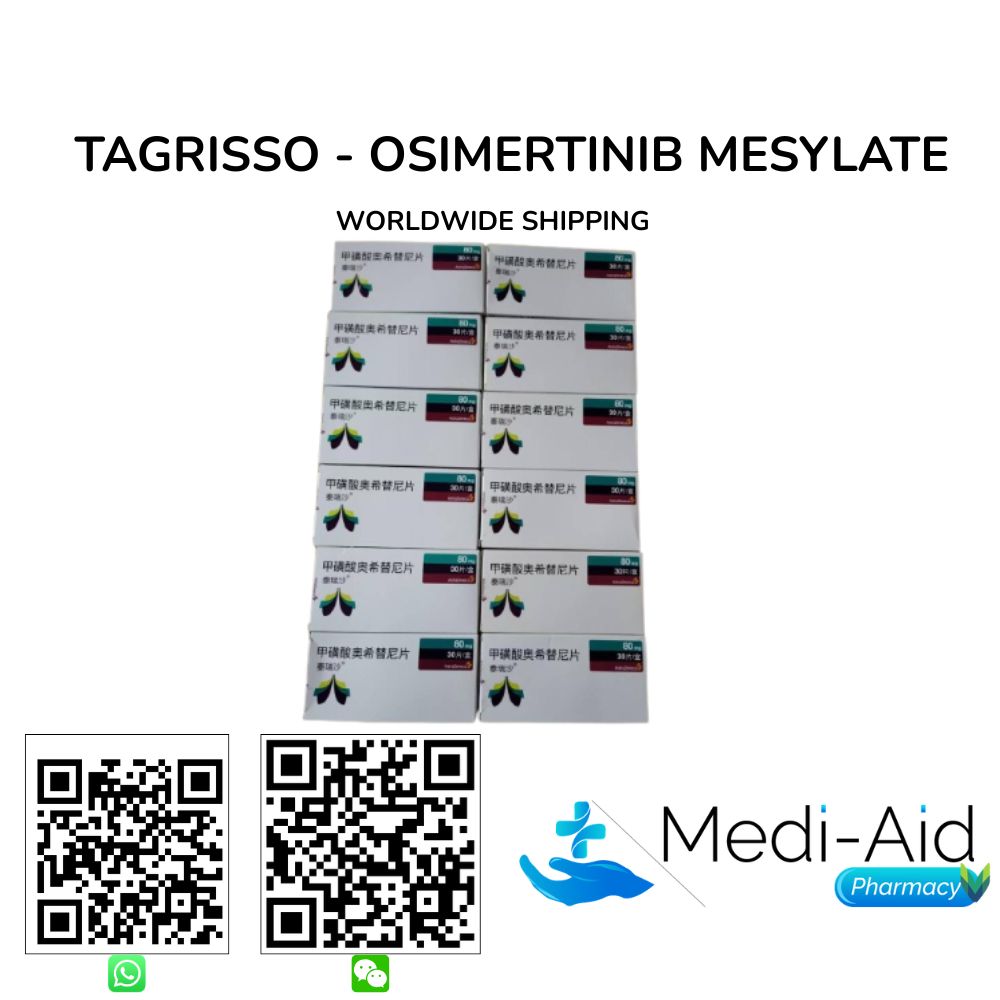
Tagrisso 80 MG Osimertinib mesylate marketed in China under the Chinese package name 泰瑞沙 is a third-generation, irreversible EGFR (Epidermal Growth Factor Receptor) tyrosine kinase inhibitor (TKI) supplied as 80 mg film-coated tablets (30 tablets per box) and manufactured by AstraZeneca in China-market packaging. Its active ingredient, osimertinib mesylate, covalently and irreversibly binds to Cys797 of the EGFR kinase domain, selectively inhibiting both the common EGFR sensitizing mutations exon 19 deletions (Ex19del) and exon 21 L858R substitution and the T790M acquired resistance mutation that drives tumor progression in approximately 50–60% of patients whose NSCLC progresses on first- or second-generation EGFR-TKIs.
Osimertinib is the first and only EGFR-TKI proven to deliver durable central nervous system (CNS) disease control, crossing the blood-brain barrier at clinically meaningful concentrations to address brain metastases a critical unmet need in EGFR-mutated NSCLC, where CNS progression is among the most common failure patterns with prior-generation TKIs. In the landmark FLAURA Phase 3 trial (osimertinib 80 mg versus gefitinib or erlotinib as first-line therapy in 556 adults with EGFR-mutated advanced NSCLC), osimertinib produced a median progression-free survival (PFS) of 18.9 months versus 10.2 months with first-generation EGFR-TKI (HR 0.46; 95% CI 0.37–0.57; p<0.001) and a median overall survival (OS) of 38.6 months versus 31.8 months (HR 0.80; 95% CI 0.64–1.00; p=0.046) establishing Tagrisso (osimertinib) 80 mg as the global standard-of-care first-line therapy for EGFR-mutated advanced NSCLC. Searching for Tagrisso 80 MG Osimertinib mesylate? Mediaid Pharmacy lists this product within its comprehensive lung cancer medicines portfolio and ships it worldwide.
Basic Product Information of Tagrisso 80 MG Osimertinib mesylate
| Brand Name | Tagrisso 80 MG (Osimertinib mesylate) |
| Chinese Package Name | 泰瑞沙 (Tài Ruì Shā) |
| Generic Name | Osimertinib mesylate |
| Drug Class | Third-Generation Irreversible EGFR Tyrosine Kinase Inhibitor (EGFR-TKI); Antineoplastic Agent; Targeted Therapy for EGFR-Mutated NSCLC |
| Formulation / Dosage Form | Film-Coated Tablets (Oral) |
| Available Strength | 80 mg (also available as 40 mg) |
| Pack Size | 30 Tablets per Box (one calendar month of treatment at the standard once-daily dose) |
| Primary Indications | First-line treatment of adults with locally advanced or metastatic NSCLC with EGFR sensitizing mutations (Ex19del or L858R); Second-line treatment of adults with T790M mutation-positive locally advanced or metastatic NSCLC after prior EGFR-TKI therapy; Adjuvant treatment of adults with EGFR-mutated (Ex19del or L858R) NSCLC after complete tumour resection (Stage IB–IIIA; locally approved indications vary confirm China NMPA-approved label) |
| Manufacturer / Brand | AstraZeneca |
| Market Packaging | China |
| Categories | Lung Cancer Medicines; Oncology Medicines; Original Molecule Medicines |
| Global Supplier | Mediaid Pharmacy, Worldwide Shipping Available |
| Storage Conditions | Store below 30°C. Store in the original packaging to protect from moisture. Keep out of the reach of children. No refrigeration required. |
How Tagrisso 80 MG (Osimertinib mesylate) Works: Third-Generation Irreversible EGFR Inhibition, T790M Coverage, and Blood-Brain Barrier Penetration
Osimertinib mesylate, the active ingredient in Tagrisso 80 MG, is the world’s first approved third-generation, irreversible EGFR (Epidermal Growth Factor Receptor) tyrosine kinase inhibitor engineered to overcome the two fundamental limitations of first-generation (gefitinib, erlotinib) and second-generation (afatinib, dacomitinib) EGFR-TKIs: resistance mediated by the T790M gatekeeper mutation and inadequate CNS penetration.
EGFR is a transmembrane receptor tyrosine kinase encoded by the EGFR gene on chromosome 7p12. Oncogenic activating mutations in the EGFR kinase domain most commonly exon 19 deletions (Ex19del), which remove a conserved LREA motif in the C-helix of the kinase domain and account for approximately 45% of EGFR-mutated NSCLC, and the exon 21 L858R point substitution, which disrupts the DFG activation loop and accounts for approximately 40% of cases constitutively activate EGFR signaling through the RAS-MAPK, PI3K-AKT-mTOR, and JAK-STAT3 pathways, driving uncontrolled tumor cell proliferation, survival, angiogenesis, and metastasis in the absence of ligand-induced activation.
Osimertinib addresses these oncogenic drivers by forming a covalent, irreversible bond with Cys797 in the ATP-binding cleft of the EGFR kinase domain permanently inactivating both the Ex19del-mutant and L858R-mutant EGFR kinases as well as the T790M resistance mutant while maintaining substantially weaker, clinically tolerated activity against wild-type EGFR, producing a superior therapeutic index compared with the pan-EGFR inhibition profile of first- and second-generation agents. Lung cancer specialists and oncology procurement teams can review the full range of osimertinib medicines available at Mediaid Pharmacy.
The T790M gatekeeper mutation a threonine-to-methionine substitution at codon 790 of the EGFR kinase domain is the most common acquired resistance mechanism to first- and second-generation EGFR-TKIs, developing in approximately 50–60% of patients whose tumors progress on gefitinib, erlotinib, or afatinib. T790M restores tight binding of ATP to the EGFR kinase domain, sterically excluding the competitive ATP-mimetic binding of first- and second-generation TKIs and restoring constitutive kinase activity despite their presence. Osimertinib’s covalent binding mechanism circumvents T790M resistance by forming an irreversible adduct at Cys797 that is independent of ATP competitive equilibrium meaning that the increased ATP affinity conferred by T790M cannot displace osimertinib once it has covalently engaged the kinase.
In the landmark AURA3 Phase 3 trial (n=419 patients with T790M-positive advanced NSCLC after first-generation EGFR-TKI failure), osimertinib 80 mg produced a median PFS of 10.1 months versus 4.4 months with platinum-pemetrexed chemotherapy (HR 0.30; 95% CI 0.23–0.41; p<0.001) and an objective response rate (ORR) of 71% versus 31% establishing osimertinib as the definitive standard of care in T790M-positive NSCLC after first-line EGFR-TKI failure. Healthcare providers sourcing Tagrisso 80 MG Osimertinib mesylate and companion oncology agents can browse the complete lung cancer medicines portfolio at Mediaid Pharmacy for consolidated worldwide procurement.
Osimertinib’s most clinically distinctive pharmacological feature differentiating it from all prior-generation EGFR-TKIs is its ability to cross the blood-brain barrier (BBB) at therapeutically active concentrations. Preclinical rodent pharmacokinetic studies demonstrate that osimertinib achieves a brain-to-plasma AUC ratio of approximately 1.6 meaning that osimertinib brain exposures exceed plasma exposures compared with brain-to-plasma AUC ratios of approximately 0.04 for gefitinib and 0.02 for erlotinib, which effectively excluded first-generation EGFR-TKIs from meaningful CNS activity.
This BBB penetrance is attributed to osimertinib’s lipophilic structure (LogP ≈4.5), its relatively lower molecular weight compared with antibody-based CNS agents, and its lower P-glycoprotein (P-gp) efflux substrate affinity relative to first-generation TKIs at the BBB efflux transporter. In the FLAURA trial, osimertinib produced a CNS PFS hazard ratio of 0.48 (95% CI 0.26–0.86) versus first-generation EGFR-TKIs more than halving the rate of CNS progression events and in the AURA3 trial, osimertinib produced a CNS ORR of 70% in patients with measurable brain metastases versus 31% with chemotherapy.
The pharmacokinetic profile of osimertinib at 80 mg once daily: geometric mean steady-state Cmax approximately 311 ng/mL, trough Cmin approximately 161 ng/mL, oral bioavailability approximately 60%, time to Cmax (Tmax) approximately 6 hours, plasma half-life (t½) approximately 48 hours supporting the once-daily oral dosing schedule and confirming that a steady-state pharmacokinetic exposure is achieved within approximately 15 days of initiating the 80 mg once-daily regimen. Oncology centers sourcing Tagrisso 80 MG in China-market packaging can explore the broader oncology medicines collection at Mediaid Pharmacy for consolidated procurement and worldwide shipping.
In the adjuvant setting, the ADAURA Phase 3 trial (n=682 patients with completely resected EGFR-mutated NSCLC Stage IB–IIIA, 3 years of adjuvant osimertinib 80 mg versus placebo) produced a disease-free survival (DFS) hazard ratio of 0.20 (95% CI 0.15–0.27; p<0.001) in the Stage II–IIIA population an 80% reduction in the risk of disease recurrence or death with adjuvant osimertinib compared with placebo and a CNS DFS hazard ratio of 0.18, demonstrating that osimertinib’s CNS penetrance translates into a substantial reduction in brain metastasis development in the curative-intent postoperative setting as well.
The 5-year DFS rate in Stage II–IIIA patients was 65% with osimertinib versus 26% with placebo a 39 percentage point absolute improvement in disease-free survival at 5 years, representing one of the largest absolute DFS benefits ever demonstrated in adjuvant solid tumor oncology. These data collectively position osimertinib 80 mg once daily as the backbone targeted therapy in EGFR-mutated NSCLC across first-line metastatic, second-line T790M-positive, and adjuvant post-resection settings.
Approved Indications of Tagrisso 80 MG Osimertinib mesylate Reference Label and China NMPA-Registered Indications
Osimertinib mesylate, the active ingredient in Tagrisso 80 MG, carries regulatory approvals across three distinct clinical settings in EGFR-mutated non-small cell lung cancer (NSCLC): first-line metastatic treatment, second-line T790M-positive treatment, and adjuvant post-surgical treatment. All three indications require prior confirmation of the relevant EGFR mutation status by a validated diagnostic test on tumor tissue or, for second-line T790M detection, on circulating tumor DNA (ctDNA) from plasma a liquid biopsy approach approved alongside osimertinib for T790M detection in the second-line setting.
The China NMPA-approved label for Tagrisso (泰瑞沙) covers all three settings; prescribers should confirm the currently registered China NMPA indications and any specific Chinese population data requirements on the Tagrisso China product label before initiating treatment, as labeling details may differ from the global FDA/EMA reference prescribing information.
|
First-Line Metastatic NSCLC EGFR Ex19del or L858R (FLAURA: Median PFS 18.9 Months) Osimertinib 80 mg once daily is the standard-of-care first-line therapy for adults with locally advanced or metastatic NSCLC whose tumors harbor EGFR sensitizing mutations (exon 19 deletions [Ex19del] or exon 21 L858R substitution) confirmed by a validated diagnostic test. Approval is based on the FLAURA Phase 3 trial (n=556), in which osimertinib produced a median PFS of 18.9 versus 10.2 months (HR 0.46; p<0.001) and a median OS of 38.6 versus 31.8 months (HR 0.80; p=0.046) compared with gefitinib or erlotinib. The FLAURA2 Phase 3 trial (n=557) further established that osimertinib combined with platinum-pemetrexed chemotherapy produced a median PFS of 25.5 versus 16.7 months with osimertinib alone (HR 0.62; 95% CI 0.49–0.79; p<0.001) providing a combination option for patients with high tumor burden or rapidly progressive disease. For the complete lung cancer medicines range at Mediaid Pharmacy, visit the lung cancer portfolio. |
Second-Line T790M-Positive NSCLC and Adjuvant Post-Resection (AURA3 ORR 71%; ADAURA DFS HR 0.20) In the second-line setting, osimertinib 80 mg is indicated for adults with T790M mutation-positive locally advanced or metastatic NSCLC whose tumors have progressed on or after prior EGFR-TKI therapy. AURA3 (n=419) demonstrated median PFS of 10.1 versus 4.4 months (HR 0.30; p<0.001) and ORR of 71% versus 31% versus platinum-pemetrexed. In the adjuvant setting, osimertinib 80 mg is indicated for adults with EGFR-mutated (Ex19del or L858R) NSCLC after complete tumour resection (Stage IB–IIIA per AJCC 7th edition). ADAURA (n=682) demonstrated a DFS HR of 0.20 (p<0.001) in Stage II–IIIA an 80% risk reduction in disease recurrence or death and a 5-year DFS rate of 65% with osimertinib versus 26% with placebo. Treatment duration in the adjuvant setting is 3 years, or until disease recurrence or unacceptable toxicity. For the full osimertinib medicines collection with worldwide shipping, visit Mediaid Pharmacy. |
Key Clinical Benefits of Tagrisso 80 MG Osimertinib mesylate
|
Median PFS of 18.9 Months First-Line Nearly Double That of Gefitinib or Erlotinib in FLAURA Osimertinib 80 mg delivered a median PFS of 18.9 months versus 10.2 months with first-generation EGFR-TKI in the FLAURA Phase 3 trial (HR 0.46; 95% CI 0.37–0.57; p<0.001; n=556) an absolute PFS gain of 8.7 months at first-line, equivalent to 85% longer progression-free time compared with the prior standard of care. Median OS was 38.6 versus 31.8 months (HR 0.80; p=0.046), with 5-year OS rates of 31% with osimertinib versus 26% with first-generation TKIs in the FLAURA 5-year update. In the Chinese subpopulation included in FLAURA, the PFS benefit was consistent with the overall population, confirming generalizability of the FLAURA data to Chinese patients with EGFR-mutated NSCLC the population for whom Tagrisso is packaged as 泰瑞沙 in China-market packaging. The ORR with osimertinib in FLAURA was 80% versus 76% with first-generation TKI, with a substantially longer median duration of response (17.2 vs 8.5 months), confirming that osimertinib responses are not only comparably frequent but qualitatively more durable. |
Superior CNS Efficacy 70% CNS ORR and Halved CNS Progression Risk Across Metastatic and Adjuvant Settings Osimertinib is the only approved EGFR-TKI with a CNS-to-plasma AUC ratio exceeding 1.0 in preclinical models, translating into clinically validated, superior CNS disease control across all three approved indications. In FLAURA, osimertinib produced a CNS PFS HR of 0.48 versus first-generation TKI (95% CI 0.26–0.86) and a CNS ORR of 91% in patients with measurable CNS lesions at baseline. In AURA3, osimertinib produced a CNS ORR of 70% (95% CI 46–88) versus 31% with chemotherapy in T790M-positive patients with measurable brain metastases. In ADAURA, the CNS DFS HR was 0.18 (95% CI 0.10–0.33) an 82% reduction in the risk of CNS recurrence events with a 5-year CNS DFS rate of 96% with osimertinib versus 61% with placebo in Stage II–IIIA, establishing osimertinib as the most effective pharmacological agent for the prevention of brain metastases in resected EGFR-mutated NSCLC. These CNS outcomes are clinically transformative: brain metastases from NSCLC carry a median OS of 3–6 months with best supportive care and substantially impair quality of life; osimertinib’s BBB penetrance converts CNS recurrence from a near-universal late-stage event into a rare occurrence manageable without routine prophylactic cranial irradiation. |
80% DFS Risk Reduction in Adjuvant NSCLC ADAURA Delivers the Largest Absolute DFS Benefit in Resected Lung Cancer History The ADAURA Phase 3 trial (n=682; Stage IB–IIIA resected EGFR-mutated NSCLC; 3 years adjuvant osimertinib 80 mg versus placebo) produced a DFS hazard ratio of 0.20 (95% CI 0.15–0.27; p<0.001) in Stage II–IIIA an unprecedented 80% reduction in the risk of disease recurrence or death representing the single largest DFS hazard ratio reduction ever demonstrated in a randomized, placebo-controlled adjuvant lung cancer trial. The 5-year DFS rate in Stage II–IIIA was 65% with osimertinib versus 26% with placebo a 39 percentage point absolute improvement at 5 years. In Stage IB–IIIA combined, the DFS HR was 0.23 (95% CI 0.18–0.30; p<0.001) and the 5-year DFS rate was 73% versus 38%. These ADAURA results have shifted oncology practice: adjuvant osimertinib for 3 years is now incorporated into major international lung cancer guidelines (NCCN, ESMO, CSCO) as the standard-of-care adjuvant targeted therapy for Stage IB–IIIA EGFR-mutated NSCLC following complete resection converting a patient population previously managed with only chemotherapy or observation into one with a quantifiable, large absolute survival benefit from targeted adjuvant therapy. |
Drug Interactions and Important Safety Information for Tagrisso 80 MG Osimertinib mesylate
The most clinically significant drug interactions for osimertinib mesylate involve strong CYP3A4 inducers, QTc-prolonging agents, P-glycoprotein (P-gp) and BCRP (breast cancer resistance protein) substrates, and drugs with narrow pH-dependent absorption windows. Osimertinib is primarily metabolized by CYP3A4 (approximately 70% of metabolic clearance) and to a lesser extent CYP3A5, with the major active metabolite AZ5104 contributing to its pharmacological activity. Osimertinib is a low-sensitivity CYP3A4 substrate meaning that moderate CYP3A4 inhibitors do not produce clinically meaningful increases in osimertinib exposure but its exposure is highly sensitive to strong CYP3A4 induction, which dramatically accelerates osimertinib clearance and reduces plasma concentrations to sub-therapeutic levels.
Osimertinib’s oral bioavailability is not meaningfully affected by food (fed/fasted AUC ratio ≈1.0), nor by gastric pH-modifying agents at clinically used doses, simplifying dosing logistics for patients on proton pump inhibitor (PPI) therapy a common co-medication in oncology patients compared with some tyrosine kinase inhibitors whose absorption is highly pH-dependent. Oncology centers sourcing Tagrisso 80 MG and companion lung cancer medicines can browse the complete lung cancer medicines range at Mediaid Pharmacy.
Strong CYP3A4 inducers represent the highest-priority pharmacokinetic interaction class for osimertinib. Concomitant administration of rifampicin (rifampin) the prototypical strong CYP3A4 inducer reduces osimertinib AUC by approximately 78% and Cmax by approximately 73% at steady state, reducing systemic osimertinib exposure to levels that are predicted to be sub-therapeutic based on pharmacokinetic-pharmacodynamic modeling from the FLAURA and AURA clinical programs. Other strong CYP3A4 inducers that must be avoided concomitantly with Tagrisso 80 MG include: anticonvulsants (carbamazepine, phenytoin, phenobarbital, primidone); antimycobacterials (rifabutin, rifapentine); and St. John’s Wort (Hypericum perforatum) a herbal supplement widely used in Asian and European markets that is a clinically significant CYP3A4 inducer and P-gp inducer whose interaction with osimertinib is particularly important to communicate to patients using traditional herbal medicines alongside their cancer treatment.
If strong CYP3A4 inducers cannot be discontinued, dose escalation of osimertinib to 160 mg (two 80 mg tablets) once daily may partially compensate for the pharmacokinetic interaction, but this approach should be guided by the treating oncologist and requires enhanced tolerability monitoring at the higher dose. Moderate CYP3A4 inducers (efavirenz, nevirapine, bosentan, modafinil) produce a smaller but potentially clinically relevant reduction in osimertinib exposure of approximately 20–50% and should be avoided where clinically feasible. For AstraZeneca-branded companion oncology medicines available at Mediaid Pharmacy, explore the AstraZeneca oncology medicines portfolio.
QTc-prolonging agents require careful risk-benefit management in patients receiving Tagrisso 80 MG. Osimertinib itself produces a concentration-dependent, clinically meaningful QTc prolongation the FLAURA QTc analysis demonstrated a mean QTcF increase of approximately 14 ms at steady-state 80 mg once-daily trough concentrations placing it in the “conditional risk” category for QTc prolongation according to FDA/ICH E14 guidance. Concomitant use of other QTc-prolonging drugs amplifies this risk: antiarrhythmics (amiodarone, sotalol, quinidine, flecainide); antiemetics (ondansetron, granisetron, domperidone) commonly co-prescribed in cancer patients; certain antibiotics (azithromycin, moxifloxacin, clarithromycin); antifungals (fluconazole, voriconazole); and antipsychotics (haloperidol, quetiapine) all require ECG-based QTc monitoring when initiated or dose-adjusted in patients receiving osimertinib.
Osimertinib should be dose-reduced to 40 mg once daily or temporarily withheld if QTcF exceeds 500 ms on two separate ECGs, or if QTcF increases by >60 ms from baseline with no prior QTcF prolongation to above 500 ms; permanent discontinuation is required if QTcF prolongation is accompanied by arrhythmia, Torsades de Pointes, or clinically significant cardiac symptoms.
Osimertinib is a P-gp and BCRP inhibitor: concomitant administration increases plasma exposure of P-gp substrates (digoxin, dabigatran) and BCRP substrates (rosuvastatin, sulfasalazine, topotecan) by approximately 2–3 fold, potentially causing toxicity at standard doses of these agents; digoxin and rosuvastatin levels should be monitored and doses adjusted when initiated or changed in patients on osimertinib. All patients must provide a complete medication list including prescription, over-the-counter, traditional herbal, and Chinese medicine preparations to their treating oncologist and clinical pharmacist before initiating Tagrisso 80 MG and at each follow-up visit, as the combination of QTc prolongation and P-gp inhibition creates multiple interaction risks that are not immediately obvious to non-specialist prescribers. For the complete osimertinib tablet options available at Mediaid Pharmacy with worldwide shipping, visit the osimertinib medicines collection.
Side Effects and Precautions of Tagrisso 80 MG Osimertinib mesylate
|
Common Side Effects Diarrhea (incidence approximately 58% in FLAURA at 80 mg; most events are Grade 1–2; manage with loperamide, dietary modification, and adequate hydration; Grade 3 diarrhea requires dose interruption and resumption at 40 mg once daily after resolution to ≤Grade 1; antidiarrheal prophylaxis is advisable from treatment initiation) Rash and acneiform dermatitis (incidence approximately 58%; typically maculopapular, most prominent on face, neck, trunk, and arms during the first 4–6 weeks; manage with topical clindamycin, topical retinoids, oral doxycycline 100 mg twice daily for Grade 2 rash; rotate sun-protective clothing and SPF ≥30 sunscreen as standard precaution; rash severity is inversely correlated with wild-type EGFR inhibition and is a pharmacodynamic marker of EGFR-TKI activity, though correlations with clinical outcome are not validated for patient management decisions) Dry skin and pruritus (incidence approximately 36%; managed with emollients, non-soap cleansers, and moisturizing creams; avoid hot water and strong detergents; topical corticosteroids for Grade 2 pruritus unresponsive to emollients) Paronychia and nail fold inflammation (incidence approximately 35%; characterized by lateral nail fold erythema, tenderness, and purulent discharge; managed with topical antiseptics, topical corticosteroids, oral antibiotics for secondary infection; severe cases may require temporary dose reduction) Stomatitis and mucositis (incidence approximately 29%; manage with alcohol-free mouthwashes, topical anaesthetic rinses, and oral hygiene protocol; Grade 3 stomatitis requires dose interruption) Decreased appetite and weight loss (incidence approximately 26–36%; monitor nutritional status, body weight, and albumin at each cycle; involve a clinical dietitian for patients with baseline nutritional compromise or significant weight loss during treatment) Fatigue and asthenia (incidence approximately 22–30%; typically mild-moderate; exclude interstitial lung disease, cardiac dysfunction, and hypothyroidism before attributing fatigue to non-specific drug toxicity) Elevated ALT/AST (incidence approximately 10–15%; monitor liver function tests at baseline and periodically during treatment; withhold for Grade 3 elevation; permanently discontinue for Grade 4) Nausea (incidence approximately 20%; generally mild; administer osimertinib with food to reduce nausea if symptomatic; antiemetic prophylaxis is not routinely required with osimertinib monotherapy) |
Serious Warnings and Precautions Interstitial lung disease (ILD) and pneumonitis: ILD/pneumonitis occurred in 3.5% of osimertinib-treated patients in the FLAURA trial (Grade ≥3: 0.4%); fatal ILD events have been reported. Present as new or worsening respiratory symptoms: dyspnoea, cough, fever, or new pulmonary infiltrates on CT. Withhold Tagrisso 80 MG immediately upon suspected ILD diagnosis; permanently discontinue if ILD is confirmed (Grade ≥2). ILD incidence is higher in the Japanese population (approximately 9.4%) important context for Asian patient monitoring. East Asian ethnicity is a recognized risk factor for EGFR-TKI-induced ILD; baseline and follow-up HRCT and pulmonary function testing are recommended in high-risk patients in China and other East Asian markets where the Japan-observed ILD frequency may be relevant. QTc prolongation and Torsades de Pointes: osimertinib causes concentration-dependent QTcF prolongation (mean increase approximately 14 ms at 80 mg once-daily steady-state trough). Obtain baseline ECG; withhold Tagrisso 80 MG if QTcF exceeds 500 ms (confirmed on two separate ECGs) or increases by >60 ms from baseline; resume at 40 mg once daily after QTcF recovers to <481 ms or to within 20 ms of baseline; permanently discontinue for QTcF prolongation with serious arrhythmia (Torsades de Pointes), arrhythmia with symptoms, or inability to resume dosing. Monitor electrolytes (potassium, magnesium, calcium) throughout treatment and correct hypokalemia and hypomagnesemia promptly, as electrolyte disturbances amplify QTc prolongation risk. Cardiomyopathy and decreased left ventricular ejection fraction (LVEF): LVEF decreases occurred in 3.2% of patients in FLAURA; symptomatic congestive heart failure was reported in 0.4%. Assess baseline LVEF by echocardiogram or MUGA scan in patients with cardiac risk factors or prior cardiotoxic chemotherapy; monitor LVEF periodically in patients with symptoms of cardiac dysfunction (exertional dyspnoea, ankle oedema, orthopnoea); withhold Tagrisso 80 MG for symptomatic congestive heart failure (Grade 3/4) and consult cardiology; permanently discontinue for life-threatening cardiac failure. Keratitis: keratitis occurred in 0.7% of patients receiving osimertinib across clinical trials; symptoms include eye pain, lacrimation, photophobia, blurred vision, and haematopsia. Refer patients with new or worsening eye symptoms for ophthalmological evaluation promptly; withhold Tagrisso 80 MG for Grade 3 or higher keratitis until symptoms resolve to Grade 1 or below; permanently discontinue for Grade 4 keratitis. Instruct patients to avoid contact lens use during osimertinib treatment. Embryo-fetal toxicity: osimertinib can cause fetal harm; animal reproduction studies demonstrated fetal malformations, growth retardation, and embryolethality at exposures below the human clinical exposure at 80 mg once daily. Females of reproductive potential must use effective contraception during Tagrisso 80 MG treatment and for 6 weeks after the last dose. Male patients with female partners of reproductive potential must use effective contraception during treatment and for 4 months after the last dose (based on the male gonadotoxicity data from animal studies). Breastfeeding is not recommended during treatment and for 2 weeks after the last dose. Patients planning pregnancy should discuss the appropriate pre-conception washout period with their treating oncologist the approximately 48-hour plasma half-life of osimertinib supports near-complete systemic clearance within approximately 10 days following the last dose, but residual tissue binding and potential active metabolite AZ5104 clearance should be considered in pre-conception counselling. |
Who Should Use Tagrisso 80 MG Osimertinib mesylate?
Tagrisso 80 MG Osimertinib mesylate is indicated for adult patients across three clearly defined EGFR-mutated NSCLC clinical settings, each requiring prior molecular confirmation of the relevant EGFR mutation status.
Patient group 1 First-line metastatic NSCLC: Adults with locally advanced (Stage IIIB/IIIC not amenable to definitive chemoradiotherapy) or metastatic (Stage IV) NSCLC whose tumors harbor EGFR sensitizing mutations (Ex19del or L858R) confirmed by a validated diagnostic test on tumor tissue (biopsy or surgical specimen) or plasma (liquid biopsy for cases where tissue is insufficient or inaccessible). These patients receive osimertinib 80 mg once daily as first-line monotherapy (FLAURA regimen) or in combination with platinum-pemetrexed chemotherapy (FLAURA2 regimen for patients with high tumor burden, rapid progression, or significant symptoms); treatment continues until RECIST-defined disease progression, unacceptable toxicity, or at the clinician’s discretion for complete responders.
Patient group 2 Second-line T790M-positive NSCLC: Adults with locally advanced or metastatic NSCLC harboring the EGFR T790M resistance mutation (confirmed by validated tissue biopsy or plasma ctDNA test) whose tumors have progressed on or after first- or second-generation EGFR-TKI therapy (gefitinib, erlotinib, afatinib, dacomitinib, icotinib). These patients receive osimertinib 80 mg once daily; T790M testing should be performed at the time of disease progression on prior EGFR-TKI and not deferred, as approximately 50–60% of patients will be T790M-positive and eligible for osimertinib.
Patient group 3 Adjuvant post-resection NSCLC: Adults with completely resected (R0 resection) EGFR-mutated (Ex19del or L858R) NSCLC Stage IB, II, or IIIA (per AJCC 7th edition staging used in ADAURA) who have received standard platinum-based adjuvant chemotherapy (where indicated by stage) or as monotherapy adjuvant treatment where chemotherapy is not indicated. These patients receive osimertinib 80 mg once daily for 3 years, or until disease recurrence or unacceptable toxicity.
Contraindications include: confirmed hypersensitivity to osimertinib or any tablet excipient; concomitant use of strong CYP3A4 inducers that cannot be discontinued (rifampicin, phenytoin, carbamazepine, St. John’s Wort) unless dose escalation to 160 mg is clinically justified; and confirmed QTcF >500 ms on repeated ECG without reversible cause before treatment initiation. For procurement of Tagrisso 80 MG Osimertinib mesylate in China-market packaging (泰瑞沙) alongside AstraZeneca companion oncology medicines, visit the Mediaid Pharmacy AstraZeneca medicines portfolio and the complete lung cancer medicines collection for worldwide delivery.
Global Supplier: Mediaid Pharmacy Worldwide Shipping for Tagrisso 80 MG Osimertinib mesylate
Mediaid Pharmacy is a Dhaka-based supplier of specialty oncology, lung cancer, and original molecule medicines with worldwide shipping to patients, oncology clinics, hospitals, cancer treatment centers, and pharmaceutical distributors across all regions. Tagrisso 80 MG Osimertinib mesylate, manufactured by AstraZeneca in China-market packaging (泰瑞沙), is available as 30 tablets per box one calendar month’s treatment supply at the standard 80 mg once-daily dose supplied with pricing quotations, stock confirmation, full product documentation, and end-to-end international delivery tracking for every order.
As an oral tablet not requiring cold-chain shipping, Tagrisso 80 MG is stored and shipped below 30°C with standard pharmaceutical temperature-controlled logistics; however, all shipments require original packaging to protect from moisture. Lung cancer centers, thoracic oncology clinics, hospital pharmacy departments, cancer research programs, distributors, and individual patients can contact the Mediaid Pharmacy team through WhatsApp, phone, or WeChat for all inquiries about Tagrisso 80 MG Osimertinib mesylate stock availability, current pricing, and international delivery timelines to their specific country. Buyers sourcing osimertinib in China-market packaging, establishing institutional EGFR-TKI supply programs for first-line or adjuvant NSCLC treatment, or co-sourcing multiple lung cancer or oncology medicines in a single consolidated international shipment can browse the complete osimertinib medicines collection and the broader lung cancer medicines portfolio at Mediaid Pharmacy before submitting a consolidated quotation request.
Why Choose Tagrisso 80 MG Osimertinib mesylate from Mediaid Pharmacy?
Tagrisso 80 MG Osimertinib mesylate from Mediaid Pharmacy gives thoracic oncologists, lung cancer specialists, and oncology procurement teams access to the world’s most clinically proven third-generation EGFR-TKI an original molecule medicine by AstraZeneca that has redefined the standard of care in EGFR-mutated NSCLC across first-line, second-line T790M-positive, and adjuvant post-resection settings. Osimertinib’s 18.9-month median first-line PFS (FLAURA; HR 0.46 vs first-generation EGFR-TKI), its 71% ORR in T790M-positive disease (AURA3), its 80% DFS risk reduction in adjuvant Stage II–IIIA NSCLC (ADAURA; HR 0.20), and its unmatched CNS disease control (CNS DFS HR 0.18 in ADAURA; CNS ORR 70% in AURA3) across all three indications collectively establish osimertinib as the singular backbone targeted therapy in the management of EGFR-mutated NSCLC from first diagnosis to disease recurrence prevention.
The 80 mg once-daily oral tablet format packaged as 30 tablets per box in China-market packaging (泰瑞沙) providing a complete monthly treatment supply requires no intravenous infusion infrastructure, dose weight adjustment, or pharmacy reconstitution, supporting patient self-administration at home with straightforward adherence monitoring. The 80 mg strength is the standard reference dose validated across all three KEYNOTE-equivalent FLAURA, AURA3, and ADAURA trials; the 40 mg alternative is available for patients requiring dose reduction for tolerability. Mediaid Pharmacy supplies Tagrisso 80 MG Osimertinib mesylate with full product documentation, specialist oncology supply support, and worldwide shipping from Dhaka. To source AstraZeneca companion oncology medicines or a complete lung cancer and NSCLC treatment panel alongside Tagrisso 80 MG, visit the Mediaid Pharmacy AstraZeneca medicines section and the oncology medicines portfolio, and contact the team for a personalized procurement quotation.
Frequently Asked Questions About Tagrisso 80 MG Osimertinib mesylate
What is Tagrisso 80 MG Osimertinib mesylate used for?
Tagrisso 80 MG Osimertinib mesylate is a third-generation, irreversible EGFR tyrosine kinase inhibitor used in three settings: (1) first-line treatment of locally advanced or metastatic NSCLC with EGFR sensitizing mutations (Ex19del or L858R) FLAURA median PFS 18.9 months versus 10.2 months with first-generation EGFR-TKI (HR 0.46; p<0.001); (2) second-line treatment of T790M mutation-positive advanced NSCLC after prior EGFR-TKI failure AURA3 median PFS 10.1 months versus 4.4 months with chemotherapy (HR 0.30; p<0.001); and (3) adjuvant treatment after complete resection of EGFR-mutated (Ex19del or L858R) NSCLC Stage IB–IIIA ADAURA DFS HR 0.20 (p<0.001), 5-year DFS 65% versus 26% in Stage II–IIIA. Tagrisso (泰瑞沙) is manufactured by AstraZeneca in China-market packaging and is available from Mediaid Pharmacy with worldwide shipping.
What is the generic name of Tagrisso 80 MG?
The generic name of Tagrisso 80 MG is osimertinib mesylate. Osimertinib mesylate is the mesylate salt form of osimertinib a third-generation, irreversible EGFR tyrosine kinase inhibitor that covalently binds Cys797 of the EGFR kinase domain, irreversibly inhibiting EGFR sensitizing mutations (Ex19del, L858R) and the T790M acquired resistance mutation. The Chinese package name for Tagrisso in China-market packaging is 泰瑞沙 (Tài Ruì Shā). Tagrisso is manufactured and commercialized globally by AstraZeneca. The INN (international nonproprietary name) for the active moiety is osimertinib; the mesylate salt designation specifies the pharmaceutical salt form used in the solid oral tablet formulation. Mediaid Pharmacy distributes Tagrisso 80 MG Osimertinib mesylate in China-market packaging globally with worldwide shipping to oncology centers, hospitals, distributors, and individual patients.
What is the dosage and administration schedule for Tagrisso 80 MG Osimertinib mesylate?
The standard dose of Tagrisso (osimertinib mesylate) is 80 mg once daily (QD) administered orally with or without food at approximately the same time each day. Each box of Tagrisso 80 MG contains 30 film-coated tablets a one-month treatment supply at the once-daily schedule. Treatment continues until RECIST-defined disease progression or unacceptable toxicity in the metastatic setting; in the adjuvant setting, treatment duration is 3 years (or until recurrence or unacceptable toxicity). If a dose is missed, the patient should take the missed dose as soon as they remember on the same day; if the missed dose is not remembered until the following day, skip the missed dose and resume the next scheduled dose do not double dose. Dose reduction to 40 mg once daily is indicated for Grade 3 QTcF prolongation, Grade ≥3 ILD, Grade 3 cardiomyopathy, Grade 3 left ventricular ejection fraction decrease, Grade 3 keratitis, or other Grade 3 adverse reactions; dose escalation to 160 mg once daily (two 80 mg tablets) may be considered only when concomitant use of a strong CYP3A4 inducer cannot be avoided. No dose adjustment is required for mild to moderate renal impairment (CrCl 30–89 mL/min) or mild to moderate hepatic impairment (Child-Pugh A or B); data in severe renal or hepatic impairment are limited and require careful clinical assessment.
What is the difference between Tagrisso (osimertinib) and first-generation EGFR-TKIs like gefitinib or erlotinib?
Tagrisso (osimertinib, third-generation irreversible EGFR-TKI) and gefitinib/erlotinib (first-generation reversible EGFR-TKIs) both target EGFR sensitizing mutations (Ex19del and L858R) in NSCLC, but differ in four clinically decisive ways. (1) Generation and binding mechanism: osimertinib forms an irreversible covalent bond with Cys797 in the EGFR kinase domain; gefitinib and erlotinib bind reversibly and competitively with ATP. (2) T790M coverage: osimertinib inhibits the T790M resistance mutation as effectively as sensitizing mutations; gefitinib and erlotinib are displaced by T790M due to restored ATP affinity. (3) CNS penetration: osimertinib achieves a brain-to-plasma AUC ratio of approximately 1.6 in preclinical models; gefitinib and erlotinib achieve ratios of approximately 0.04 and 0.02, respectively. (4) Efficacy: in FLAURA head-to-head, osimertinib 80 mg produced median PFS of 18.9 vs 10.2 months (HR 0.46; p<0.001) and median OS of 38.6 vs 31.8 months versus gefitinib/erlotinib first-line. These combined advantages explain why osimertinib is preferred over first-generation EGFR-TKIs in all major international lung cancer guidelines for first-line EGFR-mutated advanced NSCLC.
What clinical results does Tagrisso 80 MG Osimertinib mesylate achieve across its approved indications?
Tagrisso 80 MG achieved the following Phase 3 outcomes: FLAURA (first-line NSCLC, Ex19del/L858R, n=556): median PFS 18.9 vs 10.2 months (HR 0.46; p<0.001); median OS 38.6 vs 31.8 months (HR 0.80; p=0.046); CNS PFS HR 0.48; ORR 80%; median DoR 17.2 months. FLAURA2 (first-line, osimertinib + chemotherapy, n=557): median PFS 25.5 vs 16.7 months (HR 0.62; p<0.001). AURA3 (second-line, T790M-positive, n=419): median PFS 10.1 vs 4.4 months (HR 0.30; p<0.001); ORR 71% vs 31%; CNS ORR 70% vs 31%. ADAURA (adjuvant, Stage IB–IIIA, n=682): Stage II–IIIA DFS HR 0.20 (p<0.001); 5-year Stage II–IIIA DFS 65% vs 26%; CNS DFS HR 0.18; 5-year CNS DFS 96% vs 61% (Stage II–IIIA). LAURA (locally advanced, unresectable Stage III, maintenance after chemoradiation, n=216): median PFS 39.1 vs 5.6 months (HR 0.16; p<0.001) the most recent Phase 3 data confirming osimertinib’s role is expanding beyond metastatic and adjuvant settings.
What are the most important side effects of Tagrisso 80 MG to monitor?
The most common side effects of Tagrisso 80 MG include diarrhea (58%), rash/acneiform dermatitis (58%), dry skin (36%), paronychia (35%), stomatitis (29%), decreased appetite, fatigue, and nausea. These are generally Grade 1–2 and manageable with supportive care, dose reduction to 40 mg, or temporary dose interruption. The most clinically serious adverse events requiring active monitoring include: ILD/pneumonitis (3.5%; permanently discontinue if confirmed Grade ≥2; higher risk in East Asian patients); QTcF prolongation (dose-dependent; withhold for QTcF >500 ms; monitor ECG and electrolytes); cardiomyopathy/decreased LVEF (3.2%; monitor with echocardiogram in at-risk patients); and keratitis (0.7%; refer for ophthalmological review for new eye symptoms). Diarrhea should be managed proactively with loperamide from treatment initiation. Rash management with topical antibiotics and moisturizers supports treatment adherence. Discuss your full side effect profile and individual risk factors with your treating thoracic oncologist before and throughout Tagrisso 80 MG treatment.
Is Tagrisso 80 MG Osimertinib mesylate safe during pregnancy or while breastfeeding?
No. Osimertinib can cause fetal harm based on its mechanism of action and animal reproductive toxicity studies, which demonstrated fetal malformations, embryolethality, and growth retardation at clinically relevant exposures in pregnant rats and rabbits. Females of reproductive potential must use effective contraception during Tagrisso 80 MG treatment and for at least 6 weeks after the last dose. Male patients with female partners of reproductive potential must use effective contraception during treatment and for at least 4 months after the last dose (based on animal male reproductive toxicity data). Breastfeeding is not recommended during osimertinib treatment and for at least 2 weeks after the last dose. The plasma half-life of osimertinib (approximately 48 hours) and active metabolite AZ5104 suggest that systemic clearance is largely complete within approximately 10 days following the last 80 mg dose; however, individual pharmacokinetic variation and potential tissue accumulation mean that pre-conception washout counseling should be individualized by the treating oncologist. Female patients on osimertinib who use oral hormonal contraceptives should note that osimertinib is not expected to affect oral contraceptive efficacy (no CYP3A4 induction by osimertinib), but should confirm the interaction with their prescribing oncologist and gynecologist.
Can I order Tagrisso 80 MG Osimertinib mesylate online with worldwide shipping?
Yes. Mediaid Pharmacy supplies Tagrisso 80 MG Osimertinib mesylate in China-market packaging (泰瑞沙, 30 tablets/box) to oncology centers, hospitals, cancer treatment programs, distributors, and individual patients globally with worldwide shipping. Contact Mediaid Pharmacy via WhatsApp, phone, or WeChat at +8801773428128, or email info@mediaidpharmacy.com for current stock availability, pricing, and international delivery details for your country.
Order Tagrisso 80 MG Osimertinib mesylate with Worldwide Shipping
Phone / WhatsApp / WeChat: +8801773428128 | Email: info@mediaidpharmacy.com