
Description
Tirzema (Tirzepatide) is a dual glucose-dependent insulinotropic polypeptide (GIP) and glucagon-like peptide-1 (GLP-1) receptor agonist, a once-weekly subcutaneous injectable twincretin that simultaneously activates the GIP receptor (GIPR) with potency comparable to native GIP and the GLP-1 receptor (GLP-1R) to potentiate glucose-dependent insulin secretion from pancreatic beta cells, suppress inappropriate glucagon release from pancreatic alpha cells, slow gastric emptying to attenuate postprandial glucose excursions, and engage central satiety circuits in the hypothalamus, producing clinically meaningful reductions in both HbA1c and body weight that exceed those of any previously approved incretin-based agent.
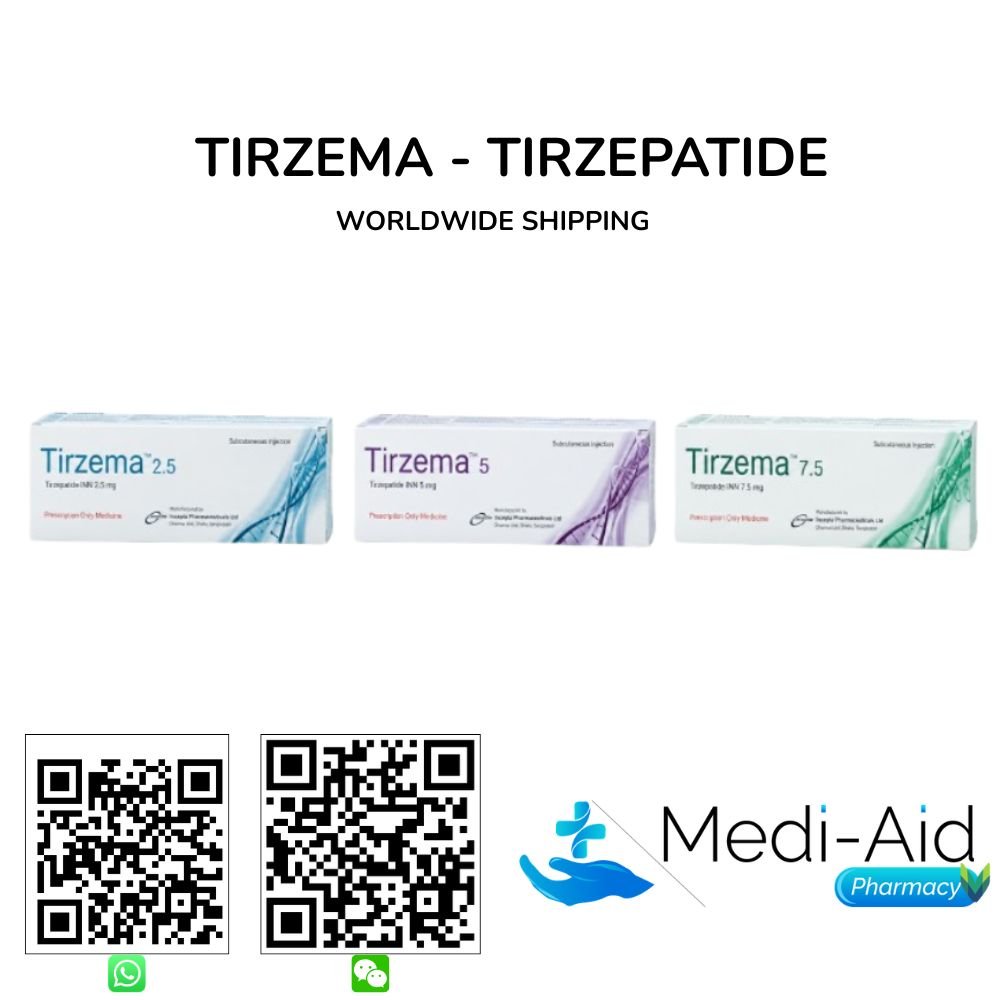
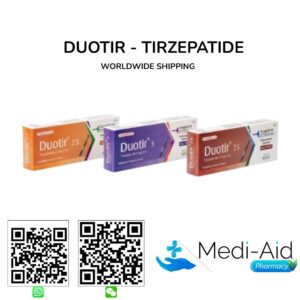
Supplied as a subcutaneous injection in a pre-filled syringe, 1 pre-filled syringe per box, available in strengths of 2.5 mg, 5 mg, and 7.5 mg, and manufactured by Incepta Pharmaceuticals Ltd., Bangladesh. Its active ingredient, tirzepatide INN, is a 39-amino acid acylated peptide with structural homology to native GIP, engineered to bind and activate both GIPR and GLP-1R within a single molecular entity, the first approved dual incretin receptor agonist (twincretin) in the antidiabetic drug class, structurally and mechanistically distinct from monoagonist GLP-1 receptor agonists (semaglutide, liraglutide, dulaglutide, exenatide) that activate only the GLP-1 receptor. The co-activation of GIPR by tirzepatide augments the GLP-1R-mediated glycemic and weight effects by engaging adipose tissue GIP receptors involved in lipid partitioning and by potentiating pancreatic beta cell responsiveness through synergistic cyclic adenosine monophosphate (cAMP) signaling from both receptor pathways simultaneously.
In the pivotal SURPASS-1 monotherapy trial (478 patients, 40 weeks), tirzepatide 5 mg achieved a mean HbA1c reduction of 1.87% from baseline versus 0.04% with placebo, with 87.4% of patients achieving HbA1c below 7.0% versus 19.9% with placebo, without hypoglycemia as monotherapy. In the SURPASS-2 head-to-head trial versus semaglutide 1 mg (1,879 patients, 40 weeks), tirzepatide 5 mg demonstrated superior HbA1c reduction of 1.94% versus 1.86% and superior body weight reduction of 7.6 kg versus 5.7 kg with semaglutide 1 mg, establishing tirzepatide as the most efficacious approved injectable antidiabetic agent studied against an active comparator in a prospective randomized trial. Searching for Tirzema Tirzepatide? Mediaid Pharmacy lists this product across its diabetes medicines and Tirzepatide Medicines portfolios and ships it worldwide.
Basic Product Information of Tirzema (Tirzepatide)
| Brand Name | Tirzema (Tirzepatide) |
| Product Name | Tirzema |
| Generic Name | Tirzepatide INN |
| Drug Class | Dual GIP/GLP-1 Receptor Agonist; Twincretin; Glucose-Dependent Insulinotropic Polypeptide (GIP) Receptor Agonist; Glucagon-Like Peptide-1 (GLP-1) Receptor Agonist; Dual Incretin Receptor Agonist; Once-Weekly Subcutaneous Injectable Antidiabetic Agent; Incretin Mimetic; Glucose-Dependent Insulin Secretion Potentiator; Glucagon Suppressor; Cardiometabolic Agent; Antiobesity Agent (Adjunct in T2DM) |
| Formulation | Subcutaneous Injection (Pre-filled Syringe) |
| Available Strengths | 2.5 mg, 5 mg, and 7.5 mg tirzepatide per pre-filled syringe |
| Available Pack Size | 1 pre-filled syringe per box |
| Recommended Dose & Administration | Initiation dose: 2.5 mg subcutaneously once weekly for 4 weeks. This is a tolerability initiation dose, not the therapeutic maintenance dose; it minimizes nausea and gastrointestinal adverse effects during treatment commencement. Step 1 (First Therapeutic Dose): Increase to 5 mg subcutaneously once weekly after completing 4 weeks at 2.5 mg. Maintain 5 mg for at least 4 weeks before considering further escalation. Step 2 (Second Therapeutic Dose): If additional glycemic control is required and the patient tolerates 5 mg, increase to 7.5 mg subcutaneously once weekly. The 7.5 mg strength is the maximum strength available in Tirzema pre-filled syringes. If the prescribing endocrinologist determines that doses beyond 7.5 mg are required, sourcing a higher-strength tirzepatide product should be discussed with the treating specialist. Injection sites: Administer subcutaneously into the abdomen (at least 5 cm from the navel), thigh, or upper arm; rotate injection sites with each weekly dose to reduce local injection site reactions. Tirzema may be injected at any time of day, with or without food. Missed dose: If a dose is missed and the next scheduled dose is more than 4 days away, administer the missed dose as soon as possible and resume the regular weekly schedule. If the next scheduled dose is 4 days or fewer away, skip the missed dose and continue with the next scheduled weekly injection. Do not administer two doses within 3 days of each other. Renal and hepatic impairment: No dose adjustment is required for mild to moderate renal impairment (eGFR 30 mL/min/1.73 m² or greater); use with caution in severe renal impairment. No dose adjustment required for hepatic impairment. Always confirm the dose, injection technique, and escalation schedule with the prescribing endocrinologist before initiating or adjusting Tirzema therapy. |
| Primary Indications | Type 2 Diabetes Mellitus (T2DM): As an adjunct to diet and exercise to improve glycemic control in adults with type 2 diabetes mellitus, used as monotherapy or in combination with other antidiabetic agents (metformin, sulfonylurea, SGLT2 inhibitor) or basal insulin when existing therapy does not achieve adequate glycemic control. Tirzepatide is not indicated for the treatment of type 1 diabetes mellitus or diabetic ketoacidosis. Each treatment decision must account for baseline HbA1c, body weight goals, cardiovascular risk, concomitant antidiabetic medications, renal function, and gastrointestinal tolerability. Always consult the full prescribing information and the treating endocrinologist or diabetologist before initiating or adjusting therapy. |
| Manufacturer | Incepta Pharmaceuticals Ltd., Bangladesh |
| Country of Origin | Bangladesh |
| SKU | tirzepatide-tirzema |
| Registration | Bangladesh |
| Originator Reference Brand | Mounjaro® (tirzepatide injection, developed and marketed by Eli Lilly and Company; approved by the U.S. Food and Drug Administration on May 13, 2022, as an adjunct to diet and exercise to improve glycemic control in adults with type 2 diabetes mellitus). Mounjaro® contains tirzepatide INN as the active pharmaceutical ingredient in the same dual GIP/GLP-1 receptor agonist (twincretin) drug class. Tirzema is manufactured by Incepta Pharmaceuticals Ltd. in Bangladesh and is supplied through Mediaid Pharmacy for international procurement. |
| Global Supplier | Mediaid Pharmacy, Worldwide Shipping Available |
| Storage Conditions | Store refrigerated at 2°C to 8°C (36°F to 46°F). Do not freeze; discard Tirzema pre-filled syringes that have been frozen. If necessary, each pre-filled syringe may be stored unrefrigerated at room temperature up to 30°C (86°F) for a maximum of 21 days. Protect from light and direct heat. Keep in the original packaging until use. Keep out of the reach of children. Do not use after the expiry date printed on the carton and pre-filled syringe label. |
How Tirzema (Tirzepatide) Works: Dual GIP and GLP-1 Receptor Agonism and Twincretin Pharmacology in Type 2 Diabetes
Tirzepatide INN is a 39-amino acid acylated peptide that functions as a dual agonist at two distinct incretin hormone receptors: the glucose-dependent insulinotropic polypeptide receptor (GIPR) and the glucagon-like peptide-1 receptor (GLP-1R). This dual receptor mechanism, the first of its kind among approved antidiabetic agents, earns tirzepatide the designation “twincretin.” Tirzema (Tirzepatide) simultaneously activates two complementary glucose-lowering and weight-reducing signaling pathways that monoagonist GLP-1 receptor agonists (semaglutide, liraglutide, dulaglutide, exenatide) cannot replicate.
GLP-1 is secreted by intestinal L cells in the distal ileum and colon following nutrient ingestion, stimulating glucose-dependent insulin secretion from pancreatic beta cells, suppressing glucagon secretion from pancreatic alpha cells, slowing gastric emptying to reduce postprandial glucose excursions, and activating hypothalamic and brainstem satiety circuits. GIP is secreted by K cells in the duodenum and proximal jejunum in response to fat and carbohydrate ingestion, potentiating glucose-dependent insulin secretion through a distinct cAMP signaling cascade in pancreatic beta cells and engaging adipose tissue GIPR-expressing cells involved in lipid partitioning and energy balance.
In type 2 diabetes mellitus (T2DM), both incretin axes are functionally impaired: the GLP-1 response is markedly attenuated and the residual GIP response fails to elicit a normal insulin secretory response in the insulin-resistant beta cell. This is precisely the dual incretin deficit that tirzepatide’s co-receptor engagement addresses by simultaneously reconstituting both GIP and GLP-1 signaling arms within a single molecular entity. Tirzema, manufactured by Incepta Pharmaceuticals Ltd. in Bangladesh, delivers tirzepatide INN across three pre-filled syringe strengths (2.5 mg, 5 mg, and 7.5 mg), supporting the full approved dose titration sequence from tolerability initiation through second-step therapeutic dosing.
The structural basis of tirzepatide’s dual receptor activity lies in its peptide architecture: a 39-amino acid sequence with structural homology to native GIP at the N-terminus, optimized through amino acid substitutions for balanced GIPR and GLP-1R binding affinity, conjugated at lysine-26 to a C20 fatty diacid moiety via a gamma-glutamic acid-miniPEG linker. This modification confers high albumin binding exceeding 99%, protects the peptide from N-terminal DPP-4 cleavage that inactivates native GIP and GLP-1 within 1 to 2 minutes of portal entry, and provides an extended elimination half-life of approximately 5 days that supports once-weekly subcutaneous dosing.
Tirzepatide activates GIPR with potency approximately equivalent to native GIP and activates GLP-1R with approximately 5-fold lower potency than native GLP-1, yet produces GLP-1R-mediated pharmacological effects (insulin secretion, glucagon suppression, gastric emptying delay, appetite suppression, body weight reduction) that equal or exceed those of optimized GLP-1 monoagonists in head-to-head clinical trials. These superior outcomes are driven by receptor co-stimulation synergy, adipose tissue GIPR contributions to energy balance, and tissue-level interactions between the two simultaneously activated signaling pathways.
Pharmacokinetically, following subcutaneous administration, tirzepatide reaches peak plasma concentration (Tmax) at approximately 8 to 72 hours, achieves steady-state concentrations by 4 weeks of once-weekly dosing, and is eliminated primarily via proteolytic degradation of the peptide backbone and fatty acid beta-oxidation, with no single dominant cytochrome P450 (CYP) metabolic pathway and no clinically relevant accumulation with weekly dosing across a broad range of renal and hepatic function. The combined pharmacological outcome of dual GIPR/GLP-1R agonism produces superior HbA1c and body weight reductions observed across the SURPASS clinical trial program. For the complete range of diabetes medicines at Mediaid Pharmacy, browse the full portfolio for worldwide shipping.
Tirzema (Tirzepatide): Indications, Dosing, and Key Safety Information
| Approved Indications | Type 2 Diabetes Mellitus (T2DM): Adjunct to diet and exercise to improve glycemic control in adults with type 2 diabetes mellitus. Tirzema (Tirzepatide) is used as monotherapy when other oral agents are not tolerated or are contraindicated, and as add-on combination therapy with metformin, sulfonylureas, SGLT2 inhibitors, or basal insulin when single-agent or existing combination therapy fails to achieve adequate HbA1c targets. Tirzepatide is not indicated for type 1 diabetes mellitus or diabetic ketoacidosis. The treating endocrinologist determines appropriate candidacy, dose titration schedule, and combination regimen based on individual patient HbA1c targets, weight goals, cardiovascular risk, renal function, and gastrointestinal tolerability profile. |
| Dosing Schedule | Weeks 1–4 (Initiation): 2.5 mg subcutaneously once weekly. This is a tolerability initiation dose and not the therapeutic maintenance dose; it minimizes gastrointestinal adverse effects during treatment commencement. Weeks 5 onward (Step 1 Therapeutic): 5 mg subcutaneously once weekly after completing 4 weeks at 2.5 mg. Maintain 5 mg for a minimum of 4 weeks before any further escalation. Step 2 Therapeutic (if required): 7.5 mg subcutaneously once weekly if additional glycemic control beyond 5 mg is required and the patient tolerates the previous dose. The 7.5 mg strength is the maximum available in Tirzema pre-filled syringes. If doses beyond 7.5 mg are clinically required, a higher-strength tirzepatide formulation should be discussed with the treating endocrinologist. Inject subcutaneously into the abdomen, thigh, or upper arm; rotate injection sites each week. Administer at any time of day, with or without meals. |
| Common Adverse Reactions | The most commonly reported adverse reactions with tirzepatide in the SURPASS Phase 3 clinical trial program are gastrointestinal: nausea (12 to 18% at 5 mg), diarrhea (12 to 17%), vomiting (5 to 11%), and constipation (6 to 11%), predominantly occurring during dose initiation and escalation phases and generally transient. The 2.5 mg initiation dose protocol embedded in the Tirzema dosing schedule is specifically designed to reduce the frequency and severity of these gastrointestinal effects during the first 4 weeks of treatment. Injection site reactions (erythema, pain, bruising) are reported in approximately 3 to 7% of patients. Hypoglycemia does not occur with Tirzema as monotherapy due to its strictly glucose-dependent insulin secretion mechanism; hypoglycemia risk increases when tirzepatide is combined with a sulfonylurea or basal insulin, and dose reduction of the sulfonylurea or insulin should be considered. Rare serious adverse reactions include acute pancreatitis (discontinue Tirzema immediately if suspected), severe hypersensitivity reactions including anaphylaxis and angioedema, and acute gallbladder disease (cholelithiasis, cholecystitis). Tirzema (Tirzepatide) carries a boxed warning for thyroid C-cell tumors based on rodent carcinogenicity data; it is contraindicated in patients with a personal or family history of medullary thyroid carcinoma (MTC) or Multiple Endocrine Neoplasia syndrome type 2 (MEN 2). Always discuss the complete safety profile with the treating endocrinologist before initiating or continuing Tirzema therapy. |
| Drug Interactions | Oral medications requiring rapid absorption or with narrow therapeutic index: Tirzepatide delays gastric emptying and may reduce the peak plasma concentration (Cmax) and alter the time to peak concentration (Tmax) of concomitantly administered oral medications. Particular caution is warranted with narrow therapeutic index oral drugs such as warfarin, cyclosporine, and digoxin. Oral contraceptives: When initiating Tirzema or escalating the dose, gastric emptying delay may transiently reduce peak concentrations of oral contraceptives; switch to non-oral contraception or add a barrier method for 4 weeks after starting Tirzema and for 4 weeks after each dose escalation step. Warfarin and other vitamin K antagonists: Monitor INR more frequently when initiating or dose-escalating Tirzema due to the potential effect on warfarin absorption kinetics. Insulin secretagogues and basal insulin: Concomitant use with a sulfonylurea (glimepiride, glibenclamide) or basal insulin (insulin glargine, insulin detemir) increases hypoglycemia risk; consider reducing the sulfonylurea or insulin dose when adding Tirzema to existing antidiabetic therapy. Other GLP-1 receptor agonists: Do not combine Tirzema (Tirzepatide) with another GLP-1 receptor agonist (semaglutide, liraglutide, dulaglutide, exenatide) as additive receptor agonism provides no established additional glycemic benefit and compounds gastrointestinal adverse effects. |
| Contraindications | Tirzema (Tirzepatide) is contraindicated in: patients with a personal or family history of medullary thyroid carcinoma (MTC); patients with Multiple Endocrine Neoplasia syndrome type 2 (MEN 2); patients with known serious hypersensitivity to tirzepatide or any component of the Tirzema formulation (including anaphylaxis or angioedema). Tirzepatide is not indicated for the treatment of type 1 diabetes mellitus or diabetic ketoacidosis. |
| Renal Impairment | No dose adjustment of Tirzema (Tirzepatide) is required for mild to moderate renal impairment (eGFR 30 mL/min/1.73 m² or greater). Use with caution in severe renal impairment (eGFR less than 30 mL/min/1.73 m²) due to limited clinical data; the predominantly non-renal elimination of tirzepatide means pharmacokinetic exposure is not substantially increased by renal impairment, but gastrointestinal adverse effects (nausea, vomiting, diarrhea) may precipitate dehydration and acute kidney injury in renally vulnerable patients, necessitating closer clinical monitoring, hydration counseling, and renal function assessment during dose initiation and escalation. Consult the treating endocrinologist and nephrologist for individualized guidance in patients with advanced chronic kidney disease. |
| Pregnancy & Lactation | Tirzema (Tirzepatide) is not recommended during pregnancy. Tirzepatide caused adverse embryo-fetal developmental effects in animal reproductive toxicity studies at clinically relevant exposures; adequate and well-controlled human data in pregnancy are not available. The risks of uncontrolled maternal hyperglycemia during pregnancy and of tirzepatide fetal exposure must be carefully weighed; insulin remains the preferred antidiabetic agent during pregnancy for type 2 diabetes mellitus. Women of childbearing potential should use effective contraception throughout Tirzema therapy; if pregnancy occurs or is planned, discontinue Tirzema and transition to insulin therapy immediately under endocrinologist guidance. Breastfeeding is not recommended during Tirzema treatment, as it is unknown whether tirzepatide is excreted in human breast milk; the risk to the nursing infant cannot be excluded. |
Who Should Use Tirzema (Tirzepatide)?
Tirzema (Tirzepatide) is indicated for adults with type 2 diabetes mellitus requiring improved glycemic control as an adjunct to diet and exercise, a patient population defined by progressive insulin secretory failure, marked GLP-1 and GIP response impairment, postprandial glucagon excess, and frequently co-occurring excess body weight. These are patients for whom a once-weekly dual incretin receptor agonist provides simultaneous glycemic and cardiometabolic benefits that are mechanistically unachievable by existing oral antidiabetic classes or monoagonist injectable agents. A key clinical advantage of Tirzema over competing tirzepatide products supplying only 2.5 mg and 5 mg is the availability of the 7.5 mg strength within the same Incepta Pharmaceuticals product range, enabling endocrinologists to advance patients through two full therapeutic escalation steps—5 mg and then 7.5 mg—without switching supplier or product.
First, adults with type 2 diabetes requiring substantial HbA1c reduction represent the primary population where tirzepatide’s superior efficacy profile is most clinically relevant. In SURPASS-1 monotherapy (40 weeks, 478 patients), tirzepatide 5 mg achieved 1.87% HbA1c reduction with 87.4% of patients reaching HbA1c below 7.0%, versus 0.04% reduction and 19.9% target achievement with placebo. Patients requiring even greater reduction may benefit from Tirzema’s 7.5 mg strength once the 5 mg therapeutic dose has been established and dose escalation is clinically appropriate.
Second, adults with type 2 diabetes and significant overweight or obesity for whom concurrent meaningful weight loss is a clinical priority alongside glycemic control are especially well served by Tirzema therapy. In SURPASS-2 versus semaglutide 1 mg (40 weeks), tirzepatide 5 mg produced mean body weight reduction of 7.6 kg, significantly exceeding semaglutide 1 mg at 5.7 kg (p<0.001).
Third, adults with type 2 diabetes requiring injectable antidiabetic therapy escalation beyond oral agents, or those in whom GLP-1 monoagonist therapy has produced suboptimal glycemic or weight outcomes, benefit from tirzepatide’s additional GIPR co-agonism—a mechanistically distinct pathway not activated by semaglutide, liraglutide, or dulaglutide.
Fourth, adults with type 2 diabetes for whom minimizing hypoglycemia risk is a clinical priority benefit from tirzepatide’s glucose-dependent mechanism, which produced no hypoglycemia as monotherapy across SURPASS-1 and SURPASS-2. Endocrinology centers co-sourcing Tirzema alongside other specialty injectable antidiabetic medicines can browse the Mediaid Pharmacy diabetes medicine collection for the full selection available for international delivery.
Global Supplier: Mediaid Pharmacy Worldwide Shipping for Tirzema (Tirzepatide)
Mediaid Pharmacy is a Dhaka-based supplier of specialty diabetes, endocrinology, and metabolic medicines with worldwide shipping to patients, diabetes specialist centers, endocrinology clinics, hospital pharmacy departments, and international distributors across all regions. Tirzema (Tirzepatide), manufactured by Incepta Pharmaceuticals Ltd. in Bangladesh, is supplied as a subcutaneous injection in pre-filled syringes, available in 2.5 mg, 5 mg, and 7.5 mg strengths, 1 pre-filled syringe per box, with pricing quotations, stock confirmation, full product documentation, and end-to-end international delivery tracking for every order.
The three-strength range of Tirzema 2.5 mg for tolerability initiation, 5 mg for first-step therapeutic dosing, and 7.5 mg for second-step escalation provides endocrinology programs and diabetes specialist centers with the flexibility to source the complete first two therapeutic phases of the approved tirzepatide escalation schedule from a single Incepta Pharmaceuticals product. The pre-filled syringe formulation of Tirzema supports once-weekly self-administration without requiring dose measurement, device assembly, or needle attachment beyond the pre-filled unit, making procurement, dispensing, patient instruction, and injection technique training straightforward for diabetes clinics and endocrinology programs co-sourcing injectable antidiabetic therapy across diverse patient populations.
Diabetes specialist centers managing type 2 diabetes, endocrinology programs requiring a dual GIP/GLP-1 receptor agonist with the SURPASS Phase 3 clinical evidence base, hospital pharmacy departments co-sourcing injectable antidiabetic agents, international distributors, and individual patients can contact the Mediaid Pharmacy team through WhatsApp, phone, or WeChat for all inquiries regarding Tirzema Tirzepatide stock availability, current pricing, and international delivery timelines. Procurement teams co-sourcing Tirzema with other specialty diabetes medicines can browse the complete Mediaid Pharmacy buy diabetes medicines online catalog and the Incepta Pharmaceuticals medicines portfolio before requesting a consolidated quotation.
Why Choose Tirzema (Tirzepatide) from Mediaid Pharmacy?
Tirzema (Tirzepatide) delivers the most clinically documented HbA1c reduction and body weight reduction among approved injectable antidiabetic agents, a differentiation established in the SURPASS clinical trial program through a unique twincretin mechanism of simultaneous GIP and GLP-1 receptor co-activation that no single-receptor GLP-1 agonist, DPP-4 inhibitor, SGLT2 inhibitor, or insulin class member can replicate in a single weekly injection. In SURPASS-2 (1,879 adults with type 2 diabetes, 40 weeks), tirzepatide 5 mg produced mean HbA1c reduction of 1.94% versus 1.86% with semaglutide 1 mg, and mean body weight reduction of 7.6 kg versus 5.7 kg with semaglutide 1 mg, with higher tirzepatide doses demonstrating statistically significant superiority (p<0.001 for both endpoints) over the most widely prescribed GLP-1 receptor agonist in a prospective, randomized, active-controlled head-to-head trial.
Tirzema’s three-strength pre-filled syringe range (2.5 mg, 5 mg, 7.5 mg), manufactured by Incepta Pharmaceuticals Ltd. in Bangladesh, is a distinguishing procurement advantage: endocrinologists can advance patients through the tolerability initiation dose (2.5 mg), the first therapeutic dose (5 mg), and the second escalation step (7.5 mg) without requiring a change of product or supplier, supporting continuity of care and simplified pharmacy inventory management for diabetes clinics sourcing injectable antidiabetic therapy internationally.
From a tolerability architecture perspective, the mandatory 2.5 mg initiation dose embedded in Tirzema’s approved dosing schedule reduces gastrointestinal adverse event-related treatment discontinuation compared to initiating directly at therapeutic doses, supporting sustained patient adherence through the dose escalation period.
The absence of hypoglycemia as monotherapy, a direct consequence of tirzepatide’s strictly glucose-dependent insulin secretion mechanism, means Tirzema can be initiated without hypoglycemia dietary restriction protocols or additional blood glucose monitoring schedules beyond standard diabetic care. This clinically differentiates Tirzema from sulfonylureas and insulin as a glycemic intensification agent.
From a dosing convenience standpoint, the once-weekly subcutaneous injection schedule eliminates the daily injection burden of liraglutide and the daily oral medication adherence requirement of DPP-4 inhibitors and SGLT2 inhibitors, supporting high adherence profiles in working-age patients, elderly patients, and all populations who benefit from weekly rather than daily medication routines. To source the full range of Incepta Pharmaceuticals medicines and the complete selection of tirzepatide injection products at Mediaid Pharmacy, browse both portfolios and contact the team for a personalized quotation.
Frequently Asked Questions About Tirzema (Tirzepatide)
What is Tirzema (Tirzepatide) used for?
Tirzema (Tirzepatide) is a dual GIP and GLP-1 receptor agonist, a twincretin, used as an adjunct to diet and exercise to improve glycemic control in adults with type 2 diabetes mellitus. Administered once weekly as a subcutaneous injection, Tirzema is used as monotherapy when metformin or other oral agents are not tolerated or are contraindicated, and as add-on combination therapy with metformin, sulfonylureas, SGLT2 inhibitors, or basal insulin when existing treatment fails to achieve adequate HbA1c control. Tirzema (Tirzepatide) works by simultaneously activating the GIP receptor (GIPR) and the GLP-1 receptor (GLP-1R), stimulating glucose-dependent insulin secretion from pancreatic beta cells, suppressing inappropriate glucagon release, slowing gastric emptying to reduce postprandial glucose excursions, and engaging central satiety pathways to reduce appetite and body weight. The originator brand for tirzepatide is Mounjaro® (Eli Lilly and Company, FDA-approved May 13, 2022 for adults with T2DM). Tirzema, manufactured by Incepta Pharmaceuticals Ltd. in Bangladesh, is available through Mediaid Pharmacy with worldwide shipping to patients, diabetes specialist centers, and endocrinology clinics globally.
What is the generic name of Tirzema?
The generic name of Tirzema is tirzepatide INN. Tirzema is the brand name registered by Incepta Pharmaceuticals Ltd. for tirzepatide manufactured in Bangladesh. Tirzema is formulated as a subcutaneous injection in pre-filled syringes, available in 2.5 mg, 5 mg, and 7.5 mg strengths, supplied as 1 pre-filled syringe per box, supporting the approved once-weekly dosing schedule from tolerability initiation at 2.5 mg through escalation to 5 mg and optionally 7.5 mg as directed by the treating endocrinologist. The originator reference brand is Mounjaro® (Eli Lilly and Company). Mediaid Pharmacy distributes Tirzema globally with worldwide shipping to patients, diabetes centers, endocrinology clinics, and hospital pharmacy departments.
What is the difference between Tirzema (Tirzepatide) and Mounjaro® (Tirzepatide)?
Tirzema and Mounjaro® both contain tirzepatide INN as the active pharmaceutical ingredient and share the same dual GIP/GLP-1 receptor agonist (twincretin) mechanism of action for type 2 diabetes mellitus. Mounjaro® is the originator brand developed and marketed by Eli Lilly and Company, approved by the FDA on May 13, 2022, as an adjunct to diet and exercise to improve glycemic control in adults with type 2 diabetes mellitus. Tirzema is manufactured by Incepta Pharmaceuticals Ltd. in Bangladesh and is supplied in pre-filled syringes in 2.5 mg, 5 mg, and 7.5 mg strengths, covering the tolerability initiation dose and the first two therapeutic dose escalation steps of the approved tirzepatide dosing schedule, with 1 pre-filled syringe per box, available through Mediaid Pharmacy for international procurement by specialist diabetes centers and patients in regions where Mounjaro® may be unavailable or cost-prohibitive. For the full range of buy tirzepatide online at Mediaid Pharmacy, browse the complete collection.
How is Tirzema (Tirzepatide) administered?
Tirzema (Tirzepatide) is administered once weekly as a subcutaneous injection using the pre-filled syringe. Recommended injection sites are the abdomen (at least 5 cm from the navel), the thigh, or the upper arm; rotate injection sites with each weekly administration to minimize local injection site reactions such as erythema, bruising, and pain. Tirzema may be administered at any time of day, independently of meals. The approved initiation schedule begins with 2.5 mg once weekly for 4 weeks, followed by 5 mg once weekly as the first therapeutic dose, maintained for at least 4 additional weeks. If the treating endocrinologist determines that further escalation is required, advance to 7.5 mg once weekly, the maximum strength available in Tirzema pre-filled syringes. If a dose is missed and the next scheduled dose is more than 4 days away, administer the missed dose as soon as possible and resume the regular weekly schedule. If the next scheduled dose is 4 days or fewer away, skip the missed dose and continue with the next scheduled weekly injection; never administer two doses within 3 days of each other. Store Tirzema pre-filled syringes refrigerated at 2°C to 8°C until use. Always confirm injection technique and dose escalation timing with the prescribing endocrinologist before commencing Tirzema therapy.
What are the available strengths of Tirzema Tirzepatide?
Tirzema (Tirzepatide) manufactured by Incepta Pharmaceuticals Ltd. is available in three strengths: 2.5 mg, 5 mg, and 7.5 mg pre-filled syringes, supplied as 1 pre-filled syringe per box. The 2.5 mg strength is used for the 4-week tolerability initiation phase; the 5 mg strength is the first therapeutic maintenance dose; the 7.5 mg strength is the second escalation step and is the maximum strength available in the Tirzema product range. If the treating endocrinologist determines that doses above 7.5 mg are required, a prescription for a higher-strength tirzepatide formulation should be obtained. For ordering and stock availability, contact Mediaid Pharmacy at +8801773428128 or email info@mediaidpharmacy.com.
What are the side effects of Tirzema (Tirzepatide)?
The most common side effects of Tirzema (Tirzepatide) are gastrointestinal: nausea (reported in 12 to 18% of patients at 5 mg), diarrhea (12 to 17%), vomiting (5 to 11%), and constipation (6 to 11%), predominantly occurring during dose initiation and typically transient. The mandatory 2.5 mg initiation dose protocol in the Tirzema dosing schedule is specifically designed to reduce the frequency and severity of gastrointestinal adverse effects during the first 4 weeks of treatment. Injection site reactions (erythema, bruising, pain at the injection site) are reported in approximately 3 to 7% of patients; rotating injection sites each week reduces their incidence. Hypoglycemia does not occur with Tirzema as monotherapy due to its glucose-dependent insulin secretion mechanism; hypoglycemia risk increases when Tirzema is combined with a sulfonylurea or basal insulin. Rare but serious adverse reactions include acute pancreatitis (discontinue Tirzema immediately if pancreatitis is suspected) and severe hypersensitivity reactions including anaphylaxis and angioedema. Tirzema carries a boxed warning for thyroid C-cell tumors based on rodent carcinogenicity data; instruct patients to report any neck masses, hoarseness, or persistent dysphagia. Always discuss the full safety profile with the treating endocrinologist before and throughout Tirzema treatment.
Does Tirzema (Tirzepatide) cause weight loss?
Yes. Tirzema (Tirzepatide) produces clinically meaningful body weight reductions in adults with type 2 diabetes, driven by its dual GIP and GLP-1 receptor agonism acting on hypothalamic satiety circuits to reduce appetite, gastric emptying delay reducing caloric absorption rate, and adipose tissue GIPR engagement modulating energy partitioning. In SURPASS-1 monotherapy (40 weeks), tirzepatide 5 mg produced mean body weight reduction of 7.0 kg versus 0.7 kg with placebo. In SURPASS-2 versus semaglutide 1 mg (40 weeks, 1,879 patients), tirzepatide 5 mg produced mean weight reduction of 7.6 kg, significantly greater than semaglutide 1 mg at 5.7 kg (p<0.001). These weight reductions are accompanied by significant improvements in waist circumference, systolic blood pressure, triglycerides, and markers of insulin resistance. The treating endocrinologist determines whether Tirzema Tirzepatide is the appropriate agent and which strength (5 mg or 7.5 mg) is indicated based on the individual patient’s clinical profile, glycemic targets, and weight-loss goals. For the full range of diabetes medicines at Mediaid Pharmacy available with worldwide shipping, browse the complete portfolio.
How does Tirzema (Tirzepatide) compare to semaglutide for type 2 diabetes?
Tirzema (Tirzepatide) and semaglutide (originator brand: Ozempic®) are both once-weekly subcutaneous injectable antidiabetic agents, but they act through different receptor mechanisms. Semaglutide is a monoagonist GLP-1 receptor agonist that activates only the GLP-1R. Tirzepatide is a dual GIP/GLP-1 receptor agonist (twincretin) that simultaneously activates both the GIPR and GLP-1R, adding an incretin signaling arm that semaglutide does not engage. In the SURPASS-2 head-to-head trial (1,879 adults with T2DM, 40 weeks), tirzepatide 5 mg achieved 1.94% HbA1c reduction and 7.6 kg weight loss versus 1.86% and 5.7 kg with semaglutide 1 mg, with higher tirzepatide doses achieving even greater superiority (p<0.001). Tirzema’s availability in 2.5 mg, 5 mg, and 7.5 mg pre-filled syringes from Incepta Pharmaceuticals Ltd. allows endocrinologists to prescribe tirzepatide across the full escalation sequence where this clinical advantage over semaglutide was established. The full selection of tirzepatide medicines at Mediaid Pharmacy is available for worldwide shipping; contact the team for pricing and stock availability.
Can I order Tirzema (Tirzepatide) online with worldwide shipping?
Yes. Mediaid Pharmacy supplies Incepta Pharmaceuticals Tirzema (Tirzepatide) pre-filled syringes, available in 2.5 mg, 5 mg, and 7.5 mg strengths, to patients, diabetes specialist centers, endocrinology clinics, hospital pharmacy departments, and healthcare providers globally. Contact Mediaid Pharmacy via WhatsApp, phone, or WeChat at +8801773428128, or email info@mediaidpharmacy.com for pricing, current stock availability, and international delivery details for your country.
Order Tirzema (Tirzepatide) with Worldwide Shipping
Phone / WhatsApp / WeChat: +8801773428128 | Email: info@mediaidpharmacy.com
Reviews
There are no reviews yet.