
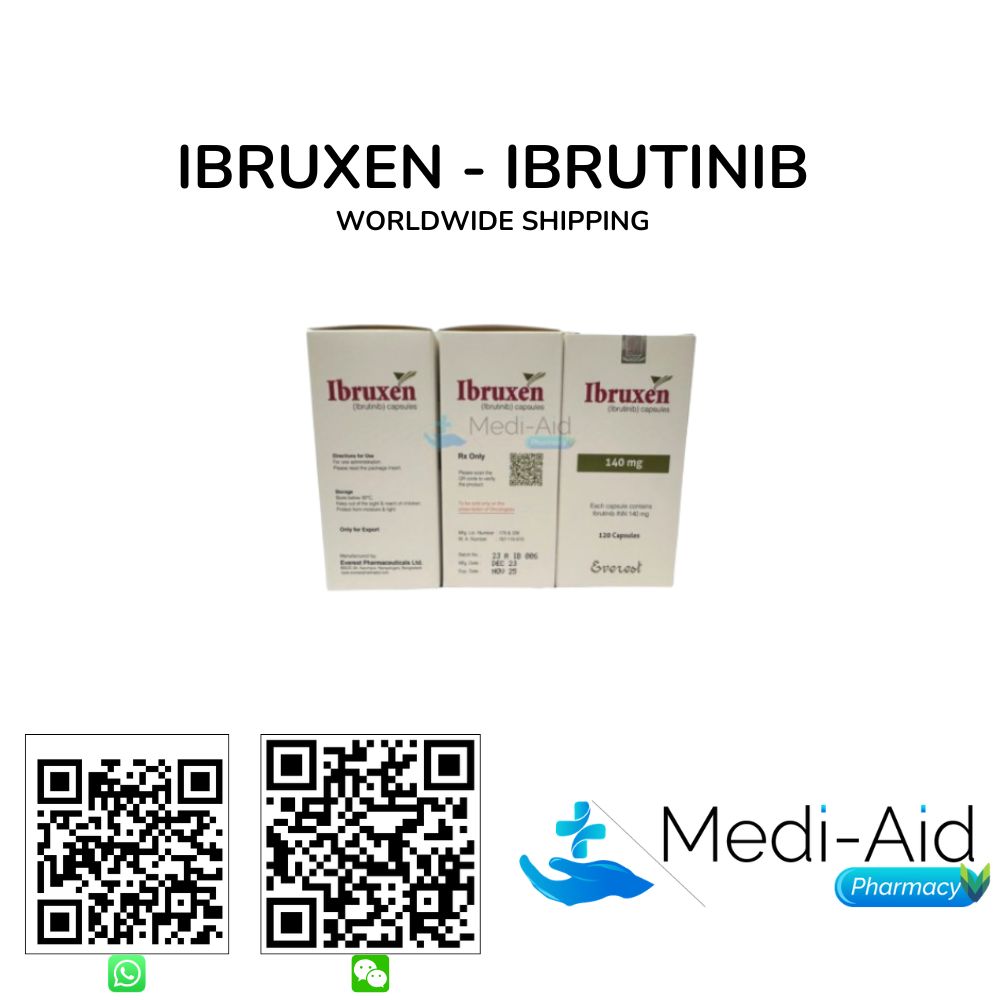
Ibruxen 140 MG (Ibrutinib)
Product Name : Ibruxen
Generic Name : Ibrutinib
Formulation : Capsule
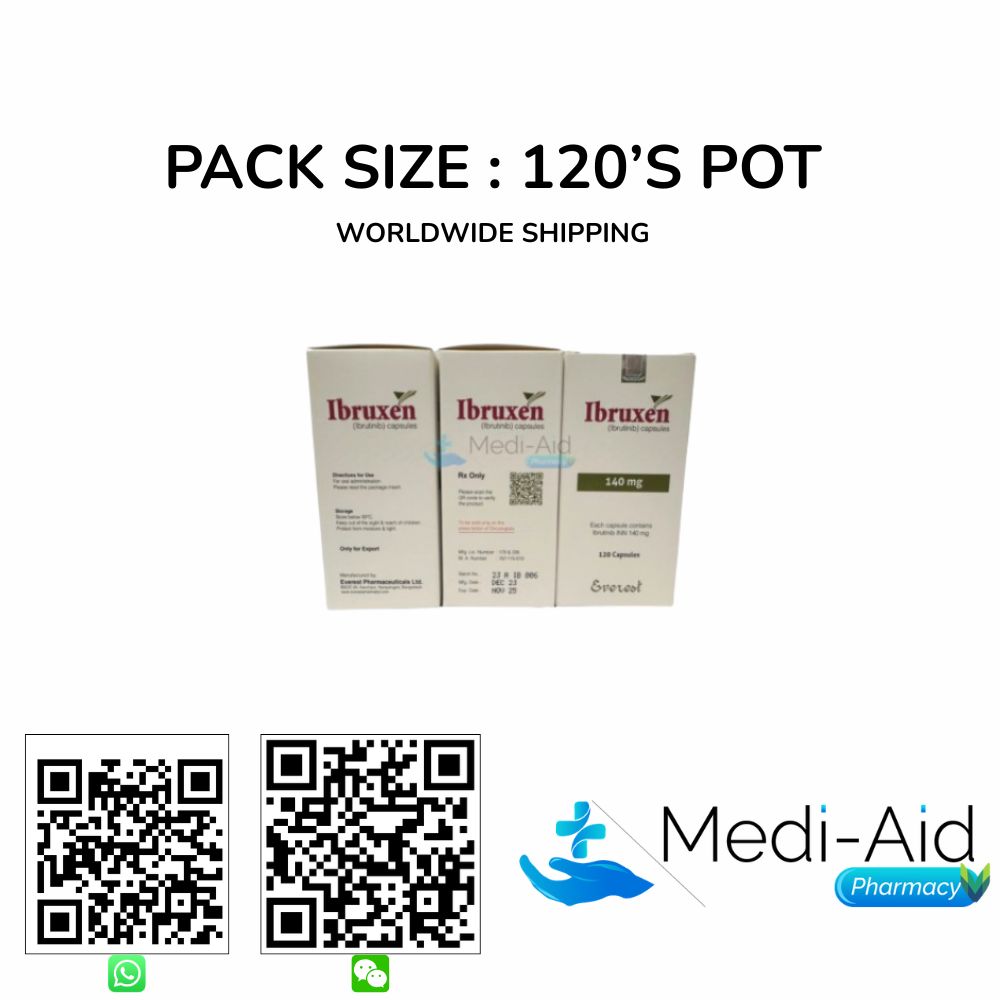
Available Pack Size : 120’s
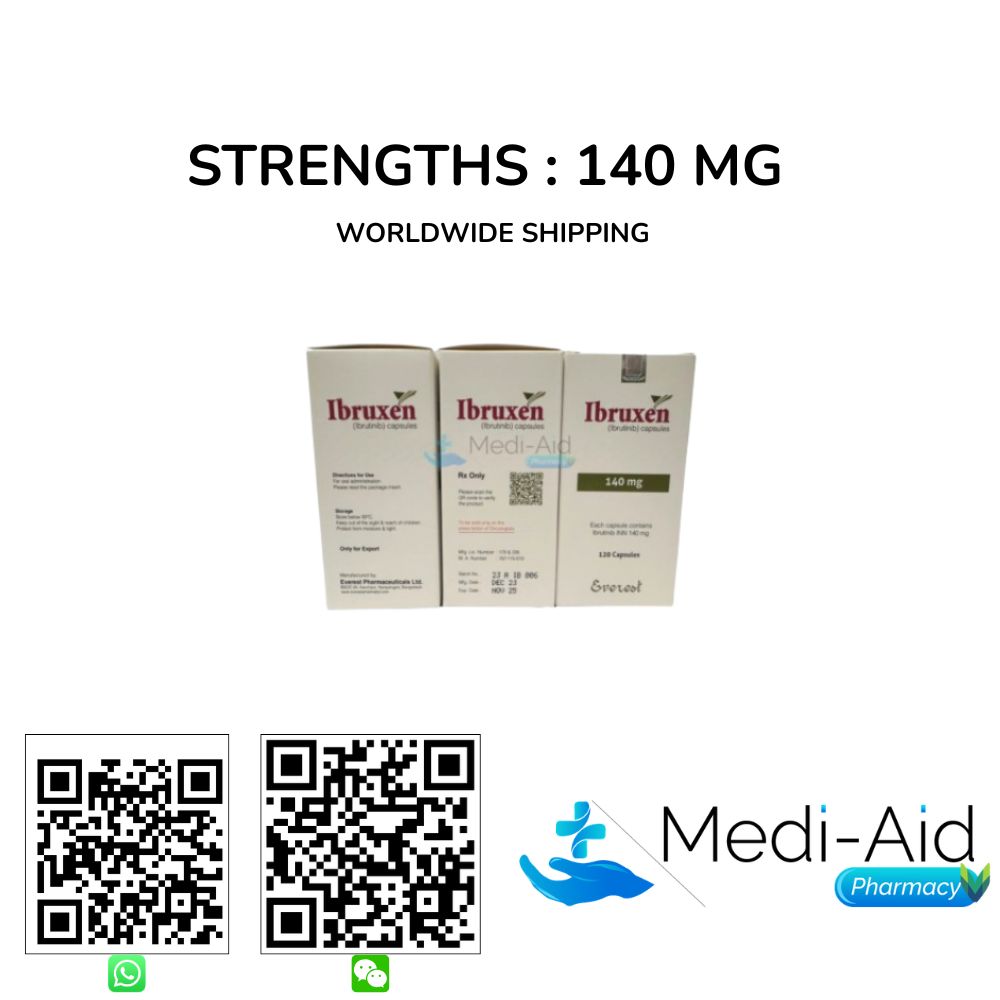
Available Strengths : 140 mg
Registrations : Bangladesh

Product Information
Ibruxen 140 MG (Ibrutinib) is a first-in-class, covalent Bruton’s tyrosine kinase (BTK) inhibitor that permanently inactivates BTK the master signalling kinase of the B-cell antigen receptor (BCR) pathway by forming an irreversible covalent bond with the cysteine-481 (Cys481) residue in the BTK ATP-binding site. By permanently blocking BTK-mediated downstream signalling through PLCγ2, PI3K/AKT, NF-κB, and ERK pathways, ibrutinib eliminates the survival, proliferation, and trafficking signals on which malignant B-cells depend, producing deep and durable responses across a broad spectrum of B-cell malignancies. Ibruxen 140 MG Ibrutinib is approved for adults with chronic lymphocytic leukemia (CLL) and small lymphocytic lymphoma (SLL) including high-risk del(17p) and TP53-mutated disease relapsed or refractory mantle cell lymphoma (MCL), Waldenström’s macroglobulinemia (WM), relapsed or refractory marginal zone lymphoma (MZL), and chronic graft-versus-host disease (cGVHD) after failure of prior systemic therapy. As part of Mediaid Pharmacy’s comprehensive oncology and specialty medicines portfolio, Ibruxen 140 MG gives patients and haematologists access to internationally validated, first-in-class BTK inhibitor therapy. Ibruxen 140 MG capsules are registered in Bangladesh and globally supplied by Mediaid Pharmacy with worldwide shipping.
Basic Product Information of Ibruxen 140 MG (Ibrutinib)
| Brand Name | Ibruxen 140 MG (Ibrutinib) |
| Generic Name | Ibrutinib |
| Drug Class | First-in-Class Covalent Bruton’s Tyrosine Kinase (BTK) Inhibitor / B-Cell Receptor (BCR) Signalling Pathway Inhibitor |
| Available Strength | 140 mg |
| Formulation | Capsule |
| Pack Size | 120 Capsules per Pack |
| Primary Indications | Chronic Lymphocytic Leukemia (CLL) / Small Lymphocytic Lymphoma (SLL); Mantle Cell Lymphoma (MCL); Waldenström’s Macroglobulinemia (WM); Marginal Zone Lymphoma (MZL); Chronic Graft-versus-Host Disease (cGVHD) |
| Regulatory Approvals | USFDA Approved (CLL/SLL, MCL, WM, MZL, cGVHD). EMA Approved. |
| Originator Brand | Imbruvica (ibrutinib) by AbbVie / Janssen (Johnson & Johnson) |
| Global Supplier | Mediaid Pharmacy Worldwide Shipping Available |
| Registration | Bangladesh |
| Storage Conditions | Store below 30°C in a dry place away from direct light and moisture. Keep out of the reach of children. |
How Ibruxen 140 MG Works Covalent BTK Inhibition and BCR Signalling Blockade
Ibrutinib, the active ingredient in Ibruxen 140 MG, is a first-in-class, small-molecule, covalent Bruton’s tyrosine kinase (BTK) inhibitor that targets BTK the critical non-receptor tyrosine kinase positioned immediately downstream of the B-cell antigen receptor (BCR) and cytokine receptor signalling networks. Ibrutinib forms a selective, irreversible covalent bond with the cysteine-481 (Cys481) residue in the ATP-binding domain of BTK, permanently inactivating BTK kinase activity in each exposed B-cell. Because this bond is irreversible, recovery of BTK signalling depends entirely on de novo BTK protein synthesis rather than drug dissociation, producing sustained suppression of BCR signalling that outlasts the plasma half-life of ibrutinib itself. Malignant B-cell lineages most dependent on constitutive BTK activity including chronic lymphocytic leukemia (CLL), mantle cell lymphoma (MCL), Waldenström’s macroglobulinemia (WM), marginal zone lymphoma (MZL), and certain B-cell non-Hodgkin lymphomas are characterised by pathological amplification of BCR signalling that ibrutinib dismantles at its primary intracellular node.
Ibrutinib’s covalent BTK blockade prevents activation of multiple downstream oncogenic signalling cascades including PLCγ2-mediated calcium mobilisation, PI3K/AKT-mediated pro-survival signalling, NF-κB transcriptional activation, and ERK-mediated proliferative signalling. Collectively, these effects abolish the BCR-driven proliferation, survival, and homing signals that sustain malignant B-cells within the bone marrow and lymph node microenvironments. Ibrutinib additionally disrupts integrin-mediated adhesion and CXCL12/CXCR4 chemotactic signalling, which mobilises malignant B-cells out of protective bone marrow and lymph node niches into the peripheral circulation a pharmacological effect that initially elevates the peripheral lymphocyte count (treatment-related lymphocytosis) before B-cell elimination proceeds, and which haematologists must distinguish from true disease progression. A key clinical advantage of ibrutinib is its efficacy in del(17p) and TP53-mutated CLL the highest-risk cytogenetic subgroup in which chemoimmunotherapy produces minimal durable responses because ibrutinib’s BCR signalling mechanism is entirely independent of p53-mediated apoptotic pathways. Haematologists managing patients across the full spectrum of B-cell malignancies can source Ibruxen 140 MG alongside comprehensive haematology and oncology agents through Mediaid Pharmacy’s oncology medicines catalogue.
In the landmark RESONATE-2 trial in treatment-naive CLL patients aged ≥65 years, ibrutinib reduced the risk of disease progression or death by 84% versus chlorambucil (hazard ratio 0.161, p<0.001), with a median progression-free survival (PFS) that was not reached for ibrutinib versus 18.9 months for chlorambucil; the overall response rate (ORR) was 86% versus 35%. In the RESONATE trial in relapsed or refractory CLL and SLL, ibrutinib reduced the risk of progression or death by 88% versus ofatumumab (HR 0.145, p<0.001) and reduced the risk of death by 43% (OS HR 0.434). In the RAY trial in relapsed or refractory mantle cell lymphoma, ibrutinib achieved a median PFS of 14.6 months versus 6.2 months for temsirolimus (HR 0.43, p<0.0001) with an ORR of 72% versus 40%. In the iNNOVATE trial in Waldenström’s macroglobulinemia, ibrutinib plus rituximab produced a major response rate of 72% versus 32% for rituximab alone (p<0.0001) with a 30-month PFS rate of 82% versus 28% (HR 0.20).
Approved Indications for Ibruxen 140 MG (Ibrutinib)
Ibruxen 140 MG (Ibrutinib) is indicated across five distinct B-cell malignancy and immune disease settings where covalent BTK inhibition delivers clinically significant, durable outcomes:
|
Chronic Lymphocytic Leukemia (CLL) / Small Lymphocytic Lymphoma (SLL) Including del(17p) USFDA and EMA approved for adult patients with CLL or SLL, both as first-line therapy and in the relapsed or refractory setting. Ibrutinib is the only BTK inhibitor with established efficacy data across both treatment-naive and previously treated CLL, including patients with high-risk del(17p) and TP53 mutation a subgroup in which chemoimmunotherapy produces uniformly poor and short-lived responses. The RESONATE-2 trial demonstrated an 84% reduction in progression risk versus chlorambucil in treatment-naive patients (HR 0.161), and RESONATE demonstrated an 88% reduction versus ofatumumab in relapsed disease (HR 0.145). |
Mantle Cell Lymphoma (MCL) Relapsed or Refractory After ≥1 Prior Therapy USFDA and EMA approved for adult patients with mantle cell lymphoma (MCL) who have received at least one prior line of therapy. MCL is an aggressive B-cell non-Hodgkin lymphoma driven by t(11;14) cyclin D1 overexpression that relies heavily on constitutive BCR/BTK signalling for survival. In the RAY phase III trial, ibrutinib achieved a median PFS of 14.6 months versus 6.2 months for temsirolimus (HR 0.43, p<0.0001), with an ORR of 72% versus 40% and an OS hazard ratio of 0.68, establishing ibrutinib as the standard second-line oral therapy for MCL at the standard dose of 560 mg once daily (four 140 mg Ibruxen capsules). |
|
Waldenström’s Macroglobulinemia (WM) Treatment-Naive and Relapsed/Refractory USFDA and EMA approved for adult patients with Waldenström’s macroglobulinemia (WM), an indolent lymphoplasmacytic lymphoma characterised by monoclonal IgM secretion and frequent MYD88 L265P somatic mutation a mutation that drives constitutive NF-κB activation through BTK. In the iNNOVATE trial, ibrutinib plus rituximab produced a major response rate of 72% versus 32% for rituximab alone (p<0.0001) and a 30-month PFS of 82% versus 28% (HR 0.20), establishing ibrutinib-based therapy as the reference standard for both first-line and relapsed WM at 420 mg once daily (three 140 mg Ibruxen capsules). |
Marginal Zone Lymphoma (MZL) & Chronic Graft-versus-Host Disease (cGVHD) USFDA approved for adult patients with relapsed or refractory marginal zone lymphoma (MZL) after at least one prior anti-CD20-based therapy a phase II study demonstrated an ORR of 48% and a median PFS of 14.2 months with ibrutinib 560 mg daily. Ibrutinib is also USFDA approved for chronic graft-versus-host disease (cGVHD) in adult and paediatric patients (≥1 year) after failure of one or more prior systemic therapies in the iNNO3 study, ibrutinib produced an ORR of 67%, including complete responses in 21% of patients, with sustained response at 12 months in 69% of responders at 420 mg daily. |
Key Clinical Benefits of Ibruxen 140 MG (Ibrutinib)
|
84% PFS Reduction in Treatment-Naive CLL RESONATE-2 Trial In the RESONATE-2 phase III trial of treatment-naive CLL patients aged ≥65 years, ibrutinib reduced the risk of disease progression or death by 84% versus chlorambucil (HR 0.161, p<0.001), with a median PFS not reached versus 18.9 months for chlorambucil, and an ORR of 86% versus 35% establishing ibrutinib as the preferred first-line treatment for CLL in patients who are not candidates for FCR chemoimmunotherapy. |
88% Reduction in Relapsed CLL Progression Risk RESONATE Trial In the RESONATE phase III trial of relapsed or refractory CLL and SLL, ibrutinib reduced the risk of disease progression or death by 88% versus ofatumumab (HR 0.145, p<0.001), with an ORR of 83% versus 4% and an OS hazard ratio of 0.434 a 43% reduction in the risk of death that established ibrutinib as the benchmark second-line oral therapy for relapsed B-cell leukemia/lymphoma. |
MCL PFS 14.6 vs 6.2 Months RAY Phase III Trial In the RAY phase III trial of relapsed or refractory mantle cell lymphoma, ibrutinib delivered a median PFS of 14.6 months versus 6.2 months for temsirolimus (HR 0.43, p<0.0001) and an ORR of 72% versus 40%, more than doubling both response rate and time to progression the largest single-agent PFS improvement demonstrated in relapsed MCL at the time of approval. |
|
WM Major Response Rate 72% vs 32% iNNOVATE Trial In the iNNOVATE phase III trial of Waldenström’s macroglobulinemia, ibrutinib plus rituximab produced a major response rate of 72% versus 32% for rituximab alone (p<0.0001), with a 30-month PFS rate of 82% versus 28% (HR 0.20) a 4-fold improvement in progression-free survival that transformed WM management for both treatment-naive and relapsed patients. |
Active in del(17p) / TP53-Mutated CLL Where Chemoimmunotherapy Fails Ibrutinib retains full clinical efficacy in del(17p) and TP53-mutated CLL the highest-risk cytogenetic subgroup in which chemoimmunotherapy (FCR, BR) produces median PFS of typically <12 months and has no curative role. Because ibrutinib’s BTK-dependent mechanism is entirely independent of p53-mediated apoptosis, ibrutinib is the preferred frontline oral treatment option for all CLL patients with del(17p) or TP53 mutation. |
120-Capsule Pack Once-Daily Oral Therapy, No IV Infusion Required Ibrutinib is administered orally once daily, eliminating intravenous chemotherapy infusion visits. The 120-capsule Ibruxen pack provides a full 30-day supply for MCL and MZL patients at 560 mg daily (4 capsules/day), and a 40-day supply for CLL, WM, and cGVHD patients at 420 mg daily (3 capsules/day) supporting both monthly dispensing cycles and extended-supply management for haematology outpatients. |
How to Take Ibruxen 140 MG (Ibrutinib) Dosage Guidelines
Route of Administration: Oral (taken by mouth) once daily, at approximately the same time each day, with a glass of water. Ibruxen 140 MG capsules may be taken with or without food and must be swallowed whole they must not be opened, broken, or chewed. If a dose is missed, patients should take it as soon as remembered on the same day; if it is not remembered until the following day, skip the missed dose and resume the next scheduled dose. Do not take extra capsules to make up for a missed dose.
CLL / SLL 420 mg Once Daily: Three Ibruxen 140 mg capsules once daily. This is the recommended dose for both treatment-naive and relapsed or refractory CLL and SLL, including patients with del(17p) or TP53 mutation. The 120-capsule Ibruxen pack provides a 40-day supply at this dose. Continue treatment until disease progression or unacceptable toxicity.
Mantle Cell Lymphoma (MCL) 560 mg Once Daily: Four Ibruxen 140 mg capsules once daily. The 120-capsule Ibruxen pack provides exactly a 30-day supply at this dose. Treatment continues until disease progression or unacceptable toxicity.
Waldenström’s Macroglobulinemia (WM) 420 mg Once Daily: Three Ibruxen 140 mg capsules once daily, administered alone or in combination with rituximab per the prescribing haematologist’s treatment plan. Ibrutinib has demonstrated durable responses in both MYD88 L265P-mutated and MYD88 wild-type WM.
Marginal Zone Lymphoma (MZL) 560 mg Once Daily: Four Ibruxen 140 mg capsules once daily, following at least one prior anti-CD20-based therapy. Continue until disease progression or unacceptable toxicity.
Chronic Graft-versus-Host Disease (cGVHD) 420 mg Once Daily (Adults): Three Ibruxen 140 mg capsules once daily in adult patients after failure of one or more prior lines of systemic therapy. Discontinue ibrutinib for cGVHD if the underlying malignancy relapses, when cGVHD no longer requires treatment, or for unacceptable toxicity.
Strong CYP3A4 Inhibitor Co-Administration: Reduce the Ibruxen dose to 140 mg once daily (one capsule) when co-administered with a strong CYP3A4 inhibitor such as ketoconazole, itraconazole, voriconazole, posaconazole, clarithromycin, or ritonavir. Avoid grapefruit and grapefruit juice throughout therapy. Resume the indication-appropriate dose 2–3 days after the strong CYP3A4 inhibitor is discontinued.
Moderate CYP3A4 Inhibitor Co-Administration: Reduce the Ibruxen dose to 280 mg once daily (two capsules) when co-administered with a moderate CYP3A4 inhibitor such as diltiazem, verapamil, erythromycin, or fluconazole. Resume the prior dose 2–3 days after the moderate CYP3A4 inhibitor is discontinued.
Hepatic Impairment and Toxicity-Driven Dose Reductions: Reduce the Ibruxen dose to 140 mg once daily for mild hepatic impairment (Child-Pugh A); to 70 mg once daily for moderate hepatic impairment (Child-Pugh B); avoid in severe hepatic impairment (Child-Pugh C). For Grade 3 or higher non-haematologic toxicity, Grade 3 or higher neutropenia with infection or fever, or Grade 4 haematologic toxicity, interrupt ibrutinib; upon resolution to Grade 1 or baseline, restart at the same dose. For a first recurrence, reduce the dose by 140 mg; for a second recurrence, reduce by a further 140 mg; permanently discontinue after a third recurrence. Strong CYP3A4 inducers including rifampicin, phenytoin, carbamazepine, and St. John’s Wort must be avoided, as they reduce ibrutinib plasma exposure by up to 10-fold.
Clinical Monitoring Requirements During Ibruxen (Ibrutinib) Treatment
Systematic clinical monitoring is mandatory before initiating and throughout the course of Ibruxen (Ibrutinib) treatment. Before starting therapy, haematologists must assess baseline complete blood count (CBC) with differential, comprehensive metabolic panel including liver function tests (ALT, AST, bilirubin, alkaline phosphatase), renal function (serum creatinine, eGFR), cardiac history (atrial fibrillation or flutter, valvular heart disease, prior cardiac events), blood pressure, and bleeding history. Ibrutinib is not recommended in patients with severe hepatic impairment (Child-Pugh C); patients requiring anticoagulation with warfarin or other vitamin K antagonists require careful assessment, as the combination increases haemorrhagic risk and warfarin must not be co-administered with ibrutinib per many institutional protocols.
During treatment, complete blood counts are performed monthly or more frequently during the first 6 months and every 1–3 months thereafter; Grade 3–4 neutropenia or thrombocytopenia requires dose interruption per the dose modification guidelines. Blood pressure must be monitored throughout therapy, as Grade 3 or higher hypertension has been reported in up to 17% of ibrutinib-treated patients; antihypertensive therapy should be initiated promptly when indicated. Cardiac rhythm monitoring with 12-lead ECG is performed at baseline in patients with pre-existing cardiac risk factors, and immediately in any patient who develops new-onset palpitations, dyspnoea, or presyncope during ibrutinib treatment, as atrial fibrillation and flutter occur in up to 11% of patients and require prompt cardiological evaluation and management. Liver function tests are assessed monthly for the first 3 months and periodically thereafter; dose modification or discontinuation is required for significant hepatotoxicity. Treatment-related lymphocytosis a transient, reversible rise in circulating CLL or MCL cells during the first 1–3 months of ibrutinib therapy due to mobilisation of malignant B-cells from lymphoid tissue must be monitored and distinguished from progressive disease; lymphocytosis alone, without other signs of progression, does not warrant treatment discontinuation. Patients must avoid elective surgery for at least 3–7 days before and after ibrutinib therapy to minimise peri-operative bleeding risk.
Drug Interactions and Important Safety Information for Ibruxen (Ibrutinib)
Strong CYP3A4 inhibitors including ketoconazole, itraconazole, voriconazole, posaconazole, clarithromycin, telithromycin, ritonavir, indinavir, cobicistat, and grapefruit/grapefruit juice substantially increase ibrutinib plasma exposure and must be avoided during Ibruxen treatment wherever clinically possible. When short-term co-administration with a strong CYP3A4 inhibitor cannot be avoided, the Ibruxen dose must be reduced to 140 mg once daily (one capsule) with clinical vigilance for toxicity amplification; the indication-appropriate dose is resumed 2–3 days after the inhibitor is discontinued. Strong CYP3A4 inducers including rifampicin, carbamazepine, phenytoin, phenobarbital, and St. John’s Wort (Hypericum perforatum) reduce ibrutinib plasma concentrations by up to 10-fold and must be strictly avoided throughout the course of Ibruxen therapy; where an anti-infective is required, rifabutin has a substantially lower CYP3A4 induction potential and may be considered as an alternative. Moderate CYP3A4 inhibitors including diltiazem, verapamil, dronedarone, erythromycin, and fluconazole require an ibrutinib dose reduction to 280 mg once daily (two capsules); resume the prior dose 2–3 days after discontinuation.
Ibrutinib inhibits P-glycoprotein (P-gp) and Breast Cancer Resistance Protein (BCRP) at clinically relevant concentrations. Co-administration with P-gp or BCRP substrates with a narrow therapeutic index including digoxin, colchicine, topotecan, and methotrexate may increase the plasma concentrations and toxicity risk of these agents; administer the P-gp or BCRP substrate at least 6 hours before ibrutinib and monitor for toxicity. Anticoagulant and antiplatelet agents substantially increase the risk of haemorrhage when combined with ibrutinib; warfarin and other vitamin K antagonists must not be co-administered with ibrutinib per the prescribing reference label; antiplatelet agents including aspirin, clopidogrel, and NSAIDs carry additive haemorrhagic risk and should be used only when the clinical benefit clearly outweighs the bleeding hazard, with active monitoring. Proton pump inhibitors (PPIs) reduce ibrutinib absorption; where acid suppression is required, H2 receptor antagonists taken at least 2 hours before or 10 hours after ibrutinib are preferred over PPIs. All patients must disclose all medications, over-the-counter agents, herbal supplements, and dietary habits particularly grapefruit consumption to their haematologist before starting Ibruxen therapy.
Side Effects and Precautions of Ibruxen 140 MG (Ibrutinib)
|
Common Side Effects Diarrhoea (reported in up to 63% of CLL/SLL patients in clinical trials) Fatigue and asthenia Musculoskeletal pain, arthralgia, and myalgia Bruising and petechiae (ecchymosis) common due to platelet function inhibition Nausea and vomiting Upper respiratory tract infections and sinusitis Rash and skin reactions including dermatitis Constipation Peripheral oedema and fluid retention Treatment-related lymphocytosis (transient B-cell mobilisation not disease progression) |
Serious Warnings and Precautions Haemorrhage serious and fatal bleeding events including subdural haematoma and intracranial bleeding reported; risk is substantially increased with concurrent anticoagulant or antiplatelet therapy. Withhold ibrutinib at least 3–7 days before and after surgery. Serious Infections fatal cases of bacterial, viral, and fungal infection including pneumonia, septicaemia, and Pneumocystis jirovecii pneumonia (PJP) reported; prophylaxis for PJP and fungal infections is recommended in high-risk patients. Atrial Fibrillation / Atrial Flutter reported in up to 11% of patients, with higher rates in patients with prior cardiac history or hypertension; promptly evaluate and manage new-onset palpitations or dyspnoea. Severe Cytopenias Grade 3–4 neutropenia (18–29% of patients), thrombocytopenia, and anaemia reported; CBC monitoring is mandatory throughout therapy. Hypertension Grade 3 or higher hypertension in up to 17% of patients; blood pressure must be monitored and managed actively throughout treatment. Second Primary Malignancies non-melanoma skin cancers and other carcinomas reported; annual skin examinations are recommended for all ibrutinib-treated patients. Embryo-Fetal Toxicity ibrutinib may cause fetal harm; female patients must use effective contraception during treatment and for 1 month after the final dose. Not recommended during pregnancy or breastfeeding. |
Who Should Use Ibruxen 140 MG (Ibrutinib)?
Ibruxen 140 MG (Ibrutinib) is indicated for adult patients across five haematologic malignancy and immune disease settings: adults with chronic lymphocytic leukemia (CLL) or small lymphocytic lymphoma (SLL) in both the treatment-naive and relapsed or refractory settings, including those with del(17p) or TP53 mutation; adults with relapsed or refractory mantle cell lymphoma (MCL) after at least one prior therapy; adults with Waldenström’s macroglobulinemia (WM) treatment-naive or relapsed; adults with relapsed or refractory marginal zone lymphoma (MZL) after at least one prior anti-CD20-based regimen; and adult patients with chronic graft-versus-host disease (cGVHD) after failure of one or more prior systemic therapies. Patients must have confirmed histological diagnosis of the relevant B-cell malignancy or donor-derived cGVHD assessment prior to initiating Ibruxen therapy. Patients with a prior history of atrial fibrillation, cardiac failure, uncontrolled hypertension, active major bleeding, or severe hepatic impairment require individualized benefit-risk assessment by the prescribing haematologist before Ibruxen initiation. Ibruxen is prescribed exclusively by haematologists and medical oncologists with expertise in B-cell malignancy management and BTK inhibitor therapy. For institutions and healthcare distributors requiring a complete portfolio of targeted haematology and oncology treatments including CD20 antibodies, venetoclax, PI3K inhibitors, and immunomodulatory agents used alongside ibrutinib in CLL, MCL, WM, and MZL Mediaid Pharmacy’s oncology specialty medicines portfolio provides a comprehensive range of precision cancer treatments sourced from verified international manufacturers.
Global Supplier: Mediaid Pharmacy Worldwide Shipping for Ibruxen 140 MG (Ibrutinib)
Mediaid Pharmacy is a trusted global supplier of specialty oncology and targeted haematology medications, supplying Ibruxen 140 MG (Ibrutinib) with reliable worldwide shipping to South Asia, the Middle East, Africa, Southeast Asia, Europe, and beyond. Ibruxen 140 MG is registered in Bangladesh and supplied in a 120-capsule pack, providing a full 30-day dispensing cycle for MCL and MZL patients at 560 mg daily, and a 40-day supply for CLL, WM, and cGVHD patients at 420 mg daily. Our specialist team provides complete order support including pricing quotations, stock availability confirmation, regulatory and import documentation, and end-to-end international delivery tracking. Contact Mediaid Pharmacy directly via WhatsApp, phone, or WeChat for all enquiries regarding Ibruxen 140 MG (Ibrutinib) availability, pricing, and international delivery to your country.
Why Choose Ibruxen 140 MG (Ibrutinib) from Mediaid Pharmacy?
Ibruxen 140 MG represents a clinically proven and globally accessible ibrutinib formulation for patients with CLL/SLL, MCL, WM, MZL, and cGVHD five haematologic malignancy and immune disease indications for which ibrutinib has demonstrated statistically significant, clinically meaningful response rates and survival improvements across multiple randomised phase III trials including RESONATE, RESONATE-2, RAY, and iNNOVATE. The 120-capsule Ibruxen pack is specifically designed to cover the complete dosing requirements of all approved ibrutinib indications: it provides an exact 30-day supply for MCL and MZL patients at 560 mg daily (4 capsules/day × 30 days = 120 capsules) and a 40-day supply for CLL, WM, and cGVHD patients at 420 mg daily (3 capsules/day × 40 days = 120 capsules) minimising dispensing gaps and supporting uninterrupted continuity of daily oral therapy. A single 140 mg capsule strength executed across the full ibrutinib dose range (140 mg for strong CYP3A4 inhibitor co-administration, 280 mg for moderate CYP3A4 inhibitor co-administration, 420 mg for CLL/WM/cGVHD, and 560 mg for MCL/MZL) simplifies both dispensing and dose modification management without requiring multiple capsule strengths or tablet splitting. Distributed globally by Mediaid Pharmacy with worldwide shipping, Ibruxen 140 MG gives patients and haematology teams in both established and emerging healthcare markets access to the first-in-class, covalent BTK inhibitor that transformed the treatment landscape across all major B-cell malignancies. For oncology centres and importers requiring a full range of B-cell malignancy therapeutics and targeted oncology agents, Mediaid Pharmacy’s oncology medicines section provides a complete portfolio of specialty cancer treatments sourced from verified manufacturers. For any haematologist or oncology institution seeking a proven, accessible, and precisely dosed ibrutinib option, Ibruxen 140 MG from Mediaid Pharmacy is the trusted clinical choice.
Frequently Asked Questions About Ibruxen 140 MG (Ibrutinib)
What is Ibruxen 140 MG (Ibrutinib) used for?
Ibruxen 140 MG is a first-in-class covalent Bruton’s tyrosine kinase (BTK) inhibitor approved for adult patients with chronic lymphocytic leukemia (CLL) or small lymphocytic lymphoma (SLL) including high-risk del(17p) and TP53-mutated disease relapsed or refractory mantle cell lymphoma (MCL), Waldenström’s macroglobulinemia (WM), relapsed or refractory marginal zone lymphoma (MZL), and chronic graft-versus-host disease (cGVHD) after failure of prior systemic therapy. Ibrutinib permanently inactivates BTK by forming an irreversible covalent bond with the Cys481 residue, blocking B-cell antigen receptor (BCR) signalling cascades that sustain malignant B-cell survival, proliferation, and trafficking.
What is the correct dose of Ibruxen 140 MG (Ibrutinib) for CLL and MCL?
The recommended dose of Ibruxen (Ibrutinib) for CLL and SLL is 420 mg orally once daily (three 140 mg Ibruxen capsules). For mantle cell lymphoma (MCL) and marginal zone lymphoma (MZL), the recommended dose is 560 mg orally once daily (four 140 mg Ibruxen capsules). For Waldenström’s macroglobulinemia (WM) and chronic graft-versus-host disease (cGVHD), the dose is 420 mg once daily. All doses are taken with a glass of water, with or without food, at approximately the same time each day. Always follow your prescribing haematologist’s exact instructions.
Why does the Ibruxen 140 MG pack contain 120 capsules?
The 120-capsule Ibruxen pack size is specifically calibrated to serve the two primary ibrutinib dosing regimens: it provides a full 30-day supply for MCL and MZL patients on 560 mg daily (4 capsules/day × 30 days = 120 capsules), and a 40-day supply for CLL, SLL, WM, and cGVHD patients on 420 mg daily (3 capsules/day × 40 days = 120 capsules). This design minimises dispensing frequency, supports uninterrupted chronic daily therapy, and ensures that a single pack covers the standard monthly dispensing cycle across all higher-dose indications.
Is Ibruxen (Ibrutinib) effective in CLL with del(17p) or TP53 mutation?
Yes. Ibrutinib is the preferred frontline oral BTK inhibitor for CLL patients with del(17p) or TP53 mutation, because ibrutinib’s BTK-dependent mechanism of action is entirely independent of p53-mediated apoptosis. Chemoimmunotherapy regimens (FCR, BR, chlorambucil-obinutuzumab) produce uniformly poor and short-lived responses in del(17p) CLL typically median PFS of <12 months whereas ibrutinib achieves durable clinical responses in del(17p)-positive patients consistent with the overall CLL population. Haematologists should test for del(17p) and TP53 mutation status at CLL diagnosis and at each relapse to inform treatment sequencing decisions.
What is treatment-related lymphocytosis with ibrutinib, and is it dangerous?
Treatment-related lymphocytosis is a predictable, reversible increase in the absolute lymphocyte count (ALC) that occurs in most CLL and some MCL patients during the first 1–3 months of ibrutinib therapy. It is caused by ibrutinib’s disruption of integrin-mediated adhesion and CXCL12/CXCR4 chemotactic signalling, which mobilises malignant B-cells out of bone marrow and lymph node reservoirs into the peripheral blood. Treatment-related lymphocytosis is not disease progression and does not require treatment discontinuation or dose modification; it resolves spontaneously in the majority of patients within 8–12 months as B-cell elimination proceeds. Haematologists must distinguish ibrutinib-induced lymphocytosis from true disease progression by clinical and radiological assessment rather than lymphocyte count alone.
What are the most serious side effects of Ibruxen (Ibrutinib)?
The most clinically serious adverse reactions with Ibruxen (Ibrutinib) include serious and potentially fatal haemorrhage including subdural haematoma and intracranial bleeding, particularly with concurrent anticoagulant therapy; fatal bacterial, viral, and fungal infections including pneumonia and septicaemia; atrial fibrillation and atrial flutter in up to 11% of patients requiring prompt cardiac management; Grade 3–4 neutropenia in 18–29% of patients, thrombocytopenia, and anaemia; Grade 3 or higher hypertension in up to 17% of patients; and second primary malignancies including non-melanoma skin cancers. All patients must have CBC monitoring, blood pressure assessment, and cardiac symptom surveillance throughout treatment.
Is Ibruxen (Ibrutinib) safe during pregnancy or while breastfeeding?
No. Ibrutinib may cause fetal harm based on its mechanism of action and animal reproductive toxicity data; it is not recommended during pregnancy. Female patients of childbearing potential must use effective contraception during Ibruxen treatment and for at least 1 month after the final dose. Male patients with female partners of childbearing potential should use effective contraception during treatment and for 1 month after the final dose. It is not known whether ibrutinib is excreted in human breast milk; breastfeeding is not recommended during ibrutinib treatment and for at least 1 week after the final dose. Consult your haematologist immediately if you are pregnant, planning to conceive, or currently breastfeeding before initiating Ibruxen therapy.
Can I order Ibruxen 140 MG (Ibrutinib) online with worldwide shipping?
Yes. Mediaid Pharmacy supplies Ibruxen 140 MG (Ibrutinib) to licensed importers, haematology hospitals, oncology centres, and registered healthcare distributors globally, in 120-capsule packs, with worldwide shipping. Contact Mediaid Pharmacy via WhatsApp, phone, or WeChat at +8801773428128, or send an email enquiry to info@mediaidpharmacy.com for pricing, stock availability, import documentation support, and international delivery details for your country.
Order Ibruxen 140 MG (Ibrutinib) with Worldwide Shipping
Phone / WhatsApp / WeChat: +8801773428128 | Email: info@mediaidpharmacy.com
Related products
-
Mavixen 100 MG / 40 MG (Glecaprevir / Pibrentasvir )
-
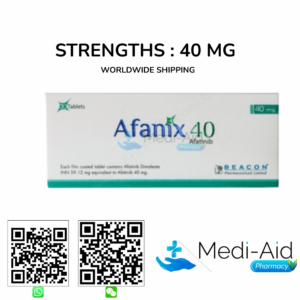
Afanix 40 MG (Afatinib)
-
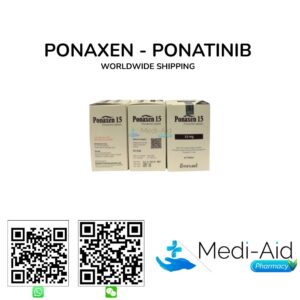
Ponaxen 15MG & 45MG (Ponatinib)
-
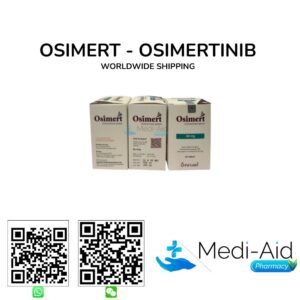
Osimert 80 MG (Osimertinib)
-

Sofoxen 400 MG (Sofosbuvir)
-
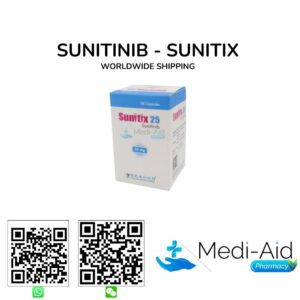
Sunitinib 50 MG (Sunitix)
-
Mezoxia 160 MG (Megestrol)
-
Velpanex 400 MG And 100 MG (Sofosbuvir)
-
Ibrutix 140 MG (Ibrutinib)
-
Lenvaxen 4 MG And 10 MG (Lenvatinib)