
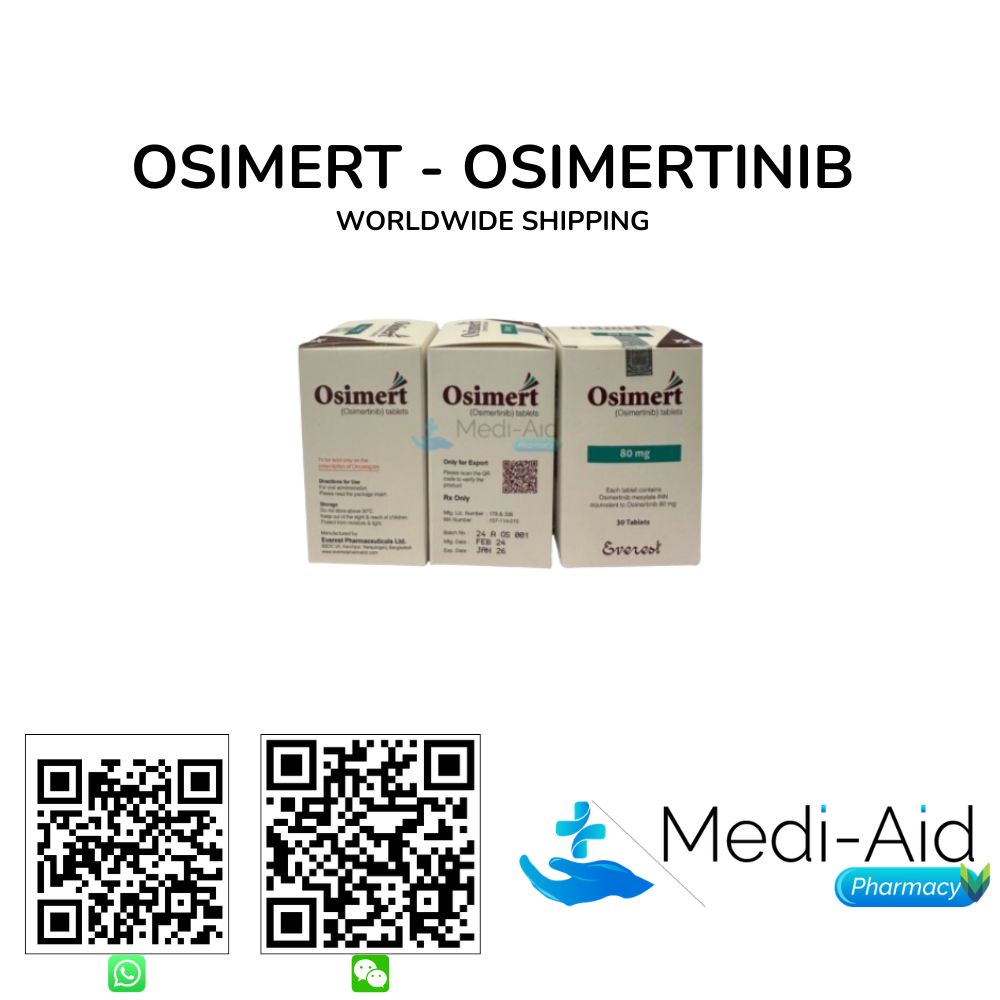
Osimert 80 MG (Osimertinib)
Product Name : Osimert
Generic Name : Osimertinib INN 80 mg
Formulation : Tablet
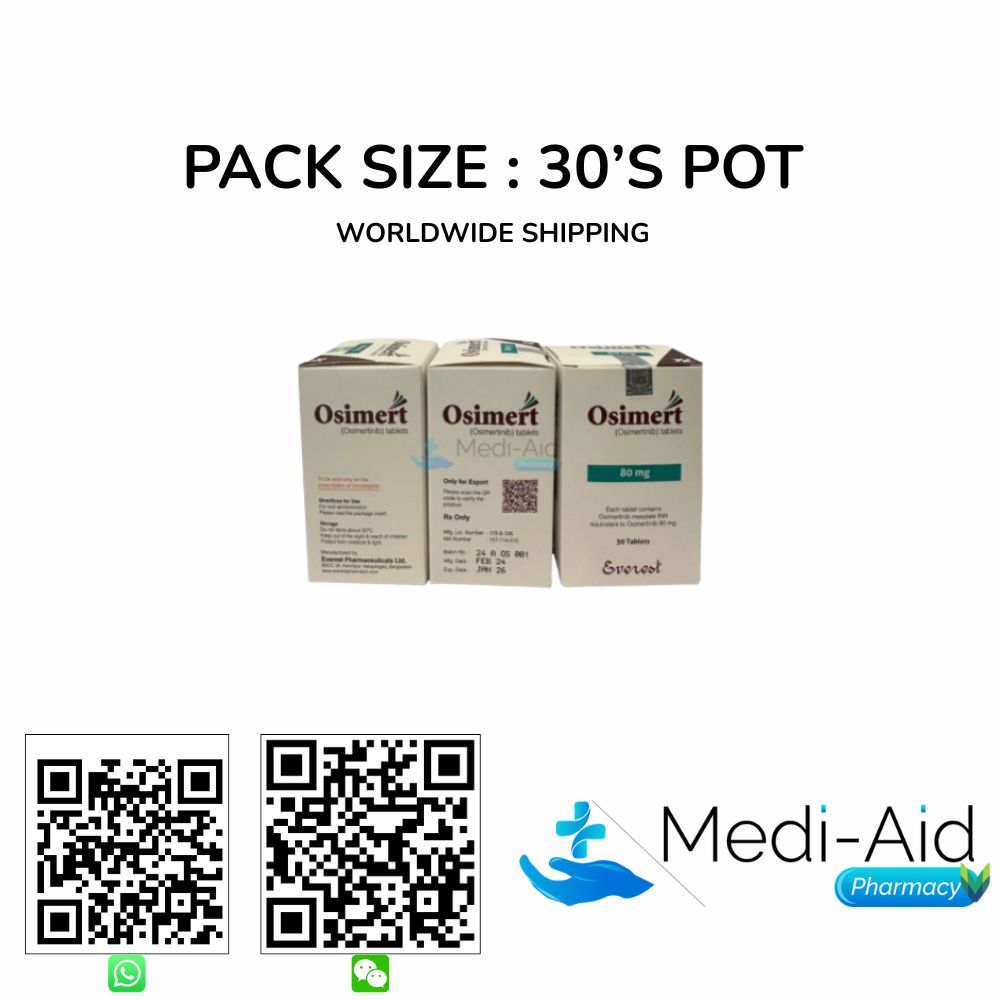
Available Pack Size : 30’s
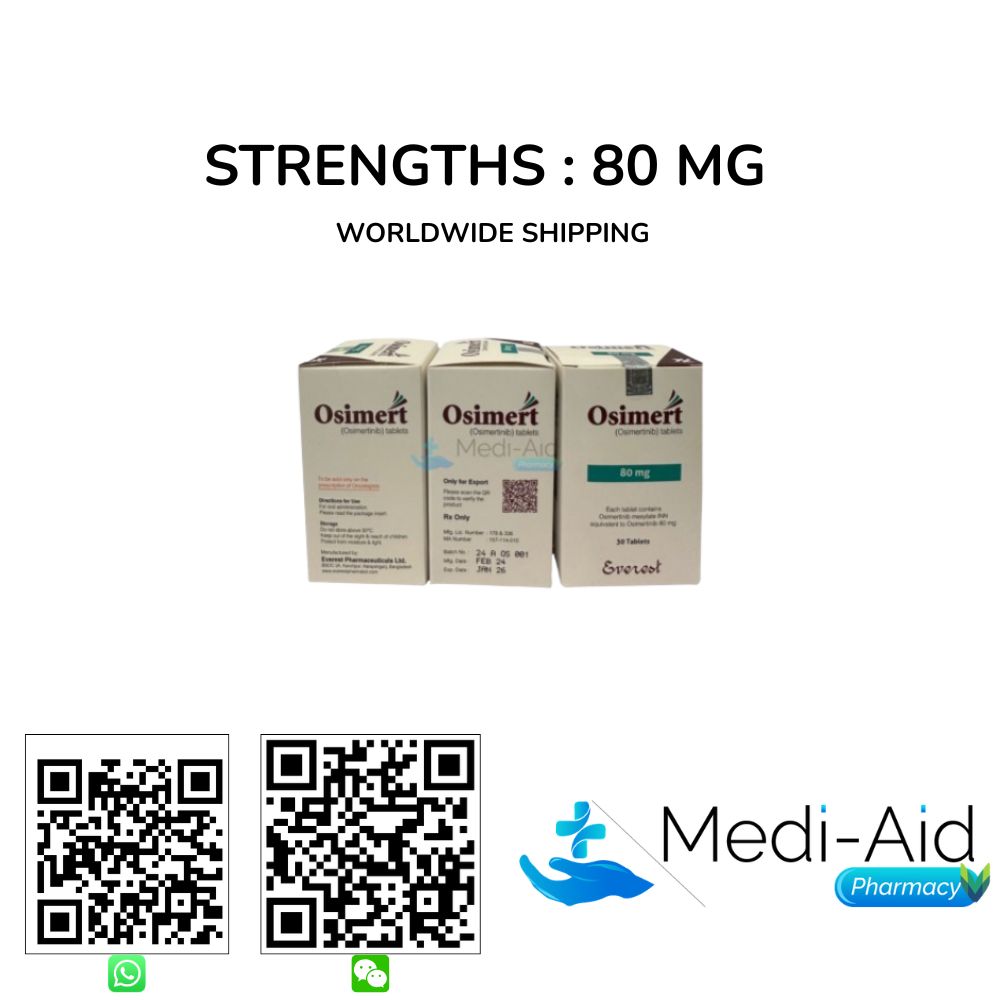
Available Strengths : 80 mg
Registrations : Export Only

Product Information
Osimert 80 MG (Osimertinib) is an oral third-generation, irreversible epidermal growth factor receptor (EGFR) tyrosine kinase inhibitor (TKI) supplied as 80 mg tablets in a 30’s pack and registered for export only. Its active ingredient, osimertinib, is a mono-anilino-pyrimidine compound that covalently and irreversibly binds to mutant EGFR, including the sensitizing mutations exon 19 deletions (Ex19del) and exon 21 L858R substitutions, as well as the acquired resistance mutation T790M, while sparing wild-type EGFR at clinically relevant concentrations. Osimert 80 MG is indicated for the first-line treatment of adult patients with locally advanced or metastatic non-small cell lung cancer (NSCLC) whose tumors harbor EGFR exon 19 deletions or exon 21 L858R mutations, for adjuvant treatment of patients with EGFR-mutated stage IB to IIIA NSCLC following complete tumor resection, and for the treatment of adults with locally advanced or metastatic EGFR T790M mutation-positive NSCLC whose disease progressed on prior EGFR-TKI therapy. Searching for Osimert 80 MG Osimertinib for international supply? Mediaid Pharmacy lists this product within its comprehensive oncology and specialty medicines portfolio, and ships it worldwide.
Basic Product Information of Osimert 80 MG (Osimertinib)
| Brand Name | Osimert 80 MG (Osimertinib) |
| Product Name | Osimert |
| Generic Name | Osimertinib INN 80 mg |
| Drug Class | Third-Generation EGFR Tyrosine Kinase Inhibitor (EGFR-TKI), Targeted Anticancer Therapy |
| Formulation | Tablet |
| Available Strengths | 80 mg |
| Available Pack Size | 30’s (30 tablets per pack) |
| Primary Indication | First-line treatment of adults with locally advanced or metastatic EGFR-mutated (Ex19del or L858R) NSCLC; adjuvant treatment of resected stage IB to IIIA EGFR-mutated NSCLC; treatment of locally advanced or metastatic EGFR T790M mutation-positive NSCLC after prior EGFR-TKI therapy |
| Registrations | Export Only |
| Originator Reference Brand | Tagrisso (osimertinib) by AstraZeneca |
| Global Supplier | Mediaid Pharmacy, Worldwide Shipping Available |
| Storage Conditions | Store in a dry place away from light and moisture, at the temperature printed on the pack. Keep out of the reach of children. |
How Osimert 80 MG (Osimertinib) Works: Third-Generation EGFR Inhibition Mechanism
Osimertinib, the active ingredient in Osimert 80 MG, is a third-generation, irreversible, mono-anilino-pyrimidine EGFR tyrosine kinase inhibitor (EGFR-TKI) that covalently binds to cysteine 797 (Cys797) in the ATP-binding pocket of the EGFR kinase domain. Under normal physiology, the epidermal growth factor receptor (EGFR) mediates cell proliferation and survival through ligand-dependent activation. When somatic mutations occur in the EGFR gene, including exon 19 deletions (Ex19del) and exon 21 L858R point mutations, the resulting mutant receptors are constitutively activated and drive uncontrolled tumor cell proliferation in non-small cell lung cancer (NSCLC) without requiring ligand binding.
Osimertinib irreversibly inhibits all three clinically relevant EGFR mutant forms: the sensitizing mutations Ex19del and L858R that drive NSCLC at diagnosis, and the acquired resistance mutation T790M (threonine-to-methionine substitution at position 790) that develops in approximately 50% of patients whose disease progresses after first- or second-generation EGFR-TKI therapy. The T790M mutation introduces steric hindrance at the kinase binding pocket that prevents first-generation TKIs (erlotinib, gefitinib) and second-generation TKIs (afatinib, dacomitinib) from binding effectively. Osimertinib overcomes this resistance by forming a covalent bond that does not depend on deep pocket access, maintaining sub-nanomolar potency against all three mutant forms while exhibiting approximately 200-fold selectivity for mutant EGFR over wild-type EGFR. This mutant selectivity substantially reduces skin and gastrointestinal toxicity compared with earlier-generation agents. Oncologists building a comprehensive treatment plan can review complementary targeted agents within the oncology medicines catalog at Mediaid Pharmacy.
In the pivotal FLAURA trial (phase III, first-line, 556 patients), osimertinib demonstrated a median progression-free survival (PFS) of 18.9 months versus 10.2 months for comparator first-generation EGFR-TKIs (hazard ratio 0.46; 95% CI 0.37 to 0.57; p less than 0.001), with a statistically significant overall survival (OS) benefit of 38.6 months versus 31.8 months (hazard ratio 0.80; 95% CI 0.64 to 1.00; p = 0.046). In the AURA3 trial (T790M-positive second-line setting, 419 patients), osimertinib produced an objective response rate (ORR) of 71% versus 31% for platinum-pemetrexed chemotherapy, with a median PFS of 10.1 months versus 4.4 months (hazard ratio 0.30; 95% CI 0.23 to 0.41). Osimertinib also demonstrates significant intracranial activity attributed to its ability to cross the blood-brain barrier (BBB), achieving a CNS ORR of 66% versus 43% in FLAURA, making it the preferred first-line agent for EGFR-mutated NSCLC patients with brain metastases.
Approved Indications of Osimertinib (Reference Label for Osimert 80 MG)
Osimertinib, the active ingredient in Osimert 80 MG, was the first third-generation EGFR-TKI to receive regulatory approval across the first-line, adjuvant, and T790M resistance settings, establishing it as the backbone of EGFR-mutated NSCLC treatment across the full disease continuum from post-surgical cure-intent therapy to advanced metastatic disease. Prescribers should confirm the exact approved indications for their jurisdiction using the locally applicable Osimert product label or the Tagrisso originator reference label.
|
First-Line Metastatic EGFR-Mutated NSCLC (Ex19del or L858R) Osimertinib is indicated as first-line therapy for adult patients with locally advanced or metastatic non-small cell lung cancer whose tumors harbor sensitizing EGFR mutations: exon 19 deletions or exon 21 L858R substitutions, confirmed by a validated diagnostic test. In the FLAURA trial, first-line osimertinib delivered a median PFS of 18.9 months versus 10.2 months with first-generation EGFR-TKIs and an OS benefit of 38.6 months versus 31.8 months, confirming superiority across both primary efficacy endpoints and establishing it as the global first-line standard of care. |
Adjuvant Treatment of Resected Stage IB to IIIA EGFR-Mutated NSCLC Osimertinib is indicated for adjuvant treatment following complete tumor resection in adult patients with stage IB, II, or IIIA NSCLC whose tumors harbor EGFR exon 19 deletions or exon 21 L858R substitutions. In the ADAURA trial, adjuvant osimertinib produced a 5-year disease-free survival (DFS) rate of 89% versus 53% for placebo in stage II to IIIA patients (hazard ratio 0.17; 95% CI 0.12 to 0.23), representing the largest DFS benefit reported for any adjuvant therapy in EGFR-mutated NSCLC to date. |
|
T790M Mutation-Positive Metastatic NSCLC (Second-Line) Osimertinib is indicated for adult patients with locally advanced or metastatic NSCLC whose tumors harbor the EGFR T790M resistance mutation and whose disease progressed during or after prior EGFR-TKI therapy. Confirmation of T790M status by validated next-generation sequencing (NGS) or PCR-based testing of tumor tissue or plasma (liquid biopsy) is required before initiation. In the AURA3 trial, osimertinib produced a 71% ORR and a median PFS of 10.1 months versus 4.4 months for platinum-pemetrexed chemotherapy. |
CNS Metastases in EGFR-Mutated NSCLC Osimertinib achieves therapeutically meaningful intracranial drug concentrations through blood-brain barrier penetration. In FLAURA, the CNS ORR was 66% for osimertinib versus 43% for comparator EGFR-TKIs, and intracranial PFS was significantly superior. Because 20 to 40% of EGFR-mutated NSCLC patients present with or develop brain metastases during their disease course, osimertinib’s documented CNS activity is a primary clinical reason oncologists select it as first-line therapy over earlier-generation agents. |
Key Clinical Benefits of Osimert 80 MG (Osimertinib)
|
Superior PFS and OS Over First-Generation EGFR-TKIs in FLAURA In the FLAURA phase III trial (556 patients), first-line osimertinib delivered a median PFS of 18.9 months versus 10.2 months for erlotinib or gefitinib (hazard ratio 0.46) and an OS of 38.6 months versus 31.8 months (hazard ratio 0.80). The 18-month PFS rate was 54% for osimertinib versus 29% for comparators, representing a category-defining improvement in durable tumor control for EGFR-mutated NSCLC that no prior EGFR-TKI had achieved. |
Proven CNS Penetration and Intracranial Disease Control Osimertinib crosses the blood-brain barrier and maintains clinically meaningful intracranial drug concentrations, producing a CNS ORR of 66% in FLAURA versus 43% for first-generation EGFR-TKIs, with superior intracranial PFS. For the 20 to 40% of EGFR-mutated NSCLC patients who present with or develop brain metastases, this CNS activity is a primary reason oncologists prefer osimertinib over first- and second-generation EGFR-TKIs in both the first-line and T790M resistance settings. |
Landmark Adjuvant Efficacy: 89% 5-Year DFS in Resected Stage II to IIIA NSCLC In the ADAURA trial, adjuvant osimertinib achieved a 5-year DFS rate of 89% versus 53% in resected stage II to IIIA EGFR-mutated NSCLC (hazard ratio 0.17). This magnitude of DFS benefit is unmatched in the adjuvant NSCLC setting and has made osimertinib the standard of care for eligible post-resection patients, fundamentally altering the curative-intent treatment pathway for early-stage EGFR-mutated lung cancer. |
Dosage and Administration of Osimert 80 MG (Osimertinib)
Standard Adult Dose (All Approved Indications): The recommended dose of osimertinib is 80 mg once daily, taken orally with or without food. Osimert 80 MG tablets provide the full standard dose in a single tablet. Treatment is continued until disease progression or unacceptable toxicity in the advanced or metastatic settings.
Adjuvant Setting (Post-Resection Duration): In the adjuvant setting following complete tumor resection, osimertinib 80 mg once daily is administered for a total of three years as studied in the ADAURA trial, or until disease recurrence or unacceptable toxicity, whichever occurs first. The three-year adjuvant duration is the basis on which regulatory approval was granted in this setting.
Dose Reduction: If dose reduction is required due to adverse reactions, reduce osimertinib from 80 mg to 40 mg once daily. No further dose reduction below 40 mg is supported. If 40 mg once daily is not tolerated, treatment should be permanently discontinued. The tablet may be swallowed whole, or dispersed in 60 mL of non-carbonated water for patients who cannot swallow tablets; administer the dispersion immediately and rinse the cup with additional water to ensure the full dose is consumed.
Hepatic Impairment: No dose adjustment is required for patients with mild or moderate hepatic impairment. Osimertinib has not been adequately studied in patients with severe hepatic impairment; use in this population requires close oncologist supervision and individualized clinical assessment.
Renal Impairment: No dose adjustment is required for patients with mild, moderate, or severe renal impairment. Data for patients with end-stage renal disease (creatinine clearance less than 15 mL/min) are limited, and osimertinib use in this group requires individualized oncologist assessment and close monitoring.
Clinical Monitoring Requirements During Osimert 80 MG (Osimertinib) Treatment
Structured clinical monitoring is mandatory throughout osimertinib therapy. Interstitial lung disease (ILD) and pneumonitis are the most clinically serious toxicities, occurring in approximately 3.3% of patients in FLAURA, with 0.4% grade 3 or higher events. Any patient presenting with new or worsening respiratory symptoms including cough, dyspnea, or fever during osimertinib therapy requires urgent radiographic evaluation. Osimertinib must be withheld promptly for any suspected ILD and permanently discontinued for confirmed ILD of any grade.
Cardiac monitoring is required throughout treatment. A baseline electrocardiogram (ECG) and electrolyte panel (potassium, magnesium) must be obtained before starting osimertinib and corrected if abnormal. QTc prolongation greater than 500 msec or greater than 60 msec from baseline requires treatment interruption; osimertinib should not be restarted until QTc recovers to less than 481 msec, and must be permanently discontinued for QTc prolongation with life-threatening arrhythmia or torsades de pointes. Osimertinib is contraindicated in patients with congenital long QT syndrome. Left ventricular ejection fraction (LVEF) should be assessed at baseline in patients with cardiac risk factors; cardiomyopathy has been reported in fewer than 2% of patients, and LVEF re-assessment should be performed if cardiac symptoms develop during treatment. Liver function tests (ALT, AST, bilirubin) should be evaluated periodically. Skin toxicities including rash, dry skin, and paronychia are common and may require topical management; grade 3 skin reactions require dose interruption and reduction. On radiological or clinical progression during osimertinib therapy, repeat tissue or liquid biopsy for on-target resistance mechanisms (C797S mutation) and off-target resistance mechanisms (MET amplification, HER2 amplification, RAS mutations, and histological transformation to small cell lung cancer) is recommended to guide subsequent treatment selection.
Drug Interactions and Important Safety Information for Osimert 80 MG (Osimertinib)
Osimertinib is primarily metabolized by CYP3A4, and co-administration with CYP3A4-modifying agents significantly alters osimertinib plasma exposure. Strong CYP3A4 inducers, including rifampicin, carbamazepine, phenytoin, and St. John’s Wort, reduce osimertinib steady-state AUC by approximately 78% when co-administered with rifampicin 600 mg once daily; concurrent use must be avoided. If a strong CYP3A4 inducer cannot be avoided, increasing the osimertinib dose from 80 mg to 160 mg once daily may be considered, with a return to 80 mg once daily within three weeks of discontinuing the inducer. Moderate CYP3A4 inducers such as efavirenz, bosentan, and modafinil may also reduce osimertinib exposure, and caution with close clinical monitoring is required. Strong CYP3A4 inhibitors including itraconazole, ketoconazole, clarithromycin, and grapefruit products do not produce a clinically significant increase in osimertinib AUC, and no dose adjustment is required for concurrent use of strong CYP3A4 inhibitors.
Osimertinib inhibits BCRP (breast cancer resistance protein) in the gut wall and may increase plasma concentrations of BCRP substrates, including rosuvastatin. Monitor patients for rosuvastatin-associated myopathy if co-administration is required. Osimertinib also inhibits OCT1 (organic cation transporter 1) and may increase exposure to OCT1 substrates such as metformin; monitor for signs of metformin toxicity. Because osimertinib prolongs the QTc interval, concurrent use of other QT-prolonging agents, including antiarrhythmics (amiodarone, sotalol), antipsychotics, and fluoroquinolone antibiotics, increases the risk of ventricular arrhythmia; avoid concurrent use where possible and correct electrolyte abnormalities before and during osimertinib treatment. Women of childbearing potential must use highly effective contraception during treatment and for six weeks after the final dose. Male patients with female partners of childbearing potential must use condom contraception during treatment and for four months after the final dose; osimertinib may impair male fertility, and this effect may be irreversible. Breastfeeding must be discontinued during treatment and for two weeks after the final dose due to the potential for serious adverse reactions in nursing infants.
Side Effects and Precautions of Osimert 80 MG (Osimertinib)
|
Common Side Effects Diarrhea (approximately 39% in FLAURA, predominantly grade 1 to 2) Rash and acneiform dermatitis Dry skin and pruritus Nail toxicity including paronychia and onycholysis Stomatitis and mucositis Decreased appetite and fatigue Nausea and constipation Elevated ALT and AST (liver enzymes) Epistaxis (nosebleeds) Peripheral edema and back pain |
Serious Warnings and Precautions Interstitial Lung Disease (ILD) and Pneumonitis: incidence approximately 3% in FLAURA. Withhold osimertinib immediately for any new or worsening respiratory symptoms; permanently discontinue for confirmed ILD of any grade. QTc Prolongation: assess baseline QTc and correct electrolytes before starting treatment. Withhold osimertinib for QTc greater than 500 msec or greater than 60 msec increase from baseline; permanently discontinue for life-threatening arrhythmia or torsades de pointes. Cardiomyopathy: reported in fewer than 2% of patients. Assess LVEF in patients with cardiac risk factors before treatment; monitor for cardiac symptoms during therapy and reassess LVEF if symptoms develop. Embryo-Fetal Toxicity: osimertinib is expected to cause fetal harm based on animal data and mechanism of action. Highly effective contraception is required during treatment and for six weeks after the last dose (women) and four months after the last dose (male partners). Breastfeeding must be stopped during treatment and for two weeks after the final dose. |
Who Should Use Osimert 80 MG (Osimertinib)?
Osimert 80 MG (Osimertinib) is prescribed for adult patients with non-small cell lung cancer (NSCLC) confirmed to harbor sensitizing EGFR mutations (exon 19 deletions or exon 21 L858R substitutions) in the first-line locally advanced or metastatic setting; adult patients with stage IB to IIIA NSCLC harboring EGFR exon 19 deletion or L858R mutations who have undergone complete surgical resection in the adjuvant setting; and adult patients with EGFR T790M mutation-positive locally advanced or metastatic NSCLC whose disease progressed on or after prior EGFR-TKI therapy. Eligibility requires biomarker confirmation by a validated assay such as next-generation sequencing (NGS), cobas EGFR Mutation Test, or real-time PCR applied to tumor tissue or plasma (liquid biopsy). For patients with brain metastases at diagnosis, osimertinib is the preferred first-line EGFR-TKI choice given its demonstrated intracranial efficacy and blood-brain barrier penetration. Prescriptions are initiated and overseen by medical oncologists or thoracic oncologists experienced in precision oncology and biomarker-guided targeted therapy for lung cancer. Patients who require a broader cancer care strategy can review Mediaid Pharmacy’s oncology specialty medicines range for a full selection of targeted agents and supportive therapies across diverse tumor types.
Global Supplier: Mediaid Pharmacy Worldwide Shipping for Osimert 80 MG (Osimertinib)
Mediaid Pharmacy is a Dhaka-based supplier of oncology and specialty medicines with worldwide shipping. Osimert 80 MG (Osimertinib) is available as 80 mg tablets in a 30’s pack, covering the full standard once-daily adult dosing requirement, and all orders are supported by pricing quotations, stock confirmation, regulatory documentation, and shipment tracking. Hospitals, oncology clinics, distributors, and patients can contact the Mediaid Pharmacy team through WhatsApp, phone, or WeChat for all inquiries regarding Osimert 80 MG Osimertinib availability, pricing, and international delivery logistics. Buyers who require several cancer medicines within a single consignment can review the full oncology medicine collection at Mediaid Pharmacy before requesting a combined quotation.
Why Choose Osimert 80 MG (Osimertinib) from Mediaid Pharmacy?
Osimert 80 MG (Osimertinib) gives oncology teams a third-generation EGFR-TKI backed by landmark clinical data from the FLAURA, ADAURA, and AURA3 trials, including a median PFS of 18.9 months and an OS of 38.6 months in first-line EGFR-mutated NSCLC, a 5-year DFS rate of 89% in resected stage II to IIIA disease, and an ORR of 71% in T790M-positive second-line NSCLC. The 80 mg once-daily tablet formulation in a 30’s pack simplifies patient adherence, and a defined dose reduction to 40 mg once daily provides a clear adverse reaction management pathway. Mediaid Pharmacy supplies Osimert 80 MG with complete product specifications, direct oncology specialist support, and worldwide shipping. Every order is initiated through a prescription-based inquiry to ensure supply is aligned with verified clinical need. To compare osimertinib with other targeted agents or to source additional cancer therapies for a comprehensive treatment plan, visit the Mediaid Pharmacy oncology medicines section, then contact our team for a personalized quotation.
Frequently Asked Questions About Osimert 80 MG (Osimertinib)
What is Osimert 80 MG (Osimertinib) used for?
Osimert 80 MG (Osimertinib) is a third-generation EGFR tyrosine kinase inhibitor used for three distinct indications in EGFR-mutated non-small cell lung cancer (NSCLC): first-line treatment of locally advanced or metastatic NSCLC with sensitizing EGFR mutations (exon 19 deletions or exon 21 L858R); adjuvant treatment for three years following complete resection of stage IB to IIIA EGFR-mutated NSCLC; and treatment of locally advanced or metastatic NSCLC harboring the EGFR T790M acquired resistance mutation, in patients whose disease progressed on prior EGFR-TKI therapy. Osimertinib is registered for export only in the Osimert formulation.
What is the generic name of Osimert?
The generic name of Osimert is osimertinib INN 80 mg. Osimert is a tablet formulation available in the 80 mg strength in a 30’s pack, registered for export only. The originator reference brand for osimertinib is Tagrisso, developed by AstraZeneca. Osimertinib belongs to the drug class of third-generation, irreversible EGFR tyrosine kinase inhibitors and is the most widely prescribed EGFR-TKI globally for first-line EGFR-mutated NSCLC, supported by the most comprehensive clinical trial dataset in this drug class.
What is the T790M EGFR resistance mutation and how is it detected?
The T790M EGFR resistance mutation is a point mutation at codon 790 of the EGFR kinase domain, substituting a bulky methionine for threonine, which sterically blocks the binding of first- and second-generation EGFR-TKIs. T790M develops in approximately 50% of patients after disease progression on erlotinib, gefitinib, afatinib, or dacomitinib. T790M status is confirmed by validated next-generation sequencing (NGS) or PCR-based testing applied to tumor tissue biopsy or plasma (liquid biopsy via circulating tumor DNA). Liquid biopsy is recommended as the first approach because it is non-invasive; if the plasma result is negative, a repeat tissue biopsy is required to exclude a false-negative liquid biopsy result before ruling out T790M.
What is the correct dose of Osimert 80 MG (Osimertinib)?
The dose must always be determined by your treating oncologist. Based on the originator Tagrisso reference label, the recommended dose for adults in all approved indications is 80 mg osimertinib once daily, taken orally with or without food. If dose reduction is required due to adverse reactions, the dose is reduced from 80 mg to 40 mg once daily. No further dose reduction below 40 mg is supported; if 40 mg daily is not tolerated, treatment is permanently discontinued. Never change your brand, strength, or dosing schedule without your oncologist’s guidance.
What clinical trial data supports osimertinib?
Osimertinib is supported by three pivotal phase III trials. The FLAURA trial (556 patients, first-line) showed a median PFS of 18.9 months versus 10.2 months for first-generation EGFR-TKIs (hazard ratio 0.46) and an OS benefit of 38.6 months versus 31.8 months (hazard ratio 0.80). The ADAURA trial (682 patients, adjuvant post-resection) demonstrated a 5-year DFS rate of 89% versus 53% in stage II to IIIA patients (hazard ratio 0.17). The AURA3 trial (419 patients, T790M second-line) showed an ORR of 71% versus 31% for chemotherapy and a median PFS of 10.1 months versus 4.4 months (hazard ratio 0.30).
What are the side effects of Osimert 80 MG (Osimertinib)?
Common side effects of osimertinib include diarrhea (approximately 39% in FLAURA, mostly grade 1 to 2), rash and acneiform dermatitis, dry skin, nail toxicity (paronychia, onycholysis), stomatitis, decreased appetite, fatigue, nausea, elevated liver enzymes (ALT, AST), and epistaxis. Serious adverse reactions include interstitial lung disease or pneumonitis (approximately 3%), QTc interval prolongation, cardiomyopathy (fewer than 2%), and embryo-fetal toxicity. Regular monitoring for respiratory symptoms, cardiac function (ECG, LVEF), and liver enzymes is mandatory. Always discuss your individual risk profile with your oncologist before and throughout therapy.
Does osimertinib work for brain metastases in EGFR-mutated NSCLC?
Yes. Osimertinib crosses the blood-brain barrier and achieves therapeutically meaningful intracranial drug concentrations. In the FLAURA trial, the intracranial ORR was 66% for osimertinib versus 43% for first-generation EGFR-TKIs, and intracranial PFS was also significantly superior. Because 20 to 40% of EGFR-mutated NSCLC patients have brain metastases at diagnosis or develop them during treatment, osimertinib’s CNS activity is a primary clinical reason oncologists select it as first-line therapy. Multiple dedicated CNS subgroup analyses from FLAURA and AURA3 consistently demonstrate osimertinib’s intracranial superiority over earlier-generation EGFR-TKIs and chemotherapy in this population.
Is Osimert 80 MG (Osimertinib) safe during pregnancy or while breastfeeding?
No. Based on animal reproduction data and osimertinib’s mechanism of action as an EGFR inhibitor, osimertinib is expected to cause fetal harm when administered during pregnancy. Women of childbearing potential must use highly effective contraception during treatment and for six weeks after the final dose. Male patients with female partners of childbearing potential must use condom contraception during treatment and for four months after the final dose, because osimertinib may impair male fertility and this effect may be irreversible. Breastfeeding must be discontinued during treatment and for two weeks after the last dose due to the potential for serious adverse reactions in nursing infants. Speak with your oncologist urgently if you are pregnant, planning a pregnancy, or breastfeeding before starting Osimert 80 MG.
Can I order Osimert 80 MG (Osimertinib) online with worldwide shipping?
Yes. Mediaid Pharmacy supplies Osimert 80 MG (Osimertinib) to patients, hospitals, and healthcare providers globally. Contact Mediaid Pharmacy via WhatsApp, phone, or WeChat at +8801773428128, or email info@mediaidpharmacy.com for pricing, stock availability, and full delivery details for your country.
Order Osimert 80 MG (Osimertinib) with Worldwide Shipping
Phone / WhatsApp / WeChat: +8801773428128 | Email: info@mediaidpharmacy.com
Related products
-
Alecnib 150 MG (Alectinib)
-
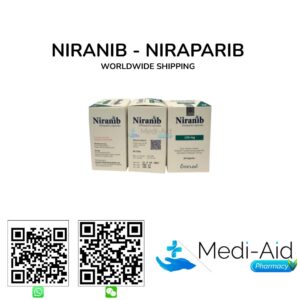
Niranib 140 MG (Niraparib)
-
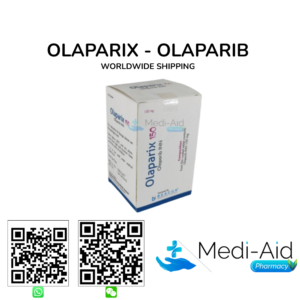
Olaparix 150MG (Olaparib)
-
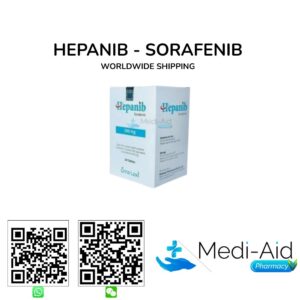
Hepanib 200 MG (Sorafenib)
-

Ibruxen 140 MG (Ibrutinib)
-
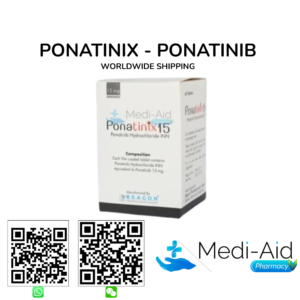
Ponatinix 15 MG (Ponatinib)
-
Laronib 25MG & 100MG (Larotrectinib)
-
Mavixen 100 MG / 40 MG (Glecaprevir / Pibrentasvir )
-
Mezoxia 160 MG (Megestrol)
-
Obetix 5 MG (Obeticholic Acid)