
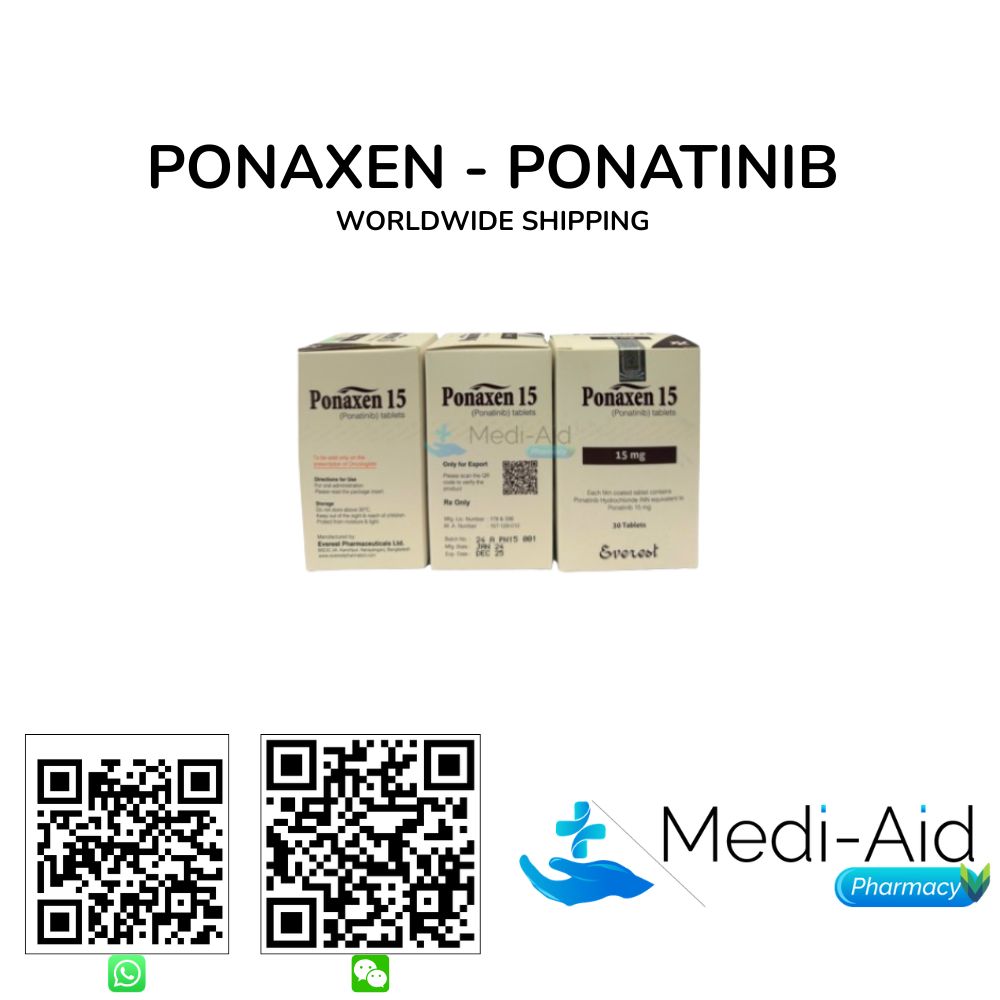
Ponaxen 15MG & 45MG (Ponatinib)
Product Name : Ponaxen
Generic Name : Ponatinib
Formulation : Tablet
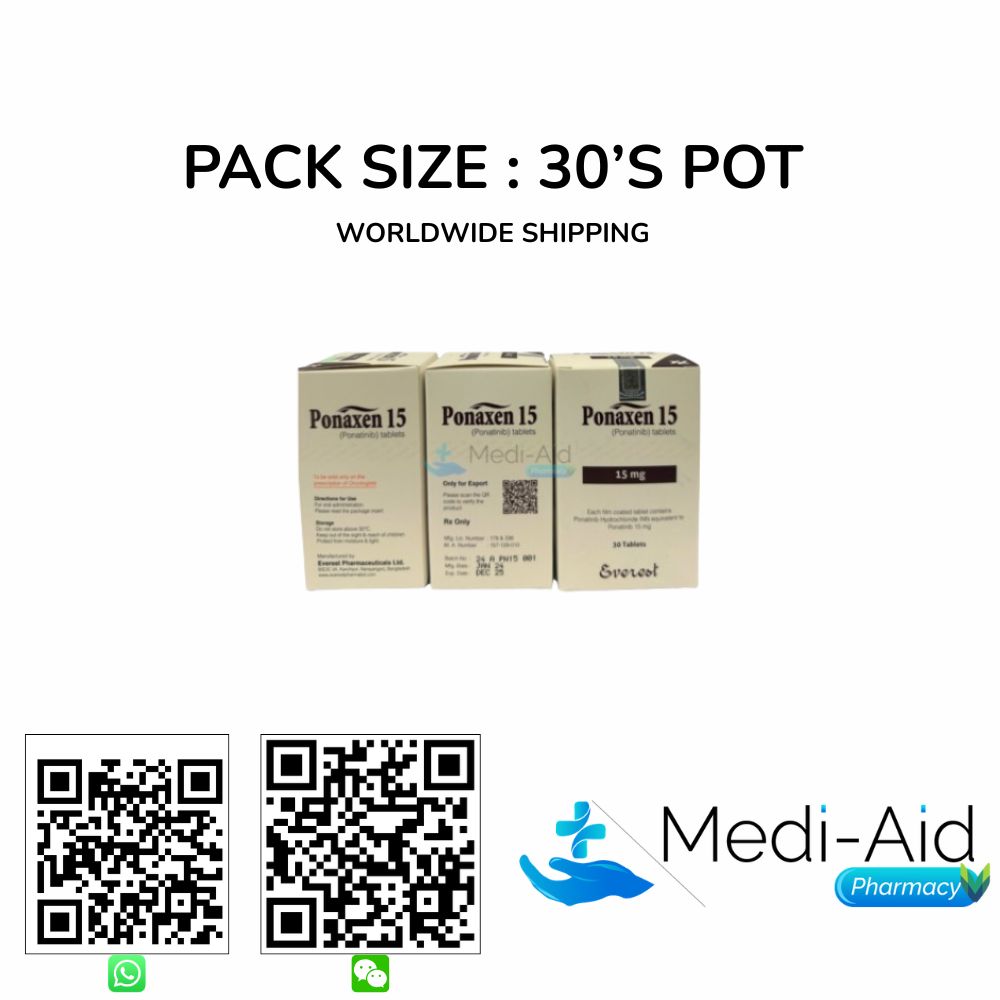
Available Pack Size : 30’s
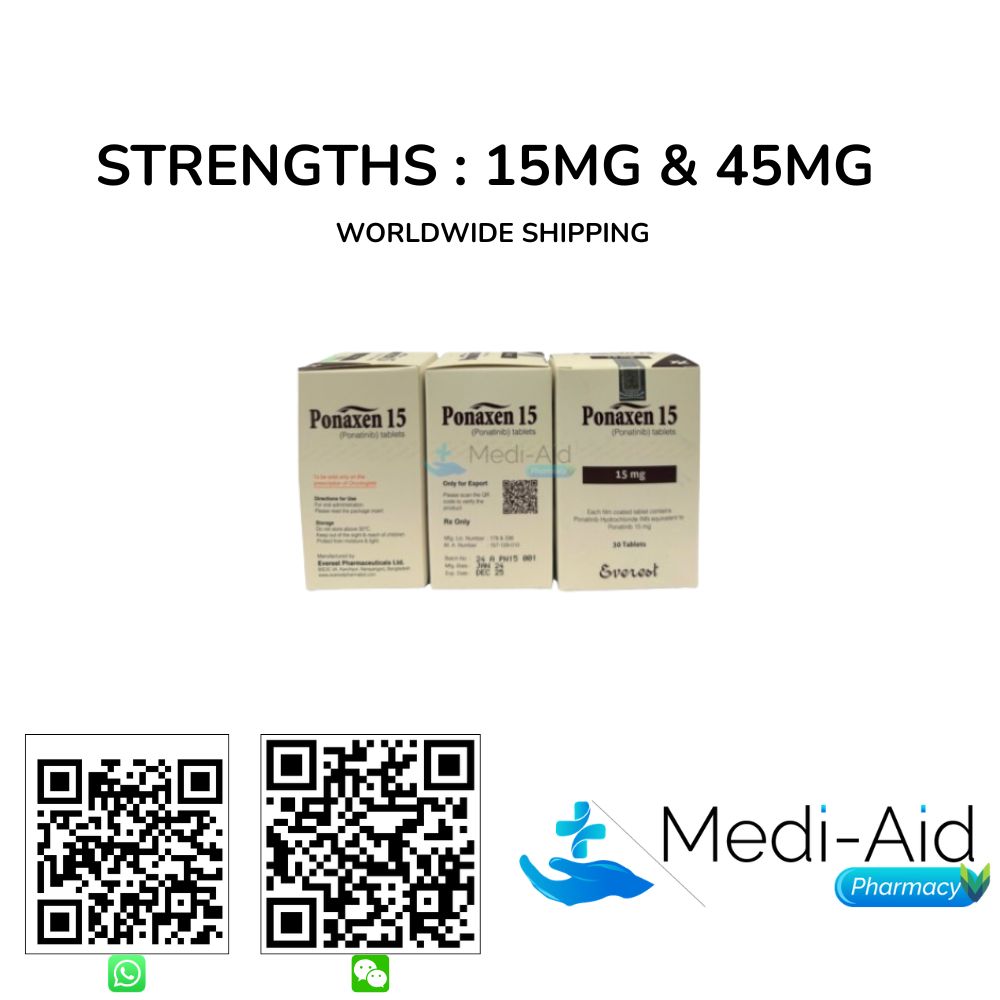
Available Strengths : 15mg & 45mg
Registrations : Bangladesh

Product Information
Ponaxen 15MG & 45MG (Ponatinib) is a third-generation, pan-BCR-ABL tyrosine kinase inhibitor (TKI) engineered specifically to inhibit all clinically documented BCR-ABL mutations including the T315I “gatekeeper” mutation that confers resistance to every first- and second-generation BCR-ABL TKI currently available. Ponatinib simultaneously targets BCR-ABL, BCR-ABL T315I, VEGFR1–3, FGFR1–4, PDGFRα/β, FLT3, KIT, and SRC-family kinases, producing multi-pathway oncogenic suppression that single-conformation BCR-ABL inhibitors cannot achieve. Ponaxen 15MG & 45MG Ponatinib is approved for adult patients with chronic myeloid leukemia (CML) in any phase (chronic, accelerated, or blast phase) with the T315I mutation or for whom no other TKI therapy is indicated, and Philadelphia chromosome-positive acute lymphoblastic leukemia (Ph+ ALL) with the T315I mutation or following failure of prior TKI therapy. Because ponatinib carries significant cardiovascular and hepatic risks, treating haematologists monitor patients rigorously for arterial occlusion, venous thromboembolism, heart failure, hepatotoxicity, and pancreatitis throughout the course of treatment. Mediaid Pharmacy supplies Ponaxen 15MG & 45MG Ponatinib as part of its comprehensive oncology and specialty medicines portfolio, with worldwide shipping to licensed importers, oncology hospitals, and healthcare distributors. Ponaxen 15MG and 45MG tablets are registered in Bangladesh and globally supplied by Mediaid Pharmacy.
Basic Product Information of Ponaxen 15MG & 45MG (Ponatinib)
| Brand Name | Ponaxen 15MG & 45MG (Ponatinib) |
| Generic Name | Ponatinib |
| Drug Class | Third-Generation BCR-ABL Tyrosine Kinase Inhibitor (TKI) / Pan-BCR-ABL Inhibitor / T315I Mutation Inhibitor |
| Available Strengths | 15 mg and 45 mg |
| Formulation | Tablet |
| Pack Size | 30 Tablets per Pack |
| Primary Indications | Chronic Myeloid Leukemia (CML) chronic, accelerated, or blast phase with T315I mutation or no other TKI indicated; Philadelphia chromosome-positive Acute Lymphoblastic Leukemia (Ph+ ALL) with T315I mutation or prior TKI failure |
| Regulatory Approvals | USFDA Approved (CML, Ph+ ALL). EMA Approved. |
| Originator Brand | Iclusig (ponatinib) by Ariad Pharmaceuticals / Takeda |
| Global Supplier | Mediaid Pharmacy Worldwide Shipping Available |
| Registration | Bangladesh |
| Storage Conditions | Store below 30°C in a dry place away from direct light and moisture. Keep out of the reach of children. |
How Ponaxen 15MG & 45MG Works Pan-BCR-ABL Tyrosine Kinase Inhibition Mechanism
Ponatinib, the active ingredient in Ponaxen 15MG and 45MG, is a third-generation, pan-BCR-ABL tyrosine kinase inhibitor (TKI) designed using structure-based drug engineering to overcome the full spectrum of BCR-ABL kinase domain mutations that drive resistance to first-generation (imatinib) and second-generation (dasatinib, nilotinib, bosutinib) TKIs. Ponatinib’s primary molecular target is the BCR-ABL fusion oncoprotein the constitutively active tyrosine kinase produced by the Philadelphia chromosome translocation t(9;22)(q34;q11) which drives the malignant proliferation of leukemic cells in chronic myeloid leukemia (CML) and Philadelphia chromosome-positive acute lymphoblastic leukemia (Ph+ ALL). Ponatinib additionally inhibits VEGFR1, VEGFR2, VEGFR3, FGFR1, FGFR2, FGFR3, FGFR4, PDGFRα, PDGFRβ, FLT3, KIT, and SRC-family kinases, producing multi-pathway oncogenic suppression beyond BCR-ABL blockade alone.
Ponatinib’s decisive clinical advantage over all earlier BCR-ABL TKIs derives from its engineered ability to inhibit the T315I “gatekeeper” mutation the most prevalent and clinically consequential single-point BCR-ABL resistance mutation, in which the threonine residue at position 315 of BCR-ABL is substituted by isoleucine. This substitution eliminates the critical hydrogen bond that all first- and second-generation TKIs depend upon for BCR-ABL binding, rendering imatinib, dasatinib, nilotinib, and bosutinib completely ineffective at any clinically tolerated dose. Ponatinib overcomes this barrier through a carbon-carbon triple bond (alkyne linker) positioned in its chemical structure to bypass the steric clash imposed by the T315I isoleucine residue, restoring high-affinity BCR-ABL kinase binding. Ponatinib binds to both the active (DFG-in) and inactive (DFG-out) conformations of BCR-ABL, providing comprehensive kinase domain coverage irrespective of conformation-based resistance. Haematologists managing patients across the full spectrum of BCR-ABL-driven leukemias can access Ponaxen 15MG and 45MG alongside a comprehensive range of targeted haematology and oncology agents through Mediaid Pharmacy’s oncology medicines catalogue.
In the landmark PACE trial the pivotal phase II study of ponatinib in CML and Ph+ ALL resistant or intolerant to dasatinib or nilotinib, or with the T315I mutation ponatinib delivered a major cytogenetic response (MCyR) rate of 70% in chronic phase CML (CML-CP) patients with the T315I mutation at 12 months, and an MCyR rate of 51% across all CML-CP patients regardless of mutation status. In the OPTIC trial the phase II dose-optimisation study specifically designed to improve the cardiovascular safety profile of ponatinib the 45 mg/15 mg dose-reduction strategy achieved a BCR-ABL1 International Scale (BCR-ABL1[IS]) ≤1% response rate of 44.1% in T315I-positive CML-CP patients at 12 months, with the rate rising to 58% at 24 months, demonstrating that the OPTIC response-directed dose reduction to 15 mg preserves durable molecular efficacy while substantially reducing cardiovascular event incidence.
Approved Indications for Ponaxen 15MG & 45MG (Ponatinib)
Ponaxen 15MG and 45MG (Ponatinib) is indicated across two BCR-ABL-driven haematologic malignancy settings where pan-BCR-ABL inhibition, including T315I mutation coverage, delivers clinically significant and molecularly durable outcomes:
|
Chronic Myeloid Leukemia (CML) T315I Mutation, Any Phase USFDA and EMA approved for adult patients with chronic phase (CP), accelerated phase (AP), or blast phase (BP) CML who harbour the BCR-ABL T315I mutation. The T315I mutation is identified in approximately 15–20% of TKI-resistant CML patients and confers absolute resistance to all first- and second-generation BCR-ABL TKIs. In the PACE trial, ponatinib achieved an MCyR rate of 70% in T315I-positive CML-CP patients at 12 months, making Ponaxen the only approved oral therapy capable of producing cytogenetic responses in this genetically defined resistant population. |
CML & Resistant or Intolerant to ≥2 Prior TKIs, Any Phase USFDA and EMA approved for adult patients with CML in any phase for whom no other TKI therapy is indicated including those who are resistant or intolerant to two or more prior BCR-ABL TKIs. In the PACE trial, ponatinib delivered an MCyR rate of 51% across all heavily pretreated CML-CP patients at 12 months. In accelerated phase CML, the major haematologic response (MaHR) rate was 55%, and in blast phase CML, MaHR was 31%, demonstrating clinically meaningful activity across all disease stages. |
|
Philadelphia Chromosome-Positive Acute Lymphoblastic Leukemia (Ph+ ALL) USFDA and EMA approved for adult patients with Philadelphia chromosome-positive acute lymphoblastic leukemia (Ph+ ALL) who have the T315I mutation or for whom no other TKI therapy is indicated. In the PACE trial, ponatinib achieved a MaHR rate of 41% in Ph+ ALL patients a heavily pretreated population that historically has very limited therapeutic options following prior TKI failure. Ph+ ALL accounts for approximately 25–30% of adult ALL and carries a substantially worse prognosis than Ph-negative ALL. |
OPTIC Dose-Optimisation Strategy 45MG Start with 15MG Reduction The OPTIC phase II trial established the clinically validated dose-optimisation strategy for ponatinib: initiate at 45 mg once daily and reduce to 15 mg once daily upon achieving BCR-ABL1(IS) ≤1% at any time point. This response-directed de-escalation strategy, supported by both Ponaxen 15MG and 45MG tablet strengths, maintains deep molecular remission while substantially reducing ponatinib-related arterial occlusive event incidence compared with continuous 45 mg dosing achieving a 58% BCR-ABL1(IS) ≤1% rate at 24 months in T315I-positive CML-CP patients. |
Key Clinical Benefits of Ponaxen 15MG & 45MG (Ponatinib)
|
70% MCyR in T315I CML-CP PACE Trial In the PACE phase II trial, ponatinib delivered a major cytogenetic response (MCyR) rate of 70% at 12 months in chronic phase CML patients harbouring the T315I mutation a population for which no other approved oral BCR-ABL TKI produces a cytogenetic response at any clinically achievable dose. This MCyR rate is the clinical benchmark for T315I-directed therapy in CML-CP. |
51% MCyR Across All Resistant/Intolerant CML-CP PACE Trial In the PACE trial, ponatinib achieved an MCyR rate of 51% across the full CML-CP cohort including patients without T315I mutation who were resistant or intolerant to two or more prior TKIs. A complete cytogenetic response (CCyR) was achieved in 46% of all CML-CP patients, demonstrating deep cytogenetic activity in heavily pretreated populations where successive prior TKI failures had exhausted standard therapeutic options. |
44.1% BCR-ABL1(IS) ≤1% at 12 Months OPTIC Dose-Optimisation In the OPTIC trial’s 45 mg/15 mg dose-optimisation arm, 44.1% of T315I-positive CML-CP patients achieved BCR-ABL1(IS) ≤1% at 12 months, rising to 58% at 24 months. The OPTIC strategy start at 45 mg, reduce to 15 mg on response provides a clinically validated framework for maintaining deep molecular responses while actively managing the cardiovascular risk inherent to sustained high-dose ponatinib exposure. |
|
55% MaHR in Accelerated Phase CML PACE Trial In the PACE trial, ponatinib achieved a major haematologic response (MaHR) rate of 55% in patients with accelerated phase CML (CML-AP) and 31% in blast phase CML (CML-BP) establishing clinically relevant activity in advanced-stage disease where prognosis after prior TKI failure is extremely poor and stem cell transplant is often the only curative option. |
41% MaHR in Ph+ ALL The Only T315I-Active Oral TKI In the PACE trial, ponatinib produced a MaHR rate of 41% in Ph+ ALL patients with T315I mutation or prior TKI failure a clinically significant response rate in a setting where T315I-positive Ph+ ALL is uniformly refractory to all other approved BCR-ABL TKIs. Ponaxen is the only approved oral therapeutic option for this genetically defined ALL subset. |
Oral Once-Daily Tablet with Precise Two-Strength Dose Management Ponatinib is administered orally once daily, eliminating intravenous chemotherapy infusion requirements for CML and Ph+ ALL patients. The availability of both 15 mg and 45 mg Ponaxen tablet strengths enables oncologists to execute the full OPTIC dose-reduction protocol (45 mg → 15 mg) and toxicity-driven step-down sequence (45 mg → 30 mg using 2 × 15 mg tablets → 15 mg) without tablet splitting or manipulation. |
How to Take Ponaxen 15MG & 45MG (Ponatinib) Dosage Guidelines
Route of Administration: Oral (taken by mouth) once daily, with or without food. Ponaxen (Ponatinib) tablets must be swallowed whole and must not be crushed, dissolved, or chewed. If a dose is missed, patients should take the missed dose only if more than 12 hours remain before the next scheduled dose; do not double the dose to compensate.
Standard Adult Starting Dose CML and Ph+ ALL: 45 mg orally once daily (one 45 mg Ponaxen tablet). Treatment continues until disease progression or unacceptable toxicity. The OPTIC trial confirmed 45 mg once daily as the appropriate starting dose to achieve initial deep molecular responses in CML-CP, both in T315I-positive and mutation-undetected patients.
OPTIC Dose Reduction to 15 mg Response-Directed De-Escalation: Reduce the ponatinib dose from 45 mg once daily to 15 mg once daily (one 15 mg Ponaxen tablet) upon achieving BCR-ABL1(IS) ≤1% at any time point during treatment. This OPTIC-validated, response-directed de-escalation strategy maintains durable deep molecular remission while significantly reducing the incidence of arterial occlusive adverse events associated with continuous 45 mg dosing. Haematologists must confirm BCR-ABL1(IS) ≤1% by a validated PCR assay before reducing the dose to 15 mg.
First Toxicity-Driven Dose Reduction 30 mg Once Daily: Reduce the Ponaxen dose to 30 mg once daily (two 15 mg Ponaxen tablets) for Grade 3 or higher adverse reactions, intolerable Grade 2 adverse reactions, or any toxicity requiring dose reduction per the prescribing haematologist’s clinical judgement at the 45 mg starting dose.
Second Toxicity-Driven Dose Reduction 15 mg Once Daily: Reduce the Ponaxen dose to 15 mg once daily (one 15 mg Ponaxen tablet) when the patient cannot tolerate the 30 mg dose and continued treatment remains clinically appropriate. Permanently discontinue ponatinib if the patient cannot tolerate 15 mg once daily.
Strong CYP3A4 Inhibitor Co-Administration: Reduce the Ponaxen (Ponatinib) dose by 15 mg when co-administered with a strong CYP3A4 inhibitor such as ketoconazole, itraconazole, clarithromycin, ritonavir, or voriconazole. Resume the prior dose 2–3 days after the strong CYP3A4 inhibitor is discontinued. Avoid grapefruit and grapefruit juice throughout treatment.
Hepatic and Renal Impairment: Reduce the starting Ponaxen dose to 30 mg once daily in patients with moderate or severe hepatic impairment (Child-Pugh B or C). No dose adjustment is required for mild hepatic impairment. No dose adjustment is required for mild, moderate, or severe renal impairment; ponatinib has not been studied in patients on dialysis. Always follow the prescribing haematologist’s exact dose modification instructions.
Clinical Monitoring Requirements During Ponaxen (Ponatinib) Treatment
Comprehensive clinical monitoring is mandatory before and throughout the course of Ponaxen (Ponatinib) treatment. Before initiating therapy, haematologists must perform a complete cardiovascular risk assessment including history of ischaemic heart disease, stroke, peripheral arterial disease, diabetes, hypertension, hyperlipidaemia, and smoking and obtain a baseline 12-lead ECG, lipid panel, fasting glucose, liver function tests (ALT, AST, bilirubin), complete blood count (CBC), serum lipase, and serum amylase. Arterial occlusive events are the most clinically critical safety concern with ponatinib: cardiovascular, cerebrovascular, and peripheral vascular events including myocardial infarction, stroke, and limb ischaemia have been reported in up to 35% of patients; any patient presenting with new chest pain, neurological symptoms, or limb ischaemia during Ponaxen treatment requires immediate clinical evaluation and treatment interruption.
During treatment, blood pressure must be assessed at every clinical visit and managed actively; haematologists must optimise cardiovascular risk factor management throughout the course of ponatinib therapy. Complete blood counts (CBC) are checked every 2 weeks for the first 3 months and monthly thereafter; Grade 3 or higher thrombocytopenia, neutropenia, or anaemia requires dose interruption. Liver function tests are performed monthly for the first 3 months and periodically thereafter; hepatotoxicity Grade 3 or higher requires dose interruption and may require permanent discontinuation. Serum lipase and amylase are monitored at baseline and during treatment, as clinical and asymptomatic pancreatitis has been reported in approximately 5% of patients; elevated lipase or amylase requires clinical evaluation for pancreatitis before continuing therapy. BCR-ABL1(IS) quantitative PCR is performed at regular intervals to guide the OPTIC response-directed dose reduction from 45 mg to 15 mg and to detect emerging molecular resistance. An ophthalmological examination is recommended before and during treatment, as retinal vascular occlusion and retinal vein occlusion have been reported.
Drug Interactions and Important Safety Information for Ponaxen (Ponatinib)
Strong CYP3A4 inhibitors including ketoconazole, itraconazole, clarithromycin, ritonavir, atazanavir, nelfinavir, saquinavir, telithromycin, and voriconazole substantially increase ponatinib plasma exposure and must be avoided during Ponaxen treatment wherever clinically possible. When co-administration of a strong CYP3A4 inhibitor cannot be avoided, the Ponaxen dose must be reduced by 15 mg daily, with vigilant clinical monitoring for signs of toxicity intensification; the prior dose is resumed 2–3 days after the inhibitor is discontinued. Strong CYP3A4 inducers including rifampicin, carbamazepine, phenytoin, phenobarbital, and St. John’s Wort (Hypericum perforatum) significantly reduce ponatinib plasma exposure, potentially compromising therapeutic efficacy; these agents should be avoided during Ponaxen treatment, and an alternative concomitant medication with lower CYP3A4-inducing potential should be selected wherever possible. Grapefruit and grapefruit juice are strong CYP3A4 inhibitors and must be avoided throughout the entire course of Ponaxen therapy.
Ponatinib is an inhibitor of P-glycoprotein (P-gp) and Breast Cancer Resistance Protein (BCRP). Co-administration with P-gp or BCRP substrates that have a narrow therapeutic index including digoxin, colchicine, topotecan, and irinotecan may increase the plasma concentrations and toxicity risk of these co-administered agents; use the lowest effective doses and monitor closely for toxicity. Ponatinib may potentiate the haemorrhagic risk of anticoagulant and antiplatelet agents including warfarin, apixaban, rivaroxaban, and aspirin; careful clinical risk-benefit assessment is required before initiating anticoagulation therapy in any Ponaxen-treated patient, as haemorrhagic risk is compounded by concurrent anticoagulation. Proton pump inhibitors (PPIs) reduce gastric acidity and have been shown to reduce ponatinib absorption; where possible, replace PPIs with histamine H2 receptor antagonists or antacids, taking ponatinib at least 2 hours before or 10 hours after H2-antagonist administration. Patients must disclose all current medications, herbal preparations, and supplements to their haematologist before starting Ponaxen therapy.
Side Effects and Precautions of Ponaxen 15MG & 45MG (Ponatinib)
|
Common Side Effects Hypertension (elevated blood pressure reported in up to 68% of patients) Rash, dry skin, and skin-related reactions including pruritus and erythema Abdominal pain and constipation Headache Fatigue and pyrexia (fever) Nausea and vomiting Arthralgia and myalgia (joint and muscle pain) Peripheral oedema and fluid retention Thrombocytopenia, neutropenia, and anaemia (myelosuppression) Elevated liver enzymes (ALT, AST, and lipase) |
Serious Warnings and Precautions Arterial Occlusion cardiovascular, cerebrovascular, and peripheral vascular events including fatal myocardial infarction, stroke, and limb ischaemia reported in up to 35% of patients. Permanently discontinue for serious arterial occlusive events. Venous Thromboembolism deep vein thrombosis (DVT) and pulmonary embolism (PE) reported in approximately 6% of patients. Interrupt treatment and initiate anticoagulation as clinically indicated. Heart Failure cardiac failure events including fatal cases reported in approximately 8% of patients; monitor cardiac function at baseline and during treatment. Hepatotoxicity serious hepatic events including fatal hepatic failure reported; monitor liver function tests monthly for the first 3 months and periodically thereafter. Pancreatitis acute pancreatitis reported in approximately 5% of patients; monitor serum lipase and amylase and evaluate clinically before continuing therapy if levels are elevated. Peripheral Neuropathy and Ocular Toxicity including cranial neuropathy and retinal vascular occlusion; ophthalmological evaluation recommended before and during treatment. Embryo-Fetal Toxicity ponatinib may cause fetal harm; female patients must use highly effective contraception during treatment and for at least 3 weeks after the final dose. Not recommended during pregnancy or breastfeeding. |
Who Should Use Ponaxen 15MG & 45MG (Ponatinib)?
Ponaxen 15MG and 45MG (Ponatinib) is indicated for adult patients across two BCR-ABL-driven haematologic malignancy settings: adults with chronic myeloid leukemia (CML) in chronic phase (CML-CP), accelerated phase (CML-AP), or blast phase (CML-BP) who harbour the BCR-ABL T315I mutation, or for whom no other TKI therapy is indicated after resistance or intolerance to two or more prior BCR-ABL TKIs; and adults with Philadelphia chromosome-positive acute lymphoblastic leukemia (Ph+ ALL) who have the T315I mutation or for whom no other TKI therapy is indicated. Patients must have a confirmed cytogenetic diagnosis of Philadelphia chromosome-positive disease and documented BCR-ABL1 kinase domain mutation testing where clinically indicated, prior to initiating Ponaxen therapy. Patients with a prior history of myocardial infarction, stroke, peripheral arterial disease, or uncontrolled cardiovascular risk factors require individualized benefit-risk assessment by the treating haematologist before Ponaxen initiation, given the documented arterial occlusive risk of ponatinib. Ponaxen is prescribed exclusively by haematologists and oncologists with expertise in BCR-ABL tyrosine kinase inhibitor therapy and molecular haematology. For institutions and distributors requiring a comprehensive range of targeted haematology and oncology treatments including agents used in combination or sequentially with ponatinib in CML and Ph+ ALL management Mediaid Pharmacy’s oncology specialty medicines portfolio provides a complete range of precision cancer treatments sourced from verified international manufacturers.
Global Supplier: Mediaid Pharmacy Worldwide Shipping for Ponaxen 15MG & 45MG (Ponatinib)
Mediaid Pharmacy is a trusted global supplier of specialty oncology and targeted therapy medications, supplying Ponaxen 15MG and 45MG (Ponatinib) with reliable worldwide shipping to South Asia, the Middle East, Africa, Southeast Asia, Europe, and beyond. Ponaxen 15MG & 45MG is registered in Bangladesh and supplied in a 30-tablet pack for both strengths, facilitating monthly dispensing for patients maintained on chronic ponatinib therapy across all approved haematologic indications. Our specialist team provides complete order support including pricing quotations, stock availability confirmation, regulatory and import documentation, and end-to-end international delivery tracking. Contact Mediaid Pharmacy directly via WhatsApp, phone, or WeChat for all enquiries regarding Ponaxen (Ponatinib) availability, both the 15MG and 45MG pack options, pricing, and international delivery to your country.
Why Choose Ponaxen 15MG & 45MG (Ponatinib) from Mediaid Pharmacy?
Ponaxen 15MG and 45MG represents a clinically proven and globally accessible ponatinib formulation for patients with BCR-ABL T315I-mutated or multi-TKI-resistant CML and Ph+ ALL the two haematologic malignancies for which ponatinib has demonstrated statistically significant and clinically meaningful response rates across all disease phases in the PACE trial, and for which the OPTIC trial has established an evidence-based, response-directed dose-optimisation strategy. The availability of both the 15MG and 45MG tablet strengths in Ponaxen is a critical therapeutic necessity: together, they enable haematologists to initiate treatment at the full OPTIC-standard 45 mg starting dose (one 45 mg Ponaxen tablet), execute the response-directed de-escalation to 15 mg (one 15 mg Ponaxen tablet) upon achieving BCR-ABL1(IS) ≤1%, and implement the two-step toxicity-driven reduction protocol through 30 mg (two 15 mg Ponaxen tablets) and 15 mg all without tablet splitting, compounding, or dose approximation. Supplied in a 30-tablet pack for both strengths, Ponaxen accommodates the standard monthly dispensing cycle and supports uninterrupted continuity of therapy for patients on chronic ponatinib dosing. Distributed globally by Mediaid Pharmacy with worldwide shipping, Ponaxen gives patients and haematology teams in both developed and emerging healthcare markets access to fully validated, third-generation BCR-ABL inhibitor therapy. For patients and oncologists requiring a comprehensive range of targeted haematology and oncology medicines, Mediaid Pharmacy’s oncology medicines section provides a complete portfolio of specialty cancer treatments sourced from verified manufacturers. For any haematologist or oncology institution seeking a proven, precisely dosed, and globally accessible ponatinib option, Ponaxen 15MG and 45MG from Mediaid Pharmacy is the trusted clinical choice.
Frequently Asked Questions About Ponaxen 15MG & 45MG (Ponatinib)
What is Ponaxen 15MG & 45MG (Ponatinib) used for?
Ponaxen 15MG and 45MG is a third-generation, pan-BCR-ABL tyrosine kinase inhibitor (TKI) approved for adult patients with chronic myeloid leukemia (CML) in chronic, accelerated, or blast phase who have the T315I mutation or for whom no other TKI therapy is indicated, and for adults with Philadelphia chromosome-positive acute lymphoblastic leukemia (Ph+ ALL) with T315I mutation or prior TKI failure. Ponatinib is the only approved oral TKI that inhibits BCR-ABL harbouring the T315I gatekeeper mutation, which confers absolute resistance to all first- and second-generation BCR-ABL TKIs including imatinib, dasatinib, nilotinib, and bosutinib.
What is the correct starting dose of Ponaxen (Ponatinib) for CML and Ph+ ALL?
The standard adult starting dose of Ponaxen (Ponatinib) for CML (any phase) and Ph+ ALL is 45 mg orally once daily, taken with or without food (one 45 mg Ponaxen tablet once daily). This dose is consistent with the OPTIC dose-optimisation strategy: start at 45 mg once daily and reduce to 15 mg once daily (one 15 mg Ponaxen tablet) upon achieving BCR-ABL1(IS) ≤1% at any time point. Toxicity-driven dose reductions follow the sequence 45 mg → 30 mg (two 15 mg Ponaxen tablets) → 15 mg. Always follow your prescribing haematologist’s exact dosing instructions.
What is the OPTIC dose-optimisation strategy for ponatinib, and why are both 15MG and 45MG tablets needed?
The OPTIC (Optimizing Ponatinib Treatment In CML) phase II trial established that ponatinib should be initiated at 45 mg once daily and reduced to 15 mg once daily as soon as BCR-ABL1(IS) ≤1% is confirmed by quantitative PCR. This response-directed de-escalation strategy achieved a BCR-ABL1(IS) ≤1% rate of 44.1% at 12 months and 58% at 24 months in T315I-positive CML-CP patients, while substantially reducing cardiovascular adverse event incidence compared with continuous 45 mg dosing. Both Ponaxen 15MG and Ponaxen 45MG tablet strengths are essential to execute the OPTIC strategy: the 45 mg tablet provides the full starting dose in a single tablet, and the 15 mg tablet provides the OPTIC maintenance dose and both toxicity-driven reduction steps (30 mg = 2 × 15 mg; 15 mg = 1 × 15 mg).
What strengths and pack sizes is Ponaxen available in?
Ponaxen is available as 15 mg and 45 mg ponatinib tablets, both supplied in a 30-tablet pack (30 tablets per pack). The 30-tablet pack supports the standard monthly dispensing cycle for patients on chronic ponatinib therapy. Having both the 15 mg and 45 mg tablet strengths enables haematologists to implement the full OPTIC dose-optimisation protocol and the complete toxicity-driven dose reduction sequence without tablet manipulation. Contact Mediaid Pharmacy for current stock availability, pricing, and shipping details for your country.
Does Ponaxen (Ponatinib) require T315I mutation testing before starting treatment?
BCR-ABL kinase domain mutation testing, including T315I detection, is strongly recommended and in many prescribing contexts required before initiating Ponaxen (Ponatinib), as it informs both the eligibility for ponatinib and the clinical rationale for bypassing earlier-line TKI options. However, Ponaxen is approved for CML and Ph+ ALL patients either with the T315I mutation or for whom no other TKI therapy is indicated, meaning mutation testing is not an absolute regulatory prerequisite for eligibility when prior TKI failure or intolerance is already documented. Haematologists are strongly advised to test for T315I and other BCR-ABL mutations to guide therapy sequencing, risk stratification, and the OPTIC dose-reduction strategy.
What are the most serious side effects of Ponaxen (Ponatinib)?
The most clinically serious adverse reactions associated with Ponaxen (Ponatinib) include arterial occlusive events cardiovascular (myocardial infarction), cerebrovascular (stroke), and peripheral vascular (limb ischaemia) events reported in up to 35% of patients, some fatal; venous thromboembolism including deep vein thrombosis and pulmonary embolism in approximately 6% of patients; heart failure in approximately 8% of patients including fatal cases; serious hepatotoxicity including hepatic failure; and acute pancreatitis in approximately 5% of patients. Severe myelosuppression, haemorrhage, peripheral neuropathy, and retinal vascular occlusion have also been reported. All patients must undergo comprehensive cardiovascular risk assessment before starting Ponaxen, and must be monitored with CBC, liver function tests, serum lipase, blood pressure, and BCR-ABL1(IS) PCR throughout therapy.
Is Ponaxen (Ponatinib) safe during pregnancy or while breastfeeding?
No. Ponaxen (Ponatinib) is not recommended during pregnancy or breastfeeding. Based on its mechanism of action and non-clinical study data, ponatinib may cause foetal harm including embryotoxicity and teratogenicity. Female patients of childbearing potential must use highly effective contraception during Ponaxen treatment and for at least 3 weeks after the final dose. Male patients with female partners of childbearing potential should also use effective contraception during treatment and for at least 3 weeks after the final dose. It is not known whether ponatinib or its metabolites are excreted in human breast milk; breastfeeding is not recommended during treatment and for at least 6 days after the final dose. Consult your haematologist immediately before starting Ponaxen if you are pregnant, planning to conceive, or currently breastfeeding.
Can I order Ponaxen 15MG & 45MG (Ponatinib) online with worldwide shipping?
Yes. Mediaid Pharmacy supplies Ponaxen 15MG and 45MG (Ponatinib) to licensed importers, oncology hospitals, haematology centres, and registered healthcare distributors globally, in 30-tablet packs for both the 15 mg and 45 mg strengths, with worldwide shipping. Contact Mediaid Pharmacy via WhatsApp, phone, or WeChat at +8801773428128, or send an email enquiry to info@mediaidpharmacy.com for pricing, stock availability, import documentation support, and international delivery details for your country.
Order Ponaxen 15MG & 45MG (Ponatinib) with Worldwide Shipping
Phone / WhatsApp / WeChat: +8801773428128 | Email: info@mediaidpharmacy.com
Related products
-
Velpanex 400 MG And 100 MG (Sofosbuvir)
-
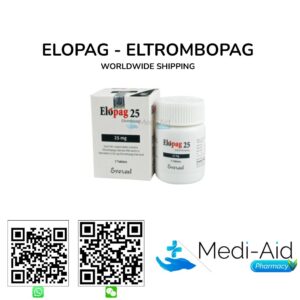
Elopag 25 MG (Eltrombopag)
-
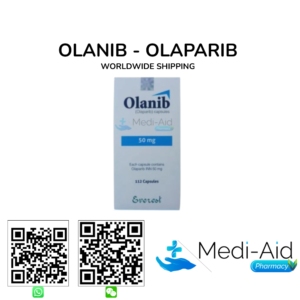
Olanib 50 MG (Olaparib INN )
-
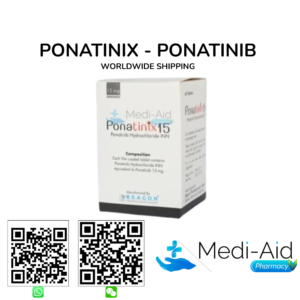
Ponatinix 15 MG (Ponatinib)
-
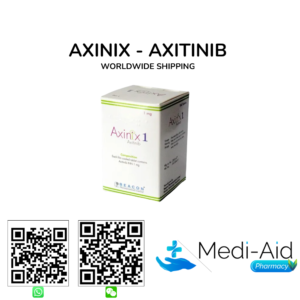
Axinix 1MG & 5MG (Axitinib)
-
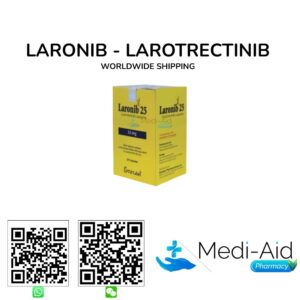
Laronib 25MG & 100MG (Larotrectinib)
-

Obetix 5 MG (Obeticholic Acid)
-
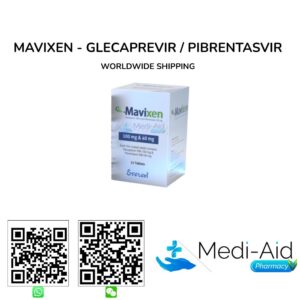
Mavixen 100 MG / 40 MG (Glecaprevir / Pibrentasvir )
-

Ibruxen 140 MG (Ibrutinib)
-
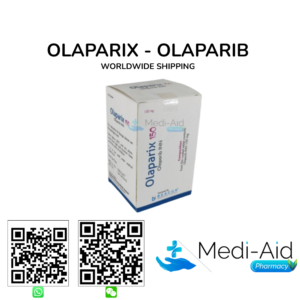
Olaparix 150MG (Olaparib)