
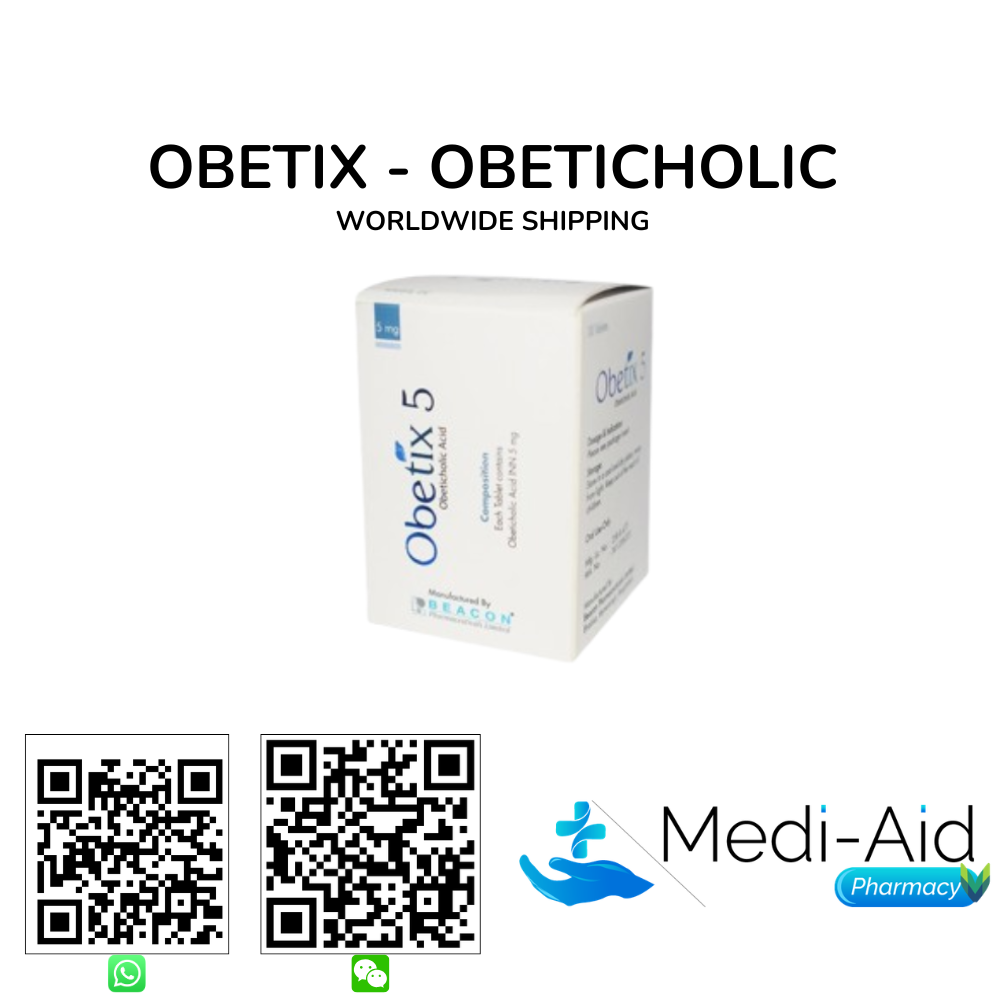
Obetix 5 MG (Obeticholic Acid)
Product Name : obetix(Obeticholic Acid)
Generic Name : Obeticholic Acid
Formulation : Tablet
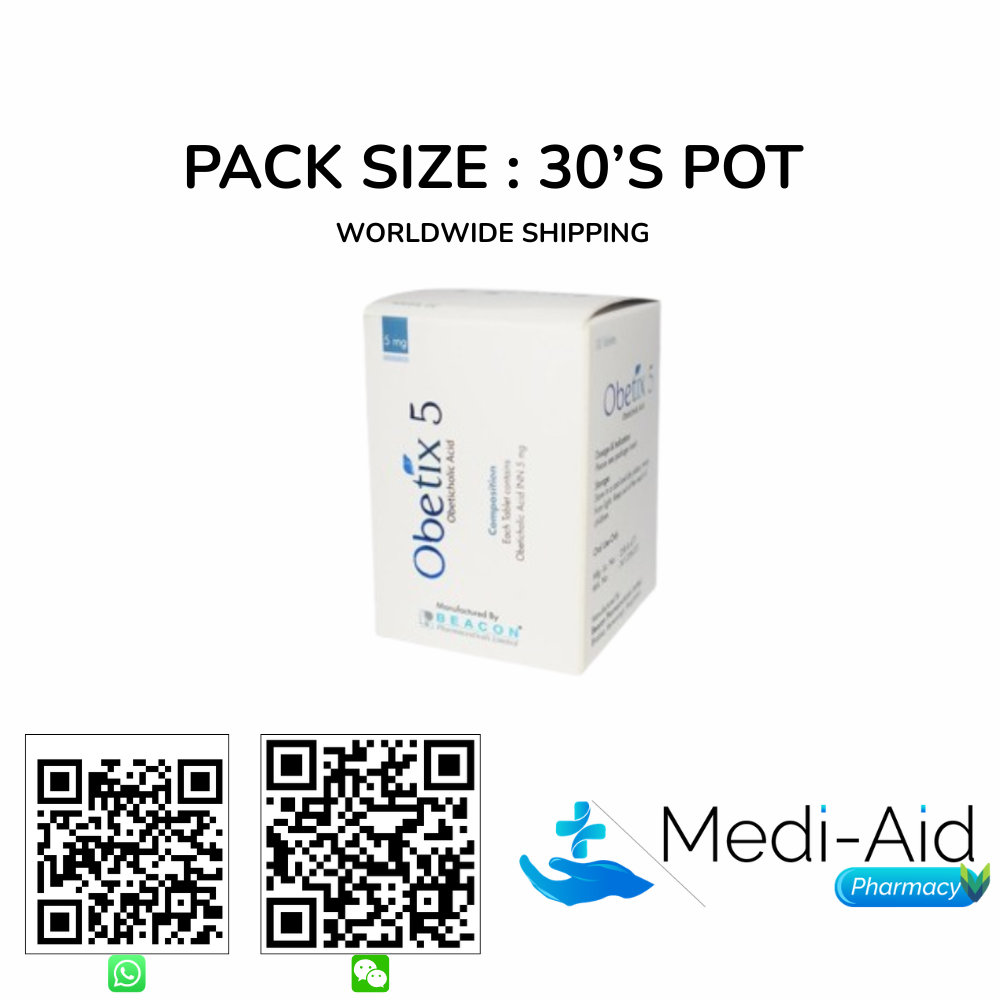
Available Pack Size : 30’s Pot
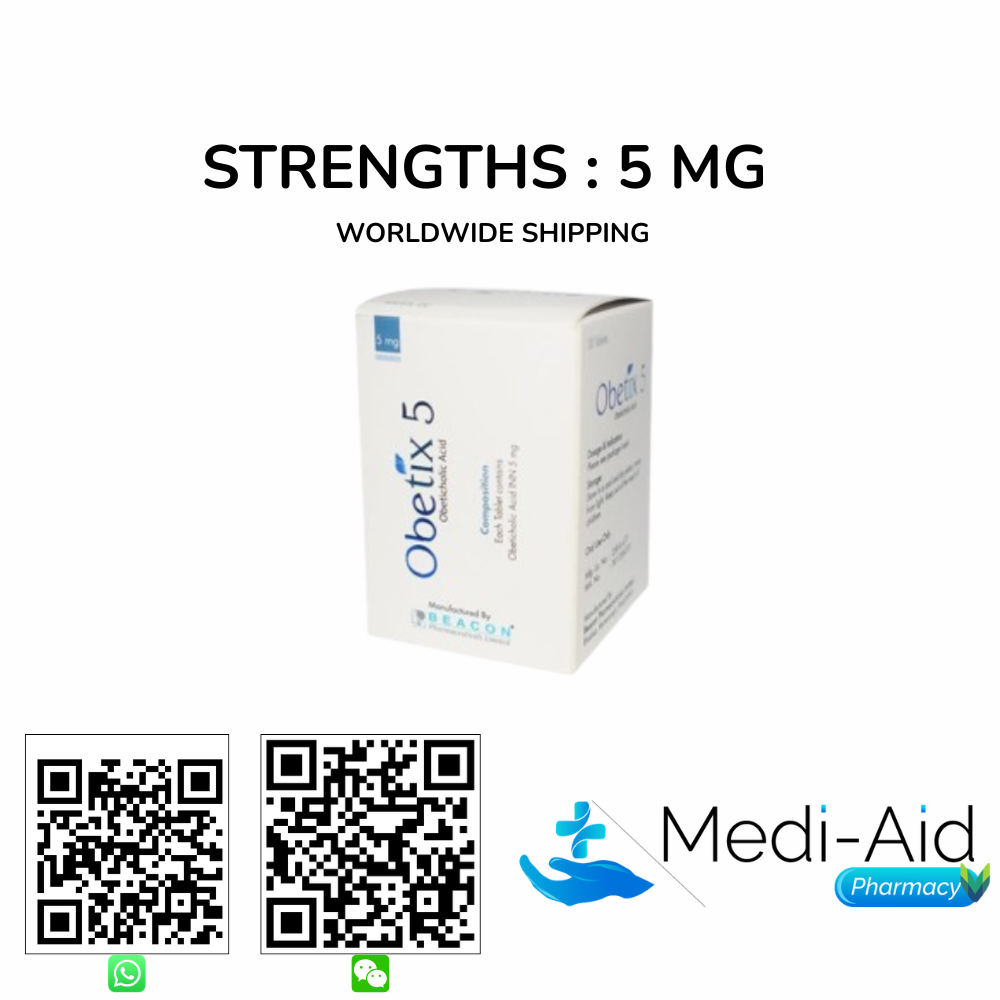
Available Strengths : 5 mg
Registrations : Export Only

Product Information
Obetix 5 MG (Obeticholic Acid) is a potent and selective Farnesoid X Receptor (FXR) agonist indicated for the treatment of Primary Biliary Cholangitis (PBC) a chronic, progressive autoimmune cholestatic liver disease. Obetix is prescribed in combination with ursodeoxycholic acid (UDCA) in adults with an inadequate response to UDCA, or as monotherapy in adults unable to tolerate UDCA. It works by activating FXR to suppress bile acid synthesis, reduce intrahepatic accumulation of toxic bile acids, and exert anti-inflammatory and anti-fibrotic effects that protect the structural integrity of the small bile ducts in the liver. Manufactured by Beacon Pharmaceuticals Ltd., Bangladesh and globally supplied by Mediaid Pharmacy with worldwide shipping.
Basic Product Information of Obetix 5 MG (Obeticholic Acid)
| Brand Name | Obetix (Obeticholic Acid) |
| Generic Name | Obeticholic Acid INN |
| Drug Class | Selective Farnesoid X Receptor (FXR) Agonist First-in-Class |
| Available Strength | 5mg |
| Formulation | Film-Coated Tablet |
| Pack Size | 30 Tablets per Pot |
| Primary Indication | Primary Biliary Cholangitis (PBC) in combination with UDCA or as monotherapy in UDCA-intolerant adults |
| Regulatory Approvals | USFDA Approved (Accelerated Approval, 2016 Orphan Drug Designation, Fast Track Designation). EMA Approved. Health Canada Approved. Granted Breakthrough Therapy Designation by USFDA. |
| Originator Brand | Ocaliva by Intercept Pharmaceuticals |
| Manufacturer | Beacon Pharmaceuticals Ltd., Mymensingh, Bangladesh |
| Global Supplier | Mediaid Pharmacy Worldwide Shipping Available |
| Registration Status | Export Only |
| Storage Conditions | Store below 30°C in a dry place away from light and moisture. Keep out of the reach of children. |
How Obetix 5 MG (Obeticholic Acid) Works FXR Agonism and Bile Acid Regulation
Obeticholic Acid, the active ingredient in Obetix 5 MG, is the world’s first approved Farnesoid X Receptor (FXR) agonist a semisynthetic bile acid analogue derived from chenodeoxycholic acid (CDCA) with approximately 100 times greater FXR-binding potency than CDCA itself. FXR is a nuclear receptor expressed predominantly in the liver, intestine, kidneys, and adrenal glands that acts as the body’s master regulator of bile acid synthesis, transport, and metabolism. In Primary Biliary Cholangitis (PBC), immune-mediated destruction of intrahepatic bile ducts leads to cholestasis the accumulation of toxic bile acids within the liver which drives progressive inflammation, fibrosis, and ultimately biliary cirrhosis and liver failure.
Obetix (Obeticholic Acid) works by binding to and activating FXR in hepatocytes, which triggers a coordinated set of protective responses: it suppresses the CYP7A1 enzyme responsible for the rate-limiting step in bile acid synthesis from cholesterol; it upregulates the bile acid transporter BSEP (Bile Salt Export Pump) to enhance biliary excretion of bile acids; it downregulates NTCP (Sodium Taurocholate Cotransporting Polypeptide) to reduce hepatic uptake of bile acids from the portal circulation; and it induces FGF19 secretion from intestinal cells, which provides additional feedback suppression of hepatic bile acid synthesis. Together, these FXR-mediated actions reduce the intrahepatic pool of toxic bile acids, attenuate bile acid-driven inflammation and hepatocyte apoptosis, and exert direct anti-fibrotic effects on hepatic stellate cells preserving the structural integrity of the biliary tree and slowing the progression of cholestatic liver disease.
Obetix is a convenient once-daily oral film-coated tablet, enabling hepatologists to manage PBC with the same compliance-friendly oral route used for UDCA. Its mechanism is entirely distinct from UDCA (which works by hydrophilisation and displacement of toxic bile acids) making Obetix an effective complementary second-line agent in patients who have not achieved adequate biochemical control on UDCA. For hepatologists and specialist physicians managing patients with progressive liver disease who also require broader oncology and specialty medicines, Mediaid Pharmacy provides a comprehensive range of internationally sourced treatments with worldwide delivery.
Indications for Obetix 5 MG (Obeticholic Acid)
Obetix (Obeticholic Acid) 5 MG is indicated for the following conditions in adult patients:
|
PBC in Combination with UDCA (Second-Line Therapy) Obetix 5 MG is indicated for adult patients with Primary Biliary Cholangitis (PBC) who have not achieved an adequate biochemical response to an appropriate dose of ursodeoxycholic acid (UDCA) after at least 12 months of therapy. Approximately 40% of PBC patients fail to reach adequate ALP and bilirubin targets on UDCA alone, placing them at elevated risk of disease progression, liver failure, and the need for liver transplantation. Obetix is added to the existing UDCA regimen without dose adjustment of UDCA. |
PBC as Monotherapy (UDCA-Intolerant Patients) For adult patients with PBC who are unable to tolerate UDCA due to adverse effects, Obetix 5 MG is approved as a standalone monotherapy. UDCA intolerance which may manifest as abdominal discomfort, diarrhoea, alopecia, or worsening pruritus affects a subset of PBC patients who nonetheless require active disease-modifying treatment to prevent biliary progression. In this population, Obetix delivers direct FXR-mediated bile acid regulation and anti-fibrotic protection as the sole systemic therapy. |
|
Biochemical Disease Activity Reduction The therapeutic goal of Obetix in PBC is a reduction in alkaline phosphatase (ALP) to below 1.67 times the upper limit of normal with at least a 15% reduction from baseline, alongside normalisation of total bilirubin. These biochemical targets are validated surrogate endpoints shown to correlate with reduced long-term risk of liver failure, need for liver transplantation, and premature mortality in PBC. In the POISE trial, Ocaliva 5–10mg (titration arm) achieved this composite endpoint in 46% of patients versus 10% with placebo (p<0.001). |
Prevention of Disease Progression in PBC Left untreated or inadequately controlled, PBC leads to biliary cirrhosis, portal hypertension, oesophageal varices, ascites, and liver failure requiring transplantation. Obetix, by normalising bile acid homeostasis and reducing hepatic inflammation and fibrosis, addresses the pathological cascade that drives PBC progression. The 5-year POISE open-label extension demonstrated that biochemical improvements in ALP were sustained over time, with total bilirubin levels remaining stable a key predictor of long-term hepatic function and transplant-free survival in PBC. |
Key Clinical Benefits of Obetix 5 MG (Obeticholic Acid)
|
World’s First Approved FXR Agonist Obeticholic Acid is the first-in-class FXR agonist approved for clinical use globally a novel mechanism entirely distinct from UDCA and all prior PBC treatments. Its development was recognised with USFDA Orphan Drug Designation, Fast Track Designation, and Breakthrough Therapy Designation, reflecting its significant clinical unmet need and therapeutic innovation in a rare, life-limiting liver disease. |
POISE Trial Proven Biochemical Efficacy In the pivotal Phase III POISE trial (published in the New England Journal of Medicine), the titration regimen of Obeticholic Acid (5mg titrated to 10mg) achieved the composite ALP/bilirubin primary endpoint in 46% of patients versus 10% in the placebo arm (p<0.001). ALP reductions of −113 U/L (titration arm) were observed as early as two weeks and maintained at every subsequent time point a clinically meaningful reduction in the biomarker most closely associated with PBC prognosis and transplant risk. |
5-Year POISE Extension Durable Long-Term Response The 5-year POISE open-label extension (193 patients) confirmed that biochemical improvements in ALP were sustained over long-term treatment, with total bilirubin levels remaining stable or improving providing hepatologists with confidence in the durability of FXR agonism as a core component of long-term PBC disease management beyond 12 months. |
|
Protective Titration Strategy 5mg Start The approved starting dose of 5mg once daily is specifically designed to minimise pruritus the most common dose-dependent adverse effect of FXR agonists. Discontinuation rates due to pruritus in the titration arm (starting at 5mg) were just 1%, compared with 10% when treatment was initiated directly at 10mg demonstrating that the 5mg initiation strategy protects tolerability without sacrificing long-term efficacy. |
Complementary Mechanism to UDCA Obetix and UDCA act through entirely different and complementary mechanisms UDCA works by hydrophilising and displacing toxic bile acids, while Obetix activates FXR to reduce bile acid synthesis and enhance biliary excretion. This mechanistic complementarity means their combination produces additive therapeutic benefits in UDCA partial-responders that neither agent alone achieves. |
Affordable Generic Alternative to Ocaliva Obetix contains the same active ingredient as Ocaliva (Intercept Pharmaceuticals) in the same 5mg film-coated tablet form, manufactured by Beacon Pharmaceuticals Ltd. under WHO-GMP and cGMP standards. For patients in lower- and middle-income countries who cannot access Ocaliva at its originator price, Obetix provides a high-quality, bioequivalent, and significantly more affordable treatment option for a lifelong chronic liver disease. |
How to Take Obetix 5 MG (Obeticholic Acid) Dosage and Administration Guidelines
Pre-Treatment Assessment Mandatory: Before initiating Obetix, the patient’s hepatic status must be fully evaluated. Clinicians must determine whether the patient has decompensated cirrhosis (Child-Pugh Class B or C) or has experienced a prior hepatic decompensation event, as Obetix is contraindicated in these patients.
Route and Timing: Oral taken once daily, with or without food. The tablet may be taken at any consistent time of day.
Standard Adult Dose (Compensated Liver Function): Start at 5mg once daily for the first 6 months. After 6 months, in patients who have not achieved an adequate reduction in ALP and/or total bilirubin and who are tolerating treatment, the dose may be increased to a maximum of 10mg once daily. No dose adjustment to concomitant UDCA is required.
Moderate to Severe Hepatic Impairment (Child-Pugh Class B or C): The starting dose is reduced to 5mg once weekly for the first 6 months. After 6 months, if tolerated without adequate response, increase to 10mg once weekly; then to a maximum of 10mg twice weekly. These patients must be initiated and monitored by a hepatologist experienced in PBC management.
Pruritus Management and Dose Interruption: If severe pruritus occurs, temporarily interrupt Obetix for up to 2 weeks and restart at a reduced dose. Add bile acid sequestrants (e.g., cholestyramine, colesevelam) or antihistamines to manage pruritus while continuing Obetix where clinically possible.
Biliary Obstruction: If biliary obstruction develops, Obetix must be stopped immediately and the obstruction relieved before restarting treatment.
Paediatric Use: The safety and efficacy of Obeticholic Acid in patients under 18 years have not been established. Use in this population is not recommended.
Side Effects and Precautions of Obetix (Obeticholic Acid)
|
Common Side Effects Pruritus (cholestatic itch) the most common adverse effect; dose-dependent and most frequent during the first months of treatment. Reported in 56% of patients in the POISE titration arm versus 38% on placebo; severe pruritus in approximately 20% of treated patients. Fatigue Abdominal pain and discomfort Constipation Rash and eczema Dyslipdaemia Obeticholic Acid may reduce HDL cholesterol and increase LDL cholesterol; monitor lipid panel regularly Oropharyngeal pain Dizziness Arthralgia Thyroid function abnormality monitor thyroid function periodically during treatment |
Serious Warnings and Precautions Contraindicated in decompensated cirrhosis (Child-Pugh Class B or C) or prior decompensation event at the standard once-daily dose. Use in these patients requires a reduced weekly dosing schedule under specialist supervision. Liver-related adverse events including jaundice, worsening ascites, and PBC flare observed in patients receiving doses above the recommended level. A dose-response relationship for hepatic adverse events was confirmed in clinical studies; strict adherence to the approved dosing regimen is essential. Biliary obstruction Obetix must be stopped and the obstruction relieved before treatment is restarted. Obeticholic Acid must not be given to patients with complete biliary obstruction. Dyslipidaemia monitor lipid profiles throughout treatment. Consider lipid-lowering therapy if clinically significant LDL elevation occurs, bearing in mind potential interactions with bile acid sequestrants used to manage pruritus. Oesophageal varices and ascites observed as hepatic adverse events in the POISE 3-year interim analysis. Regular monitoring for clinical signs of portal hypertension is recommended throughout treatment. Limited human data in pregnancy and lactation. Use with caution; the potential risk to the foetus and nursing infant is unknown. Consult the prescribing physician before starting Obetix if pregnant or breastfeeding. If bile acid sequestrants (cholestyramine, colesevelam, or colestipol) are used to manage pruritus, take Obetix at least 4 to 6 hours before or after the sequestrant, as these agents may reduce Obeticholic Acid absorption. |
Who Should Use Obetix 5 MG (Obeticholic Acid)?
Obetix is indicated for adult patients diagnosed with Primary Biliary Cholangitis (PBC) who have been on an appropriate dose of UDCA for at least 12 months without achieving adequate biochemical targets defined as ALP below 1.67 times the upper limit of normal with at least 15% reduction from baseline, and normal total bilirubin and for adult patients who are unable to tolerate UDCA at all. Obetix is prescribed by hepatologists, gastroenterologists, and specialist physicians experienced in the management of chronic cholestatic liver disease. A mandatory pre-treatment hepatic assessment including Child-Pugh scoring, liver function tests, ALP, GGT, total bilirubin, full blood count, lipid panel, and thyroid function tests is required before initiation. Given that PBC predominantly affects women in middle age and is associated with other autoimmune conditions, a thorough medical review is essential. For patients whose broader healthcare also requires access to oncology and specialty medicines, Mediaid Pharmacy provides a comprehensive global supply of targeted therapies and specialty treatments with worldwide shipping.
Manufacturer: Beacon Pharmaceuticals Ltd., Bangladesh
Beacon Pharmaceuticals Ltd. is a leading pharmaceutical manufacturer based in Mymensingh, Bangladesh and the number one oncology and specialty medicine company in the country. Beacon is the first company in Bangladesh to export cancer drugs and currently exports to markets across Asia, Africa, Europe, and Latin America. With more than 200 generic drugs and 65 oncology products in its portfolio, Beacon operates under strict WHO-GMP, cGMP, and ISO-certified standards. Obetix (Obeticholic Acid) 5 MG is one of Beacon’s internationally recognised hepatology specialty products, offering a high-quality, bioequivalent, and affordable alternative to Ocaliva by Intercept Pharmaceuticals at a fraction of the originator cost making this lifelong treatment accessible to patients worldwide.
Global Supplier: Mediaid Pharmacy with Worldwide Shipping
Mediaid Pharmacy is a trusted global supplier of hepatology, specialty liver disease, and oncology medications. We ensure Obetix (Obeticholic Acid) 5 MG is accessible to patients and healthcare providers worldwide through reliable worldwide shipping. Whether you are located in South Asia, the Middle East, Africa, Europe, or beyond, Mediaid Pharmacy provides fast and reliable delivery with full order support including pricing, availability confirmation, and documentation. Contact us directly via WhatsApp, phone, or WeChat for pricing, availability, and delivery enquiries.
Why Choose Obetix 5 MG (Obeticholic Acid) from Mediaid Pharmacy?
Obetix 5 MG represents a clinically significant advancement in the management of Primary Biliary Cholangitis. As the generic equivalent of Ocaliva by Intercept Pharmaceuticals, it delivers the same active ingredient Obeticholic Acid, the world’s first FXR agonist with the same proven bile acid regulatory mechanism at a dramatically more affordable price. For the approximately 40% of PBC patients who fail to achieve adequate biochemical control on UDCA alone, Obetix provides the only approved FXR-targeted second-line option with robust Phase III POISE trial evidence, five-year durability data, and a carefully designed 5mg starting dose that protects tolerability. Manufactured by the internationally trusted Beacon Pharmaceuticals Ltd. under WHO-GMP and cGMP standards, and distributed globally by Mediaid Pharmacy, Obetix gives patients worldwide access to high-quality, proven hepatology therapy without the financial barrier of brand-name pricing. For the full range of oncology and specialty medicines available through Mediaid Pharmacy, visit the oncology medicines catalogue. For any patient or physician seeking a proven, affordable, and globally accessible Obeticholic Acid treatment, Obetix from Mediaid Pharmacy is the trusted choice.
Frequently Asked Questions About Obetix 5 MG (Obeticholic Acid)
What is Obetix 5 MG (Obeticholic Acid) used for?
Obetix 5 MG (Obeticholic Acid) is a selective FXR agonist used to treat Primary Biliary Cholangitis (PBC) a chronic autoimmune cholestatic liver disease. It is indicated in combination with ursodeoxycholic acid (UDCA) for adults who have not achieved an adequate biochemical response to UDCA after at least 12 months, and as monotherapy for adults unable to tolerate UDCA. It works by activating the Farnesoid X Receptor to reduce toxic bile acid accumulation in the liver and exert anti-inflammatory and anti-fibrotic effects on the biliary tree.
How should I take Obetix 5 MG (Obeticholic Acid)?
Obetix is taken orally once daily, with or without food, at any consistent time of day. For adults with compensated liver function, the starting dose is 5mg once daily for the first 6 months. After 6 months, if adequate biochemical response has not been achieved and the treatment is well tolerated, the dose may be increased to 10mg once daily. For patients with decompensated cirrhosis or prior decompensation, dosing starts at 5mg once weekly. Always follow your prescribing hepatologist’s exact dosing instructions and attend all scheduled monitoring appointments.
What strength and pack size is Obetix (Obeticholic Acid) available in?
Obetix is available in 5mg film-coated tablets supplied in a pot of 30 tablets. The 5mg strength covers the approved starting dose for all compensated adult PBC patients, and two tablets (2 × 5mg) deliver the 10mg maximum daily dose if escalation is clinically indicated after 6 months of therapy.
Is Obetix the same as Ocaliva (Obeticholic Acid by Intercept Pharmaceuticals)?
Yes. Obetix is the generic equivalent of Ocaliva. Both products contain the same active ingredient Obeticholic Acid in the same 5mg film-coated tablet form. Obetix is manufactured by Beacon Pharmaceuticals Ltd. in Bangladesh under WHO-GMP-certified conditions and delivers the same proven FXR agonism mechanism as Ocaliva, at a significantly lower cost making this essential lifelong treatment financially accessible to PBC patients worldwide who cannot afford the originator price.
What are the side effects of Obetix (Obeticholic Acid)?
The most common side effect of Obetix is pruritus (cholestatic itch), which is dose-dependent and was reported in 56% of patients in the POISE 5–10mg titration arm. Severe pruritus affected approximately 20% of treated patients. Starting at 5mg and titrating slowly keeps the discontinuation rate due to pruritus as low as 1%. Other common effects include fatigue, abdominal pain, constipation, rash, dizziness, arthralgia, and thyroid function changes. Dyslipidaemia (LDL increase, HDL reduction) may also occur and requires lipid monitoring. Always discuss your individual risk profile with your hepatologist before starting treatment.
Can Obetix (Obeticholic Acid) be used with UDCA or other medications?
Yes. Obetix is most commonly prescribed as an add-on to existing UDCA therapy, without any dose adjustment to UDCA. The two agents work through complementary mechanisms and their combination produces greater biochemical benefit than either alone. If bile acid sequestrants (cholestyramine, colesevelam, colestipol) are prescribed to manage pruritus, Obetix must be taken at least 4 to 6 hours before or after the sequestrant to avoid reduced Obeticholic Acid absorption. Obetix should not be used in patients with biliary obstruction.
Is Obetix (Obeticholic Acid) safe for patients with cirrhosis?
Obetix at the standard once-daily dose is contraindicated in patients with decompensated cirrhosis (Child-Pugh Class B or C) or with a history of prior hepatic decompensation. In these patients, the dose schedule must be reduced to once weekly under specialist hepatological supervision. Dosing above the recommended level in cirrhotic patients has been associated with serious liver-related adverse events including jaundice, ascites worsening, and PBC flare. Hepatic function must be reassessed at regular intervals throughout treatment for all patients.
Can I order Obetix 5 MG (Obeticholic Acid) online with worldwide shipping?
Yes. Mediaid Pharmacy supplies Obetix (Obeticholic Acid) 5 MG globally with worldwide shipping. Contact us via WhatsApp, phone, or WeChat at +8801773428128 or email us at info@mediaidpharmacy.com to enquire about pricing, availability, and delivery to your country.
Order Obetix 5 MG (Obeticholic Acid) with Worldwide Shipping
Phone / WhatsApp / WeChat: +8801773428128 | Email: info@mediaidpharmacy.com
Related products
-
Mavixen 100 MG / 40 MG (Glecaprevir / Pibrentasvir )
-
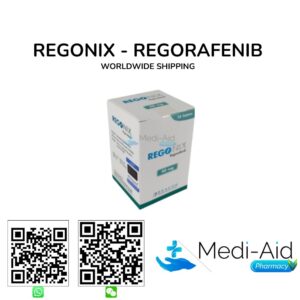
Regonix 40MG ( Regorafenib )
-
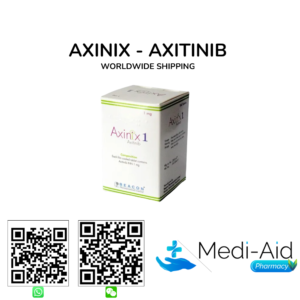
Axinix 1MG & 5MG (Axitinib)
-
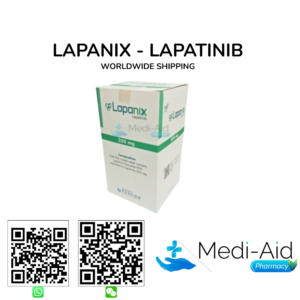
Lapanix 250 MG (Lapatinib)
-
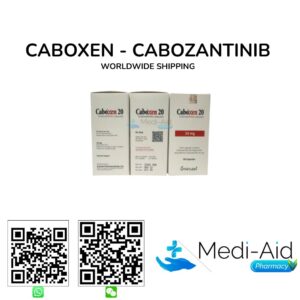
Caboxen 20 MG And 80 MG (Cabozantinib)
-
Sofoxen 400 MG (Sofosbuvir)
-
Lenvaxen 4 MG And 10 MG (Lenvatinib)
-
Baricinix 2MG & 4MG (Baricitinib)
-
Osimert 80 MG (Osimertinib)
-
Sunitinib 50 MG (Sunitix)