
Description
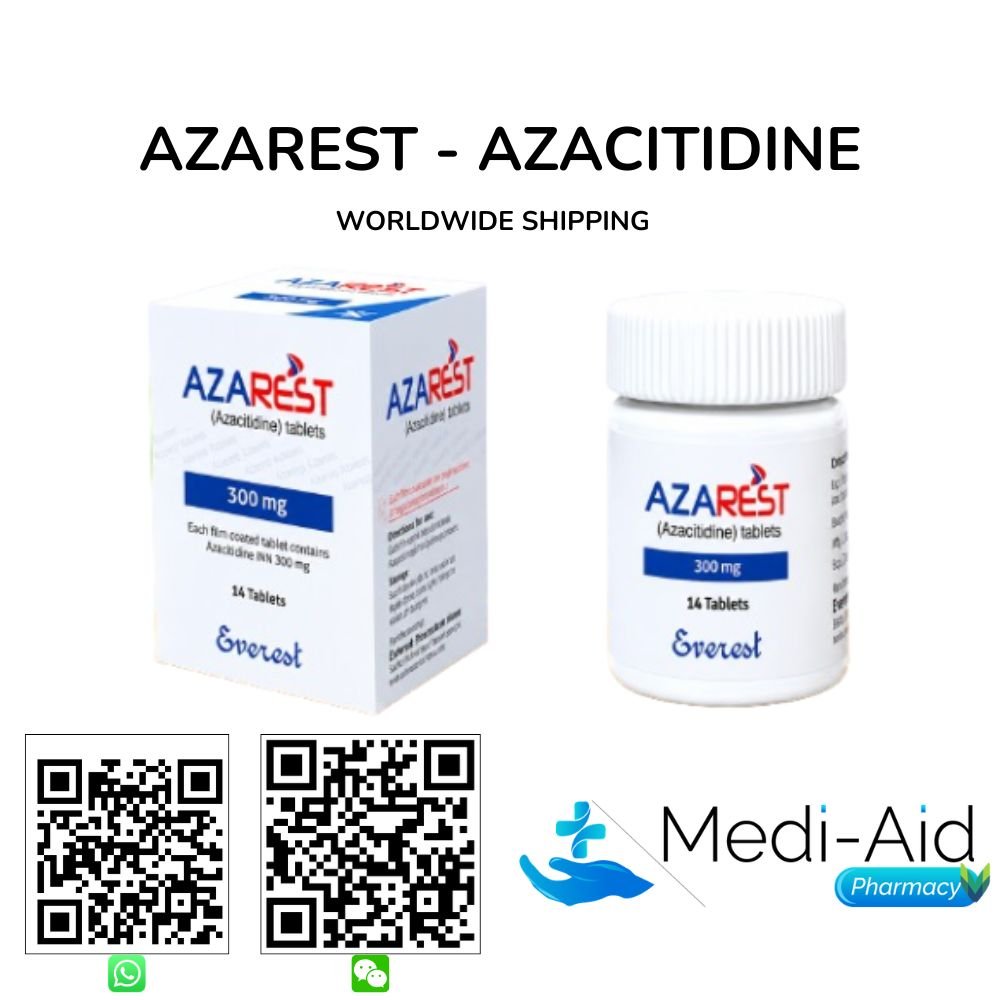
Azarest 300 MG (Azacitidine) is an oral, nucleoside metabolic inhibitor (NMI) film-coated tablet available in a 300 mg strength, supplied in a pack of 14 tablets per pot, manufactured by Everest Pharmaceuticals Ltd. of Bangladesh. The active ingredient, azacitidine, is a pyrimidine nucleoside analogue of cytidine that exerts its antineoplastic effects through two mechanistically distinct pathways: (1) DNA hypomethylation via irreversible inhibition of DNA methyltransferase 1 (DNMT1) and DNMT3A reactivating aberrantly silenced tumour suppressor genes and (2) direct cytotoxic incorporation into RNA and DNA during active cell replication, disrupting nucleic acid synthesis and triggering apoptosis in abnormal haematopoietic progenitor cells.
The reference-label dose of oral azacitidine for acute myeloid leukaemia (AML) maintenance is 300 mg once daily on Days 1 through 14 of each 28-day treatment cycle, achieved with 1 × Azarest 300 MG tablet per day for 14 consecutive days, followed by 14 days off totalling 14 tablets per cycle, precisely matching the Azarest 300 MG 14-tablet pot. In the pivotal Phase III QUAZAR AML-001 trial, oral azacitidine 300 mg administered on this schedule extended median overall survival (OS) to 24.7 months versus 14.8 months with placebo (HR 0.69; 95% CI 0.55–0.86; P<0.001) in older patients with AML in first remission following intensive induction chemotherapy who were not candidates for haematopoietic stem cell transplantation (HSCT), establishing oral azacitidine as the first FDA-approved post-remission maintenance therapy in AML.
Searching for Azarest 300 MG Azacitidine? Mediaid Pharmacy stocks this product within its comprehensive leukemia medicines portfolio and ships worldwide.
Basic Product Information of Azarest 300 MG (Azacitidine)
| Brand Name | Azarest 300 MG (Azacitidine) |
| Product Name | Azarest |
| Generic Name | Azacitidine |
| Drug Class | Nucleoside Metabolic Inhibitor (NMI); Hypomethylating Agent (HMA); DNA Methyltransferase Inhibitor (DNMT1/DNMT3A); Pyrimidine Nucleoside Analogue; Oral Targeted Oncology Agent |
| Formulation | Film-Coated Tablet |
| Available Strength | 300 mg per tablet |
| Available Pack Size | 14 Tablets per pot (one complete 14-day dosing window per 28-day cycle at the reference-label starting dose of 1 tablet/day on Days 1–14) |
| Primary Indication | Continued treatment (maintenance therapy) of adult patients with Acute Myeloid Leukaemia (AML) who achieved first complete remission (CR) or complete remission with incomplete blood count recovery (CRi) following intensive induction chemotherapy, with or without consolidation chemotherapy, and who are not candidates for haematopoietic stem cell transplantation (HSCT) |
| Reference-Label Starting Dose | 300 mg orally once daily on Days 1 through 14 of each 28-day cycle = 1 × Azarest 300 MG tablet per day for 14 days, followed by 14 days off; taken with or without food |
| Manufacturer / Brand | Everest Pharmaceuticals Ltd., Bangladesh |
| Country of Origin | Bangladesh |
| Categories | Everest Pharmaceuticals Medicines, Leukemia Medicines, Oncology Medicines |
| Storage Conditions | Store below 25°C in a dry place, protected from light and moisture. Keep out of the reach of children. |
| Global Supplier | Mediaid Pharmacy Worldwide Shipping Available |
How Azarest 300 MG (Azacitidine) Works: Dual-Axis DNA Hypomethylation and Direct Cytotoxic Nucleoside Incorporation
Azacitidine, the active ingredient in Azarest 300 MG, is an orally bioavailable, pyrimidine nucleoside analogue of cytidine classified as a nucleoside metabolic inhibitor (NMI) and hypomethylating agent (HMA). Azacitidine is mechanistically differentiated from conventional cytotoxic chemotherapy by its dual-pathway epigenetic and cytotoxic mechanism: (1) at clinically relevant low-to-moderate concentrations, azacitidine undergoes intracellular phosphorylation, is incorporated into DNA in place of cytidine during replication, and irreversibly inhibits DNA methyltransferase 1 (DNMT1) the enzyme responsible for maintenance methylation following DNA replication resulting in progressive DNA hypomethylation and re-expression of aberrantly silenced tumour suppressor genes; and (2) azacitidine is predominantly incorporated into RNA (approximately 65–80% of cellular incorporation), disrupting ribosomal assembly, protein synthesis, and RNA processing in a cell-cycle-independent manner that extends cytotoxic activity beyond the S-phase window.
A nucleoside metabolic inhibitor refers to a small-molecule drug that mimics an endogenous nucleoside substrate, undergoes intracellular activation to its triphosphate form, and then incorporates into nucleic acids to disrupt their structure and function. Azacitidine achieves progressive DNMT1 inhibition by forming covalent complexes between incorporated 5-aza-2′-deoxycytidine-5′-triphosphate and the DNMT1 catalytic site, rendering DNMT1 non-functional and triggering its proteasomal degradation confirming potent, sustained epigenetic reprogramming that reactivates tumour suppressor gene expression across haematopoietic malignancies. Each Azarest 300 MG film-coated tablet contains azacitidine 300 mg, with the reference-label maintenance dose of 300 mg once daily delivered by taking 1 tablet per day on Days 1 through 14 of each 28-day cycle.
The oncological primacy of azacitidine’s concurrent DNA hypomethylation and RNA-incorporated cytotoxicity lies in its mechanistic coverage of two independently oncogenic processes simultaneously. In acute myeloid leukaemia (AML), the epigenetic landscape is profoundly disrupted: aberrant promoter hypermethylation by overactive DNMT1 and DNMT3A silences tumour suppressor genes including CDKN2A/p16, DAPK1, CDH1, and TP73 collectively removing differentiation checkpoints and enabling clonal proliferation of immature blast cells. By forming covalent DNMT1 inhibitory complexes through its DNA-incorporated metabolite 5-aza-2′-deoxycytidine-5′-triphosphate, azacitidine progressively depletes functional DNMT1 across replication cycles, leading to passive demethylation of CpG islands in gene promoter regions and restoration of differentiation-permissive gene expression.
This hypomethylation mechanism is clinically decisive in the AML maintenance setting: residual leukaemic stem cells persisting in remission are particularly dependent on aberrant epigenetic silencing to maintain their self-renewal capacity and resist terminal differentiation; azacitidine disrupts this epigenetic programme across each 14-day treatment window. Concurrently, azacitidine’s predominant RNA incorporation disrupts ribosomal RNA (rRNA) processing, impairs ribosome assembly, and inhibits the synthesis of critical survival proteins in leukaemic progenitor cells a cell-cycle-independent cytotoxic axis that complements the S-phase-dependent DNA demethylation mechanism. Haematologists managing patients with AML in remission can review the full range of leukemia medicines at Mediaid Pharmacy, including Azarest 300 MG Azacitidine, for AML post-remission maintenance therapy planning.
In the pivotal Phase III QUAZAR AML-001 trial 472 patients aged ≥55 years across 23 countries in first remission after induction chemotherapy for de novo or secondary AML oral azacitidine 300 mg once daily on Days 1–14 of each 28-day cycle (achievable as 1 × Azarest 300 MG tablet per day for 14 days) extended median overall survival to 24.7 months versus 14.8 months with placebo (HR 0.69; 95% CI 0.55–0.86; P<0.001) a clinically meaningful 9.9-month improvement and significantly prolonged relapse-free survival (RFS) to 10.2 months versus 4.8 months (P<0.001). Overall survival at 1 year was 72.8% with oral azacitidine versus 55.8% with placebo, and at 2 years was 50.6% versus 37.1%. Survival benefits were observed across cytogenetic risk subgroups, including patients with intermediate-risk and poor-risk cytogenetics, and regardless of whether patients received prior consolidation chemotherapy. The azacitidine dose for each patient is determined and adjusted by the treating haematologist-oncologist; Azarest 300 MG tablets must be prescribed and taken under the supervision of a qualified oncology specialist.
Approved Indications of Azacitidine Azarest 300 MG Reference Label
Oral azacitidine 300 mg is approved for adult AML patients in first remission following intensive induction chemotherapy who are not candidates for HSCT. The 300 mg film-coated tablet formulation of Azarest, with its precisely sized 14-tablet pot, supports the full reference-label maintenance cycle (Days 1–14 of a 28-day cycle, 1 tablet per day) with no dose splitting required. Prescribers must confirm the exact locally approved indication on the azacitidine product label before initiating therapy, as specific label language varies by regulatory jurisdiction. Due to substantial pharmacokinetic differences between oral and injectable azacitidine formulations, the dosing schedule for Azarest 300 MG (oral) is not interchangeable with subcutaneous or intravenous azacitidine products.
|
AML Maintenance After First Complete Remission (CR) Primary QUAZAR Population Oral azacitidine is indicated for continued maintenance treatment of adult patients with AML who achieved first complete remission (CR) defined as bone marrow blasts <5%, absence of blasts with Auer rods, absence of extramedullary disease, absolute neutrophil count ≥1.0 × 10⁹/L, and platelet count ≥100 × 10⁹/L following intensive induction chemotherapy, with or without consolidation, and who are not candidates for HSCT. Reference-label starting dose: 300 mg orally once daily on Days 1–14 of each 28-day cycle = 1 × Azarest 300 MG tablet per day for 14 days. QUAZAR AML-001: median OS 24.7 vs 14.8 months (HR 0.69; P<0.001). Haematologists can review the full selection of leukemia medicines at Mediaid Pharmacy for comprehensive AML programme support. |
AML Maintenance After Complete Remission with Incomplete Blood Count Recovery (CRi) Extended QUAZAR Eligibility Oral azacitidine is also indicated for adult AML patients who achieved complete remission with incomplete blood count recovery (CRi) defined as CR criteria met except for residual neutropenia (<1.0 × 10⁹/L) or thrombocytopenia (<100 × 10⁹/L) following intensive induction chemotherapy who are not HSCT candidates. In the QUAZAR AML-001 trial, 19% of enrolled patients achieved CRi (versus 81% CR), and oral azacitidine maintenance demonstrated OS and RFS benefits across both CR and CRi subgroups consistently. Reference-label starting dose: 300 mg orally once daily on Days 1–14 of each 28-day cycle = 1 × Azarest 300 MG tablet per day for 14 days, with dose modification as directed by the treating haematologist based on blood count recovery and tolerability. |
AML Maintenance Across Intermediate and Poor-Risk Cytogenetics Broad Risk-Group Efficacy QUAZAR AML-001 enrolled patients with intermediate-risk (86%) or poor-risk cytogenetics at diagnosis a risk-stratified population reflecting the real-world AML landscape in older adults not eligible for HSCT. Oral azacitidine demonstrated OS and RFS benefits across both cytogenetic risk groups, including patients with poor-risk cytogenetics where post-remission maintenance options are critically limited. Reference-label starting dose: 300 mg orally once daily on Days 1–14 of each 28-day cycle. Updated long-term OS data confirmed sustained survival benefits in NPM1-mutated and intermediate-risk patients. Oncology teams can review the complete oncology medicines catalogue at Mediaid Pharmacy for multi-agent AML programme planning. |
Oral Azacitidine Dose Schedule: How Azarest 300 MG Tablets Cover the Reference-Label Maintenance Cycle
The reference label for oral azacitidine mandates a fixed 14-day-on / 14-day-off schedule within each 28-day cycle, with stepwise dose reductions to manage treatment-emergent adverse events including nausea, vomiting, neutropenia, and thrombocytopenia. The Azarest 300 MG film-coated tablet enables precise reference-label cycle coverage at the 300 mg once-daily starting dose, with 1 tablet per day for 14 days providing exactly 14 tablets per cycle perfectly matching the Azarest 300 MG 14-tablet pot format. The table below maps each reference-label dose level to the Azarest 300 MG tablet schedule. All dose modifications must be directed and supervised by the treating haematologist-oncologist; never alter the dose or cycle structure without explicit clinical instruction.
| Indication & Regimen | Dose Level | Daily Dose | Azarest 300 MG Tablet Schedule |
| AML Maintenance CR or CRi After Intensive Induction Chemotherapy (Not HSCT Candidates) | Starting Dose | 300 mg once daily, Days 1–14 of 28-day cycle | 1 × Azarest 300 MG tablet once daily for 14 days = 14 tablets per cycle (1 pot per cycle) |
| Reduction 1 | 200 mg once daily, Days 1–14 of 28-day cycle | Requires 200 mg oral azacitidine tablet formulation; dose reduction directed by treating haematologist per adverse event management algorithm | |
| Reduction 2 | 100 mg once daily, Days 1–14 of 28-day cycle | Requires 100 mg oral azacitidine formulation; lowest dose level before permanent discontinuation per oncologist clinical assessment | |
| Cycle Structure (All Dose Levels) | 14 days on (Days 1–14) followed by 14 days off (Days 15–28) within each 28-day treatment cycle | Azarest 300 MG 14-tablet pot aligns precisely with one full 14-day dosing window per 28-day cycle at the reference starting dose | |
| Treatment Duration | Continue until disease relapse or unacceptable toxicity; in QUAZAR AML-001, patients received a median of 12 treatment cycles with Oral-AZA | One Azarest 300 MG 14-tablet pot per 28-day maintenance cycle at the starting dose; treatment duration determined by treating oncologist | |
Key Clinical Benefits of Azarest 300 MG (Azacitidine)
|
QUAZAR AML-001 Phase III: First FDA-Approved AML Maintenance Therapy 24.7-Month Median OS and 31% Reduction in Mortality Risk The QUAZAR AML-001 Phase III trial established oral azacitidine 300 mg as the first FDA-approved post-remission maintenance therapy for AML, confirming a 31% reduction in the risk of death versus placebo (median OS 24.7 vs 14.8 months; HR 0.69; 95% CI 0.55–0.86; P<0.001) a 9.9-month improvement and significant superiority in relapse-free survival (10.2 vs 4.8 months; P<0.001). Azarest 300 MG delivers the full 300 mg once-daily starting dose with 1 tablet per day for 14 days from a precisely sized 14-tablet pot providing a complete single maintenance cycle at the reference-label starting dose. |
Two-Year OS Advantage: 50.6% vs 37.1% Clinically Meaningful Long-Term Survival Benefit Across CR and CRi Subgroups In the QUAZAR AML-001 trial, 2-year overall survival was 50.6% with oral azacitidine versus 37.1% with placebo (difference 13.5%; 95% CI 4.5%–22.5%) confirming durable, long-term survival benefit beyond the median OS endpoint. 1-year OS was 72.8% versus 55.8%. Updated long-term follow-up data from QUAZAR AML-001 (median follow-up >41 months) confirmed a sustained survival advantage, with intermediate-risk cytogenetics and NPM1 mutation at diagnosis identified as clinical markers associated with long-term survivor status on oral azacitidine maintenance. Benefits were consistent across CR and CRi remission subgroups, reinforcing the broad clinical applicability of Azarest 300 MG across the first-remission AML maintenance population. |
Dual Epigenetic and Cytotoxic Mechanism Mechanistically Distinguished from Conventional Cytotoxic Chemotherapy in the Maintenance Setting Azacitidine’s concurrent DNMT1 inhibition (progressive DNA demethylation, tumour suppressor gene reactivation) and predominant RNA incorporation (cell-cycle-independent cytotoxicity) provides a mechanistic rationale specifically suited to the AML maintenance setting: low-burden residual leukaemia in remission is targeted by epigenetic reprogramming across repeated 14-day dosing windows, while RNA incorporation provides ongoing suppression of protein synthesis in residual leukaemic progenitors independent of their cell-cycle status. This dual mechanism is absent from conventional post-remission cytotoxic agents supporting oral azacitidine’s unique position as the only approved maintenance therapy targeting both epigenetic silencing and RNA-dependent cytotoxicity simultaneously in AML. |
Clinical Monitoring Requirements During Azarest 300 MG (Azacitidine) Treatment
Complete blood count (CBC) with differential monitoring is the primary safety requirement throughout oral azacitidine therapy at all dose levels. Myelosuppression encompassing neutropenia, thrombocytopenia, and anaemia is the most clinically significant on-target adverse event of azacitidine at all dose levels and across all treatment cycles, occurring in a substantial proportion of patients. In QUAZAR AML-001, Grade 3 or Grade 4 neutropenia occurred in 41% of oral azacitidine-treated patients (versus 24% with placebo) and Grade 3/4 thrombocytopenia in 22% (versus 21%). The reference label requires CBC assessment prior to initiating each 28-day treatment cycle and as clinically indicated during the cycle. Treatment initiation on Day 1 of each new cycle requires: absolute neutrophil count (ANC) ≥0.5 × 10⁹/L and platelet count ≥50 × 10⁹/L; if these thresholds are not met, the cycle should be delayed until count recovery. Using Azarest 300 MG, the treating haematologist can implement precise dose reductions from 300 mg once daily to 200 mg once daily when Grade 3–4 myelosuppression meets the reference-label dose modification criteria, with cycle delays as needed for count recovery.
Renal function monitoring is mandatory at baseline and before each treatment cycle, as azacitidine and its metabolites are primarily renally eliminated. Creatinine, blood urea nitrogen (BUN), and estimated glomerular filtration rate (eGFR) must be assessed before initiating therapy and at regular intervals, with dose modification or dose interruption applied by the treating oncologist in patients developing significant renal impairment. Hepatic function monitoring (ALT, AST, alkaline phosphatase, total bilirubin) is required at baseline and periodically throughout treatment, as hepatic impairment alters azacitidine metabolism and may require dose adjustment.
Gastrointestinal symptom monitoring: nausea, vomiting, and diarrhoea are the most common non-haematological adverse events with oral azacitidine (nausea 65%, vomiting 60%, diarrhoea 50% in QUAZAR AML-001) and require proactive anti-emetic prophylaxis before each dosing day, as well as supportive management with anti-diarrhoeal agents and intravenous hydration as clinically needed. Electrolyte monitoring (sodium, potassium, magnesium) should be performed at baseline and during treatment, particularly in patients experiencing significant gastrointestinal adverse events, as electrolyte derangements can compound the risk of treatment-emergent complications. Oncologists managing patients on oral azacitidine who also require supportive or combination agents can review the full selection of oncology medicines at Mediaid Pharmacy for comprehensive programme support.
Drug Interactions and Important Safety Information for Azarest 300 MG (Azacitidine)
Oral azacitidine is not primarily metabolised by CYP450 enzymes; therefore, classical CYP-mediated pharmacokinetic drug interactions are not the primary interaction concern for Azarest 300 MG. Azacitidine is extensively metabolised via hydrolytic deamination to 5-azauridine, with minor contributions from enzymatic deamination by cytidine deaminase a pathway not driven by CYP3A4, CYP2D6, or other major hepatic CYP isoforms. Despite this, clinically important pharmacodynamic interaction risks exist and must be assessed by the treating haematologist before and throughout therapy. Myelosuppressive agents (cytotoxic chemotherapy, targeted agents with myelosuppressive profiles, immunosuppressants) administered concurrently with oral azacitidine present an additive bone marrow suppression risk, deepening neutropenia and thrombocytopenia beyond what is observed with either agent alone requiring heightened CBC monitoring frequency and proactive dose modification. Azarest 300 MG should not be combined with myelosuppressive agents outside of controlled clinical trial protocols unless directed by the treating oncologist with a defined CBC monitoring schedule.
Cytidine deaminase inhibitors: azacitidine is deaminated by cytidine deaminase in the liver and peripheral blood; co-administration of cytidine deaminase inhibitors could theoretically increase azacitidine systemic exposure, potentially amplifying both efficacy and toxicity, though this pharmacokinetic interaction has not been fully characterised in formal clinical drug interaction studies for the oral formulation. Nephrotoxic agents: as azacitidine and its metabolites are renally eliminated, co-administration of agents with established nephrotoxic potential including non-steroidal anti-inflammatory drugs (NSAIDs), aminoglycoside antibiotics, amphotericin B, calcineurin inhibitors (cyclosporine, tacrolimus), and contrast media may impair azacitidine renal clearance and elevate systemic exposure, increasing myelosuppression risk. Renal function must be assessed before each cycle when nephrotoxic co-medications are unavoidable.
Broad-spectrum antibiotics and antifungals: patients on oral azacitidine are frequently immunosuppressed and require prophylactic or therapeutic antimicrobial agents; whilst no specific azacitidine CYP-based drug interactions are established, the bone marrow suppression profile of azacitidine itself demands careful attention to infection risk management, with prophylactic granulocyte colony-stimulating factor (G-CSF) considered by the treating oncologist based on individual ANC nadirs. Live vaccines: immunisation with live attenuated vaccines is contraindicated during oral azacitidine therapy and for a minimum of 3 months following the last dose, due to the risk of vaccine-related infection in an immunosuppressed host. Patients must disclose all concomitant medications including over-the-counter supplements, herbal preparations, and prophylactic antimicrobials to their treating haematologist before and during Azarest 300 MG therapy. Teams requiring concurrent oral azacitidine and supportive leukemia medicines can contact Mediaid Pharmacy for multi-medicine sourcing support.
Side Effects and Precautions of Azarest 300 MG (Azacitidine)
|
Common Side Effects Nausea (approximately 65%; the most frequently reported non-haematological adverse event with oral azacitidine in QUAZAR AML-001; Grade 1–2 nausea is most common; anti-emetic prophylaxis with 5-HT3 receptor antagonists should be administered before each dosing day as directed by the treating oncologist) Vomiting (approximately 60%; managed with prophylactic and rescue anti-emetic agents; patients should be instructed not to repeat a dose if vomiting occurs after tablet ingestion) Diarrhoea (approximately 50%; typically mild to moderate in severity; managed with anti-diarrhoeal agents, oral rehydration, and electrolyte replacement as clinically indicated) Neutropenia (Grade 3/4: approximately 41%; the most clinically significant haematological toxicity; requires pre-cycle ANC assessment and may necessitate dose delay, dose reduction, or G-CSF support as directed by the treating haematologist) Thrombocytopenia (Grade 3/4: approximately 22%; platelet count ≥50 × 10⁹/L required before initiating each new cycle; Grade 3–4 thrombocytopenia requires dose modification or cycle delay per reference-label algorithm) Anaemia (frequently observed across all treatment cycles; monitoring for symptomatic anaemia and consideration of red blood cell transfusion support as clinically indicated by the treating haematologist) Fatigue and asthenia (commonly reported; often multifactorial, contributed to by myelosuppression, disease burden, gastrointestinal adverse events, and direct drug-related effects) Decreased appetite and weight loss (approximately 15–20%; managed with nutritional support, dietary counselling, and anti-emetic optimisation) Constipation, abdominal pain, and dyspepsia (less common GI events; managed with appropriate dietary and pharmacological interventions as directed by the treating team) |
Serious Warnings and Precautions Increased early mortality in MDS patients: oral azacitidine 300 mg is NOT indicated for myelodysplastic syndromes (MDS); in a clinical trial of oral azacitidine in MDS patients (AZA-MDS-003), increased early mortality was observed in the oral azacitidine arm versus placebo. Prescribers must confirm the approved indication before initiating Azarest 300 MG; use in MDS outside of controlled clinical trials is not recommended based on the reference label. Severe myelosuppression and risk of fatal infections: Grade 3–4 neutropenia represents the most clinically serious haematological toxicity, requiring immediate dose interruption or delay and assessment for active infection before restarting therapy. Febrile neutropenia requires hospitalisation, IV broad-spectrum antibiotics, and oncologist reassessment of the azacitidine dose modification algorithm before resuming treatment. Renal toxicity: progressive renal impairment has been reported with azacitidine therapy. Serum creatinine and eGFR must be assessed before each treatment cycle; Grade 3–4 renal impairment requires dose interruption; permanent deterioration in renal function requires treatment discontinuation and specialist nephrology assessment. Hepatotoxicity: Grade 3–4 liver enzyme elevations and cases of hepatic failure including fatal outcomes in patients with pre-existing severe hepatic impairment have been reported with azacitidine formulations. LFT monitoring at baseline and periodically throughout treatment is mandatory. Severe hepatic impairment (serum albumin <30 g/L) is a contraindication for azacitidine use per reference label. Hypersensitivity reactions: Azarest 300 MG (Azacitidine) is contraindicated in patients with known severe hypersensitivity to azacitidine or any component of the tablet formulation. Severe hypersensitivity reactions, including anaphylaxis, have been reported with azacitidine; immediate discontinuation and appropriate emergency management is required if a severe reaction occurs. Embryo-foetal toxicity: azacitidine can cause foetal harm based on its mechanism of action and confirmed animal reproductive toxicology data, which demonstrated dose-dependent embryotoxicity, foetotoxicity, and teratogenicity at exposures within the human therapeutic range. Females of reproductive potential must use effective contraception during treatment and for at least 6 months after the final dose. Males with female partners of reproductive potential must use effective contraception during treatment and for at least 3 months after the last dose. Breastfeeding is not recommended during treatment or for at least 1 week after the final dose. |
Who Should Use Azarest 300 MG (Azacitidine)?
Azarest 300 MG (Azacitidine) is indicated for adult patients (aged ≥18 years) with acute myeloid leukaemia (AML) who achieved first complete remission (CR) or complete remission with incomplete blood count recovery (CRi) following intensive induction chemotherapy with or without consolidation chemotherapy and who are not candidates for haematopoietic stem cell transplantation (HSCT). The QUAZAR AML-001 trial enrolled patients aged ≥55 years; however, the FDA-approved label indication specifies patients who are not HSCT candidates, without an explicit lower age threshold, and prescribers should follow locally approved label language. The 300 mg film-coated tablet formulation with a 14-tablet pot is clinically appropriate for any patient requiring the reference-label starting dose of 300 mg once daily on Days 1–14 of a 28-day cycle, with 1 pot providing exactly one complete maintenance cycle.
Azarest 300 MG is specifically contraindicated in patients with known severe hypersensitivity to azacitidine or its excipients, and is not indicated for MDS (outside controlled clinical trials) due to the increased early mortality signal observed in the AZA-MDS-003 study. Patients with severe hepatic impairment (serum albumin <30 g/L) must not receive azacitidine per reference label. Haematologists must assess baseline CBC with differential, renal function (creatinine, BUN, eGFR), hepatic function (ALT, AST, bilirubin), and all concomitant myelosuppressive agents before prescribing any oral azacitidine dose. Patients who are pregnant, planning a pregnancy, or of reproductive potential without adequate contraception require mandatory pre-therapy counselling and contraceptive guidance. Oncologists seeking comprehensive targeted agent support across leukaemia and oncology programmes can review the full range of oncology medicines at Mediaid Pharmacy, including Azarest 300 MG Azacitidine for AML maintenance therapy.
Global Supplier: Mediaid Pharmacy Worldwide Shipping for Azarest 300 MG (Azacitidine)
Mediaid Pharmacy is a Dhaka-based supplier of oncology and specialty medicines with worldwide shipping capacity. Azarest 300 MG (Azacitidine) manufactured by Everest Pharmaceuticals Ltd. of Bangladesh, formulated as film-coated tablets in 14-tablet pots is stocked and available for international supply. All orders are supported by pricing quotations, stock confirmation, and end-to-end delivery tracking. Hospitals, specialist haematology and oncology clinics, cancer centres, distributors, and patients in countries where oral azacitidine is approved can contact the Mediaid Pharmacy team through WhatsApp, phone, or WeChat for all enquiries about oral azacitidine tablets for AML maintenance therapy including current stock availability, pricing, and international delivery timelines. Institutions and distributors sourcing multiple oncology medicines in a single consolidated shipment can request a combined quotation from the Mediaid Pharmacy team after browsing the full catalogue.
Why Choose Azarest 300 MG (Azacitidine) from Mediaid Pharmacy?
Azarest 300 MG is manufactured by Everest Pharmaceuticals Ltd. of Bangladesh and delivers azacitidine the nucleoside metabolic inhibitor whose 300 mg once-daily oral maintenance dose anchored the QUAZAR AML-001 Phase III trial (31% reduction in mortality risk; median OS 24.7 vs 14.8 months; HR 0.69; P<0.001 in AML first remission), established the first ever FDA-approved post-remission maintenance therapy in AML (approval: September 2020), demonstrated 2-year OS of 50.6% versus 37.1% with placebo, and confirmed relapse-free survival improvement of 10.2 versus 4.8 months (P<0.001). The defining procurement advantage of sourcing Azarest 300 MG from Mediaid Pharmacy is complete reference-label cycle alignment from a single oral azacitidine supplier: the 14-tablet pot provides precisely one full 14-day dosing window per 28-day maintenance cycle (1 tablet per day × 14 days = 14 tablets), eliminating the risk of partial-pot dispensing discrepancies at the reference-label starting dose and simplifying cycle-based inventory management for oncology programmes.
Mediaid Pharmacy supplies Azarest 300 MG in its 14-tablet pot format with worldwide shipping, specialist supply support, and documentation for customs clearance as required. Every order is initiated with a prescription-based enquiry to maintain supply aligned with the treating haematologist’s clinical plan. For oncology programmes requiring a broader panel of targeted and supportive agents, the full Mediaid Pharmacy oncology medicines catalogue is available to browse, and the team can be contacted directly for consolidated multi-medicine quotations.
Frequently Asked Questions About Azarest 300 MG (Azacitidine)
What is Azarest 300 MG and what is its generic name?
Azarest 300 MG is a branded generic oral azacitidine film-coated tablet manufactured by Everest Pharmaceuticals Ltd. of Bangladesh. The generic name of Azarest 300 MG is azacitidine the same active ingredient as the originator oral azacitidine product Onureg (azacitidine tablets), developed by Celgene/Bristol Myers Squibb and approved by the FDA in September 2020 for continued treatment (maintenance therapy) of adult patients with acute myeloid leukaemia (AML) who achieved first complete remission (CR) or complete remission with incomplete blood count recovery (CRi) following intensive induction chemotherapy who are not candidates for HSCT. Each Azarest 300 MG film-coated tablet contains 300 mg of azacitidine. The 14-tablet pot of Azarest 300 MG provides one complete 14-day dosing window per 28-day maintenance cycle at the reference-label starting dose of 300 mg once daily on Days 1–14, making Azarest 300 MG a clinically aligned, cost-accessible generic oral azacitidine option for haematology programmes treating AML patients in first remission worldwide.
How should Azarest 300 MG (Azacitidine) tablets be taken?
Azarest 300 MG (Azacitidine) tablets are taken orally at the dose and schedule prescribed by the treating haematologist-oncologist. The reference-label starting dose of oral azacitidine is 300 mg once daily on Days 1 through 14 of each 28-day treatment cycle 1 Azarest 300 MG tablet per day for 14 consecutive days, followed by 14 days off, then the next cycle begins. Oral azacitidine may be taken with or without food; however, to minimise nausea and vomiting, the treating team may recommend taking the tablet with a light meal. Anti-emetic prophylaxis (5-HT3 receptor antagonists) should be administered before each daily dose as directed by the treating oncologist. Tablets should be swallowed whole with a glass of water and must not be crushed, chewed, or split. If a dose is missed, it should be taken on the same day as soon as the patient remembers however, a replacement dose must never be taken if vomiting occurs after the tablet is ingested; the vomited dose should not be replaced on the same day. Patients must never double the next day’s dose to compensate for a missed or vomited dose. Any concerns about administration must be reported to the treating haematologist immediately.
What are the most common side effects of Azarest 300 MG (Azacitidine)?
The most common side effects of oral azacitidine across the AML maintenance indication and at the 300 mg once-daily starting dose include nausea (approximately 65%), vomiting (approximately 60%), diarrhoea (approximately 50%), Grade 3/4 neutropenia (approximately 41%), thrombocytopenia (approximately 22%), anaemia, fatigue, decreased appetite, and constipation. Nausea and vomiting are the most frequently reported non-haematological adverse events and are managed with prophylactic 5-HT3 receptor antagonist anti-emetics administered before each dosing day. Grade 3/4 neutropenia is the most clinically significant haematological toxicity and requires blood count assessment before each new cycle, with cycle delays and dose reductions applied per the reference-label dose modification algorithm when ANC thresholds are not met. The reference label permits stepwise dose reductions from 300 mg once daily to 200 mg and then 100 mg once daily to manage treatment-limiting toxicities. Serious adverse events including febrile neutropenia, sepsis, severe renal impairment, hepatotoxicity, and hypersensitivity reactions require immediate haematologist assessment and may necessitate dose interruption or permanent discontinuation. Consult your prescribing haematologist regarding your individual risk profile before and during treatment.
What is the evidence base for oral azacitidine in AML maintenance therapy?
The pivotal evidence for oral azacitidine 300 mg in AML maintenance is derived from the Phase III QUAZAR AML-001 trial (NCT01757535), which enrolled 472 patients aged ≥55 years (median age 68 years; range 55–86) with AML in first remission (81% CR, 19% CRi) after intensive induction chemotherapy with or without consolidation across 23 countries. Patients were randomised to oral azacitidine 300 mg once daily on Days 1–14 of a 28-day cycle (n=238) or placebo (n=234); all patients were not candidates for HSCT and had intermediate-risk (86%) or poor-risk (14%) cytogenetics at diagnosis. At a median follow-up of 41.2 months, oral azacitidine significantly extended median overall survival compared to placebo (24.7 months vs 14.8 months; HR 0.69; 95% CI 0.55–0.86; P<0.001) and significantly prolonged relapse-free survival (10.2 months vs 4.8 months; P<0.001). Overall survival at 2 years was 50.6% with oral azacitidine versus 37.1% with placebo. These results led to FDA approval in September 2020 establishing oral azacitidine as the first post-remission maintenance therapy to demonstrate a statistically significant overall survival benefit in AML. Azarest 300 MG delivers oral azacitidine 300 mg at the exact QUAZAR AML-001 reference dose, with 1 tablet per day for 14 days providing one complete maintenance cycle from a single 14-tablet pot.
Is Azarest 300 MG (Azacitidine) safe during pregnancy or while breastfeeding?
No. Azacitidine including in the Azarest 300 MG film-coated tablet formulation can cause foetal harm based on its mechanism of action and confirmed animal reproductive toxicology data, which demonstrated dose-dependent embryotoxicity, foetotoxicity, and teratogenicity at exposures within or below the human therapeutic range. A single intraperitoneal dose of azacitidine at less than the recommended human daily dose (on a mg/m² basis) caused foetal death and anomalies in pregnant rats. Females of reproductive potential must use effective contraception during treatment with Azarest 300 MG and for at least 6 months after the final dose. Males with female partners of reproductive potential must use effective contraception during treatment and for at least 3 months after the last dose. Breastfeeding is not recommended during treatment and for at least 1 week after the final dose, as it has not been established whether azacitidine or its metabolites are excreted in human breast milk. Patients who are pregnant, planning a pregnancy, or breastfeeding must discuss their individual circumstances with their treating haematologist before initiating oral azacitidine therapy.
How is nausea and vomiting managed during Azarest 300 MG (Azacitidine) treatment?
Nausea (approximately 65%) and vomiting (approximately 60%) are the most commonly reported non-haematological adverse events with oral azacitidine 300 mg, based on QUAZAR AML-001 data, and are classified primarily as Grade 1 or Grade 2 severity in most patients. Prophylactic anti-emetic therapy is recommended and should be administered before each daily azacitidine dose throughout the 14-day dosing window. The reference label recommends pre-medication with a 5-HT3 receptor antagonist anti-emetic (such as ondansetron or granisetron) before each oral azacitidine dose; additional anti-emetic agents (dopamine antagonists, NK1 receptor antagonists) may be added for breakthrough or refractory nausea/vomiting as directed by the treating haematologist. If vomiting occurs after the tablet is ingested, the dose must not be replaced on the same day the patient should proceed to the next day’s scheduled dose. Grade 3 or Grade 4 nausea or vomiting that is not adequately controlled with anti-emetic optimisation warrants oral azacitidine dose reduction from 300 mg to 200 mg once daily per the reference-label dose modification algorithm. Patients should be counselled about gastrointestinal adverse events before initiating Azarest 300 MG and must report persistent or severe symptoms promptly to their treating team.
Can I order Azarest 300 MG (Azacitidine) online with worldwide shipping?
Yes. Mediaid Pharmacy supplies Azarest 300 MG (Azacitidine) manufactured by Everest Pharmaceuticals Ltd. of Bangladesh, film-coated tablets, 14 tablets per pot to haematology centres, oncology hospitals, distributors, and patients globally. Contact Mediaid Pharmacy via WhatsApp, phone, or WeChat at +8801773428128, or email info@mediaidpharmacy.com, for pricing on Azarest 300 MG Azacitidine, current stock availability, and international delivery details for your country. Oncology teams sourcing Azarest 300 MG alongside other haematology-oncology targeted agents can browse the complete range of oncology medicines at Mediaid Pharmacy and request a consolidated multi-medicine quotation. All orders are supported by prescription verification, pricing documentation, and customs clearance support as required for international shipments.
Order Azarest 300 MG (Azacitidine) with Worldwide Shipping
Phone / WhatsApp / WeChat: +8801773428128 | Email: info@mediaidpharmacy.com
Reviews
There are no reviews yet.