
Description
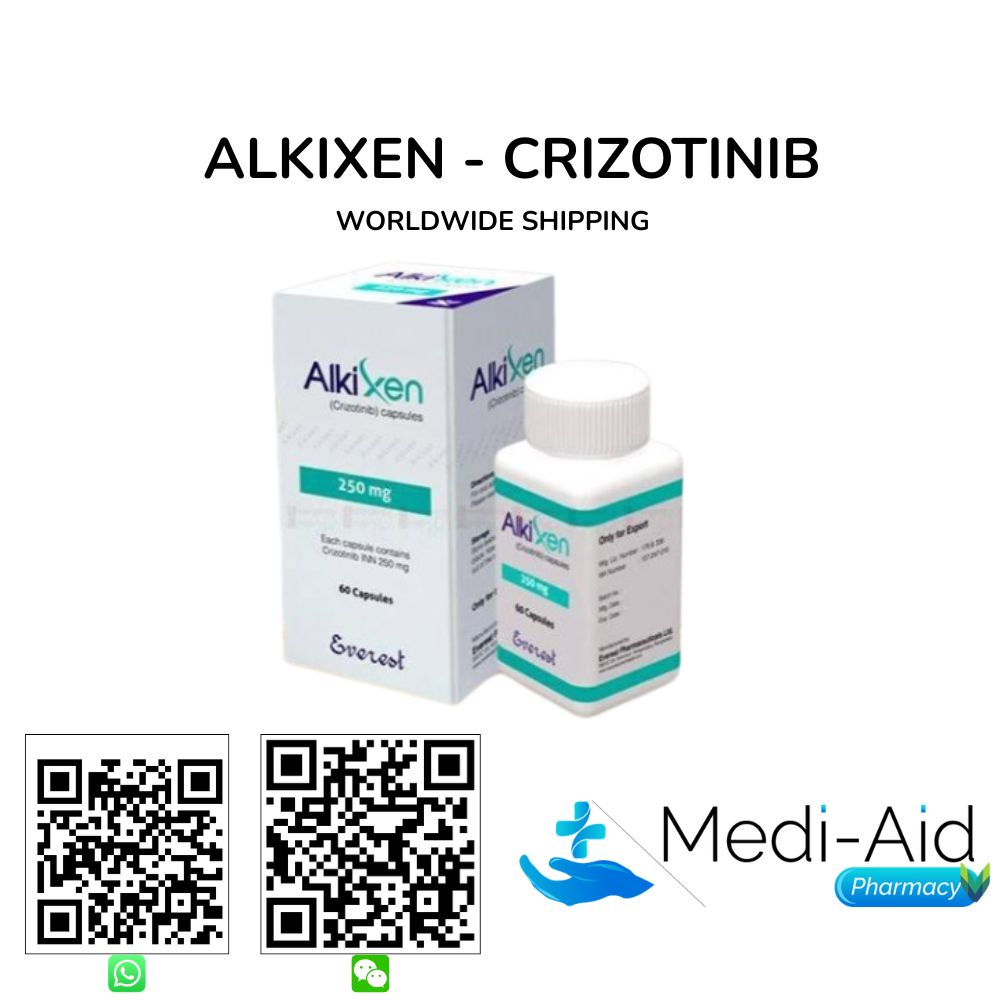
Alkixen 250 MG (Crizotinib) is an oral, first-generation, ATP-competitive tyrosine kinase inhibitor (TKI) supplied as a 250 mg capsule in a 60’s pack and manufactured by Everest Pharmaceuticals Ltd. in Bangladesh. Its active ingredient, crizotinib, selectively inhibits three distinct receptor tyrosine kinases anaplastic lymphoma kinase (ALK), ROS1 proto-oncogene receptor tyrosine kinase (ROS1), and the mesenchymal–epithelial transition receptor (MET/HGFR) blocking the downstream oncogenic signalling cascades that drive tumour cell survival, proliferation, migration, and metastasis in ALK-positive and ROS1-positive non-small cell lung cancer (NSCLC). The reference-label dose of crizotinib is 250 mg taken orally twice daily on a continuous, uninterrupted schedule, with or without food.
In the pivotal PROFILE 1014 Phase III trial of previously untreated ALK-positive metastatic NSCLC (n=343), crizotinib 250 mg twice daily produced a median progression-free survival (PFS) of 10.9 months versus 7.0 months with pemetrexed-plus-platinum chemotherapy (HR 0.45; 95% CI 0.35–0.60; p<0.001), with an objective response rate (ORR) of 74% versus 45%. In PROFILE 1007 (previously treated ALK-positive NSCLC), crizotinib achieved a median PFS of 7.7 months versus 3.0 months with chemotherapy (HR 0.49; p<0.001) and an ORR of 65% versus 20%. In PROFILE 1001 (ROS1-positive metastatic NSCLC, n=53), crizotinib produced an ORR of 72% and a median PFS of 19.3 months. Alkixen 250 MG (Crizotinib) is indicated for adult patients with ALK-positive metastatic NSCLC and adult patients with ROS1-positive metastatic NSCLC. Searching for Alkixen 250 MG Crizotinib? Mediaid Pharmacy lists this product within its comprehensive lung cancer medicines portfolio and ships it worldwide.
Basic Product Information of Alkixen 250 MG (Crizotinib)
| Brand Name | Alkixen 250 MG (Crizotinib) |
| Product Name | Alkixen |
| Generic Name | Crizotinib INN |
| Drug Class | First-Generation ALK / ROS1 / MET Tyrosine Kinase Inhibitor (TKI); Targeted Thoracic Oncology Agent |
| Formulation | Capsule |
| Available Strength | 250 mg |
| Available Pack Size | 60 Capsules (60 capsules per pack) |
| Primary Indications | ALK-positive metastatic NSCLC in adults (treatment-naïve and previously treated); ROS1-positive metastatic NSCLC in adults. Reference dose: 250 mg (one 250 mg capsule) orally twice daily, continuous schedule, with or without food. |
| Manufacturer | Everest Pharmaceuticals Ltd., Bangladesh |
| SKU | everest-alkixen |
| Originator Reference Brand | Xalkori (crizotinib) by Pfizer |
| Registrations | Bangladesh |
| Global Supplier | Mediaid Pharmacy, Worldwide Shipping Available |
| Storage Conditions | Store at room temperature (below 30°C) in a dry place, away from light and moisture. Keep out of the reach of children. |
How Alkixen 250 MG (Crizotinib) Works: ALK, ROS1, and MET Inhibition in ALK-Positive and ROS1-Positive NSCLC
Crizotinib, the active ingredient in Alkixen 250 MG, is a first-generation, orally bioavailable, ATP-competitive small-molecule inhibitor that targets three receptor tyrosine kinases simultaneously: anaplastic lymphoma kinase (ALK), ROS1 proto-oncogene receptor tyrosine kinase (ROS1), and the mesenchymal–epithelial transition receptor (MET, also known as HGFR hepatocyte growth factor receptor).
An ALK tyrosine kinase inhibitor refers to a targeted oncology drug class that occupies the ATP-binding site of the ALK kinase domain, blocking the constitutive oncogenic kinase activity generated by ALK chromosomal rearrangements most commonly the EML4-ALK fusion which are detected in approximately 3–7% of all NSCLC cases.
ALK rearrangements produce a constitutively active ALK fusion oncoprotein that continuously activates downstream RAS/MAPK, PI3K/AKT, and JAK/STAT3 intracellular signalling cascades sustaining malignant NSCLC cell proliferation, survival, and metastasis. Crizotinib inhibits the kinase activity of wild-type and mutant forms of ALK, ROS1, and MET by competing with ATP for binding to the kinase active site, preventing phosphorylation of downstream signalling substrates and arresting tumour cell growth.
Crizotinib’s activity against ROS1 rearrangements present in approximately 1–2% of NSCLC cases reflects a high degree of structural homology between the ROS1 and ALK kinase domains at the ATP-binding pocket, allowing crizotinib to potently inhibit oncogenic ROS1 fusion proteins (including the CD74-ROS1 and SLC34A2-ROS1 fusions) at clinically achievable concentrations. In the pivotal PROFILE 1001 expansion cohort (n=53 ROS1-positive metastatic NSCLC patients), crizotinib produced a confirmed ORR of 72%, a median duration of response (DOR) of 17.6 months, and a median PFS of 19.3 months efficacy outcomes that substantially exceed what is achievable with standard platinum-based chemotherapy in unselected advanced NSCLC.
A notable and clinically unique adverse effect profile of crizotinib includes visual disturbances (photopsia, blurred vision, visual field defects) reported in approximately 60% of patients reflecting crizotinib’s pharmacological activity on retinal photoreceptor cells, a mechanism-based class effect that is predominantly Grade 1–2 in severity and rarely requires treatment discontinuation. Oncologists sourcing targeted therapies for ALK-positive and ROS1-positive NSCLC programmes can review the complete range of lung cancer medicines at Mediaid Pharmacy for companion and supportive therapies.
In the pivotal head-to-head PROFILE 1014 Phase III trial the first global randomised study establishing crizotinib as first-line standard of care for ALK-positive metastatic NSCLC crizotinib at 250 mg twice daily on a continuous schedule enrolled 343 patients with previously untreated ALK-positive non-squamous metastatic NSCLC. Crizotinib delivered a median PFS of 10.9 months versus 7.0 months with pemetrexed-plus-platinum chemotherapy (HR 0.45; 95% CI 0.35–0.60; p<0.001), an ORR of 74% versus 45%, and significant improvement in lung cancer symptoms and quality of life, establishing the 250 mg twice-daily continuous dose as the validated standard dose across all approved crizotinib indications.
In the PROFILE 1007 Phase III trial of previously treated ALK-positive NSCLC (n=347), crizotinib more than doubled median PFS compared to standard chemotherapy (7.7 months versus 3.0 months; HR 0.49; 95% CI 0.37–0.64; p<0.001) with an ORR of 65% versus 20% confirming durable second-line activity in a pre-treated population.
Approved Indications of Crizotinib (Reference Label for Alkixen 250 MG (Crizotinib))
Crizotinib, the active ingredient in Alkixen 250 MG, is approved internationally across two molecularly defined metastatic NSCLC populations: ALK-positive metastatic NSCLC (in both treatment-naïve and previously treated settings) and ROS1-positive metastatic NSCLC. Both indications use the same reference-label dose of 250 mg twice daily administered continuously. ALK or ROS1 rearrangement status must be confirmed by a validated diagnostic test before initiating therapy. Prescribers should confirm the exact locally approved indications on the Alkixen product label before initiating treatment.
|
ALK-Positive Metastatic NSCLC Treatment-Naïve and Previously Treated Adults (250 mg Twice Daily) Crizotinib is indicated as monotherapy for adults with ALK-positive metastatic NSCLC in both the first-line and previously treated settings. PROFILE 1014 (first-line, n=343) established crizotinib superiority over pemetrexed-plus-platinum chemotherapy: median PFS 10.9 versus 7.0 months (HR 0.45; p<0.001), ORR 74% versus 45%, and intracranial disease control rate (IC-DCR) of 85% versus 45% at 12 weeks in patients with brain metastases at baseline (p<0.001). PROFILE 1007 (previously treated, n=347) confirmed crizotinib superiority over single-agent chemotherapy: median PFS 7.7 versus 3.0 months (HR 0.49; p<0.001) and ORR 65% versus 20%. |
ROS1-Positive Metastatic NSCLC Adults (250 mg Twice Daily) Crizotinib is indicated as monotherapy for adults with ROS1-positive metastatic NSCLC, a molecularly distinct NSCLC subtype driven by ROS1 chromosomal rearrangements detected in approximately 1–2% of NSCLC cases. The PROFILE 1001 Phase I expansion cohort (n=53 ROS1-positive patients) established crizotinib’s efficacy in this indication: confirmed ORR of 72% (3 complete responses + 33 partial responses), median DOR of 17.6 months, and median PFS of 19.3 months (95% CI 15.2–39.1) outcomes that led to FDA approval as the first targeted therapy for ROS1-positive NSCLC. For a broader view of available targeted lung cancer therapies, browse the lung cancer medicines section at Mediaid Pharmacy. |
Key Clinical Benefits of Alkixen 250 MG (Crizotinib)
|
74% ORR and 10.9-Month Median PFS in First-Line ALK-Positive NSCLC Superiority Over Platinum-Based Chemotherapy Confirmed in Phase III PROFILE 1014 (n=343) established crizotinib 250 mg twice daily as superior to pemetrexed-plus-platinum chemotherapy in previously untreated ALK-positive metastatic NSCLC: median PFS 10.9 versus 7.0 months (HR 0.45; 95% CI 0.35–0.60; p<0.001), ORR 74% versus 45%, and a 1-year overall survival rate of 84% versus 79%. Crizotinib also produced greater reduction in lung cancer symptoms and greater improvement in quality of life compared with platinum-based chemotherapy translating the survival benefit into a measurable patient experience advantage over the previous chemotherapy standard. |
65% ORR in Previously Treated ALK-Positive NSCLC and Intracranial Disease Control Rate of 85% at 12 Weeks in Patients with Brain Metastases PROFILE 1007 (n=347, previously treated ALK-positive NSCLC) confirmed crizotinib’s superiority over single-agent chemotherapy: ORR 65% versus 20% (p<0.0001), median PFS 7.7 versus 3.0 months (HR 0.49; p<0.001). An intracranial efficacy analysis in PROFILE 1014 patients with brain metastases at baseline demonstrated a significantly higher intracranial disease control rate (IC-DCR) with crizotinib versus chemotherapy at both 12 weeks (85% vs 45%; p<0.001) and 24 weeks (56% vs 25%; p=0.006) confirming clinically meaningful intracranial anti-tumour activity in patients with CNS-involved ALK-positive NSCLC. |
72% ORR and 19.3-Month Median PFS in ROS1-Positive NSCLC The Foundational Evidence Base Establishing Crizotinib as the First FDA-Approved ROS1-Targeted Therapy PROFILE 1001 (n=53 ROS1-positive metastatic NSCLC patients) established crizotinib as the first approved targeted therapy for ROS1-positive NSCLC: confirmed ORR 72% (3 complete responses + 33 partial responses), median DOR 17.6 months, and median PFS 19.3 months (95% CI 15.2–39.1). These outcomes achieved in a patient population historically treated with standard platinum doublet chemotherapy yielding ORRs below 35% provided the pivotal evidence base for FDA approval of crizotinib in ROS1-positive NSCLC and defined crizotinib as the benchmark therapeutic reference against which all subsequent ROS1-directed TKIs have been evaluated. |
Dosage and Administration of Alkixen 250 MG (Crizotinib)
Administration Rule Can Be Taken With or Without Food: Crizotinib may be taken with or without food there is no clinically significant food effect that requires fasting or mandatory food co-administration. Swallow Alkixen 250 MG capsules whole with water. Do not crush, open, or chew the capsules before swallowing. The full approved dose of 250 mg twice daily requires one Alkixen 250 MG capsule in the morning and one Alkixen 250 MG capsule in the evening, approximately 12 hours apart, at the same times each day. If a dose is missed and it is within 6 hours of the scheduled dose time, take the missed dose and resume the regular schedule; if more than 6 hours have elapsed, skip the missed dose and take the next scheduled dose at the usual time. Do not take a double dose to compensate for a missed one.
ALK-Positive and ROS1-Positive Metastatic NSCLC Standard Dose (250 mg Twice Daily, Continuous Schedule): The reference label specifies 250 mg twice daily (BID) on a continuous, uninterrupted schedule for all approved crizotinib indications including previously untreated ALK-positive metastatic NSCLC, previously treated ALK-positive metastatic NSCLC, and ROS1-positive metastatic NSCLC. One Alkixen 250 MG capsule taken twice daily approximately 12 hours apart delivers the full 500 mg total daily crizotinib dose validated across the PROFILE 1001, PROFILE 1005, PROFILE 1007, and PROFILE 1014 Phase I–III clinical trial programmes. Crizotinib is administered on a continuous schedule without planned treatment breaks until disease progression or unacceptable toxicity occurs. The 60-capsule pack of Alkixen 250 MG provides a 30-day supply at the standard 250 mg twice-daily dose (two capsules per day).
Dose Reduction Schedule for Adverse Event Management: If crizotinib-related adverse events including Grade 3 or higher hepatotoxicity, Grade 3 or higher haematological toxicity, ILD/pneumonitis, severe bradycardia, or QTc prolongation require dose modification, the reference label specifies a stepwise reduction: first to 200 mg twice daily, then to 250 mg once daily if further reduction is necessary. Permanent discontinuation of crizotinib is required for Grade 4 ILD/pneumonitis, life-threatening arrhythmia, or recurrent severe toxicity not recovering to Grade 1 or baseline following two stepwise dose reductions. All dose modification decisions must be directed by the treating oncologist using NCI Common Terminology Criteria for Adverse Events (CTCAE) grading.
Dose Adjustment for Strong CYP3A4 Inhibitors and Inducers: Crizotinib is primarily metabolised by CYP3A4 and is also a strong inhibitor of CYP3A4 at therapeutic concentrations. Co-administration with strong CYP3A4 inhibitors (e.g., ketoconazole, itraconazole, ritonavir, clarithromycin) significantly increases crizotinib plasma exposure and may exacerbate hepatotoxicity, QTc prolongation, and bradycardia risk; avoid these combinations where clinically feasible or reduce the crizotinib dose under oncologist guidance. Strong CYP3A4 inducers including rifampicin, carbamazepine, phenytoin, and St John’s Wort significantly reduce crizotinib plasma concentrations and should be avoided throughout the treatment course. Because crizotinib is a strong CYP3A4 inhibitor itself, co-administration with sensitive CYP3A4 substrates with narrow therapeutic indices requires close monitoring and possible dose adjustment of the co-administered substrate.
Renal and Hepatic Dose Adjustment: In patients with severe renal impairment (creatinine clearance <30 mL/min) not requiring dialysis, the reference label recommends reducing the crizotinib starting dose to 250 mg once daily. In patients with moderate or severe hepatic impairment, crizotinib should be avoided or used with extreme caution; dose reductions must be guided by the treating oncologist based on individual hepatic function assessment. Consult the treating oncologist and refer to the current prescribing information before any dose adjustment is made.
Clinical Monitoring Requirements During Alkixen 250 MG (Crizotinib) Treatment
Liver function monitoring is the primary biochemical safety requirement for crizotinib therapy. The reference label mandates liver function tests (ALT, AST, and total bilirubin) assessment every 2 weeks during the first 2 months of treatment, then once monthly and as clinically indicated thereafter. ALT or AST elevation greater than 5× the upper limit of normal (ULN) with concurrent total bilirubin ≤2× ULN requires crizotinib dose withholding until recovery to Grade 1 or baseline, followed by resumption at the next lower dose level. Concurrent Grade 3 or higher ALT or AST elevation combined with total bilirubin elevation greater than 2× ULN (in the absence of cholestasis or haemolysis) requires permanent crizotinib discontinuation. Patients should be instructed to report any symptoms suggestive of hepatotoxicity including new fatigue, right upper quadrant abdominal pain, jaundice, dark urine, or pruritus to their oncology team immediately for urgent evaluation.
Cardiac monitoring for bradycardia and QTc prolongation is required throughout the crizotinib treatment period. Symptomatic bradycardia resting heart rate below 60 beats per minute has been reported with crizotinib. Baseline heart rate and blood pressure must be assessed before initiating Alkixen 250 MG; clinical evaluation for symptoms of dizziness, light-headedness, near-syncope, or palpitations should be incorporated into every scheduled oncology review. Grade 2 or 3 symptomatic bradycardia requires dose withholding and review of all concomitant chronotropic medications, with dose resumption at a reduced level upon recovery. A baseline ECG and serum electrolyte assessment (potassium, magnesium, calcium) are recommended; electrolyte abnormalities should be corrected before and throughout crizotinib therapy to minimise QTc prolongation risk.
Pulmonary monitoring for ILD and pneumonitis including clinical assessment of new or worsening dyspnoea, dry cough, fever, or radiological pulmonary infiltrates must be incorporated into every routine oncology review; suspected ILD or pneumonitis requires immediate crizotinib interruption pending investigation and urgent respiratory evaluation. Permanent discontinuation is required for Grade 3 or 4 ILD/pneumonitis. Visual symptom monitoring is uniquely important for crizotinib: visual disturbances including photopsia (flashes of light), blurred vision, vitreous floaters, and visual field defects are reported in approximately 60% of patients, predominantly Grade 1–2 and occurring most frequently during transitions between light and dark environments. Patients should receive ophthalmological evaluation if visual symptoms are severe, persistent, or worsening, and should not drive or operate machinery if they experience clinically significant visual impairment during crizotinib therapy.
Drug Interactions and Important Safety Information for Alkixen 250 MG (Crizotinib)
The most clinically significant drug interactions for crizotinib arise from its dual pharmacokinetic role as both a CYP3A4 substrate and a strong CYP3A4 inhibitor. As a CYP3A4 substrate, crizotinib plasma concentrations are substantially increased by strong CYP3A4 inhibitors including ketoconazole, itraconazole, voriconazole, clarithromycin, and ritonavir-based antiretroviral regimens which may intensify crizotinib-associated toxicities including hepatotoxicity, bradycardia, and QTc prolongation; avoid these combinations where clinically feasible throughout the crizotinib treatment course.
Strong CYP3A4 inducers including rifampicin, rifabutin, carbamazepine, phenytoin, and St John’s Wort significantly reduce crizotinib plasma concentrations, potentially rendering continuous ALK or ROS1 inhibition sub-therapeutic; these combinations should also be avoided. As a strong CYP3A4 inhibitor, crizotinib itself substantially increases the plasma concentrations of co-administered CYP3A4 substrates with narrow therapeutic indices including certain immunosuppressants (ciclosporin, tacrolimus, sirolimus), statins (simvastatin, lovastatin), ergot alkaloids, benzodiazepines (midazolam, triazolam), and some antiarrhythmics (quinidine) requiring dose reduction of the co-administered substrate and close monitoring for substrate-related toxicities.
A second important interaction class involves QTc-prolonging agents. Crizotinib is associated with dose-dependent QTc interval prolongation; co-administration with other QT-prolonging drugs including Class IA and III antiarrhythmics, certain antipsychotics, fluoroquinolone antibiotics, antimalarials, and 5-HT3 receptor antagonist antiemetics (ondansetron at higher doses) carries an additive risk of clinically significant QTc prolongation and potentially life-threatening ventricular arrhythmia.
Avoid concurrent QT-prolonging medications with crizotinib wherever clinically feasible; when unavoidable co-administration is required, perform baseline and on-treatment ECG monitoring and maintain electrolyte homeostasis throughout. Concomitant medications that lower heart rate beta-adrenergic blocking agents, non-dihydropyridine calcium channel blockers, ivabradine, and digoxin may potentiate crizotinib-associated bradycardia; clinical monitoring of resting heart rate and patient symptom reporting is required throughout the combination period.
Additionally, crizotinib is a P-glycoprotein (P-gp) inhibitor; co-administration with P-gp substrates with narrow therapeutic windows including digoxin and dabigatran may increase their plasma exposure and toxicity risk. Patients must provide their treating oncologist with a complete medication history including prescription drugs, over-the-counter preparations, vitamins, herbal supplements, and gastric acid-reducing agents before and throughout Alkixen 250 MG treatment. Those requiring additional targeted, cytotoxic, or supportive agents alongside crizotinib can browse the full oncology medicines range available at Mediaid Pharmacy.
Side Effects and Precautions of Alkixen 250 MG (Crizotinib)
|
Common Side Effects Visual disturbances (most distinctive adverse event of crizotinib; reported in approximately 60% of patients including photopsia, blurred vision, vitreous floaters, and visual field defects; predominantly Grade 1–2 and occurring most frequently during transitions between light and dark environments) Nausea (~55%; proactive antiemetic management is recommended from treatment initiation to maintain treatment continuity and tolerability) Diarrhoea and vomiting (frequent gastrointestinal adverse effects requiring supportive antidiarrhoeal and antiemetic management) Peripheral oedema (~35%; predominantly Grade 1–2 oedema of the lower limbs and face) Constipation and decreased appetite Elevated liver transaminases ALT and AST requiring scheduled liver function monitoring every 2 weeks for the first 2 months, then monthly Fatigue and asthenia Symptomatic bradycardia (approximately 5%; resting heart rate below 60 bpm; typically manageable with dose interruption and chronotropic medication review) Dysgeusia (taste abnormalities) and dysphagia |
Serious Warnings and Precautions Hepatotoxicity: Grade 3 or higher ALT/AST elevations with or without concurrent bilirubin elevation have been reported, including fatal cases. Liver function tests (every 2 weeks for the first 2 months, then monthly) are mandatory. Permanent discontinuation is required for concurrent Grade 3+ transaminase and bilirubin elevation in the absence of cholestasis. ILD and pneumonitis: serious ILD and pneumonitis, including fatal cases, have been reported in approximately 3.3% of crizotinib-treated patients across clinical trials. Any new or progressively worsening dyspnoea, dry cough, or fever requires immediate crizotinib interruption and urgent clinical investigation; permanent discontinuation is required for Grade 3 or 4 ILD/pneumonitis. QTc prolongation: dose-dependent QTc interval prolongation has been reported with crizotinib. ECG and electrolyte monitoring are recommended at baseline and during treatment. Avoid concurrent QT-prolonging medications and correct electrolyte abnormalities before and throughout therapy. Bradycardia: symptomatic bradycardia requiring dose interruption and concomitant medication review has been reported. Life-threatening bradycardia with haemodynamic compromise requires permanent discontinuation unless a contributing concomitant medication is identified and discontinued. Embryo-fetal toxicity: crizotinib can cause fetal harm. Females of reproductive potential must use effective contraception during treatment and for at least 45 days after the final dose. Males with female partners of reproductive potential must use contraception during treatment and for at least 90 days after the last dose. Breastfeeding is not recommended during treatment and for 45 days after the final crizotinib dose. |
Who Should Use Alkixen 250 MG (Crizotinib)?
Alkixen 250 MG (Crizotinib) is indicated for adult patients with ALK-positive metastatic NSCLC in both the treatment-naïve first-line and previously treated settings where the 250 mg twice-daily continuous dose was validated in the PROFILE 1014 (first-line: PFS 10.9 vs 7.0 months; ORR 74% vs 45%) and PROFILE 1007 (previously treated: PFS 7.7 vs 3.0 months; ORR 65% vs 20%) Phase III trial programmes and for adult patients with ROS1-positive metastatic NSCLC, where the PROFILE 1001 Phase I expansion cohort established the ORR of 72% and median PFS of 19.3 months that supported FDA approval of crizotinib as the first targeted therapy for this molecularly defined NSCLC subtype.
All indications require prior confirmation of ALK or ROS1 positivity using a validated diagnostic test the Vysis ALK Break-Apart FISH Probe Kit (for ALK) or a laboratory-developed FISH or RT-PCR assay (for ROS1) before Alkixen 250 MG is initiated. Oncologists managing ALK-positive or ROS1-positive NSCLC assess baseline liver function (ALT, AST, total bilirubin), resting heart rate, ECG with QTc measurement, serum electrolytes (potassium, magnesium, calcium), pulmonary function, and a complete concomitant medication review before prescribing Alkixen 250 MG. Patients with moderate or severe hepatic impairment, established symptomatic bradycardia on maximally managed chronotropic medications, significant QTc prolongation at baseline, active uncontrolled ILD, or those who are pregnant, breastfeeding, or of reproductive potential without adequate contraception require individualised risk assessment before treatment begins.
For patients requiring complementary targeted, cytotoxic, or immunotherapy agents alongside crizotinib, or for those co-sourcing Everest Pharmaceuticals oncology medicines in the same supply order, the Mediaid Pharmacy Everest Pharmaceuticals medicines range and the broader oncology medicines portfolio offer a comprehensive selection available for worldwide delivery.
Global Supplier: Mediaid Pharmacy Worldwide Shipping for Alkixen 250 MG (Crizotinib)
Mediaid Pharmacy is a Dhaka-based supplier of oncology and specialty medicines with worldwide shipping capability. Alkixen 250 MG (Crizotinib), manufactured by Everest Pharmaceuticals Ltd. in Bangladesh and registered for local use, is available in a 60-capsule pack providing a full 30-day supply at the standard 250 mg twice-daily dose and all orders are supported by pricing quotations, stock confirmation, regulatory documentation, and end-to-end international delivery tracking. Hospitals, specialist thoracic oncology departments, medical oncology clinics, distributors, and individual patients can contact the Mediaid Pharmacy team through WhatsApp, phone, or WeChat for all enquiries regarding Alkixen 250 MG Crizotinib stock availability, pricing, and international shipping timelines. Buyers sourcing crizotinib for ALK-positive or ROS1-positive NSCLC programmes, or co-sourcing multiple lung cancer or oncology medicines in a consolidated shipment, can browse the complete lung cancer medicines collection and the full Everest Pharmaceuticals medicines range at Mediaid Pharmacy before requesting a consolidated quotation.
Why Choose Alkixen 250 MG (Crizotinib) from Mediaid Pharmacy?
Alkixen 250 MG (Crizotinib) provides thoracic oncology and medical oncology teams with the reference-label 250 mg unit-dose capsule of crizotinib the dose strength that anchored PROFILE 1014 (first-line ALK-positive NSCLC: median PFS 10.9 vs 7.0 months; ORR 74% vs 45%; IC-DCR 85% vs 45% at 12 weeks in patients with brain metastases), PROFILE 1007 (previously treated ALK-positive NSCLC: median PFS 7.7 vs 3.0 months; ORR 65% vs 20%), and PROFILE 1001 (ROS1-positive NSCLC: ORR 72%; median DOR 17.6 months; median PFS 19.3 months). The 250 mg twice-daily continuous schedule is the reference-label standard for crizotinib across all approved ALK-positive and ROS1-positive NSCLC indications, and the 60-capsule pack of Alkixen 250 MG delivers a convenient 30-day supply at the standard dose. Crizotinib was the first approved ALK TKI and the first approved ROS1-targeted therapy in NSCLC establishing the foundational targeted therapy framework upon which all subsequent generation ALK and ROS1 inhibitors have been developed and evaluated. Manufactured by Everest Pharmaceuticals Ltd. (Bangladesh), Alkixen 250 MG is a Bangladesh-registered oncology-grade capsule formulation suitable for patients requiring continuous, twice-daily ALK and ROS1 inhibition therapy in both inpatient and ambulatory outpatient settings. Mediaid Pharmacy supplies Alkixen 250 MG in 60-capsule packs with full product documentation, specialist supply support, and worldwide shipping from Dhaka, with every order initiated through a prescription-verified enquiry to maintain appropriate clinical governance of supply. To compare crizotinib with next-generation ALK TKIs such as alectinib, brigatinib, or lorlatinib or to source additional targeted lung cancer medicines, visit the Mediaid Pharmacy oncology medicines section and contact the team for a personalised quotation.
Frequently Asked Questions About Alkixen 250 MG (Crizotinib)
What is Alkixen 250 MG (Crizotinib) used for?
Alkixen 250 MG (Crizotinib) is an oral, first-generation ALK, ROS1, and MET tyrosine kinase inhibitor (TKI) manufactured by Everest Pharmaceuticals Ltd. and registered in Bangladesh, used to treat molecularly defined non-small cell lung cancer (NSCLC) in adults. It is indicated as monotherapy for adults with ALK-positive metastatic NSCLC (in both the treatment-naïve first-line and previously treated settings) and for adults with ROS1-positive metastatic NSCLC. Crizotinib works by competitively inhibiting the ATP-binding sites of the ALK, ROS1, and MET kinase domains blocking the downstream RAS/MAPK, PI3K/AKT, and JAK/STAT3 oncogenic signalling cascades that sustain malignant NSCLC cell proliferation, survival, and metastasis in ALK-rearranged and ROS1-rearranged tumours. ALK or ROS1 rearrangement status must be confirmed by a validated diagnostic test before Alkixen therapy is initiated.
What is the generic name of Alkixen 250 MG?
The generic name of Alkixen 250 MG is crizotinib INN. Alkixen 250 MG is a capsule formulation available in a 60-capsule pack, manufactured by Everest Pharmaceuticals Ltd. in Bangladesh. The originator reference brand for crizotinib is Xalkori, developed and commercialised by Pfizer, which is approved in the United States, the European Union, Japan, and other major international markets for ALK-positive metastatic NSCLC and ROS1-positive metastatic NSCLC. Alkixen is the brand name assigned to crizotinib by Everest Pharmaceuticals Ltd. for the Bangladesh-registered formulation distributed globally by Mediaid Pharmacy.
How many Alkixen 250 MG capsules are taken per day and how long does one pack last?
The reference label recommends 250 mg twice daily for all approved crizotinib indications. This dose is achieved by taking one Alkixen 250 MG capsule in the morning and one Alkixen 250 MG capsule in the evening a total of two capsules (500 mg crizotinib) per day with or without food. At this standard twice-daily dose, one 60-capsule pack of Alkixen 250 MG provides a 30-day supply. The dose must always be confirmed and supervised by the treating oncologist; never adjust or alter your dose without your prescribing specialist’s explicit direction.
What is the difference between Alkixen (Crizotinib) and Xalkori (Crizotinib)?
Alkixen (crizotinib) manufactured by Everest Pharmaceuticals Ltd. in Bangladesh and Xalkori (crizotinib) manufactured by Pfizer in the United States both contain the same active ingredient crizotinib INN at the same 250 mg strength per capsule. Xalkori is the originator brand approved by the FDA and other international regulatory authorities. Alkixen 250 MG is the Everest Pharmaceuticals-branded formulation registered in Bangladesh and distributed globally by Mediaid Pharmacy. The same standard dose of 250 mg (one capsule) twice daily applies to both formulations. Confirm prescribing requirements and local regulatory status with your treating oncologist and the relevant regulatory authority in your country before initiating Alkixen therapy.
What are the side effects of Alkixen 250 MG (Crizotinib)?
The most distinctive common side effects of crizotinib include visual disturbances (~60% of patients: photopsia, blurred vision, vitreous floaters predominantly Grade 1–2 and occurring during light-to-dark transitions), nausea (~55%), diarrhoea, vomiting, peripheral oedema (~35%), constipation, elevated liver transaminases (ALT/AST), fatigue, and symptomatic bradycardia (~5%). Serious adverse effects requiring immediate clinical evaluation include ILD/pneumonitis (including fatal cases; approximately 3.3% of patients), Grade 3 or higher hepatotoxicity, QTc prolongation, Grade 3 or higher bradycardia with haemodynamic compromise, and embryo-fetal toxicity. Liver function tests (every 2 weeks for the first 2 months, then monthly), ECG and electrolyte monitoring, and pulmonary surveillance are mandatory throughout treatment. Consult your prescribing oncologist regarding your individual risk profile and monitoring schedule before and during crizotinib therapy.
Why does Crizotinib cause visual disturbances and when should I seek medical advice?
Visual disturbances with crizotinib including photopsia (perception of flashes or sparks of light), blurred vision, vitreous floaters, visual field defects, and diplopia are reported in approximately 60% of patients and are believed to reflect crizotinib’s pharmacological activity on retinal photoreceptor cells, a mechanism-based class effect of ALK inhibition. Visual disturbances are predominantly Grade 1–2 in severity, typically transient, and most often occur during transitions between light and dark environments. They rarely require crizotinib dose modification or discontinuation. However, patients should seek prompt ophthalmological evaluation if visual symptoms are severe, involve significant visual acuity loss, are persistent or worsening over time, or are accompanied by pain, redness, or photophobia as these features may indicate a more serious ophthalmological adverse event requiring specialist assessment. Patients should also be advised not to drive or operate machinery if they experience clinically significant visual impairment while on Alkixen 250 MG.
What monitoring tests are required during Alkixen 250 MG (Crizotinib) treatment?
The reference label for crizotinib requires liver function tests (ALT, AST, and total bilirubin) every 2 weeks during the first 2 months of treatment, then once monthly and as clinically indicated thereafter. A baseline ECG and serum electrolyte assessment (potassium, magnesium, and calcium) are recommended before initiating crizotinib, with on-treatment ECG monitoring if QTc prolongation is suspected clinically. Heart rate and blood pressure should be assessed at each scheduled oncology review for symptomatic bradycardia. Clinical evaluation for new or worsening respiratory symptoms (dyspnoea, cough, fever) suggestive of ILD/pneumonitis must be incorporated into every clinical encounter. Visual symptom documentation and ophthalmological referral are required if significant or worsening visual disturbances occur during treatment. Your oncology team will specify the exact monitoring schedule based on your individual clinical status and any dose modifications that occur during treatment.
Is Alkixen 250 MG (Crizotinib) safe during pregnancy or while breastfeeding?
No. Crizotinib can cause fetal harm based on its mechanism of action and non-clinical reproductive toxicity studies demonstrating embryotoxicity and teratogenicity at clinically relevant exposures. Females of reproductive potential must use effective contraception during treatment with Alkixen 250 MG and for at least 45 days after the final dose. Males with female partners of reproductive potential must use effective contraception during treatment and for at least 90 days after the last dose. Breastfeeding is contraindicated during treatment and for at least 45 days after the final crizotinib dose. Patients who are pregnant, planning a pregnancy, or currently breastfeeding must discuss individualised risk counselling with their prescribing oncologist before Alkixen 250 MG is initiated or continued.
Can I order Alkixen 250 MG (Crizotinib) online with worldwide shipping?
Yes. Mediaid Pharmacy supplies Alkixen 250 MG (Crizotinib) manufactured by Everest Pharmaceuticals Ltd. and registered in Bangladesh to patients and healthcare providers globally. Contact Mediaid Pharmacy via WhatsApp, phone, or WeChat at +8801773428128, or email info@mediaidpharmacy.com for current stock availability, pricing, and international delivery details for your country.
Order Alkixen 250 MG (Crizotinib) with Worldwide Shipping
Phone / WhatsApp / WeChat: +8801773428128 | Email: info@mediaidpharmacy.com
Reviews
There are no reviews yet.