Description
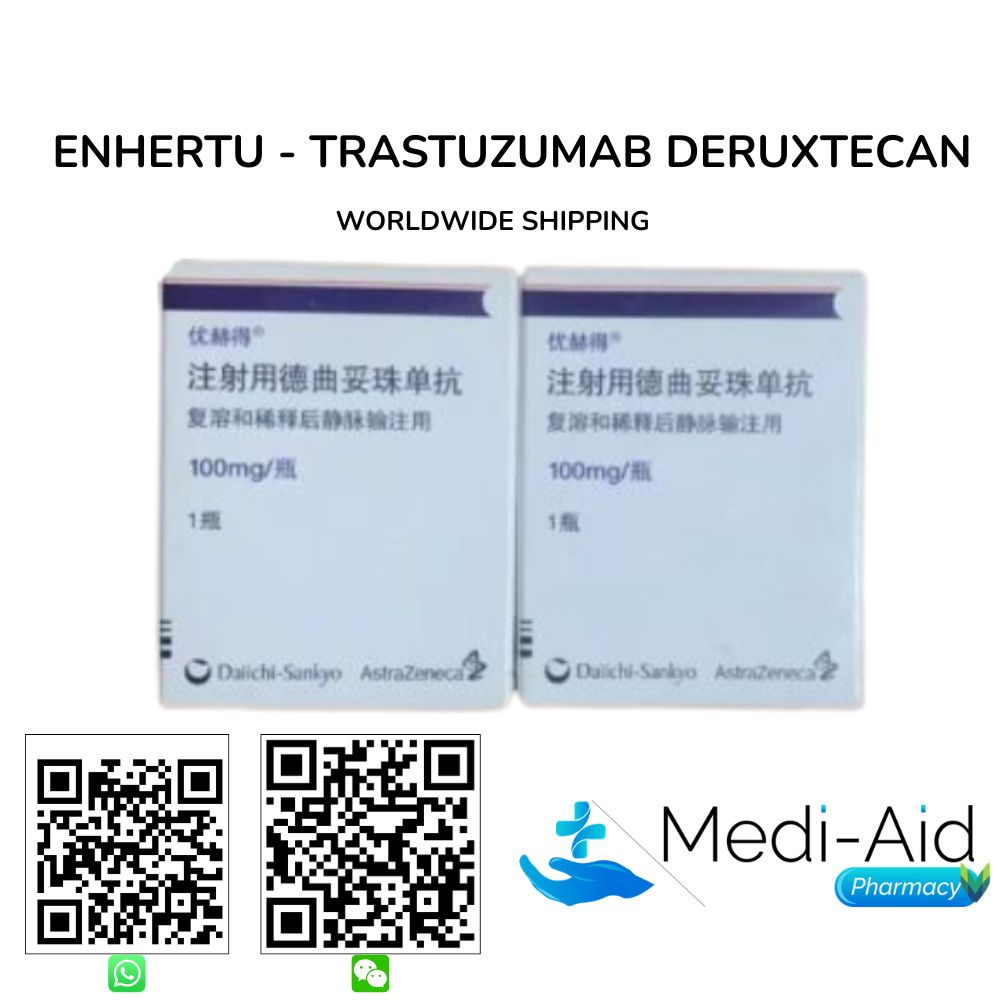
Enhertu 100 MG Trastuzumab deruxtecan marketed in China under the Chinese package name 优赫得 is a HER2-targeted antibody-drug conjugate (ADC) supplied as 100 mg powder for intravenous infusion after reconstitution and dilution (1 vial per pack) and co-developed and commercialized by Daiichi Sankyo and AstraZeneca in China-market packaging. Its active ingredient, trastuzumab deruxtecan, is a precision oncology molecule that combines a humanized anti-HER2 (Human Epidermal Growth Factor Receptor 2) monoclonal antibody trastuzumab with a potent topoisomerase I inhibitor payload (DXd, an exatecan derivative) via a tumor-selective, cleavable tetrapeptide-based linker, achieving a drug-to-antibody ratio (DAR) of approximately 8.
Upon HER2-mediated internalization, the linker is cleaved by lysosomal cathepsins within tumor cells, releasing membrane-permeable DXd that induces irreversible DNA single-strand breaks and apoptosis in HER2-expressing tumor cells and exerts a bystander killing effect on adjacent HER2-low or HER2-negative tumor cells through DXd diffusion across cell membranes, a mechanistic advantage over earlier ADC generations. In the pivotal DESTINY-Breast03 Phase 3 trial (trastuzumab deruxtecan versus trastuzumab emtansine [T-DM1] as second-line therapy in 524 adults with HER2-positive metastatic breast cancer), trastuzumab deruxtecan produced a median progression-free survival (PFS) of 28.8 months versus 6.8 months with T-DM1 (HR 0.33; 95% CI 0.26–0.43; p<0.001) establishing Enhertu (trastuzumab deruxtecan) 100 mg as the new standard of care in HER2-positive metastatic breast cancer after prior trastuzumab-based therapy. Searching for Enhertu 100 MG Trastuzumab deruxtecan? Mediaid Pharmacy lists this product within its comprehensive breast cancer medicines portfolio and ships it worldwide.
Basic Product Information of Enhertu 100 MG Trastuzumab deruxtecan
| Brand Name | Enhertu 100 MG (Trastuzumab deruxtecan) |
| Chinese Package Name | 优赫得 (Yōu Hè Dé) |
| Generic Name | Trastuzumab deruxtecan (T-DXd) |
| Drug Class | HER2-Targeted Antibody-Drug Conjugate (ADC); Antineoplastic Agent; Topoisomerase I Inhibitor Payload; Targeted Therapy for HER2-Positive and HER2-Low Cancers |
| Formulation / Dosage Form | Powder for Intravenous (IV) Infusion After Reconstitution and Dilution |
| Available Strength | 100 mg per vial |
| Pack Size | 1 Vial per Pack (dose calculated per patient body weight at 5.4 mg/kg IV every 3 weeks for breast cancer; 6.4 mg/kg IV every 3 weeks for HER2-mutated NSCLC and HER2-positive gastric/GEJ adenocarcinoma) |
| Primary Indications | HER2-positive unresectable or metastatic breast cancer after one or more prior anti-HER2-based regimens; HER2-low (IHC 1+ or IHC 2+/ISH-negative) unresectable or metastatic breast cancer after prior chemotherapy in the metastatic setting; HER2-mutated unresectable or metastatic non-small cell lung cancer (NSCLC) after prior platinum-based chemotherapy; HER2-positive locally advanced or metastatic gastric or gastroesophageal junction (GEJ) adenocarcinoma after prior trastuzumab-based therapy (locally approved indications vary confirm China NMPA-approved label) |
| Manufacturer / Brand | Daiichi Sankyo; AstraZeneca |
| Market Packaging | China |
| Categories | Breast Cancer Medicines; Oncology Medicines; Original Molecule Medicines |
| Global Supplier | Mediaid Pharmacy, Worldwide Shipping Available |
| Storage Conditions | Store at 2°C to 8°C (36°F to 46°F) refrigerated. Do not freeze. Store in the original carton to protect from light. Keep out of the reach of children. Cold-chain shipping required. |
How Enhertu 100 MG (Trastuzumab deruxtecan) Works: HER2-Targeted ADC Mechanism, Topoisomerase I Payload, and Bystander Killing Effect
Trastuzumab deruxtecan (T-DXd), the active ingredient in Enhertu 100 MG, is the world’s most clinically impactful second-generation HER2-targeted antibody-drug conjugate (ADC) engineered to overcome the two fundamental limitations of first-generation ADCs such as trastuzumab emtansine (T-DM1): subtherapeutic payload potency and an inability to address tumor heterogeneity. HER2 (Human Epidermal Growth Factor Receptor 2, encoded by the ERBB2 gene on chromosome 17q12) is a receptor tyrosine kinase that, when overexpressed or amplified, drives constitutive activation of the RAS-MAPK, PI3K-AKT-mTOR, and PLC-PKC signaling pathways promoting uncontrolled tumor cell proliferation, survival, invasion, and metastasis across breast, gastric, lung, and colorectal cancers. Trastuzumab deruxtecan addresses HER2-driven oncogenesis through a three-component precision architecture: a humanized anti-HER2 IgG1 monoclonal antibody (trastuzumab) that binds subdomain IV of the HER2 extracellular domain with high affinity and specificity; a tumor-selective, cleavable tetrapeptide-based linker (GGFG peptide sequence) that is stable in circulation but efficiently cleaved by lysosomal cathepsins following receptor-mediated internalization; and a potent topoisomerase I inhibitor payload (DXd, an exatecan derivative with approximately 10-fold greater topoisomerase I inhibitory potency than irinotecan’s active metabolite SN-38) released intracellularly at a precisely engineered drug-to-antibody ratio (DAR) of approximately 8 delivering a high payload dose directly to HER2-expressing tumor cells. Oncology procurement teams and breast cancer specialists can review the full range of trastuzumab deruxtecan and HER2-targeted medicines available at Mediaid Pharmacy.
The intracellular mechanism of action of trastuzumab deruxtecan proceeds in five sequential steps. Step 1 HER2 binding: the trastuzumab component binds HER2 on the tumor cell surface with high affinity (Kd approximately 0.1 nM for HER2 subdomain IV), blocking HER2-mediated downstream signaling and initiating antibody-dependent cellular cytotoxicity (ADCC). Step 2 receptor-mediated internalization: the HER2–T-DXd complex is internalized into the tumor cell via clathrin-mediated endocytosis, trafficked to early endosomes and then lysosomes. Step 3 linker cleavage: lysosomal cysteine cathepsins (cathepsins B and L) cleave the GGFG tetrapeptide linker within the acidic lysosomal environment, releasing free DXd intracellularly. Step 4 topoisomerase I inhibition and DNA damage: DXd stabilizes the topoisomerase I–DNA cleavable complex, preventing re-ligation of DNA single-strand breaks generated during DNA replication and transcription accumulating lethal double-strand DNA breaks, triggering S-phase arrest, and activating the intrinsic mitochondrial apoptosis pathway. Step 5 bystander killing: because DXd is membrane-permeable, free DXd released from HER2-positive tumor cells diffuses across cell membranes into adjacent HER2-negative or HER2-low tumor cells inducing topoisomerase I-mediated cytotoxicity in cells that the targeting antibody component cannot directly reach. This bystander effect is the mechanistic basis for trastuzumab deruxtecan’s activity in HER2-low tumors (IHC 1+ or IHC 2+/ISH-negative), where HER2 expression is insufficient to drive antibody-mediated internalization across all tumor cells but sufficient to act as a vector for bystander payload delivery to neighboring HER2-null cells. In the pivotal DESTINY-Breast04 Phase 3 trial (n=557), trastuzumab deruxtecan produced a median PFS of 9.9 versus 5.1 months with physician’s choice chemotherapy (HR 0.50; 95% CI 0.40–0.63; p<0.001) in HER2-low metastatic breast cancer the first trial to demonstrate that the “HER2-low” biomarker designation defines a clinically actionable patient population. Healthcare providers sourcing Enhertu 100 MG Trastuzumab deruxtecan can browse the complete breast cancer medicines portfolio at Mediaid Pharmacy for consolidated worldwide procurement.
The pharmacokinetic profile of trastuzumab deruxtecan at the standard 5.4 mg/kg IV dose administered every 3 weeks (Q3W) for HER2-positive and HER2-low breast cancer: geometric mean steady-state Cmax approximately 183 μg/mL, AUC0–21days approximately 1,680 μg·day/mL, volume of distribution approximately 2.37 L, half-life (t½) of the ADC approximately 5.8 days, terminal elimination half-life of free DXd payload approximately 5.7 days supporting the every-3-week IV administration schedule and confirming that steady-state pharmacokinetic exposure is achieved by cycle 3. Food does not affect T-DXd pharmacokinetics as it is administered intravenously; renal impairment (mild to moderate, eGFR 30–89 mL/min) does not require dose adjustment; the impact of severe hepatic impairment on T-DXd pharmacokinetics is not fully characterized and requires clinical caution. For HER2-mutated NSCLC and HER2-positive gastric/GEJ adenocarcinoma, the approved dose is 6.4 mg/kg IV Q3W, providing approximately 19% higher systemic exposure than the 5.4 mg/kg breast cancer dose. In DESTINY-Lung02 (n=102; HER2-mutated advanced NSCLC), trastuzumab deruxtecan 5.4 mg/kg produced an investigator-assessed confirmed ORR of 49.0% (95% CI 38.9–59.2%), with a median duration of response of 11.3 months the first HER2-targeted therapy to achieve regulatory approval specifically for HER2-mutated (not HER2-overexpressing) NSCLC. Oncology centers sourcing Enhertu 100 MG in China-market packaging can explore the broader oncology medicines collection at Mediaid Pharmacy for consolidated procurement and worldwide shipping.
In the HER2-positive gastric and gastroesophageal junction adenocarcinoma setting, the DESTINY-Gastric01 Phase 2 trial (n=187; Japanese and Korean patients; T-DXd 6.4 mg/kg versus physician’s choice irinotecan or paclitaxel after prior trastuzumab-based therapy) produced a confirmed ORR of 51.3% versus 14.3% with chemotherapy (OR 6.45; 95% CI 3.03–14.70; p<0.001) and a median OS of 12.5 versus 8.4 months (HR 0.59; 95% CI 0.39–0.88; p=0.01) establishing trastuzumab deruxtecan as the standard second-line therapy in HER2-positive gastric cancer in Japan and supporting global regulatory approvals based on DESTINY-Gastric02 in Western populations (n=79; ORR 38.0%; 95% CI 27.7–49.3%). These cross-tumor-type Phase 2/3 data collectively demonstrate that trastuzumab deruxtecan’s HER2-targeted ADC mechanism is effective across HER2-expressing solid tumor histologies with the depth of HER2 expression (HER2-positive, HER2-low, HER2-mutated) defining distinct biomarker-stratified patient populations each eligible for trastuzumab deruxtecan treatment.
Approved Indications of Enhertu 100 MG Trastuzumab deruxtecan Reference Label and China NMPA-Registered Indications
Trastuzumab deruxtecan, the active ingredient in Enhertu 100 MG, carries regulatory approvals across four distinct HER2-stratified tumor types: HER2-positive metastatic breast cancer, HER2-low metastatic breast cancer, HER2-mutated metastatic NSCLC, and HER2-positive gastric or GEJ adenocarcinoma. All four indications require prior confirmation of HER2 status by a validated diagnostic test on tumor tissue IHC (immunohistochemistry) for HER2 protein expression and FISH/ISH for HER2 gene amplification in breast and gastric cancers; next-generation sequencing (NGS) or targeted DNA sequencing for HER2-activating mutations in NSCLC. The China NMPA-approved label for Enhertu (优赫得) covers these settings; prescribers should confirm the currently registered China NMPA indications and any specific Chinese population data requirements on the Enhertu China product label before initiating treatment, as labeling details may differ from the global FDA/EMA reference prescribing information.
|
HER2-Positive Metastatic Breast Cancer 2nd Line and Beyond (DESTINY-Breast03: Median PFS 28.8 Months) Trastuzumab deruxtecan 5.4 mg/kg IV Q3W is the standard-of-care second-line therapy for adults with HER2-positive (IHC 3+ or IHC 2+/ISH-positive) unresectable or metastatic breast cancer after one or more prior anti-HER2-based regimens. Approval is based on the DESTINY-Breast03 Phase 3 trial (n=524), in which trastuzumab deruxtecan produced a median PFS of 28.8 versus 6.8 months with T-DM1 (HR 0.33; 95% CI 0.26–0.43; p<0.001) and a median OS not reached versus 30.9 months (HR 0.64; 95% CI 0.47–0.87; p=0.0037) at a median follow-up of 28.4 months a PFS benefit of 22 months over the prior standard of care. For the complete breast cancer medicines range at Mediaid Pharmacy, visit the breast cancer portfolio. |
HER2-Low Breast Cancer, HER2-Mutated NSCLC, and HER2-Positive Gastric Cancer (DESTINY-Breast04 PFS HR 0.50; DESTINY-Lung02 ORR 49%) In the HER2-low breast cancer setting (IHC 1+ or IHC 2+/ISH-negative), trastuzumab deruxtecan 5.4 mg/kg is indicated after prior chemotherapy DESTINY-Breast04 (n=557) demonstrated median PFS 9.9 versus 5.1 months (HR 0.50; p<0.001) and median OS 23.4 versus 16.8 months (HR 0.64; p=0.003), making HER2-low a new actionable biomarker in breast oncology. For HER2-mutated NSCLC, trastuzumab deruxtecan 5.4 mg/kg IV Q3W is indicated after platinum-based chemotherapy DESTINY-Lung02 confirmed ORR 49.0% (95% CI 38.9–59.2%). For HER2-positive gastric/GEJ adenocarcinoma, the dose is 6.4 mg/kg IV Q3W after prior trastuzumab-based therapy DESTINY-Gastric01 confirmed ORR 51.3% versus 14.3% with chemotherapy (OR 6.45; p<0.001). For the full trastuzumab deruxtecan medicines collection with worldwide shipping, visit Mediaid Pharmacy. |
Key Clinical Benefits of Enhertu 100 MG Trastuzumab deruxtecan
|
Median PFS of 28.8 Months in HER2+ Breast Cancer More Than 4× Longer Than T-DM1 in DESTINY-Breast03 Trastuzumab deruxtecan 5.4 mg/kg Q3W delivered a median PFS of 28.8 months versus 6.8 months with trastuzumab emtansine (T-DM1) in DESTINY-Breast03 (HR 0.33; 95% CI 0.26–0.43; p<0.001; n=524) an absolute PFS gain of 22 months, representing a 4.2-fold improvement over the prior standard of care in second-line HER2-positive metastatic breast cancer. The confirmed objective response rate (ORR) was 79.7% with trastuzumab deruxtecan versus 34.2% with T-DM1; the median duration of response (DoR) was 21.0 versus 8.3 months; and the complete response (CR) rate was 16.1% versus 8.7% confirming that trastuzumab deruxtecan responses are both significantly more frequent and substantially more durable than T-DM1 responses. The 12-month PFS rate with trastuzumab deruxtecan was 75.8% versus 34.1% with T-DM1, establishing trastuzumab deruxtecan as the unambiguous choice in second-line HER2-positive metastatic breast cancer across all major international guidelines (NCCN, ESMO, ASCO, CSCO). |
HER2-Low Activity Bystander Killing Expands the Eligible Patient Population to 50–60% of All Metastatic Breast Cancer Trastuzumab deruxtecan’s membrane-permeable DXd payload enables a bystander killing effect that extends clinical activity beyond HER2-overexpressing tumors to HER2-low (IHC 1+ or IHC 2+/ISH-negative) breast cancer a designation covering approximately 50–60% of all metastatic breast cancer patients who previously had no HER2-targeted treatment option. DESTINY-Breast04 (n=557; hormone receptor-positive HER2-low, n=494; hormone receptor-negative HER2-low, n=63) demonstrated median PFS 9.9 versus 5.1 months (HR 0.50; 95% CI 0.40–0.63; p<0.001) and median OS 23.4 versus 16.8 months (HR 0.64; 95% CI 0.48–0.86; p=0.003) with trastuzumab deruxtecan versus physician’s choice chemotherapy. In the hormone receptor-positive HER2-low subgroup the largest and most clinically relevant population median PFS was 10.1 versus 5.4 months (HR 0.51; p<0.001) and median OS was 24.0 versus 17.6 months (HR 0.64; p=0.0028). These data converted HER2-low from a biomarker of no clinical relevance into the most impactful actionable biomarker introduced in metastatic breast cancer in over a decade. |
Cross-Tumor ADC Activity 49% ORR in HER2-Mutated NSCLC and 51% ORR in HER2-Positive Gastric Cancer Trastuzumab deruxtecan is the first and only HER2-targeted ADC approved across three tumor types breast cancer, NSCLC, and gastric/GEJ adenocarcinoma demonstrating that trastuzumab deruxtecan’s HER2-targeting mechanism operates effectively regardless of the tumor histology in which HER2 overexpression, amplification, or mutation occurs. DESTINY-Lung02 (n=102; HER2-mutated unresectable/metastatic NSCLC after platinum-based chemotherapy) confirmed ORR 49.0% (95% CI 38.9–59.2%) with T-DXd 5.4 mg/kg the highest confirmed ORR ever reported in HER2-mutated NSCLC at the time of approval and the basis of FDA and PMDA approvals in this indication. DESTINY-Gastric01 (n=187; HER2-positive gastric/GEJ adenocarcinoma after trastuzumab-based therapy) confirmed ORR 51.3% versus 14.3% with chemotherapy (OR 6.45; p<0.001) and median OS 12.5 versus 8.4 months (HR 0.59; p=0.01). These cross-tumor clinical data position Enhertu 100 MG as the most versatile HER2-targeted oncology medicine currently available. |
Drug Interactions and Important Safety Information for Enhertu 100 MG Trastuzumab deruxtecan
The most clinically significant drug interactions for trastuzumab deruxtecan (T-DXd) involve CYP3A4-metabolized agents, QTc-prolonging drugs, P-glycoprotein (P-gp) substrates, and other agents with overlapping myelosuppressive or pulmonary toxicity profiles. The DXd payload component of trastuzumab deruxtecan is primarily metabolized by CYP3A4 meaning that strong CYP3A4 inhibitors (itraconazole, clarithromycin, ritonavir, voriconazole) may increase free DXd systemic exposure and associated toxicity risk, while strong CYP3A4 inducers (rifampicin, carbamazepine, phenytoin, St. John’s Wort) may reduce DXd exposure and potentially compromise antitumor efficacy. The ADC antibody component (trastuzumab) is cleared by the reticuloendothelial system via non-CYP-mediated catabolism and is not expected to participate in CYP-based drug–drug interactions; the linker itself is hydrolyzed intracellularly and does not contribute to systemic pharmacokinetic interactions. Oncology centers sourcing Enhertu 100 MG and companion breast cancer medicines can browse the complete breast cancer medicines range at Mediaid Pharmacy.
Myelosuppressive agents represent the highest-priority combination risk category for trastuzumab deruxtecan. Trastuzumab deruxtecan produces clinically significant neutropenia (all grades: 28–38%; Grade 3/4: approximately 13–20% across DESTINY trials), which is the principal dose-limiting hematologic toxicity. Concomitant use of other myelosuppressive chemotherapy agents including taxanes, platinum agents, capecitabine, gemcitabine, eribulin, and CDK4/6 inhibitor combinations amplifies neutropenic nadir depth and duration, increases the risk of febrile neutropenia (FN), and may require G-CSF (granulocyte colony-stimulating factor) prophylaxis, dose delay, or dose reduction. The DESTINY clinical program did not include combination regimens of T-DXd with cytotoxic chemotherapy as the primary investigational approach; combination use outside approved regimens (DESTINY-Breast06/DB-09 for HER2-ultralow disease explored endocrine therapy combinations, not chemotherapy) should be approached within a clinical trial context. Specific antiemetic prophylaxis for trastuzumab deruxtecan-induced nausea and vomiting the most common adverse event (all grades: 73–76% in DESTINY-Breast03 and DB04) is strongly recommended: pre-medication with a 5-HT3 receptor antagonist (ondansetron, granisetron, palonosetron) plus dexamethasone and an NK1 receptor antagonist (aprepitant, fosaprepitant) before each infusion represents the recommended triple antiemetic prophylaxis regimen, reducing Grade ≥2 nausea incidence by approximately 40% in clinical practice experience. For AstraZeneca- and Daiichi Sankyo-branded companion oncology medicines available at Mediaid Pharmacy, explore the AstraZeneca oncology medicines portfolio.
ILD/pneumonitis risk amplification is the most safety-critical drug interaction category for trastuzumab deruxtecan, given the Black Box Warning (BBW) for interstitial lung disease (ILD) and pneumonitis carried on the Enhertu prescribing information. Concomitant or recent use of other agents known to cause ILD including immune checkpoint inhibitors (pembrolizumab, nivolumab, atezolizumab, durvalumab), other ADCs with ILD liability, mTOR inhibitors (everolimus, temsirolimus), bleomycin, busulfan, and amiodarone should be avoided or managed with heightened pulmonary vigilance, as the mechanisms underlying trastuzumab deruxtecan-associated ILD (hypothesized to involve off-target DXd release in alveolar macrophages and type II pneumocytes) may produce additive pulmonary toxicity with these agents. Radiation therapy to the chest, prior pulmonary fibrosis, and pre-existing interstitial lung disease are additional independent risk factors for T-DXd ILD. East Asian patients have a higher observed ILD incidence with trastuzumab deruxtecan than Western populations approximately 15.4% (all grades) in the DESTINY-Breast03 Japanese subpopulation versus 10.5% overall making ILD monitoring protocols of particular relevance for the China-market Enhertu (优赫得) patient population. All patients must provide a complete medication list including prescription, over-the-counter, herbal, and traditional Chinese medicine preparations to their treating oncologist and clinical pharmacist before initiating Enhertu 100 MG and at each follow-up visit. For the complete trastuzumab deruxtecan options available at Mediaid Pharmacy with worldwide shipping, visit the oncology medicines collection.
Side Effects and Precautions of Enhertu 100 MG Trastuzumab deruxtecan
|
Common Side Effects Nausea (incidence approximately 73–76% in DESTINY-Breast03 at 5.4 mg/kg; most events are Grade 1–2; manage with pre-infusion triple antiemetic prophylaxis: 5-HT3 receptor antagonist + dexamethasone + NK1 receptor antagonist; instruct patients to take antiemetics as directed for 2–3 days post-infusion; Grade 3 nausea requires dose interruption; dietary modifications small frequent meals, avoidance of strong odors reduce nausea severity during nadir periods) Fatigue and asthenia (incidence approximately 48–54%; generally Grade 1–2; exclude interstitial lung disease, cardiac dysfunction, neutropenic infection, and anemia before attributing fatigue to non-specific drug toxicity; Grade 3 fatigue requires dose interruption and evaluation for underlying organ dysfunction) Alopecia (incidence approximately 37–46%; characteristically diffuse, non-scarring; scalp cooling may reduce severity in select patients; patient counseling regarding expected hair loss onset (typically cycle 2–3) and expected regrowth after treatment completion supports treatment adherence) Vomiting (incidence approximately 28–46%; managed with antiemetic prophylaxis and rescue therapy as for nausea; hydration support for patients with Grade 2 vomiting uncontrolled by standard antiemetics; IV fluid supplementation for Grade 3 vomiting with dehydration risk) Neutropenia (all grades approximately 28–38%; Grade 3/4 approximately 13–20%; monitor complete blood count (CBC) with differential before each dose; withhold Enhertu 100 MG for Grade 3 neutropenia with infection or fever; G-CSF prophylaxis from cycle 1 is recommended for patients at high febrile neutropenia risk; dose reduction to 4.4 mg/kg for Grade 4 neutropenia) Constipation (incidence approximately 24–35%; address with dietary fiber, adequate hydration, and osmotic or stimulant laxatives; prophylactic laxative regimen may be appropriate for patients receiving concurrent opioids for pain management or who have a history of constipation-prone bowel habits) Decreased appetite and weight loss (incidence approximately 29–32%; monitor nutritional status, body weight, and serum albumin at each treatment cycle; involve a clinical oncology dietitian for patients with significant baseline nutritional compromise or ≥5% weight loss during treatment; nutritional intervention improves treatment tolerance and maintains dosing adherence) |
Serious Warnings and Precautions Interstitial Lung Disease (ILD) and Pneumonitis Black Box Warning: ILD/pneumonitis occurred in 10.5% of patients receiving trastuzumab deruxtecan 5.4 mg/kg in DESTINY-Breast03 (Grade 3/4: 0.8%); fatal ILD events (Grade 5) have been reported in 0.3–2.2% of patients across DESTINY trials, including in patients with no identifiable risk factors. ILD presents as new or worsening respiratory symptoms: dyspnoea, dry cough, fever, or new pulmonary infiltrates on CT imaging. Withhold Enhertu 100 MG immediately upon first symptoms or signs of ILD; permanently discontinue for Grade 2 or higher ILD confirmed by multidisciplinary pulmonary review and HRCT findings. East Asian patients have a higher ILD incidence (approximately 15.4% in the Japanese DESTINY-Breast03 subpopulation versus 10.5% overall); baseline HRCT and pulmonary function testing are recommended in Chinese and East Asian patients before initiating trastuzumab deruxtecan. Patients must be instructed to report any new respiratory symptoms immediately, as early detection and prompt drug discontinuation are the primary determinants of ILD outcome. Neutropenia and febrile neutropenia: Grade 3/4 neutropenia occurs in approximately 13–20% of patients receiving trastuzumab deruxtecan across DESTINY trials; febrile neutropenia occurred in approximately 1.2% in DESTINY-Breast03 but represents a serious, potentially life-threatening complication. Monitor CBC with differential on day 1 of each 3-week cycle and more frequently in patients with prior Grade 3/4 neutropenia; withhold T-DXd for Grade 3 neutropenia with fever (≥38.5°C) or infection; dose reduce to 4.4 mg/kg after recovery for subsequent Grade 4 or complicated neutropenic episodes; prophylactic G-CSF (filgrastim, pegfilgrastim, or biosimilar) should be administered from cycle 1 in patients aged ≥65 years, patients with Eastern Cooperative Oncology Group (ECOG) performance status ≥2, or patients with prior neutropenic complications during other cytotoxic therapy regimens. Left ventricular dysfunction and cardiac toxicity: LVEF decreases of ≥10 percentage points to <50% occurred in approximately 2.5% of patients across DESTINY trials with trastuzumab deruxtecan. Assess baseline LVEF by echocardiogram or MUGA scan before initiating Enhertu 100 MG, particularly in patients with prior anthracycline exposure, pre-existing cardiac disease, or prior trastuzumab-based therapy; monitor LVEF every 3 months during treatment or more frequently in patients with symptoms of cardiac dysfunction; withhold T-DXd for LVEF decrease of ≥20% from baseline or symptomatic left ventricular dysfunction; permanently discontinue for LVEF that does not recover to within 10 percentage points of baseline after dose interruption. Hypersensitivity and infusion-related reactions: Trastuzumab deruxtecan may cause hypersensitivity reactions or infusion-related reactions (IRRs), including severe anaphylaxis (incidence <1%). Pre-medication with antihistamines and corticosteroids before the first three infusions is recommended in patients with a prior trastuzumab hypersensitivity history; all infusions should be administered in a setting with immediate access to resuscitation equipment and trained personnel capable of managing anaphylaxis; slow the infusion rate or temporarily interrupt for mild-to-moderate IRRs; permanently discontinue for Grade 3 or 4 hypersensitivity reactions. Embryo-fetal toxicity: Trastuzumab deruxtecan can cause fetal harm based on its mechanism of action (HER2 inhibition and topoisomerase I inhibition) and nonclinical reproductive toxicity studies demonstrating embryolethality and fetal malformations. Females of reproductive potential must use effective contraception during Enhertu 100 MG treatment and for 7 months after the last dose. Male patients with female partners of reproductive potential must use effective contraception during treatment and for 4 months after the last dose based on male reproductive toxicity nonclinical data. Breastfeeding is not recommended during trastuzumab deruxtecan treatment and for 7 months after the last dose. Patients planning pregnancy should discuss the appropriate pre-conception washout period with their treating oncologist. |
Who Should Use Enhertu 100 MG Trastuzumab deruxtecan?
Enhertu 100 MG Trastuzumab deruxtecan is indicated for adult patients across four clearly defined HER2-stratified oncology settings, each requiring prior molecular confirmation of the relevant HER2 biomarker status. Patient group 1 HER2-positive metastatic breast cancer (second-line and beyond): Adults with HER2-positive (IHC 3+ or IHC 2+/ISH-positive) unresectable or metastatic breast cancer who have received one or more prior anti-HER2-based regimens in the metastatic setting (typically prior trastuzumab plus pertuzumab plus taxane, or prior T-DM1). HER2 positivity must be confirmed by IHC and/or FISH on tumor tissue using an FDA- or NMPA-approved companion diagnostic. These patients receive trastuzumab deruxtecan 5.4 mg/kg IV Q3W until RECIST-defined disease progression, unacceptable toxicity, or at the clinician’s discretion. Patient group 2 HER2-low metastatic breast cancer: Adults with HER2-low (IHC 1+ or IHC 2+/ISH-negative) unresectable or metastatic breast cancer who have received prior chemotherapy in the metastatic setting (and for hormone receptor-positive patients, prior endocrine therapy unless clinically inappropriate). HER2-low status must be confirmed centrally or locally on archival or fresh tumor biopsy; IHC 0 (no staining or incomplete faint membrane staining in <10% of tumor cells) does not qualify. These patients receive trastuzumab deruxtecan 5.4 mg/kg IV Q3W until progression or unacceptable toxicity. Patient group 3 HER2-mutated NSCLC: Adults with unresectable or metastatic non-small cell lung cancer harboring HER2-activating mutations (most commonly HER2 exon 20 insertions, YVMA insertion being the most prevalent, accounting for approximately 70% of HER2-mutated NSCLC) confirmed by NGS or targeted sequencing on tumor tissue or plasma ctDNA, whose tumors have progressed on or after platinum-based chemotherapy. These patients receive trastuzumab deruxtecan 5.4 mg/kg IV Q3W. Patient group 4 HER2-positive gastric/GEJ adenocarcinoma: Adults with locally advanced or metastatic HER2-positive (IHC 3+ or IHC 2+/ISH-positive) gastric or gastroesophageal junction adenocarcinoma who have received prior trastuzumab-based therapy. These patients receive trastuzumab deruxtecan 6.4 mg/kg IV Q3W the higher approved dose for this indication. Contraindications include: confirmed hypersensitivity to trastuzumab deruxtecan or any vial excipient; active ILD or pneumonitis at baseline requiring systemic treatment; LVEF <50% at baseline; and pregnancy (embryo-fetal toxicity). For procurement of Enhertu 100 MG Trastuzumab deruxtecan in China-market packaging (优赫得) alongside Daiichi Sankyo and AstraZeneca companion oncology medicines, visit the Mediaid Pharmacy AstraZeneca medicines portfolio and the complete breast cancer medicines collection for worldwide delivery.
Global Supplier: Mediaid Pharmacy Worldwide Shipping for Enhertu 100 MG Trastuzumab deruxtecan
Mediaid Pharmacy is a Dhaka-based supplier of specialty oncology, breast cancer, and original molecule medicines with worldwide shipping to patients, oncology clinics, hospitals, cancer treatment centers, and pharmaceutical distributors across all regions. Enhertu 100 MG Trastuzumab deruxtecan, co-developed by Daiichi Sankyo and AstraZeneca in China-market packaging (优赫得), is available as 1 vial per pack weight-based dosing at 5.4 mg/kg or 6.4 mg/kg IV every 3 weeks depending on the approved indication supplied with pricing quotations, stock confirmation, full product documentation, and end-to-end international delivery tracking for every order. As a refrigerated lyophilized powder requiring cold-chain storage and shipping at 2°C to 8°C, all Enhertu 100 MG shipments are handled with validated pharmaceutical temperature-controlled logistics to maintain product integrity throughout international transit; cold-chain compliance documentation is provided with each shipment. Breast cancer centers, HER2-specialized oncology clinics, hospital pharmacy departments, cancer research programs, distributors, and individual patients can contact the Mediaid Pharmacy team through WhatsApp, phone, or WeChat for all inquiries about Enhertu 100 MG Trastuzumab deruxtecan stock availability, current pricing, and international delivery timelines to their specific country. Buyers sourcing trastuzumab deruxtecan in China-market packaging, establishing institutional HER2-targeted ADC supply programs for breast cancer, NSCLC, or gastric cancer treatment, or co-sourcing multiple oncology medicines in a single consolidated international shipment can browse the complete breast cancer medicines portfolio at Mediaid Pharmacy before submitting a consolidated quotation request.
Why Choose Enhertu 100 MG Trastuzumab deruxtecan from Mediaid Pharmacy?
Enhertu 100 MG Trastuzumab deruxtecan from Mediaid Pharmacy gives medical oncologists, breast cancer specialists, HER2-program leads, and oncology procurement teams access to the world’s most clinically impactful HER2-targeted antibody-drug conjugate an original molecule medicine co-developed by Daiichi Sankyo and AstraZeneca that has redefined the standard of care in HER2-positive and HER2-low metastatic breast cancer, HER2-mutated NSCLC, and HER2-positive gastric/GEJ adenocarcinoma. Trastuzumab deruxtecan’s 28.8-month median PFS in second-line HER2-positive breast cancer (DESTINY-Breast03; HR 0.33 vs T-DM1), its PFS benefit in HER2-low breast cancer (DESTINY-Breast04; HR 0.50 vs chemotherapy) a biomarker previously considered clinically irrelevant its 49% ORR in HER2-mutated NSCLC (DESTINY-Lung02), and its 51% ORR in HER2-positive gastric cancer (DESTINY-Gastric01) collectively position trastuzumab deruxtecan as the singular backbone HER2-targeted ADC across multiple tumor types and HER2 expression strata. The 100 mg powder for intravenous infusion format packaged as 1 vial per pack in China-market packaging (优赫得) with weight-based dosing at 5.4 mg/kg or 6.4 mg/kg IV every 3 weeks requires lyophilized reconstitution with sterile water and dilution in 0.9% saline prior to administration; the 90-minute initial infusion (reducible to 30 minutes for subsequent cycles if tolerated) is administered in an oncology infusion center by trained oncology nurses. Mediaid Pharmacy supplies Enhertu 100 MG Trastuzumab deruxtecan with full cold-chain compliance, complete product documentation, specialist oncology supply support, and worldwide shipping from Dhaka. To source Daiichi Sankyo and AstraZeneca companion oncology medicines or a complete breast cancer and HER2-targeted treatment panel alongside Enhertu 100 MG, visit the Mediaid Pharmacy AstraZeneca medicines section and the oncology medicines portfolio, and contact the team for a personalized procurement quotation.
Frequently Asked Questions About Enhertu 100 MG Trastuzumab deruxtecan
What is Enhertu 100 MG Trastuzumab deruxtecan used for?
Enhertu 100 MG Trastuzumab deruxtecan (T-DXd) is a HER2-targeted antibody-drug conjugate approved in four settings: (1) HER2-positive unresectable or metastatic breast cancer after one or more prior anti-HER2-based regimens DESTINY-Breast03 median PFS 28.8 versus 6.8 months with T-DM1 (HR 0.33; p<0.001); (2) HER2-low (IHC 1+ or IHC 2+/ISH-negative) unresectable or metastatic breast cancer after prior chemotherapy DESTINY-Breast04 median PFS 9.9 versus 5.1 months with chemotherapy (HR 0.50; p<0.001) and median OS 23.4 versus 16.8 months (HR 0.64; p=0.003); (3) HER2-mutated unresectable or metastatic NSCLC after platinum-based chemotherapy DESTINY-Lung02 confirmed ORR 49.0%; (4) HER2-positive locally advanced or metastatic gastric or GEJ adenocarcinoma after prior trastuzumab-based therapy DESTINY-Gastric01 ORR 51.3% versus 14.3% with chemotherapy. Enhertu (优赫得) is co-developed by Daiichi Sankyo and AstraZeneca in China-market packaging and is available from Mediaid Pharmacy with worldwide shipping.
What is the generic name of Enhertu 100 MG?
The generic name (International Nonproprietary Name, INN) of Enhertu 100 MG is trastuzumab deruxtecan. Trastuzumab deruxtecan is also designated by the development code DS-8201 and abbreviated as T-DXd. It is a HER2-targeted antibody-drug conjugate comprising a humanized anti-HER2 IgG1 monoclonal antibody (trastuzumab) linked to a topoisomerase I inhibitor payload (DXd, an exatecan derivative) via a cleavable tetrapeptide GGFG linker, with a drug-to-antibody ratio (DAR) of approximately 8. The Chinese package name for Enhertu in China-market packaging is 优赫得 (Yōu Hè Dé). Enhertu is co-developed and commercialized globally by Daiichi Sankyo and AstraZeneca. Mediaid Pharmacy distributes Enhertu 100 MG Trastuzumab deruxtecan in China-market packaging globally with worldwide shipping to oncology centers, hospitals, distributors, and individual patients.
What is the dosage and administration schedule for Enhertu 100 MG Trastuzumab deruxtecan?
The standard dose of Enhertu (trastuzumab deruxtecan) for HER2-positive and HER2-low breast cancer and for HER2-mutated NSCLC is 5.4 mg/kg IV every 3 weeks (Q3W); for HER2-positive gastric or GEJ adenocarcinoma, the approved dose is 6.4 mg/kg IV Q3W. Dose is calculated based on actual body weight at each cycle. Trastuzumab deruxtecan 100 mg is supplied as a lyophilized powder and must be reconstituted with 5 mL of sterile water for injection to a concentration of 20 mg/mL, then further diluted in a 100 mL 0.9% sodium chloride infusion bag. The initial infusion is administered over 90 minutes; subsequent infusions may be shortened to 30 minutes if the 90-minute infusion is tolerated without infusion-related reactions. Pre-medication with antiemetics is mandatory before each infusion. Dose reduction to 4.4 mg/kg (first reduction) then 3.2 mg/kg (second reduction) is indicated for Grade 3/4 neutropenia, Grade ≥2 ILD, Grade 3 nausea/vomiting uncontrolled by antiemetics, or Grade 3 fatigue; permanently discontinue for Grade ≥2 ILD confirmed by radiological and clinical review.
What is the difference between Enhertu (trastuzumab deruxtecan) and Kadcyla (trastuzumab emtansine / T-DM1)?
Enhertu (trastuzumab deruxtecan, T-DXd) and Kadcyla (trastuzumab emtansine, T-DM1) are both HER2-targeted ADCs using trastuzumab as the targeting antibody, but differ in four clinically decisive ways. (1) Payload potency: T-DXd uses DXd (exatecan derivative, topoisomerase I inhibitor) approximately 10× more potent than irinotecan’s active metabolite SN-38; T-DM1 uses DM1 (maytansinoid, tubulin inhibitor). (2) Drug-to-antibody ratio (DAR): T-DXd has a DAR of approximately 8, delivering approximately 2.5× more cytotoxic payload per antibody molecule than T-DM1 (DAR approximately 3.5). (3) Bystander killing: T-DXd’s membrane-permeable DXd payload diffuses across cell membranes, killing adjacent HER2-negative and HER2-low tumor cells; T-DM1’s DM1 payload is membrane-impermeable and cannot produce bystander killing. (4) Efficacy: In DESTINY-Breast03 head-to-head, T-DXd produced median PFS 28.8 versus 6.8 months (HR 0.33; p<0.001) versus T-DM1 in second-line HER2-positive breast cancer making T-DXd the clear international standard of care in this setting.
What clinical results does Enhertu 100 MG Trastuzumab deruxtecan achieve across its approved indications?
Trastuzumab deruxtecan 100 MG achieved the following Phase 2/3 outcomes: DESTINY-Breast03 (HER2+ breast cancer, 2nd line, n=524): median PFS 28.8 vs 6.8 months (HR 0.33; p<0.001 vs T-DM1); ORR 79.7% vs 34.2%; CR rate 16.1% vs 8.7%; median OS not reached vs 30.9 months (HR 0.64; p=0.0037). DESTINY-Breast04 (HER2-low breast cancer, n=557): median PFS 9.9 vs 5.1 months (HR 0.50; p<0.001 vs chemotherapy); median OS 23.4 vs 16.8 months (HR 0.64; p=0.003); ORR 52.3% vs 16.3%. DESTINY-Lung02 (HER2-mutated NSCLC, n=102): confirmed ORR 49.0% (95% CI 38.9–59.2%); median DoR 11.3 months; median PFS 9.9 months. DESTINY-Gastric01 (HER2+ gastric/GEJ cancer, n=187): ORR 51.3% vs 14.3% (OR 6.45; p<0.001); median OS 12.5 vs 8.4 months (HR 0.59; p=0.01). DESTINY-Gastric02 (HER2+ gastric cancer, Western patients, n=79): ORR 38.0% (95% CI 27.7–49.3%); median DoR 8.1 months.
What are the most important side effects of Enhertu 100 MG to monitor?
The most common side effects of Enhertu 100 MG include nausea (73–76%), fatigue (48–54%), alopecia (37–46%), vomiting (28–46%), constipation (24–35%), and neutropenia (28–38%). These are generally Grade 1–2 and manageable with antiemetic prophylaxis, G-CSF support for neutropenia, and dose modifications. The most clinically serious adverse events requiring active monitoring include: ILD/pneumonitis (Black Box Warning) occurred in 10.5% in DESTINY-Breast03 (Grade 5 fatal events reported); permanently discontinue for Grade ≥2 confirmed ILD; higher risk in East Asian patients (approximately 15.4% in Japanese subpopulation); neutropenia (Grade 3/4: approximately 13–20%; monitor CBC; G-CSF prophylaxis in high-risk patients); and left ventricular dysfunction (approximately 2.5%; monitor LVEF by echocardiogram at baseline and every 3 months). Discuss your complete side effect profile and individual ILD risk factors with your treating medical oncologist before and throughout Enhertu 100 MG treatment.
Is Enhertu 100 MG Trastuzumab deruxtecan safe during pregnancy or while breastfeeding?
No. Trastuzumab deruxtecan can cause fetal harm based on its mechanism of action (HER2 inhibition during organogenesis and DXd-induced DNA damage in developing fetal tissues) and nonclinical reproductive toxicity studies demonstrating embryolethality and fetal malformations at clinically relevant exposures. Females of reproductive potential must use effective contraception during Enhertu 100 MG treatment and for at least 7 months after the last dose. Male patients with female partners of reproductive potential must use effective contraception during treatment and for at least 4 months after the last dose based on male reproductive toxicity nonclinical data. Breastfeeding is not recommended during trastuzumab deruxtecan treatment and for at least 7 months after the last dose. Patients planning pregnancy should discuss the appropriate pre-conception washout period and HER2-targeted treatment continuation versus discontinuation with their treating medical oncologist and reproductive endocrinologist, as the 7-month contraception requirement post-treatment reflects both the terminal half-life of the ADC (~5.8 days) and the longer pharmacokinetic tail of the DXd metabolite and its potential accumulation in reproductive tissues.
Can I order Enhertu 100 MG Trastuzumab deruxtecan online with worldwide shipping?
Yes. Mediaid Pharmacy supplies Enhertu 100 MG Trastuzumab deruxtecan in China-market packaging (优赫得, 1 vial per pack) to oncology centers, hospitals, cancer treatment programs, distributors, and individual patients globally with worldwide cold-chain shipping. Contact Mediaid Pharmacy via WhatsApp, phone, or WeChat at +8801773428128, or email info@mediaidpharmacy.com for current stock availability, pricing, and international delivery details for your country.
Order Enhertu 100 MG Trastuzumab deruxtecan with Worldwide Shipping
Phone / WhatsApp / WeChat: +8801773428128 | Email: info@mediaidpharmacy.com