Description
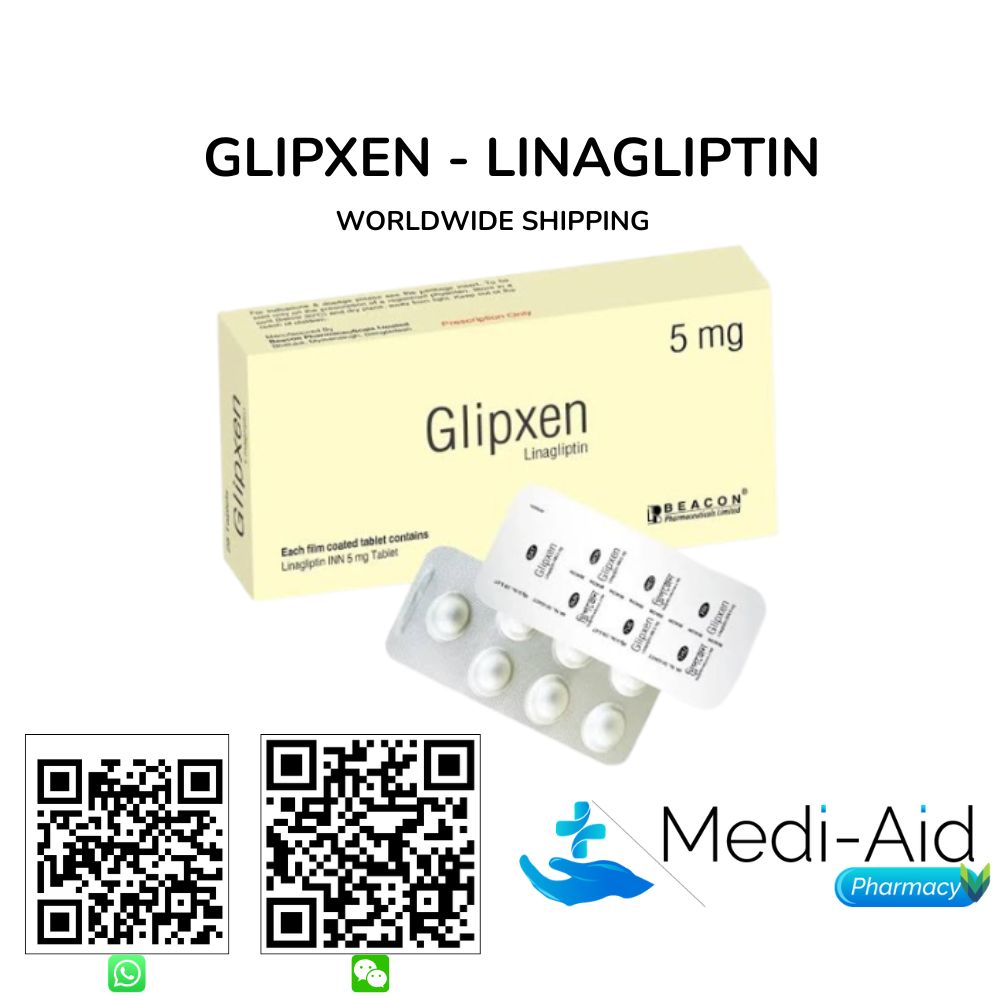
Glipxen 5 MG (Linagliptin) is a xanthine-based dipeptidyl peptidase-4 (DPP-4) inhibitor an orally administered, once-daily incretin enhancer that selectively and reversibly inhibits the DPP-4 enzyme to prevent the proteolytic degradation of endogenous glucagon-like peptide-1 (GLP-1) and glucose-dependent insulinotropic polypeptide (GIP), thereby potentiating glucose-dependent insulin secretion from pancreatic beta cells and suppressing inappropriate glucagon release from pancreatic alpha cells without causing hypoglycaemia as monotherapy supplied as a 5 mg oral tablet in a pack of 7 × 4’s (28 tablets) and manufactured by Beacon Pharmaceuticals Ltd., Bangladesh.
Its active ingredient, linagliptin INN, is a xanthine-derived molecule with a distinct structural class from piperidine-based or pyrrolidine-based DPP-4 inhibitors (sitagliptin, saxagliptin, alogliptin), characterised by tight, competitive, and rapid-onset DPP-4 binding, >99% plasma protein binding, and predominantly non-renal elimination via biliary and intestinal excretion of the unchanged parent compound enabling its use across all stages of renal impairment, including end-stage renal disease and patients on dialysis, without dose adjustment, a clinically significant pharmacokinetic advantage over renally cleared DPP-4 inhibitors. Linagliptin inhibits DPP-4 with a half-maximum inhibitory concentration (IC50) of 1 nmol/L and demonstrates greater than 10,000-fold selectivity for DPP-4 over structurally related DPP-8 and DPP-9 enzymes. In the pivotal 24-week Phase 3 monotherapy trial, linagliptin 5 mg once daily achieved a mean HbA1c reduction of 0.69% from baseline versus 0.14% with placebo (adjusted difference: −0.56%, p<0.0001), with 29.2% of patients achieving HbA1c below 7.0% versus 9.9% with placebo.
In the landmark cardiovascular outcomes trial CAROLINA (6,033 patients, median follow-up 6.3 years), linagliptin demonstrated non-inferiority to glimepiride on three-point major adverse cardiovascular events (MACE) while producing investigator-reported hypoglycaemia in only 10.6% of patients versus 37.7% with glimepiride the largest head-to-head cardiovascular safety comparison between a DPP-4 inhibitor and a sulfonylurea in type 2 diabetes. Searching for Glipxen 5 MG Linagliptin? Mediaid Pharmacy lists this product across its diabetes medicines and Beacon Pharmaceuticals portfolios and ships it worldwide.
Basic Product Information of Glipxen 5 MG (Linagliptin)
| Brand Name | Glipxen 5 MG (Linagliptin) |
| Product Name | Glipxen |
| Generic Name | Linagliptin INN |
| Drug Class | Dipeptidyl Peptidase-4 (DPP-4) Inhibitor; Xanthine-Based DPP-4 Inhibitor; Incretin Enhancer; Oral Antidiabetic Agent; Glucose-Dependent Insulin Secretion Potentiator; Glucagon Suppressor; Oral Hypoglycaemic Agent; Pancreatic Beta Cell Stimulant (Glucose-Dependent); DPP-4 Enzyme Inhibitor; GLP-1 and GIP Stabiliser |
| Formulation | Oral Tablet |
| Available Strengths | 5 mg linagliptin per tablet |
| Available Pack Size | 7 × 4’s (28 tablets per box) |
| Recommended Dose & Administration | Standard dose: 5 mg orally once daily, taken at any time of day, with or without food. Renal impairment: No dose adjustment is required for any degree of renal impairment, including severe renal impairment (eGFR <30 mL/min/1.73 m²), end-stage renal disease (ESRD), or patients on dialysis a unique pharmacokinetic advantage of linagliptin’s predominantly biliary/fecal elimination pathway. Hepatic impairment: No dose adjustment required in mild, moderate, or severe hepatic impairment. Elderly patients: No dose adjustment required based on age alone; assess renal and hepatic function as clinically indicated. Administration: Swallow tablet whole with water. If a dose is missed, take it as soon as remembered on the same day; do not take two doses on the same day to make up a missed dose. Do not crush or chew unless clinically necessary. Administer at approximately the same time each day for consistent glycaemic coverage. |
| Primary Indications | Type 2 Diabetes Mellitus: As an adjunct to diet and exercise to improve glycaemic control in adults with type 2 diabetes mellitus, used as monotherapy or in combination with other oral antidiabetic agents (metformin, sulfonylurea, thiazolidinedione, SGLT2 inhibitor) or basal insulin when existing treatment does not achieve adequate glycaemic control. Each treatment decision must account for baseline HbA1c, renal and hepatic function, cardiovascular risk, concomitant antidiabetic medications, and hypoglycaemia risk always consult the full prescribing information and the treating endocrinologist or diabetologist before initiating or adjusting therapy. |
| Manufacturer | Beacon Pharmaceuticals Ltd., Bangladesh |
| Country of Origin | Bangladesh |
| Registration | Bangladesh |
| Originator Reference Brand | TRAJENTA® (linagliptin tablets 5 mg, developed and marketed by Boehringer Ingelheim and Eli Lilly approved by the FDA in May 2011 as an adjunct to diet and exercise to improve glycaemic control in adults with type 2 diabetes mellitus). TRAJENTA® contains linagliptin INN as the active pharmaceutical ingredient in the same xanthine-based DPP-4 inhibitor drug class. Glipxen is manufactured by Beacon Pharmaceuticals Ltd. in Bangladesh and is supplied through Mediaid Pharmacy for international procurement. |
| Global Supplier | Mediaid Pharmacy, Worldwide Shipping Available |
| Storage Conditions | Store below 30°C (86°F) in a dry place, protected from moisture and direct sunlight. Keep in the original blister packaging until use. Keep out of the reach of children. Do not use after the expiry date printed on the carton and blister. |
How Glipxen (Linagliptin) Works: Xanthine-Based DPP-4 Inhibition and Incretin Enhancement in Type 2 Diabetes
Linagliptin INN is a selective, competitive, and reversible inhibitor of the dipeptidyl peptidase-4 (DPP-4) enzyme a serine protease expressed on the surface of endothelial cells, kidney tubular epithelium, T lymphocytes, and intestinal epithelial cells that rapidly cleaves and inactivates endogenous incretin hormones glucagon-like peptide-1 (GLP-1) and glucose-dependent insulinotropic polypeptide (GIP) within 1 to 2 minutes of their release into the portal circulation. GLP-1 is secreted by intestinal L cells in the distal ileum and colon in response to food ingestion, stimulating glucose-dependent insulin secretion from pancreatic beta cells, suppressing glucagon secretion from pancreatic alpha cells, slowing gastric emptying to reduce postprandial glucose excursions, and activating central satiety pathways in the hypothalamus and brainstem.
GIP is secreted by duodenal K cells in response to fat and carbohydrate ingestion, potentiating glucose-dependent insulin secretion and promoting peripheral glucose disposal. In type 2 diabetes mellitus, the incretin effect which normally accounts for 50 to 70% of postprandial insulin secretion in healthy individuals is markedly attenuated, partly due to accelerated DPP-4-mediated incretin degradation that further shortens the already impaired GLP-1 and GIP half-lives to less than 2 minutes in the portal and systemic circulation. Linagliptin inhibits DPP-4 with a half-maximum inhibitory concentration (IC50) of 1 nmol/L, demonstrating greater than 10,000-fold selectivity for DPP-4 over the structurally related enzymes DPP-8 and DPP-9, which when non-selectively inhibited produce adverse immune and gastrointestinal effects observed with earlier, less selective DPP inhibitor compounds.
By occupying the DPP-4 active site and blocking access to the N-terminal dipeptide cleavage site on GLP-1 and GIP, linagliptin extends the plasma half-lives of intact, biologically active GLP-1 and GIP by 2- to 3-fold reconstituting a near-physiological incretin response that is strictly glucose-dependent, meaning insulin secretion is augmented only in the presence of elevated plasma glucose, automatically switching off when glucose normalises and thereby eliminating the glucose-independent insulin secretagogue mechanism that produces hypoglycaemia with sulfonylureas and meglitinides.
The structural uniqueness of linagliptin within the DPP-4 inhibitor class its xanthine-methylquinazoline scaffold, as distinct from the piperidine-based sitagliptin, the pyrrolidine-based saxagliptin and vildagliptin, and the piperidinium-based alogliptin confers a pharmacokinetic elimination profile that is qualitatively different from all other approved DPP-4 inhibitors. Linagliptin undergoes minimal hepatic metabolism (primarily a pharmacologically inactive cis-metabolite, CD 1790, formed by N-glucuronidation at a rate constituting less than 10% of the administered dose), binds extensively to plasma proteins with a fraction bound exceeding 99%, and is eliminated predominantly via bile and intestinal secretion of the unchanged parent compound, with only approximately 5% of the administered dose recovered in urine as unchanged drug compared to 87% for sitagliptin and approximately 75% for saxagliptin.
The clinical consequence of non-renal elimination is that linagliptin exposure (area under the curve, AUC) does not meaningfully increase with progressive renal impairment, including severe chronic kidney disease (eGFR <30 mL/min/1.73 m²) and end-stage renal disease requiring dialysis enabling linagliptin 5 mg once daily to be used in all stages of renal impairment without dose adjustment, a pharmacokinetic advantage unique among the commercially available DPP-4 inhibitor class.
Pharmacokinetically, following oral administration of linagliptin 5 mg, peak plasma concentration (Tmax) is reached at approximately 1.5 hours, the apparent volume of distribution is approximately 1110 litres reflecting extensive tissue distribution and high plasma protein binding, and the terminal half-life is approximately 12 hours supporting once-daily dosing with consistent DPP-4 inhibition exceeding 80% throughout the dosing interval at steady state. For the complete range of diabetes medicines at Mediaid Pharmacy, browse the full portfolio for worldwide shipping.
Glipxen (Linagliptin): Indications, Dosing, and Key Safety Information
| Approved Indications | Type 2 Diabetes Mellitus: As an adjunct to diet and exercise to improve glycaemic control in adults with type 2 diabetes mellitus (T2DM), used as: (1) monotherapy when metformin is inappropriate due to intolerance or contraindication; (2) dual combination therapy with metformin, a sulfonylurea, a thiazolidinedione (TZD/pioglitazone), or an SGLT2 inhibitor when single-agent oral therapy does not achieve adequate HbA1c control; (3) triple oral combination therapy; (4) combination with basal insulin with or without metformin when insulin alone or insulin plus metformin does not provide adequate glycaemic control. Linagliptin is not indicated for type 1 diabetes mellitus or for the treatment of diabetic ketoacidosis. Linagliptin is not indicated for weight management. Each treatment decision must account for baseline HbA1c, renal and hepatic function, cardiovascular risk, concomitant antidiabetic medications, and patient-specific hypoglycaemia risk always consult the treating endocrinologist or diabetologist and the full prescribing information. |
| Recommended Dose | 5 mg orally once daily, taken at any time of day, independent of food intake. No dose adjustment is required for renal impairment (any stage, including ESRD and dialysis), hepatic impairment (mild, moderate, or severe), elderly patients, or body weight. This single fixed dose across all patient populations is a defining clinical advantage of Glipxen (Linagliptin) over renally cleared DPP-4 inhibitors that require renal dose adjustment. |
| Contraindications | History of serious hypersensitivity reaction to linagliptin or any component of Glipxen (including anaphylaxis, angioedema, exfoliative skin conditions such as Stevens-Johnson syndrome). Linagliptin is not indicated for type 1 diabetes mellitus or diabetic ketoacidosis. Use in patients with prior history of acute pancreatitis requires careful clinical judgement, documented benefit-risk assessment, and ongoing monitoring. Always review the complete contraindications in the current prescribing information before initiating Glipxen. |
| Common Adverse Reactions | Nasopharyngitis, hyperlipidaemia, and cough are the most commonly reported adverse reactions with linagliptin in Phase 3 trials. Urinary tract infections (UTIs) and upper respiratory tract infections (URTIs) have been reported. Hypoglycaemia does not occur with linagliptin monotherapy due to its strictly glucose-dependent insulin secretion mechanism; however, hypoglycaemia risk increases when Glipxen is used in combination with a sulfonylurea or basal insulin dose reduction of the sulfonylurea or insulin should be considered. In the CAROLINA trial (6,033 patients, linagliptin vs glimepiride, median 6.3 years), investigator-reported any hypoglycaemia occurred in 10.6% of patients on linagliptin versus 37.7% on glimepiride a clinically significant difference in hypoglycaemia burden over long-term treatment. Serious and severe hypersensitivity reactions including anaphylaxis and angioedema have been reported rarely with linagliptin post-marketing; discontinue Glipxen immediately if suspected. Rare reports of acute pancreatitis have been received; discontinue Glipxen if pancreatitis is suspected. Always counsel patients regarding symptoms of hypoglycaemia (if on combination therapy), hypersensitivity reactions, and signs of pancreatitis. |
| Drug Interactions | Strong P-glycoprotein (P-gp) or CYP3A4 inducers: Rifampicin (rifampin) and other strong inducers of P-gp or CYP3A4 reduce linagliptin exposure by approximately 40% via induction of intestinal and hepatic elimination. Alternative antidiabetic therapies should be considered in patients requiring concurrent treatment with strong P-gp/CYP3A4 inducers. Insulin secretagogues and basal insulin: Concomitant use of linagliptin with a sulfonylurea (glimepiride, glibenclamide, glipizide) or basal insulin (insulin glargine, insulin detemir) increases hypoglycaemia risk consider dose reduction of the sulfonylurea or insulin when adding Glipxen to existing therapy. Metformin: No clinically relevant pharmacokinetic interaction; co-administration is well-established and frequently used as a dual oral antidiabetic combination. SGLT2 inhibitors: No clinically relevant pharmacokinetic interaction; combination use is supported. Other DPP-4 inhibitors: Do not combine Glipxen (Linagliptin) with another DPP-4 inhibitor (sitagliptin, saxagliptin, alogliptin, vildagliptin) as additive DPP-4 inhibition provides no additional glycaemic benefit and increases the risk of adverse effects. |
| Renal Impairment | No dose adjustment of Glipxen (Linagliptin) is required at any stage of renal impairment including mild (eGFR 60–89 mL/min/1.73 m²), moderate (eGFR 30–59 mL/min/1.73 m²), severe (eGFR <30 mL/min/1.73 m²), end-stage renal disease (ESRD), or in patients receiving haemodialysis or peritoneal dialysis. This is a clinically significant pharmacokinetic advantage of linagliptin versus sitagliptin (dose reduction required at eGFR <45 mL/min/1.73 m²), saxagliptin (dose reduction required at eGFR <45 mL/min/1.73 m²), and alogliptin (dose reduction required at eGFR <60 mL/min/1.73 m²), all of which undergo predominantly renal elimination. Consult the treating endocrinologist and nephrologist for individualised guidance in patients with significant renal comorbidities or in patients on dialysis. |
| Pregnancy & Lactation | Glipxen (Linagliptin) is not recommended during pregnancy. Animal reproductive toxicity studies demonstrated embryo-fetal developmental effects at high exposures; adequate and well-controlled studies in pregnant women are not available. The risks to the fetus from uncontrolled hyperglycaemia during pregnancy, and from linagliptin exposure, must be carefully weighed; insulin remains the preferred antidiabetic agent during pregnancy for type 2 diabetes mellitus. Breastfeeding is not recommended during Glipxen treatment, as it is unknown whether linagliptin is excreted in human milk. If pregnancy occurs during linagliptin treatment, notify the treating endocrinologist immediately and transition to insulin therapy or another pregnancy-appropriate antidiabetic regimen per specialist guidance. |
Who Should Use Glipxen (Linagliptin)?
Glipxen (Linagliptin) is indicated for adults with type 2 diabetes mellitus requiring improved glycaemic control as an adjunct to diet and exercise a patient population defined by the glucose-dependent insulin secretion deficit, blunted incretin effect, and inappropriate postprandial glucagon elevation that characterise type 2 diabetes at all stages from early oral monotherapy through to insulin-augmented regimens.
First, adults with type 2 diabetes mellitus who are intolerant of metformin or for whom metformin is contraindicated (due to renal impairment, lactic acidosis risk, or gastrointestinal intolerance) and who require an effective oral antidiabetic monotherapy with a low hypoglycaemia risk represent the primary monotherapy population for Glipxen. In a 24-week Phase 3 monotherapy trial (504 patients, linagliptin 5 mg vs placebo), linagliptin achieved mean HbA1c reduction of 0.69% from baseline versus 0.14% with placebo (adjusted difference: −0.56%, p<0.0001), with 29.2% achieving HbA1c below 7.0% versus 9.9% with placebo, and no meaningful difference in body weight (weight neutral).
Second, adults with type 2 diabetes with moderate-to-severe chronic kidney disease (CKD stages 3–5, eGFR <60 mL/min/1.73 m²) represent an especially important population for whom Glipxen (Linagliptin) offers a uniquely suitable DPP-4 inhibitor option. Approximately 40% of adults with type 2 diabetes have some degree of chronic kidney disease; most other DPP-4 inhibitors require dose reduction or are not recommended in advanced renal impairment. Linagliptin’s non-renal elimination allows full-dose (5 mg once daily) use across all CKD stages including ESRD and dialysis without pharmacokinetic adjustment confirmed in dedicated renal impairment pharmacokinetic studies showing no clinically relevant increase in linagliptin AUC across eGFR categories from >80 to <15 mL/min/1.73 m².
Third, adults with type 2 diabetes for whom minimising hypoglycaemia risk is a clinical priority including older adults, patients who drive professionally, patients with hypoglycaemia unawareness, and patients with demanding occupational or safety-critical roles benefit from linagliptin’s glucose-dependent, insulin-only-when-needed mechanism, which produced hypoglycaemia in only 10.6% of patients (any hypoglycaemia) versus 37.7% with glimepiride over a median of 6.3 years in the CAROLINA cardiovascular outcomes trial.
Fourth, adults with type 2 diabetes and established cardiovascular disease or high cardiovascular risk who require a glycaemic agent with a confirmed cardiovascular safety profile may be appropriate candidates for Glipxen. The CARMELINA trial (6,979 patients with T2DM and high cardiovascular and/or renal risk, median 2.2 years) confirmed linagliptin’s non-inferiority to placebo on three-point MACE (cardiovascular death, non-fatal myocardial infarction, non-fatal stroke): HR 1.02, 95% CI 0.89–1.17 the required cardiovascular outcomes data for regulatory approval and clinical practice guidelines in this population. Endocrinology centres and diabetes specialist clinics co-sourcing Glipxen alongside other oral antidiabetic or specialty diabetes medicines can browse the Mediaid Pharmacy diabetes medicines portfolio for the full selection available for international delivery.
Global Supplier: Mediaid Pharmacy Worldwide Shipping for Glipxen 5 MG (Linagliptin)
Mediaid Pharmacy is a Dhaka-based supplier of specialty diabetes, endocrinology, and metabolic medicines with worldwide shipping to patients, diabetes specialist centres, endocrinology clinics, hospital pharmacy departments, and international distributors across all regions. Glipxen 5 MG (Linagliptin), manufactured by Beacon Pharmaceuticals Ltd. in Bangladesh, is supplied as oral tablets in a 7 × 4’s blister pack (28 tablets per box) the standard once-daily dosing format covering four weeks of continuous DPP-4 inhibitor therapy with pricing quotations, stock confirmation, full product documentation, and end-to-end international delivery tracking for every order.
The oral tablet formulation of Glipxen supports convenient once-daily self-administration independent of food timing, with no injection device, dose titration, or renal dose calculation required at any level of kidney function making procurement, dispensing, and patient education straightforward for diabetes clinics and pharmacy departments co-sourcing DPP-4 inhibitor therapy for diverse patient populations with varying renal comorbidities. Diabetes specialist centres managing type 2 diabetes with concurrent chronic kidney disease, endocrinology programmes requiring a DPP-4 inhibitor with a confirmed cardiovascular outcomes profile, hospital pharmacy departments co-sourcing oral antidiabetic agents for inpatient or outpatient use, international distributors, and individual patients can contact the Mediaid Pharmacy team through WhatsApp, phone, or WeChat for all inquiries regarding Glipxen Linagliptin stock availability, current pricing, and international delivery timelines to their country.
Procurement teams co-sourcing Glipxen with other specialty diabetes or metabolic medicines can browse the complete Mediaid Pharmacy diabetes medicines collection and the Beacon Pharmaceuticals medicines portfolio before requesting a consolidated quotation.
Why Choose Glipxen (Linagliptin) from Mediaid Pharmacy?
Glipxen (Linagliptin) delivers a single, universally fixed 5 mg once-daily dose across all patient populations regardless of renal function, hepatic function, age, or body weight a pharmacokinetic simplicity that no other DPP-4 inhibitor class member matches, made possible by linagliptin’s xanthine-based structure and its predominantly biliary/fecal elimination of the unchanged parent compound rather than renal clearance. This non-renal elimination pathway means that Glipxen requires no dose adjustment in patients with chronic kidney disease at any stage including eGFR <15 mL/min/1.73 m² and patients on haemodialysis or peritoneal dialysis compared to sitagliptin (25 mg/day at eGFR <30 mL/min/1.73 m²), saxagliptin (2.5 mg/day at eGFR ≤45 mL/min/1.73 m²), and alogliptin (6.25 mg/day at eGFR <30 mL/min/1.73 m²), all of which require renal function assessment before prescribing and dose individualisation as CKD progresses.
The cardiovascular and renal safety dataset for linagliptin from the CARMELINA trial (6,979 patients with T2DM and high cardiovascular/renal risk, median 2.2 years, HR for MACE 1.02, 95% CI 0.89–1.17 vs placebo) and the CAROLINA trial (6,033 patients, linagliptin vs glimepiride, median 6.3 years) provides the longest and most comprehensive head-to-head comparative cardiovascular outcomes evidence base of any DPP-4 inhibitor, confirming cardiovascular safety in high-risk T2DM patients and demonstrating that the low-hypoglycaemia profile of linagliptin versus sulfonylurea translates to a clinically meaningful long-term hypoglycaemia reduction across 6.3 years of follow-up.
From an efficacy perspective, in the pivotal 24-week Phase 3 monotherapy trial, linagliptin 5 mg once daily achieved HbA1c reduction of 0.69% versus 0.14% placebo (p<0.0001) with weight neutrality and no hypoglycaemia as monotherapy providing clinically meaningful glucose lowering with a safety profile particularly well-suited to elderly patients, patients with CKD, patients requiring combination therapy where hypoglycaemia risk is a concern, and patients for whom simplicity of dosing (one tablet, once daily, no renal adjustment) supports adherence.
Glipxen, manufactured by Beacon Pharmaceuticals Ltd. in Bangladesh, delivers the same active pharmaceutical ingredient linagliptin INN and the same once-daily 5 mg tablet formulation as the originator TRAJENTA®, sourced through Mediaid Pharmacy with worldwide shipping to patients and healthcare providers globally. To source additional Beacon Pharmaceuticals medicines and the full range of diabetes medicines available at Mediaid Pharmacy, browse both portfolios and contact the team for a personalised quotation.
Frequently Asked Questions About Glipxen 5 MG (Linagliptin)
What is Glipxen 5 MG (Linagliptin) used for?
Glipxen 5 MG (Linagliptin) is a DPP-4 inhibitor used as an adjunct to diet and exercise to improve glycaemic control in adults with type 2 diabetes mellitus (T2DM). It is used as monotherapy when metformin is not tolerated or is contraindicated, and as add-on combination therapy with metformin, sulfonylureas, thiazolidinediones, SGLT2 inhibitors, or basal insulin when single-agent therapy does not achieve adequate HbA1c control. Glipxen (Linagliptin) works by inhibiting the DPP-4 enzyme, thereby extending the activity of endogenous incretin hormones GLP-1 and GIP to stimulate glucose-dependent insulin secretion and suppress inappropriate glucagon release producing meaningful HbA1c reduction without causing hypoglycaemia as monotherapy and without requiring renal dose adjustment at any level of kidney function. The originator brand for linagliptin is TRAJENTA® (Boehringer Ingelheim and Eli Lilly, FDA-approved May 2011 for T2DM). Glipxen, manufactured by Beacon Pharmaceuticals Ltd. in Bangladesh, is available through Mediaid Pharmacy with worldwide shipping to patients, diabetes specialist centres, and endocrinology clinics.
What is the generic name of Glipxen?
The generic name of Glipxen is linagliptin INN. Glipxen is the brand name registered by Beacon Pharmaceuticals Ltd. for linagliptin manufactured in Bangladesh. Glipxen is formulated as a 5 mg oral tablet in a 7 × 4’s blister pack (28 tablets per carton) a once-daily, fixed-dose DPP-4 inhibitor that requires no dose adjustment in any stage of renal or hepatic impairment. The originator reference brand is TRAJENTA® (Boehringer Ingelheim and Eli Lilly). Mediaid Pharmacy distributes Glipxen globally with worldwide shipping to patients, diabetes centres, endocrinology clinics, and hospital pharmacy departments.
What is the difference between Glipxen (Linagliptin) and TRAJENTA (Linagliptin)?
Glipxen and TRAJENTA® both contain linagliptin INN as the active pharmaceutical ingredient and share the same xanthine-based DPP-4 inhibitor mechanism of action for type 2 diabetes mellitus. TRAJENTA® is the originator brand developed by Boehringer Ingelheim in collaboration with Eli Lilly, approved by the FDA in May 2011 as the first xanthine-based DPP-4 inhibitor for type 2 diabetes in adults. Glipxen is manufactured by Beacon Pharmaceuticals Ltd. in Bangladesh and is supplied in 5 mg once-daily oral tablets in a 7 × 4’s blister pack, available through Mediaid Pharmacy for international procurement by specialist diabetes centres and patients in regions where TRAJENTA® may be unavailable or cost-prohibitive. For the full range of diabetes medicines at Mediaid Pharmacy, browse the complete collection.
How is Glipxen (Linagliptin) taken?
Glipxen (Linagliptin) is taken orally as one 5 mg tablet once daily, at any time of day, with or without food. Swallow the tablet whole with water. Take Glipxen at approximately the same time each day to maintain consistent DPP-4 inhibition across the 24-hour dosing interval. If a dose is missed, take it as soon as it is remembered on the same day; if it is not remembered until the next day, skip the missed dose and resume the regular once-daily schedule do not double the dose. No dose adjustment is required based on renal function (any stage of chronic kidney disease, including dialysis), hepatic function, age, or body weight. This means the same 5 mg once-daily dose applies to all adult patients with type 2 diabetes mellitus, including elderly patients and those with advanced CKD one of the key clinical advantages of Glipxen (Linagliptin) over renally dose-adjusted DPP-4 inhibitors.
What are the side effects of Glipxen (Linagliptin)?
The most commonly reported adverse reactions with linagliptin in Phase 3 clinical trials include nasopharyngitis, hyperlipidaemia, and cough. Upper respiratory tract infections and urinary tract infections have been reported. Hypoglycaemia does not occur with Glipxen as monotherapy due to its strictly glucose-dependent mechanism of insulin secretion potentiation; when combined with a sulfonylurea or insulin, hypoglycaemia risk increases and dose reduction of the sulfonylurea or insulin may be needed. In the CAROLINA trial (6,033 patients, median 6.3 years), any hypoglycaemia occurred in 10.6% of patients on linagliptin versus 37.7% on glimepiride a significant reduction in long-term hypoglycaemia burden. Serious adverse reactions reported rarely include severe hypersensitivity reactions (anaphylaxis, angioedema, exfoliative skin conditions) and acute pancreatitis discontinue Glipxen immediately if either is suspected. Always discuss the complete safety profile, hypoglycaemia risk with combination therapy, pancreatitis history, and hypersensitivity history with the treating endocrinologist before and throughout Glipxen treatment.
Is Glipxen (Linagliptin) safe for patients with kidney disease?
Yes. Glipxen (Linagliptin) requires no dose adjustment in any stage of chronic kidney disease (CKD), including severe renal impairment (eGFR <30 mL/min/1.73 m²), end-stage renal disease (ESRD), and patients on haemodialysis or peritoneal dialysis. This is because linagliptin is eliminated primarily via biliary and intestinal secretion of the unchanged parent compound, with only approximately 5% of the dose recovered in urine meaning renal function has no clinically meaningful effect on linagliptin exposure (AUC). This pharmacokinetic profile is unique among commercially available DPP-4 inhibitors: sitagliptin, saxagliptin, and alogliptin are all predominantly renally eliminated and require dose reduction as eGFR declines. Glipxen (Linagliptin) 5 mg once daily is therefore the DPP-4 inhibitor of choice in patients with type 2 diabetes and significant renal comorbidity. Consult the treating endocrinologist and nephrologist for individualised guidance on the complete antidiabetic regimen in patients with advanced CKD or receiving dialysis, and browse the full selection of diabetes medicines at Mediaid Pharmacy for worldwide delivery.
How effective is Linagliptin (Glipxen) for type 2 diabetes?
Linagliptin has demonstrated statistically significant and clinically meaningful efficacy across its Phase 3 clinical trial programme. As monotherapy: in a 24-week Phase 3 trial, linagliptin 5 mg once daily achieved HbA1c reduction of 0.69% from baseline versus 0.14% with placebo (adjusted difference: −0.56%, p<0.0001), with 29.2% of patients achieving HbA1c below 7.0% versus 9.9% placebo with weight neutrality and no hypoglycaemia as monotherapy. As add-on to metformin: linagliptin produced additional HbA1c reductions of 0.49% to 0.64% from baseline versus placebo (p<0.0001) at 24 weeks. In the CAROLINA cardiovascular outcomes trial (6,033 patients, median 6.3 years), linagliptin demonstrated non-inferiority to glimepiride on three-point MACE while producing markedly less hypoglycaemia (10.6% vs 37.7% any hypoglycaemia) and less weight gain. In the CARMELINA cardiovascular and renal outcomes trial (6,979 patients with high cardiovascular/renal risk, median 2.2 years), linagliptin confirmed non-inferiority to placebo on MACE (HR 1.02, 95% CI 0.89–1.17) and showed no worsening of renal outcomes. Glipxen delivers the same active ingredient linagliptin INN at the approved 5 mg once-daily oral dose, sourced through Mediaid Pharmacy with worldwide shipping. For the complete diabetes medicines range at Mediaid Pharmacy, browse the full portfolio for international delivery.
Can I order Glipxen (Linagliptin) online with worldwide shipping?
Yes. Mediaid Pharmacy supplies Beacon Pharmaceuticals Glipxen 5 MG (Linagliptin) tablets to patients, diabetes specialist centres, endocrinology clinics, hospital pharmacy departments, and healthcare providers globally. Contact Mediaid Pharmacy via WhatsApp, phone, or WeChat at +8801773428128, or email info@mediaidpharmacy.com for pricing, current stock availability, and international delivery details for your country.
Order Glipxen 5 MG (Linagliptin) with Worldwide Shipping
Phone / WhatsApp / WeChat: +8801773428128 | Email: info@mediaidpharmacy.com

Reviews
There are no reviews yet.