
Description
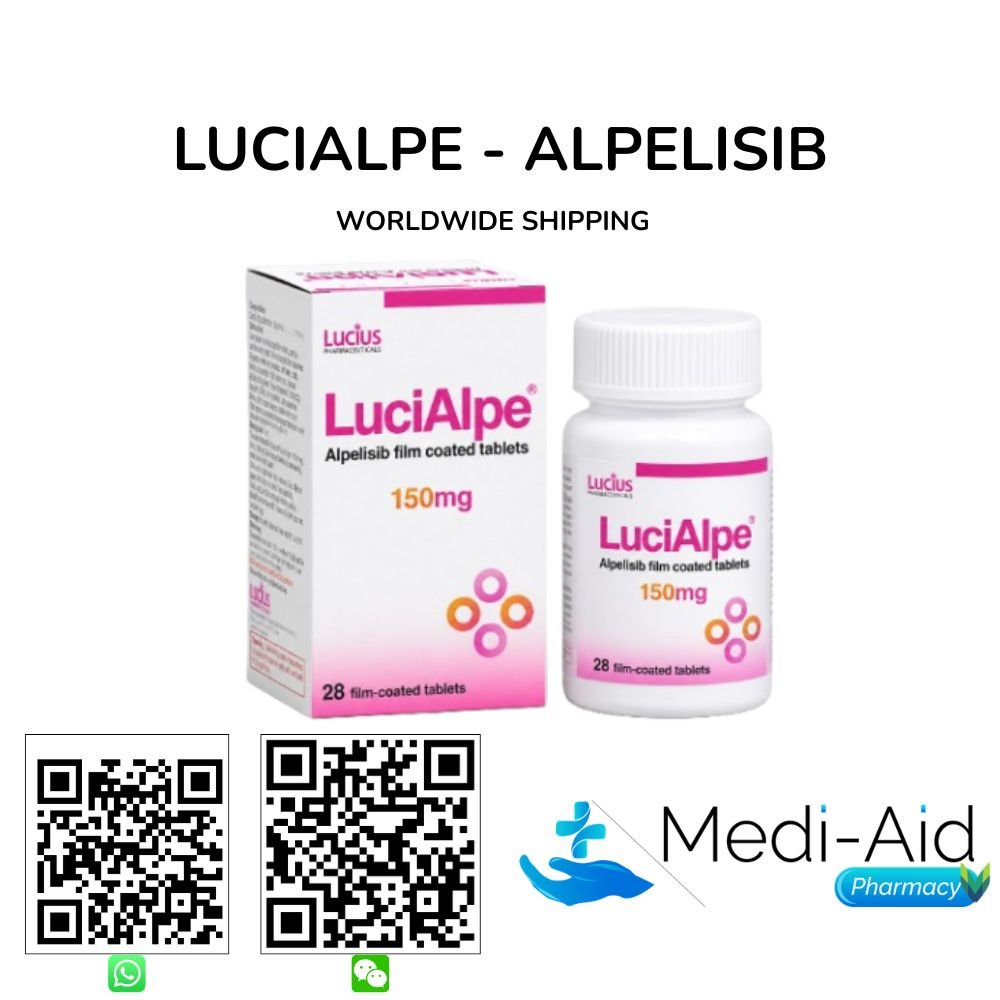
LuciAlpe 150 MG (Alpelisib) is a first-in-class, alpha-isoform-selective PI3K inhibitor (phosphatidylinositol-3-kinase alpha inhibitor) and targeted oncology agent a small-molecule, orally bioavailable kinase inhibitor that selectively inhibits the PI3Kα enzyme encoded by the PIK3CA gene, blocking the PI3Kα/AKT/mTOR intracellular signalling axis that is constitutively activated in approximately 40% of HR-positive, HER2-negative breast cancers by somatic PIK3CA gain-of-function mutations, thereby reversing PIK3CA-mutation-driven resistance to endocrine therapy, suppressing tumour cell survival and proliferation signalling downstream of PI3Kα, and restoring sensitivity to fulvestrant-mediated oestrogen receptor (ER) blockade in mutation-selected patients supplied as film-coated tablets in 150 mg strength, 28 tablets per pot, manufactured by Lucius Pharmaceuticals (Lao) Co., Ltd. in Laos.
Alpelisib, the active pharmaceutical ingredient (API) of LuciAlpe 150 MG, is indicated in combination with fulvestrant for hormone receptor (HR)-positive, HER2-negative, PIK3CA-mutated advanced or metastatic breast cancer in postmenopausal women and men following progression on or after an endocrine-based regimen, as confirmed by an FDA-approved companion diagnostic test. The standard starting dose of alpelisib is 300 mg once daily, achieved by administering two LuciAlpe 150 MG film-coated tablets together, taken immediately following food. The Phase 3 SOLAR-1 trial (NCT02437318; n=572) demonstrated that alpelisib plus fulvestrant nearly doubled median progression-free survival (PFS) in the PIK3CA-mutated cohort: 11.0 months versus 5.7 months with fulvestrant alone (HR 0.65; p<0.001), with an overall response rate (ORR) of 26.6% versus 12.8% (p=0.0002) and a clinical benefit rate (CBR) of 61.5% versus 45.3%.
Alpelisib received FDA approval on May 24, 2019, as the first and only PI3K inhibitor approved for breast cancer and the first therapy specifically developed for patients with a PIK3CA mutation in HR+/HER2-negative advanced breast cancer. Important: Alpelisib carries warnings for severe hyperglycaemia (occurring in 65% of patients; Grade 3/4 in 36.9%, with rare hyperglycaemic hyperosmolar non-ketotic syndrome [HHNKS] or diabetic ketoacidosis), severe cutaneous adverse reactions (including Stevens-Johnson syndrome [SJS] and drug reaction with eosinophilia and systemic symptoms [DRESS]), diarrhoea/colitis, pneumonitis, and embryo-foetal toxicity.
Fasting plasma glucose (FPG) and HbA1c must be assessed and optimised before initiating alpelisib; PIK3CA mutation status must be confirmed by an FDA-approved companion diagnostic test before treatment. Searching for LuciAlpe 150 MG Alpelisib? Mediaid Pharmacy lists this product across its oncology medicines, breast cancer medicines, and Lucius Pharmaceuticals medicines portfolios and ships it worldwide.
Basic Product Information of LuciAlpe 150 MG (Alpelisib)
| Brand Name | LuciAlpe 150 MG (Alpelisib) |
| Product Name | LuciAlpe |
| Generic Name | Alpelisib (also known by its developmental code BYL719; the originator brand is Piqray, developed and manufactured by Novartis Pharmaceuticals; FDA-approved May 24, 2019 as the first PI3K inhibitor approved for breast cancer) |
| Drug Class | PI3Kα-Selective Inhibitor (Phosphatidylinositol-3-Kinase Alpha Inhibitor); PIK3CA Inhibitor; Kinase Inhibitor; Small-Molecule Targeted Oncology Agent; Antineoplastic Agent; Oral Breast Cancer Medicine; PI3K/AKT/mTOR Pathway Inhibitor |
| Formulation | Film-Coated Tablet (oral administration; must be taken immediately following food do not take on an empty stomach; swallow whole; do not crush, chew, or split; take at approximately the same time each day) |
| Available Strengths | 150 mg per tablet (LuciAlpe 150 MG; two 150 mg tablets together constitute the recommended starting dose of 300 mg once daily the standard therapeutic dose for the approved breast cancer indication) |
| Available Pack Size | 28 tablets per pot (a 14-day supply at the 300 mg/day starting dose [2 x 150 mg tablets once daily]; patients receiving alpelisib will typically require 2 pots of LuciAlpe 150 MG per 28-day treatment cycle at the full starting dose) |
| Dosing Schedule | HR+/HER2-Negative, PIK3CA-Mutated Advanced or Metastatic Breast Cancer (in combination with fulvestrant): Alpelisib 300 mg orally once daily continuously (i.e. two LuciAlpe 150 MG tablets taken together once daily), taken immediately following food at approximately the same time each day. Administered in combination with fulvestrant 500 mg intramuscularly on Days 1 and 15 of Cycle 1, and then on Day 1 of every subsequent 28-day cycle. Missed dose: If a dose is missed, it can be taken up to 9 hours after the usual scheduled time with food; after more than 9 hours, skip the missed dose and resume at the next scheduled time. If vomiting occurs after a dose, do not take an additional dose; resume at the next scheduled day. Dose Reduction for Toxicity (maximum 2 reductions permitted): Starting dose 300 mg/day → First dose reduction: 250 mg/day (one 200 mg tablet + one 50 mg tablet) → Second dose reduction: 200 mg/day (one 200 mg tablet). Only one dose reduction is permitted for pancreatitis. If further reduction below 200 mg is required, discontinue alpelisib permanently. All dose modification decisions must be directed by the treating oncologist. |
| Primary Indication | HR-Positive, HER2-Negative, PIK3CA-Mutated Advanced or Metastatic Breast Cancer (Post-Endocrine Therapy): Alpelisib in combination with fulvestrant for the treatment of postmenopausal women and men with hormone receptor (HR)-positive, human epidermal growth factor receptor 2 (HER2)-negative, PIK3CA-mutated, advanced or metastatic breast cancer, as detected by an FDA-approved companion diagnostic test (therascreen PIK3CA RGQ PCR Kit), following disease progression on or after an endocrine-based regimen. FDA first approval: May 24, 2019, based on Phase 3 SOLAR-1 trial data (mPFS 11.0 vs 5.7 months; HR 0.65; p<0.001 in PIK3CA-mutated cohort). Alpelisib is the first and only PI3K inhibitor approved by the FDA for breast cancer and the first therapy specifically approved for patients with a PIK3CA mutation in HR+/HER2-negative advanced breast cancer. |
| Required Companion Diagnostic | PIK3CA mutation status must be confirmed using an FDA-approved companion diagnostic test before initiating alpelisib. The therascreen PIK3CA RGQ PCR Kit (QIAGEN Manchester, Ltd.), approved simultaneously with alpelisib on May 24, 2019, detects PIK3CA mutations in tumour tissue and/or liquid biopsy (circulating tumour DNA in plasma). Note: Patients who test negative for PIK3CA mutation by liquid biopsy should undergo tumour tissue testing to confirm mutation status, as circulating tumour DNA sensitivity may vary. |
| Manufacturer / Brand | Lucius Pharmaceuticals (Lao) Co., Ltd., Country of Origin: Laos (originator molecule Piqray developed by Novartis Pharmaceuticals; FDA-approved May 24, 2019; EMA-approved July 2020; alpelisib was the first New Drug Application submitted and approved under the FDA Real-Time Oncology Review [RTOR] pilot programme) |
| Global Supplier | Mediaid Pharmacy, Worldwide Shipping Available |
| Storage Conditions | Store at room temperature, 20°C to 25°C (68°F to 77°F); excursions permitted to 15°C to 30°C (59°F to 86°F). Store in the original pot with the lid tightly closed. Keep away from moisture and direct light. Keep out of the reach of children. Women who are pregnant or may become pregnant should avoid direct contact with alpelisib tablets, as the drug can be absorbed through skin. |
How LuciAlpe (Alpelisib) Works: PI3Kα Inhibition, PIK3CA Mutation Targeting, and PI3K/AKT/mTOR Pathway Blockade in HR+/HER2-Negative Breast Cancer
Alpelisib (LuciAlpe 150 MG) is an orally administered, alpha-isoform-selective inhibitor of phosphatidylinositol-3-kinase (PI3K), specifically targeting the PI3Kα enzyme encoded by the PIK3CA gene the most frequently mutated oncogene in HR-positive, HER2-negative breast cancer, with activating PIK3CA mutations detected in approximately 40% of HR+/HER2-negative advanced breast cancer patients worldwide. In normal cell physiology, PI3Kα functions as a lipid kinase that phosphorylates phosphatidylinositol 4,5-bisphosphate (PIP2) to generate phosphatidylinositol 3,4,5-trisphosphate (PIP3), which recruits and activates AKT (protein kinase B) at the plasma membrane.
AKT activation in turn phosphorylates and activates mTORC1 (mechanistic target of rapamycin complex 1) and multiple downstream substrates that collectively promote cell survival, proliferation, protein synthesis, glucose metabolism, and angiogenesis. The PI3K/AKT/mTOR pathway is therefore a central driver of tumour cell growth and survival, and its dysregulation is one of the most important oncogenic mechanisms in human cancer.
In HR-positive breast cancer, somatic gain-of-function mutations in PIK3CA encoding the p110α catalytic subunit of PI3Kα produce a constitutively hyperactive PI3Kα enzyme that continuously generates PIP3 and sustains AKT/mTOR pathway signalling independently of upstream growth factor receptor activation. PIK3CA mutations are detected across all three functional domains of the p110α protein, with hotspot mutations most frequently occurring at positions H1047R (kinase domain), E542K, and E545K (helical domain).
These mutations confer two clinically important consequences: sustained downstream PI3K/AKT/mTOR oncogenic signalling that accelerates tumour growth, and resistance to endocrine therapy as PI3K pathway activation provides an alternative proliferative bypass route that circumvents the growth-suppressive effects of oestrogen receptor (ER) antagonism by fulvestrant or oestrogen deprivation by aromatase inhibitors.
A critical additional mechanistic observation is that PI3K inhibition paradoxically induces increased ER transcriptional activity in breast cancer cells through a compensatory feedback mechanism meaning that alpelisib monotherapy would be partially offset by ER-driven proliferation; the simultaneous administration of fulvestrant to suppress ER signalling is therefore not simply additive but mechanistically synergistic, suppressing both the PI3K/AKT oncogenic axis (alpelisib) and the compensatory ER transcriptional rebound (fulvestrant) concurrently.
Alpelisib selectively binds the ATP-binding site of the PI3Kα (p110α) enzyme with high affinity and specificity, blocking the phosphorylation of PIP2 to PIP3 and suppressing downstream AKT phosphorylation, mTORC1 activity, and S6 kinase-mediated translational programmes in PIK3CA-mutated tumour cells. Alpelisib’s selectivity for the alpha isoform of PI3K, over the beta, delta, and gamma isoforms, is a defining pharmacological characteristic that differentiates it from pan-PI3K inhibitors: PI3Kδ and PI3Kγ play critical roles in immune cell function, and their off-target inhibition by non-selective agents produced dose-limiting immune toxicities that prevented clinical utility.
The PI3Kα-selective mechanism of alpelisib concentrates PI3K inhibitory activity precisely in the PIK3CA-mutant tumour compartment where p110α is hyperactivated, delivering the clinical benefit of PI3K pathway blockade while sparing PI3Kδ/γ-dependent immune functions. The absolute isoform specificity of alpelisib is what makes PIK3CA mutation-positive status the definitive, regulatory-mandated patient selection biomarker: in the SOLAR-1 trial, PFS benefit was observed exclusively in the PIK3CA-mutated cohort (HR 0.65; p<0.001) and absent in the PIK3CA-wild-type cohort (HR 0.85), validating PIK3CA mutation status as a predictive not merely prognostic biomarker for alpelisib activity and the rationale for mandatory companion diagnostic testing before initiating LuciAlpe therapy.
Clinical Data, Safety Profile, and Drug Interactions of LuciAlpe (Alpelisib 150 MG)
| Pivotal Clinical Trial | SOLAR-1 (Phase 3; NCT02437318): International, randomised, double-blind, placebo-controlled trial of alpelisib (300 mg/day) plus fulvestrant (500 mg) versus placebo plus fulvestrant in 572 postmenopausal women and men with HR+/HER2-negative advanced or metastatic breast cancer that had progressed on or after aromatase inhibitor treatment. Primary endpoint: investigator-assessed PFS in the PIK3CA-mutated cohort (n=341).
PIK3CA-Mutated Cohort Results (primary endpoint): PIK3CA-Wild-Type Cohort: No PFS benefit observed (HR 0.85; 95% CI 0.58–1.25) confirming PIK3CA mutation as a mandatory predictive biomarker for alpelisib activity. |
| Key Adverse Reactions | Hyperglycaemia is the most clinically significant alpelisib-specific adverse effect, occurring in 65% of patients (Grade 3/4 in 36.9%), with rare but serious cases of hyperglycaemic hyperosmolar non-ketotic syndrome (HHNKS) and diabetic ketoacidosis (DKA; 0.7%). Fasting plasma glucose and HbA1c must be assessed and optimised before treatment initiation, and anti-hyperglycaemic medication initiated or optimised as clinically indicated during therapy.
Severe cutaneous adverse reactions (SCARs) including Stevens-Johnson syndrome (SJS), erythema multiforme (EM), and drug reaction with eosinophilia and systemic symptoms (DRESS) permanently discontinue alpelisib for any Grade 3 or Grade 4 cutaneous adverse reaction; do not reintroduce. Common adverse reactions (all grades, ≥20%) include: hyperglycaemia, rash, diarrhoea/colitis, nausea, fatigue, decreased appetite, stomatitis, anaemia, alopecia, and peripheral oedema. Pneumonitis/interstitial lung disease (ILD) has been reported permanently discontinue for Grade 3/4. Venous thromboembolic events also reported. |
| Drug Interactions | Strong CYP3A4 inducers (rifampicin, carbamazepine, phenytoin, phenobarbital, encorafenib, St John’s Wort): substantially reduce alpelisib plasma concentrations and may reduce efficacy avoid concurrent use. BCRP (breast cancer resistance protein) inhibitors: caution is advised when co-administering alpelisib with BCRP inhibitors as plasma concentrations of alpelisib may increase. CYP2C9 substrates with narrow therapeutic index (e.g. warfarin): no dose adjustment of alpelisib is required, but monitor for altered activity of the co-administered CYP2C9 substrate. CYP3A4 induction risk: alpelisib itself has induction potential on CYP3A4, which may reduce plasma concentrations of co-administered CYP3A4-sensitive substrates. Disclose all concomitant medications, herbal products, and dietary supplements to the treating oncologist before initiating LuciAlpe therapy. |
| Pre-Treatment Workup | Before initiating LuciAlpe (Alpelisib), the following assessments are mandatory: (1) PIK3CA mutation testing using an FDA-approved companion diagnostic (therascreen PIK3CA RGQ PCR Kit or equivalent) on tumour tissue and/or liquid biopsy alpelisib must not be initiated without confirmed PIK3CA-mutation-positive status; (2) Fasting plasma glucose (FPG) and HbA1c assess and optimise blood glucose control; patients with pre-existing diabetes or risk factors for hyperglycaemia require closer monitoring and proactive anti-hyperglycaemic management; (3) Pregnancy status verify in females of reproductive potential before initiating alpelisib; (4) Full medication review screen for CYP3A4 inducers, BCRP inhibitors, and CYP2C9 narrow-therapeutic-index substrates before prescribing. |
| Pregnancy & Lactation | Alpelisib can cause embryo-foetal harm based on the drug’s mechanism of action and animal reproductive toxicity data. LuciAlpe (Alpelisib) is contraindicated in pregnancy. Females of reproductive potential must use effective contraception during alpelisib treatment and for at least 1 week after the last dose (reflecting alpelisib’s short half-life of approximately 8–9 hours; consult full prescribing information for region-specific contraceptive duration requirements). Males with female partners of reproductive potential should use effective contraception during alpelisib treatment and for at least 4 days after the last dose. Based on animal studies, alpelisib may impair fertility in both females and males of reproductive potential. There are no data on the presence of alpelisib in human breast milk; breastfeeding is not recommended during alpelisib treatment and for an appropriate washout period after the last dose. Women who are pregnant or may become pregnant should not handle alpelisib tablets, as the drug can be absorbed through the skin. Verify pregnancy status before initiating alpelisib and discuss all aspects of reproductive planning and contraceptive requirements with the treating oncologist. |
Who Should Use LuciAlpe 150 MG (Alpelisib)?
LuciAlpe 150 MG (Alpelisib) is the primary starting-dose tablet for patients receiving alpelisib-based therapy: two LuciAlpe 150 MG tablets taken together once daily constitute the full recommended starting dose of 300 mg per day. The eligible patient population is tightly defined by a mandatory molecular eligibility criterion confirmed PIK3CA-mutation-positive status that must be established by an FDA-approved companion diagnostic test before alpelisib is initiated, as the Phase 3 SOLAR-1 trial demonstrated that the PFS benefit of alpelisib plus fulvestrant is exclusive to the PIK3CA-mutated subgroup (HR 0.65; p<0.001) and is absent in patients without a PIK3CA mutation (HR 0.85). This biomarker-directed patient selection model is the clinical and regulatory foundation of alpelisib’s approval and distinguishes it from non-biomarker-selected endocrine therapy or CDK4/6 inhibitor combinations used in the same HR+/HER2-negative breast cancer disease space.
The approved indication for LuciAlpe (Alpelisib) covers postmenopausal women and men with HR-positive, HER2-negative, PIK3CA-mutated advanced or metastatic breast cancer whose disease has progressed on or after a prior endocrine-based regimen. Clinically, this patient group primarily comprises individuals who have received a CDK4/6 inhibitor plus aromatase inhibitor (or CDK4/6 inhibitor plus fulvestrant) as first-line therapy and experienced disease progression a setting in which PIK3CA mutation testing identifies the approximately 40% of patients who harbour actionable PIK3CA mutations and are candidates for alpelisib plus fulvestrant as a genomically-guided second-line option that directly targets the PI3K/AKT pathway hyperactivation that drove progression through prior endocrine therapy.
The Phase 3 SOLAR-1 trial enrolled patients who had received one or more prior lines of hormonal therapy but no prior chemotherapy for advanced disease, and who had not previously received fulvestrant or any PI3K, AKT, or mTOR inhibitor representing the post-endocrine-therapy, pre-chemotherapy disease setting where alpelisib’s mechanism most directly addresses the biology of acquired endocrine resistance in PIK3CA-mutant tumours.
LuciAlpe (Alpelisib) is not appropriate in patients whose tumours have not been confirmed as PIK3CA-mutation-positive by an FDA-approved companion diagnostic test; in patients with uncontrolled Type 1 or uncontrolled Type 2 diabetes (as the safety of alpelisib in this population was not established in clinical trials, given the high risk of severe hyperglycaemia); in patients with a history of severe hypersensitivity to alpelisib or any excipient; or in patients with prior severe cutaneous adverse reactions from alpelisib (reintroduction is permanently contraindicated following Grade 3/4 SCARs).
Breast oncology departments managing patients with HR+/HER2-negative advanced breast cancer across the PIK3CA-mutation-positive post-endocrine-therapy setting, hospital formulary and procurement teams sourcing PIK3CA-targeted oral oncology medicines, and patients and families accessing PIK3CA inhibitor therapy in regions where cost or availability barriers exist can browse the Mediaid Pharmacy breast cancer medicines portfolio, the oncology medicines collection, and the Lucius Pharmaceuticals medicines range for the complete selection available with worldwide delivery.
Global Supplier: Mediaid Pharmacy Worldwide Shipping for LuciAlpe 150 MG (Alpelisib)
Mediaid Pharmacy is a Dhaka-based supplier of specialty targeted oncology, breast cancer, and rare disease medicines with worldwide shipping to patients, breast oncology departments, HR+/HER2-negative PIK3CA-mutated breast cancer treatment programmes, hospital pharmacies, oncology day units, and international distributors across all regions. LuciAlpe (Alpelisib) 150 MG, manufactured by Lucius Pharmaceuticals (Lao) Co., Ltd. in Laos, is supplied as film-coated tablets in 28-tablet pots, with pricing quotations, stock confirmation, full product documentation, and end-to-end international delivery tracking for every order. The clinical importance of the 150 mg tablet strength is central to alpelisib’s dosing architecture: the recommended starting dose of 300 mg/day is achieved by administering two 150 mg tablets together once daily with food, and LuciAlpe 150 MG supplies both tablets as one convenient once-daily oral regimen.
Oncology pharmacists and breast cancer treatment teams managing patients receiving concurrent alpelisib and fulvestrant therapy including the intramuscular fulvestrant injections on Days 1 and 15 of Cycle 1 and Day 1 of subsequent cycles benefit from reliable, consistent oral alpelisib supply through a trusted global specialty pharmacy network. PIK3CA-positive HR+/HER2-negative breast cancer oncology centres; hospital formulary procurement teams sourcing targeted oral oncology treatments; and individual patients and families accessing alpelisib for PIK3CA-mutated breast cancer in regions where limited access or prohibitive cost creates barriers can contact the Mediaid Pharmacy team through WhatsApp, phone, or WeChat for all enquiries regarding LuciAlpe 150 MG stock availability, current pricing, and international delivery timelines.
Why Choose LuciAlpe 150 MG (Alpelisib) from Mediaid Pharmacy?
LuciAlpe (Alpelisib) from Lucius Pharmaceuticals (Lao) Co., Ltd. delivers the PI3Kα inhibitory mechanism of alpelisib a molecule with a unique regulatory profile and mechanistic position in the HR+/HER2-negative breast cancer treatment landscape in a precisely formulated 150 mg film-coated tablet that constitutes the building block of the 300 mg once-daily therapeutic dose validated in the SOLAR-1 Phase 3 trial. Alpelisib is pharmacologically and clinically distinctive in the advanced breast cancer treatment landscape for three evidence-based reasons that no other currently approved breast cancer agent replicates.
First, alpelisib is the first and only FDA-approved PI3K inhibitor for breast cancer a first-in-class approval in a mechanistic category where no prior agent achieved regulatory approval for a breast cancer indication, establishing alpelisib as the sole available PI3Kα-targeted agent in the HR+/HER2-negative metastatic breast cancer setting and the definitive standard of care for the PIK3CA-mutated post-endocrine-therapy patient population. No other approved CDK4/6 inhibitor, mTOR inhibitor, or endocrine agent targets the PI3Kα enzyme directly, meaning alpelisib plus fulvestrant addresses a distinct oncogenic driver activating PIK3CA mutations that prior therapies cannot suppress.
Second, alpelisib’s approval is inseparably linked to its companion diagnostic: the simultaneous May 2019 FDA co-approval of alpelisib and the therascreen PIK3CA RGQ PCR Kit created the first biomarker-test-and-treat precision oncology framework in HR+ breast cancer, enabling oncologists to identify the ~40% of HR+/HER2-negative advanced breast cancer patients who harbour PIK3CA mutations and are eligible for alpelisib thereby delivering a targeted therapy to the patients most likely to benefit and avoiding exposure in the mutation-negative patients who derive no PFS advantage. This companion-diagnostic-linked precision oncology model has materially changed how advanced HR+ breast cancer is managed at the genomic level.
Third, the SOLAR-1 clinical evidence is compelling and mutation-specific: alpelisib plus fulvestrant achieved a median PFS of 11.0 months versus 5.7 months in PIK3CA-mutated patients (HR 0.65; p<0.001), an ORR of 26.6% versus 12.8% (p=0.0002), and a clinical benefit rate of 61.5% versus 45.3% outcomes that represent meaningful, statistically robust improvements in a disease setting where durable responses with endocrine therapy alone after prior endocrine therapy are uncommon.
LuciAlpe 150 MG is manufactured by Lucius Pharmaceuticals (Lao) Co., Ltd. and is available through Mediaid Pharmacy as 28-tablet film-coated tablet pots. To source the complete range of PI3K pathway inhibitors, CDK4/6 inhibitors, and HR+ breast cancer oral oncology medicines, visit the Mediaid Pharmacy breast cancer medicines portfolio and the Lucius Pharmaceuticals medicines collection, and contact the team for a personalised quotation.
Frequently Asked Questions About LuciAlpe 150 MG (Alpelisib)
What is LuciAlpe 150 MG (Alpelisib) used for?
LuciAlpe 150 MG (Alpelisib) is a PI3Kα-selective inhibitor indicated in combination with fulvestrant for postmenopausal women and men with hormone receptor (HR)-positive, HER2-negative, PIK3CA-mutated, advanced or metastatic breast cancer following progression on or after an endocrine-based regimen. Alpelisib is the active pharmaceutical ingredient (API) of LuciAlpe; its originator brand is Piqray, developed by Novartis Pharmaceuticals. The standard starting dose is 300 mg once daily (two LuciAlpe 150 MG tablets together) taken with food, administered in combination with fulvestrant 500 mg intramuscularly. Alpelisib was approved by the FDA on May 24, 2019, as the first and only PI3K inhibitor approved for breast cancer and the first therapy specifically targeting the PIK3CA mutation in HR+/HER2-negative advanced breast cancer. PIK3CA mutation status occurring in approximately 40% of HR+/HER2-negative breast cancer patients must be confirmed by the therascreen PIK3CA RGQ PCR Kit or another FDA-approved companion diagnostic before initiating LuciAlpe therapy. LuciAlpe is manufactured by Lucius Pharmaceuticals (Lao) Co., Ltd. in Laos and is available through Mediaid Pharmacy with worldwide shipping.
What is the generic name of LuciAlpe?
The generic name of LuciAlpe is alpelisib, also known by its developmental code BYL719. Alpelisib is an orally bioavailable, alpha-isoform-selective phosphatidylinositol-3-kinase (PI3Kα) inhibitor belonging to the kinase inhibitor class of targeted oncology agents. The originator brand of alpelisib is Piqray (marketed as Piqray or Vijoice in various regions), developed and manufactured by Novartis Pharmaceuticals Corporation, with first FDA approval on May 24, 2019. Alpelisib was also the first New Drug Application to be submitted and approved under the FDA’s Real-Time Oncology Review (RTOR) pilot programme an accelerated review pathway that allows the FDA to begin evaluating key efficacy and safety data before the official NDA submission. LuciAlpe 150 MG is a brand manufactured by Lucius Pharmaceuticals (Lao) Co., Ltd. in Laos, providing the 150 mg tablet strength of alpelisib in 28-tablet pots. Mediaid Pharmacy distributes LuciAlpe (Alpelisib) globally with worldwide shipping to patients, breast oncology departments, hospital pharmacies, and HR+/HER2-negative PIK3CA-mutated breast cancer treatment programmes.
Do I need a PIK3CA mutation test before taking LuciAlpe (Alpelisib)?
Yes. PIK3CA mutation testing is a mandatory regulatory requirement before initiating alpelisib therapy. The FDA approval of alpelisib is restricted to patients with confirmed PIK3CA-mutation-positive HR+/HER2-negative advanced breast cancer, and the Phase 3 SOLAR-1 trial demonstrated that alpelisib provides no progression-free survival benefit in patients whose tumours do not carry a PIK3CA mutation (HR 0.85; 95% CI 0.58–1.25 in the PIK3CA-wild-type cohort, versus HR 0.65; p<0.001 in the PIK3CA-mutated cohort). PIK3CA mutation status is confirmed using the therascreen PIK3CA RGQ PCR Kit (QIAGEN) the FDA-approved companion diagnostic co-approved with alpelisib in May 2019 which tests for PIK3CA mutations in tumour tissue from a biopsy or archival pathology specimen, and/or in a liquid biopsy sample (plasma circulating tumour DNA). Important: patients who test negative for PIK3CA mutation by liquid biopsy should have a tumour tissue biopsy performed to confirm mutation status, as circulating tumour DNA sensitivity may be lower in some patients. Discuss PIK3CA mutation testing logistics and interpretation with your treating oncologist before requesting LuciAlpe (Alpelisib) supply.
How is LuciAlpe 150 MG (Alpelisib) taken?
Alpelisib film-coated tablets must be taken orally immediately following food not on an empty stomach, as food improves drug absorption and tolerability. The recommended starting dose is 300 mg once daily, achieved by taking two LuciAlpe 150 MG tablets together with a meal at approximately the same time each day on a continuous (uninterrupted) schedule. Swallow tablets whole; do not crush, chew, or split. If a dose is missed, it can be taken up to 9 hours after the usual time provided it is taken with food; after more than 9 hours, skip the missed dose and resume the next day at the usual scheduled time. If vomiting occurs after a dose, do not take an additional dose that day; resume the regular schedule the following day. Alpelisib is co-administered with fulvestrant 500 mg intramuscularly (IM) on Days 1 and 15 of Cycle 1, and then on Day 1 of each subsequent 28-day cycle. Dose reductions for toxicity reduce the daily alpelisib dose to 250 mg/day (first reduction) or 200 mg/day (second reduction); the 150 mg tablet is not used at reduced-dose levels, which require a 200 mg tablet and/or a 50 mg tablet. All dose modification decisions must be made by the treating oncologist.
What are the side effects of LuciAlpe (Alpelisib)?
The most clinically significant adverse effects of alpelisib are hyperglycaemia, severe cutaneous adverse reactions (SCARs), diarrhoea/colitis, and pneumonitis/interstitial lung disease. Hyperglycaemia is the defining alpelisib-specific toxicity: it occurred in 65% of breast cancer patients treated with alpelisib in clinical trials, with Grade 3/4 hyperglycaemia in 36.9% and rare but serious hyperglycaemic hyperosmolar non-ketotic syndrome (HHNKS) or diabetic ketoacidosis (DKA; 0.7%). Patients with pre-existing diabetes or risk factors for hyperglycaemia are at elevated risk and require intensified blood glucose monitoring and proactive anti-hyperglycaemic management. Fasting plasma glucose (FPG) and HbA1c must be assessed before starting alpelisib and monitored periodically throughout treatment; dose interruption, reduction, or discontinuation may be required for severe hyperglycaemia. Severe cutaneous adverse reactions including Stevens-Johnson syndrome (SJS), erythema multiforme (EM), and DRESS have been reported; permanently discontinue alpelisib for Grade 3/4 cutaneous reactions and do not reintroduce. Diarrhoea and colitis are common (all grades); manage with adequate hydration, antidiarrhoeal agents, and dose modification per oncologist guidance. Pneumonitis/ILD has been reported; permanently discontinue for Grade 3/4. Common adverse reactions (all grades, ≥20%) also include rash, nausea, fatigue, decreased appetite, stomatitis, anaemia, alopecia, and peripheral oedema. Establish baseline FPG, HbA1c, and full blood count before initiating alpelisib and monitor throughout treatment under oncologist supervision.
How effective is alpelisib for PIK3CA-mutated HR+/HER2-negative breast cancer?
Alpelisib demonstrated statistically significant and clinically meaningful efficacy specifically in PIK3CA-mutated HR+/HER2-negative advanced breast cancer in the pivotal Phase 3 SOLAR-1 trial (n=572; NCT02437318). In the PIK3CA-mutated cohort (n=341), alpelisib plus fulvestrant versus placebo plus fulvestrant achieved: median PFS of 11.0 months versus 5.7 months (HR 0.65; 95% CI 0.50–0.85; p<0.001) representing a 93% relative increase in median PFS and a 35% reduction in the risk of disease progression or death; ORR of 26.6% versus 12.8% (p=0.0002) more than doubling the objective response rate; and clinical benefit rate (complete response + partial response + stable disease ≥24 weeks) of 61.5% versus 45.3%. These results are exclusive to the PIK3CA-mutated patient population: no PFS benefit was observed in the PIK3CA-wild-type cohort (HR 0.85; 95% CI 0.58–1.25), confirming that PIK3CA mutation status is the essential predictive biomarker for alpelisib clinical benefit and underscoring the critical importance of companion diagnostic testing before prescribing. These efficacy results from SOLAR-1 established alpelisib plus fulvestrant as a guideline-endorsed standard of care for PIK3CA-mutated HR+/HER2-negative advanced breast cancer and earned alpelisib its landmark 2019 FDA approval as the first PI3K inhibitor for breast cancer. LuciAlpe (Alpelisib) is available through Mediaid Pharmacy with worldwide shipping; visit the oncology medicines collection for the full PIK3CA-targeted therapy portfolio.
Is LuciAlpe (Alpelisib) safe during pregnancy or while breastfeeding?
LuciAlpe (Alpelisib) can cause embryo-foetal harm and is contraindicated during pregnancy. Based on the mechanism of action of alpelisib as a PI3Kα inhibitor PI3K/AKT/mTOR signalling is essential for normal foetal development, placentation, and organogenesis and on animal reproductive toxicity data demonstrating developmental toxicity at clinically relevant exposures, alpelisib carries a known or theoretical risk of foetal harm. Women who are pregnant or may become pregnant should also avoid direct skin or lung contact with alpelisib tablets, as the drug can be absorbed through the skin and respiratory mucosa. Females of reproductive potential must use effective contraception during alpelisib treatment and for an appropriate period after the last dose (consult current prescribing information for region-specific contraceptive duration requirements, which vary between 1 week to 4 days post-last-dose depending on jurisdiction). Males with female partners of reproductive potential should use effective contraception during alpelisib treatment and for at least 4 days after the last dose. Based on animal studies, alpelisib may impair fertility in both females and males of reproductive potential; discuss fertility preservation with the treating oncologist before initiating alpelisib therapy if fertility is a consideration. There are no data on the presence of alpelisib in human breast milk; breastfeeding is not recommended during alpelisib treatment and for an appropriate washout period after the last dose due to the potential for serious adverse reactions in the breastfed infant. Verify pregnancy status before initiating LuciAlpe therapy in females of reproductive potential.
Can I order LuciAlpe 150 MG (Alpelisib) online with worldwide shipping?
Yes. Mediaid Pharmacy supplies LuciAlpe 150 MG (Alpelisib), film-coated tablets, 28 tablets per pot, manufactured by Lucius Pharmaceuticals (Lao) Co., Ltd. in Laos, to patients, HR+/HER2-negative PIK3CA-mutated breast oncology and medical oncology departments, breast cancer treatment centres, hospital pharmacies and oncology day units, patient access programmes, and healthcare providers globally. Contact Mediaid Pharmacy via WhatsApp, phone, or WeChat at +8801773428128, or email info@mediaidpharmacy.com for pricing, current stock availability, shipping options, and international delivery details for your country.
Order LuciAlpe 150 MG (Alpelisib) with Worldwide Shipping
Phone / WhatsApp / WeChat: +8801773428128 | Email: info@mediaidpharmacy.com


Reviews
There are no reviews yet.