Description
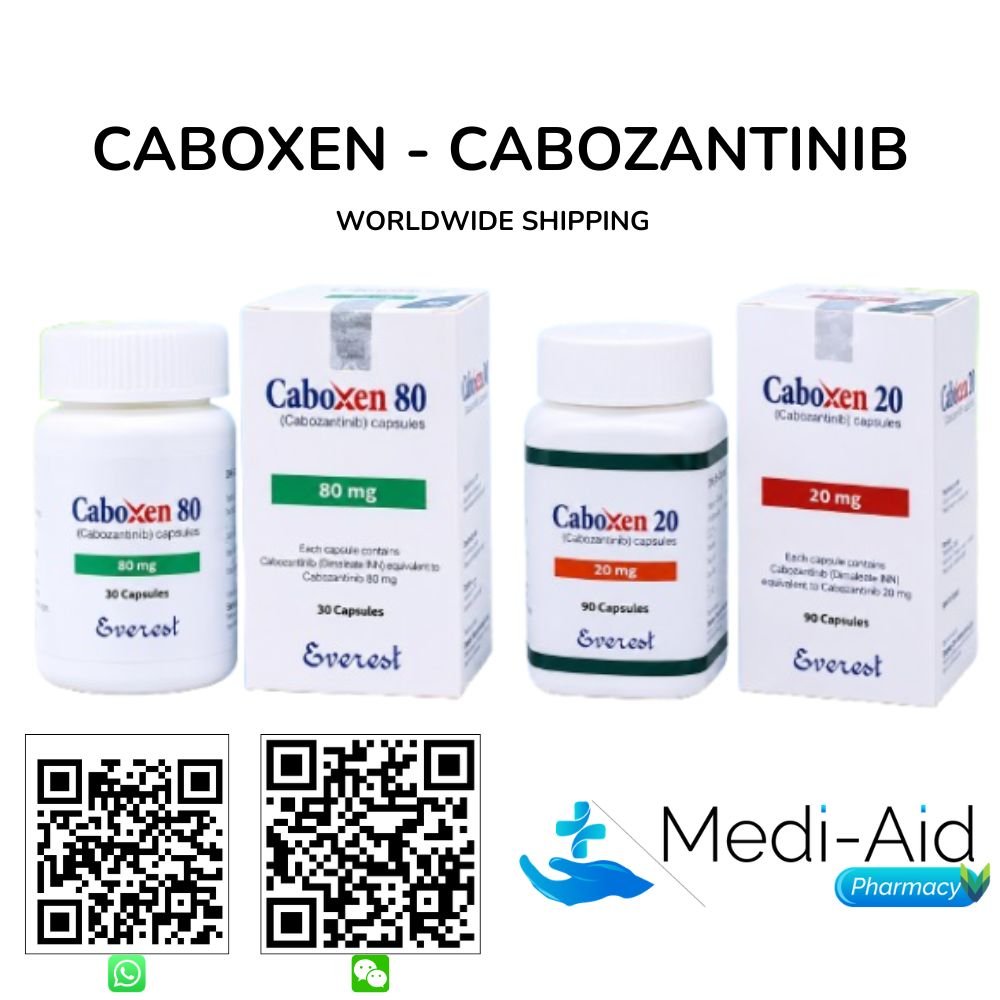
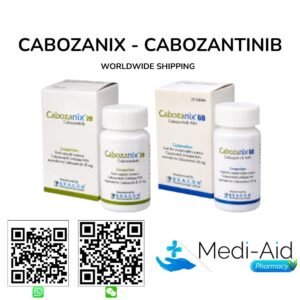
Caboxen 20 MG & 80 MG (Cabozantinib) is a highly potent, orally bioavailable, broad-spectrum multi-kinase inhibitor that simultaneously targets vascular endothelial growth factor receptors VEGFR-1, VEGFR-2, and VEGFR-3, the hepatocyte growth factor receptor MET (c-MET), the tyrosine kinase receptor AXL, and the rearranged during transfection receptor RET a pharmacologically distinct precision oncology agent that suppresses tumor angiogenesis (via VEGFR inhibition), tumor invasiveness and metastasis (via MET and AXL inhibition), and oncogenic driver kinase activity (via RET inhibition) through simultaneous multi-pathway blockade; cabozantinib’s concurrent inhibition of VEGFR, MET, and AXL is clinically and mechanistically significant because MET and AXL activation are established resistance escape pathways for VEGFR-only TKI therapy tumor cells upregulate MET and AXL signaling in response to VEGFR inhibition, allowing continued proliferation and invasiveness despite VEGFR pathway suppression; cabozantinib’s simultaneous blockade of these escape pathways distinguishes it from VEGFR-selective agents (sunitinib, sorafenib, axitinib) and addresses both primary tumor growth and acquired resistance mechanisms in the same molecule; cabozantinib additionally inhibits KIT, TRKB, FLT-3, TIE-2, and other kinases contributing to its broad multi-indication activity across kidney cancer, liver cancer, and thyroid cancer, supplied as a hard capsule in strengths of 20 mg and 80 mg, available in 90 and 30 capsules per pot, and manufactured by Everest Pharmaceuticals Ltd., Bangladesh.
Cabozantinib, the active pharmaceutical ingredient of Caboxen, is a multi-kinase inhibitor with multiple FDA-approved oncology indications establishing cabozantinib as a standard-of-care agent for adult patients with advanced renal cell carcinoma (RCC), including as first-line treatment in combination with nivolumab (anti-PD-1 immune checkpoint inhibitor) and as monotherapy at any line of RCC therapy; for adult patients with hepatocellular carcinoma (HCC) who have been previously treated with sorafenib; for adult and pediatric patients 12 years of age and older with locally advanced or metastatic differentiated thyroid cancer (DTC) that has progressed following prior VEGFR-targeted therapy and who are radioactive iodine-refractory or ineligible; for progressive, metastatic medullary thyroid cancer (MTC) in the capsule formulation; and for previously treated pancreatic and extra-pancreatic neuroendocrine tumors (NET) as of the March 2025 FDA approval representing the broadest indication profile of any currently approved oral multi-kinase inhibitor across solid tumor oncology.
The 20 mg and 80 mg hard capsule strengths of Caboxen enable the standard medullary thyroid cancer (MTC) dose of 140 mg once daily, taken as one 80 mg capsule and three 20 mg capsules on an empty stomach (at least 1 hour before or at least 2 hours after eating); at the 60 mg daily dose for RCC, HCC, and DTC monotherapy, three 20 mg capsules provide the full dose; at the 40 mg daily dose used for cabozantinib in combination with nivolumab in first-line RCC, two 20 mg capsules provide the full dose; dose reductions are made in 20 mg decrements; cabozantinib capsules must be taken on an empty stomach and must not be taken with grapefruit or grapefruit juice, which significantly increase cabozantinib plasma exposure; strong CYP3A4 inhibitors (ketoconazole, itraconazole, clarithromycin) require a 20 mg daily dose reduction; strong CYP3A4 inducers (rifampin, phenytoin, carbamazepine, St. John’s Wort) require a 20 mg daily dose increase if tolerated; cabozantinib must be withheld for at least 3 weeks prior to elective surgery due to impaired wound-healing risk; do not administer to patients with active or recent serious hemorrhage.
The pivotal Phase III CheckMate 9ER trial (NCT03141177), a randomized, open-label trial enrolling 651 patients with previously untreated advanced RCC with a clear-cell component, demonstrated that nivolumab plus cabozantinib doubled both progression-free survival (median PFS 16.6 vs. 8.3 months; HR 0.51; 95% CI 0.41–0.64; p<0.0001) and objective response rate (ORR 55.7% vs. 27.7%) versus sunitinib at 4-year follow-up (median 55.6 months), establishing nivolumab plus cabozantinib as the most widely prescribed TKI plus immunotherapy combination in first-line advanced RCC as of 2025. The pivotal Phase III CELESTIAL trial (NCT01908426), a randomized, double-blind, placebo-controlled trial enrolling 707 patients with advanced HCC previously treated with sorafenib, demonstrated a statistically significant improvement in median overall survival of 10.2 months with cabozantinib versus 8.0 months with placebo (HR 0.76; 95% CI 0.63–0.92; p=0.0049), with a median PFS of 5.2 months versus 1.9 months, establishing cabozantinib as an approved second-line standard of care for advanced HCC.
Important: The most clinically significant adverse reactions of cabozantinib are hemorrhage (including fatal hemorrhagic events), perforations and fistulas, thrombotic events (arterial and venous), hypertension (including hypertensive crisis), diarrhea, palmar-plantar erythrodysesthesia (PPE/hand-foot syndrome), hepatotoxicity, osteonecrosis of the jaw, Reversible Posterior Leukoencephalopathy Syndrome (RPLS), thyroid dysfunction, hypocalcemia, wound healing complications, and embryo-fetal toxicity. Severe and fatal hemorrhages have occurred with cabozantinib; do not administer to patients with recent serious hemorrhagic events; discontinue for Grade 3 or 4 hemorrhage.
Withhold cabozantinib for at least 3 weeks prior to elective surgery; resume no sooner than 2 weeks after major surgery and adequate wound healing. Monitor hepatic function (ALT, AST, bilirubin) before and during treatment; withhold or discontinue for severe hepatotoxicity. Monitor calcium levels before initiating and during treatment; withhold for hypocalcemia and resume at a reduced dose when corrected. Cabozantinib can cause fetal harm; females of reproductive potential must use effective contraception during and for 4 months after the last dose; breastfeeding is not recommended during treatment and for 4 months after the last dose.
Do not substitute Caboxen 20 MG & 80 MG Cabozantinib for sunitinib, sorafenib, lenvatinib, axitinib, or other VEGFR/MET-targeted agents, or substitute between cabozantinib capsule and tablet formulations, without confirmed indication-specific prescribing and clinical benefit-risk assessment by the treating oncologist. Searching for Caboxen 20 MG & 80 MG Cabozantinib? Mediaid Pharmacy lists this product across its oncology medicines, kidney cancer medicines, liver cancer medicines, thyroid cancer medicines, and Everest Pharmaceuticals medicines portfolios and ships it worldwide.
Basic Product Information of Caboxen 20 MG & 80 MG (Cabozantinib)
| Brand Name | Caboxen manufactured and marketed by Everest Pharmaceuticals Ltd., Bangladesh; cabozantinib is also marketed internationally as Cabometyx® tablets and Cometriq® capsules by Exelixis, Inc. (the original innovator company) in the United States Cabometyx tablets (20 mg, 40 mg, 60 mg) are FDA-approved for advanced RCC, previously sorafenib-treated HCC, differentiated thyroid cancer post-VEGFR therapy, and neuroendocrine tumors; Cometriq capsules (20 mg, 80 mg) are FDA-approved for progressive metastatic medullary thyroid cancer (MTC) at a dose of 140 mg once daily; Caboxen by Everest Pharmaceuticals Ltd. is a branded generic formulation of cabozantinib hard capsules (20 mg and 80 mg), manufactured in Bangladesh and supplied through authorized international pharmaceutical distribution channels, providing accessible cabozantinib therapy across kidney cancer, liver cancer, and thyroid cancer indications globally |
| Product Name | Caboxen (branded cabozantinib hard capsules, 20 mg and 80 mg per capsule, 90 and 30 capsules per pot, by Everest Pharmaceuticals Ltd., Bangladesh) |
| Generic Name | Cabozantinib (INN; a highly potent, orally bioavailable broad-spectrum multi-kinase inhibitor that simultaneously targets VEGFR-1, VEGFR-2, VEGFR-3, MET (hepatocyte growth factor receptor/c-MET), AXL, RET, and additional kinases including KIT, TRKB, FLT-3, and TIE-2; cabozantinib’s simultaneous inhibition of VEGFR, MET, and AXL is its defining pharmacological distinction from VEGFR-selective TKIs MET and AXL are well-characterized resistance escape pathways activated in response to VEGFR blockade, and cabozantinib’s suppression of all three targets simultaneously addresses both the primary angiogenic dependency of solid tumors and the principal acquired resistance mechanisms; cabozantinib’s RET kinase inhibition provides oncogenic driver activity in medullary thyroid cancer (which is driven by activating RET mutations or RET gene rearrangements in hereditary and sporadic forms) and differentiated thyroid cancer; cabozantinib was developed by Exelixis, Inc., USA; Cometriq (cabozantinib capsules, 20 mg and 80 mg) received initial FDA approval for progressive metastatic medullary thyroid cancer on November 29, 2012; Cabometyx (cabozantinib tablets, 60 mg) received FDA approval for previously treated advanced RCC on April 25, 2016; subsequent FDA approvals: first-line advanced RCC with nivolumab January 22, 2021; previously treated advanced HCC January 14, 2019; previously treated DTC September 17, 2021; previously treated NET March 2025) |
| Drug Class | Multi-Kinase Inhibitor (VEGFR-1/2/3, MET, AXL, RET); Broad-Spectrum Oral Antiangiogenic and Anti-Invasive Oncology Agent; MET/AXL/VEGFR Resistance-Overcoming Kinase Inhibitor; RET Proto-Oncogene Kinase Inhibitor; First-Line Advanced RCC Immunotherapy Combination Partner (Nivolumab + Cabozantinib, CheckMate 9ER); Second-Line Advanced HCC Standard-of-Care Agent (Post-Sorafenib); Oral MTC-Targeted RET Inhibitor (Medullary Thyroid Cancer); Previously Treated DTC VEGFR-MET-AXL-RET Inhibitor; Second-Generation Multi-Pathway Resistance-Overcoming TKI for Advanced Solid Tumors |
| Formulation | Hard capsule for oral administration take on an empty stomach (at least 1 hour before or at least 2 hours after eating) with a glass of water; swallow capsules whole do not open, crush, or chew; do not take with grapefruit or grapefruit juice, as these significantly increase cabozantinib plasma exposure via CYP3A4/5 inhibition and may increase the risk of adverse reactions; take at approximately the same time each day; cabozantinib is administered on a continuous once-daily schedule without scheduled treatment breaks until disease progression or unacceptable toxicity; if a dose is missed and the next scheduled dose is more than 12 hours away, take the missed dose as soon as remembered; if the next dose is due within 12 hours, skip the missed dose and resume at the next scheduled time; do not take a double dose to make up for a missed dose; if vomiting occurs after taking a dose, do not take an additional dose resume at the next regularly scheduled time; store at room temperature as directed per product labeling; avoid concomitant use of strong CYP3A4 inhibitors (ketoconazole, itraconazole, clarithromycin, nefazodone, ritonavir, indinavir, nelfinavir, atazanavir, delavirdine, voriconazole, telithromycin) if a strong CYP3A4 inhibitor must be used, reduce the cabozantinib dose by 20 mg; avoid strong CYP3A4 inducers (rifampin, dexamethasone, phenytoin, carbamazepine, rifabutin, rifapentine, phenobarbital, St. John’s Wort) if a strong CYP3A4 inducer must be used, increase the cabozantinib dose by 20 mg if tolerated; cabozantinib dose modification for hepatic impairment: reduce dose for mild (Child-Pugh A) or moderate (Child-Pugh B) hepatic impairment; cabozantinib is not recommended for severe hepatic impairment (Child-Pugh C); no dose adjustment required for renal impairment |
| Available Strengths | 20 mg and 80 mg hard capsules the dual-strength capsule availability of Caboxen enables the full clinically recommended dosing range, dose reductions, and all approved indication doses from two capsule sizes: MTC standard dose: 140 mg once daily = one 80 mg capsule + three 20 mg capsules; RCC/HCC/DTC/NET monotherapy standard dose: 60 mg once daily = three 20 mg capsules (or one 80 mg capsule – 20 mg dose held); RCC combination with nivolumab: 40 mg once daily = two 20 mg capsules; First dose reduction from 60 mg: 40 mg once daily = two 20 mg capsules; Second dose reduction: 20 mg once daily = one 20 mg capsule; First dose reduction from 140 mg (MTC): 100 mg = one 80 mg capsule + one 20 mg capsule; Second dose reduction from 140 mg: 60 mg = three 20 mg capsules; the 20 mg capsule is clinically essential for all sub-60 mg dose reductions and for the 40 mg combination-therapy dose, while the 80 mg capsule provides the core high-dose component for MTC and simplifies daily capsule count at standard doses; the dual-strength design of Caboxen enables complete dose management flexibility across all cabozantinib-approved indications from a two-capsule-size system; no body-weight-based dose adjustment is required for adult patients; pediatric patients 12 years and older weighing <40 kg: recommended dose 40 mg once daily; pediatric patients 12 years and older weighing ≥40 kg: recommended dose 60 mg once daily |
| Available Pack Size | 90 capsules per pot (20 mg) and 30 capsules per pot (80 mg) at the standard MTC dose of 140 mg once daily (three 20 mg + one 80 mg capsules per day), one pot of Caboxen 20 MG (90 capsules) provides a 30-day supply for the 20 mg component; one pot of Caboxen 80 MG (30 capsules) provides a 30-day supply for the 80 mg component; at the standard RCC/HCC/DTC monotherapy dose of 60 mg once daily (three 20 mg capsules per day), one pot of Caboxen 20 MG (90 capsules) provides a full 30-day supply; at the nivolumab-combination RCC dose of 40 mg once daily (two 20 mg capsules per day), one pot of Caboxen 20 MG (90 capsules) provides a 45-day supply; hospital oncology programs typically procure both the 20 mg and 80 mg pot sizes together for monthly MTC cycle management; for RCC, HCC, and DTC monotherapy at 60 mg, the 90-capsule pot of the 20 mg strength covers the entire 30-day supply from a single pot; contact Mediaid Pharmacy for indication-specific pack combination procurement guidance and current stock availability for Caboxen 20 MG and Caboxen 80 MG |
| Dosing Schedule | Progressive Metastatic Medullary Thyroid Cancer (MTC) Standard Dosing: Cabozantinib 140 mg orally once daily on an empty stomach (one 80 mg + three 20 mg capsules); administer continuously until disease progression or unacceptable toxicity; cabozantinib is approved for MTC in the capsule formulation and is the first systemic therapy to demonstrate improved PFS in MTC in a randomized Phase III trial (EXAM trial).
Advanced Renal Cell Carcinoma (RCC) First-Line Combination with Nivolumab: Cabozantinib 40 mg orally once daily (two 20 mg capsules) in combination with nivolumab 240 mg intravenously every 2 weeks or 480 mg every 4 weeks; administer until disease progression or unacceptable toxicity; manage immune-mediated adverse reactions from nivolumab per nivolumab prescribing information; this regimen is based on CheckMate 9ER and is the most widely prescribed TKI-IO combination for first-line advanced RCC as of 2025. Advanced Renal Cell Carcinoma (RCC) Monotherapy (Any Line): Cabozantinib 60 mg orally once daily (three 20 mg capsules) on an empty stomach; administer continuously until disease progression or unacceptable toxicity. Previously Treated Advanced Hepatocellular Carcinoma (HCC): Cabozantinib 60 mg orally once daily (three 20 mg capsules) on an empty stomach in patients with Child-Pugh Class A hepatic function who have been previously treated with sorafenib; reduce dose to 40 mg once daily for moderate hepatic impairment (Child-Pugh B); administer continuously until disease progression or unacceptable toxicity. Previously Treated Differentiated Thyroid Cancer (DTC) and Neuroendocrine Tumors (NET): Cabozantinib 60 mg orally once daily (three 20 mg capsules) on an empty stomach; for DTC, treatment is for locally advanced or metastatic DTC that has progressed on prior VEGFR-targeted therapy and is radioactive iodine-refractory or ineligible; pediatric DTC/NET: 60 mg once daily for weight ≥40 kg; 40 mg once daily for weight <40 kg. Dose Reduction Schedule (All Indications): From 140 mg: reduce to 100 mg then 60 mg; From 60 mg: reduce to 40 mg then 20 mg; From 40 mg (nivo+cabo): reduce to 20 mg; permanently discontinue if the patient cannot tolerate the lowest dose level. Mandatory Safety Monitoring Before Initiation: Assess blood pressure and optimize control; evaluate hepatic function (ALT, AST, bilirubin); measure calcium levels; review surgical history and planned procedures; perform dental examination and institute preventive dentistry to minimize risk of osteonecrosis of the jaw; perform pregnancy test in females of reproductive potential; withhold cabozantinib for at least 3 weeks prior to any elective surgical procedure. |
| Manufacturer | Everest Pharmaceuticals Ltd., Bangladesh a Bangladesh-based pharmaceutical manufacturer producing high-quality oncology generics including oral targeted therapy agents, cytotoxic medicines, and specialty oncology products for domestic and international patient access programs |
| Country of Origin | Bangladesh |
| Categories | Kidney Cancer Medicines | Liver Cancer Medicines | Oncology Medicines | Thyroid Cancer Medicines | Everest Pharmaceuticals Medicines |
Four Clinical and Practical Reasons to Source Caboxen 20 MG & 80 MG (Cabozantinib) Through Mediaid Pharmacy
First, cabozantinib’s simultaneous VEGFR + MET + AXL + RET multi-kinase inhibition mechanism is the pharmacological foundation that sets it apart from every other approved VEGFR-targeted TKI in advanced kidney cancer, liver cancer, and thyroid cancer, by directly blocking both the primary tumor angiogenesis pathway and the most clinically validated resistance escape mechanisms in a single molecule. Advanced renal cell carcinoma (RCC), hepatocellular carcinoma (HCC), and thyroid cancer all rely on VEGF-driven neovascularization for sustained tumor growth; however, clinical and translational data consistently show that VEGFR-only inhibitors (sunitinib, sorafenib, axitinib) lose efficacy over time as tumors upregulate MET and AXL signaling two receptor tyrosine kinases known to drive tumor cell survival, epithelial-to-mesenchymal transition, invasion, and metastasis independently of VEGFR activity; cabozantinib’s IC50 values against VEGFR-2 (0.035 nM), MET (1.3 nM), AXL (7 nM), and RET (5.2 nM) place it among the highest-potency multi-kinase inhibitors in clinical oncology, ensuring simultaneous suppression of all four clinically relevant resistance and progression pathways at pharmacologically achievable steady-state plasma concentrations; this multi-pathway approach is not theoretical it directly translated to the unprecedented clinical outcomes observed in CheckMate 9ER (doubling of PFS and ORR versus sunitinib) and in MTC (the first systemic therapy to demonstrate randomized PFS improvement in a thyroid cancer driven by RET oncogene activation).
Second, the pivotal CheckMate 9ER trial efficacy data establishing nivolumab plus cabozantinib as the most prescribed first-line TKI-IO combination for advanced renal cell carcinoma represent the most clinically impactful kidney cancer trial of the past decade, with 4-year follow-up data confirming durable, sustained benefit across all IMDC risk groups. CheckMate 9ER (NCT03141177) was a Phase III, randomized, open-label trial enrolling 651 patients with previously untreated advanced RCC with a clear-cell component, randomly assigned 1:1 to nivolumab 240 mg every 2 weeks plus cabozantinib 40 mg once daily versus sunitinib 50 mg once daily (4 weeks on, 2 weeks off); at 4-year follow-up (median 55.6 months), nivolumab plus cabozantinib demonstrated: ORR 55.7% versus 27.7% with sunitinib doubling the response rate; median PFS 16.6 months versus 8.3 months doubling median PFS (HR 0.51; 95% CI 0.41–0.64); OS HR 0.70 (95% CI 0.55–0.90) statistically significant overall survival benefit; benefits were observed across all IMDC risk groups (favorable, intermediate, and poor risk); nivolumab plus cabozantinib is listed as a Category 1 preferred first-line regimen for advanced clear cell RCC in NCCN guidelines and is described as the most widely prescribed TKI-IO combination in first-line advanced RCC as of September 2025 by IQVIA BrandImpact data.
Third, the CELESTIAL trial efficacy data for cabozantinib in previously sorafenib-treated hepatocellular carcinoma represent one of the most significant advances in liver cancer systemic therapy, demonstrating the first statistically significant improvement in overall survival versus placebo in second-line HCC following sorafenib in a Phase III setting, while also being the only approved agent to demonstrate efficacy across both second-line and third-line HCC settings. CELESTIAL (NCT01908426) was a Phase III, randomized, double-blind, placebo-controlled, international trial enrolling 707 patients with advanced HCC previously treated with sorafenib (randomized 2:1; cabozantinib n=470, placebo n=237); median OS 10.2 months (cabozantinib) versus 8.0 months (placebo) HR 0.76 (95% CI 0.63–0.92; p=0.0049); median PFS 5.2 months versus 1.9 months (HR 0.44; 95% CI 0.36–0.52; p<0.0001); ORR 4% versus 0.4% (p=0.0086); disease control rate 64% versus 33%; CELESTIAL is the only Phase III HCC trial to include both second-line (post-sorafenib) and third-line (post-sorafenib + one additional therapy) patients, confirming cabozantinib’s efficacy irrespective of the number of prior therapies, alpha-fetoprotein level, albumin-bilirubin score, age, and HCC etiology confirming cabozantinib’s clinical benefit in a broad, all-comers post-sorafenib HCC population.
Fourth, the dual 20 mg and 80 mg hard capsule availability of Caboxen enables complete dose management across all five cabozantinib-approved indications and all dose levels without requiring alternative products, while the 90-capsule and 30-capsule pot sizes provide flexible procurement logistics matched to the standard monthly treatment cycle for each indication. The 80 mg capsule provides the high-dose MTC backbone (combined with three 20 mg capsules for the 140 mg daily MTC dose), while the 20 mg capsule is the universal building block for the 60 mg monotherapy dose (3 × 20 mg), the 40 mg nivolumab-combination RCC dose (2 × 20 mg), and all dose reduction levels (40 mg, 20 mg) in RCC, HCC, DTC, and NET; the 90-capsule pot of Caboxen 20 MG exactly covers a 30-day cycle at the 60 mg dose (3 capsules/day × 30 days = 90 capsules) a perfect logistical alignment that eliminates partial pot waste for the most commonly used monotherapy dose; Mediaid Pharmacy maintains stock of both Caboxen 20 MG and Caboxen 80 MG with reliable supply continuity to prevent treatment interruptions in ongoing patient regimens across all cabozantinib-treated cancer types.
To source Caboxen 20 MG & 80 MG Cabozantinib and explore the complete portfolio of kidney cancer, liver cancer, thyroid cancer, and oncology medicines manufactured by Everest Pharmaceuticals, visit the Mediaid Pharmacy kidney cancer medicines portfolio, the liver cancer medicines collection, the thyroid cancer medicines range, the oncology medicines collection, and the Everest Pharmaceuticals medicines range, and contact the team for a personalized quotation and international shipping confirmation.
Frequently Asked Questions About Caboxen 20 MG & 80 MG (Cabozantinib)
What is Caboxen 20 MG & 80 MG (Cabozantinib) used for?
Caboxen (Cabozantinib) is an oral multi-kinase inhibitor with five approved oncology indications spanning kidney cancer, liver cancer, and thyroid cancer. Indication 1 Advanced RCC (Any Line, Monotherapy): Cabozantinib for adult patients with advanced renal cell carcinoma; approved April 25, 2016 (Cabometyx). Indication 2 First-Line Advanced RCC with Nivolumab: Cabozantinib 40 mg once daily plus nivolumab 240 mg every 2 weeks for treatment-naive patients with advanced RCC; CheckMate 9ER demonstrated ORR 55.7%, doubling of median PFS vs. sunitinib; FDA approved January 22, 2021. Indication 3 Previously Treated Advanced HCC: Cabozantinib 60 mg once daily for patients with advanced HCC previously treated with sorafenib (Child-Pugh Class A); CELESTIAL demonstrated median OS 10.2 vs. 8.0 months versus placebo (HR 0.76; p=0.0049); FDA approved January 14, 2019. Indication 4 Previously Treated Differentiated Thyroid Cancer and Neuroendocrine Tumors (NET): Cabozantinib 60 mg once daily for DTC progressed on prior VEGFR therapy that is RAI-refractory or ineligible (FDA approved September 2021) and for previously treated NET (FDA approved March 2025). Indication 5 Progressive Metastatic Medullary Thyroid Cancer (MTC Capsule Formulation): Cabozantinib 140 mg once daily (one 80 mg + three 20 mg capsules on empty stomach) for progressive metastatic MTC; Cometriq capsules received FDA approval November 29, 2012 based on the EXAM trial, which was the first randomized Phase III trial to demonstrate PFS improvement with any systemic therapy in MTC. Caboxen 20 MG & 80 MG (Cabozantinib) is available through Mediaid Pharmacy with worldwide shipping to patients and advanced kidney cancer treatment programs, liver cancer treatment centers, and thyroid cancer programs globally.
What is the generic name of Caboxen and how does it work?
The generic name (International Nonproprietary Name, INN) of Caboxen is cabozantinib. Cabozantinib is a highly potent, orally bioavailable broad-spectrum multi-kinase inhibitor that simultaneously targets VEGFR-1, VEGFR-2, VEGFR-3, MET (c-MET/hepatocyte growth factor receptor), AXL, and RET receptor tyrosine kinases blocking four complementary oncogenic signaling pathways in a single molecule. VEGFR inhibition suppresses tumor-driven neovascularization (new blood vessel formation) that sustains tumor growth in VEGF-dependent solid tumors including RCC, HCC, and thyroid cancer. MET inhibition blocks the HGF/MET signaling axis a primary escape mechanism activated when tumors develop resistance to VEGFR-only TKI therapy; MET overexpression is documented in sunitinib-resistant RCC, in sorafenib-resistant HCC, and in MTC. AXL inhibition targets a second VEGFR-TKI resistance escape pathway; AXL is upregulated in multiple tumor types following VEGFR blockade and is associated with epithelial-to-mesenchymal transition, enhanced tumor invasiveness, and poor prognosis in RCC and HCC. RET inhibition directly blocks the primary oncogenic driver in medullary thyroid cancer (which is driven by activating germline or somatic RET mutations in >95% of hereditary and 25–65% of sporadic MTC cases) and contributes to activity in RET-rearranged DTC. This four-pathway simultaneous blockade mechanistically distinguishes cabozantinib from VEGFR-selective agents (sunitinib, sorafenib, axitinib) which cannot inhibit MET- or AXL-driven resistance escape. Cabozantinib was developed by Exelixis, Inc., USA; Caboxen is the branded generic capsule formulation manufactured by Everest Pharmaceuticals Ltd. in Bangladesh. Mediaid Pharmacy distributes Caboxen 20 MG & 80 MG Cabozantinib by Everest Pharmaceuticals globally with worldwide shipping to patients, oncology programs, and hospital pharmacies.
What are the side effects of Caboxen (Cabozantinib)?
The most clinically significant adverse reactions of Caboxen (Cabozantinib) are hemorrhage (including fatal events), perforations and fistulas, thrombotic events, hypertension, diarrhea, palmar-plantar erythrodysesthesia (PPE/hand-foot syndrome), hepatotoxicity, osteonecrosis of the jaw, Reversible Posterior Leukoencephalopathy Syndrome (RPLS), thyroid dysfunction, hypocalcemia, wound healing complications, and embryo-fetal toxicity. Hemorrhage (Serious/Fatal Risk): Severe and fatal hemorrhagic events have occurred with cabozantinib; the incidence of Grade 3–5 hemorrhagic events was 5% in RCC and HCC clinical studies; do not administer to patients with recent serious hemorrhage; permanently discontinue for Grade 3 or 4 hemorrhage; patients receiving concomitant anticoagulants or antiplatelet agents require especially close monitoring. Diarrhea and PPE (Most Common Dose-Limiting Toxicities): Diarrhea occurred in up to 62% of cabozantinib-treated HCC patients (CELESTIAL), with Grade 3 events in 10%; PPE occurred in 45% of CELESTIAL patients, with Grade 3 in 13–17%; diarrhea and PPE are the adverse events most commonly leading to dose interruption (37% withhold for diarrhea; 25% withhold for PPE) and dose reduction (10% reduction for diarrhea; 22% reduction for PPE); manage diarrhea with loperamide and fluid replacement; manage PPE with supportive skin care, padded footwear, dose modification. Hypertension: Grade 3 hypertension occurred in 16% of CELESTIAL patients; blood pressure must be well-controlled before initiating cabozantinib; monitor throughout treatment; permanently discontinue for severe hypertension unresponsive to antihypertensive therapy or for hypertensive crisis. Hepatotoxicity: Liver enzyme elevations (ALT, AST) are common; monitor hepatic function at baseline and periodically during treatment; withhold or reduce dose for significant transaminase elevations. Osteonecrosis of the Jaw (ONJ): ONJ has occurred with cabozantinib; perform preventive dental examination before initiating therapy; avoid invasive dental procedures during treatment; withhold cabozantinib for at least 3 weeks before scheduled dental surgery or procedures. Most Common (≥20%) Adverse Reactions (Monotherapy): Diarrhea, fatigue, PPE, decreased appetite, hypertension, nausea, vomiting, weight decreased, and constipation. Most Common (≥20%) Adverse Reactions (Nivolumab Combination in RCC): Diarrhea, fatigue, hepatotoxicity, PPE, stomatitis, rash, hypertension, hypothyroidism, musculoskeletal pain, decreased appetite, nausea, dysgeusia, abdominal pain, cough, and upper respiratory tract infection. All patients initiating Caboxen (Cabozantinib) should have baseline blood pressure, hepatic function, calcium, dental status, and surgical history documented, with treatment initiated under the supervision of a qualified oncologist experienced in managing multi-kinase inhibitor and immunotherapy toxicities.
How effective is Caboxen (Cabozantinib) for kidney cancer, liver cancer, and thyroid cancer?
Cabozantinib has demonstrated clinically significant and statistically meaningful efficacy across its approved oncology indications in three distinct solid tumor types. CheckMate 9ER First-Line Advanced RCC (NCT03141177; Phase III; n=651; nivolumab 240mg q2w + cabozantinib 40mg QD vs. sunitinib; primary endpoint PFS; 4-year follow-up at median 55.6 months): ORR 55.7% versus 27.7% more than doubling the response rate; median PFS doubled versus sunitinib (HR 0.51; 95% CI 0.41–0.64); OS HR 0.70 (95% CI 0.55–0.90) statistically significant OS benefit; nivolumab plus cabozantinib is the most prescribed TKI-IO combination for first-line advanced RCC as of 2025 (IQVIA BrandImpact data). CELESTIAL Previously Treated Advanced HCC (NCT01908426; Phase III; n=707; cabozantinib 60mg QD vs. placebo; 2:1 randomization; primary endpoint OS): Median OS 10.2 months (cabozantinib) vs. 8.0 months (placebo) HR 0.76 (95% CI 0.63–0.92; p=0.0049); median PFS 5.2 months vs. 1.9 months (HR 0.44; p<0.0001); ORR 4% vs. 0.4% (p=0.0086); disease control rate 64% vs. 33%; efficacy confirmed irrespective of prior therapy line, AFP level, age, and etiology. EXAM Progressive Metastatic MTC (Phase III; cabozantinib 140mg QD capsules vs. placebo): Median PFS 11.2 months (cabozantinib) vs. 4.0 months (placebo) HR 0.28 the first randomized trial to show PFS benefit with any systemic therapy in MTC; confirmed ORR 28% (cabozantinib) vs. 0% (placebo). Caboxen 20 MG & 80 MG (Cabozantinib) is available through Mediaid Pharmacy; visit the kidney cancer medicines collection, the liver cancer medicines collection, and the thyroid cancer medicines range for the complete multi-indication cabozantinib portfolio.
What is the difference between Caboxen (Cabozantinib) and other targeted therapies (Sunitinib, Sorafenib, Lenvatinib, Axitinib)?
Caboxen (Cabozantinib), sunitinib (Sutent), sorafenib (Nexavar), lenvatinib (Lenvima), and axitinib (Inlyta) are all approved oral kinase inhibitors used in advanced RCC, HCC, or thyroid cancer but differ fundamentally in kinase target profile, approved indications, and mechanisms of resistance overcome making them clinically non-interchangeable in therapeutic planning. Cabozantinib vs. VEGFR-Selective TKIs (Sunitinib, Sorafenib, Axitinib) the MET/AXL Resistance Advantage: Sunitinib, sorafenib, and axitinib primarily inhibit VEGFR kinases and lack meaningful MET and AXL inhibitory activity at clinically achievable concentrations; MET and AXL upregulation are well-established tumor escape mechanisms following VEGFR TKI exposure tumors that have acquired resistance to sunitinib or sorafenib commonly show high MET/AXL expression; cabozantinib’s simultaneous VEGFR + MET + AXL inhibition addresses these escape routes, partially explaining why CheckMate 9ER with nivolumab + cabozantinib (ORR 55.7%, PFS HR 0.51) outperformed KEYNOTE-426 with pembrolizumab + axitinib (ORR 60.6%, PFS HR approximately 0.69) in indirect comparisons adjusting for patient characteristics. Cabozantinib vs. Lenvatinib Indication Overlap and Kinase Differences: Both cabozantinib and lenvatinib are approved for DTC and have shared oncology applications; lenvatinib additionally inhibits FGFR1–4 (a cabozantinib-absent target) while cabozantinib additionally inhibits MET and AXL (lenvatinib-absent targets); in first-line advanced RCC, lenvatinib + pembrolizumab (CLEAR trial) and cabozantinib + nivolumab (CheckMate 9ER) are both Category 1 NCCN-preferred first-line options with no head-to-head comparative data. Indication-Specific Distinctions: Cabozantinib capsules are the only formulation approved for medullary thyroid cancer (MTC driven by RET oncogene mutations) among these agents; sorafenib and lenvatinib are approved for first-line DTC treatment; cabozantinib is specifically approved for DTC following progression on prior VEGFR-targeted therapy; cabozantinib and regorafenib are both approved post-sorafenib for HCC, but the CELESTIAL OS benefit (HR 0.76) distinguishes cabozantinib in the third-line setting. Visit the Mediaid Pharmacy kidney cancer medicines range, the liver cancer medicines range, and the Everest Pharmaceuticals medicines collection for the complete multi-indication oncology portfolio.
Is Caboxen (Cabozantinib) safe during pregnancy or while breastfeeding?
Caboxen (Cabozantinib) can cause fetal harm when administered during pregnancy based on its mechanism of action and nonclinical animal reproductive toxicology data cabozantinib should not be used during pregnancy. VEGFR, MET, AXL, and RET kinase signaling all play essential roles in embryonic vascular development, organ morphogenesis, and placentation; suppression of these pathways by cabozantinib is expected to disrupt critical developmental processes; nonclinical animal reproductive and developmental toxicology studies demonstrated embryo-fetal toxicity at cabozantinib exposures in animals, including decreased fetal weight, increased incidence of skeletal abnormalities, and increased post-implantation loss; these findings at clinically relevant exposures confirm the reproductive toxicity potential of cabozantinib. No clinical data are available on cabozantinib use in human pregnancy; cabozantinib must not be used during pregnancy based on its mechanism-of-action embryo-fetal toxicity risk. Contraception requirement: Females of reproductive potential must use effective contraception during cabozantinib treatment and for 4 months after the last dose a substantially longer post-treatment contraception period than most other oral TKIs, reflecting cabozantinib’s extended half-life and tissue distribution; males with female partners of reproductive potential must use condoms during treatment and for 4 months after the last dose; verify pregnancy status with a serum or urine pregnancy test before initiating Caboxen in all females of reproductive potential. Breastfeeding: No data are available on the presence of cabozantinib or its metabolites in human breast milk, their effects on a breastfed infant, or effects on milk production; because of the potential for serious adverse reactions from cabozantinib in a breastfed infant, breastfeeding is not recommended during cabozantinib treatment and for 4 months after the last dose. Fertility: Cabozantinib may impair fertility in both males and females; the impact of cabozantinib on human fertility has not been directly studied; discuss fertility preservation options with the treating oncologist before initiating cabozantinib therapy in patients of reproductive potential. All aspects of reproductive planning and contraceptive requirements should be discussed with the treating oncologist before starting Caboxen therapy.
Can I order Caboxen 20 MG & 80 MG (Cabozantinib) online with worldwide shipping?
Yes. Mediaid Pharmacy supplies Caboxen 20 MG & 80 MG (Cabozantinib), hard capsules, available in 90 capsules per pot (20 mg) and 30 capsules per pot (80 mg), manufactured by Everest Pharmaceuticals Ltd., Bangladesh, to patients, advanced RCC treatment programs, HCC treatment centers, medullary thyroid cancer programs, differentiated thyroid cancer clinics, oncology departments, hospital pharmacies, oncology outpatient clinics, patient access programs, and healthcare providers globally. As an oral hard capsule formulation stored at room temperature, Caboxen does not require cold-chain refrigerated shipping, allowing straightforward international logistics with standard secure pharmaceutical packaging appropriate for the destination country’s transit conditions and regulatory requirements. Contact Mediaid Pharmacy via WhatsApp, phone, or email at +8801773428128, or email info@mediaidpharmacy.com for pricing, current stock availability for both 20 mg and 80 mg capsule strengths, international shipping options, and delivery details for your country. Prescription documentation is required for cabozantinib dispensing in accordance with applicable regulatory requirements. For the complete portfolio of Everest Pharmaceuticals medicines, kidney cancer medicines, liver cancer medicines, and oncology medicines available with worldwide shipping, visit the respective collection pages on the Mediaid Pharmacy website.
Order Caboxen 20 MG & 80 MG (Cabozantinib) with Worldwide Shipping
Phone / WhatsApp: +8801773428128 | Email: info@mediaidpharmacy.com
Reviews
There are no reviews yet.