
Description
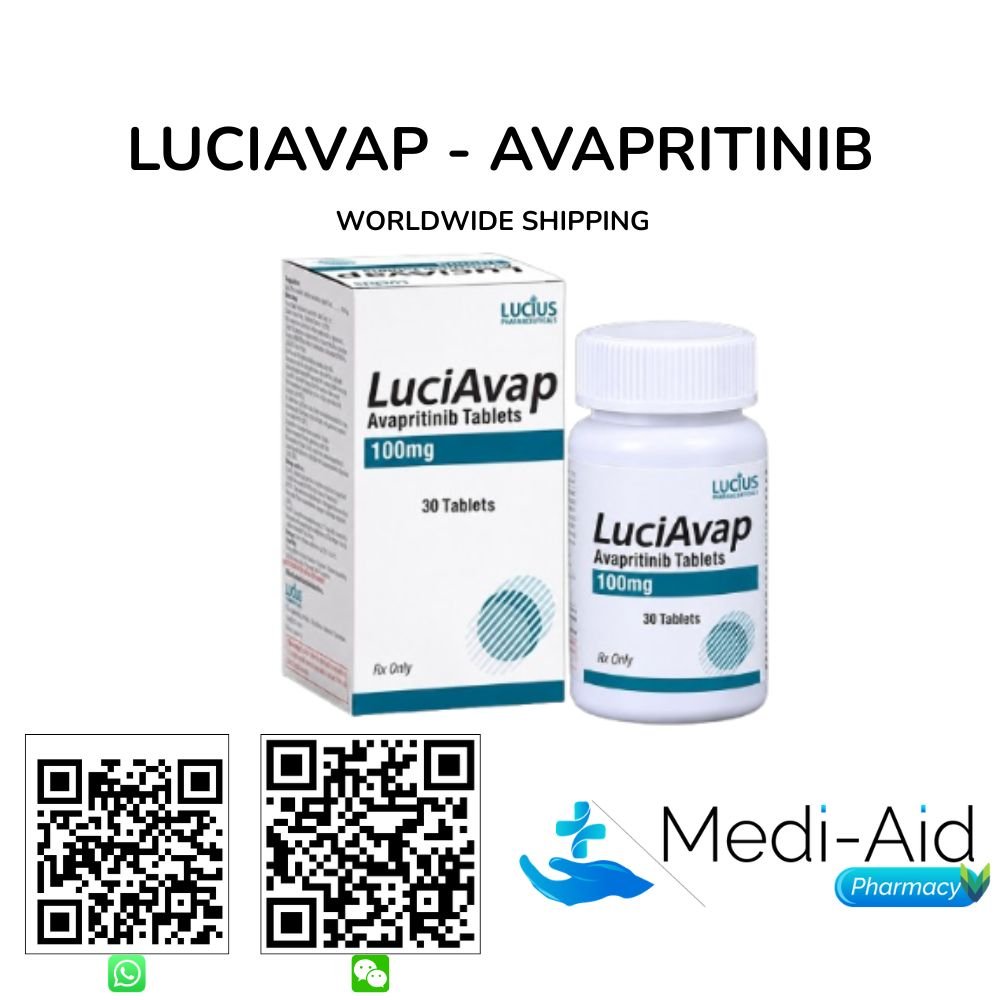
LuciAvap 100 MG (Avapritinib) is a highly potent, orally bioavailable, precision small-molecule kinase inhibitor selectively designed to target the active conformation of KIT and PDGFRA mutant kinases a first-in-class oral targeted oncology agent that overcomes the imatinib-resistance mechanism of PDGFRA exon 18 activation-loop mutations (including the PDGFRA D842V substitution) by binding to the active, DFG-in conformation of the mutant kinase, thereby directly blocking constitutive kinase activation driven by PDGFRA D842V and other PDGFRA exon 18 mutations; avapritinib additionally inhibits KIT D816V the dominant driver mutation in systemic mastocytosis with high potency and selectivity, suppressing neoplastic mast cell proliferation, survival, and organ infiltration in advanced systemic mastocytosis; avapritinib’s selectivity for activation-loop KIT and PDGFRA mutations pharmacologically distinguishes it from first-generation KIT/PDGFRA inhibitors (imatinib, sunitinib, regorafenib) that require the inactive DFG-out kinase conformation for binding and therefore cannot inhibit D842V or D816V mutations that lock the kinase in the active conformation, supplied as a film-coated tablet in a strength of 100 mg, 30 tablets per pot, and manufactured by Lucius Pharmaceuticals (Lao) Co., Ltd., Laos.
Avapritinib, the active pharmaceutical ingredient of LuciAvap, is a selective KIT/PDGFRA mutant kinase inhibitor with two FDA-approved oncology indications defined by specific molecular drivers establishing avapritinib as the standard of care and the first approved targeted therapy for adult patients with unresectable or metastatic gastrointestinal stromal tumor (GIST) harboring a PDGFRA exon 18 mutation, including PDGFRA D842V mutations (regardless of prior therapy line), addressing a molecularly defined GIST subpopulation for which imatinib, sunitinib, and regorafenib have no meaningful activity; and for adult patients with advanced systemic mastocytosis (AdvSM), including aggressive systemic mastocytosis (ASM), systemic mastocytosis with an associated hematological neoplasm (SM-AHN), and mast cell leukemia (MCL) representing the first approved precision kinase inhibitor therapy for mastocytosis driven by the KIT D816V mutation.
The recommended dose of LuciAvap (Avapritinib) is 300 mg orally once daily on an empty stomach (at least 1 hour before or 2 hours after a meal) for PDGFRA exon 18-mutant GIST, or 200 mg orally once daily on an empty stomach for advanced systemic mastocytosis, administered continuously until disease progression or unacceptable toxicity; at the 100 mg tablet strength, the 300 mg GIST dose requires three tablets once daily and the 200 mg AdvSM dose requires two tablets once daily; dose reductions for adverse reactions are made in 100 mg decrements (300 mg → 200 mg → 100 mg for GIST; 200 mg → 100 mg for AdvSM); avapritinib must be taken fasting food significantly increases variability in avapritinib absorption and should be avoided for at least 1 hour before and 2 hours after each dose; strong CYP3A4 inducers (rifampin, carbamazepine, phenytoin, St. John’s Wort) must be avoided as they reduce avapritinib plasma exposure by approximately 90%; avoid moderate CYP3A4 inducers; use caution with strong CYP3A4 inhibitors (ketoconazole, itraconazole, clarithromycin) as these increase avapritinib exposure up to approximately 4-fold.
The pivotal Phase I NAVIGATOR trial (NCT02508532), a multicenter, single-arm, open-label trial enrolling 43 patients with GIST harboring a PDGFRA exon 18 mutation (including 38 with PDGFRA D842V mutations), evaluated avapritinib 300 mg once daily, achieving a confirmed overall response rate (ORR) of 84% (95% CI, 69%–93%) for all PDGFRA exon 18 mutations (7% complete responses; 77% partial responses) and an ORR of 89% (95% CI, 75%–97%) specifically for the PDGFRA D842V subgroup (8% complete responses; 82% partial responses), with a median duration of response (DOR) that was not reached at the time of FDA approval representing the first ever meaningful clinical activity demonstrated for a targeted therapy in the previously undruggable PDGFRA D842V GIST population that is completely resistant to all prior standard GIST therapies. The FDA approved avapritinib for PDGFRA exon 18-mutant GIST on January 9, 2020, granting it Breakthrough Therapy and Orphan Drug designations.
For advanced systemic mastocytosis, the combined analysis from the EXPLORER (NCT02561988) and PATHFINDER (NCT03580655) trials demonstrated a combined ORR of 57% (95% CI, 42%–70%) in 53 evaluable AdvSM patients, including 28% complete remissions and 28% partial remissions, with a median duration of response of 38.3 months (95% CI, 19 months – not estimable) and a median time to first response of 2.1 months establishing avapritinib as the first KIT D816V-targeted precision therapy approved for advanced systemic mastocytosis; FDA AdvSM approval: June 16, 2021.
Important: The most clinically significant adverse reactions of avapritinib are intracranial hemorrhage (including fatal cases), cognitive effects (memory impairment, cognitive impairment, encephalopathy, dizziness, and confusion), and embryo-fetal toxicity. Fatal intracranial hemorrhage has occurred; withhold avapritinib for any intracranial hemorrhage of any grade; permanently discontinue for Grade 3 or 4 intracranial hemorrhage; consider risk-benefit of avapritinib in patients receiving anticoagulants or antiplatelet agents, as concurrent use increases the risk of serious intracranial hemorrhage.
Cognitive and neuropsychiatric adverse reactions (memory impairment, cognitive impairment, dizziness, confusion, encephalopathy) occurred in approximately 48% of patients; evaluate at baseline and periodically; withhold avapritinib for Grade 3 cognitive adverse reactions until improvement to Grade 1 or baseline, then resume at reduced dose; permanently discontinue for Grade 4 cognitive adverse reactions. Avapritinib is not recommended for the treatment of patients with AdvSM with platelet counts of less than 50 × 10⁹/L due to intracranial hemorrhage risk. Confirm PDGFRA exon 18 mutation status by an FDA-approved companion diagnostic test before initiating avapritinib for GIST.
Do not substitute LuciAvap 100 MG Avapritinib for imatinib, sunitinib, regorafenib, ripretinib, or other KIT/PDGFRA-targeted agents without confirmed indication-specific prescribing and clinical benefit-risk assessment by the treating oncologist. Searching for LuciAvap 100 MG Avapritinib? Mediaid Pharmacy lists this product across its oncology medicines, GIST medicines, and Lucius Pharmaceuticals medicines portfolios and ships it worldwide.
Basic Product Information of LuciAvap 100 MG (Avapritinib)
| Brand Name | LuciAvap manufactured and marketed by Lucius Pharmaceuticals (Lao) Co., Ltd., Laos; avapritinib is also marketed internationally as Ayvakit® by Blueprint Medicines Corporation (the original innovator company) in the United States (FDA approval January 9, 2020 for PDGFRA exon 18-mutant GIST; FDA approval June 16, 2021 for advanced systemic mastocytosis) and other global markets; LuciAvap by Lucius Pharmaceuticals (Lao) Co., Ltd. is a branded generic formulation of avapritinib film-coated tablets (100 mg), manufactured in Laos and supplied through authorized international pharmaceutical distribution channels, providing accessible avapritinib therapy for PDGFRA exon 18-mutant GIST and advanced systemic mastocytosis patients globally |
| Product Name | LuciAvap (branded avapritinib film-coated tablet, 100 mg per tablet, 30 tablets per pot, by Lucius Pharmaceuticals (Lao) Co., Ltd., Laos) |
| Generic Name | Avapritinib (INN; a highly potent, selective, orally bioavailable small-molecule inhibitor of KIT and PDGFRA mutant kinases; avapritinib was specifically designed to target the active DFG-in conformation of KIT and PDGFRA kinases, enabling inhibition of activation-loop mutations including PDGFRA D842V (exon 18), PDGFRA exon 18 insertion mutations, KIT exon 17/18 mutations, and KIT D816V that lock the kinase constitutively in the active conformation and thereby escape inhibition by imatinib (which requires the DFG-out inactive conformation for binding); avapritinib’s inhibition of PDGFRA D842V overcomes the primary mechanism of imatinib resistance in PDGFRA D842V-mutant GIST, restoring kinase inhibition in a molecular subgroup with no prior approved targeted therapy; avapritinib’s inhibition of KIT D816V targets the principal oncogenic driver mutation present in >90% of patients with systemic mastocytosis; avapritinib also inhibits wild-type KIT, wild-type PDGFRA, PDGFRB, CSF1R, and multiple KIT exon 11, 11/17, and 17 mutants across a broad kinase activity profile; avapritinib was developed by Blueprint Medicines Corporation, USA; Ayvakit tablets are available in 100 mg, 200 mg, and 300 mg strengths in the innovator product; FDA initial approval (PDGFRA exon 18-mutant GIST): January 9, 2020; FDA second approval (advanced systemic mastocytosis): June 16, 2021; EMA approval for PDGFRA D842V-mutant GIST: September 2020; avapritinib received FDA Breakthrough Therapy Designation, Orphan Drug Designation, and Priority Review for the GIST and AdvSM indications) |
| Drug Class | Selective KIT/PDGFRA Activation-Loop Mutation Kinase Inhibitor (First-in-Class); Oral PDGFRA Exon 18 (D842V) Inhibitor (First and Only Approved Therapy); Oral KIT D816V Inhibitor for Advanced Systemic Mastocytosis; Active-Conformation (DFG-in) KIT/PDGFRA Inhibitor; Imatinib-Resistance Mechanism Overcoming Kinase Inhibitor; Small-Molecule Precision Oncology Agent for PDGFRA Exon 18-Mutant GIST; KIT Exon 17/18 Activation-Loop Mutation Inhibitor; Mast Cell KIT D816V Targeted Therapy; Companion Diagnostic-Required Biomarker-Selected GIST Targeted Therapy; Oral Kinase Inhibitor for Molecularly Defined GIST and Advanced Mastocytosis |
| Formulation | Film-coated tablet for oral administration take on an empty stomach (at least 1 hour before or 2 hours after a meal) to avoid food-related variability in avapritinib absorption; swallow tablets whole do not crush, split, or chew; take at approximately the same time each day; avapritinib is administered continuously (without scheduled treatment breaks) on a once-daily dosing schedule until disease progression or unacceptable toxicity; if a dose is missed and the next scheduled dose is more than 8 hours away, take the missed dose as soon as remembered on the same day; if the next scheduled dose is within 8 hours, skip the missed dose entirely and resume at the next scheduled time; do not take a double dose on the same day to compensate for a missed dose; in the event of vomiting after taking a dose, do not take an additional dose resume at the next regularly scheduled time; LuciAvap 100 MG tablets: at the standard GIST dose of 300 mg once daily, three 100 mg tablets are taken per day; at the standard AdvSM dose of 200 mg once daily, two 100 mg tablets are taken per day; at the first dose reduction level (200 mg for GIST; 100 mg for AdvSM), two or one 100 mg tablet(s) are taken per day; store at room temperature as directed per product labeling; avoid concomitant use of strong CYP3A4 inducers (rifampin, carbamazepine, phenobarbital, phenytoin, St. John’s Wort) which reduce avapritinib plasma AUC by approximately 90%; avoid moderate CYP3A4 inducers; use caution with strong CYP3A4 inhibitors (ketoconazole, itraconazole, clarithromycin) which increase avapritinib exposure up to approximately 4-fold; monitor for increased avapritinib toxicity when coadministering with strong CYP3A4 inhibitors and consider dose reduction |
| Available Strengths | 100 mg per film-coated tablet the 100 mg tablet strength enables all approved avapritinib doses and dose reduction levels for both indications from a single tablet size: GIST standard dose: 300 mg once daily = three 100 mg tablets; GIST first dose reduction: 200 mg once daily = two 100 mg tablets; GIST second dose reduction: 100 mg once daily = one 100 mg tablet; permanently discontinue avapritinib for GIST if the patient cannot tolerate 100 mg once daily; AdvSM standard dose: 200 mg once daily = two 100 mg tablets; AdvSM dose reduction: 100 mg once daily = one 100 mg tablet; permanently discontinue avapritinib for AdvSM if the patient cannot tolerate 100 mg once daily; dose reductions are triggered by intracranial hemorrhage, Grade 3 or higher cognitive adverse reactions, Grade 3 or 4 non-hematologic toxicities not responding to supportive care, Grade 3 thrombocytopenia (in AdvSM), and other Grade 3 or 4 adverse reactions; no body-weight-based dose adjustment is required avapritinib is administered as a fixed daily oral dose; special populations: no dose adjustment required for mild or moderate renal impairment or mild hepatic impairment (Child-Pugh A); use with caution in patients with severe renal impairment (CLcr <15 mL/min) or moderate to severe hepatic impairment; avapritinib has not been studied in pediatric patients |
| Available Pack Size | 30 tablets per pot at the standard GIST dose of 300 mg once daily (three 100 mg tablets per day), one pot of LuciAvap 100 MG (30 tablets) provides a 10-day supply; a standard 28-day treatment cycle at 300 mg requires approximately 3 pots (84 tablets); at the standard AdvSM dose of 200 mg once daily (two 100 mg tablets per day), one pot provides a 15-day supply, and a 28-day supply requires 2 pots; hospital formulary procurement teams and oncology programs typically calculate monthly procurement on the basis of the patient’s indication (GIST vs. AdvSM), current active dose level, and the number of avapritinib-receiving patients; for patients on the standard 300 mg GIST dose, approximately 3 pots of LuciAvap 100 MG (30 tablets per pot) are required per 28-day cycle; contact Mediaid Pharmacy for pack-size-specific stock availability confirmation and procurement guidance for LuciAvap 100 MG |
| Dosing Schedule | PDGFRA Exon 18-Mutant Unresectable or Metastatic GIST (any line of therapy) Standard Dosing: Avapritinib 300 mg (three 100 mg tablets) orally once daily on an empty stomach (at least 1 hour before or 2 hours after a meal); administer continuously without scheduled treatment breaks until disease progression or unacceptable toxicity; a FDA-approved companion diagnostic test confirming PDGFRA exon 18 mutation status is required before initiating avapritinib in this indication; avapritinib is not indicated and has not demonstrated meaningful efficacy for GIST with KIT mutations or PDGFRA mutations other than exon 18.
Advanced Systemic Mastocytosis (ASM, SM-AHN, MCL) Standard Dosing: Avapritinib 200 mg (two 100 mg tablets) orally once daily on an empty stomach; administer continuously until disease progression or unacceptable toxicity; avapritinib is not recommended for AdvSM patients with baseline platelet counts less than 50 × 10⁹/L due to intracranial hemorrhage risk. Companion Diagnostic Required (GIST): Confirm PDGFRA exon 18 mutation status by an FDA-approved companion diagnostic or validated molecular testing (next-generation sequencing [NGS] is the recommended modality; allele-specific PCR may be used for D842V detection) prior to initiating avapritinib for GIST; molecular testing for PDGFRA mutations is recommended in all patients with GIST at the time of initial diagnosis to identify patients eligible for avapritinib therapy at any line. Dose Reduction Schedule for GIST: First dose reduction: 200 mg once daily (two 100 mg tablets); Second dose reduction: 100 mg once daily (one 100 mg tablet); Permanently discontinue avapritinib for GIST if the patient cannot tolerate 100 mg once daily. Dose Reduction Schedule for AdvSM: First dose reduction: 100 mg once daily (one 100 mg tablet); Permanently discontinue avapritinib for AdvSM if the patient cannot tolerate 100 mg once daily. Dose Reduction Triggers: Withhold avapritinib for any grade intracranial hemorrhage; Grade 3 cognitive adverse reactions (memory impairment, cognitive impairment, confusion); Grade 3 or 4 thrombocytopenia; Grade 3 non-hematologic adverse reactions not manageable with supportive care; permanently discontinue for Grade 3 or 4 intracranial hemorrhage; Grade 4 cognitive adverse reactions. Mandatory Safety Monitoring: Confirm PDGFRA exon 18 mutation testing (GIST) or assess platelet count (AdvSM) before initiation; assess neurological/cognitive function at baseline and periodically throughout treatment; monitor platelet counts at baseline and periodically; monitor for signs and symptoms of intracranial hemorrhage throughout treatment; conduct pregnancy test in females of reproductive potential before initiating avapritinib; assess for concurrent anticoagulant or antiplatelet use and evaluate risk-benefit before initiating avapritinib in such patients. |
| Primary Indication | PDGFRA EXON 18-MUTANT UNRESECTABLE OR METASTATIC GIST (ANY LINE OF THERAPY FIRST FDA-APPROVED THERAPY FOR THIS INDICATION):
Avapritinib Monotherapy PDGFRA Exon 18-Mutant GIST (NAVIGATOR; Phase I; NCT02508532; multicenter, single-arm, open-label; n=43 PDGFRA exon 18 evaluable patients, including 38 with D842V; avapritinib 300 mg once daily fasting; primary endpoint ORR by independent radiological review using modified RECIST 1.1): Confirmed ORR 84% (95% CI, 69%–93%) for all PDGFRA exon 18 mutations (7% complete responses [CR]; 77% partial responses [PR]); confirmed ORR 89% (95% CI, 75%–97%) specifically for the PDGFRA D842V subgroup (8% CR; 82% PR); median duration of response (DOR): not reached at the time of FDA approval (robust, durable responses with 61% of responding PDGFRA exon 18 patients maintaining response ≥6 months); FDA Breakthrough Therapy Designation and Orphan Drug Designation granted; FDA approval: January 9, 2020. The NAVIGATOR data established avapritinib as the first and only approved therapy for PDGFRA D842V-mutant GIST a molecularly defined subgroup (approximately 5–6% of all GIST cases) for which imatinib achieves an ORR of <10% and standard GIST therapies (sunitinib, regorafenib) have no clinically meaningful activity due to the imatinib-resistance mechanism of the PDGFRA D842V activation-loop mutation; the 84–89% ORR with avapritinib represents the highest ORR reported for any approved GIST therapy and definitively changed the treatment standard from no effective therapy to a first-line targeted therapy with near-universal response rates in this population. ADVANCED SYSTEMIC MASTOCYTOSIS (AdvSM) ASM, SM-AHN, MCL (FIRST KIT D816V-TARGETED PRECISION THERAPY APPROVED FOR AdvSM): Avapritinib Monotherapy Advanced Systemic Mastocytosis (EXPLORER + PATHFINDER; combined analysis; EXPLORER: Phase I NCT02561988; PATHFINDER: Phase II NCT03580655; multicenter, single-arm, open-label; n=53 combined evaluable AdvSM patients; avapritinib up to 200 mg once daily; primary endpoint ORR per modified IWG-MRT-ECNM criteria adjudicated by central committee): Combined ORR 57% (95% CI, 42%–70%); complete remissions 28%; partial remissions 28%; median DOR 38.3 months (95% CI, 19 months – NE); median time to first response 2.1 months; FDA Priority Review, Breakthrough Therapy Designation, and Orphan Drug Designation granted; FDA approval: June 16, 2021. The KIT D816V mutation is present in >90% of patients with systemic mastocytosis and is the primary oncogenic driver of neoplastic mast cell proliferation, survival, and organ infiltration in advanced SM; avapritinib’s high-potency inhibition of KIT D816V targets this driver mutation directly, achieving clinically meaningful response rates with durable 38.3-month median DOR in a rare hematologic malignancy with previously limited treatment options; avapritinib is the first approved precision therapy to target the molecular mechanism driving mastocytosis, shifting the treatment paradigm from non-targeted cytoreductive approaches to KIT D816V-directed therapy. |
| Manufacturer | Lucius Pharmaceuticals (Lao) Co., Ltd. Laos |
| Country of Origin | Laos (Lao People’s Democratic Republic) Lucius Pharmaceuticals (Lao) Co., Ltd. |
| Storage | Store at room temperature, 20°C–25°C (68°F–77°F); excursions permitted to 15°C–30°C (59°F–86°F); store in the original sealed pot; keep away from moisture, direct sunlight, and excessive heat; keep out of reach of children; standard ambient-temperature shipping is acceptable for LuciAvap (Avapritinib) film-coated tablets cold-chain shipping is not required; Mediaid Pharmacy ships LuciAvap internationally using validated ambient-temperature packaging methods appropriate for destination country transit times and regional climate conditions |
Global Supplier: Mediaid Pharmacy Worldwide Shipping for LuciAvap 100 MG (Avapritinib)
Mediaid Pharmacy is a Dhaka-based supplier of specialty oral precision oncology therapies, KIT/PDGFRA-targeted kinase inhibitors, GIST medicines, and oral anti-cancer agents for rare and molecularly defined malignancies, with worldwide shipping to patients, oncology departments, GIST treatment programs, systemic mastocytosis treatment centers, hospital pharmacies, oncology day units, patient access programs, and international distributors across all regions. LuciAvap 100 MG (Avapritinib), manufactured by Lucius Pharmaceuticals (Lao) Co., Ltd., Laos, is supplied as film-coated tablets (100 mg per tablet, 30 tablets per pot), with pricing quotations, stock confirmation, full product documentation, and end-to-end international delivery tracking for every order.
LuciAvap (Avapritinib) is an orally administered, ambient-temperature-stable tablet formulation international shipping does not require cold-chain handling, enabling reliable worldwide supply to patients in diverse geographies. PDGFRA exon 18-mutant GIST treatment programs procuring avapritinib for first-line or later-line targeted therapy; advanced systemic mastocytosis treatment centers sourcing avapritinib as KIT D816V-targeted precision therapy; hospital formulary procurement departments sourcing LuciAvap as part of targeted oncology medicines portfolios; and individual patients and families sourcing avapritinib for PDGFRA D842V GIST treatment can contact the Mediaid Pharmacy team through WhatsApp, phone, or email for LuciAvap 100 MG stock availability, current pricing, shipping options, and international delivery timelines.
Why Choose LuciAvap 100 MG (Avapritinib) from Mediaid Pharmacy?
LuciAvap (Avapritinib) from Lucius Pharmaceuticals (Lao) Co., Ltd. delivers a first-in-class and clinically validated active-conformation KIT/PDGFRA mutant kinase inhibition mechanism the first approved targeted therapy for PDGFRA exon 18-mutant GIST and the first approved KIT D816V-targeted precision therapy for advanced systemic mastocytosis supplied as a convenient film-coated tablet (100 mg, 30 tablets per pot) with a fixed once-daily fasting dosing regimen, enabling outpatient oral administration without IV infusion requirements, cold-chain logistics, or institutional infusion suite access. Avapritinib is pharmacologically and clinically distinguished across the GIST and systemic mastocytosis treatment landscapes by four evidence-based attributes.
First, avapritinib’s active-conformation (DFG-in) binding mechanism is the pharmacological innovation that makes PDGFRA D842V inhibition clinically possible for the first time in oncology history. The PDGFRA D842V mutation stabilizes the kinase in the active DFG-in conformation a configuration that creates a steric clash with imatinib’s binding geometry (which requires the DFG-out inactive conformation), rendering imatinib and all previously approved GIST therapies (sunitinib, regorafenib, ripretinib in later lines) non-inhibitory against PDGFRA D842V; avapritinib was rationally designed to bind the active DFG-in conformation of PDGFRA, directly engaging the mutant D842V kinase domain with high potency (IC50 in the sub-nanomolar range) and enabling the near-universal clinical responses (ORR 84–89%) that were previously unachievable with any GIST therapy; this mechanistic innovation transformed PDGFRA D842V GIST from a universally treatment-refractory molecular subgroup into a highly drug-sensitive tumor type an unprecedented shift in oncological outcomes for this patient population.
Second, the NAVIGATOR trial efficacy data (ORR 84–89%, durable responses with median DOR not reached) represent the highest objective response rates ever reported for a targeted therapy in any molecularly defined GIST subgroup, establishing a new standard of care where none previously existed. PDGFRA D842V-mutant GIST (approximately 5–6% of all GIST) historically had no approved or effective targeted therapy imatinib achieves a clinical benefit rate of <10% in PDGFRA D842V patients; sunitinib, regorafenib, and ripretinib similarly demonstrate minimal activity against PDGFRA D842V; prior to avapritinib approval, the median OS for PDGFRA D842V-mutant GIST was approximately 15 months a prognosis driven by lack of effective therapy rather than by inherent tumor biology; the near-universal ORR of 84–89% with avapritinib, combined with a median DOR that was not reached (responses ongoing in a substantial proportion of patients at extended follow-up), fundamentally changed the natural history of this molecular GIST subgroup and established PDGFRA mutation testing at GIST diagnosis as a clinical imperative for all patients.
Third, avapritinib’s approval in advanced systemic mastocytosis (AdvSM) based on KIT D816V inhibition extends the reach of avapritinib-based precision therapy to a rare, life-threatening hematologic malignancy with previously inadequate treatment options. The combined EXPLORER/PATHFINDER ORR of 57%, with 28% complete remissions and a median DOR of 38.3 months (over 3 years), in a patient population comprising ASM, SM-AHN, and MCL the most aggressive and life-limiting SM subtypes establishes avapritinib as the first KIT-directed precision therapy for mastocytosis and marks a paradigm shift from non-targeted, symptom-controlling approaches to disease-modifying, mutation-targeted therapy that reduces mast cell burden, reverses organ damage, and maintains remission for a clinically meaningful duration; the median time to response of 2.1 months provides rapid clinical benefit in a patient population where untreated disease progression can be life-threatening.
Fourth, the 100 mg tablet strength of LuciAvap provides complete dose management flexibility across both approved indications and all dose reduction levels from a single tablet size. Three 100 mg tablets deliver the standard 300 mg GIST dose; two 100 mg tablets deliver the standard 200 mg AdvSM dose; dose reductions to 200 mg, 100 mg for GIST and 100 mg for AdvSM are achieved by simply reducing the number of tablets per day no alternative tablet strength is required; this single-strength flexibility simplifies hospital formulary stocking, patient education, and international procurement logistics; Mediaid Pharmacy maintains stock of LuciAvap 100 MG with reliable supply continuity to prevent treatment gaps in ongoing patient regimens.
To source LuciAvap 100 MG Avapritinib and explore the complete portfolio of GIST-targeted medicines, KIT/PDGFRA inhibitors, and oncology drugs manufactured by Lucius Pharmaceuticals, visit the Mediaid Pharmacy GIST medicines portfolio, the oncology medicines collection, and the Lucius Pharmaceuticals medicines range, and contact the team for a personalized quotation and international shipping confirmation.
Frequently Asked Questions About LuciAvap 100 MG (Avapritinib)
What is LuciAvap 100 MG (Avapritinib) used for?
LuciAvap 100 MG (Avapritinib) is an oral selective KIT/PDGFRA mutant kinase inhibitor with two FDA-approved oncology indications defined by specific molecular drivers. Indication 1 PDGFRA Exon 18-Mutant Unresectable or Metastatic GIST: Avapritinib 300 mg once daily (fasting) for adult patients with unresectable or metastatic GIST harboring a PDGFRA exon 18 mutation, including PDGFRA D842V mutations, regardless of prior therapy; PDGFRA exon 18 mutations occur in approximately 5–6% of all GIST cases; the most common exon 18 mutation, PDGFRA D842V, confers complete resistance to imatinib, sunitinib, and regorafenib avapritinib is the only approved therapy with clinically meaningful activity in this subgroup (ORR 84% for all exon 18; 89% for D842V; median DOR not reached); BRAF V600E mutation confirmation by an FDA-approved companion diagnostic is required before initiating avapritinib for GIST; FDA approved avapritinib for PDGFRA exon 18-mutant GIST on January 9, 2020 with Breakthrough Therapy and Orphan Drug designations. Indication 2 Advanced Systemic Mastocytosis (AdvSM): Avapritinib 200 mg once daily (fasting) for adult patients with AdvSM, including ASM, SM-AHN, and MCL; KIT D816V is present in >90% of systemic mastocytosis and is the primary oncogenic driver; combined EXPLORER/PATHFINDER ORR 57% (28% CR; 28% PR; median DOR 38.3 months); FDA approval June 16, 2021 with Priority Review, Breakthrough Therapy, and Orphan Drug designations; not recommended for AdvSM patients with platelet counts <50 × 10⁹/L. LuciAvap 100 MG (Avapritinib) is available through Mediaid Pharmacy with worldwide shipping to patients and PDGFRA exon 18-mutant GIST treatment programs globally.
What is the generic name of LuciAvap?
The generic name (International Nonproprietary Name, INN) of LuciAvap is avapritinib. Avapritinib is a highly potent, selective, orally bioavailable small-molecule inhibitor of KIT and PDGFRA mutant kinases, specifically engineered to bind the active DFG-in conformation of these kinases enabling inhibition of PDGFRA D842V (exon 18 activation-loop mutation), PDGFRA exon 18 insertion mutations, KIT exon 17/18 activation-loop mutations, and KIT D816V (the mastocytosis driver mutation) which are all activation-loop mutations that lock the kinase constitutively in the active conformation and thereby escape inhibition by imatinib (which requires the DFG-out inactive conformation for binding). Avapritinib’s inhibition of PDGFRA D842V overcomes the primary mechanism of imatinib resistance in this GIST subgroup, while its inhibition of KIT D816V targets the principal molecular driver of neoplastic mast cell proliferation in systemic mastocytosis. Avapritinib is mechanistically distinct from imatinib (BCR-ABL/KIT inactive-conformation inhibitor), sunitinib (multi-target VEGFR/KIT inhibitor), regorafenib (oral multikinase inhibitor), and ripretinib (KIT/PDGFRA switch-control inhibitor) each of which has minimal or no activity against PDGFRA D842V or KIT D816V at clinically relevant concentrations. Avapritinib was developed by Blueprint Medicines Corporation, USA, and is marketed globally as Ayvakit; LuciAvap is the branded generic formulation manufactured by Lucius Pharmaceuticals (Lao) Co., Ltd. in Laos. Mediaid Pharmacy distributes LuciAvap 100 MG Avapritinib by Lucius Pharmaceuticals globally with worldwide shipping to patients, oncology programs, and hospital pharmacies.
What are the side effects of LuciAvap (Avapritinib)?
The most clinically significant adverse reactions of LuciAvap (Avapritinib) are intracranial hemorrhage (including fatal cases), cognitive and neuropsychiatric adverse reactions (memory impairment, cognitive impairment, encephalopathy, dizziness, confusion), and embryo-fetal toxicity. Intracranial Hemorrhage (Most Serious): Fatal intracranial hemorrhage has occurred in patients receiving avapritinib; the risk is higher in patients receiving concurrent anticoagulants or antiplatelet agents; withhold avapritinib for any grade intracranial bleeding; permanently discontinue for Grade 3 or 4 intracranial hemorrhage; avapritinib is not recommended for AdvSM patients with platelet counts <50 × 10⁹/L; carefully evaluate the risk-benefit of concurrent anticoagulation or antiplatelet use with avapritinib and monitor patients closely for signs and symptoms of intracranial bleeding (severe headache, nausea/vomiting, focal neurological deficits, altered consciousness). Cognitive and Neuropsychiatric Adverse Reactions: Occurred in approximately 48% of GIST patients receiving avapritinib at any grade (memory impairment, cognitive impairment, dizziness, encephalopathy, and confusion); Grade 3 cognitive adverse reactions in approximately 5–6%; evaluate cognitive and neuropsychiatric function at baseline and periodically; withhold avapritinib for Grade 3 cognitive adverse reactions until resolution to Grade 1 or baseline, then resume at reduced dose; permanently discontinue for Grade 4 cognitive adverse reactions; patients should be cautioned about driving and operating machinery if experiencing cognitive adverse reactions. Most Common (≥20%) Adverse Reactions (NAVIGATOR, GIST patients): Nausea, fatigue, anemia, decreased appetite, edema (periorbital and peripheral), vomiting, diarrhea, constipation, abdominal pain, lacrimation increased, cognitive impairment, alopecia, decreased weight, and dizziness. Most Common (≥20%) Adverse Reactions (AdvSM EXPLORER/PATHFINDER): Edema (most prominent in AdvSM), diarrhea, nausea, and fatigue/asthenia. Additional Notable Adverse Reactions: Pleural effusion, dyspnea, rash, pruritus, and thrombocytopenia (monitor carefully in AdvSM). All patients initiating LuciAvap (Avapritinib) should have baseline neurological/cognitive function assessment, platelet count, and anticoagulant/antiplatelet medication review documented, with treatment initiated under the supervision of a qualified oncologist experienced in managing KIT/PDGFRA-targeted therapy toxicities.
How effective is LuciAvap (Avapritinib) for PDGFRA exon 18-mutant GIST?
Avapritinib demonstrated unprecedented and historically transformative clinical activity in PDGFRA exon 18-mutant GIST in the pivotal NAVIGATOR trial, achieving the highest objective response rates ever reported for a targeted therapy in any molecularly defined GIST subgroup and establishing avapritinib as the first and only approved standard of care for a patient population previously without effective therapy. NAVIGATOR Phase I (NCT02508532; multicenter, single-arm, open-label; n=43 PDGFRA exon 18 evaluable, including 38 D842V; avapritinib 300 mg once daily fasting; primary endpoint ORR by independent radiological review): Confirmed ORR 84% (95% CI, 69%–93%) for all PDGFRA exon 18 mutations comprising 7% complete responses (CR) and 77% partial responses (PR); confirmed ORR 89% (95% CI, 75%–97%) in the PDGFRA D842V-specific subgroup comprising 8% CR and 82% PR; median DOR: not reached at the time of FDA approval (robust, durable responses ongoing); 61% of responding PDGFRA exon 18 patients maintained response for ≥6 months; DCR: near-universal disease control across the evaluable population. Clinical Context Transformation of a Previously Untreatable Population: PDGFRA D842V-mutant GIST is completely resistant to imatinib (clinical benefit rate <10%), sunitinib, and regorafenib due to the PDGFRA D842V steric clash with the DFG-out inactive kinase conformation required by these agents; before avapritinib approval, the median OS for PDGFRA D842V GIST was approximately 15 months a prognosis driven entirely by lack of effective therapy; the near-universal ORR of 84–89% with avapritinib is not merely statistically significant it represents a qualitative and quantitative transformation in treatment outcomes for this molecular subgroup, converting a universally refractory tumor population into one of the most drug-sensitive GIST subtypes defined to date. Companion Diagnostic Requirement: PDGFRA exon 18 mutation testing by NGS or allele-specific PCR is required before avapritinib initiation; PDGFRA exon 18 testing at GIST diagnosis is now a clinical standard recommended by NCCN, ESMO, and other major oncology guideline bodies. LuciAvap 100 MG (Avapritinib) is available through Mediaid Pharmacy; visit the GIST medicines collection and oncology medicines collection for the complete GIST and KIT/PDGFRA-targeted therapy portfolio.
What is the difference between LuciAvap (Avapritinib) and other GIST therapies (Imatinib, Sunitinib, Regorafenib)?
LuciAvap (Avapritinib), imatinib (Gleevec), sunitinib (Sutent), and regorafenib (Stivarga) are all approved therapies for GIST but differ fundamentally in molecular mechanism of action, mutation selectivity profile, approved patient populations, and clinical activity against specific GIST molecular subtypes making them non-interchangeable in molecularly selected patients. Mechanism Active vs. Inactive Conformation Binding: Avapritinib binds the active DFG-in conformation of KIT and PDGFRA kinases, enabling inhibition of activation-loop mutations (PDGFRA D842V, KIT exon 17/18) that lock the kinase constitutively active; imatinib, sunitinib, and regorafenib all require the inactive DFG-out kinase conformation for binding they cannot inhibit PDGFRA D842V or other activation-loop mutations that prevent DFG-out conformation adoption; this mechanistic difference is not a matter of potency but of structural incompatibility no dose increase of imatinib, sunitinib, or regorafenib can overcome the steric clash created by PDGFRA D842V or KIT activation-loop mutations. Approved Populations and Efficacy by Molecular Subtype: Imatinib is first-line standard of care for KIT-mutated GIST (exon 11 ORR ~65–70%; exon 9 ORR ~40%) and PDGFRA mutations other than D842V; avapritinib is the only therapy with meaningful activity in PDGFRA D842V GIST (ORR 89%) and is not approved for KIT-mutated GIST in earlier lines; sunitinib is second-line after imatinib failure (ORR ~6–7%); regorafenib is third-line after imatinib and sunitinib failure (median PFS improvement: 4.8 vs. 0.9 months); ripretinib is fourth-line or later. Line of Therapy: Avapritinib for PDGFRA exon 18-mutant GIST is approved at any line regardless of prior therapy it is used first-line in PDGFRA D842V patients who would otherwise have no effective treatment at any line; imatinib, sunitinib, and regorafenib are used in sequential lines for KIT-mutated GIST but are not interchangeable with avapritinib in PDGFRA exon 18-mutant disease. Mutation Testing Implication: These mechanistic differences make comprehensive PDGFRA mutation testing (by NGS) at GIST diagnosis essential PDGFRA D842V patients should proceed directly to avapritinib rather than sequential imatinib-based therapy, which confers no meaningful benefit. Visit the Mediaid Pharmacy GIST medicines range and Lucius Pharmaceuticals medicines collection for the complete GIST targeted therapy portfolio.
Is LuciAvap (Avapritinib) safe during pregnancy or while breastfeeding?
LuciAvap (Avapritinib) can cause embryo-fetal harm based on its mechanism of action and nonclinical animal reproductive toxicology findings avapritinib should not be used during pregnancy. KIT and PDGFRA kinase signaling plays essential roles in embryonic and fetal development, including hematopoiesis, gametogenesis, and normal placentation; suppression of KIT and PDGFRA kinase activity by avapritinib is expected to disrupt these developmental processes; nonclinical animal reproductive and developmental toxicology studies demonstrated embryo-fetal toxicity at avapritinib exposures in animals, confirming the reproductive toxicity potential of avapritinib. No clinical data are available on avapritinib use in human pregnancy; based on its mechanism-of-action embryo-fetal toxicity risk, avapritinib must not be used during pregnancy. Contraception requirement: Females of reproductive potential must use effective contraception during avapritinib treatment and for 6 weeks after the last dose; males with female partners of reproductive potential must use condoms during treatment and for 6 weeks after the last dose; verify pregnancy status with a serum or urine pregnancy test before initiating LuciAvap in all females of reproductive potential. Breastfeeding: No data are available on the presence of avapritinib or its metabolites in human breast milk, their effects on breastfed infants, or effects on milk production; because of the potential for serious adverse reactions from avapritinib in a breastfed infant, breastfeeding is not recommended during avapritinib treatment and for 6 weeks after the last dose. Fertility: Based on the essential role of KIT and PDGFRA signaling in reproductive organ function, potential adverse effects on male and female fertility cannot be excluded; discuss fertility preservation options with the treating oncologist before initiating avapritinib therapy in patients of reproductive potential. All aspects of reproductive planning and contraceptive requirements should be discussed with the treating oncologist before starting LuciAvap therapy.
Can I order LuciAvap 100 MG (Avapritinib) online with worldwide shipping?
Yes. Mediaid Pharmacy supplies LuciAvap 100 MG (Avapritinib), film-coated tablets, 30 tablets per pot, manufactured by Lucius Pharmaceuticals (Lao) Co., Ltd., Laos, to patients, PDGFRA exon 18-mutant GIST treatment programs, advanced systemic mastocytosis treatment centers, oncology departments, hospital pharmacies, oncology outpatient clinics, patient access programs, and healthcare providers globally. As an oral tablet formulation stored at room temperature, LuciAvap does not require cold-chain refrigerated shipping, allowing straightforward international logistics with standard secure pharmaceutical packaging appropriate for the destination country’s transit conditions and regulatory requirements. Contact Mediaid Pharmacy via WhatsApp, phone, or email at +8801773428128, or email info@mediaidpharmacy.com for pricing, current stock availability, international shipping options, and delivery details for your country. PDGFRA exon 18 mutation documentation (for GIST indication) and prescription documentation are required for avapritinib dispensing in accordance with applicable regulatory requirements. For the complete portfolio of Lucius Pharmaceuticals medicines and oncology medicines available with worldwide shipping, visit the respective collection pages on the Mediaid Pharmacy website.
Order LuciAvap 100 MG (Avapritinib) with Worldwide Shipping
Phone / WhatsApp: +8801773428128 | Email: info@mediaidpharmacy.com
Reviews
There are no reviews yet.