
Description
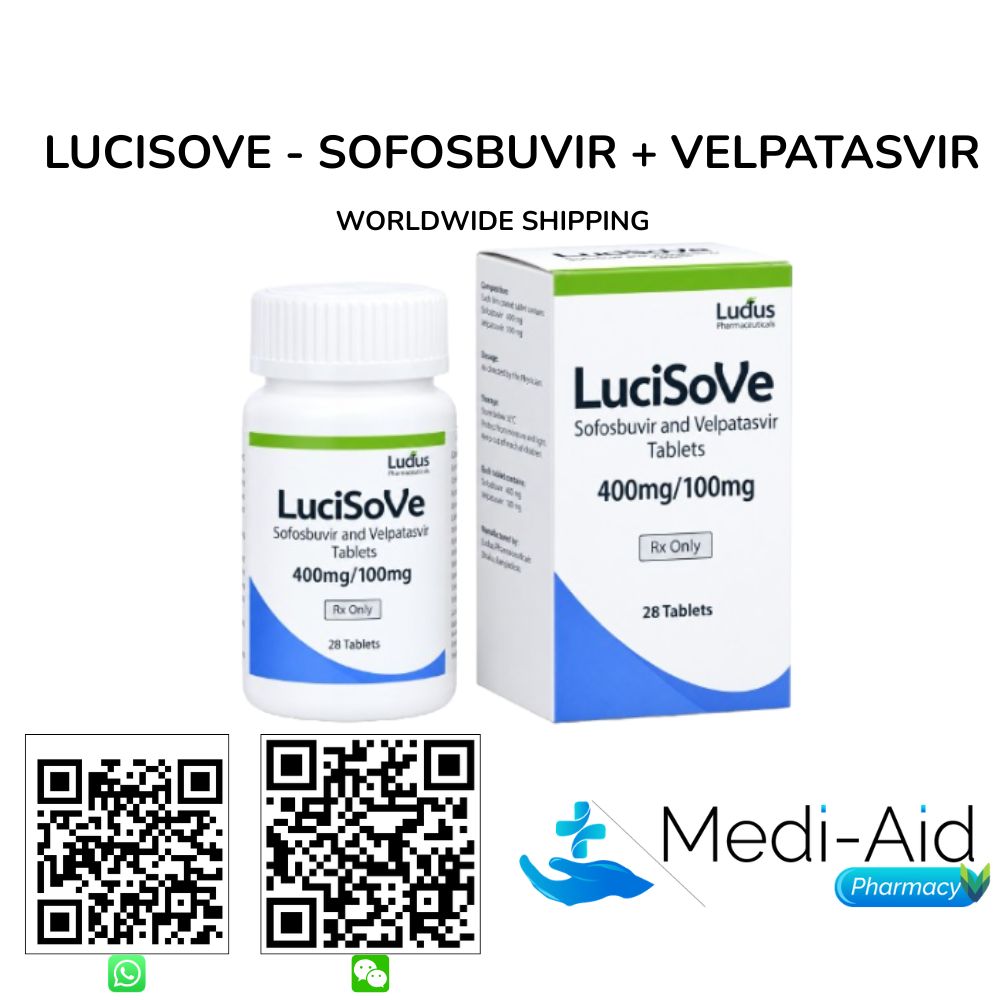
LuciSoVe 400 MG/100 MG (Sofosbuvir + Velpatasvir) is a fixed-dose, dual-mechanism, pan-genotypic direct-acting antiviral (DAA) combination tablet co-formulating sofosbuvir 400 mg, a nucleotide analog inhibitor of the hepatitis C virus (HCV) NS5B RNA-dependent RNA polymerase (RdRp), with velpatasvir 100 mg, a pan-genotypic NS5A replication complex inhibitor that blocks HCV RNA replication complex assembly, NS5A hyperphosphorylation cycling, and virion assembly simultaneously supplied as a once-daily film-coated tablet, 400 mg/100 mg strength, in a 28-tablet container/bottle and manufactured by Lucius Pharmaceuticals (Lao) Co., Ltd. in Laos.
The active ingredients of LuciSoVe correspond to the originator brand Epclusa (Gilead Sciences, Inc., U.S. FDA approved June 28, 2016), the first pan-genotypic single-tablet HCV regimen approved in the United States. LuciSoVe is indicated for the treatment of chronic hepatitis C virus (HCV) infection in adults and pediatric patients across all six HCV genotypes (genotype 1, 2, 3, 4, 5, and 6) a pan-genotypic indication eliminating the need for genotype testing before treatment initiation in settings where genotyping is unavailable or cost-prohibitive. One LuciSoVe tablet once daily, with or without food, for 12 weeks achieves SVR12 (sustained virologic response at 12 weeks post-treatment, the functional definition of HCV cure) in 99% of genotype 1, 2, 4, 5, and 6 patients (ASTRAL-1 and ASTRAL-2 trials) and 95% of genotype 3 patients (ASTRAL-3 trial) in treatment-naive and treatment-experienced adults without and with compensated cirrhosis. Searching for LuciSoVe 400 MG/100 MG Sofosbuvir + Velpatasvir? Mediaid Pharmacy lists this product across its hepatitis C medicines and Lucius Pharmaceuticals portfolios and ships it worldwide.
Basic Product Information of LuciSoVe 400 MG/100 MG (Sofosbuvir + Velpatasvir)
| Brand Name | LuciSoVe 400 MG/100 MG (Sofosbuvir + Velpatasvir) |
| Product Name | LuciSoVe |
| Generic Name | Sofosbuvir INN (400 mg) + Velpatasvir INN (100 mg) Fixed-Dose Combination |
| Drug Class | Fixed-Dose Combination Direct-Acting Antiviral (DAA); Sofosbuvir: Nucleotide Analog NS5B RNA-Dependent RNA Polymerase Inhibitor; Velpatasvir: Pan-Genotypic NS5A Replication Complex Inhibitor; Pan-Genotypic Hepatitis C Antiviral Agent; HCV Dual-Mechanism DAA Combination |
| Formulation | Film-Coated Tablet (Oral, Fixed-Dose Combination) |
| Available Strength | Sofosbuvir 400 mg + Velpatasvir 100 mg per tablet |
| Available Pack Size | 28 Tablets per Container/Bottle |
| Recommended Dose | Chronic HCV Infection all genotypes (standard): One LuciSoVe tablet (sofosbuvir 400 mg + velpatasvir 100 mg) orally once daily, with or without food, for 12 weeks. Swallow tablets whole; do not crush, split, or chew. Take LuciSoVe at the same time each day. Genotype 3 patients with compensated cirrhosis or prior treatment failure: LuciSoVe once daily plus weight-based ribavirin for 12 weeks, per prescriber guidance. Decompensated cirrhosis (Child-Pugh B or C): LuciSoVe once daily plus weight-based ribavirin for 12 weeks. |
| Primary Indication | Chronic hepatitis C virus (HCV) infection in adults and pediatric patients (aged 6 years and older, or 3 years and older in lower-weight formulations) across all HCV genotypes (1, 2, 3, 4, 5, and 6). LuciSoVe is indicated as a pan-genotypic, single-tablet, once-daily regimen. Always consult the full prescribing information and the treating hepatologist or infectious disease specialist for complete indication-specific and patient-specific guidance. |
| Manufacturer | Lucius Pharmaceuticals (Lao) Co., Ltd., Laos |
| Country of Origin | Laos |
| Originator Reference Brand | Epclusa (sofosbuvir 400 mg + velpatasvir 100 mg film-coated tablets, by Gilead Sciences, Inc. approved by the U.S. FDA on June 28, 2016, for the treatment of chronic HCV genotype 1, 2, 3, 4, 5, and 6 infection in adults; the first pan-genotypic single-tablet HCV treatment approved in the United States; also WHO-prequalified for pan-genotypic HCV use). Epclusa contains sofosbuvir and velpatasvir INN at the same 400 mg/100 mg fixed-dose strengths. LuciSoVe is manufactured by Lucius Pharmaceuticals (Lao) Co., Ltd. in Laos and is supplied through Mediaid Pharmacy for international procurement. |
| Global Supplier | Mediaid Pharmacy, Worldwide Shipping Available |
| Storage Conditions | Store at room temperature (20°C to 25°C); excursions permitted between 15°C and 30°C. Store in the original tightly closed container or bottle and protect from moisture and light. Keep out of the reach of children. |
How LuciSoVe (Sofosbuvir + Velpatasvir) Works: Dual-Mechanism, Complementary HCV Replication Blockade Across All Genotypes
LuciSoVe combines two mechanistically distinct and pharmacologically complementary direct-acting antivirals sofosbuvir INN and velpatasvir INN in a single film-coated tablet, targeting two essential but non-overlapping steps in the hepatitis C virus (HCV) replication cycle simultaneously. Chronic HCV infection is driven by relentless intrahepatic replication: the HCV positive-sense single-stranded RNA genome is translated by host ribosomes into a polyprotein, which is cleaved into structural proteins (core, E1, E2) and nonstructural proteins (NS2, NS3, NS4A, NS4B, NS5A, NS5B).
NS5B performs the RNA-dependent RNA polymerase (RdRp) function required for negative-strand RNA synthesis from the genomic template; NS5A coordinates the assembly of the membranous replication compartment, regulates replication throughput via phosphorylation cycling, and interfaces with core protein at lipid droplets to package nascent genomes into virions. By targeting both NS5B (via sofosbuvir) and NS5A (via velpatasvir) simultaneously, LuciSoVe applies dual antiviral pressure at separate mechanistic nodes a combination design that dramatically reduces the probability of resistance emergence compared to targeting either protein alone, because a virus would require simultaneous resistance mutations at two distinct protein targets to escape the combination.
Mechanism 1 Sofosbuvir: HCV NS5B RNA-Dependent RNA Polymerase Inhibition via Obligate Chain Termination
Sofosbuvir is an orally bioavailable monophosphate prodrug that is metabolized intracellularly primarily in hepatocytes to its active metabolite, GS-461203 (sofosbuvir uridine triphosphate, or SOF-UTP). The metabolic activation of sofosbuvir proceeds through a hepatocyte-selective phosphorylation cascade: after oral absorption and hepatic first-pass, sofosbuvir undergoes cathepsin A-mediated cleavage of its phosphoramidate protecting group to release the nucleotide monophosphate, followed by sequential kinase-mediated phosphorylation to the active triphosphate SOF-UTP. SOF-UTP acts as a competitive substrate inhibitor of HCV NS5B RdRp, competing with the natural substrate uridine triphosphate (UTP) for incorporation into the nascent negative-strand HCV RNA chain.
Once SOF-UTP is incorporated by NS5B, the 2′-methyl group of the incorporated nucleotide analog sterically blocks the arrival of the next incoming nucleotide at the RdRp active site, causing obligate chain termination of HCV RNA synthesis. Crucially, SOF-UTP has a greater than 1,000-fold selectivity for HCV NS5B over human RNA polymerases and shows no inhibitory activity against human mitochondrial RNA polymerase (POLRMT) at clinically relevant concentrations establishing a broad safety margin at the target level. Sofosbuvir’s pan-genotypic activity arises from the high conservation of the NS5B catalytic domain across HCV genotypes 1 through 6; the nucleotide binding site targeted by sofosbuvir is structurally conserved because it is essential for RdRp function in all genotypes. The resistance barrier of sofosbuvir is correspondingly high: the S282T substitution in NS5B is the primary sofosbuvir resistance-associated substitution (RAS) detected in replicon studies, but it emerges rarely in clinical practice due to the severe fitness cost it imposes on HCV replication.
Mechanism 2 Velpatasvir: Pan-Genotypic HCV NS5A Replication Complex Inhibition
Velpatasvir is a second-generation pan-genotypic NS5A inhibitor with picomolar potency against HCV genotypes 1 through 6 in cell-based replicon assays (EC50 values of 0.005 nM against genotype 1a, 0.020 nM against genotype 3a, and 0.016 nM against genotype 4a representing improvements of 10- to 100-fold over first-generation NS5A inhibitors such as daclatasvir and ledipasvir in genotype 3 coverage). Velpatasvir binds HCV NS5A domain I and disrupts NS5A’s three essential functions in the HCV replication cycle: (i) nucleation of the HCV RNA replication complex on endoplasmic reticulum-derived double-membrane vesicle (DMV) structures, preventing initiation of negative-strand RNA synthesis; (ii) regulation of NS5A hyperphosphorylation-dependent switching between RNA replication and virion assembly phases, disrupting the orderly progression of the viral life cycle; and (iii) NS5A-mediated trafficking of newly synthesized HCV genomic RNA to lipid droplet-associated virion packaging sites, impairing nucleocapsid assembly and infectious virion release. Velpatasvir’s superior pan-genotypic NS5A inhibitory potency compared to first-generation NS5A inhibitors particularly against the historically challenging HCV genotype 3 reflects its improved structural fit with NS5A domain I variants found in genotype 3, enabling the ASTRAL-3 trial result of 95% SVR12 in genotype 3 without requiring the addition of ribavirin for treatment-naive patients without cirrhosis.
Pharmacokinetic and drug interaction profile of LuciSoVe: Sofosbuvir is absorbed rapidly after oral administration with peak plasma concentrations (Tmax) at approximately 0.5 to 1 hour; its metabolite GS-331007 (the predominant circulating nucleoside) reaches Tmax at approximately 3.5 hours. Food modestly increases sofosbuvir AUC. Velpatasvir reaches peak plasma concentrations at approximately 3 hours after oral administration; velpatasvir AUC increases approximately 1.5-fold when taken with a high-fat meal, though administration with or without food is acceptable. Velpatasvir is a substrate of P-gp, BCRP, OATP1B1, and OATP1B3, and is metabolized by CYP2B6, CYP2C8, and CYP3A4 making drug interaction management critical (see the Indications, Dosing, and Key Safety Information table below). For the complete portfolio of pan-genotypic hepatitis C direct-acting antiviral medicines available at Mediaid Pharmacy, visit the hepatitis C medicines collection.
LuciSoVe 400 MG/100 MG (Sofosbuvir + Velpatasvir): Indications, Dosing, and Key Safety Information
| Approved Indication | Chronic Hepatitis C Virus (HCV) Infection All Genotypes: LuciSoVe (Sofosbuvir + Velpatasvir) is indicated for the treatment of chronic hepatitis C virus (HCV) infection in adults and pediatric patients across all six HCV genotypes (genotype 1, 2, 3, 4, 5, and 6), including patients without cirrhosis, patients with compensated cirrhosis (Child-Pugh A), and in combination with weight-based ribavirin patients with decompensated cirrhosis (Child-Pugh B or C). The pan-genotypic indication of LuciSoVe supports treatment initiation without mandatory HCV genotyping in settings where genotyping infrastructure is limited. LuciSoVe must be used as directed by a hepatologist or infectious disease specialist; the decision to add ribavirin is determined by HCV genotype, cirrhosis status, and prior treatment history. |
| Recommended Dose | HCV genotypes 1, 2, 4, 5, 6 without or with compensated cirrhosis: One LuciSoVe tablet once daily, with or without food, for 12 weeks.
HCV genotype 3 without cirrhosis, treatment-naive: One LuciSoVe tablet once daily, with or without food, for 12 weeks. HCV genotype 3 with compensated cirrhosis, or treatment-experienced without cirrhosis: One LuciSoVe tablet once daily plus weight-based ribavirin (per ribavirin prescribing information) for 12 weeks, per prescriber assessment and guideline recommendations. Decompensated cirrhosis (Child-Pugh B or C) any genotype: One LuciSoVe tablet once daily plus weight-based ribavirin for 12 weeks. Swallow LuciSoVe tablets whole; do not crush, split, or chew. Administer LuciSoVe at the same time each day. |
| Dose Modification | No dose adjustment of LuciSoVe is required for patients with any degree of renal impairment, including patients with end-stage renal disease (ESRD) on hemodialysis; sofosbuvir and velpatasvir pharmacokinetics are not meaningfully affected by renal impairment. No dose adjustment is required for patients with mild or moderate hepatic impairment (Child-Pugh A or B); for decompensated cirrhosis (Child-Pugh C), LuciSoVe plus ribavirin for 12 weeks is the recommended regimen with the ribavirin dose adjusted per the ribavirin prescribing information (with reductions for anemia if required). Co-administration with contraindicated drugs (strong inducers, amiodarone, rosuvastatin) requires drug substitution rather than dose adjustment; see Drug Interactions below. |
| Missed Dose | If a LuciSoVe dose is missed and it is remembered within 18 hours of the scheduled time, take it as soon as possible. If more than 18 hours have passed, skip the missed dose and resume the regular once-daily schedule the following day. Do not take 2 doses on the same day to compensate for a missed dose. Maintaining consistent once-daily dosing throughout the full 12-week treatment course is critical for achieving SVR12 (sustained virologic response) and preventing virologic failure. |
| Key Warnings and Precautions | Serious Symptomatic Bradycardia with Amiodarone Co-administration (BLACK BOX WARNING): Serious symptomatic bradycardia, including fatal cardiac arrest, has been reported when amiodarone is co-administered with sofosbuvir-containing HCV regimens, including LuciSoVe. Amiodarone is contraindicated with LuciSoVe. For patients in whom no alternative to amiodarone exists, cardiac monitoring in an inpatient setting for the first 48 hours of co-administration is required; daily self-monitoring of heart rate is required for the first 2 weeks thereafter. Patients developing symptoms of bradycardia (near-syncope, lightheadedness, dizziness, dyspnea, chest pain, or palpitations) must seek immediate medical evaluation.
Risk of Hepatitis B Virus (HBV) Reactivation (BLACK BOX WARNING): HBV reactivation including fulminant hepatitis, hepatic failure, and death has been reported in HCV/HBV co-infected patients during or after HCV DAA treatment, including sofosbuvir-containing regimens. All patients must be screened for current or prior HBV infection (HBsAg, anti-HBc, anti-HBs) before initiating LuciSoVe. Patients with evidence of current or prior HBV infection require monitoring throughout LuciSoVe treatment and for several months after completion; anti-HBV treatment must be initiated if clinically indicated by the treating hepatologist. Drug-Drug Interactions (Contraindicated combinations): Strong P-gp inducers and CYP inducers (rifampin, carbamazepine, phenytoin, phenobarbital, St. John’s Wort) significantly reduce sofosbuvir and velpatasvir plasma concentrations to sub-therapeutic levels and are contraindicated with LuciSoVe. Rosuvastatin co-administration is contraindicated due to substantially increased rosuvastatin exposure and associated myopathy risk. See Drug Interactions row for complete management guidance. Proton Pump Inhibitor (PPI) Use: Velpatasvir solubility decreases at higher pH. PPIs substantially reduce velpatasvir plasma exposure. If PPI co-administration cannot be avoided, omeprazole maximum 20 mg may be co-administered simultaneously with LuciSoVe with food; PPIs at doses higher than omeprazole 20 mg equivalents should not be used with LuciSoVe. H2-receptor antagonists (famotidine, ranitidine) at doses equivalent to famotidine 40 mg twice daily may be taken simultaneously with LuciSoVe with food or 12 hours apart. Antacids should be separated from LuciSoVe by at least 4 hours. |
| Common Adverse Reactions | In the Phase 3 ASTRAL clinical trials, LuciSoVe (Sofosbuvir + Velpatasvir) was generally well tolerated. The most common adverse reactions occurring in 10% or more of patients include headache, fatigue, nausea, and asthenia. These are typically mild-to-moderate in severity; discontinuation due to adverse events in Phase 3 trials was rare (<1%). In the ASTRAL-4 trial (decompensated cirrhosis patients receiving LuciSoVe plus ribavirin), fatigue and anemia were more commonly reported, consistent with ribavirin’s known hemolytic anemia adverse effect. Monitor HCV RNA at baseline, week 4, end of treatment, and 12 weeks post-treatment (SVR12). Monitor liver function tests, bilirubin, and complete blood count at baseline and periodically during therapy, particularly in patients with decompensated cirrhosis or those receiving concurrent ribavirin. Report any cardiac symptoms bradycardia, lightheadedness, syncope, or palpitations immediately to the treating hepatologist. |
| Drug Interactions | Amiodarone (Contraindicated): Co-administration of amiodarone with LuciSoVe is contraindicated due to the risk of serious symptomatic bradycardia and fatal cardiac arrest; this risk is specific to the sofosbuvir component. Discontinue amiodarone before initiating LuciSoVe therapy where clinically possible.
Strong P-gp and CYP Inducers (Contraindicated): Rifampin, rifabutin, rifapentine, carbamazepine, phenytoin, phenobarbital, oxcarbazepine, and St. John’s Wort reduce both sofosbuvir and velpatasvir plasma concentrations to sub-therapeutic levels and are contraindicated with LuciSoVe; these drugs may cause virologic treatment failure and risk emergence of HCV resistance-associated substitutions. Rosuvastatin (Contraindicated): LuciSoVe increases rosuvastatin exposure (Cmax and AUC) via OATP1B1/OATP1B3 inhibition by velpatasvir; co-administration is contraindicated due to the risk of myopathy and rhabdomyolysis. Other statins (atorvastatin, fluvastatin, simvastatin, pravastatin) require monitoring and dose reduction where appropriate; consult prescribing information for each statin. Proton Pump Inhibitors: PPIs reduce velpatasvir absorption at higher gastric pH. Omeprazole 20 mg (maximum) co-administered simultaneously with LuciSoVe with food is permitted; PPIs above this dose equivalence should be avoided. Switch PPI therapy to an H2-receptor antagonist or antacid where clinically appropriate before initiating LuciSoVe. Antiretroviral Interactions in HIV/HCV Co-Infection: Efavirenz substantially reduces velpatasvir exposure and should not be co-administered with LuciSoVe. Atazanavir (with or without cobicistat or ritonavir) increases velpatasvir exposure; monitor for velpatasvir-associated adverse effects. Tenofovir disoproxil fumarate (TDF) plasma concentrations increase with LuciSoVe co-administration via P-gp inhibition; monitor for TDF-associated renal and bone adverse effects. Disclose all medications including antiretrovirals, antifungals, antiepileptics, acid-suppressing agents, statins, and herbal supplements to the treating hepatologist before initiating LuciSoVe 400 MG/100 MG. |
| Renal Impairment | No dose adjustment of LuciSoVe is required for patients with any degree of renal impairment, including patients with severe renal impairment (eGFR <30 mL/min/1.73 m²) or end-stage renal disease (ESRD) on hemodialysis. Neither sofosbuvir nor velpatasvir requires dose reduction based on renal function. However, the GS-331007 metabolite of sofosbuvir accumulates in patients with severe renal impairment and ESRD; the safety of prolonged sofosbuvir exposure in this population has been studied and LuciSoVe may be used in patients with ESRD based on the available evidence. When LuciSoVe is co-administered with ribavirin in renally impaired patients, ribavirin’s contraindication at CrCl <50 mL/min applies and governs the overall regimen safety assessment. Consult the treating hepatologist and nephrologist for patients with severe renal impairment requiring HCV DAA therapy, particularly when ribavirin addition is being considered. |
| Pregnancy and Lactation | The safety of sofosbuvir and velpatasvir during human pregnancy has not been established through adequate clinical trials. Animal reproduction studies showed no evidence of embryotoxicity or teratogenicity for sofosbuvir or velpatasvir at doses substantially exceeding clinical therapeutic exposures, but these results cannot reliably predict human risk. Treatment of chronic HCV infection is generally deferred until after pregnancy is completed in most international clinical guidelines, since untreated chronic HCV rarely causes acute harm during pregnancy and highly effective DAA therapy can be safely initiated postpartum. When LuciSoVe is prescribed with ribavirin (for decompensated cirrhosis or selected genotype 3 patients), ribavirin’s absolute contraindication in pregnancy governs the combination regimen mandatory dual contraception for both patient and partner throughout ribavirin treatment and for 6 months after the last ribavirin dose, monthly pregnancy testing, and immediate notification to the treating hepatologist and obstetrician if pregnancy occurs. Breastfeeding is not recommended during LuciSoVe treatment due to the unknown potential for sofosbuvir or velpatasvir exposure in nursing infants. Consult the treating hepatologist and obstetrician before initiating, continuing, or discontinuing LuciSoVe in patients who are pregnant, planning pregnancy, or breastfeeding. |
Who Should Use LuciSoVe 400 MG/100 MG (Sofosbuvir + Velpatasvir)?
LuciSoVe 400 MG/100 MG (Sofosbuvir + Velpatasvir) is indicated for adult patients and pediatric patients with chronic hepatitis C virus (HCV) infection across all six HCV genotypes who have been prescribed a LuciSoVe-based regimen by a hepatologist or infectious disease specialist. The pan-genotypic indication of LuciSoVe is its defining clinical attribute eliminating the genotype-specific treatment selection that was required with first-generation DAA regimens and enabling treatment initiation in settings where HCV genotype testing is unavailable, delayed, or cost-prohibitive.
The global HCV disease burden establishes the public health imperative for LuciSoVe: the World Health Organization (WHO) estimates that approximately 58 million people live with chronic HCV infection worldwide, with approximately 1.5 million new infections occurring annually, and untreated chronic HCV carries a 15 to 30% lifetime risk of progressing to cirrhosis. SVR12 achieved with LuciSoVe is associated with a greater than 70% reduction in the risk of hepatocellular carcinoma (HCC) and significant regression of liver fibrosis in non-cirrhotic patients, establishing DAA-achieved SVR as a disease-modifying intervention.
Clinical settings where LuciSoVe (Sofosbuvir + Velpatasvir) is prescribed: LuciSoVe is recommended in all of the following patient categories based on Phase 3 ASTRAL and POLARIS trial data and international guideline endorsements (WHO, EASL, AASLD):
(i) Treatment-naive HCV patients of any genotype without cirrhosis LuciSoVe 12 weeks achieves SVR12 in 99% of genotype 1, 2, 4, 5, and 6 patients and 95% of genotype 3 patients, with no ribavirin required;
(ii) Treatment-experienced HCV patients (prior interferon-based or DAA-based therapy) across genotypes 1 through 6 LuciSoVe has demonstrated robust SVR12 rates in treatment-experienced patients across genotypes, including patients with prior sofosbuvir + ribavirin failure;
(iii) HCV patients with compensated cirrhosis (Child-Pugh A) LuciSoVe 12 weeks without ribavirin achieved SVR12 in 88% of genotype 3 patients with cirrhosis in ASTRAL-3; addition of ribavirin or extension to 24 weeks may be considered for this subgroup per prescriber guidance;
(iv) HCV patients with decompensated cirrhosis (Child-Pugh B or C) LuciSoVe plus ribavirin for 12 weeks achieved SVR12 in 83% to 87% of Child-Pugh B patients and 56% to 63% of Child-Pugh C patients in the ASTRAL-4 trial, representing a treatment advance for a population previously considered too frail for interferon-based therapy;
(v) HIV/HCV co-infected patients sofosbuvir/velpatasvir achieves SVR12 rates comparable to HCV-monoinfected patients in HIV/HCV co-infected adults on stable antiretroviral therapy, with dose and drug interaction management for CYP3A4-active antiretrovirals; and
(vi) Patients in HCV elimination programs and lower-income settings LuciSoVe’s pan-genotypic single-tablet formulation, 12-week treatment duration, and food-independent dosing align with the operational requirements of mass HCV treatment programs.
Patient selection exclusion criteria for LuciSoVe: LuciSoVe must not be co-administered with amiodarone; is contraindicated with strong CYP/P-gp inducers; requires mandatory baseline HBV screening and monitoring; requires acid-suppression management (PPI substitution or dose capping); and requires statin review and substitution of rosuvastatin before treatment initiation. Hepatology centers and specialist practices sourcing LuciSoVe as the backbone of a complete HCV treatment program can browse the full hepatitis C treatment medicines portfolio at Mediaid Pharmacy before requesting a consolidated supply quotation.
Global Supplier: Mediaid Pharmacy Worldwide Shipping for LuciSoVe 400 MG/100 MG (Sofosbuvir + Velpatasvir)
Mediaid Pharmacy is a Dhaka-based supplier of specialty antiviral, hepatology, and targeted medicines with worldwide shipping to patients, hepatology clinics, liver disease hospitals, infectious disease centers, international distributors, and healthcare providers across all regions. LuciSoVe 400 MG/100 MG (Sofosbuvir + Velpatasvir), manufactured by Lucius Pharmaceuticals (Lao) Co., Ltd. in Laos, is supplied as fixed-dose combination film-coated tablets sofosbuvir 400 mg plus velpatasvir 100 mg per tablet, 28 tablets per container/bottle with pricing quotations, stock confirmation, full product documentation, and end-to-end international delivery tracking for every order.
The 28-tablet container aligns to a standard 4-week supply at the once-daily dosing schedule of LuciSoVe; patients and hepatology pharmacies completing a standard 12-week HCV treatment course require 3 containers per patient, providing a straightforward procurement calculation for hepatology program coordinators and pharmacy procurement teams managing cohort-based HCV treatment at scale. Individual patients seeking affordable access to sofosbuvir + velpatasvir 400 mg/100 mg tablets for their HCV treatment course; hepatologists and gastroenterologists prescribing LuciSoVe as the backbone of pan-genotypic HCV therapy; hospital pharmacy teams; national HCV elimination program procurement officers; and international distributors supplying HCV medicines to clinics across Africa, Asia, Eastern Europe, and Latin America can contact the Mediaid Pharmacy team through WhatsApp, phone, or WeChat for all inquiries regarding LuciSoVe stock availability, current pricing, and international delivery timelines.
Procurement teams co-sourcing LuciSoVe with complementary ribavirin, pegylated interferon, or other hepatology agents can browse the complete hepatitis C medicines collection and the Lucius Pharmaceuticals medicines portfolio before requesting a consolidated supply quotation for the complete HCV treatment package.
Why Choose LuciSoVe 400 MG/100 MG (Sofosbuvir + Velpatasvir) from Mediaid Pharmacy?
LuciSoVe 400 MG/100 MG (Sofosbuvir + Velpatasvir) provides hepatologists, gastroenterologists, infectious disease specialists, and HCV treatment program coordinators with a pan-genotypic, dual-mechanism, single-tablet HCV regimen backed by the Phase 3 ASTRAL and POLARIS clinical trial programs the most comprehensive DAA registration dataset for a single fixed-dose combination in HCV treatment history. The ASTRAL program enrolled over 1,600 patients across genotypes 1 through 6 in four randomized controlled trials: ASTRAL-1 (99% SVR12 in genotypes 1, 2, 4, 5, 6 with LuciSoVe 12 weeks, placebo-controlled); ASTRAL-2 (99% SVR12 in genotype 2 with LuciSoVe 12 weeks versus sofosbuvir plus ribavirin 12 weeks); ASTRAL-3 (95% SVR12 in genotype 3 with LuciSoVe 12 weeks versus sofosbuvir plus ribavirin 24 weeks, with comparable SVR12 rates achieved in 12 weeks without ribavirin versus 24 weeks with ribavirin for genotype 3 establishing a significant treatment simplification for this difficult-to-treat genotype); and ASTRAL-4 (83 to 87% SVR12 in decompensated cirrhosis Child-Pugh B patients with LuciSoVe plus ribavirin 12 weeks the first large Phase 3 demonstration of effective DAA-based treatment in decompensated liver disease).
The POLARIS-3 and POLARIS-4 trials subsequently confirmed the utility of LuciSoVe in treatment-experienced patients and further characterized genotype 3 with cirrhosis outcomes. The pan-genotypic label of LuciSoVe covering genotypes 1, 2, 3, 4, 5, and 6 in a single once-daily tablet delivers a prescribing simplicity that first-generation DAA regimens did not offer: hepatologists can initiate LuciSoVe therapy without awaiting genotype confirmation in settings where genotyping turnaround is slow, cost-prohibitive, or unavailable, reducing time-to-treatment-initiation that directly impacts patient outcomes and HCV elimination program throughput. The food-independent dosing of LuciSoVe (tablets may be taken with or without food) removes the food-timing compliance burden that ribavirin-based regimens impose, improving real-world adherence in diverse patient populations and treatment settings.
The 28-tablet container format of LuciSoVe supports the standard 4-week dispensing cycle used in hepatology outpatient pharmacies, hospital pharmacy, and community dispensing programs; a 12-week standard HCV treatment course requires exactly 3 containers per patient, enabling precise procurement planning at any treatment program scale from individual patient supply to national cohort-based HCV elimination procurement. LuciSoVe is manufactured by Lucius Pharmaceuticals (Lao) Co., Ltd. in Laos and is available through Mediaid Pharmacy with full product documentation, specialist supply coordination, and worldwide shipping from Dhaka. To source additional Lucius Pharmaceuticals antiviral and hepatology medicines, visit the Mediaid Pharmacy Lucius Pharmaceuticals medicines section and the HCV medicines portfolio, and contact the team for a personalized supply quotation for LuciSoVe 400 MG/100 MG Sofosbuvir + Velpatasvir.
Frequently Asked Questions About LuciSoVe 400 MG/100 MG (Sofosbuvir + Velpatasvir)
What is LuciSoVe 400 MG/100 MG (Sofosbuvir + Velpatasvir) used for?
LuciSoVe 400 MG/100 MG (Sofosbuvir + Velpatasvir) is a fixed-dose combination direct-acting antiviral (DAA) tablet used for the treatment of chronic hepatitis C virus (HCV) infection in adults and pediatric patients across all six HCV genotypes (1, 2, 3, 4, 5, and 6). Sofosbuvir (400 mg) inhibits the HCV NS5B RNA-dependent RNA polymerase through obligate chain termination after intracellular activation to its triphosphate metabolite GS-461203; velpatasvir (100 mg) blocks the HCV NS5A protein at domain I, disrupting replication complex assembly, NS5A hyperphosphorylation cycling, and virion packaging simultaneously. Together, they form a dual-mechanism, pan-genotypic regimen administered as one tablet once daily, with or without food, for 12 weeks in most patients. Daclatasvir must never be used as monotherapy for HCV. LuciSoVe is manufactured by Lucius Pharmaceuticals (Lao) Co., Ltd. in Laos and is available through Mediaid Pharmacy with worldwide shipping.
What is the generic name of LuciSoVe?
The generic name of LuciSoVe is sofosbuvir/velpatasvir INN a fixed-dose combination of sofosbuvir 400 mg and velpatasvir 100 mg per film-coated tablet. LuciSoVe is the brand name registered by Lucius Pharmaceuticals (Lao) Co., Ltd. for this combination manufactured in Laos, supplied in a 28-tablet container/bottle that supports the standard once-daily dosing schedule for the 12-week HCV treatment course. The originator reference brand is Epclusa (Gilead Sciences, Inc., U.S. FDA approved June 28, 2016 the first pan-genotypic single-tablet HCV treatment approved in the United States, and WHO-prequalified for pan-genotypic HCV use globally). Mediaid Pharmacy distributes LuciSoVe globally with worldwide shipping to patients, hepatology centers, hospitals, and specialist clinics.
What is the dose of LuciSoVe 400 MG/100 MG (Sofosbuvir + Velpatasvir) for hepatitis C?
The recommended dose of LuciSoVe (Sofosbuvir + Velpatasvir) for chronic hepatitis C is one tablet (sofosbuvir 400 mg plus velpatasvir 100 mg) taken orally once daily, with or without food, for 12 weeks in most patients across all six HCV genotypes. In genotype 3 patients with compensated cirrhosis or prior treatment failure, the addition of weight-based ribavirin to LuciSoVe once daily for 12 weeks is recommended per prescriber assessment and clinical guidelines. In patients with decompensated cirrhosis (Child-Pugh B or C) of any genotype, LuciSoVe once daily plus weight-based ribavirin for 12 weeks is the recommended regimen. Swallow LuciSoVe tablets whole; do not crush, split, or chew. Take LuciSoVe at the same time each day and complete the full prescribed 12-week course even when HCV RNA becomes undetectable during therapy.
What HCV genotypes does LuciSoVe (Sofosbuvir + Velpatasvir) treat?
LuciSoVe (Sofosbuvir + Velpatasvir) is indicated for all six HCV genotypes genotype 1, 2, 3, 4, 5, and 6 making it a true pan-genotypic HCV treatment that can be initiated without mandatory HCV genotype testing. In the Phase 3 ASTRAL trial program: ASTRAL-1 demonstrated 99% SVR12 in HCV genotype 1, 2, 4, 5, and 6 patients treated with LuciSoVe for 12 weeks without ribavirin; ASTRAL-2 confirmed 99% SVR12 in genotype 2 (versus sofosbuvir plus ribavirin); and ASTRAL-3 demonstrated 95% SVR12 in genotype 3 patients including treatment-experienced patients and those with compensated cirrhosis with LuciSoVe 12 weeks without ribavirin. The pan-genotypic coverage of LuciSoVe directly reflects the dual-mechanism design: sofosbuvir targets the highly conserved NS5B catalytic core common to all genotypes, while velpatasvir’s second-generation NS5A inhibitory potency including 10- to 100-fold improved activity against genotype 3 NS5A compared to first-generation NS5A inhibitors provides coverage of the full genotype spectrum. For the complete hepatitis C treatment medicines range at Mediaid Pharmacy, explore the full HCV medicines collection.
What is the difference between LuciSoVe (Sofosbuvir/Velpatasvir) and Epclusa?
LuciSoVe and Epclusa both contain sofosbuvir 400 mg plus velpatasvir 100 mg as a fixed-dose combination film-coated tablet and share the same dual-mechanism pan-genotypic direct-acting antiviral activity, the same pan-genotypic indication (chronic HCV genotypes 1 through 6), the same once-daily film-coated tablet formulation, and the same 12-week standard treatment course with or without ribavirin depending on patient profile. Epclusa is the originator brand developed by Gilead Sciences, Inc., approved by the U.S. FDA on June 28, 2016, as the first pan-genotypic single-tablet HCV treatment, and marketed in the United States, European Union, and other major markets at established originator pricing. LuciSoVe is manufactured by Lucius Pharmaceuticals (Lao) Co., Ltd. in Laos and is available through Mediaid Pharmacy for international procurement by hepatology clinics, HCV treatment programs, and patients in regions where Epclusa may be unavailable or cost-prohibitive. For the complete Lucius Pharmaceuticals antiviral medicines range available at Mediaid Pharmacy, visit the Lucius Pharmaceuticals medicines collection.
What are the side effects of LuciSoVe 400 MG/100 MG Sofosbuvir + Velpatasvir?
LuciSoVe (Sofosbuvir + Velpatasvir) is generally well tolerated. The most commonly reported adverse reactions in Phase 3 clinical trials (ASTRAL-1, ASTRAL-2, ASTRAL-3) occurring in 10% or more of patients include headache, fatigue, nausea, and asthenia; these are typically mild-to-moderate in severity. Discontinuation due to adverse events was rare (<1%) in Phase 3 registration trials. In patients receiving LuciSoVe plus ribavirin (for decompensated cirrhosis or selected genotype 3 patients), ribavirin-associated adverse effects particularly hemolytic anemia, fatigue, rash, insomnia, and gastrointestinal symptoms are superimposed on the LuciSoVe tolerability profile and become more clinically prominent. The most critical safety signal is symptomatic bradycardia, including fatal cardiac arrest cases, when the sofosbuvir component is co-administered with amiodarone; this combination is contraindicated. HBV reactivation has been reported in HCV/HBV co-infected patients receiving DAA therapy; all patients must be screened for HBV before initiating LuciSoVe. Always discuss the complete safety profile, monitoring plan, and contraindicated drug interactions with the treating hepatologist before starting LuciSoVe therapy.
Is LuciSoVe 400 MG/100 MG Sofosbuvir + Velpatasvir safe during pregnancy or while breastfeeding?
Adequate and well-controlled human studies of sofosbuvir/velpatasvir during pregnancy have not been conducted. Animal reproduction studies showed no teratogenicity or embryotoxicity for either component at doses substantially exceeding clinical therapeutic exposures, but these animal findings cannot reliably predict human risk. In most international clinical guidelines (WHO, EASL, AASLD), treatment of chronic HCV infection is deferred until after pregnancy is completed, since untreated chronic HCV rarely causes acute maternal or fetal harm during the gestational period, and effective DAA therapy can be safely initiated postpartum. When LuciSoVe is co-prescribed with ribavirin for decompensated cirrhosis or selected genotype 3 patients ribavirin’s absolute contraindication in pregnancy applies fully to the combination regimen: dual effective contraception is mandatory for both patient and partner throughout ribavirin therapy and for 6 months after the last ribavirin dose, with monthly pregnancy testing required. Breastfeeding is not recommended during LuciSoVe therapy due to the unknown potential for sofosbuvir or velpatasvir exposure in nursing infants. Consult the treating hepatologist and obstetrician immediately if pregnancy is planned or occurs during LuciSoVe treatment.
What drugs cannot be taken with LuciSoVe (Sofosbuvir + Velpatasvir)?
Several important drug interactions require avoidance or careful management with LuciSoVe (Sofosbuvir + Velpatasvir). Amiodarone is contraindicated with LuciSoVe due to the risk of serious symptomatic bradycardia and potentially fatal cardiac arrest via the sofosbuvir component; amiodarone must be discontinued before LuciSoVe initiation. Strong P-gp and CYP inducers including rifampin, rifabutin, carbamazepine, phenytoin, phenobarbital, and St. John’s Wort are contraindicated as they reduce sofosbuvir and velpatasvir plasma concentrations to sub-therapeutic levels, risking virologic failure and HCV resistance emergence. Rosuvastatin is contraindicated due to a clinically significant increase in rosuvastatin plasma exposure (via OATP1B1/1B3 inhibition by velpatasvir), which increases myopathy and rhabdomyolysis risk. Proton pump inhibitors substantially reduce velpatasvir exposure; if unavoidable, omeprazole maximum 20 mg taken simultaneously with LuciSoVe with food is the only permitted PPI co-administration. Efavirenz (HIV antiretroviral) significantly reduces velpatasvir exposure and should not be co-administered with LuciSoVe. Patients receiving HIV antiretroviral therapy who require HCV treatment with LuciSoVe should review their complete antiretroviral regimen with their infectious disease specialist and hepatologist before initiating LuciSoVe to identify and manage all relevant drug interactions.
Can I order LuciSoVe 400 MG/100 MG Sofosbuvir + Velpatasvir online with worldwide shipping?
Yes. Mediaid Pharmacy supplies LuciSoVe 400 MG/100 MG (Sofosbuvir + Velpatasvir) to patients, hepatology centers, hospitals, gastroenterology clinics, infectious disease units, national HCV treatment programs, international distributors, and healthcare providers globally. Contact Mediaid Pharmacy via WhatsApp, phone, or WeChat at +8801773428128, or email info@mediaidpharmacy.com for pricing, current stock availability, and international delivery details for your country.
Order LuciSoVe 400 MG/100 MG (Sofosbuvir + Velpatasvir) with Worldwide Shipping
Phone / WhatsApp / WeChat: +8801773428128 | Email: info@mediaidpharmacy.com


Reviews
There are no reviews yet.