Description
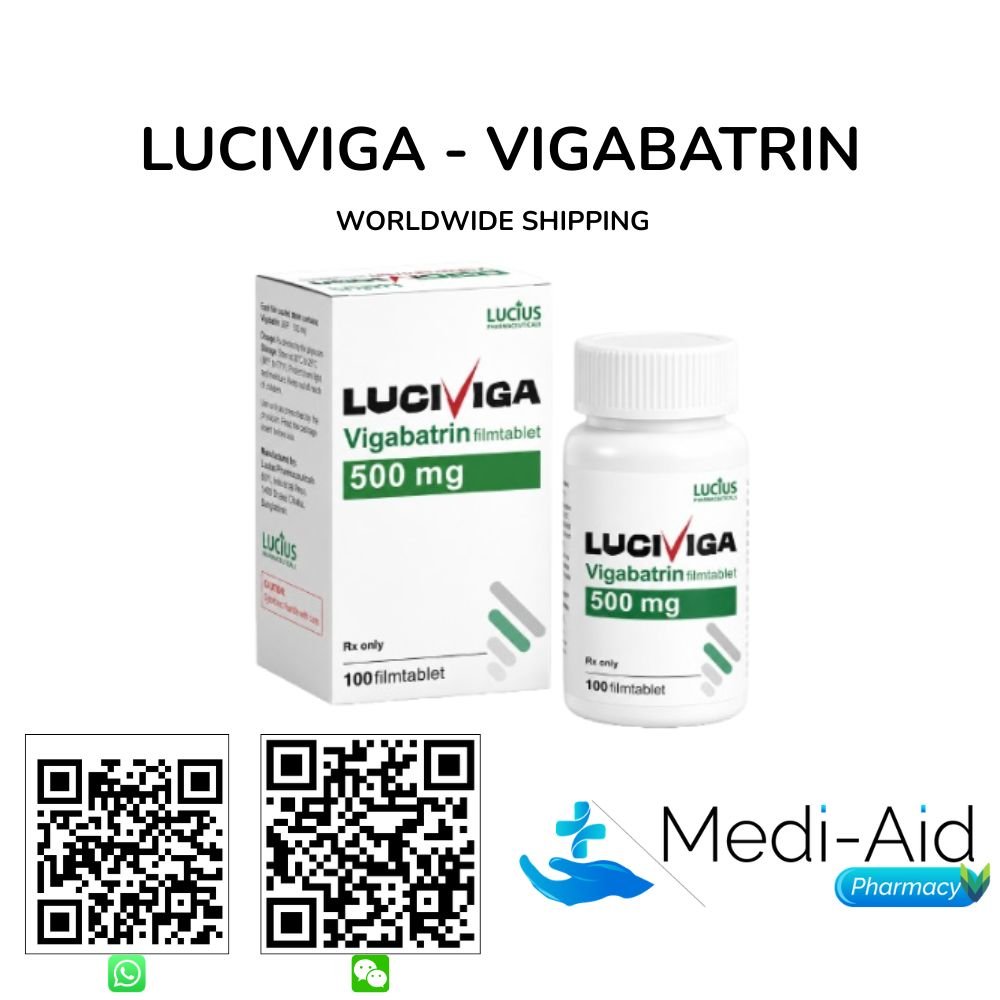
LuciViga 500 MG (Vigabatrin) is an orally administered irreversible GABA aminotransferase inhibitor and antiepileptic agent a selective, mechanism-based inhibitor of gamma-aminobutyric acid aminotransferase (GABA-AT), the enzyme responsible for GABA catabolism in the central nervous system, whose irreversible enzyme inhibition elevates synaptic GABA concentrations and suppresses neuronal hyperexcitability in patients with refractory seizures supplied as tablets in 500 mg strength in a 100-tablet pot and manufactured by Lucius Pharmaceuticals (Lao) Co., Ltd. in Laos.
Its active pharmaceutical ingredient, vigabatrin INN, is indicated as adjunctive therapy for refractory complex partial seizures (CPS) in adults and patients aged 10 years and older who have inadequately responded to several alternative antiepileptic treatments, and as monotherapy for infantile spasms (IS / West syndrome) in infants aged 1 month to 2 years of age for whom the potential benefit outweighs the risk of permanent vision loss. LuciViga 500 MG tablets are formulated for weight-independent adult CPS dosing initiated at 500 mg twice daily (1,000 mg/day) and titrated by 500 mg/day increments weekly toward the recommended effective dose of 1,500 mg twice daily (3,000 mg/day) with each 100-tablet pot supplying up to 50 days of therapy at a 1,000 mg twice-daily maintenance dose.
The FDA approval of vigabatrin for refractory CPS was supported by two Phase 3, US-based, multicentre, double-blind, placebo-controlled trials enrolling 357 adults; in the pivotal efficacy analyses, a statistically significant greater proportion of vigabatrin-treated patients achieved a clinically meaningful reduction in monthly CPS frequency compared with placebo. For infantile spasms, a post-hoc 24-hour clinical evaluation analysis across the key IS trial found a statistically significant overall spasm reduction in the vigabatrin group versus placebo (68.9% versus 17.0% reduction; p=0.030), and clinical experience consistently demonstrates complete cessation of infantile spasms in approximately 50% or more of treated infants.
Important: vigabatrin carries a required Risk Evaluation and Mitigation Strategy (REMS) black box warning for permanent bilateral concentric visual field constriction in more than 30% of patients a clinically critical consideration that must be discussed in full with the treating epileptologist before initiating LuciViga. Searching for LuciViga 500 MG Vigabatrin? Mediaid Pharmacy lists this product across its neurology medicines and Lucius Pharmaceuticals portfolios and ships it worldwide.
Basic Product Information of LuciViga 500 MG (Vigabatrin)
| Brand Name | LuciViga 500 MG (Vigabatrin) |
| Product Name | LuciViga |
| Generic Name | Vigabatrin INN |
| Drug Class | Anticonvulsant / Antiepileptic Drug (AED); Irreversible GABA Aminotransferase Inhibitor (GABA-AT Inhibitor); Mechanism-Based Enzyme Inhibitor; Adjunctive Antiepileptic Agent (Complex Partial Seizures); Monotherapy Agent (Infantile Spasms / West Syndrome) |
| Formulation | Tablet (Oral) |
| Available Strengths | 500 mg per tablet |
| Available Pack Size | 100 Tablets per pot |
| Dosing Schedule | Refractory Complex Partial Seizures (adults and patients ≥10 years): Initiate at 500 mg orally twice daily (1,000 mg/day); increase by 500 mg/day at weekly intervals as tolerated; recommended effective dose 1,500 mg twice daily (3,000 mg/day); maximum dose 3,000 mg/day. Administer with or without food. Infantile Spasms (1 month to 2 years): Initial dose 50 mg/kg/day (25 mg/kg twice daily); titrate by 25–50 mg/kg/day every 3 days to a maximum of 150 mg/kg/day, adjusted to response. Taper LuciViga gradually upon discontinuation do not stop abruptly. Consult the treating neurologist or epileptologist for individualised dose titration and monitoring schedules. |
| Primary Indications | (1) Refractory Complex Partial Seizures (CPS): Adjunctive therapy in adults and patients ≥10 years of age with refractory CPS who have inadequately responded to several alternative antiepileptic treatments. Vigabatrin is not indicated as first-line therapy for CPS.
(2) Infantile Spasms (IS) / West Syndrome: Monotherapy in infants 1 month to 2 years of age for whom the potential benefit of treatment clearly outweighs the risk of permanent vision loss. Not indicated in IS patients for whom an alternative effective treatment exists that does not carry comparable visual risk. |
| Manufacturer | Lucius Pharmaceuticals (Lao) Co., Ltd., Laos |
| Country of Origin | Laos |
| Originator Reference Brand | Sabril® (vigabatrin tablets 500 mg and powder for oral solution, by Lundbeck approved by the FDA in August 2009 for refractory CPS and infantile spasms; also marketed as Vigpoder®, Vigadrone®, and Vigafyde® in various markets). Both LuciViga and Sabril® contain vigabatrin INN as the active pharmaceutical ingredient in the same irreversible GABA-AT inhibitor drug class. LuciViga is manufactured by Lucius Pharmaceuticals (Lao) Co., Ltd. in Laos and is supplied through Mediaid Pharmacy for international procurement. |
| Global Supplier | Mediaid Pharmacy, Worldwide Shipping Available |
| Storage Conditions | Store at room temperature (15°C to 30°C). Keep in the original packaging and protect from moisture and light. Keep out of the reach of children. |
How LuciViga (Vigabatrin) Works: Irreversible GABA Aminotransferase Inhibition and GABAergic Neurotransmission Enhancement
Vigabatrin INN is an orally administered anticonvulsant whose mechanism of action is mechanistically distinct from all other antiepileptic drug classes: vigabatrin is a selective, irreversible, mechanism-based (enzyme-activated) inhibitor of gamma-aminobutyric acid aminotransferase (GABA-AT, also known as GABA transaminase), the mitochondrial enzyme that catalyses the conversion of GABA to succinic semialdehyde and ultimately to succinate in the GABAergic metabolic cycle.
GABA gamma-aminobutyric acid is the principal inhibitory neurotransmitter of the mammalian central nervous system; its synaptic and intracellular concentrations are tightly regulated by the opposing actions of glutamic acid decarboxylase (GAD), which synthesises GABA from glutamate, and GABA-AT, which degrades it. Vigabatrin acts as a suicide substrate it is accepted as a substrate by GABA-AT and undergoes enzyme-catalysed transamination that converts vigabatrin into a reactive intermediate that covalently and irreversibly modifies the active site of GABA-AT, permanently inactivating the enzyme and halting GABA catabolism in both neurons and astrocytes.
Because GABA-AT inhibition by vigabatrin is irreversible, recovery of enzymatic GABA degradation capacity requires new GABA-AT protein synthesis a process that takes days, explaining why the antiseizure effect of vigabatrin persists substantially beyond its plasma half-life (approximately 5–8 hours) and why dose-response relationships for vigabatrin are governed by cumulative inhibition of GABA-AT rather than by plasma concentration at any single time point.
The net pharmacological consequence of irreversible GABA-AT inhibition is a sustained, dose-dependent elevation of GABA concentrations in synaptic clefts and in cerebrospinal fluid, enhancing tonic inhibitory GABAergic neurotransmission throughout the central nervous system and raising the threshold for seizure generation and propagation in the epileptogenic foci responsible for complex partial seizure onset and for the cortical-subcortical circuit dysfunction underlying infantile spasms in West syndrome.
The pharmacokinetic profile of vigabatrin is characterised by high and predictable oral bioavailability (approximately 60–80%), rapid absorption reaching peak plasma concentrations within 1–2 hours, and predominantly renal excretion with approximately 80% of an oral dose recovered unchanged in urine making renal function the primary determinant of vigabatrin clearance and the key basis for dose reduction in patients with renal impairment. Vigabatrin does not significantly bind to plasma proteins, does not undergo hepatic cytochrome P450 metabolism, and does not inhibit or induce CYP enzymes at therapeutic doses a pharmacokinetic profile that substantially limits its potential for pharmacokinetic drug-drug interactions compared with older enzyme-inducing antiepileptic drugs such as carbamazepine, phenytoin, and phenobarbital.
The primary clinically significant drug interaction is a pharmacokinetic reduction in phenytoin plasma concentrations of approximately 20–30% observed during vigabatrin co-administration; this interaction is not mediated by CYP inhibition and its mechanism is not fully elucidated, but requires phenytoin level monitoring and potential dose adjustment when both agents are co-prescribed. Vigabatrin is well distributed throughout the central nervous system, with CSF GABA concentrations increasing substantially after treatment initiation a pharmacodynamic biomarker that directly correlates with the magnitude of GABA-AT inhibition and the antiseizure response. For the complete range of antiepileptic and specialist neurology medicines available at Mediaid Pharmacy, visit the neurology medicines collection.
LuciViga 500 MG (Vigabatrin): Indications, Dosing, and Key Safety Information
| Approved Indications | (1) Refractory Complex Partial Seizures (CPS): Adjunctive therapy in adults and patients aged 10 years and older with refractory CPS who have inadequately responded to several alternative antiepileptic treatments, and for whom the potential benefit of seizure control outweighs the risk of permanent vision loss. Vigabatrin is not indicated as a first-line agent for CPS.
(2) Infantile Spasms (IS) / West Syndrome: Monotherapy in infants 1 month to 2 years of age with infantile spasms for whom the potential benefit clearly outweighs the risk of permanent vision loss. Confirm infantile spasms diagnosis before initiating LuciViga. |
| Recommended Dose CPS | Adults and patients ≥10 years: Initiate at one LuciViga 500 MG tablet orally twice daily (1,000 mg/day). Increase by 500 mg/day (one tablet/day) at weekly intervals based on response and tolerability. Recommended effective dose: three LuciViga 500 MG tablets orally twice daily (3,000 mg/day). Maximum dose: 3,000 mg/day (six 500 mg tablets per day). May be administered with or without food. Evaluate response after 3 months; if no substantial clinical benefit is observed, discontinue LuciViga. |
| Recommended Dose IS | Infants 1 month to 2 years: Initial dose 50 mg/kg/day in two divided doses (25 mg/kg twice daily). Titrate dose upward by 25–50 mg/kg/day every 3 days based on clinical response, up to a maximum of 150 mg/kg/day. Evaluate for clinical benefit within 2–4 weeks of reaching the target dose. If a satisfactory response is not achieved within 4 weeks of reaching the recommended dose, discontinue LuciViga gradually. Note: For infant dosing, the treating neurologist may recommend alternative formulations (e.g., oral solution) to achieve precise weight-based doses; consult the specialist for appropriate formulation and dose calculation. |
| Gradual Withdrawal | Do not discontinue LuciViga (Vigabatrin) abruptly. For CPS patients, taper the dose gradually reducing by 500 mg/day on a weekly basis to minimise the risk of rebound seizure worsening or status epilepticus. For infants with IS, taper over 2–4 weeks under the supervision of the treating paediatric neurologist. Always consult the treating epileptologist before initiating any LuciViga dose reduction or discontinuation plan. |
| Special Populations | Renal Impairment: Vigabatrin is predominantly renally excreted; dose reduction is required in patients with renal impairment. In severe renal impairment (creatinine clearance <30 mL/min), vigabatrin exposure is increased approximately 3.5-fold reduce the LuciViga dose by 75% and monitor closely for adverse effects. Hepatic Impairment: Vigabatrin does not undergo significant hepatic CYP metabolism; no dose adjustment is required for hepatic impairment alone. Elderly Patients: Elderly patients may have reduced renal function; assess creatinine clearance and adjust the LuciViga dose accordingly. Monitor more frequently for cognitive adverse effects. Patients Under 10 Years (CPS): Safety and efficacy for CPS not established in children under 10 years for the tablet formulation; consult current prescribing information and the treating specialist. |
| ⚠ BLACK BOX WARNING Permanent Vision Loss | Vigabatrin causes permanent bilateral concentric visual field constriction in more than 30% of patients. In a systematic review of 32 observational studies (1,678 vigabatrin-exposed patients), 44% of exposed patients had visual field loss compared with 7% of controls; the random-effects estimate for visual field loss prevalence in adults was 52% (95% CI 46–59%), with a relative risk of 4.0 (95% CI 2.9–5.5) compared with unexposed epilepsy patients. In some patients, vigabatrin may also reduce central visual acuity. Vision loss from vigabatrin is irreversible, may be asymptomatic until severe, and can occur at any point during treatment. Risk increases with higher cumulative doses and longer duration of exposure.
Vision monitoring requirements: Obtain formal ophthalmological assessment (visual field testing, dilated fundoscopy) at baseline and at regular intervals every 3 months during treatment and approximately 3–6 months after discontinuation. In patients unable to cooperate with formal visual field testing (including infants), use the most appropriate available method and test as frequently as clinically feasible. Discontinuation: Discontinue LuciViga if no substantial clinical benefit is demonstrated within the recommended evaluation period. Where vision loss is documented, LuciViga should be withdrawn unless the clinical benefit of continued seizure control is judged to clearly outweigh the risk of further visual damage, in the explicit, documented opinion of the treating specialist. REMS (US): In the United States, vigabatrin is available only through a restricted distribution programme (Vigabatrin REMS Program) requiring enrolment of prescribers, patients, and pharmacies, and mandatory vision monitoring documentation. Physicians prescribing LuciViga outside the US should comply with locally applicable risk minimisation requirements. |
| Additional Warnings & Precautions | Neurotoxicity (MRI Signal Abnormalities): Abnormal MRI signal changes in the brain (in the globus pallidus, thalamus, brainstem, and cerebellar dentate nucleus) have been observed in some infants receiving vigabatrin for infantile spasms. These changes have been reported to resolve upon discontinuation of vigabatrin in most cases, but the long-term clinical significance is not fully established. Monitor infants receiving LuciViga for signs of neurological deterioration.
Abrupt Withdrawal: Abrupt discontinuation of vigabatrin risks rebound seizure worsening and status epilepticus. Always taper LuciViga gradually under specialist supervision. Neuropsychiatric Adverse Effects: Vigabatrin may cause somnolence, fatigue, confusion, cognitive impairment, depression, agitation, and in rare cases psychosis. Monitor patients throughout treatment for neuropsychiatric symptoms. Use Only in Refractory Cases (CPS): Because of the risk of permanent vision loss, LuciViga is appropriate for CPS only after an adequate trial of multiple alternative antiepileptic agents has failed to achieve acceptable seizure control. Document treatment history prior to initiating LuciViga. |
| Common Adverse Reactions | In adults with CPS: fatigue, somnolence, nystagmus, tremor, blurred vision, memory impairment, weight gain, arthralgia, abnormal coordination, confusional state, and depression. In infants with IS: somnolence, bronchitis, ear infection, and MRI signal abnormalities. The most clinically significant adverse effect permanent bilateral concentric visual field constriction may be asymptomatic; it is detectable only through formal ophthalmological assessment and is not reflected in routine adverse event reporting. Always establish a baseline ophthalmological assessment and a structured monitoring schedule before and throughout LuciViga treatment. |
| Drug Interactions | Vigabatrin does not inhibit or induce CYP450 enzymes at therapeutic doses, limiting pharmacokinetic drug-drug interactions relative to older antiepileptics. Phenytoin: Vigabatrin reduces phenytoin plasma concentrations by approximately 20–30% through a mechanism that is not fully characterised; monitor phenytoin levels and adjust the phenytoin dose if clinically indicated. Clonazepam: A reduction in clonazepam plasma concentrations has been reported during vigabatrin co-administration; monitor for loss of clonazepam efficacy. Vigabatrin is not a clinically significant inhibitor of CYP1A2, CYP2C9, CYP2C19, CYP3A4, or CYP2D6, and does not carry the broad enzyme-induction drug interaction burden of carbamazepine or phenobarbital. Disclose all concomitant medications to the treating neurologist before initiating LuciViga, including phenytoin, clonazepam, and other narrow-therapeutic-index antiepileptics. |
| Pregnancy & Lactation | Based on animal data, vigabatrin may cause foetal harm when administered to a pregnant woman. Adequate, well-controlled human pregnancy studies are not available. LuciViga should be used during pregnancy only if the potential benefit to the patient justifies the potential risk to the foetus, under close specialist supervision. In some jurisdictions, vigabatrin is contraindicated in pregnancy; consult current local prescribing information. Vigabatrin is excreted into human breast milk breastfeeding is generally not recommended during LuciViga treatment due to the potential for adverse effects in the nursing infant, including sedation and potential neurodevelopmental effects. Consult the treating epileptologist regarding contraception requirements and the management of seizure control during pregnancy before initiating LuciViga in patients of childbearing potential. |
Who Should Use LuciViga 500 MG (Vigabatrin)?
LuciViga (Vigabatrin) is indicated for two clinically distinct patient populations, both characterised by epilepsy that is pharmacoresistant to conventional antiepileptic drug therapy and where the degree of seizure disability establishes a compelling clinical case for accepting the inherent risk of progressive, irreversible vision loss that is the defining safety characteristic of vigabatrin treatment.
First, adults and patients aged 10 years and older with refractory complex partial seizures (CPS) who have failed an adequate trial of multiple alternative antiepileptic treatments including at least two or more appropriately dosed, first- and second-generation antiepileptic drugs constitute the primary LuciViga-indicated population for the tablet formulation. Complex partial seizures are focal-onset seizures associated with impaired awareness, arising from localised cortical epileptogenic foci and characterised by stereotyped behavioural automatisms and post-ictal confusion; approximately 30% of people with epilepsy do not respond to currently available antiepileptic drug regimens, and the majority of these pharmacoresistant patients have partial epilepsy representing a large, clinically underserved population for whom vigabatrin’s distinct GABA-AT inhibitor mechanism may deliver seizure control that alternative agents have failed to achieve. The two Phase 3 pivotal CPS trials (357 adults in total) established vigabatrin’s statistically significant superiority over placebo in reducing monthly CPS frequency, and clinical trial experience across multiple studies has shown responder rates of approximately 40–70% (defined as ≥50% seizure frequency reduction) in patients with drug-resistant partial epilepsy on vigabatrin adjunctive therapy.
Second, infants aged 1 month to 2 years with infantile spasms (IS) / West syndrome represent the indication for which vigabatrin is used as monotherapy and for which some of the strongest clinical evidence exists: infantile spasms are a catastrophic epileptic encephalopathy of early infancy characterised by sudden bilateral tonic flexion or extension spasms, hypsarrhythmia on EEG, and arrest or regression of psychomotor development, and vigabatrin is particularly effective in IS associated with tuberous sclerosis complex (TSC) achieving complete cessation of spasms in a high proportion of TSC-associated IS cases. In the key US IS trial, the post-hoc 24-hour evaluation analysis found an overall spasm reduction of 68.9% in the vigabatrin group versus 17.0% in the placebo group (p=0.030), and clinical experience consistently demonstrates complete cessation of spasms in approximately 50% or more of infants treated with vigabatrin monotherapy.
LuciViga is not appropriate as first-line therapy for CPS; for epilepsy syndromes other than refractory CPS or infantile spasms; for patients with known hypersensitivity to vigabatrin; or where the risk of irreversible vision loss is unacceptable to the patient, the patient’s family, or the treating clinician, and an alternative effective antiseizure treatment is available. Paediatric neurology departments, epilepsy specialist centres, hospital pharmacy teams, and neurologists managing refractory epilepsy patients who are co-sourcing LuciViga alongside other antiepileptic agents can browse the Mediaid Pharmacy neurology medicines portfolio and the Lucius Pharmaceuticals medicines collection for the full selection available for international delivery.
Global Supplier: Mediaid Pharmacy Worldwide Shipping for LuciViga 500 MG (Vigabatrin)
Mediaid Pharmacy is a Dhaka-based supplier of specialty neurology, antiepileptic, and rare disease medicines with worldwide shipping to patients, adult and paediatric neurology and epilepsy clinics, West syndrome and infantile spasms specialist centres, hospital pharmacies, refractory epilepsy programmes, and international distributors across all regions. LuciViga (Vigabatrin), manufactured by Lucius Pharmaceuticals (Lao) Co., Ltd. in Laos, is supplied as 500 mg oral tablets in a 100-tablet pot with pricing quotations, stock confirmation, full product documentation, and end-to-end international delivery tracking for every order.
The 100-tablet-per-pot format provides a clinically practical supply duration across multiple dosing levels: at the recommended 3,000 mg/day maintenance dose for CPS (six 500 mg tablets per day), one pot supplies approximately 16 days of therapy; at the lower 1,000 mg/day initiation dose (two 500 mg tablets per day), one pot supplies 50 days of therapy allowing pharmacies and procurement teams to calculate supply quantities accurately based on the patient’s current stage of dose titration and anticipated maintenance dose.
Adult epilepsy clinics managing refractory CPS patients; paediatric neurology and epilepsy centres treating infantile spasms; hospital formulary and antiepileptic stewardship teams; epilepsy patient support programmes; and individual patients and families managing access to vigabatrin in regions where Sabril® may be unavailable or cost-prohibitive can contact the Mediaid Pharmacy team through WhatsApp, phone, or WeChat for all enquiries regarding LuciViga Vigabatrin stock availability, current pricing, and international delivery timelines. Procurement teams co-sourcing LuciViga with other antiepileptic or neurology agents can browse the complete Mediaid Pharmacy neurology medicines collection and the Lucius Pharmaceuticals medicines portfolio before requesting a consolidated quotation.
Why Choose LuciViga 500 MG (Vigabatrin) from Mediaid Pharmacy?
LuciViga (Vigabatrin) provides epileptologists, paediatric neurologists, and refractory epilepsy programme teams with a Phase 3-validated, mechanistically unique antiepileptic agent whose irreversible GABA-AT inhibitor mechanism is pharmacologically distinct from every other antiepileptic drug class including sodium channel blockers (carbamazepine, phenytoin, lamotrigine), potassium channel openers (retigabine), carbonic anhydrase inhibitors (topiramate, zonisamide), calcium channel modulators (gabapentin, pregabalin), synaptic vesicle glycoprotein 2A ligands (levetiracetam), and GABA reuptake inhibitors (tiagabine) conferring a genuine therapeutic alternative for patients whose refractory CPS has failed to respond to multiple agents from these drug classes and for whom a novel mechanism of action represents the next logical treatment step.
The two pivotal US Phase 3 CPS trials (357 adults with refractory CPS) established vigabatrin’s statistically significant superiority over placebo in reducing complex partial seizure frequency, with clinical trial data across multiple studies demonstrating ≥50% seizure reduction (responder rates) in approximately 40–70% of adults with drug-resistant partial epilepsy a clinically meaningful outcome in a population where the benchmark responder rate for optimal antiepileptic therapy in refractory cases is typically in the range of 25–50%.
For infantile spasms, vigabatrin’s clinical case is particularly compelling in tuberous sclerosis complex (TSC)-associated IS, where response rates in published series frequently exceed 90% for complete cessation of spasms a level of efficacy that has made vigabatrin the preferred first-line agent for TSC-associated IS in international clinical guidelines. The post-hoc 24-hour evaluation of the US IS trial demonstrated an overall spasm reduction of 68.9% in the vigabatrin group versus 17.0% in the placebo group (p=0.030), and clinical experience consistently validates complete spasm cessation in approximately 50% or more of treated infants, establishing vigabatrin alongside ACTH as a cornerstone IS treatment in clinical practice worldwide.
The pharmacokinetic differentiation of LuciViga vigabatrin’s absence of significant CYP450 enzyme inhibition or induction at therapeutic doses, combined with its predominantly renal excretion and low protein binding limits the pharmacokinetic drug-drug interactions that frequently complicate antiepileptic polypharmacy regimens, reducing the need for complex dose adjustments of co-administered antiepileptics when vigabatrin is added to an existing regimen. LuciViga is manufactured by Lucius Pharmaceuticals (Lao) Co., Ltd. in Laos and is available through Mediaid Pharmacy as 500 mg tablets in a 100-tablet pot with full product documentation, specialist supply coordination, and worldwide shipping from Dhaka. To source additional Lucius Pharmaceuticals neurology and antiepileptic medicines, visit the Mediaid Pharmacy Lucius Pharmaceuticals medicines section and the neurology medicines portfolio, and contact the team for a personalised quotation.
Frequently Asked Questions About LuciViga 500 MG (Vigabatrin)
What is LuciViga 500 MG (Vigabatrin) used for?
LuciViga 500 MG (Vigabatrin) is an irreversible GABA aminotransferase (GABA-AT) inhibitor and antiepileptic agent indicated for two conditions: (1) as adjunctive therapy for refractory complex partial seizures (CPS) in adults and patients aged 10 years and older who have not responded adequately to several alternative antiepileptic treatments vigabatrin is not indicated as first-line CPS therapy; and (2) as monotherapy for infantile spasms (IS / West syndrome) in infants 1 month to 2 years of age for whom the benefit of treatment outweighs the risk of permanent vision loss. Vigabatrin works by irreversibly inhibiting GABA-AT, blocking GABA catabolism, and elevating synaptic GABA concentrations throughout the CNS to enhance inhibitory neurotransmission and suppress seizure generation. The originator brand is Sabril® (Lundbeck). LuciViga, manufactured by Lucius Pharmaceuticals (Lao) Co., Ltd. in Laos, is available through Mediaid Pharmacy with worldwide shipping.
What is the generic name of LuciViga?
The generic name of LuciViga is vigabatrin INN. LuciViga is the brand name registered by Lucius Pharmaceuticals (Lao) Co., Ltd. for vigabatrin manufactured in Laos. LuciViga is formulated as oral tablets in 500 mg strength, supplied in a 100-tablet pot. The standard dosing for adult CPS is initiated at 1,000 mg/day (500 mg twice daily) and titrated to a recommended dose of 3,000 mg/day (1,500 mg twice daily). The originator reference brand is Sabril® (Lundbeck), which received FDA approval in August 2009 for both refractory CPS and infantile spasms. Mediaid Pharmacy distributes LuciViga globally with worldwide shipping to patients, epilepsy clinics, hospital pharmacies, and refractory epilepsy treatment programmes.
What is the difference between LuciViga (Vigabatrin) and Sabril® (Vigabatrin)?
LuciViga and Sabril® both contain vigabatrin INN as the active pharmaceutical ingredient and share the same irreversible GABA-AT inhibitor mechanism of action for the treatment of refractory complex partial seizures and infantile spasms. Sabril® is the originator brand developed and marketed by Lundbeck (and previously under licence from Sanofi-Aventis in Europe), approved in the US in August 2009 as both 500 mg tablets and as a powder for oral solution (500 mg sachets); the same active ingredient is also marketed as Vigpoder® and Vigadrone® in the United States. LuciViga is manufactured by Lucius Pharmaceuticals (Lao) Co., Ltd. in Laos and is available through Mediaid Pharmacy for international procurement by epilepsy centres, hospital pharmacies, and patients in regions where Sabril® may be unavailable or cost-prohibitive. For the full range of antiepileptic medicines at Mediaid Pharmacy, visit the neurology medicines collection.
How is LuciViga 500 MG (Vigabatrin) administered?
For refractory complex partial seizures in adults, LuciViga is administered orally as 500 mg tablets, initiated at one tablet twice daily (1,000 mg/day) and increased by 500 mg/day (one additional tablet per day) at weekly intervals to the recommended dose of 1,500 mg twice daily (3,000 mg/day maximum). LuciViga tablets may be taken with or without food. Swallow tablets whole with water. Take LuciViga at consistent, evenly spaced times each day morning and evening to maintain adequate GABA-AT inhibition throughout the 24-hour dosing cycle. Assess clinical response after 3 months; discontinue LuciViga gradually if no meaningful improvement in seizure control is demonstrated. For infantile spasms, a weight-based dosing regimen beginning at 50 mg/kg/day is used; consult the treating paediatric neurologist for precise dose calculation and the appropriate formulation for infants. Do not discontinue LuciViga abruptly taper gradually under specialist supervision to minimise seizure rebound risk.
What are the side effects of LuciViga 500 MG (Vigabatrin)?
The most clinically significant adverse effect of vigabatrin is permanent bilateral concentric visual field constriction a progressive, irreversible narrowing of the peripheral visual field that affects more than 30% of patients by prescribing information definitions, and was observed in 44–52% of adults in systematic review data from 32 observational studies. This vision loss may be asymptomatic until severe and is detectable only through formal ophthalmological assessment. Common adverse reactions in adults with CPS include fatigue, somnolence, nystagmus, tremor, blurred vision, memory impairment, weight gain, arthralgia, abnormal coordination, and confusional state. Neuropsychiatric effects including depression, agitation, and rarely psychosis have also been reported. In infants with IS, common adverse reactions include somnolence, bronchitis, and ear infection; MRI signal abnormalities (in the globus pallidus, thalamus, brainstem, and dentate nucleus) have been observed in some infants and require neurological monitoring. Always establish a baseline ophthalmological assessment and a vision monitoring schedule with the treating epileptologist before starting LuciViga.
How effective is Vigabatrin (LuciViga) for refractory complex partial seizures and infantile spasms?
Vigabatrin has demonstrated statistically significant antiseizure efficacy in two Phase 3 double-blind, placebo-controlled trials in 357 adults with refractory CPS, establishing its superiority over placebo in reducing monthly complex partial seizure frequency. Across clinical trial experience in drug-resistant partial epilepsy, vigabatrin has achieved ≥50% seizure reduction (responder rates) in approximately 40–70% of treated patients a clinically meaningful outcome in pharmacoresistant epilepsy. For infantile spasms, a post-hoc 24-hour evaluation in the key US IS trial found overall spasm reduction of 68.9% in the vigabatrin group versus 17.0% in the placebo group (p=0.030), and published clinical experience particularly in IS associated with tuberous sclerosis complex consistently reports complete cessation of spasms in a high proportion of vigabatrin-treated infants. These findings supported FDA approval in August 2009 and place vigabatrin, alongside ACTH, as a standard-of-care treatment for infantile spasms in international clinical guidelines. LuciViga delivers the same active ingredient vigabatrin INN in 500 mg tablets, sourced through Mediaid Pharmacy with worldwide shipping. Visit the neurology medicines collection for the full antiepileptic range.
Is LuciViga 500 MG (Vigabatrin) safe during pregnancy or while breastfeeding?
Vigabatrin may cause foetal harm based on animal reproductive toxicology data; adequate, well-controlled human pregnancy studies are not available. LuciViga should be used during pregnancy only when the clinical benefit of seizure control to the mother is judged by the treating epileptologist to clearly outweigh the potential risk to the foetus, with documented risk-benefit discussion. In some international jurisdictions, vigabatrin is contraindicated in pregnancy; consult the current prescribing information applicable to your country. Vigabatrin is excreted into human breast milk; breastfeeding during LuciViga treatment is generally not recommended due to the risk of adverse effects including sedation and potential neurodevelopmental consequences in the breastfed infant. Discuss pregnancy planning, contraception requirements throughout treatment, and breastfeeding intentions explicitly with the treating neurologist before and during LuciViga therapy in all patients of childbearing potential.
Can I order LuciViga 500 MG (Vigabatrin) online with worldwide shipping?
Yes. Mediaid Pharmacy supplies LuciViga 500 MG (Vigabatrin) 100 tablets per pot to patients, adult and paediatric epilepsy departments, refractory seizure specialist centres, infantile spasms treatment programmes, hospital pharmacies, and healthcare providers globally. Contact Mediaid Pharmacy via WhatsApp, phone, or WeChat at +8801773428128, or email info@mediaidpharmacy.com for pricing, current stock availability, and international delivery details for your country.
Order LuciViga 500 MG (Vigabatrin) with Worldwide Shipping
Phone / WhatsApp / WeChat: +8801773428128 | Email: info@mediaidpharmacy.com

Reviews
There are no reviews yet.