
Description
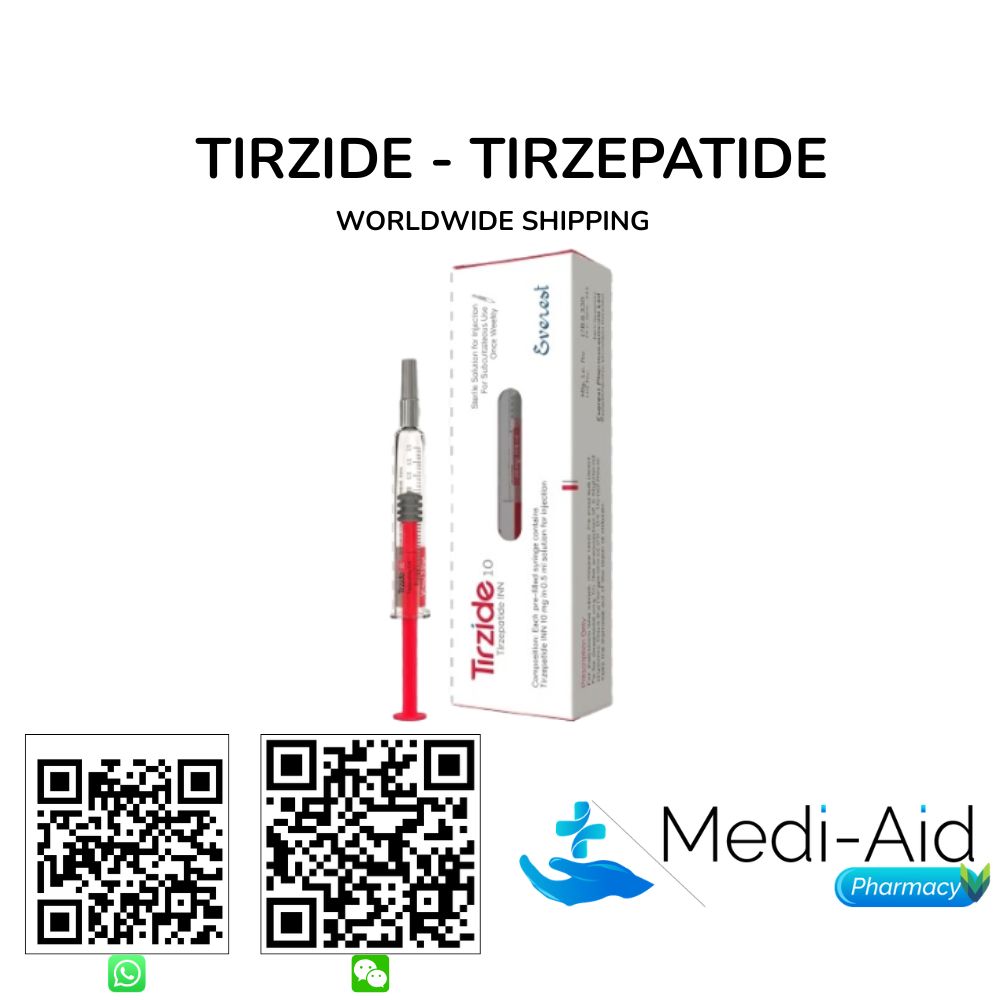
Tirzide 10 MG (Tirzepatide) is a dual GIP (glucose-dependent insulinotropic polypeptide) and GLP-1 (glucagon-like peptide-1) receptor agonist the world’s first approved twincretin supplied as a 10 mg solution for injection in a pre-filled syringe (1 syringe/box with alcohol pad and first aid bandage) and manufactured by Everest Pharmaceuticals Ltd. in Bangladesh. Its active ingredient, tirzepatide INN, is the only approved dual GIP/GLP-1 receptor agonist that simultaneously activates both incretin hormone receptors in a single once-weekly subcutaneous injection, delivering mechanistically superior glycemic control and body weight reduction beyond that achievable with any selective GLP-1 receptor agonist alone.
The 10 mg dose of tirzepatide is a primary long-term maintenance dose one of three approved maintenance strengths (5 mg, 10 mg, and 15 mg) prescribed subcutaneously once weekly after the patient has completed the mandatory initiation and titration phases starting from 2.5 mg. It is also a recommended maintenance dose for obstructive sleep apnea (OSA) with obesity, alongside 15 mg. In the pivotal SURPASS-2 Phase 3 trial comparing tirzepatide versus semaglutide 1 mg in 1,879 adults with type 2 diabetes mellitus on metformin, tirzepatide 10 mg produced a mean HbA1c reduction of 2.24% from baseline versus 1.86% with semaglutide 1 mg, alongside a body weight reduction of 9.3 kg versus 5.7 kg with semaglutide 1 mg (p<0.001).
Searching for Tirzide 10 MG Tirzepatide? Mediaid Pharmacy lists this product within its comprehensive diabetes medicines portfolio and ships it worldwide.
Basic Product Information of Tirzide 10 MG (Tirzepatide)
| Brand Name | Tirzide 10 MG (Tirzepatide) |
| Product Name | Tirzide |
| Generic Name | Tirzepatide INN |
| Drug Class | Dual GIP (Glucose-Dependent Insulinotropic Polypeptide) and GLP-1 (Glucagon-Like Peptide-1) Receptor Agonist; Twincretin; Antidiabetic Agent; Anti-Obesity Agent; Incretin-Based Therapy |
| Formulation | Solution for Injection (Pre-filled Syringe) |
| Available Strength | 10 mg |
| Available Pack Size | 1 Pre-filled Syringe/Box (with alcohol pad & first aid bandage) |
| Primary Indications | Type 2 diabetes mellitus (T2DM) in adults as an adjunct to diet and exercise for improved glycemic control (maintenance dose: 10 mg subcutaneously once weekly). Chronic weight management in adults with initial BMI ≥30 kg/m² (obesity) or ≥27 kg/m² (overweight) with at least one weight-related comorbidity as an adjunct to a reduced-calorie diet and increased physical activity (maintenance dose: 10 mg subcutaneously once weekly). Moderate to severe obstructive sleep apnea (OSA) in adults with obesity (recommended maintenance dose: 10 mg or 15 mg subcutaneously once weekly). The 10 mg dose is reached by titrating from the 2.5 mg initiation dose in 2.5 mg increments every 4 weeks; it is not a starting dose. |
| Manufacturer | Everest Pharmaceuticals Ltd., Bangladesh |
| Registration | Bangladesh |
| Originator Reference Brand | Mounjaro (tirzepatide) by Eli Lilly for type 2 diabetes; Zepbound (tirzepatide) by Eli Lilly for chronic weight management and obstructive sleep apnea |
| Global Supplier | Mediaid Pharmacy, Worldwide Shipping Available |
| Storage Conditions | Store at 2°C to 8°C (refrigerated). Do not freeze. Protect from light. If stored at room temperature (up to 30°C/86°F), use within the period stated on the pack. Keep out of the reach of children. |
How Tirzide 10 MG (Tirzepatide) Works: Dual GIP and GLP-1 Receptor Agonism the Twincretin Mechanism at Full Therapeutic Dose
Tirzepatide, the active ingredient in Tirzide 10 MG, is the world’s first approved dual GIP and GLP-1 receptor agonist a pharmacological class defined by the simultaneous activation of two distinct incretin hormone receptors within a single molecule administered as a once-weekly subcutaneous injection. This dual receptor agonism fundamentally distinguishes tirzepatide from all previously approved incretin-based therapies including liraglutide, semaglutide, dulaglutide, and exenatide each of which operates exclusively as a selective GLP-1 receptor agonist (GLP-1 RA). At the 10 mg maintenance dose, tirzepatide delivers its full dual-receptor pharmacodynamic effects across all three approved indications: type 2 diabetes mellitus (T2DM), chronic weight management, and moderate to severe obstructive sleep apnea (OSA) with obesity.
GIP (glucose-dependent insulinotropic polypeptide) and GLP-1 (glucagon-like peptide-1) are both gut-derived peptide hormones released postprandially from intestinal K-cells and L-cells respectively; together they constitute the physiological incretin system that accounts for 50 to 70% of postprandial insulin secretion in healthy individuals a response substantially impaired in type 2 diabetes. In T2DM, the incretin effect is markedly reduced, with GLP-1-mediated insulin secretion diminished and GIP-mediated insulin secretion essentially absent due to GIP receptor desensitization under chronic hyperglycemia, making pharmacological restoration of both incretin signaling pathways through tirzepatide’s dual agonism a mechanistically rational and clinically superior approach to comprehensive glycemic correction.
Tirzepatide’s GLP-1 receptor agonism drives four synergistic antidiabetic and weight-loss effects: (1) glucose-dependent stimulation of pancreatic beta-cell insulin secretion meaning insulin release is triggered only when plasma glucose is elevated, mechanistically reducing hypoglycemia risk compared with glucose-independent insulin secretagogues; (2) glucose-dependent suppression of pancreatic alpha-cell glucagon secretion, reducing postprandial hepatic glucose output and fasting hyperglycemia; (3) slowing of gastric emptying, which blunts the postprandial glucose excursion and contributes to early satiety; and (4) hypothalamic appetite suppression and reduction in caloric intake through central GLP-1 receptor activation in the arcuate nucleus and hindbrain nuclei.
Tirzepatide’s GIP receptor agonism contributes three complementary and pharmacologically distinct metabolic effects: GIP receptor activation in pancreatic beta-cells amplifies glucose-dependent insulin secretion via a cAMP-PKA signaling cascade that is additive to GLP-1 receptor-mediated insulin release, producing a synergistic insulin secretagogue effect that is the mechanistic basis of tirzepatide’s superior HbA1c reduction. GIP receptor activation in adipocytes modulates lipid partitioning by promoting lipoprotein lipase-mediated triglyceride clearance and enhancing fatty acid re-esterification, directly contributing to the superior body weight reductions documented with tirzepatide versus all selective GLP-1 RAs.
GIP receptor signaling also modulates central appetite circuits through hypothalamic GIP receptor pathways, with preclinical evidence suggesting that GIP receptor co-activation amplifies the anorectic effect of GLP-1 receptor agonism in an additive or supra-additive manner. Clinicians managing complex diabetes, obesity, and sleep apnea cases can review the complete range of tirzepatide medicines at Mediaid Pharmacy for their therapeutic programs.
Tirzide 10 MG delivers the 10 mg therapeutic maintenance dose of tirzepatide one of three approved once-weekly maintenance strengths (5 mg, 10 mg, and 15 mg) prescribed subcutaneously once weekly after the patient has successfully titrated from the 2.5 mg initiation dose through 5 mg, then 7.5 mg, and finally to 10 mg, with a minimum of four weeks at each dose level. At 10 mg, tirzepatide achieves near-maximal dual GIP/GLP-1 receptor occupancy, producing clinically significant glycemic control and body weight reduction in both T2DM and obesity indications as demonstrated across the SURPASS and SURMOUNT Phase 3 program.
Structural cryo-electron microscopy evidence confirms that tirzepatide adopts receptor-specific binding conformations at the GIP receptor versus the GLP-1 receptor, engaging each receptor through distinct molecular contacts optimized for maximum potency at both sites simultaneously a structural feature that explains the pharmacodynamic superiority of dual agonism over selective GLP-1 receptor agonism alone. The long-acting pharmacokinetic profile of tirzepatide a plasma half-life of approximately 5 to 6 days achieved through C20 fatty diacid conjugation enabling albumin binding supports the once-weekly pre-filled syringe dosing schedule at all maintenance doses including 10 mg, eliminating daily injection burdens and enabling long-term adherence in chronic disease management.
For healthcare providers seeking companion antidiabetic agents, cardiovascular medicines, or insulin formulations alongside tirzepatide 10 mg therapy, the diabetes medicines portfolio at Mediaid Pharmacy offers a comprehensive selection available for worldwide delivery.
In the landmark SURPASS-2 Phase 3 randomized, open-label trial the first head-to-head comparison of a dual GIP/GLP-1 receptor agonist versus a selective GLP-1 receptor agonist tirzepatide 10 mg produced a statistically significantly greater HbA1c reduction of –2.24% and body weight reduction of –9.3 kg versus semaglutide 1 mg (–1.86% HbA1c; –5.7 kg weight) in 1,879 adults with T2DM at 40 weeks (p<0.001). In the SURMOUNT-1 Phase 3 trial (n=2,539 adults with obesity or overweight without T2DM), tirzepatide 10 mg produced a mean body weight reduction of 19.5% from baseline versus 2.4% with placebo at 72 weeks.
In the SURMOUNT-OSA Phase 3 trial evaluating tirzepatide in adults with moderate to severe OSA and obesity, tirzepatide 10 mg and 15 mg significantly reduced the apnea-hypopnea index (AHI) the definitive measure of OSA severity compared with placebo, establishing tirzepatide as the first pharmacological treatment approved for moderate to severe OSA, a landmark expansion of the tirzepatide indication beyond metabolic disease.
Approved Indications of Tirzepatide (Reference Label for Tirzide 10 MG (Tirzepatide))
Tirzepatide, the active ingredient in Tirzide 10 MG, carries reference-label indications across three distinct clinical settings: glycemic control in adults with type 2 diabetes mellitus as an adjunct to diet and exercise; chronic weight management in adults with obesity or overweight with at least one weight-related comorbidity; and moderate to severe obstructive sleep apnea in adults with obesity. The 10 mg strength of Tirzide directly supports the long-term maintenance phase of tirzepatide therapy across all three indications as one of the primary maintenance doses (alongside 5 mg and 15 mg).
The 10 mg dose is reached through the mandatory structured titration schedule beginning at 2.5 mg once weekly, with dose increases in 2.5 mg increments every four weeks. The 10 mg dose is also one of the two specifically recommended maintenance doses for OSA with obesity, reflecting its established efficacy in reducing apnea-hypopnea index at this strength. Prescribers should confirm the exact locally approved indications on the Tirzide product label and applicable national endocrinology, diabetology, and sleep medicine guidelines before initiating treatment.
|
Type 2 Diabetes Mellitus 10 mg Once-Weekly Maintenance Dose Indicated for adults with type 2 diabetes mellitus (T2DM) as an adjunct to diet and exercise to improve glycemic control. As a maintenance dose, tirzepatide 10 mg is reached after the patient has titrated from 2.5 mg through 5 mg and 7.5 mg over at least 12 weeks. Tirzepatide 10 mg subcutaneously once weekly delivers a mean HbA1c reduction of 2.24% in the SURPASS-2 trial statistically superior to semaglutide 1 mg (–1.86%; p<0.001) with 87% of tirzepatide 10 mg-treated patients achieving HbA1c below 7.0% in the SURPASS-1 trial versus 20% with placebo (p<0.001). For companion antidiabetic agents used alongside tirzepatide 10 mg in T2DM management, browse the diabetes medicines collection at Mediaid Pharmacy. |
Chronic Weight Management Obesity and Overweight with Comorbidities Indicated for chronic weight management as an adjunct to a reduced-calorie diet and increased physical activity in adults with initial BMI ≥30 kg/m² (obesity) or ≥27 kg/m² (overweight) with at least one weight-related comorbidity such as hypertension, dyslipidemia, T2DM, obstructive sleep apnea, or cardiovascular disease. In the SURMOUNT-1 Phase 3 trial, tirzepatide 10 mg produced a mean body weight reduction of 19.5% from baseline versus 2.4% with placebo at 72 weeks, with 56% of participants achieving ≥20% body weight loss at this dose. In SURMOUNT-2 (adults with T2DM and obesity), tirzepatide 10 mg produced 13.4% mean weight loss versus 3.3% with placebo. For the full tirzepatide treatment range, visit the tirzepatide medicines portfolio at Mediaid Pharmacy. |
Moderate to Severe Obstructive Sleep Apnea (OSA) with Obesity Tirzepatide is the first pharmacological agent approved to treat moderate to severe obstructive sleep apnea (OSA) in adults with obesity. The 10 mg and 15 mg doses are both specifically recommended as maintenance doses for this indication. In the SURMOUNT-OSA Phase 3 trial, tirzepatide significantly reduced the apnea-hypopnea index (AHI) the primary clinical measure of OSA severity compared with placebo, alongside significant body weight reduction, improving multiple OSA severity outcomes including oxygen saturation nadir, hypoxic burden, and patient-reported sleep-related quality of life. The OSA indication recognizes that the weight-reducing and metabolic-improving effects of tirzepatide at 10 mg translate directly to clinically meaningful reduction in OSA disease burden in obese patients. Explore all Everest Pharmaceuticals medicines at Mediaid Pharmacy. |
Key Clinical Benefits of Tirzide 10 MG (Tirzepatide)
|
Superior HbA1c Reduction at 10 mg 2.24% Mean Reduction Versus All Approved Comparators Tirzepatide 10 mg demonstrated statistically superior HbA1c reductions versus every active comparator tested across the SURPASS Phase 3 program. In SURPASS-2 (versus semaglutide 1 mg), tirzepatide 10 mg achieved a mean HbA1c reduction of 2.24% versus 1.86% with semaglutide 1 mg (p<0.001). In SURPASS-3 (versus insulin degludec titrated to fasting glucose targets), tirzepatide 10 mg achieved 2.20% HbA1c reduction versus 1.34% with optimally titrated insulin degludec (p<0.001). In SURPASS-1 (versus placebo), 87% of patients on tirzepatide 10 mg achieved HbA1c below 7.0% versus 20% on placebo at 40 weeks. These results establish tirzepatide 10 mg as one of the most effective glycemic control agents available in T2DM, outperforming even intensive insulin therapy in head-to-head comparison while producing concurrent body weight loss rather than weight gain a uniquely favorable metabolic profile driven by its dual GIP and GLP-1 receptor agonism that no selective incretin therapy replicates. |
Clinically Significant Body Weight Reduction Up to 19.5% in Obesity Without T2DM Tirzepatide 10 mg produces clinically meaningful, sustained body weight reductions that represent some of the largest weight losses ever documented in a pharmacological obesity trial. In the T2DM setting (SURPASS-2), tirzepatide 10 mg produced a mean weight reduction of 9.3 kg versus 5.7 kg with semaglutide 1 mg at 40 weeks (p<0.001). In the chronic weight management setting without T2DM (SURMOUNT-1), tirzepatide 10 mg produced a mean 19.5% body weight reduction from baseline (approximately 20.9 kg absolute loss) versus 2.4% with placebo at 72 weeks, with 56% of patients achieving ≥20% body weight loss at this dose. In adults with T2DM and obesity (SURMOUNT-2), tirzepatide 10 mg produced 13.4% mean weight loss versus 3.3% placebo. This depth of weight reduction at 10 mg approaches outcomes historically achievable only with bariatric surgical procedures, establishing tirzepatide as a transformative agent in both T2DM and obesity medicine, with the 10 mg dose delivering near-maximal therapeutic weight reduction for the majority of patients who tolerate this maintenance strength. |
Triple-Indication Approval: T2DM, Obesity, and Obstructive Sleep Apnea at 10 mg Tirzepatide 10 mg is the only drug class dose approved across three major cardiometabolic indications simultaneously: type 2 diabetes mellitus, chronic weight management (obesity/overweight with comorbidities), and moderate to severe obstructive sleep apnea with obesity. This triple-indication approval at the 10 mg maintenance dose reflects the breadth of tirzepatide’s pharmacodynamic effects weight-driven OSA improvement alongside glycemic control and sustained fat mass reduction and positions the 10 mg dose as a comprehensive cardiometabolic treatment option for patients with overlapping T2DM, obesity, and OSA, a highly prevalent comorbidity cluster in clinical endocrinology and diabetology practice. Tirzide 10 MG is supplied as a once-weekly pre-filled syringe (1 syringe/box with alcohol pad and first aid bandage) requiring no vial preparation, dose calculation, or pen dialing, delivering the 10 mg dose subcutaneously into the abdomen, thigh, or upper arm on the same day each week throughout the maintenance phase of treatment. |
Drug Interactions and Important Safety Information for Tirzide 10 MG (Tirzepatide)
The most clinically significant drug interaction categories for tirzepatide at the 10 mg maintenance dose involve insulin and insulin secretagogues, orally administered medications with narrow therapeutic windows or time-sensitive absorption profiles, and agents pharmacodynamically affecting glycemic control. Unlike most oral antidiabetic drugs, tirzepatide is not metabolized by hepatic CYP450 enzymes. Tirzepatide undergoes proteolytic cleavage of the peptide backbone at multiple sites, beta-oxidation of the C20 fatty diacid moiety, and amide hydrolysis a metabolic pathway that eliminates CYP-mediated drug-drug interaction risk and makes tirzepatide pharmacokinetically simpler than most oral antidiabetic or cardiovascular agents in terms of enzyme-mediated interaction potential. However, the following mechanism-based and pharmacodynamic interactions require active clinical management throughout tirzepatide 10 mg maintenance therapy, including at each prior dose titration step where interaction risk is recalibrated as pharmacodynamic effects intensify with increasing dose.
Insulin and insulin secretagogues (sulfonylureas and meglitinides) represent the highest-priority drug interaction concern at tirzepatide 10 mg. Co-administration of tirzepatide 10 mg with basal insulin, prandial insulin, or pre-mixed insulin formulations substantially increases hypoglycemia risk, particularly during ongoing dose titration as tirzepatide’s incretin-driven insulin secretagogue effects accumulate at the 10 mg maintenance level; insulin dose reductions of 20 to 50% are frequently required when tirzepatide is titrated from 5 mg to 10 mg in patients on concomitant insulin, and frequent blood glucose self-monitoring with structured dose-adjustment protocols agreed with the prescribing endocrinologist are mandatory during this transition.
Sulfonylureas (glibenclamide, glipizide, glimepiride, gliclazide) and meglitinides (repaglinide, nateglinide) stimulate glucose-independent insulin secretion via ATP-sensitive potassium channel closure, and their combination with tirzepatide 10 mg’s glucose-dependent insulin secretagogue effect creates a dual insulin-stimulating interaction that increases hypoglycemia risk across the full glucose range, not just the postprandial period; dose reduction of the sulfonylurea or meglitinide should be considered when tirzepatide is titrated to 10 mg. Orally administered medications with clinically important pharmacokinetic profiles are affected by tirzepatide’s gastric emptying-slowing mechanism. At the 10 mg maintenance dose, the gastric emptying delay is established and persistent.
Oral medications with time-critical absorption profiles that require prompt Cmax attainment including oral hormonal contraceptives (the combined use of a barrier method for 4 weeks after each tirzepatide dose escalation step, including titration to 10 mg, is recommended to protect contraceptive efficacy during the dose-escalation window), oral antibiotics requiring rapid systemic absorption, levothyroxine, and oral immunosuppressants with narrow therapeutic windows should be timed relative to tirzepatide injections under medical guidance and their blood levels monitored where clinically feasible. Clinicians co-prescribing companion antidiabetic medications or cardiovascular risk reduction agents alongside tirzepatide 10 mg can browse the complete diabetes medicines range available at Mediaid Pharmacy.
Warfarin and other vitamin K antagonists may exhibit altered absorption kinetics due to tirzepatide’s gastric emptying delay at the 10 mg maintenance dose; INR should be monitored more frequently after each tirzepatide dose escalation step and at the 10 mg maintenance level until anticoagulant stability is confirmed. Alcohol potentiates hypoglycemia risk in patients on concomitant insulin or sulfonylurea alongside tirzepatide 10 mg; patients should limit alcohol consumption and be educated about delayed hypoglycemia risk, particularly after evening alcohol intake when nocturnal hypoglycemia is most likely.
Corticosteroids (oral, parenteral, and high-potency topical formulations) antagonize tirzepatide’s glycemic control by inducing insulin resistance and promoting hepatic glucose output; intensified glucose monitoring is required when systemic corticosteroid therapy is initiated, adjusted, or discontinued in patients on tirzepatide 10 mg. Atypical antipsychotics (including olanzapine, clozapine, and quetiapine) cause insulin resistance and weight gain through dopaminergic and histaminergic mechanisms; their use alongside tirzepatide 10 mg requires careful metabolic monitoring, though tirzepatide’s weight-reducing effects may partially offset antipsychotic-associated weight gain in some patients.
Sympathomimetic agents (epinephrine, pseudoephedrine, albuterol in high systemic doses) can elevate blood glucose and mask hypoglycemia warning signs; patient education about hypoglycemia symptom awareness is particularly important when sympathomimetics are used intermittently during tirzepatide 10 mg maintenance therapy. Patients must disclose their complete medication list to their prescribing endocrinologist or diabetologist before and throughout Tirzide 10 MG treatment. Providers sourcing insulin formulations or other antidiabetic agents alongside Tirzide 10 MG can explore the full Everest Pharmaceuticals medicines range at Mediaid Pharmacy.
Side Effects and Precautions of Tirzide 10 MG (Tirzepatide)
|
Common Side Effects Nausea (the most frequently reported adverse event; most prominent during initiation and each dose escalation step; at 10 mg maintenance, severity typically attenuates compared with escalation phases; managed through the structured 4-week-per-dose titration schedule and dietary modifications including smaller, more frequent meals) Diarrhea (second most common GI adverse event at maintenance doses; often transient at dose escalation steps; usually self-limiting without dose modification in the majority of patients) Vomiting (reported more frequently during dose escalation; patients should be advised to eat slowly, avoid high-fat and spicy foods, and remain upright for at least 30 minutes after eating) Constipation (more commonly reported at higher maintenance doses including 10 mg; dietary fiber intake, adequate hydration, and where appropriate stool softener use are recommended) Decreased appetite and sustained reduction in food intake (a primary pharmacodynamic contributor to body weight reduction at 10 mg maintenance; patients may require dietary counseling and nutritional monitoring to ensure adequate micronutrient intake despite reduced caloric consumption) Abdominal pain and dyspepsia (typically mild to moderate; more common in the first weeks after each dose increase; usually self-limiting) Injection site reactions (erythema, pruritus, or swelling at the injection site; managed by rotating injection sites abdomen, thigh, upper arm with each weekly dose) Hypoglycemia (uncommon as tirzepatide monotherapy; significantly increased risk when combined with insulin or sulfonylureas at 10 mg maintenance; blood glucose self-monitoring is essential in at-risk patients) Belching, flatulence, gastroesophageal reflux, and bloating (less frequent; attributable to gastric emptying delay that is sustained at the 10 mg maintenance dose; generally manageable without dose adjustment) |
Serious Warnings and Precautions Thyroid C-cell tumors (medullary thyroid carcinoma risk): tirzepatide caused dose-dependent thyroid C-cell tumors (including carcinoma) in rodent studies at both 5 mg and 10 mg equivalent exposures. Relevance to humans is unknown but cannot be excluded. Tirzepatide is absolutely contraindicated in patients with a personal or family history of medullary thyroid carcinoma (MTC) or Multiple Endocrine Neoplasia syndrome type 2 (MEN2). Patients should be counseled on symptoms of thyroid tumors (neck mass, dysphagia, hoarseness, dyspnea) and instructed to report these immediately, particularly as tirzepatide 10 mg represents a higher cumulative exposure dose than initiation-phase tirzepatide. Acute pancreatitis: acute pancreatitis, including fatal and non-fatal hemorrhagic or necrotizing pancreatitis, has been reported with GLP-1 receptor agonists. Discontinue tirzepatide 10 mg promptly if pancreatitis is suspected (persistent severe abdominal pain radiating to the back, nausea, vomiting, elevated serum lipase or amylase). Do not restart Tirzide 10 MG if pancreatitis is confirmed. Patients with a history of pancreatitis should be evaluated carefully before receiving tirzepatide at any maintenance dose. Acute kidney injury (AKI): nausea, vomiting, and diarrhea associated with tirzepatide 10 mg can cause significant dehydration, precipitating AKI in patients with pre-existing renal risk factors. Renal function should be monitored at tirzepatide initiation, at each dose escalation step (including titration to 10 mg), and during any episode of significant GI adverse events; temporarily withhold tirzepatide during severe dehydration until the patient is adequately rehydrated and renal function is stable. Diabetic retinopathy complications: rapid improvement in glycemic control which tirzepatide 10 mg reliably produces has been associated with transient worsening of diabetic retinopathy in susceptible patients. Baseline ophthalmological evaluation is recommended before initiating tirzepatide in patients with pre-existing diabetic retinopathy, with ongoing monitoring during treatment, particularly during the first 6 to 12 months when glycemic improvement is most rapid. Hypersensitivity reactions: serious hypersensitivity reactions (anaphylaxis, angioedema) have been reported with tirzepatide post-marketing. Permanently discontinue Tirzide 10 MG if a serious hypersensitivity reaction occurs. Patients with known hypersensitivity to tirzepatide INN or any excipient in the Tirzide formulation should not receive this product at any dose. Embryo-fetal toxicity: tirzepatide may cause fetal harm. Females of reproductive potential must use effective contraception during Tirzide 10 MG treatment and for at least 2 weeks after the final dose. Because tirzepatide requires approximately 4 to 5 plasma half-lives (approximately 25 to 30 days) for substantial plasma clearance, and given longer tissue clearance timelines at higher maintenance doses, prescribers recommend discontinuing tirzepatide at least 2 months before a planned pregnancy. Breastfeeding is not recommended during treatment. Consult a prescribing endocrinologist or obstetrician before initiating Tirzide 10 MG if pregnant, planning pregnancy, or breastfeeding. |
Who Should Use Tirzide 10 MG (Tirzepatide)?
Tirzide 10 MG (Tirzepatide) is the primary therapeutic maintenance dose for adults who have successfully tolerated and titrated through the 2.5 mg initiation dose and the 5 mg and 7.5 mg intermediate doses of tirzepatide therapy. It is indicated across three specific clinical patient populations: (1) adults with type 2 diabetes mellitus (T2DM) inadequately controlled with diet and exercise alone, with existing oral antidiabetic agents, or with insulin, for whom tirzepatide 10 mg is being maintained as the ongoing glycemic control component of their antidiabetic regimen by their prescribing endocrinologist or diabetologist, with the 10 mg dose chosen based on HbA1c response to the 5 mg and 7.5 mg doses and individual tolerability; (2) adults with obesity (BMI ≥30 kg/m²) or overweight (BMI ≥27 kg/m²) with at least one weight-related comorbidity including hypertension, dyslipidemia, T2DM, obstructive sleep apnea, or established cardiovascular disease for whom tirzepatide 10 mg has been prescribed as a maintenance dose for long-term weight management, with the dose level selected based on weight loss response and tolerability at prior dose steps; and (3) adults with moderate to severe obstructive sleep apnea (OSA) and obesity, for whom tirzepatide 10 mg is one of the two specifically recommended maintenance doses in the OSA indication, selected based on the severity of OSA, degree of obesity, and patient tolerability.
Tirzide 10 MG is contraindicated in patients with a personal or family history of medullary thyroid carcinoma (MTC) or MEN2, in patients with type 1 diabetes mellitus (T1DM), and in individuals with known hypersensitivity to tirzepatide or any Tirzide product excipient. It is not intended for use as a starting dose patients who have not yet completed the mandatory initiation and titration sequence starting from 2.5 mg should not receive the 10 mg strength directly. Before each dose escalation to 10 mg, prescribers should reassess renal function, review hypoglycemia risk (particularly in patients on concurrent insulin or sulfonylurea), and confirm that the prior 7.5 mg dose was tolerated for at least 4 weeks. For patients requiring companion antidiabetic agents, cardiovascular medicines, or the full Everest Pharmaceuticals product range alongside their tirzepatide 10 mg regimen, the Mediaid Pharmacy Everest Pharmaceuticals medicines portfolio and the comprehensive diabetes medicines collection offer a complete selection available for worldwide delivery.
Global Supplier: Mediaid Pharmacy Worldwide Shipping for Tirzide 10 MG (Tirzepatide)
Mediaid Pharmacy is a Dhaka-based supplier of specialty and diabetes medicines with worldwide shipping. Tirzide 10 MG (Tirzepatide), manufactured by Everest Pharmaceuticals Ltd. in Bangladesh, is available as 1 pre-filled syringe per box (with alcohol pad and first aid bandage), and all orders are supported by pricing quotations, stock confirmation, regulatory documentation, and end-to-end delivery tracking. Endocrinology clinics, diabetology centers, obesity medicine specialists, sleep medicine centers, hospitals, distributors, and patients can contact the Mediaid Pharmacy team through WhatsApp, phone, or WeChat for all inquiries about Tirzide 10 MG Tirzepatide stock, pricing, and international delivery timelines to their country. Buyers sourcing tirzepatide 10 mg maintenance doses for established patients, establishing tirzepatide prescribing programs across multiple dose strengths, or co-sourcing the full Tirzide dosage range (2.5 mg, 5 mg, 7.5 mg, 10 mg, 12.5 mg, 15 mg) in a single consolidated shipment can browse the complete tirzepatide medicines collection and the broader diabetes medicines collection at Mediaid Pharmacy before requesting a consolidated quotation.
Why Choose Tirzide 10 MG (Tirzepatide) from Mediaid Pharmacy?
Tirzide 10 MG (Tirzepatide) provides endocrinologists, diabetologists, obesity medicine specialists, and sleep physicians with one of the three reference-label maintenance doses of tirzepatide a dose that delivers statistically superior HbA1c reductions versus all previously approved T2DM therapies tested in Phase 3 trials, clinically unprecedented body weight losses of up to 19.5% in non-diabetic obesity, and significant improvements in OSA severity across all three approved tirzepatide indications simultaneously. The 10 mg maintenance dose is clinically critical: it delivers near-maximal therapeutic glycemic and weight management benefits for the majority of patients who tolerate this dose level after completing the structured titration sequence, positioning Tirzide 10 MG as the dose at which most patients achieve their treatment targets before considering whether dose escalation to 12.5 mg or 15 mg is warranted for additional efficacy.
The structured titration from 2.5 mg through 5 mg, 7.5 mg, to 10 mg ensures that patients who arrive at the 10 mg maintenance dose have had a minimum of 12 weeks of prior tirzepatide exposure with progressively adapting gastrointestinal tolerability, substantially reducing the discontinuation risk that characterizes patients initiated directly at higher doses in real-world practice. Tirzide 10 MG is manufactured by Everest Pharmaceuticals Ltd., a Bangladesh-based pharmaceutical manufacturer, and is supplied as an individually boxed pre-filled syringe with alcohol pad and first aid bandage a complete, ready-to-inject kit for the once-weekly subcutaneous administration required throughout the long-term maintenance phase of tirzepatide therapy. Mediaid Pharmacy supplies Tirzide 10 MG with full product documentation, specialist supply coordination, and worldwide shipping from Dhaka, with every order aligned to prescription-based clinical demand.
To source additional tirzepatide strengths across the full dosing range, Everest Pharmaceuticals-branded medicines, or a comprehensive diabetes and metabolic medicine panel alongside Tirzide 10 MG, visit the Mediaid Pharmacy Everest Pharmaceuticals medicines section and contact the team for a personalized quotation covering all required strengths.
Frequently Asked Questions About Tirzide 10 MG (Tirzepatide)
What is Tirzide 10 MG (Tirzepatide) used for?
Tirzide 10 MG (Tirzepatide) is a dual GIP and GLP-1 receptor agonist (twincretin) used as a once-weekly subcutaneous maintenance dose across three approved indications: (1) type 2 diabetes mellitus (T2DM) in adults as an adjunct to diet and exercise for glycemic control, where tirzepatide 10 mg produced a mean HbA1c reduction of 2.24% in the SURPASS-2 trial statistically superior to semaglutide 1 mg (p<0.001); (2) chronic weight management in adults with obesity (BMI ≥30 kg/m²) or overweight (BMI ≥27 kg/m²) with at least one weight-related comorbidity, where tirzepatide 10 mg produced a mean 19.5% body weight reduction in the SURMOUNT-1 trial; and (3) moderate to severe obstructive sleep apnea (OSA) in adults with obesity, where the 10 mg dose is one of the two specifically recommended maintenance doses. The 10 mg dose is not a starting dose patients must titrate from 2.5 mg through 5 mg and 7.5 mg over at least 12 weeks before reaching the 10 mg maintenance strength. Tirzide 10 MG is available at Mediaid Pharmacy and ships worldwide.
What is the generic name of Tirzide 10 MG?
The generic name of Tirzide 10 MG is tirzepatide INN. Tirzide is the brand name registered by Everest Pharmaceuticals Ltd. for tirzepatide in Bangladesh. Tirzide 10 MG is formulated as a solution for injection in a pre-filled syringe (1 syringe/box with alcohol pad and first aid bandage), delivering 10 mg of tirzepatide in 0.5 mL subcutaneously once weekly. The originator reference brands for tirzepatide are Mounjaro (tirzepatide, by Eli Lilly) for T2DM and Zepbound (tirzepatide, by Eli Lilly) for chronic weight management and obstructive sleep apnea. Mediaid Pharmacy distributes Tirzide 10 MG globally with worldwide shipping to patients, healthcare providers, hospitals, and specialist clinics.
How is Tirzide 10 MG (Tirzepatide) administered?
Tirzide 10 MG (Tirzepatide) is administered as a subcutaneous injection once weekly into the abdomen, thigh, or upper arm. The pre-filled syringe is ready to use without reconstitution, dose calculation, or pen dialing the patient or caregiver injects the entire contents subcutaneously on the same day each week, rotating the injection site within the chosen anatomical location with each dose to minimize injection site reactions. Inject at approximately the same time of day each week; Tirzide 10 MG may be taken with or without food. If a dose is missed: if 4 or more days remain before the next scheduled dose, administer the missed dose as soon as possible; if fewer than 4 days (96 hours) remain before the next scheduled dose, skip the missed dose and resume the regular once-weekly schedule do not administer two doses within 3 days (72 hours) of each other. Store unused pre-filled syringes refrigerated at 2°C to 8°C; allow the syringe to reach room temperature before injecting for improved comfort. Tirzide 10 MG is for subcutaneous injection only do not administer intravenously or intramuscularly.
Can I start tirzepatide therapy directly at 10 mg?
No. Tirzepatide 10 mg is a maintenance dose not a starting dose and must not be administered as the first dose of tirzepatide therapy. The reference prescribing information mandates a structured dose escalation schedule beginning at 2.5 mg once weekly for the first four weeks, increasing to 5 mg once weekly for at least four weeks, then 7.5 mg for at least four weeks, and then to 10 mg a titration pathway requiring a minimum of 12 weeks before the 10 mg maintenance dose is reached. This mandatory titration sequence exists because tirzepatide’s gastric emptying-slowing effects are most pronounced at the start of therapy and at each dose escalation step; initiating directly at 10 mg without prior dose adaptation would cause severe, potentially treatment-ending gastrointestinal adverse events (nausea, vomiting, diarrhea) in the majority of patients. The structured titration through lower dose strengths of Tirzide is essential to achieving long-term tolerability and adherence at the 10 mg maintenance level. Patients newly starting tirzepatide should begin with the 2.5 mg strength available in the full tirzepatide medicines range at Mediaid Pharmacy.
How effective is tirzepatide 10 mg for weight loss?
Tirzepatide 10 mg produces some of the largest pharmacological weight losses documented in clinical trials. In the SURMOUNT-1 Phase 3 trial (2,539 adults with obesity or overweight without T2DM), tirzepatide 10 mg produced a mean body weight reduction of 19.5% from baseline approximately 20.9 kg absolute versus 2.4% with placebo at 72 weeks, with 56% of participants achieving ≥20% body weight loss at this dose. In the SURMOUNT-2 trial (adults with T2DM and obesity), tirzepatide 10 mg produced 13.4% mean weight loss versus 3.3% with placebo. In the T2DM trial (SURPASS-2), tirzepatide 10 mg produced 9.3 kg mean weight loss versus 5.7 kg with semaglutide 1 mg (p<0.001). The weight-reducing efficacy of tirzepatide 10 mg is driven by its dual GIP and GLP-1 receptor agonism, which suppresses appetite via multiple central and peripheral pathways simultaneously, producing a sustained caloric deficit and preferential fat mass reduction that makes tirzepatide 10 mg one of the most effective pharmacological weight management options currently approved. Explore the full range of tirzepatide weight loss injection options at Mediaid Pharmacy.
What are the side effects of Tirzide 10 MG (Tirzepatide)?
The most common side effects of tirzepatide 10 mg are gastrointestinal: nausea, diarrhea, vomiting, constipation, abdominal pain, decreased appetite, dyspepsia, and belching. At the 10 mg maintenance dose, GI adverse events are generally less severe than during dose escalation steps, as the structured titration from 2.5 mg through 5 mg and 7.5 mg allows gastrointestinal adaptation before the 10 mg dose is reached. Injection site reactions (redness, itching, swelling) occur in some patients; rotating injection sites manages this effectively. Hypoglycemia is uncommon with tirzepatide monotherapy but significantly increased when combined with insulin or sulfonylureas at 10 mg maintenance. Serious but less common adverse effects include acute pancreatitis, acute kidney injury (secondary to dehydration from GI adverse events), hypersensitivity reactions (including anaphylaxis and angioedema), worsening of diabetic retinopathy, and based on rodent studies a theoretical risk of thyroid C-cell tumors (medullary thyroid carcinoma), which is why tirzepatide is contraindicated in patients with personal or family history of MTC or MEN2. Constipation tends to be more prominent at the 10 mg and 15 mg maintenance doses compared to lower tirzepatide doses, and dietary fiber counseling is recommended proactively. Consult your prescribing endocrinologist or diabetologist about your individual benefit-risk profile before and throughout Tirzide 10 MG therapy.
Is tirzepatide 10 mg approved for obstructive sleep apnea?
Yes. Tirzepatide including the 10 mg maintenance dose is approved for the treatment of moderate to severe obstructive sleep apnea (OSA) in adults with obesity, making tirzepatide the first pharmacological agent approved specifically for OSA treatment. The 10 mg and 15 mg doses are both specifically designated as recommended maintenance doses for the OSA indication in the reference prescribing information. In the SURMOUNT-OSA Phase 3 trial, tirzepatide significantly reduced the apnea-hypopnea index (AHI) the primary clinical endpoint for OSA severity versus placebo, alongside significant body weight reduction, improved nocturnal oxygen saturation, reduced hypoxic burden, and improved patient-reported sleep-related quality of life measures. The mechanism underlying tirzepatide’s OSA benefit is primarily mediated through its substantial weight-reducing effect, since obesity-driven upper airway anatomy and physiology is the predominant driver of OSA pathophysiology in most adult patients. Tirzide 10 MG is available through Mediaid Pharmacy for worldwide delivery for patients prescribed tirzepatide for the OSA indication.
Can I order Tirzide 10 MG (Tirzepatide) online with worldwide shipping?
Yes. Mediaid Pharmacy supplies Tirzide 10 MG (Tirzepatide) to patients and healthcare providers globally. Contact Mediaid Pharmacy via WhatsApp, phone, or WeChat at +8801773428128, or email info@mediaidpharmacy.com for pricing, current stock availability, and international delivery details for your country.
Order Tirzide 10 MG (Tirzepatide) with Worldwide Shipping
Phone / WhatsApp / WeChat: +8801773428128 | Email: info@mediaidpharmacy.com

Reviews
There are no reviews yet.