
Description
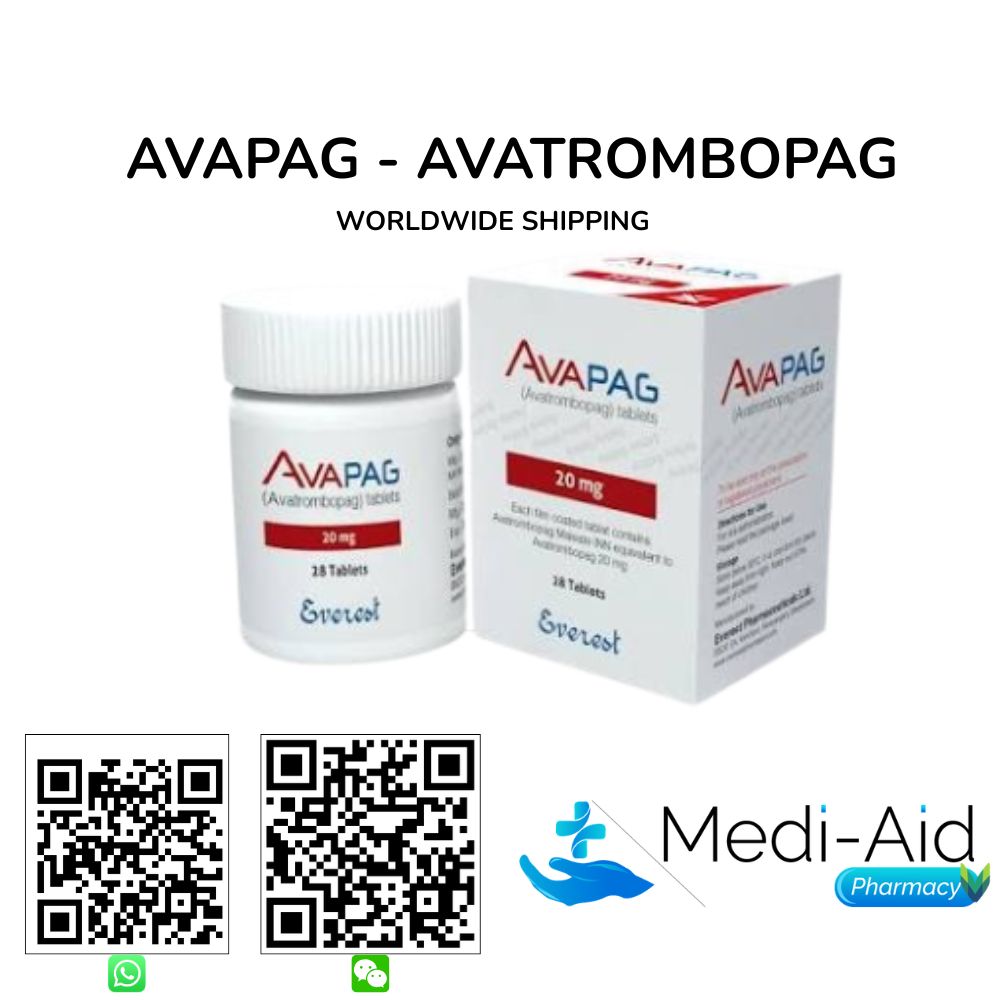
Avapag 20 MG (Avatrombopag) is an oral thrombopoietin receptor agonist (TPO-RA) supplied as a 20 mg tablet in a box of 1 bottle of 28 tablets and manufactured by Everest Pharmaceuticals Ltd. in Bangladesh. Its active ingredient, avatrombopag, is a small-molecule, non-peptide thrombopoietin (TPO) mimetic that binds the transmembrane domain of the thrombopoietin receptor (c-Mpl/CD110) on megakaryocyte progenitor cells, stimulating megakaryocyte proliferation, differentiation, and platelet production through activation of the JAK2/STAT5 and PI3K/AKT/mTOR signaling cascades downstream of the TPO receptor.
Avatrombopag carries two distinct approved indications: thrombocytopenia in adults with chronic liver disease (CLD) who are scheduled to undergo a procedure, and chronic immune thrombocytopenia (ITP) in adults who have had an insufficient response to previous therapy. For the CLD indication, the reference-label dose of avatrombopag is 60 mg (three 20 mg tablets) taken orally once daily with food for either 5 or 10 consecutive days depending on baseline platelet count, with the planned procedure scheduled 5 to 8 days after the last dose.
In the pivotal ADAPT-1 Phase 3 trial, avatrombopag 60 mg once daily for 5 to 10 days produced a transfusion-avoidance rate of 65.6% versus 22.9% with placebo in adults with CLD-related thrombocytopenia undergoing elective procedures, and in ADAPT-2, the transfusion-avoidance rate was 68.6% versus 34.9% with placebo. For the ITP indication, the starting dose is 20 mg (one tablet) once daily with food, titrated up to a maximum of 40 mg once daily based on platelet count response. Searching for Avapag 20 MG Avatrombopag? Mediaid Pharmacy lists this product within its comprehensive thrombocytopenia medicines portfolio and ships it worldwide.
Basic Product Information of Avapag 20 MG (Avatrombopag)
| Brand Name | Avapag 20 MG (Avatrombopag) |
| Product Name | Avapag (Avatrombopag) |
| Generic Name | Avatrombopag INN |
| Drug Class | Thrombopoietin Receptor Agonist (TPO-RA), Small-Molecule Oral TPO Mimetic, Megakaryopoiesis Stimulating Agent |
| Formulation | Tablet |
| Available Strength | 20 mg |
| Available Pack Size | Box of 1 Bottle of 28 Tablets (28 tablets per box) |
| Primary Indications | Thrombocytopenia in adults with chronic liver disease (CLD) scheduled to undergo a procedure: 60 mg (three 20 mg tablets) orally once daily with food for 5 consecutive days (baseline platelet count 40 to less than 50 x 10^9/L) or 10 consecutive days (baseline platelet count less than 40 x 10^9/L); procedure to be scheduled 5 to 8 days after the last dose. Chronic immune thrombocytopenia (ITP) in adults with insufficient response to prior therapy: starting dose 20 mg (one tablet) orally once daily with food, titrated based on platelet count response to a maximum of 40 mg once daily. Avatrombopag must be taken with food at all doses and for both indications. |
| Manufacturer | Everest Pharmaceuticals Ltd., Bangladesh |
| Registration | Bangladesh |
| Originator Reference Brand | Doptelet (avatrombopag) by Swedish Orphan Biovitrum (Sobi) |
| Global Supplier | Mediaid Pharmacy, Worldwide Shipping Available |
| Storage Conditions | Store in a dry place away from light and moisture, at the temperature printed on the pack. Keep out of the reach of children. |
How Avapag 20 MG (Avatrombopag) Works: TPO Receptor Agonism and Platelet Production Stimulation
Avatrombopag, the active ingredient in Avapag 20 MG, is a small-molecule, non-peptide, orally bioavailable thrombopoietin receptor agonist (TPO-RA) that stimulates megakaryocyte proliferation and platelet production by binding the transmembrane domain of the thrombopoietin receptor, formally designated c-Mpl (CD110). The thrombopoietin receptor (TPO-R) is a cytokine receptor expressed on the surface of megakaryocyte progenitor cells, mature megakaryocytes, hematopoietic stem cells, and platelets; in physiological platelet homeostasis, the endogenous ligand thrombopoietin (TPO) binds the extracellular domain of c-Mpl, triggering receptor dimerization and activation of downstream JAK2 (Janus kinase 2), which phosphorylates and activates STAT5 (signal transducer and activator of transcription 5), PI3K/AKT, and MAPK/ERK signaling cascades, collectively driving megakaryocytopoiesis (the differentiation of hematopoietic stem cells into polyploid megakaryocytes) and thrombopoiesis (the fragmentation of megakaryocyte cytoplasm into circulating platelets).
A thrombopoietin receptor agonist (TPO-RA) is a drug class that mimics or augments endogenous TPO signaling to increase circulating platelet counts by stimulating the production of new platelets from bone marrow megakaryocytes. Avatrombopag binds the transmembrane domain of c-Mpl rather than the extracellular domain targeted by endogenous TPO, a binding site distinction that confers two clinically important properties: avatrombopag binding is non-competitive with endogenous TPO, meaning avatrombopag can produce additive platelet-stimulating activity on top of endogenous TPO signaling, and avatrombopag is functional across the full range of endogenous TPO concentrations seen clinically, including the elevated endogenous TPO levels observed in immune thrombocytopenia (ITP) patients. Once avatrombopag binds the transmembrane domain of c-Mpl, it triggers receptor homodimerization and activation of the intracellular JAK2/STAT5 signaling axis and secondary PI3K/AKT/mTOR and RAS/MAPK pathways, producing the same downstream megakaryopoietic and thrombopoietic output as endogenous TPO.
Avapag 20 MG delivers the 20 mg unit dose component of avatrombopag therapy. The 20 mg tablet strength supports both approved indications: for the chronic liver disease (CLD)-related thrombocytopenia indication, three 20 mg tablets (60 mg) are taken once daily with food for 5 or 10 consecutive days depending on baseline platelet count, producing a transient but clinically sufficient platelet count increase that peaks 5 to 8 days after the last dose, precisely the window in which the scheduled procedure is performed; and for the ITP indication, one 20 mg tablet once daily with food is the starting dose, titrated upward to two 20 mg tablets (40 mg) once daily based on platelet count response at four-week intervals.
A critical pharmacokinetic requirement for avatrombopag is that it must be taken with food at all doses: food significantly increases avatrombopag oral bioavailability, with a high-fat meal increasing area under the plasma concentration-time curve (AUC) by approximately 88% and peak plasma concentration (Cmax) by approximately 112% compared with the fasted state. Patients and caregivers must be explicitly counseled on this food requirement before starting Avapag 20 MG at any dose or for either indication.
A key mechanism-based differentiator of avatrombopag from the peptide-based TPO mimetic romiplostim is that avatrombopag is fully orally bioavailable as a small molecule, requiring no subcutaneous injection, while its differentiator from the oral TPO-RA eltrombopag is that avatrombopag does not chelate polyvalent metal cations (calcium, iron, magnesium, aluminum), meaning avatrombopag can be co-administered with polyvalent-cation-containing foods, antacids, and supplements without bioavailability reduction, simplifying its dietary administration rules relative to eltrombopag. Clinicians building comprehensive platelet-stimulating or supportive care programs for thrombocytopenic patients can review the full range of thrombocytopenia medicines at Mediaid Pharmacy.
In the pivotal ADAPT-1 and ADAPT-2 Phase 3 randomized, double-blind, placebo-controlled trials for the CLD indication, avatrombopag 60 mg once daily for 5 days (baseline platelet count 40 to less than 50 x 10^9/L) or 10 days (baseline platelet count less than 40 x 10^9/L) was compared with placebo in adults with CLD-related thrombocytopenia scheduled to undergo a procedure. In ADAPT-1, the proportion of patients who did not require a platelet transfusion or any rescue procedure for bleeding was 66.7% versus 22.6% (placebo) in the 40 to less than 50 x 10^9/L stratum and 64.1% versus 22.7% (placebo) in the less than 40 x 10^9/L stratum. In ADAPT-2, these proportions were 75.6% versus 32.1% (placebo) and 61.3% versus 37.6% (placebo), respectively.
Both trials demonstrated that avatrombopag produced clinically meaningful, procedure-enabling platelet count elevations that substantially reduced the need for platelet transfusion before invasive procedures in CLD patients, a population in whom thrombocytopenia is caused by reduced hepatic TPO production, increased splenic platelet sequestration, and immune-mediated platelet destruction, and for whom platelet transfusion carries unique risks including volume overload, transfusion-associated circulatory overload (TACO), and alloimmunization.
Approved Indications of Avatrombopag (Reference Label for Avapag 20 MG (Avatrombopag))
Avatrombopag, the active ingredient in Avapag 20 MG, carries reference-label indications in two distinct thrombocytopenic conditions: thrombocytopenia in adults with CLD scheduled to undergo a procedure, and chronic ITP in adults who have had an insufficient response to prior therapy. Both indications require avatrombopag to be taken with food; no dose adjustment is required for renal impairment, and moderate-to-severe hepatic impairment does not require dose adjustment for the CLD-procedural indication (avatrombopag data were generated primarily in CLD patients). No prior treatment requirements must be met to prescribe avatrombopag for CLD-related procedural thrombocytopenia; the ITP indication requires documentation of an insufficient response to at least one prior therapy. Prescribers should confirm the exact locally approved indications on the Avapag product label and applicable national hematology and hepatology guidelines before initiating treatment.
|
Thrombocytopenia in Adults With Chronic Liver Disease (CLD) Scheduled for a Procedure Indicated for adults with chronic liver disease (CLD) and thrombocytopenia who are scheduled to undergo an elective procedure, where the thrombocytopenia presents a bleeding risk. Dose is determined by the baseline platelet count: 60 mg (three 20 mg tablets) once daily with food for 5 consecutive days if baseline platelets are 40 to less than 50 x 10^9/L, or for 10 consecutive days if baseline platelets are less than 40 x 10^9/L. The planned procedure must be scheduled 5 to 8 days after the last avatrombopag dose to align with the peak platelet count elevation window. Supported by the ADAPT-1 trial (transfusion avoidance: 66.7% vs 22.6% placebo in the 40 to less than 50 stratum; 64.1% vs 22.7% placebo in the less than 40 stratum) and ADAPT-2 trial (75.6% vs 32.1%; 61.3% vs 37.6%). For a comprehensive range of platelet-stimulating and procedural bleeding management medicines, browse the thrombocytopenia medicines collection at Mediaid Pharmacy. |
Chronic Immune Thrombocytopenia (ITP) in Adults With Insufficient Response to Prior Therapy Indicated for adults with chronic immune thrombocytopenia (ITP) who have had an insufficient response to a previous treatment. The starting dose is 20 mg (one tablet) once daily with food. Platelet counts should be assessed every 2 weeks during the dose-adjustment phase: if platelet count is less than 50 x 10^9/L after 4 weeks at 20 mg once daily, increase to 40 mg (two tablets) once daily; if platelet count is 50 to 150 x 10^9/L, maintain the current dose; if platelets exceed 150 x 10^9/L, reduce or stop. Discontinue if platelets do not reach at least 50 x 10^9/L after 4 weeks at 40 mg once daily. The ADAPT-ITP Phase 3 trial demonstrated a stable responder rate (platelets 50 x 10^9/L or above for 6 or more of the last 8 visits without rescue therapy) of approximately 32% with avatrombopag versus 2% with placebo. For the complete Everest Pharmaceuticals medicines range available at Mediaid Pharmacy, visit the Everest Pharmaceuticals medicines section. |
Key Clinical Benefits of Avapag 20 MG (Avatrombopag)
|
Proven Transfusion Avoidance in CLD-Related Procedural Thrombocytopenia Across both ADAPT-1 and ADAPT-2, avatrombopag 60 mg once daily for 5 to 10 days reduced the proportion of CLD patients requiring pre-procedural platelet transfusion by approximately 3-fold versus placebo in the more severe thrombocytopenic stratum (baseline platelets less than 40 x 10^9/L: 64.1% vs 22.7% in ADAPT-1; 61.3% vs 37.6% in ADAPT-2) and by approximately 2.3-fold in the less severe stratum (40 to less than 50 x 10^9/L: 66.7% vs 22.6% in ADAPT-1; 75.6% vs 32.1% in ADAPT-2). These results represent a clinically significant, validated alternative to platelet transfusion in CLD patients undergoing invasive procedures, eliminating the transfusion-associated risks of volume overload, TACO, alloimmunization, and transfusion reactions in this medically vulnerable population. |
No Polyvalent Metal Chelation: Simpler Dietary Rules Than Eltrombopag Unlike eltrombopag, the other approved oral small-molecule TPO-RA, avatrombopag does not chelate polyvalent metal cations (calcium, iron, magnesium, aluminum, selenium, zinc). Eltrombopag must be taken on an empty stomach (no food within 2 hours before or 1 hour after) and must be separated from antacids, dairy products, calcium-rich juices, iron supplements, and polyvalent-cation-containing products, creating a complex dietary management burden for patients. Avatrombopag carries no such restriction: it is taken with food (food enhances absorption), and no separation from polyvalent-cation-containing foods, antacids, or supplements is required. This simplified dietary profile supports better patient adherence, particularly in CLD patients with complex dietary requirements imposed by their liver disease, and in ITP patients managing long-term continuous therapy. |
Dual-Indication Versatility: CLD-Procedural and Chronic ITP in a Single 20 MG Tablet The 20 mg tablet strength of Avapag 20 MG directly supports both approved avatrombopag indications with clear, clinician-manageable dosing. For CLD-related procedural thrombocytopenia: three tablets (60 mg) once daily for 5 or 10 days, with the 28-tablet box providing approximately 4.5 complete 5-day courses or approximately 2.5 complete 10-day courses. For ITP: one tablet (20 mg) once daily as the starting dose, titrated to two tablets (40 mg) once daily if required; the 28-tablet box provides 28 days at 20 mg or 14 days at 40 mg, supporting a standard monthly refill cycle at either dose. This dose flexibility within a single tablet strength streamlines pharmacy dispensing and supply management for clinics managing both CLD and ITP patient populations simultaneously. |
Clinical Monitoring Requirements During Avapag 20 MG (Avatrombopag) Treatment
Platelet count monitoring is the central ongoing safety and efficacy assessment for avatrombopag in both indications. For the CLD-procedural indication, a baseline platelet count is required before prescribing to determine the correct treatment duration (5 days for baseline 40 to less than 50 x 10^9/L; 10 days for baseline less than 40 x 10^9/L), and a platelet count should be obtained within 2 to 3 days before the scheduled procedure to confirm that an adequate platelet count has been achieved; procedures should not proceed if the platelet count remains below the clinically acceptable threshold for the planned procedure type.
For the ITP indication, platelet counts must be obtained every 2 weeks during the dose-adjustment phase to guide titration decisions: increase dose to 40 mg once daily after 4 weeks at 20 mg if platelets remain below 50 x 10^9/L; hold or reduce dose if platelets exceed 150 x 10^9/L (to minimize thrombotic risk); and discontinue if platelets do not reach at least 50 x 10^9/L after 4 weeks at the maximum dose of 40 mg once daily. Once a stable platelet count is established in ITP patients, platelet count monitoring frequency can be extended to monthly. Do not use avatrombopag in an attempt to normalize platelet counts; the treatment target is a platelet count sufficient to reduce bleeding risk (generally 50 x 10^9/L or above), not a count within the normal range.
Peripheral blood smear evaluation should be performed at baseline and during treatment in ITP patients to detect any morphological changes in red blood cells or neutrophils that could suggest progression of bone marrow pathology; any new morphological abnormalities should trigger a bone marrow examination to exclude transformation to myelofibrosis, a theoretical class-wide risk of prolonged TPO-RA therapy.
Thromboembolism surveillance is a mandatory safety component throughout avatrombopag therapy. Thromboembolic events, including portal vein thrombosis (PVT) in CLD patients and deep vein thrombosis (DVT) and pulmonary embolism (PE) in ITP patients, have been reported with avatrombopag and with all approved TPO-RA agents. CLD patients are at inherently elevated thrombotic risk due to imbalanced coagulation factor synthesis (reduced anticoagulant proteins C and S alongside preserved or elevated coagulation factor VIII and von Willebrand factor) and portal hypertension; any avatrombopag-driven platelet count elevation above the target range in CLD patients further increases thrombotic risk.
Prescribers should evaluate for thrombotic risk factors at baseline (prior DVT or PE, factor V Leiden or prothrombin gene mutations, antiphospholipid syndrome, prolonged immobilization, active malignancy, and estrogen-containing therapies) and monitor for signs and symptoms of thromboembolism throughout treatment. Do not prescribe Avapag 20 MG to patients whose thrombocytopenia is driven by vitamin B12 or folate deficiency, myelodysplastic syndrome, or bone marrow failure states, as platelet count increases will not occur and treatment delays the correct diagnosis.
Liver function tests (ALT, AST, and bilirubin) should be monitored at baseline and periodically in ITP patients receiving long-term avatrombopag; although avatrombopag does not carry the same hepatotoxicity risk profile as eltrombopag, routine liver function surveillance is considered standard practice for all long-term oral TPO-RA therapies.
Drug Interactions and Important Safety Information for Avapag 20 MG (Avatrombopag)
The most clinically important drug interaction categories for avatrombopag involve dual CYP2C9 and CYP3A4 inhibitors and inducers. Avatrombopag is metabolized primarily by CYP2C9 and CYP3A4, with both pathways contributing meaningfully to its systemic clearance. Inhibition or induction of both pathways simultaneously produces more pronounced pharmacokinetic changes in avatrombopag exposure than inhibition or induction of either pathway alone.
Combined strong or moderate inhibitors of CYP2C9 and CYP3A4, the most clinically relevant example being fluconazole (a strong CYP2C9 inhibitor and moderate CYP3A4 inhibitor), significantly increase avatrombopag plasma exposure; the reference label requires a dose reduction of avatrombopag when co-administered with a dual CYP2C9 and CYP3A4 inhibitor. For the CLD-procedural indication with dual inhibitor co-administration: if the standard dose would be 60 mg for 5 days, reduce to 40 mg for 5 days; if the standard dose would be 60 mg for 10 days, reduce to 40 mg for 5 days. For the ITP indication with dual inhibitor co-administration: reduce the starting dose to 20 mg three times weekly rather than once daily, and limit maximum dose adjustments accordingly.
Combined strong or moderate inducers of CYP2C9 and CYP3A4, including rifampin and rifabutin, significantly decrease avatrombopag plasma exposure; the reference label indicates that the avatrombopag dose may need to be increased when co-administered with a combined CYP2C9 and CYP3A4 inducer, though specific validated dose escalation guidance requires prescriber judgment based on platelet count response. Single-pathway inhibitors or inducers of either CYP2C9 or CYP3A4 alone do not produce clinically meaningful changes in avatrombopag exposure and do not require dose modification in the current reference label.
Pharmacodynamic drug interactions with anticoagulant, antiplatelet, and thrombolytic therapies are clinically relevant in patients taking avatrombopag, particularly in the ITP setting where concomitant anticoagulation may be prescribed for comorbid conditions. When platelet counts rise above 200 x 10^9/L on avatrombopag therapy, concurrent anticoagulant or antiplatelet use in thrombocytopenic patients transitioning to normal or supra-normal platelet counts may require dose recalibration of the anticoagulant or antiplatelet agent. In CLD patients, co-administration of avatrombopag with beta-blockers used for portal hypertension management, diuretics, or lactulose does not produce specific documented pharmacokinetic interactions, as these drug classes are not CYP2C9 or CYP3A4 substrates, inhibitors, or inducers. However, in hepatically impaired patients with CLD and reduced drug-metabolizing enzyme capacity, the pharmacokinetics of all co-administered hepatically metabolized drugs may be altered, requiring vigilance for cumulative drug exposure changes.
No clinically significant polyvalent metal cation interaction exists with avatrombopag, unlike eltrombopag; antacids containing aluminum, calcium, or magnesium, iron supplements, dairy foods, and calcium-fortified juices may be taken without restriction relative to avatrombopag dosing, provided avatrombopag is taken with food. Patients must provide their prescribing physician with a complete list of all current medications, supplements, and herbal products before and throughout Avapag 20 MG therapy. For the complete range of Everest Pharmaceuticals medicines available from Mediaid Pharmacy, visit the dedicated category page for sourcing additional medicines alongside avatrombopag.
Side Effects and Precautions of Avapag 20 MG (Avatrombopag)
|
Common Side Effects Nausea (the most frequently reported adverse event across both the CLD and ITP clinical trials; taking avatrombopag with a substantial meal rather than a small snack may improve tolerability) Fatigue and asthenia Headache Pyrexia (fever; more common in the CLD-procedural setting) Peripheral edema (particularly in CLD patients with existing portal hypertension and fluid retention) Abdominal pain and upper abdominal discomfort Dizziness Arthralgia and musculoskeletal pain Upper respiratory tract infection (more frequent with chronic ITP long-term treatment) Elevated alanine aminotransferase (ALT) or aspartate aminotransferase (AST) |
Serious Warnings and Precautions Thromboembolic events: portal vein thrombosis (PVT) has been reported in CLD patients treated with avatrombopag; deep vein thrombosis (DVT) and pulmonary embolism (PE) have been reported in ITP patients. Do not use avatrombopag to normalize platelet counts; platelet counts above the target range significantly increase thrombotic risk, particularly in CLD patients with pre-existing portal hypertension. Evaluate all patients for thrombotic risk factors before initiating therapy and monitor for signs and symptoms of thromboembolism throughout treatment. Discontinue Avapag 20 MG if a thromboembolic event occurs. Bone marrow reticulin deposition and risk of myelofibrosis progression: prolonged TPO-RA therapy may stimulate bone marrow reticulin fiber deposition as a class effect. Examine peripheral blood smear for new morphological abnormalities at baseline and during ITP treatment; perform bone marrow biopsy if morphological changes are detected. Discontinue avatrombopag if progression to myelofibrosis is confirmed. Worsening thrombocytopenia after avatrombopag discontinuation: in ITP patients, platelet counts may fall below baseline levels after stopping avatrombopag, increasing the short-term risk of bleeding. Monitor platelet count weekly for at least 4 weeks after discontinuation; reinstate bleeding-risk-reducing therapy as clinically appropriate. In CLD patients, platelet counts return to baseline within weeks of completing the 5 or 10-day course. Embryo-fetal toxicity: avatrombopag may cause fetal harm based on animal reproductive toxicology data. Females of reproductive potential must use effective contraception during treatment and for at least 7 days after the last avatrombopag dose. Breastfeeding is not recommended during treatment and for at least 2 weeks after the final dose. Males are not specifically restricted but should consult their prescribing physician regarding reproductive precautions. |
Who Should Use Avapag 20 MG (Avatrombopag)?
Avapag 20 MG (Avatrombopag) is indicated for two distinct patient populations. The first is adult patients with thrombocytopenia associated with chronic liver disease (CLD) who are scheduled to undergo an elective invasive procedure and whose baseline platelet count presents a procedural bleeding risk (less than 50 x 10^9/L); avatrombopag 60 mg (three 20 mg tablets) once daily with food for 5 days (baseline platelets 40 to less than 50 x 10^9/L) or 10 days (baseline platelets less than 40 x 10^9/L) is the reference-label dose, with the procedure scheduled 5 to 8 days after the last dose, as validated in the ADAPT-1 and ADAPT-2 trials (transfusion-avoidance rates of 64.1 to 75.6% with avatrombopag versus 22.6 to 37.6% with placebo across both studies and both platelet strata).
The second population is adult patients with chronic immune thrombocytopenia (ITP) who have had an insufficient response to at least one prior therapy (such as corticosteroids, intravenous immunoglobulin, rituximab, or splenectomy), where avatrombopag 20 mg once daily with food as a starting dose, titrated to 40 mg once daily as needed, is the reference-label approach validated in the ADAPT-ITP trial (stable responder rate approximately 32% vs 2% with placebo). Avapag 20 MG must be taken with food at all doses for both indications; patients should be counseled on this requirement before starting therapy. Patients with myelodysplastic syndrome, aplastic anemia, or other bone marrow failure states causing thrombocytopenia are not candidates for avatrombopag therapy.
Before initiating Avapag 20 MG, prescribers should evaluate baseline platelet count, peripheral blood smear morphology, liver function, and thrombotic risk factor status in all patients, and should confirm the correct indication and dose duration. For patients requiring additional medicines alongside their avatrombopag regimen, the Mediaid Pharmacy Everest Pharmaceuticals medicines range and the broader thrombocytopenia medicines portfolio offer comprehensive options available for worldwide delivery.
Global Supplier: Mediaid Pharmacy Worldwide Shipping for Avapag 20 MG (Avatrombopag)
Mediaid Pharmacy is a Dhaka-based supplier of specialty and innovative medicines with worldwide shipping capabilities. Avapag 20 MG (Avatrombopag), manufactured by Everest Pharmaceuticals Ltd. in Bangladesh, is available in box-of-1-bottle-of-28-tablet packs, and all orders are supported by pricing quotations, stock confirmation, regulatory documentation, and end-to-end international delivery tracking. Specialist hematology and hepatology clinics, hospital pharmacies, distributors, and patients can contact the Mediaid Pharmacy team through WhatsApp, phone, or WeChat for all inquiries about Avapag 20 MG Avatrombopag stock, pricing, and international delivery timelines. Buyers sourcing avatrombopag for CLD-procedural thrombocytopenia programs, chronic ITP management programs, or co-sourcing multiple hematology and supportive care medicines in a single shipment can browse the complete thrombocytopenia medicines collection and the full Everest Pharmaceuticals medicines collection at Mediaid Pharmacy before requesting a consolidated quotation.
Why Choose Avapag 20 MG (Avatrombopag) from Mediaid Pharmacy?
Avapag 20 MG (Avatrombopag) provides hematology, hepatology, and gastroenterology teams with the reference-label 20 mg unit dose of avatrombopag, the foundational tablet strength that enables the standard 60 mg once-daily CLD-procedural dose (three tablets once daily for 5 or 10 days, validated in ADAPT-1 and ADAPT-2 with transfusion-avoidance rates of 61.3 to 75.6% versus 22.6 to 37.6% with placebo) and the 20 mg to 40 mg once-daily ITP dose range (one to two tablets once daily, validated in ADAPT-ITP with a stable responder rate of approximately 32% versus 2% with placebo). The 28-tablet pack format provides approximately 4.5 complete 5-day CLD treatment courses or 14 to 28 days of ITP therapy per box, supporting both the short-course CLD setting and the continuous long-term ITP management setting. Avapag 20 MG is manufactured by Everest Pharmaceuticals Ltd., a Bangladesh-registered pharmaceutical manufacturer, and is supplied in a box of 1 bottle of 28 tablets with the food-intake requirement clearly integrated into prescribing guidance, simplifying patient counseling at the point of dispensing. Mediaid Pharmacy supplies Avapag 20 MG with full product documentation, specialist supply support, and worldwide shipping from Dhaka, with every order beginning from a prescription-based inquiry that aligns supply with clinical need. To source additional thrombocytopenia medicines or Everest Pharmaceuticals-branded specialty products alongside Avapag 20 MG, visit the Mediaid Pharmacy thrombocytopenia medicines section and contact the team for a personalized worldwide supply quotation.
Frequently Asked Questions About Avapag 20 MG (Avatrombopag)
What is Avapag 20 MG (Avatrombopag) used for?
Avapag 20 MG (Avatrombopag) is an oral thrombopoietin receptor agonist (TPO-RA) indicated for two conditions. First, thrombocytopenia in adults with chronic liver disease (CLD) scheduled to undergo a procedure: 60 mg (three 20 mg tablets) once daily with food for 5 days (baseline platelet count 40 to less than 50 x 10^9/L) or 10 days (baseline platelet count less than 40 x 10^9/L), with the procedure scheduled 5 to 8 days after the last dose, validated in ADAPT-1 and ADAPT-2 (transfusion-avoidance rates of 61.3 to 75.6% with avatrombopag vs 22.6 to 37.6% with placebo). Second, chronic immune thrombocytopenia (ITP) in adults with insufficient response to prior therapy: starting dose 20 mg (one tablet) once daily with food, titrated to a maximum of 40 mg once daily based on platelet count response. Avatrombopag stimulates platelet production by binding the transmembrane domain of the TPO receptor (c-Mpl) on megakaryocyte progenitor cells and activating downstream JAK2/STAT5 and PI3K/AKT megakaryopoietic signaling.
What is the generic name of Avapag 20 MG?
The generic name of Avapag 20 MG is avatrombopag INN. Avapag 20 MG is a tablet formulation available in a box of 1 bottle of 28 tablets, manufactured by Everest Pharmaceuticals Ltd. in Bangladesh. The originator reference brand for avatrombopag is Doptelet, developed and commercialized by Swedish Orphan Biovitrum (Sobi). Avapag is the brand name assigned to avatrombopag by Everest Pharmaceuticals Ltd. for markets supplied by Mediaid Pharmacy worldwide.
How many tablets of Avapag 20 MG are taken per dose?
For the CLD-procedural indication, three Avapag 20 MG tablets (60 mg total) are taken once daily with food for 5 or 10 consecutive days depending on baseline platelet count; one 28-tablet box provides approximately 4.5 complete 5-day courses or approximately 2.5 complete 10-day courses. For the ITP indication, the starting dose is one Avapag 20 MG tablet (20 mg) once daily with food; the dose may be increased to two tablets (40 mg) once daily after 4 weeks if platelets remain below 50 x 10^9/L. At 20 mg once daily (one tablet per day), one 28-tablet box provides a 28-day supply. At 40 mg once daily (two tablets per day), one 28-tablet box provides a 14-day supply. Always confirm the exact number of tablets, dose, duration, and indication with your prescribing physician before starting or adjusting avatrombopag treatment.
What is the difference between Avapag (Avatrombopag) and Doptelet (Avatrombopag)?
Avapag (avatrombopag) manufactured by Everest Pharmaceuticals Ltd. in Bangladesh and Doptelet (avatrombopag) manufactured by Swedish Orphan Biovitrum (Sobi) contain the same active ingredient, avatrombopag INN, at the same 20 mg strength. Doptelet is the originator brand name for avatrombopag. Avapag 20 MG is the Everest Pharmaceuticals-branded formulation supplied in a box of 1 bottle of 28 tablets and distributed globally by Mediaid Pharmacy. The same reference doses and indications apply to both: 60 mg once daily with food for 5 or 10 days for CLD-procedural thrombocytopenia, and 20 to 40 mg once daily with food for ITP. Confirm prescribing requirements and local regulatory status with your treating physician and the relevant regulatory authority in your country before initiating Avapag therapy.
What are the side effects of Avapag 20 MG (Avatrombopag)?
Common side effects of avatrombopag include nausea (the most frequently reported adverse event), fatigue, headache, pyrexia, peripheral edema, abdominal pain, dizziness, arthralgia, upper respiratory tract infection, and elevated liver enzymes. Serious adverse effects include thromboembolic events (portal vein thrombosis in CLD patients; deep vein thrombosis and pulmonary embolism in ITP patients), bone marrow reticulin deposition with potential progression to myelofibrosis with prolonged use, worsening thrombocytopenia after treatment discontinuation (particularly in ITP patients), and embryo-fetal toxicity. Platelet count monitoring, peripheral blood smear evaluation, liver function tests, and ongoing thrombotic risk assessment are required throughout treatment. Consult your prescribing physician about your individual risk profile before and during treatment with Avapag 20 MG.
Does Avapag 20 MG (Avatrombopag) need to be taken with food?
Yes. Avapag 20 MG (Avatrombopag) must be taken with food at all doses and for both approved indications. Food significantly enhances avatrombopag oral bioavailability: a high-fat meal increases avatrombopag AUC by approximately 88% and Cmax by approximately 112% compared with the fasted state. Taking avatrombopag without food substantially reduces drug exposure and may produce subtherapeutic platelet count responses. Unlike eltrombopag (another oral TPO-RA), avatrombopag does not chelate polyvalent metal cations, so no separation from calcium-rich foods, antacids, dairy products, or iron supplements is required; the only dietary rule for Avapag 20 MG is that each dose must be taken with a meal. Swallow tablets whole with water; do not crush, split, or chew. Discuss your specific meal timing plan with your prescribing physician before starting treatment to ensure consistent adherence to the food requirement.
What monitoring tests are required during Avapag 20 MG (Avatrombopag) treatment?
For the CLD-procedural indication, a baseline platelet count is required to determine treatment duration, and a platelet count should be obtained 2 to 3 days before the scheduled procedure to confirm platelet count adequacy. For the ITP indication, platelet counts must be assessed every 2 weeks during the dose-adjustment phase; once stable platelet counts are established, monthly monitoring is appropriate. Peripheral blood smear should be examined at baseline and during ITP treatment for morphological abnormalities; any new morphological changes require bone marrow biopsy to exclude myelofibrosis. Liver function tests (ALT, AST, bilirubin) should be monitored at baseline and periodically during long-term ITP therapy. Clinical evaluation for signs and symptoms of thromboembolism (limb swelling, pain, respiratory changes) should occur at every clinic visit for all patients on avatrombopag therapy. Your prescribing physician will specify the exact monitoring schedule based on your individual indication and clinical status.
Is Avapag 20 MG (Avatrombopag) safe during pregnancy or while breastfeeding?
Avatrombopag may cause fetal harm based on animal reproductive toxicology data; the risk to human fetal development has not been fully characterized. Females of reproductive potential must use effective contraception during treatment with Avapag 20 MG and for at least 7 days after the last dose. Breastfeeding is not recommended during avatrombopag treatment and for at least 2 weeks after the final dose, as avatrombopag may be excreted in human milk and the effects on a breastfed infant are unknown. Speak with your prescribing physician before starting treatment if you are pregnant, planning a pregnancy, or currently breastfeeding.
Can I order Avapag 20 MG (Avatrombopag) online with worldwide shipping?
Yes. Mediaid Pharmacy supplies Avapag 20 MG (Avatrombopag) to patients and healthcare providers globally. Contact Mediaid Pharmacy via WhatsApp, phone, or WeChat at +8801773428128, or email info@mediaidpharmacy.com for pricing, current stock availability, and international delivery details for your country.
Order Avapag 20 MG (Avatrombopag) with Worldwide Shipping
Phone / WhatsApp / WeChat: +8801773428128 | Email: info@mediaidpharmacy.com


Reviews
There are no reviews yet.