
Description
Zepter (Tirzepatide) is a dual glucose-dependent insulinotropic polypeptide (GIP) and glucagon-like peptide-1 (GLP-1) receptor agonist, a once-weekly subcutaneous injectable twincretin that simultaneously activates the GIP receptor (GIPR) with potency comparable to native GIP and the GLP-1 receptor (GLP-1R) to potentiate glucose-dependent insulin secretion from pancreatic beta cells, suppress inappropriate glucagon release from pancreatic alpha cells, slow gastric emptying to attenuate postprandial glucose excursions, and engage central satiety circuits in the hypothalamus, producing clinically meaningful reductions in both HbA1c and body weight that exceed those of any previously approved incretin-based antidiabetic agent.
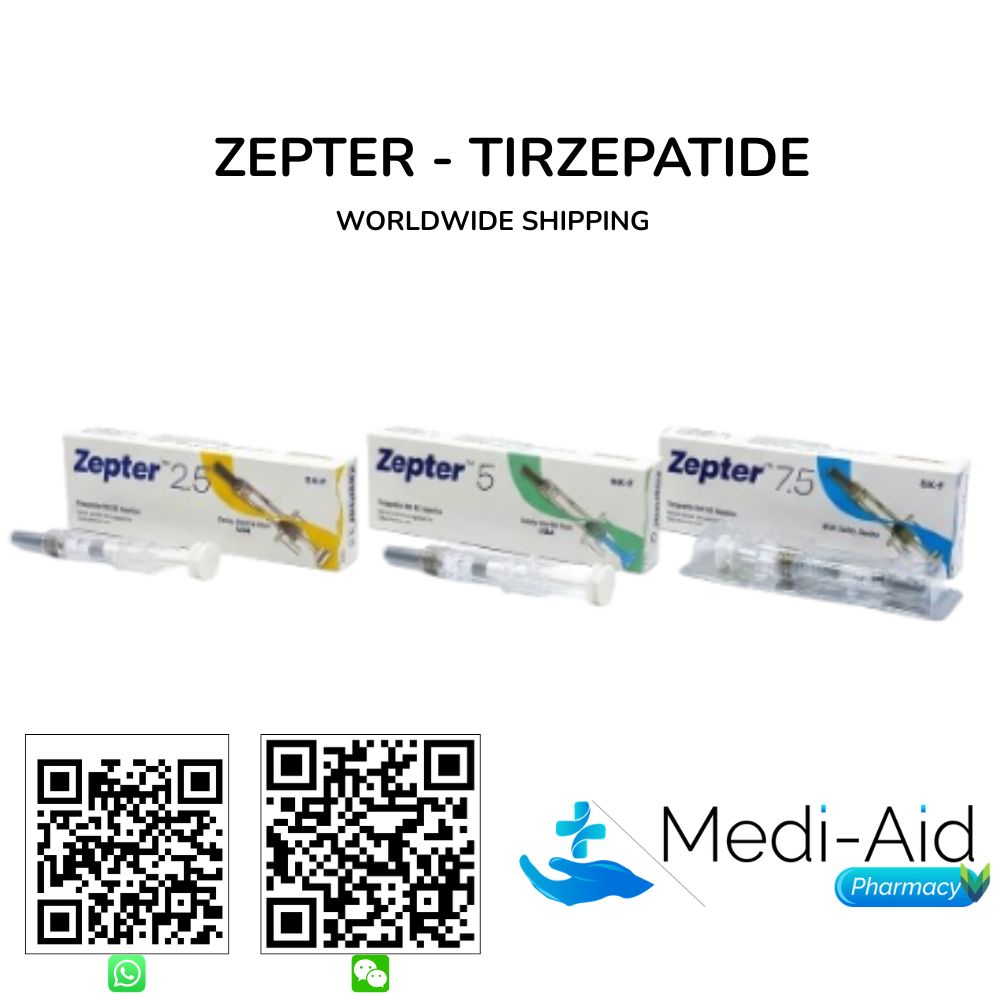
Supplied as a subcutaneous injection in a pre-filled syringe, 1 pre-filled syringe per box, and available in 2.5 mg, 5 mg, and 7.5 mg strengths, covering the approved tirzepatide tolerability initiation dose, the first-line therapeutic maintenance dose, and the Step 2 dose escalation used when additional glycemic control is required beyond the 5 mg therapeutic step, manufactured by Eskayef Pharmaceuticals Ltd., Bangladesh. Its active ingredient, tirzepatide INN, is a 39-amino acid acylated peptide with structural homology to native GIP, engineered to bind and activate both GIPR and GLP-1R within a single molecular entity, the first approved dual incretin receptor agonist (twincretin) in the antidiabetic drug class, mechanistically and structurally distinct from monoagonist GLP-1 receptor agonists (semaglutide, liraglutide, dulaglutide, exenatide) that activate only the GLP-1 receptor and cannot engage the GIP receptor pathway.
The co-activation of GIPR by tirzepatide amplifies the GLP-1R-mediated glycemic and weight effects by recruiting adipose tissue GIP receptor pathways involved in lipid partitioning and by potentiating pancreatic beta cell insulin secretory capacity through synergistic cyclic adenosine monophosphate (cAMP) signaling from both receptor cascades simultaneously, a mechanism unavailable to any single-receptor agonist. In the pivotal SURPASS-1 monotherapy trial (478 patients, 40 weeks), tirzepatide 5 mg, the primary therapeutic maintenance dose available in Zepter, achieved a mean HbA1c reduction of 1.87% from baseline versus 0.04% with placebo, with 87.4% of patients reaching HbA1c below 7.0% versus 19.9% with placebo, and a mean body weight reduction of 7.0 kg versus 0.7 kg with placebo, without a single episode of hypoglycemia as monotherapy across the entire treatment period.
In the SURPASS-5 trial (475 patients, 40 weeks, tirzepatide added to insulin glargine +/- metformin), tirzepatide 5 mg added to background insulin glargine therapy produced a 2.11% mean HbA1c reduction from baseline versus 0.93% with placebo added to insulin glargine (p<0.001), demonstrating tirzepatide’s clinically superior glycemic efficacy even in patients whose insulin therapy alone had not achieved target. In the SURPASS-2 head-to-head trial versus semaglutide 1 mg (1,879 patients, 40 weeks), tirzepatide demonstrated statistically significant superiority in both HbA1c reduction and body weight reduction at all doses studied, establishing tirzepatide as the most efficacious approved injectable antidiabetic agent tested against an active comparator in a prospective randomized trial. Searching for Zepter Tirzepatide? Mediaid Pharmacy lists this product across its diabetes medicines and Tirzepatide Medicines portfolios and ships it worldwide.
Basic Product Information of Zepter (Tirzepatide)
| Brand Name | Zepter (Tirzepatide) |
| Product Name | Zepter |
| Generic Name | Tirzepatide INN |
| Drug Class | Dual GIP/GLP-1 Receptor Agonist; Twincretin; Glucose-Dependent Insulinotropic Polypeptide (GIP) Receptor Agonist; Glucagon-Like Peptide-1 (GLP-1) Receptor Agonist; Dual Incretin Receptor Agonist; Once-Weekly Subcutaneous Injectable Antidiabetic Agent; Incretin Mimetic; Glucose-Dependent Insulin Secretion Potentiator; Glucagon Suppressor; Cardiometabolic Agent; Antiobesity Agent (Adjunct in T2DM) |
| Formulation | Subcutaneous Injection (Pre-filled Syringe) |
| Available Strengths | 2.5 mg, 5 mg, and 7.5 mg tirzepatide per pre-filled syringe, covering the approved tolerability initiation dose (2.5 mg), the Step 1 therapeutic maintenance dose (5 mg), and the Step 2 dose escalation (7.5 mg) of the approved tirzepatide once-weekly injection regimen for adults with type 2 diabetes mellitus |
| Available Pack Size | 1 pre-filled syringe per box |
| Recommended Dose & Administration | Initiation dose (Weeks 1-4): 2.5 mg subcutaneously once weekly. This is a tolerability initiation dose and not the therapeutic maintenance dose; its purpose is to minimize nausea, vomiting, diarrhea, and other gastrointestinal adverse effects during the commencement of tirzepatide therapy before advancing to the therapeutic dose. Step 1 Therapeutic dose (Week 5 onward): Increase to 5 mg subcutaneously once weekly after completing the 4-week 2.5 mg initiation phase; 5 mg is the first approved tirzepatide therapeutic maintenance dose and the primary strength used for long-term glycemic management in most patients initiating Zepter. Step 2 Dose escalation (if additional glycemic control required): If adequate HbA1c and body weight targets are not achieved after at least 4 weeks at 5 mg, increase to 7.5 mg subcutaneously once weekly; 7.5 mg is the maximum strength available in the Zepter pre-filled syringe range from Eskayef Pharmaceuticals Ltd. Patients who require further tirzepatide dose intensification beyond 7.5 mg (to 10 mg, 12.5 mg, or 15 mg) should be discussed with the prescribing endocrinologist, who will determine the appropriate next steps. Injection sites: Administer subcutaneously into the abdomen (at least 5 cm from the navel), the thigh, or the upper arm; rotate injection sites with each weekly dose to reduce local injection site reactions including erythema, bruising, and localized pain. Zepter may be administered at any time of day, independently of meals. Missed dose: If a dose is missed and the next scheduled dose is more than 4 days away, administer the missed dose as soon as possible and resume the regular once-weekly schedule. If the next scheduled dose is 4 days or fewer away, skip the missed dose and continue with the next scheduled weekly injection. Do not administer two doses within 3 days of each other. Renal and hepatic impairment: No dose adjustment is required for mild to moderate renal impairment (eGFR 30 mL/min/1.73 m² or greater); use with caution in severe renal impairment. No dose adjustment is required for hepatic impairment. Always confirm the dose, injection technique, and escalation schedule with the prescribing endocrinologist or diabetologist before initiating or adjusting Zepter therapy. |
| Primary Indications | Type 2 Diabetes Mellitus (T2DM): As an adjunct to diet and exercise to improve glycemic control in adults with type 2 diabetes mellitus, used as monotherapy or in combination with other antidiabetic agents (metformin, sulfonylurea, SGLT2 inhibitor) or basal insulin when existing antidiabetic therapy does not achieve adequate glycemic control. Tirzepatide is not indicated for the treatment of type 1 diabetes mellitus or diabetic ketoacidosis. Each treatment decision must account for baseline HbA1c, body weight goals, cardiovascular risk profile, concomitant antidiabetic medications, renal function, and individual gastrointestinal tolerability. Always consult the full prescribing information and the treating endocrinologist or diabetologist before initiating or adjusting Zepter therapy. |
| Manufacturer | Eskayef Pharmaceuticals Ltd., Bangladesh |
| Country of Origin | Bangladesh |
| SKU | tirzepatide-zepter |
| Categories | Diabetes Medicines; Tirzepatide Medicines |
| Registration | Bangladesh |
| Originator Reference Brand | Mounjaro® (tirzepatide injection, developed and commercialized by Eli Lilly and Company; approved by the U.S. Food and Drug Administration on May 13, 2022, as an adjunct to diet and exercise to improve glycemic control in adults with type 2 diabetes mellitus). Mounjaro® contains tirzepatide INN as the active pharmaceutical ingredient in the same dual GIP/GLP-1 receptor agonist (twincretin) drug class. Zepter is manufactured by Eskayef Pharmaceuticals Ltd. in Bangladesh and is supplied through Mediaid Pharmacy for international procurement. |
| Storage Conditions | Store refrigerated at 2°C to 8°C (36°F to 46°F). Do not freeze; discard Zepter pre-filled syringes that have been frozen. If necessary, each pre-filled syringe may be stored unrefrigerated at room temperature not exceeding 30°C (86°F) for a maximum of 21 days. Protect from direct light and heat sources. Keep in the original packaging until the time of use. Store out of the reach of children. Do not use after the expiry date printed on the carton and pre-filled syringe label. |
| Global Supplier | Mediaid Pharmacy, Worldwide Shipping Available |
How Zepter (Tirzepatide) Works: Dual GIP and GLP-1 Receptor Agonism, Twincretin Pharmacology, and Clinical Relevance in Type 2 Diabetes
Tirzepatide INN, the active pharmaceutical ingredient in Zepter, is a 39-amino acid acylated peptide that functions as the world’s first approved dual incretin receptor agonist, simultaneously binding and activating the glucose-dependent insulinotropic polypeptide receptor (GIPR) and the glucagon-like peptide-1 receptor (GLP-1R). This co-receptor approach, proprietary to the tirzepatide molecular architecture, forms the pharmacological basis for tirzepatide’s designation as a “twincretin,” an agent that activates twin incretin hormone receptor pathways within a single subcutaneous injection administered once per week. Understanding the biology of both incretin axes clarifies why this dual activation produces glycemic and weight outcomes that exceed those of all previously approved antidiabetic agents.
The GLP-1 axis: GLP-1 is secreted by intestinal L cells in the distal ileum and colon following meal ingestion. It binds the GLP-1R on pancreatic beta cells to stimulate glucose-dependent insulin secretion, insulin secretion that operates only when plasma glucose is elevated and ceases as glucose normalizes, eliminating hypoglycemia risk as monotherapy. GLP-1R activation on pancreatic alpha cells suppresses inappropriate postprandial glucagon secretion, which in type 2 diabetes remains paradoxically elevated despite hyperglycemia. GLP-1R activation on vagal afferent neurons, the area postrema, and hypothalamic arcuate neurons engages satiety signaling that reduces appetite and voluntary caloric intake, producing clinically meaningful and sustained body weight reductions.
GLP-1R activation on gastric smooth muscle delays gastric emptying, flattening the postprandial glucose excursion curve by reducing the rate at which ingested carbohydrates enter the intestinal absorption surface. The GIP axis: GIP is secreted by K cells in the duodenum and proximal jejunum in response to dietary fat and carbohydrate absorption. It activates the GIPR on pancreatic beta cells via a distinct cyclic AMP (cAMP) signaling cascade, potentiating glucose-dependent insulin secretion through an independent receptor pathway from GLP-1R. GIPR is expressed on adipocytes, where GIP signaling participates in lipid uptake, fatty acid esterification, and adipose tissue energy storage and partitioning, pathways relevant to the broader cardiometabolic effects of tirzepatide observed beyond glycemic control.
In type 2 diabetes mellitus (T2DM), both incretin axes are functionally impaired: GLP-1 secretion is markedly reduced following meals compared to metabolically healthy individuals, and the residual GIP signal, while preserved in terms of secretion, fails to produce a normal insulin secretory response in the desensitized, insulin-resistant pancreatic beta cell. Tirzepatide reconstitutes both signaling arms simultaneously, addressing the complete dual incretin deficit of T2DM in a single molecular entity.
The molecular architecture enabling Zepter’s dual receptor activity is a 39-amino acid sequence with structural homology to native GIP at the N-terminus, incorporating optimized amino acid substitutions that confer balanced GIPR and GLP-1R binding affinity, conjugated at lysine-26 to a C20 fatty diacid moiety via a gamma-glutamic acid-miniPEG linker. This C20 fatty diacid modification achieves greater than 99% plasma albumin binding, which serves three critical functions: it protects tirzepatide from N-terminal DPP-4 cleavage that inactivates native GIP and GLP-1 within approximately 1 to 2 minutes of portal entry; it substantially extends the half-life to approximately 5 days, enabling once-weekly subcutaneous dosing from the 2.5 mg initiation syringe through the 5 mg therapeutic dose and the 7.5 mg escalation dose in Zepter; and it produces a depot-like subcutaneous absorption profile that contributes to the once-weekly pharmacokinetic suitability confirmed across all SURPASS clinical trials.
Tirzepatide activates GIPR with potency approximating that of native GIP and activates GLP-1R with approximately five-fold lower intrinsic potency than native GLP-1, yet produces in vivo GLP-1R-mediated effects, including insulin secretion, glucagon suppression, gastric emptying delay, and central satiety, that equal or surpass those of optimized high-affinity GLP-1 monoagonists across every prospective, randomized comparison performed to date. The mechanistic explanation is the synergistic co-stimulation effect: simultaneous GIPR and GLP-1R activation in the same pancreatic beta cell generates dual cAMP signaling from two independent receptor cascades, producing a combined insulin secretory amplitude greater than either receptor pathway alone. This receptor synergy, impossible to replicate with a GLP-1 monoagonist regardless of dose, is the pharmacological foundation of tirzepatide’s documented superiority in the SURPASS Phase 3 program.
Pharmacokinetically, tirzepatide injected subcutaneously via the Zepter pre-filled syringe achieves peak plasma concentration (Tmax) at approximately 8 to 72 hours post-injection, reaches steady-state plasma levels after 4 weeks of once-weekly dosing, and is cleared primarily through proteolytic degradation of the peptide backbone at multiple non-specific cleavage sites and beta-oxidation of the C20 fatty acid moiety, with no meaningful CYP450 drug metabolism, no active renal elimination, and no clinically significant pharmacokinetic accumulation across the renal function range for which Zepter is used. Steady-state exposure is proportional across the 2.5 mg, 5 mg, and 7.5 mg doses in Zepter, supporting predictable, linear dose escalation at the minimum 4-week intervals between steps. For the full selection of diabetes medicines available at Mediaid Pharmacy with worldwide shipping, browse the complete specialty portfolio.
Zepter (Tirzepatide): Indications, Dosing Schedule, and Key Safety Information
| Approved Indications | Type 2 Diabetes Mellitus (T2DM): Adjunct to diet and exercise to improve glycemic control in adults with type 2 diabetes mellitus. Zepter (Tirzepatide) is indicated as monotherapy when metformin or other oral antidiabetic agents are not tolerated or are contraindicated, and as add-on combination therapy with metformin, sulfonylureas, SGLT2 inhibitors, or basal insulin when single-agent or existing combination therapy does not achieve individualized HbA1c targets. Zepter’s three-strength range, comprising 2.5 mg initiation, 5 mg therapeutic, and 7.5 mg escalation doses, supports the first and second approved tirzepatide dose steps for patients who achieve adequate glycemic and weight outcomes at the 5 mg or 7.5 mg dose level without requiring further intensification. Tirzepatide is not indicated for type 1 diabetes mellitus or diabetic ketoacidosis. The treating endocrinologist determines patient candidacy, prescribes the escalation schedule across Zepter’s three dose steps, and evaluates the need for further escalation beyond 7.5 mg based on individualized HbA1c targets, weight-reduction goals, cardiovascular risk, renal function, and gastrointestinal tolerability. |
| Dosing Schedule | Weeks 1-4 (Initiation): 2.5 mg subcutaneously once weekly, tolerability initiation dose to minimize gastrointestinal adverse effects; not the therapeutic maintenance dose. Week 5 onward (Step 1 Therapeutic): 5 mg subcutaneously once weekly; first approved tirzepatide therapeutic maintenance dose with confirmed HbA1c reduction of 1.87% and body weight reduction of 7.0 kg at 40 weeks in SURPASS-1 monotherapy. After 4 or more weeks at 5 mg (Step 2 Escalation, if required): 7.5 mg subcutaneously once weekly; maximum strength available in the Zepter pre-filled syringe range from Eskayef Pharmaceuticals Ltd. Patients who require further dose intensification beyond 7.5 mg should consult the prescribing endocrinologist regarding transition to higher-dose tirzepatide products. Administer subcutaneously into the abdomen, thigh, or upper arm; rotate injection sites weekly. May be administered at any time of day, with or without meals. |
| Common Adverse Reactions | The most commonly reported adverse reactions with tirzepatide across the SURPASS Phase 3 clinical program are gastrointestinal: nausea (12 to 18% at the 5 mg dose, the primary therapeutic dose in Zepter), diarrhea (12 to 17%), vomiting (5 to 11%), and constipation (6 to 11%). These adverse effects are predominantly dose-initiation and dose-escalation phenomena and are generally transient, subsiding after 2 to 6 weeks of continuous dosing at a stable dose step. The mandated 2.5 mg tolerability initiation protocol across the first 4 weeks of Zepter therapy specifically reduces the incidence and severity of gastrointestinal adverse effects before advancing to the 5 mg therapeutic dose. Injection site reactions, including erythema, localized pain, and bruising at the injection site, are reported in approximately 3 to 7% of patients and are minimized by consistent weekly site rotation across the three recommended injection sites. Hypoglycemia does not occur with Zepter as monotherapy due to tirzepatide’s glucose-dependent insulin secretion mechanism; hypoglycemia risk is elevated when Zepter is combined with a sulfonylurea or basal insulin, requiring dose reduction of those agents at Zepter initiation. Rare but serious adverse reactions include acute pancreatitis (discontinue Zepter immediately if pancreatitis is clinically suspected and confirmed by amylase and lipase measurement), severe hypersensitivity reactions including anaphylaxis and angioedema, and acute gallbladder disease including cholelithiasis and cholecystitis. Zepter (Tirzepatide) carries a boxed warning for thyroid C-cell tumors based on rodent carcinogenicity data at clinically relevant exposures; advise patients to promptly report any neck mass, hoarseness, dysphagia, or persistent dysphonia during Zepter treatment. Always discuss the complete safety profile and contraindication checklist with the treating endocrinologist before and throughout Zepter therapy. |
| Drug Interactions | Narrow therapeutic index oral drugs: Tirzepatide delays gastric emptying and may alter the peak plasma concentration (Cmax) and time to peak (Tmax) of orally co-administered medicines. Clinical vigilance is required for narrow therapeutic index drugs including warfarin, cyclosporine, and digoxin. Oral contraceptives: Gastric emptying delay during Zepter initiation and at each dose step may transiently reduce peak plasma concentrations of oral hormonal contraceptives; use a non-oral contraceptive method or add a barrier contraceptive for 4 weeks after starting Zepter and for 4 weeks following any dose escalation to maintain contraceptive efficacy. Oral antidiabetics with hypoglycemia risk: Concomitant use with sulfonylureas (glimepiride, glibenclamide, glipizide) or basal insulin (insulin glargine, insulin detemir, insulin degludec) significantly increases the risk of hypoglycemia when Zepter is added; reduce the sulfonylurea dose by 50% or reduce the basal insulin dose by 20% when initiating Zepter in patients already receiving these agents, and monitor blood glucose closely through the 5 mg and 7.5 mg escalation steps. Warfarin and anticoagulants: Monitor INR or prothrombin time more frequently during Zepter initiation and at each dose step due to the potential effect of gastric emptying delay on warfarin absorption kinetics. Concurrent GLP-1 receptor agonists: Do not co-administer Zepter (Tirzepatide) with semaglutide, liraglutide, dulaglutide, or exenatide; combination GLP-1 receptor agonism provides no established additional therapeutic benefit and substantially increases gastrointestinal adverse event rates and hypoglycemia risk in combination with insulin. |
| Contraindications | Zepter (Tirzepatide) is contraindicated in: patients with a personal or family history of medullary thyroid carcinoma (MTC); patients with Multiple Endocrine Neoplasia syndrome type 2 (MEN 2); patients with known serious hypersensitivity to tirzepatide or any excipient in the Zepter formulation, including prior anaphylaxis or angioedema reactions. Tirzepatide is not indicated for type 1 diabetes mellitus or diabetic ketoacidosis. |
| Renal Impairment | No dose adjustment of Zepter (Tirzepatide) is required for mild to moderate renal impairment (eGFR 30 mL/min/1.73 m² or greater). Use with caution in severe renal impairment (eGFR below 30 mL/min/1.73 m²); nausea, vomiting, and diarrhea occurring particularly during the Zepter 2.5 mg initiation and 5 mg/7.5 mg escalation phases can cause dehydration sufficient to precipitate acute kidney injury in renally vulnerable patients. Clinicians should provide proactive hydration counseling at each dose step, particularly at the 5 mg and 7.5 mg transitions, and monitor renal function more frequently in patients with advanced chronic kidney disease. Consult the treating endocrinologist and nephrologist for individualized guidance before commencing Zepter in patients with eGFR below 30 mL/min/1.73 m². |
| Pregnancy & Lactation | Zepter (Tirzepatide) is not recommended during pregnancy. Tirzepatide produced adverse embryo-fetal developmental outcomes in animal reproductive toxicity studies at exposures within the clinical range; adequate and well-controlled human pregnancy data are unavailable. Insulin remains the clinical standard of care for type 2 diabetes management during pregnancy. Women of childbearing potential should use reliable contraception throughout Zepter therapy, including during the initiation and escalation phases; if pregnancy is confirmed or planned, discontinue Zepter immediately and transition to insulin therapy under endocrinologist supervision. It is unknown whether tirzepatide is excreted into human breast milk; potential risk to the nursing infant cannot be excluded, and breastfeeding is not recommended during Zepter treatment. |
Who Should Use Zepter (Tirzepatide)?
Zepter (Tirzepatide) is indicated for adults with type 2 diabetes mellitus requiring improved glycemic control as an adjunct to diet and exercise, with its three-strength pre-filled syringe range of 2.5 mg, 5 mg, and 7.5 mg specifically positioned to serve four well-defined patient and clinical program scenarios where the initiation-through-early-escalation tirzepatide dose range is the clinically appropriate treatment zone.
First, patients newly initiating tirzepatide therapy represent the core Zepter population. Every adult prescribed tirzepatide for type 2 diabetes begins at 2.5 mg once weekly for 4 weeks, the mandatory tolerability initiation protocol, and then advances to 5 mg. Both of these steps, and the 7.5 mg escalation step for patients who require additional glycemic control above the 5 mg therapeutic response, are completely covered by the Zepter pre-filled syringe range. In the SURPASS-1 monotherapy trial (478 patients, 40 weeks), the 5 mg dose available in Zepter produced a mean HbA1c reduction of 1.87% from baseline, with 87.4% of patients reaching HbA1c below 7.0%, the standard ADA glycemic target, and a mean body weight reduction of 7.0 kg, all without hypoglycemia as monotherapy. These are outcomes that position the tirzepatide 5 mg dose step as one of the most efficacious first-line injectable antidiabetic options, making Zepter directly relevant to new-start patients whose prescriber targets HbA1c below 7.0% and clinically significant weight reduction simultaneously.
Second, patients who achieve adequate glycemic and weight targets at the 5 mg or 7.5 mg maintenance dose and do not require further escalation represent a stable long-term Zepter maintenance population. Not all patients with type 2 diabetes require tirzepatide intensification beyond 7.5 mg; a substantial proportion of trial participants in SURPASS-1 achieved HbA1c below 7.0% and clinically meaningful body weight reductions at 5 mg as monotherapy. For these patients, the Zepter range provides a sustainable long-term weekly injection source without requiring transition to a higher-dose product.
Third, patients with type 2 diabetes on background insulin therapy who require a weekly injectable add-on are specifically supported by evidence from the SURPASS-5 trial (475 patients, 40 weeks, tirzepatide added to insulin glargine +/- metformin). In SURPASS-5, tirzepatide 5 mg added to ongoing insulin glargine therapy produced a 2.11% mean HbA1c reduction from baseline versus 0.93% with placebo added to insulin glargine (p<0.001), and a mean body weight reduction of 5.4 kg versus a 1.6 kg weight increase with placebo, demonstrating that the 5 mg dose of Zepter produces superior outcomes even in patients whose background insulin has already been titrated to target. Endocrinology programs co-sourcing Zepter alongside insulin for patients requiring combination therapy can access the Mediaid Pharmacy injectable diabetes medicines portfolio for the full specialty range.
Fourth, healthcare facilities managing large cohorts of newly diagnosed or treatment-escalating type 2 diabetes patients, including primary care clinics with endocrinology oversight, hospital outpatient diabetes programs, and diabetes specialist centers in emerging markets, benefit from sourcing Zepter as a cost-accessible, Eskayef Pharmaceuticals Ltd.-manufactured tirzepatide option for the initiation and early escalation phases, ensuring a consistent supply of the 2.5 mg, 5 mg, and 7.5 mg syringes required for the first 3 to 6 months of every tirzepatide treatment episode.
Global Supplier: Mediaid Pharmacy Worldwide Shipping for Zepter (Tirzepatide)
Mediaid Pharmacy is a Dhaka-based specialty medicine supplier delivering to patients, diabetes specialist centers, endocrinology clinics, hospital pharmacy departments, and international distributors across all global regions with worldwide shipping and end-to-end order tracking. Zepter (Tirzepatide), manufactured by Eskayef Pharmaceuticals Ltd. in Bangladesh, is supplied as a subcutaneous injection in pre-filled syringes in the 2.5 mg, 5 mg, and 7.5 mg strengths, with 1 pre-filled syringe per box, with per-strength pricing quotations, real-time stock confirmation, complete product documentation, and full international delivery management provided for every order.
The pre-filled syringe format of Zepter requires no dose measurement, cartridge loading, or device preparation, supporting simplified pharmacy dispensing, minimal patient training burden, and reliable dose accuracy from the 2.5 mg initiation phase through the 5 mg therapeutic maintenance phase and the 7.5 mg escalation step. Diabetes specialist centers managing cohorts of newly initiating tirzepatide patients, endocrinology clinics sourcing tirzepatide subcutaneous injection Bangladesh for outpatient programs, primary care programs with endocrinology oversight sourcing the initiation-phase tirzepatide range, hospital pharmacy departments co-sourcing injectable antidiabetic medicines for outpatient endocrine clinics, and individual patients can reach the Mediaid Pharmacy team via WhatsApp, phone, or WeChat for current per-strength pricing, stock availability for each of the three Zepter strengths, and international delivery timelines by destination country.
Healthcare facilities sourcing Zepter alongside a broader specialty diabetes or metabolic medicine range are encouraged to review the complete diabetes medicines at Mediaid Pharmacy catalog before submitting a consolidated sourcing inquiry.
Why Choose Zepter (Tirzepatide) from Mediaid Pharmacy?
Zepter (Tirzepatide) provides access to the most clinically evidenced antidiabetic active pharmaceutical ingredient currently approved, tirzepatide INN, at the dose steps that represent the initiation and early therapeutic maintenance phase of every tirzepatide treatment journey: the 2.5 mg tolerability introduction, the 5 mg first-line therapeutic maintenance dose, and the 7.5 mg early escalation dose for patients requiring additional glycemic intensification above 5 mg.
The clinical evidence base for the 5 mg dose available in Zepter is among the strongest in contemporary antidiabetic pharmacology. In SURPASS-1 monotherapy (40 weeks, 478 patients), tirzepatide 5 mg achieved 1.87% mean HbA1c reduction, 87.4% rate of achieving HbA1c below 7.0%, and 7.0 kg mean body weight reduction, all versus placebo, with zero hypoglycemia episodes as monotherapy. In SURPASS-5 (40 weeks, 475 patients, tirzepatide added to insulin glargine +/- metformin), tirzepatide 5 mg added to insulin glargine produced a 2.11% mean HbA1c reduction versus 0.93% with placebo added to insulin glargine (p<0.001), alongside a 5.4 kg mean weight reduction versus a 1.6 kg weight gain with placebo, demonstrating that even the 5 mg Zepter dose step delivers transformative glycemic outcomes over background insulin therapy that has already been titrated to its clinical limit.
The 7.5 mg dose step available in Zepter provides the Step 2 escalation for patients who require glycemic and weight-reduction benefit beyond the 5 mg therapeutic level without yet requiring higher-intensity dose steps. For the substantial proportion of patients in clinical practice who achieve HbA1c and weight targets at 5 mg or 7.5 mg and do not require further intensification, Zepter provides the complete tirzepatide dose coverage needed for indefinite long-term maintenance within a single product range.
The once-weekly subcutaneous injection via the Zepter pre-filled syringe eliminates the daily injection burden of liraglutide, the daily oral adherence demands of DPP-4 inhibitors and SGLT2 inhibitors, and the multiple daily injection schedules of intensified insulin regimens, supporting superior adherence rates across the first critical months of tirzepatide therapy, when consistent dosing across the 2.5 mg, 5 mg, and 7.5 mg escalation steps determines long-term glycemic trajectory.
The monotherapy hypoglycemia-free profile at all three Zepter dose steps, a direct consequence of tirzepatide’s glucose-dependent insulin secretion architecture, means Zepter can be initiated in patients with active driving requirements, occupational machinery operation, or hypoglycemia unawareness without the dietary and lifestyle hypoglycemia restrictions associated with sulfonylureas and insulin.
Zepter, manufactured by Eskayef Pharmaceuticals Ltd. in Bangladesh, supplies tirzepatide INN, the identical active pharmaceutical ingredient as Mounjaro® (Eli Lilly and Company), in pre-filled syringes at the 2.5 mg, 5 mg, and 7.5 mg dose steps, available through Mediaid Pharmacy with worldwide shipping. To view the complete Zepter Tirzepatide range at Mediaid Pharmacy and explore the broader specialty diabetes medicines catalog available for worldwide delivery, contact the team for a personalized procurement quotation.
Frequently Asked Questions About Zepter (Tirzepatide)
What is Zepter (Tirzepatide) used for?
Zepter (Tirzepatide) is a dual GIP and GLP-1 receptor agonist, a twincretin, used as an adjunct to diet and exercise to improve glycemic control in adults with type 2 diabetes mellitus. Administered once weekly as a subcutaneous injection via a pre-filled syringe, Zepter is used as monotherapy and as combination therapy with metformin, sulfonylureas, SGLT2 inhibitors, or basal insulin. Zepter’s three-strength pre-filled syringe range (2.5 mg, 5 mg, 7.5 mg) from Eskayef Pharmaceuticals Ltd. covers the mandatory 2.5 mg tolerability initiation phase (Weeks 1 to 4), the 5 mg first-line therapeutic maintenance dose, and the 7.5 mg Step 2 escalation dose for patients requiring additional glycemic and weight-reduction benefit. The originator brand for tirzepatide is Mounjaro® (Eli Lilly and Company, FDA-approved May 13, 2022). Zepter is available through Mediaid Pharmacy with worldwide shipping to patients and diabetes specialist centers globally.
What is the generic name of Zepter?
The generic name of Zepter is tirzepatide INN. Zepter is the brand name registered by Eskayef Pharmaceuticals Ltd. for tirzepatide manufactured in Bangladesh. It is formulated as a subcutaneous injection in pre-filled syringes, available in 2.5 mg, 5 mg, and 7.5 mg strengths, supplied as 1 pre-filled syringe per box. The 2.5 mg syringe covers the 4-week tolerability initiation phase. The 5 mg syringe is the first-line therapeutic maintenance dose. The 7.5 mg syringe is the Step 2 escalation dose for patients requiring additional glycemic control above 5 mg. The originator reference brand is Mounjaro® (Eli Lilly and Company). Mediaid Pharmacy distributes Zepter globally with worldwide shipping.
What is the difference between Zepter (Tirzepatide) and Mounjaro®?
Zepter and Mounjaro® both contain tirzepatide INN as the active pharmaceutical ingredient and share the same dual GIP/GLP-1 receptor agonist (twincretin) mechanism of action for type 2 diabetes mellitus. Mounjaro® is the originator brand developed and commercialized by Eli Lilly and Company, approved by the U.S. FDA on May 13, 2022, available in six dose strengths (2.5 mg through 15 mg). Zepter is manufactured by Eskayef Pharmaceuticals Ltd. in Bangladesh, supplied in pre-filled syringes in 2.5 mg, 5 mg, and 7.5 mg strengths, covering the tirzepatide initiation and early escalation phase doses, with 1 pre-filled syringe per box. Zepter is available through Mediaid Pharmacy for international procurement by diabetes specialist centers and patients in regions where Mounjaro® is unavailable or cost-prohibitive. For the full range of tirzepatide injection products at Mediaid Pharmacy, browse the complete collection including brands offering higher-dose steps.
How is Zepter (Tirzepatide) administered?
Zepter (Tirzepatide) is administered once weekly as a subcutaneous injection using the pre-filled syringe. Approved injection sites are the abdomen (at least 5 cm from the navel), the thigh, and the upper arm; rotate injection sites with each weekly administration to minimize local reactions. Zepter may be administered at any time of day, with or without food. The approved schedule begins at 2.5 mg once weekly for 4 weeks (tolerability initiation), then advances to 5 mg once weekly (Step 1 therapeutic). If adequate glycemic and weight targets are not met after at least 4 weeks at 5 mg, increase to 7.5 mg once weekly (Step 2, maximum available strength in Zepter). If a dose is missed and the next scheduled dose is more than 4 days away, inject the missed dose as soon as possible and resume the weekly schedule. If the next dose is 4 days or fewer away, skip the missed dose; never administer two doses within 3 days of each other. Store Zepter pre-filled syringes refrigerated at 2°C to 8°C. Confirm injection technique, the escalation timeline, and potential further dose intensification needs with the prescribing endocrinologist before commencing Zepter therapy.
What are the side effects of Zepter (Tirzepatide)?
The most common side effects of Zepter (Tirzepatide) are gastrointestinal: nausea (12 to 18% at 5 mg), diarrhea (12 to 17%), vomiting (5 to 11%), and constipation (6 to 11%), predominantly occurring during the initiation and escalation phases (2.5 mg to 5 mg, and 5 mg to 7.5 mg transitions) and generally transient. The 2.5 mg initiation protocol for the first 4 weeks reduces the frequency and severity of these effects before advancing to the therapeutic doses. Injection site reactions affect approximately 3 to 7% of patients and are reduced by weekly site rotation. Zepter does not cause hypoglycemia as monotherapy; when co-prescribed with a sulfonylurea or basal insulin, the dose of those agents should be reduced at Zepter initiation. Rare but serious adverse reactions include acute pancreatitis (discontinue Zepter immediately if suspected), anaphylaxis, angioedema, and acute gallbladder disease. Zepter carries a boxed warning for thyroid C-cell tumors (medullary thyroid carcinoma in rodent studies); report neck masses, hoarseness, or dysphagia immediately. Discuss the full Zepter safety and contraindication profile with the treating endocrinologist before initiating or continuing therapy.
Does Zepter (Tirzepatide) cause weight loss?
Yes. In SURPASS-1 monotherapy (40 weeks), tirzepatide 5 mg, the primary therapeutic dose in Zepter, produced a mean body weight reduction of 7.0 kg versus 0.7 kg with placebo. In SURPASS-5 (40 weeks, add-on to insulin glargine), tirzepatide 5 mg produced a 5.4 kg mean weight reduction versus a 1.6 kg weight increase with placebo, demonstrating clinically meaningful weight reduction even in the setting of ongoing insulin therapy. In SURPASS-2 versus semaglutide 1 mg (1,879 patients, 40 weeks), tirzepatide 5 mg achieved 7.6 kg body weight reduction versus 5.7 kg with semaglutide 1 mg, establishing tirzepatide as the superior weight-reducing agent among approved GIP/GLP-1 injectable antidiabetics. Weight reduction with Zepter (Tirzepatide) is mediated by GLP-1R-driven central appetite suppression and GIP receptor engagement in adipose tissue, both pathways contributing simultaneously to reduced voluntary caloric intake and improved lipid partitioning.
What are the available strengths of Zepter Tirzepatide?
Zepter (Tirzepatide) manufactured by Eskayef Pharmaceuticals Ltd. is available in three pre-filled syringe strengths: 2.5 mg, 5 mg, and 7.5 mg, supplied as 1 pre-filled syringe per box. The 2.5 mg syringe is the mandatory tolerability initiation dose used for Weeks 1 to 4 of every tirzepatide treatment course. The 5 mg syringe is the Step 1 first-line therapeutic maintenance dose, the primary strength for long-term glycemic management in patients who achieve adequate HbA1c and weight-reduction goals at this dose. The 7.5 mg syringe is the Step 2 escalation dose for patients requiring additional glycemic control beyond the 5 mg therapeutic dose. All three strengths are procurable as individual units from Mediaid Pharmacy with worldwide shipping. For pricing and availability, contact +8801773428128 or email info@mediaidpharmacy.com.
Who manufactures Zepter Tirzepatide?
Zepter (Tirzepatide) is manufactured by Eskayef Pharmaceuticals Ltd., a pharmaceutical company based in Bangladesh. Eskayef Pharmaceuticals Ltd. produces Zepter as a subcutaneous injection in pre-filled syringes in 2.5 mg, 5 mg, and 7.5 mg strengths, containing tirzepatide INN as the active pharmaceutical ingredient. Mediaid Pharmacy, a Dhaka-based specialty medicine supplier, distributes Zepter by Eskayef Pharmaceuticals Ltd. globally with worldwide shipping. The originator reference brand for tirzepatide is Mounjaro® (Eli Lilly and Company, USA; FDA-approved May 13, 2022).
Can I order Zepter (Tirzepatide) online with worldwide shipping?
Yes. Mediaid Pharmacy supplies Eskayef Pharmaceuticals Ltd. Zepter (Tirzepatide) pre-filled syringes in 2.5 mg, 5 mg, and 7.5 mg strengths with worldwide shipping to patients, diabetes specialist centers, endocrinology clinics, hospital pharmacy departments, and international healthcare providers. Contact Mediaid Pharmacy via WhatsApp, phone, or WeChat at +8801773428128, or by email at info@mediaidpharmacy.com for per-strength pricing, current stock availability, and international delivery timelines for your destination. Browse the complete tirzepatide injection range at Mediaid Pharmacy to view all available brands and strengths before placing your order.
Order Zepter (Tirzepatide) with Worldwide Shipping
Phone / WhatsApp / WeChat: +8801773428128 | Email: info@mediaidpharmacy.com

Reviews
There are no reviews yet.