
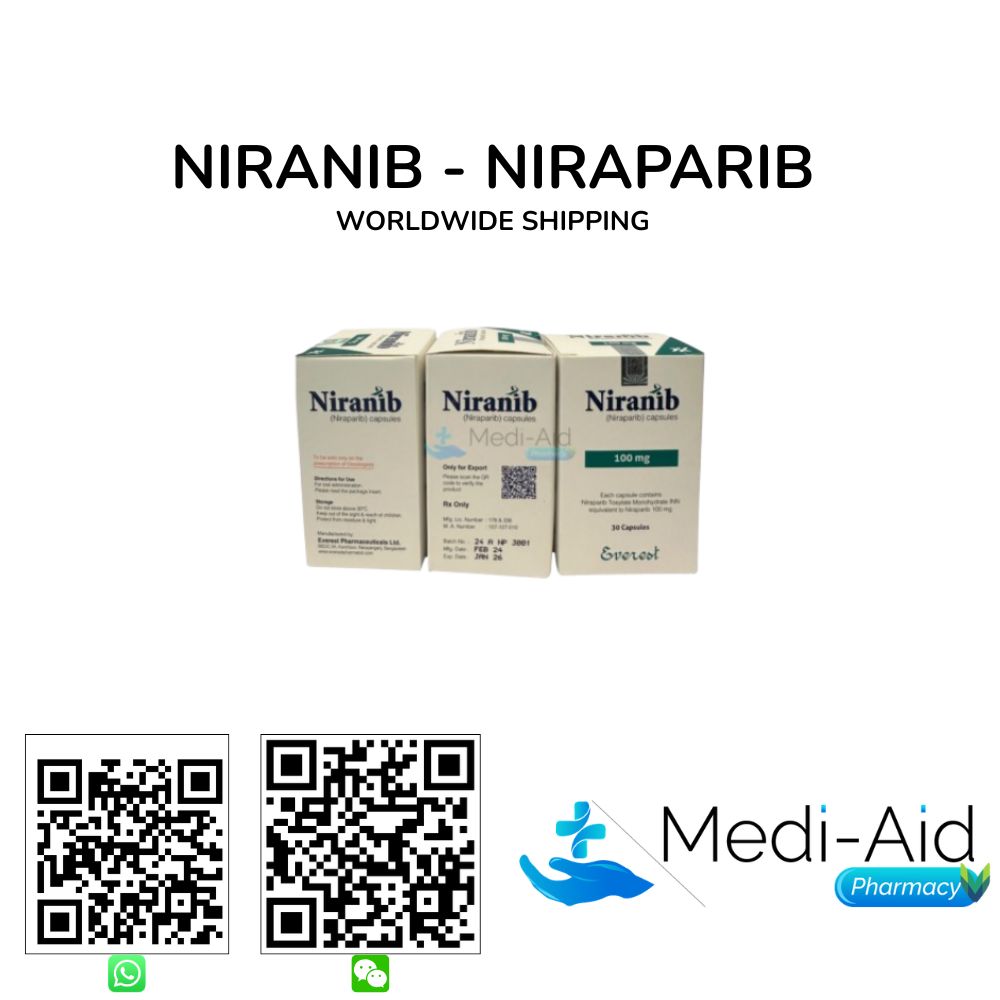
Niranib 140 MG (Niraparib)
Product Name : Niranib
Generic Name : Niraparib
Formulation : Capsule
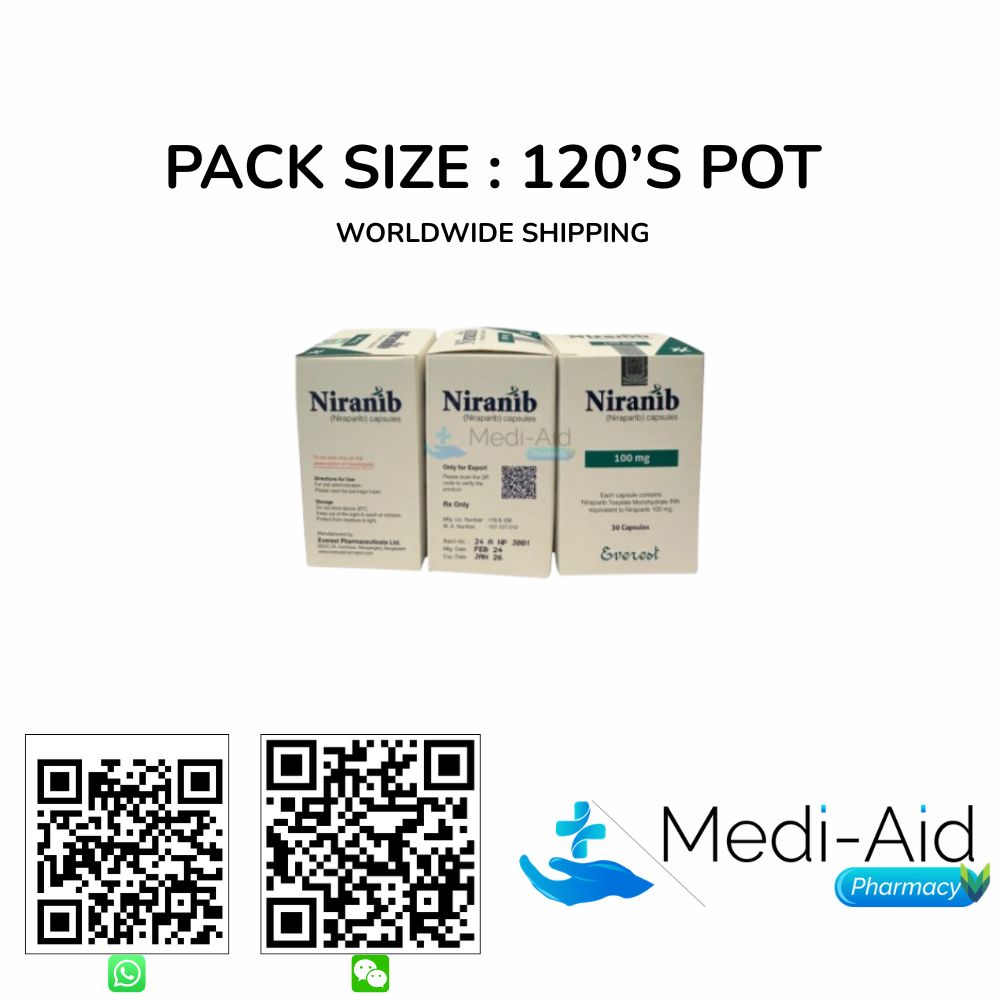
Available Pack Size : 120’s
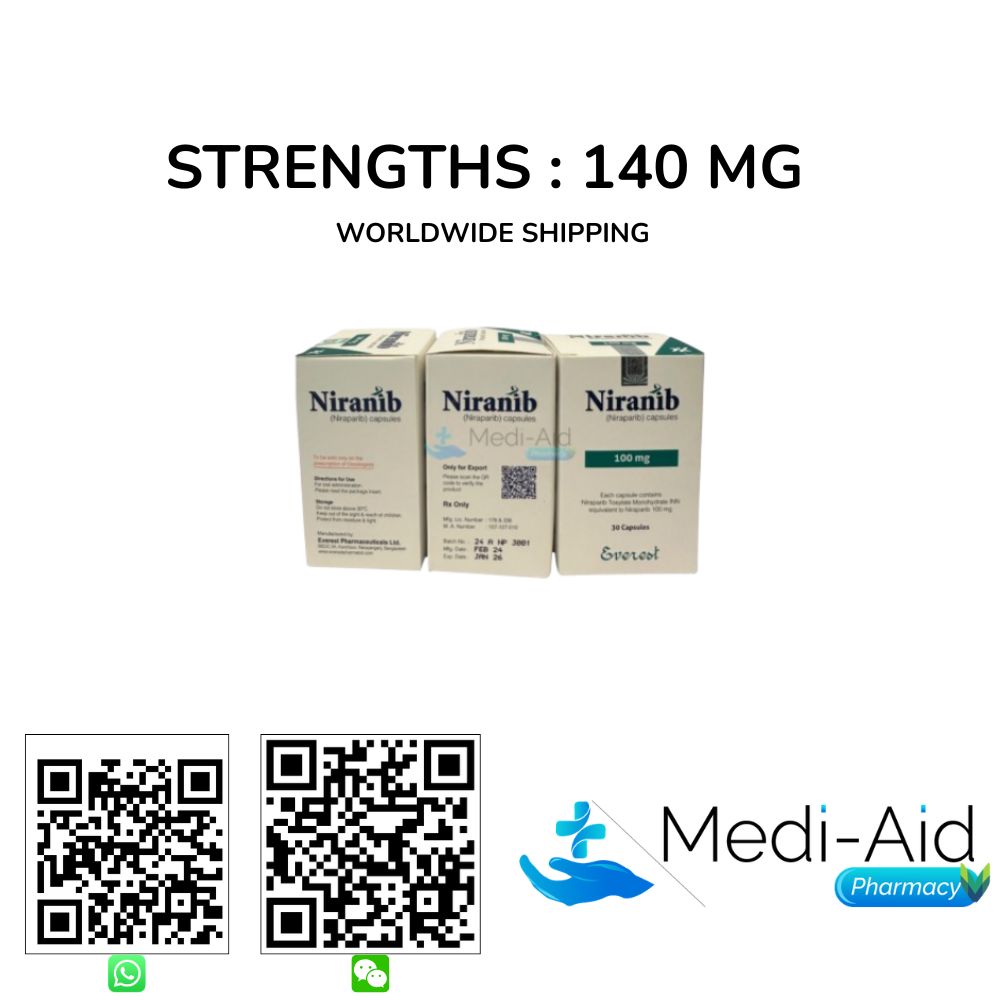
Available Strengths : 140 mg
Registrations : Bangladesh

Product Information
Niranib (Niraparib) 140mg is an oral, once-daily Poly (ADP-ribose) Polymerase (PARP-1 and PARP-2) inhibitor used as maintenance therapy for advanced or recurrent epithelial ovarian, fallopian tube, or primary peritoneal cancer in adults who have responded to platinum-based chemotherapy. It works by inhibiting PARP enzymatic activity and increasing the formation of PARP-DNA complexes, causing DNA damage that drives cancer cells towards apoptosis and death. Manufactured by Everest Pharmaceuticals Ltd., Bangladesh and globally supplied by Mediaid Pharmacy with worldwide shipping.
Basic Product Information of Niranib (Niraparib) 140mg
| Brand Name | Niranib (Niraparib) |
| Generic Name | Niraparib (as Niraparib Tosylate Monohydrate) INN |
| Drug Class | Poly (ADP-Ribose) Polymerase Inhibitor (PARP-1 and PARP-2 Inhibitor) |
| Available Strength | 140mg |
| Formulation | Capsule |
| Pack Size | 120 Capsules per Pack |
| Primary Indication | Maintenance Treatment of Advanced or Recurrent Ovarian, Fallopian Tube, or Primary Peritoneal Cancer |
| Regulatory Approvals | USFDA Approved (First-Line and Recurrent Maintenance Ovarian Cancer). EMA Approved. |
| Originator Brand | Zejula by GSK |
| Manufacturer | Everest Pharmaceuticals Ltd., Dhaka, Bangladesh |
| Global Supplier | Mediaid Pharmacy, Worldwide Shipping Available |
| Registration | Registered in Bangladesh |
| Storage Conditions | Store below 30 degrees Celsius in a dry place, away from light and moisture. Do not use if exposed to temperatures above 40 degrees Celsius. Keep out of the reach of children. |
How Niranib (Niraparib) Works
Niranib contains Niraparib, a potent, highly selective inhibitor of PARP-1 and PARP-2, enzymes that play a central role in repairing single-strand breaks in DNA. When PARP activity is blocked, these breaks persist and progress into more serious double-strand breaks during cell division.
Niraparib works by inhibiting PARP enzymatic activity and increasing the formation of PARP-DNA complexes, resulting in DNA damage, apoptosis, and cancer cell death. Increased Niraparib-induced cytotoxicity has been observed in tumour cell lines both with and without deficiencies in BRCA1/2, meaning Niranib can offer clinical benefit across a broader population of ovarian cancer patients than PARP inhibitors that depend more strictly on BRCA-mutation status.
Because of this mechanism, Niranib is used as a maintenance therapy, given after a patient’s cancer has already responded to platinum-based chemotherapy, to help delay disease progression. It is taken as a once-daily oral capsule, and bedtime administration is often recommended as a way of managing treatment-related nausea.
Indications for Niranib (Niraparib)
Niranib (Niraparib) is indicated for the following conditions:
|
First-Line Maintenance Therapy For adult patients with advanced epithelial ovarian, fallopian tube, or primary peritoneal cancer who are in complete or partial response following first-line platinum-based chemotherapy. |
Recurrent Disease Maintenance Therapy For adult patients with recurrent epithelial ovarian, fallopian tube, or primary peritoneal cancer who are in complete or partial response to platinum-based chemotherapy, regardless of biomarker status. |
Benefits of Niranib (Niraparib) 140mg
|
Effective Regardless of BRCA Status Niranib has shown clinical benefit in patients both with and without BRCA mutations, extending maintenance therapy options to a broader population of ovarian cancer patients. |
Once-Daily Convenience As the first once-daily PARP inhibitor used after response to platinum-based chemotherapy, Niranib offers a simple, consistent maintenance regimen. |
Delays Disease Progression Clinical trials of Niraparib have shown significantly extended progression-free survival compared to placebo in patients maintained after platinum-based chemotherapy. |
|
Affordable Alternative to Zejula Niranib contains the same active ingredient as Zejula by GSK, at a significantly lower cost, making long-term maintenance therapy more financially accessible. |
Flexible, Weight and Platelet-Based Dosing For first-line maintenance, dosing can be individualised based on baseline body weight and platelet count, helping reduce the likelihood of adverse reactions from the outset. |
cGMP Certified Manufacturing Produced by Everest Pharmaceuticals Ltd. under cGMP-compliant manufacturing standards, helping ensure consistent quality, purity, and potency in every batch of Niranib capsules. |
How to Take Niranib (Niraparib)
Route: Oral. Each capsule should be swallowed whole, at approximately the same time each day.
Standard dose for recurrent disease maintenance: The reference total daily dose of Niraparib as monotherapy is 300mg once daily. Your prescribing oncologist will determine the exact number of capsules needed to reach your prescribed total daily dose based on the strength dispensed.
Starting dose for first-line maintenance: For first-line maintenance therapy, the starting dose is individualised: patients weighing under 77kg or with a platelet count under 150,000/mcL typically start at a lower total daily dose, while other patients typically start at the standard 300mg total daily dose, as determined by the prescribing physician.
Timing: Treatment should begin no later than 8 to 12 weeks after the most recent platinum-containing chemotherapy regimen, as directed by the prescribing oncologist.
With food: Can be taken with or without food. Bedtime administration may help reduce nausea.
Missed dose: If a dose is missed, do not take an additional dose to make up for it; resume the normal schedule with the next planned dose.
Dose reduction for toxicity: Treatment may be interrupted and the total daily dose reduced in defined steps to manage haematological or other adverse reactions, as directed by the prescribing physician. Treatment is generally discontinued if the lowest recommended dose cannot be tolerated.
Hepatic impairment: No dose adjustment is required for mild hepatic impairment. For moderate hepatic impairment, a reduced total daily dose is recommended regardless of body weight or platelet count. Niranib has not been studied in severe hepatic impairment.
Paediatric use: The safety and efficacy of Niranib in children and adolescents have not been established. No data are currently available.
Monitoring and Dosage Adjustments
Regular monitoring is essential throughout Niranib treatment. Your oncologist will check complete blood counts weekly for the first month, monthly for the next 10 months, and periodically thereafter, watching for anaemia, neutropenia, and thrombocytopenia, and for early signs of myelodysplastic syndrome or acute myeloid leukaemia. Monitoring also includes blood pressure and heart rate, checked monthly during the first year and periodically thereafter, with closer monitoring in patients with pre-existing cardiovascular disease. Report any unusual bruising, bleeding, persistent fatigue, severe headache, visual disturbance, or confusion to your doctor immediately.
Drug Interactions and Important Information
Use with caution alongside other myelosuppressive agents, as combined use may potentiate bone marrow suppression. Niraparib is metabolised primarily by carboxylesterases rather than the cytochrome P450 system, giving it a comparatively lower potential for certain CYP-mediated drug interactions, though your physician should still review your full medication list.
Inform your physician of any history of hypertension or cardiovascular disease before starting treatment, as blood pressure requires close monitoring. Women of childbearing potential should use effective contraception during treatment and for at least 6 months after the final dose; men should use effective contraception for a period after treatment as advised by their physician. Always inform your physician of all medications, supplements, and herbal products you are currently taking before starting Niranib.
Side Effects and Precautions
|
Common Side Effects Nausea and vomiting Fatigue Constipation and decreased appetite Headache and dizziness Trouble sleeping Dry mouth, bad taste, and mouth sores Low blood counts (anaemia, low platelets) Elevated blood pressure |
Serious Warnings and Precautions Myelodysplastic syndrome (MDS) and acute myeloid leukaemia (AML). Requires regular blood count monitoring. Severe thrombocytopenia, neutropenia, or anaemia, which may require transfusion or dose interruption. Hypertension, including rare hypertensive crisis. Posterior reversible encephalopathy syndrome (PRES), a rare neurological condition. Cardiovascular events in patients with pre-existing cardiac risk factors. Embryo-foetal toxicity. Not recommended during pregnancy or breastfeeding. |
Who Should Use Niranib (Niraparib)?
Niranib is suitable for adult patients with advanced or recurrent epithelial ovarian, fallopian tube, or primary peritoneal cancer who have achieved a complete or partial response to platinum-based chemotherapy and are ready to begin maintenance therapy. It is prescribed by gynaecologic oncologists and medical oncologists experienced in managing maintenance PARP inhibitor therapy. A thorough medical assessment including baseline blood counts, blood pressure, and body weight is required before initiating treatment.
Manufacturer: Everest Pharmaceuticals Ltd.
Everest Pharmaceuticals Ltd. is a vertically integrated pharmaceutical company based in Dhaka, Bangladesh, focused on complex, technology-driven specialty medicines across oncology, hematology, nephrology, and virology. Operating under Bangladesh’s TRIPS/Doha Declaration exemption for least-developed countries, Everest manufactures advanced generics such as Niranib under cGMP-compliant standards, with the stated mission of making high-cost, life-saving medicines accessible and affordable to patients around the world. Niranib is one of Everest’s specialty oncology products, offering a bioequivalent alternative to Zejula by GSK at a fraction of the cost.
Global Supplier: Mediaid Pharmacy with Worldwide Shipping
Mediaid Pharmacy is a trusted global supplier of specialty and oncology medications. We ensure Niranib (Niraparib) is accessible to patients and healthcare providers worldwide through reliable worldwide shipping. Whether you are located in South Asia, the Middle East, Africa, Europe, or beyond, Mediaid Pharmacy provides fast and reliable delivery with full order support. Contact us directly via WhatsApp, phone, or WeChat for pricing, availability, and delivery enquiries.
Why Choose Niranib (Niraparib) from Mediaid Pharmacy?
Niranib represents an important maintenance option for patients whose ovarian, fallopian tube, or primary peritoneal cancer has responded to platinum-based chemotherapy. As the generic equivalent of Zejula by GSK, it delivers the same active ingredient, Niraparib, with the same proven PARP-inhibition mechanism at a dramatically more affordable price. Manufactured by Everest Pharmaceuticals Ltd. under cGMP-compliant standards and distributed globally by Mediaid Pharmacy, Niranib gives patients worldwide access to maintenance PARP inhibitor therapy without the financial burden of brand-name alternatives. For patients and physicians seeking a proven, affordable, and accessible Niraparib option with worldwide delivery, Niranib from Mediaid Pharmacy is the trusted choice.
Frequently Asked Questions About Niranib (Niraparib)
What is Niranib (Niraparib) used for?
Niranib (Niraparib) is a PARP inhibitor used as maintenance therapy for adult patients with advanced or recurrent epithelial ovarian, fallopian tube, or primary peritoneal cancer who have responded to platinum-based chemotherapy. It works by blocking DNA-repair enzymes in cancer cells, helping delay disease progression after chemotherapy.
How should I take Niranib (Niraparib)?
Niranib is taken orally, once daily, at approximately the same time each day, with or without food. The reference total daily dose is 300mg, though the first-line maintenance starting dose may be individualised based on body weight and platelet count. Always follow your oncologist’s exact instructions on how many capsules to take.
What strength is Niranib (Niraparib) available in?
This Niranib pack is supplied as a 140mg capsule, in a pack of 120 capsules. Please note that most published sources for this brand, including the manufacturer’s own catalogue, describe Niranib as a 100mg capsule; confirm the exact strength with your supplier before dosing calculations are finalised.
Is Niranib the same as Zejula (Niraparib by GSK)?
Yes. Niranib is the generic equivalent of Zejula. Both contain the same active ingredient, Niraparib, and work through the same PARP-inhibition mechanism. Niranib is manufactured by Everest Pharmaceuticals Ltd. in Bangladesh and offers the same clinical mechanism as Zejula at a significantly lower cost.
What are the side effects of Niranib (Niraparib)?
Common side effects include nausea, fatigue, constipation, headache, and low blood counts. Serious but less common risks include myelodysplastic syndrome/acute myeloid leukaemia, severe low blood counts, and hypertension. Always consult your oncologist for a complete assessment of your individual risks and benefits before starting treatment.
Can Niranib be combined with other medications?
Use caution combining Niranib with other medicines that suppress bone marrow function. Niraparib has a comparatively low potential for CYP450-mediated interactions, but your physician should still review your complete medication list, particularly any blood pressure or cardiovascular medicines. Always inform your physician of all medications, supplements, and herbal products you are taking before starting Niranib.
Is Niranib (Niraparib) safe during pregnancy or breastfeeding?
No. Niranib is not recommended during pregnancy or breastfeeding, as it can cause foetal harm. Women of childbearing potential must use effective contraception during treatment and for at least 6 months after the final dose. Please consult your physician before starting treatment if you are pregnant, planning to become pregnant, or breastfeeding.
Can I order Niranib (Niraparib) online with worldwide shipping?
Yes. Mediaid Pharmacy supplies Niranib (Niraparib) globally with worldwide shipping. Contact us via WhatsApp, phone, or WeChat at +8801773428128 or email us at info@mediaidpharmacy.com to enquire about pricing, availability, and delivery to your country.
Order Niranib (Niraparib) with Worldwide Shipping
Phone / WhatsApp / WeChat: +8801773428128 | Email: info@mediaidpharmacy.com
Related products
-
Crizotinib 250MG (Crizonix)
-

Sofoxen 400 MG (Sofosbuvir)
-
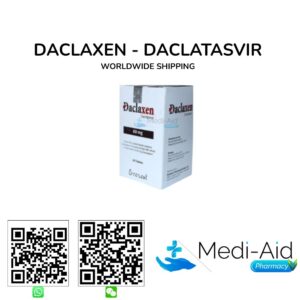
Daclaxen 60 MG (Daclatasvir)
-
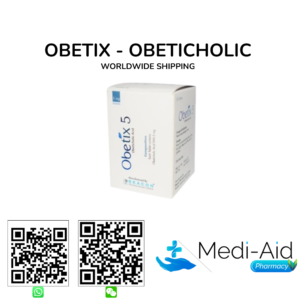
Obetix 5 MG (Obeticholic Acid)
-
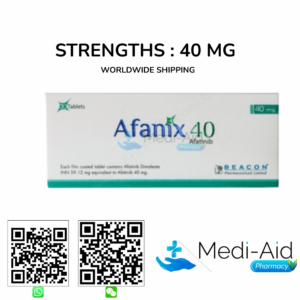
Afanix 40 MG (Afatinib)
-
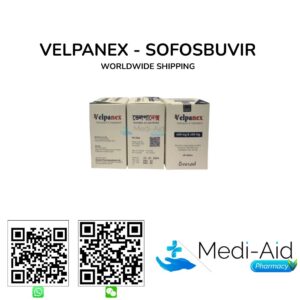
Velpanex 400 MG And 100 MG (Sofosbuvir)
-
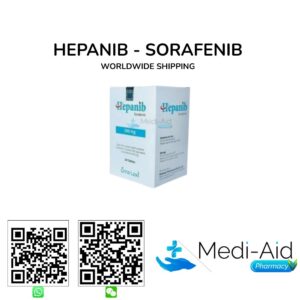
Hepanib 200 MG (Sorafenib)
-
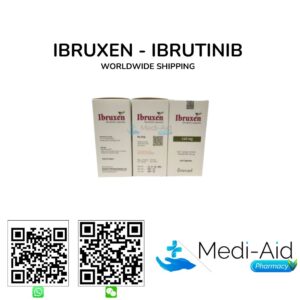
Ibruxen 140 MG (Ibrutinib)
-
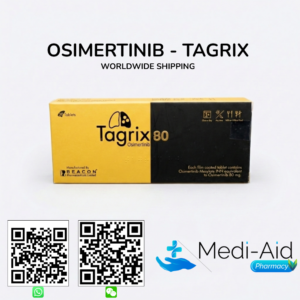
Osimertinib(Tagrix) 40MG & 80MG -(Osimertinib)
-
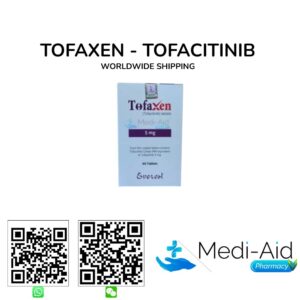
Tofaxen 5 MG (Tofacitinib)