
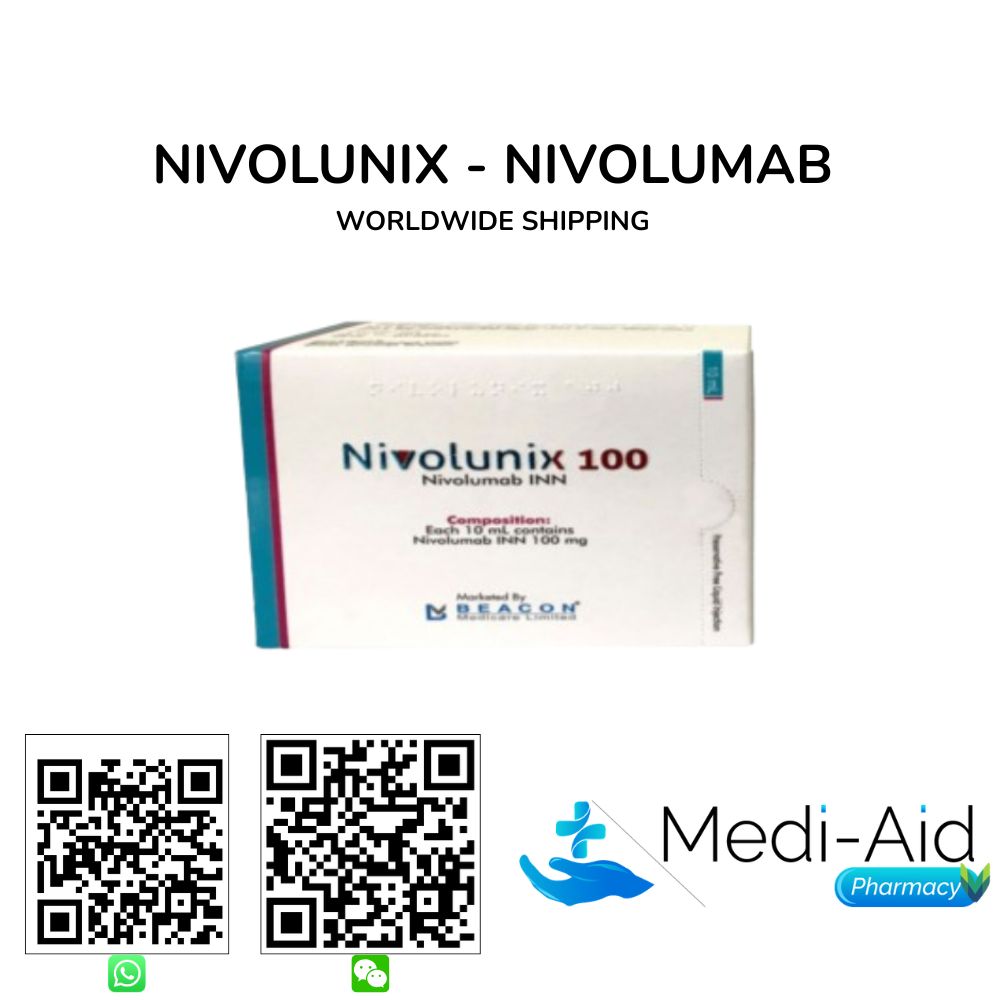
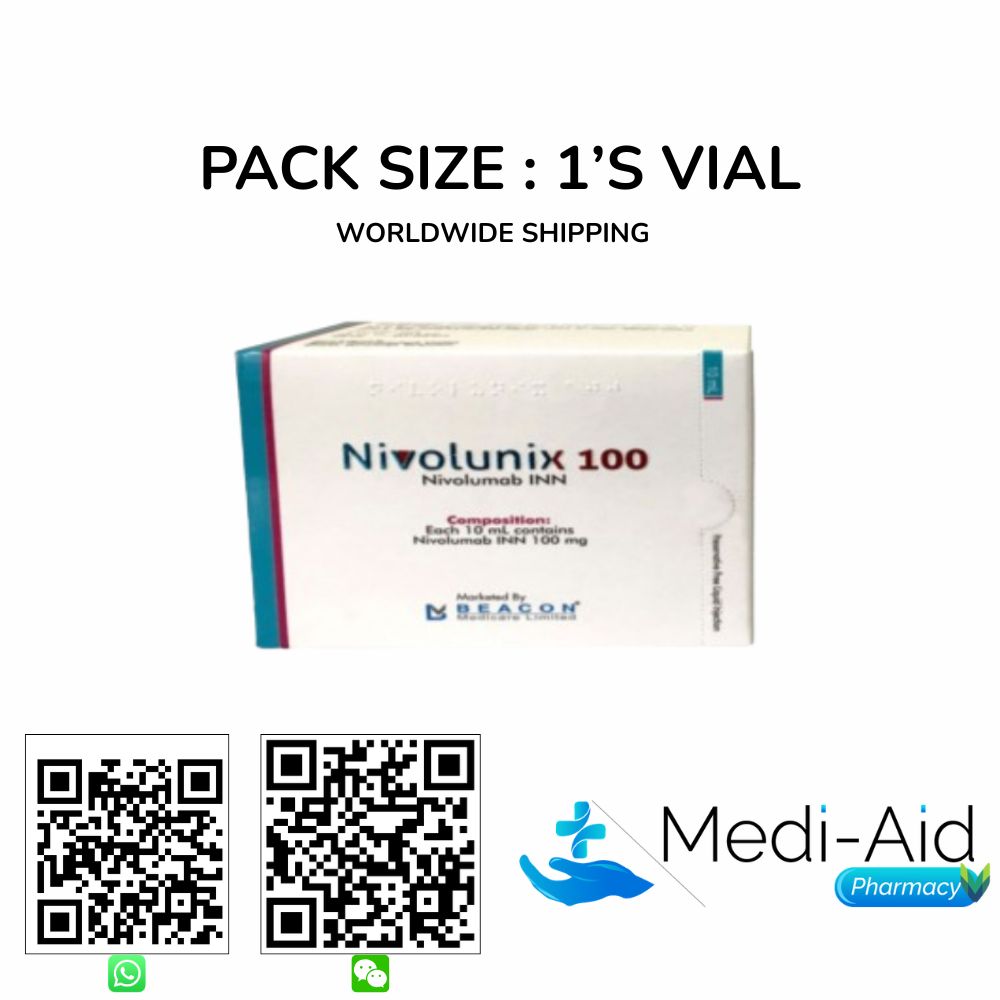
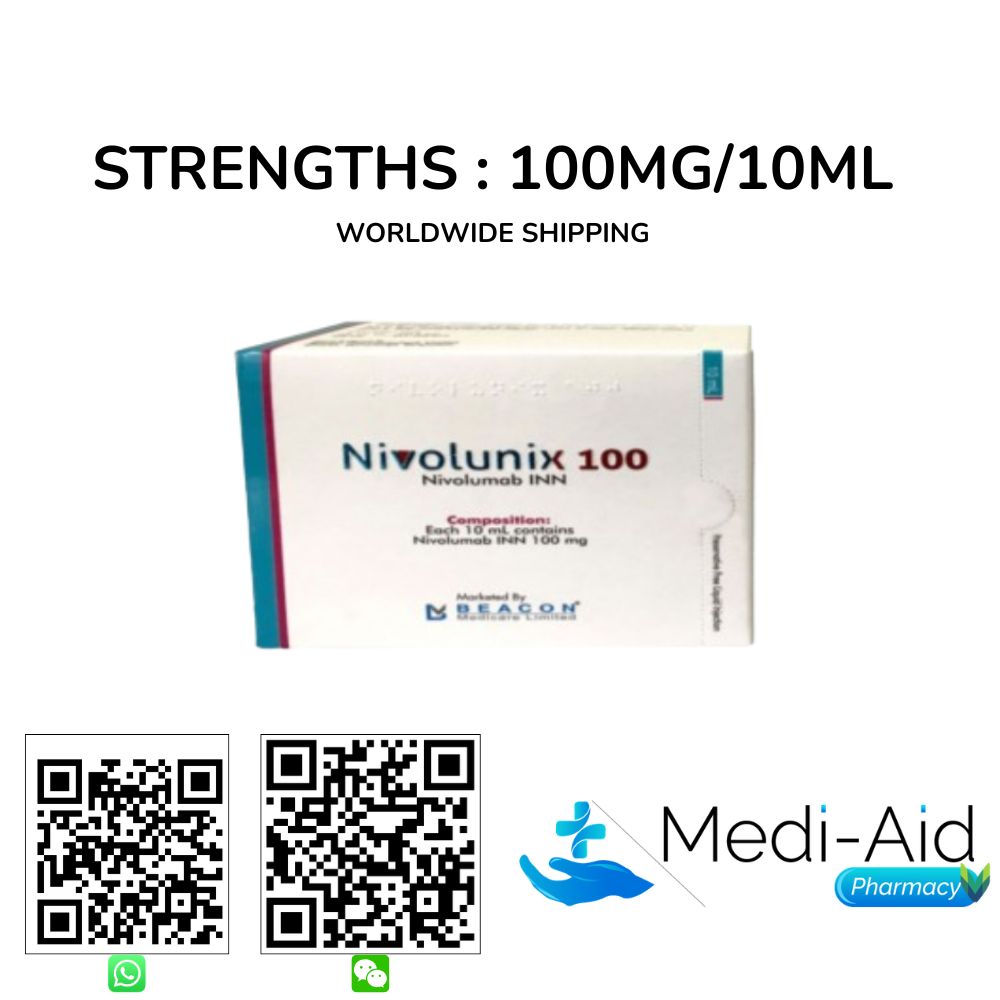
Nivolunix 100MG/10ML (Nivolumab)
Product Name : Nivolunix
Generic Name : Nivolumab
Formulation : Injection
Available Pack Size : 1’s Vial
Available Strengths : 100mg/10ml
Registrations : Export Only

Product Information
Nivolunix (Nivolumab) 100mg/10mL is a PD-1 immune checkpoint inhibitor monoclonal antibody, administered by intravenous infusion under the supervision of a qualified oncology team, for the treatment of a range of solid tumours and haematologic malignancies, either as monotherapy or in combination with other anticancer agents. It works by blocking the PD-1 receptor on T-cells, releasing a “brake” that tumours use to evade the immune system, so the body’s own T-cells can recognise and attack cancer cells. Global supplier: Mediaid Pharmacy with worldwide shipping.
Important: Nivolumab is a complex biologic (monoclonal antibody), not a small-molecule generic. Terms such as “biosimilar” or “equivalent” for a biologic refer to demonstrated similarity in structure, function, and clinical performance under an appropriate regulatory pathway — please confirm and disclose the specific comparability/biosimilarity data and approval basis for Nivolunix, as this differs materially from standard small-molecule bioequivalence and should be represented accurately to buyers and prescribers.
Basic Product Information of Nivolunix (Nivolumab) 100mg/10mL
| Brand Name | Nivolunix (Nivolumab) |
| Generic Name | Nivolumab INN |
| Drug Class | PD-1 Immune Checkpoint Inhibitor (Human IgG4 Monoclonal Antibody) |
| Available Strengths | 100mg/10mL (10mg/mL concentration) |
| Formulation | Sterile Concentrate for Solution for Intravenous Infusion (Injection Vial) |
| Pack Size | 1’s Vial (single vial per pack). The number of vials required per dose depends on the patient’s prescribed regimen and body weight. |
| Primary Indication | Multiple Solid Tumours and Haematologic Malignancies (see Indications below) |
| Regulatory Approvals | Originator (Opdivo) USFDA and EMA Approved across numerous oncology indications. Please confirm the specific regulatory status and approved indications for Nivolunix itself in the destination country. |
| Originator Brand | Opdivo by Bristol Myers Squibb |
| Manufacturer | [Manufacturer name to be confirmed], Bangladesh |
| Global Supplier | Mediaid Pharmacy, Worldwide Shipping Available |
| Registration | Export Only |
| Storage Conditions | Store refrigerated between 2°C and 8°C. Do not freeze. Protect from light. Keep the vial in its outer carton until ready for use. Requires an unbroken cold chain from manufacture through delivery — please confirm cold-chain shipping capability before ordering. |
How Nivolunix (Nivolumab) Works
Nivolunix contains Nivolumab, a fully human immunoglobulin G4 (IgG4) monoclonal antibody that binds to the PD-1 (programmed death-1) receptor on the surface of T-cells. Many tumours exploit the PD-1 pathway, displaying PD-L1 or PD-L2 ligands that bind PD-1 and switch off the T-cell’s ability to recognise and destroy cancer cells, effectively hiding from the immune system.
By binding to PD-1, Nivolumab blocks its interaction with PD-L1 and PD-L2, releasing this “brake” and restoring the T-cell’s ability to identify and attack tumour cells. This is a form of immunotherapy, working through the patient’s own immune system rather than directly poisoning cancer cells, and is used as monotherapy or combined with other checkpoint inhibitors, chemotherapy, or targeted agents depending on the specific cancer type and treatment setting.
Nivolunix is administered as an intravenous infusion, over approximately 30 minutes, by trained healthcare professionals in a hospital or oncology infusion setting. It is not self-administered and is not intended for home use.
Indications for Nivolunix (Nivolumab)
The originator molecule, Nivolumab, has been approved across a broad range of cancers, as monotherapy or in combination with other agents. Approved indications, lines of therapy, and dosing regimens vary by country and are updated frequently; representative tumour types include:
|
Melanoma Unresectable or metastatic melanoma, and adjuvant treatment after complete resection, as monotherapy or in combination with ipilimumab. |
Non-Small Cell Lung Cancer (NSCLC) Metastatic NSCLC, and neoadjuvant/perioperative use in resectable disease, as monotherapy or combined with chemotherapy and/or ipilimumab depending on PD-L1 status. |
|
Renal Cell Carcinoma (RCC) Advanced RCC, as monotherapy or in combination with ipilimumab or cabozantinib, depending on risk category and prior treatment. |
Other Solid Tumours and Lymphoma Including classical Hodgkin lymphoma, head and neck squamous cell carcinoma, urothelial carcinoma, colorectal cancer (MSI-H/dMMR), hepatocellular carcinoma, oesophageal and gastric cancers, and malignant pleural mesothelioma, per specific approved regimens. |
This list is representative, not exhaustive. The exact approved indication, line of therapy, biomarker requirements, and combination regimen for any individual patient must be confirmed against current, country-specific prescribing information and determined by the treating oncologist.
Benefits of Nivolunix (Nivolumab)
|
Immunotherapy Mechanism Works through the patient’s own immune system, offering a treatment approach distinct from and complementary to chemotherapy, radiotherapy, and targeted therapy. |
Broad Oncology Applicability The originator molecule is approved across numerous tumour types, giving oncologists a versatile checkpoint inhibitor for many treatment settings. |
Flexible Dosing Intervals Flat-dose regimens (such as every 2 or every 4 weeks) reduce prescribing complexity and can offer patients more flexibility between hospital visits. |
|
Combinable with Other Regimens Can be used as monotherapy or combined with ipilimumab, chemotherapy, or targeted agents such as cabozantinib, depending on the indication. |
Cost-Accessible Option Positioned as a more affordable route to PD-1 checkpoint inhibitor therapy than the originator brand, subject to confirmation of comparability data. |
WHO-GMP and cGMP Certified Manufactured under strict WHO-GMP, cGMP, and ISO-certified standards, ensuring every batch of Nivolunix meets consistent quality and safety requirements. |
Administration of Nivolunix (Nivolumab)
Route: Intravenous (IV) infusion only, over approximately 30 minutes, following dilution per the treating institution’s pharmacy protocol.
Who administers it: Must be prepared and administered by trained healthcare professionals in a hospital or oncology infusion setting equipped to manage infusion reactions. Not for self-administration or home use.
Typical dosing (originator label, single-agent use): 240mg every 2 weeks, or 480mg every 4 weeks. Combination regimens (for example, with ipilimumab or chemotherapy) and paediatric or low-body-weight patients often use body-weight-based (mg/kg) dosing instead. The exact dose, interval, and regimen must be individualised by the treating oncologist for the specific approved indication.
Hepatic or renal impairment: Originator data indicate no dose adjustment for mild hepatic or renal impairment; data in moderate-to-severe impairment are limited. Use with caution and specialist oversight.
Duration: Continued until disease progression, unacceptable toxicity, or completion of the planned treatment course (for example, a fixed adjuvant duration), as determined by the treating oncologist.
Monitoring and Immune-Mediated Adverse Reactions
The central safety concern with Nivolunix and other PD-1/PD-L1 blocking antibodies is the risk of immune-mediated adverse reactions, which can affect almost any organ system, including pneumonitis (lung inflammation), colitis, hepatitis, endocrinopathies (thyroid disorders, adrenal insufficiency, hypophysitis, type 1 diabetes), nephritis, and dermatologic reactions, among others. These reactions can occur at any time during treatment and, in some cases, after treatment has stopped.
Baseline and periodic monitoring of liver enzymes, renal function, and thyroid function is required, alongside close clinical observation for new symptoms in any organ system. Management typically involves corticosteroids and, depending on severity, temporarily withholding or permanently discontinuing treatment. Patients should be counselled to report any new or worsening symptoms immediately, and management should follow an institutional immune-related adverse event protocol.
Drug Interactions and Important Information
As a monoclonal antibody, Nivolumab is not metabolised through the cytochrome P450 system, so classic small-molecule drug interactions are not expected. However, systemic corticosteroids or other immunosuppressants used before starting treatment may blunt the pharmacodynamic effect and should be evaluated by the treating physician. Nivolumab is not indicated for use in combination with thalidomide analogues plus dexamethasone in multiple myeloma, a combination associated with increased mortality in clinical trials.
Complications, including graft-versus-host disease, have been reported in patients who underwent allogeneic haematopoietic stem cell transplantation before or after Nivolumab treatment; discuss transplant history and plans with the treating oncologist. Always inform your physician of all medications and prior immunosuppressive or transplant-related therapy before starting Nivolunix.
Side Effects and Precautions
|
Common Side Effects Fatigue Musculoskeletal pain Rash and pruritus (itching) Diarrhoea Nausea and decreased appetite Cough and upper respiratory infection Infusion-related reactions |
Serious Warnings and Precautions Immune-mediated pneumonitis, colitis, hepatitis, nephritis, and endocrinopathies, which can be severe or fatal. Severe skin reactions, including rare cases of Stevens-Johnson syndrome or toxic epidermal necrolysis. Severe infusion reactions requiring immediate management. Complications of allogeneic stem cell transplantation when used before or after transplant. Embryo-fetal toxicity. Not recommended during pregnancy; effective contraception required during and for 5 months after treatment. |
Who Should Use Nivolunix (Nivolumab)?
Nivolunix is intended for adult (and, for certain indications, adolescent) patients with an eligible, confirmed cancer diagnosis matching one of the approved indications for Nivolumab, as determined by an oncologist. It is administered exclusively in a hospital or specialist oncology infusion setting by trained healthcare professionals equipped to monitor for and manage immune-mediated adverse reactions and infusion reactions. Baseline liver, kidney, and thyroid function should be assessed before starting treatment.
Manufacturer
Nivolunix (Nivolumab) is manufactured in Bangladesh under strict WHO-GMP, cGMP, and ISO-certified standards for export markets. [Please confirm the exact manufacturer name, and the specific comparability/biosimilarity data or approval basis, so this section and the claims above can be made fully accurate before publishing.]
Global Supplier: Mediaid Pharmacy with Worldwide Shipping
Mediaid Pharmacy is a trusted global supplier of specialty oncology medications. We ensure Nivolunix (Nivolumab) is accessible to hospitals and healthcare providers worldwide through reliable, cold-chain worldwide shipping. Whether you are located in South Asia, the Middle East, Africa, Europe, or beyond, Mediaid Pharmacy provides fast and reliable delivery with full order support. Contact us directly via WhatsApp, phone, or WeChat for pricing, availability, and delivery enquiries.
Why Choose Nivolunix (Nivolumab) from Mediaid Pharmacy?
Nivolunix offers hospitals and oncology centres a route to PD-1 checkpoint inhibitor immunotherapy that reflects the same active substance and mechanism of action as Opdivo by Bristol Myers Squibb, at a more accessible price point. Manufactured under WHO-GMP and cGMP standards and distributed globally by Mediaid Pharmacy, Nivolunix aims to widen access to immune checkpoint inhibitor therapy for cancer centres worldwide. As with any biologic product, institutions should review the specific comparability data supporting Nivolunix before adoption into clinical use.
Frequently Asked Questions About Nivolunix (Nivolumab)
What is Nivolunix (Nivolumab) used for?
Nivolunix is a PD-1 immune checkpoint inhibitor used to treat a range of cancers, including melanoma, non-small cell lung cancer, renal cell carcinoma, classical Hodgkin lymphoma, and several other solid tumours, either alone or combined with other anticancer therapies. It works by helping the patient’s own immune system recognise and attack cancer cells. The specific approved indication depends on the cancer type, stage, and prior treatment.
How is Nivolunix (Nivolumab) given?
Nivolunix is given as an intravenous infusion, typically over about 30 minutes, in a hospital or oncology infusion centre by trained healthcare staff. It is never self-administered at home. Dosing is usually either 240mg every 2 weeks or 480mg every 4 weeks for single-agent use, though combination regimens may use body-weight-based dosing instead.
What strength and pack size is Nivolunix available in?
Nivolunix is supplied as a single-use 100mg/10mL vial (10mg per mL), packed as 1’s Vial (one vial per pack). Since doses are typically several hundred milligrams, most treatment cycles require multiple vials, calculated by the hospital pharmacy based on the prescribed dose.
Is Nivolunix the same as Opdivo (Nivolumab by Bristol Myers Squibb)?
Nivolunix contains the same active substance, Nivolumab, and is intended as a more affordable route to PD-1 checkpoint inhibitor therapy. However, biologic medicines such as monoclonal antibodies are compared to their originator through biosimilarity/comparability studies rather than simple bioequivalence testing used for small-molecule generics. Hospitals and prescribers should review the specific analytical, non-clinical, and clinical comparability data for Nivolunix before use.
What are the side effects of Nivolunix (Nivolumab)?
Common side effects include fatigue, joint or muscle pain, rash, diarrhoea, nausea, and infusion-related reactions. The most important risks are immune-mediated adverse reactions, which can affect the lungs, gut, liver, hormone-producing glands, kidneys, or skin, and can be severe. These are managed with close monitoring and, when needed, corticosteroids and treatment interruption. Always consult the treating oncologist for a complete assessment of individual risks and benefits.
Is Nivolunix safe during pregnancy?
No. Nivolunix is not recommended during pregnancy, as it can cause fetal harm based on its mechanism of action and animal data. Effective contraception is required during treatment and for 5 months after the final dose. Please consult the treating physician before starting treatment if pregnancy is a possibility.
Can hospitals order Nivolunix (Nivolumab) with worldwide shipping?
Yes. Mediaid Pharmacy supplies Nivolunix (Nivolumab) 100mg/10mL globally with cold-chain worldwide shipping. Contact us via WhatsApp, phone, or WeChat at +8801773428128 or email us at info@mediaidpharmacy.com to enquire about pricing, availability, cold-chain logistics, and delivery to your country.
Order Nivolunix (Nivolumab) 100mg/10mL with Worldwide Shipping
Phone / WhatsApp / WeChat: +8801773428128 | Email: info@mediaidpharmacy.com
Related products
-
Mezoxia 160 MG (Megestrol)
-
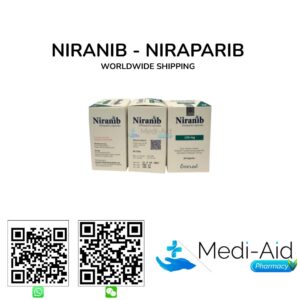
Niranib 140 MG (Niraparib)
-
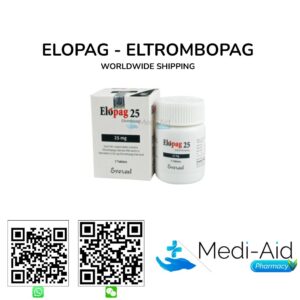
Elopag 25 MG (Eltrombopag)
-
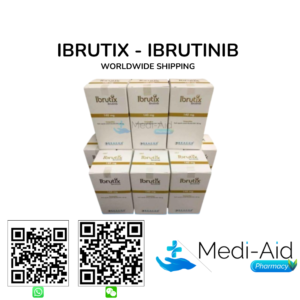
Ibrutix 140 MG (Ibrutinib)
-
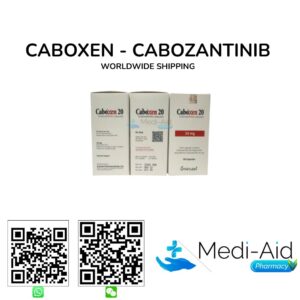
Caboxen 20 MG And 80 MG (Cabozantinib)
-
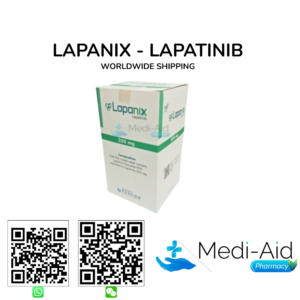
Lapanix 250 MG (Lapatinib)
-
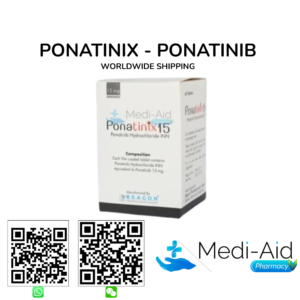
Ponatinix 15 MG (Ponatinib)
-
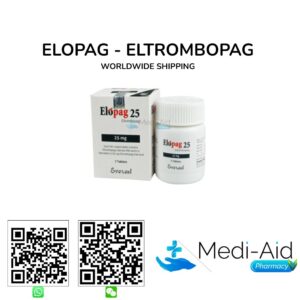
Elopag 50MG (Eltrombopag)
-
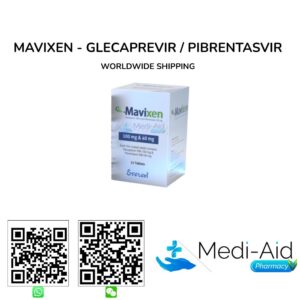
Mavixen 100 MG / 40 MG (Glecaprevir / Pibrentasvir )
-
Ibruxen 140 MG (Ibrutinib)