
This guide is written for hospital procurement managers, pharmaceutical importers, oncology NGOs, and government health agencies evaluating Bangladesh as a source for WHO-GMP certified generic oncology medicines. Bangladesh is today one of the world’s most strategically important generic pharmaceutical suppliers operating under WHO-GMP, cGMP, and ISO-certified standards and benefiting from a WTO-granted TRIPS exemption that keeps costs up to 99% below originator prices. This guide covers the WHO-GMP verification framework, Bangladesh’s legal and manufacturing advantages, featured drug profiles with individual wholesale pricing benchmarks, the five-step import process, a seven-point supplier due diligence checklist, and full regulatory documentation requirements. Mediaid Pharmacy is Bangladesh’s trusted oncology medicine wholesale supplier, connecting institutional buyers worldwide with WHO-GMP certified manufacturers including Beacon Pharmaceuticals Ltd. and Everest Pharmaceuticals Ltd. with full regulatory documentation and worldwide shipping on every order.
What WHO-GMP Certification Means for Oncology Medicine Procurement
WHO-GMP (Good Manufacturing Practice) certification is the quality standard issued by the World Health Organization that confirms a pharmaceutical manufacturing facility meets internationally mandated requirements for quality assurance, production documentation, contamination control, equipment validation, and batch release testing. According to the WHO Certification Scheme on Pharmaceutical Products, a comprehensive system of quality assurance must be founded on a reliable system of licensing, independent finished-product analysis, and independent inspection confirming all manufacturing operations conform to accepted good manufacturing practices standards the WHO endorsed in 1969 via World Health Assembly Resolution WHA22.50 and has periodically updated since.
For oncology medicines specifically where dosing accuracy and product purity directly affect patient survival WHO-GMP compliance is the non-negotiable minimum quality threshold required by UNICEF Supply Division, the Global Fund, and most national medicines regulatory authorities (NMRAs) to approve a supplier for institutional procurement. When sourcing from an oncology medicine wholesale supplier in Bangladesh, verifying current WHO-GMP status including the specific facility address, product scope, certificate issue date, and expiry is the mandatory first checkpoint in any responsible procurement process. Certificates typically expire every two to three years and must remain current at the time of shipment. For a full list of which generic cancer drugs carry WHO Essential Medicine status and how to source them at institutional scale, see our dedicated reference: cancer drugs approved on the WHO Essential Medicines List and where to source them.
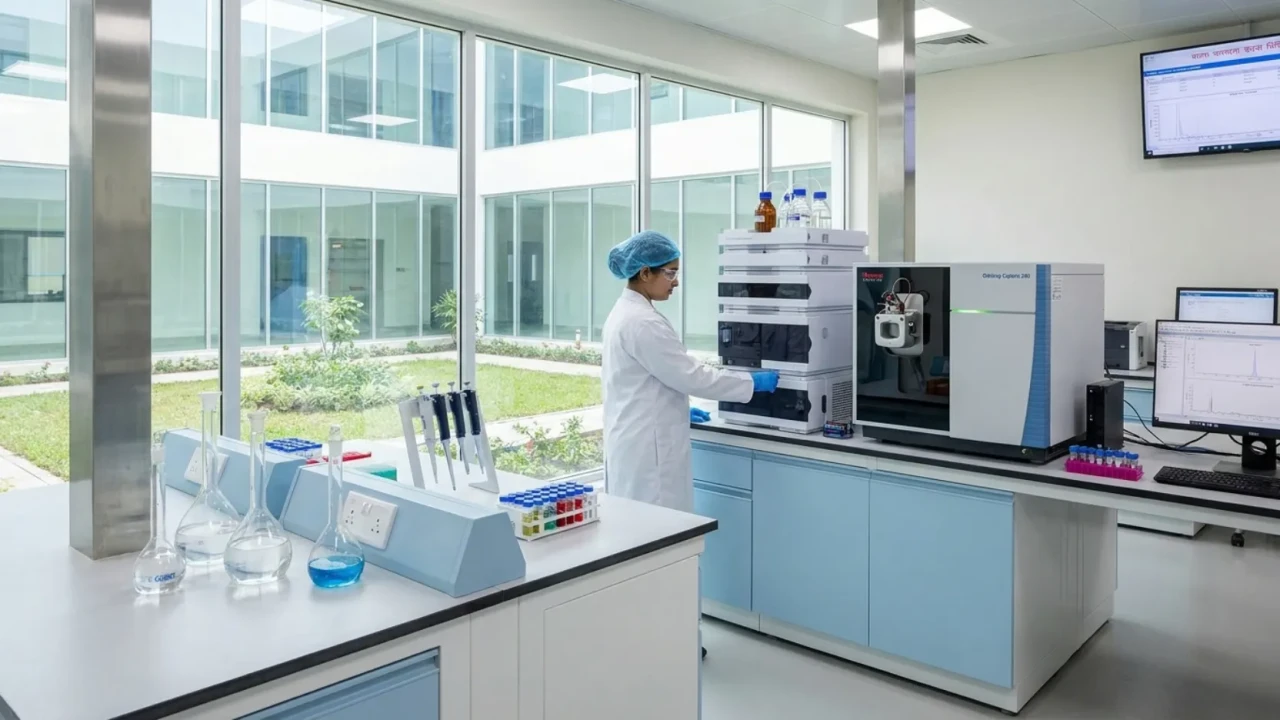
In Bangladesh, WHO-GMP certification is issued following physical facility inspection by WHO-authorised auditors. Beacon Pharmaceuticals Ltd. (Mymensingh, Bangladesh) and Everest Pharmaceuticals Ltd. (Dhaka, Bangladesh) Bangladesh’s leading dedicated oncology manufacturers hold WHO-GMP, cGMP, and ISO certifications and export to markets across Asia, Africa, Europe, and Latin America. Mediaid Pharmacy sources exclusively from these and other WHO-GMP verified Bangladeshi manufacturers, providing buyers with manufacturer-level quality assurance at competitive wholesale pricing.
| Quality Standard | Issuing / Endorsing Authority | Accepted By |
| WHO-GMP | World Health Organization | UNICEF, Global Fund, 60+ national regulatory agencies, institutional procurement bodies |
| cGMP (current GMP) | US FDA / ICH Q10 | US, EU, UK, Canada, Australia regulatory agencies; EMA-approved markets |
| ISO 9001 / ISO 15378 | International Organization for Standardization | Multinational hospitals, international tender bodies, and institutional buyers |
| DGDA Registration (Bangladesh) | Directorate General of Drug Administration (Bangladesh) | Required for all medicines manufactured and exported from Bangladesh; cross-referenced by importing country NMRAs |
The Global Cancer Burden and the B2B Case for Affordable Oncology Medicines
Cancer is the second leading cause of death globally, and the demand for oncology medicines at institutional scale is accelerating faster than most healthcare procurement systems can absorb. According to Global Cancer Statistics 2024, published jointly by the International Agency for Research on Cancer (IARC) and the American Cancer Society, an estimated 20.6 million new cancer cases and 9.8 million cancer deaths occurred worldwide in 2024 equivalent to 1 in 5 people developing cancer during their lifetime and 1 in 9 men and 1 in 13 women dying from the disease. By 2050, the global cancer burden is projected to reach 34 million new cases annually a 67% increase driven by population ageing and growth.
The five most frequently diagnosed cancers globally in 2024 were lung (12.8%), female breast (11.8%), colorectal (9.9%), prostate (7.5%), and stomach (4.7%). These are precisely the cancer types for which the most commercially significant and cost-intensive targeted therapies tyrosine kinase inhibitors (TKIs), PARP inhibitors, CDK4/6 inhibitors, and hormone therapies exist, and for which WHO-GMP certified generic oncology medicines from Bangladesh now offer clinically equivalent and dramatically more affordable alternatives for institutional buyers. For a full breakdown of the generic cancer drugs wholesale pricing across the top 10 most-procured oncology molecules, see the companion guide: Top 10 Generic Oncology Drugs Available for Bulk Import with wholesale pricing benchmarks.
| Cancer Type (Global 2024) | Share of New Cases | Key Generic Medicines Available from Bangladesh |
| Lung Cancer (NSCLC / SCLC) | 12.8% | Selpercatinib, Larotrectinib, Brigatinib, Gefitinib, Erlotinib, Osimertinib |
| Female Breast Cancer | 11.8% | Niraparib, Palbociclib, Letrozole, Anastrozole, Tamoxifen, Lapatinib |
| Colorectal Cancer | 9.9% | Capecitabine, Oxaliplatin, Irinotecan, Bevacizumab-biosimilar |
| Chronic Myeloid Leukaemia (CML) | High incidence globally | Imatinib Mesylate, Dasatinib, Nilotinib, Ponatinib |
| Renal Cell Carcinoma (RCC) | High incidence globally | Axitinib, Sunitinib, Cabozantinib, Sorafenib |
Source: Global Cancer Statistics 2024, IARC / American Cancer Society. CA: A Cancer Journal for Clinicians, 2024.

Why Bangladesh Is the World’s Most Competitive Source for Wholesale Oncology Medicines
Bangladesh has emerged as one of the most strategically critical generic pharmaceutical exporters for high-cost cancer medicines. Three structural advantages unique to Bangladesh among all global pharmaceutical-exporting countries make it the most cost-effective and legally compliant single-country procurement source for institutional oncology buyers.
|
1 WTO TRIPS Exemption Until 2033 As a least-developed country (LDC), Bangladesh holds a WTO-granted exemption under the TRIPS Agreement’s Article 66.1 that permits domestic manufacturers to produce and export patented pharmaceutical molecules without paying originator patent licence fees. This exemption formally adopted by the WTO TRIPS Council in November 2015 and running until at least 1 January 2033 is the single largest structural cost advantage behind Bangladesh’s oncology medicine price competitiveness. Molecules that cost USD 5,000–32,000 per patient-month in Western originator markets are produced in Bangladesh legally, under WHO-GMP conditions, and exported at 60–99% lower cost. |
2 WHO-GMP Certified Manufacturing Infrastructure Leading Bangladeshi manufacturers operate dedicated oncology manufacturing blocks built to WHO-GMP, cGMP, and ISO standards with dedicated cytotoxic production lines, laminar airflow containment, and full batch release documentation for every lot. Beacon Pharmaceuticals Ltd. was the first company in Bangladesh to export cancer medicines commercially and today operates dedicated cytotoxic production lines qualified for UNICEF, Global Fund, and bilateral government institutional procurement. According to data on Bangladesh’s pharmaceutical industry, the sector now exports to 166+ countries and generates USD 213 million in annual export revenue. |
3 65+ Product Generic Oncology Portfolio Bangladesh-based WHO-GMP manufacturers now produce over 65 oncology products covering tyrosine kinase inhibitors (TKIs), PARP inhibitors, hormone therapies, mTOR inhibitors, CDK4/6 inhibitors, antimetabolites, alkylating agents, BTK inhibitors, and targeted biologics. For wholesale buyers, this depth means a single verified oncology medicine wholesale supplier in Bangladesh can fulfil complex, multi-molecule institutional orders reducing procurement complexity, documentation burden, and per-unit logistics cost simultaneously. Browse the complete oncology catalogue at Mediaid Pharmacy. |

Featured Generic Oncology Medicines Available for Wholesale from Bangladesh
The following profiles represent the highest-priority generic oncology drug categories available through Mediaid Pharmacy’s wholesale oncology supply network. All listed medicines are manufactured under WHO-GMP certified conditions and are available with full batch documentation including COA, COO, DGDA registration, Free Sale Certificate, and Bioequivalence data for import qualification in your country. For the complete portfolio of 10 highest-volume molecules with side-by-side wholesale pricing, see the companion article: Top 10 Generic Oncology Drugs Available for Bulk Import with wholesale pricing benchmarks.
Imatinib Mesylate 400mg | Chronic Myeloid Leukaemia & GIST WHO Essential Medicine
Imatinib Mesylate is a BCR-ABL, c-KIT, and PDGFR-alpha/beta tyrosine kinase inhibitor that was the world’s first approved targeted molecular therapy for cancer, receiving FDA approval in 2001 for chronic myeloid leukaemia (CML) in chronic phase. Its mechanism selectively blocking the BCR-ABL fusion protein that drives uncontrolled proliferation in Philadelphia chromosome-positive (Ph+) CML transformed CML from a frequently fatal leukaemia to a manageable chronic condition, with 5-year survival rates now exceeding 90% in chronic-phase patients. The WHO Model List of Essential Medicines (23rd Edition) includes Imatinib as a core essential oncology drug, confirming its global public health priority. Additional approved indications cover gastrointestinal stromal tumour (GIST) with KIT or PDGFRA mutations and Philadelphia chromosome-positive acute lymphoblastic leukaemia (Ph+ ALL).
Research published in the National Library of Medicine (PubMed Central) on generic Imatinib cost-effectiveness confirms that generic entry reduced branded Imatinib prices globally and validated generic Imatinib as the most cost-effective frontline CML treatment per the European LeukemiaNet 2020 guidelines validating both the therapeutic equivalence and the health-economic rationale for institutional procurement of WHO-GMP certified generic Imatinib from Bangladesh. For a real-world procurement case study on the budget impact, see: how hospitals in Africa are cutting leukaemia treatment costs by 60% through generic Imatinib from Bangladesh.
| Generic Name | Molecular Target | Primary Indication | Originator (Monthly USD) | Generic Wholesale (Monthly USD) | Saving |
| Imatinib Mesylate 400mg | BCR-ABL, c-KIT, PDGFR-α/β | CML (Ph+), GIST, Ph+ ALL WHO Essential Medicine | Gleevec/Glivec (Novartis) USD 8,000–12,000 | USD 60–150 | ~98–99% |
Axitinib 1mg / 5mg (Axinix) | Advanced Renal Cell Carcinoma
Axitinib is a potent and selective second-generation inhibitor of vascular endothelial growth factor receptors VEGFR-1, VEGFR-2, and VEGFR-3 the primary kinases driving tumour-associated angiogenesis and disease progression in renal cell carcinoma (RCC). FDA-approved in 2012 for advanced RCC following failure of one prior systemic therapy, Axitinib demonstrated superior progression-free survival compared to sorafenib in the Phase III AXIS trial and is now also used in combination with pembrolizumab (KEYNOTE-426 protocol) as a first-line RCC regimen. Its high VEGFR selectivity produces a clinically manageable toxicity profile, making it a preferred option for both second-line monotherapy and combination RCC protocols across hospital oncology departments in Asia, Africa, and the Middle East.
Axitinib represents one of the largest cost-saving opportunities in the renal cell carcinoma procurement space. Originator Inlyta (Pfizer) is priced at USD 9,000–14,000 per month at US wholesale acquisition cost versus Bangladesh generic Axitinib at USD 300–800 per month a 92–96% procurement saving per patient per month that fundamentally determines how many RCC patients a fixed oncology budget can treat. Axitinib (Axinix 1mg / 5mg) is available in stock at Mediaid Pharmacy with full WHO-GMP batch documentation and worldwide shipping.
| Generic Name | Molecular Target | Primary Indication | Originator (Monthly USD) | Generic Wholesale (Monthly USD) | Saving |
| Axitinib 5mg (Axinix) | VEGFR-1, -2, -3 | Advanced RCC (2nd-line and combination) | Inlyta (Pfizer) USD 9,000–14,000 | USD 300–800 | ~92–96% |
Larotrectinib 25mg / 100mg (Laronib) | NTRK Fusion-Positive Solid Tumours Tumour-Agnostic
Larotrectinib is a highly selective, ATP-competitive inhibitor of tropomyosin receptor kinases TRK-A, TRK-B, and TRK-C the protein products of NTRK1, NTRK2, and NTRK3 gene fusions that drive oncogenesis in a diverse range of solid tumours regardless of tissue of origin. Larotrectinib holds the distinction of being the first FDA-approved tumour-agnostic (histology-independent) cancer drug, approved in 2018, meaning it is indicated for any solid tumour harbouring an NTRK gene fusion covering over 20 tumour types where NTRK fusions are detected. In the pooled analysis supporting FDA approval, Larotrectinib achieved an overall response rate of 79% across NTRK fusion-positive patients one of the highest ORRs ever recorded for a tumour-agnostic indication.
Originator Vitrakvi (Bayer/Lilly) carries a monthly list price of USD 32,000+ making it largely inaccessible to hospital systems in lower-income markets without an affordable generic source. Generic Larotrectinib from Bangladesh at USD 800–2,000 per month delivers the same NTRK-targeted efficacy at 93–97% lower wholesale cost, opening access to this molecularly-matched precision therapy for patients in Africa, Southeast Asia, and the Middle East. Larotrectinib (Laronib 25mg / 100mg) is in stock at Mediaid Pharmacy with full WHO-GMP documentation.
| Generic Name | Molecular Target | Primary Indication | Originator (Monthly USD) | Generic Wholesale (Monthly USD) | Saving |
| Larotrectinib 100mg (Laronib) | TRK-A, TRK-B, TRK-C | NTRK Fusion-Positive Solid Tumours (tumour-agnostic) | Vitrakvi (Bayer/Lilly) USD 32,000+ | USD 800–2,000 | ~93–97% |
Selpercatinib 40mg (Selcaxen) | RET Fusion-Positive NSCLC & Medullary Thyroid Cancer
Selpercatinib is a highly selective RET (rearranged during transfection) kinase inhibitor engineered to maintain potent inhibitory activity against RET kinase with minimal off-target toxicity. RET fusion-positive NSCLC accounts for approximately 1–2% of all NSCLC cases globally, and RET-mutant medullary thyroid cancer (MTC) accounts for approximately 60% of all hereditary MTC cases. FDA-approved in 2020 based on LIBRETTO-001 trial data, Selpercatinib achieved an overall response rate of 64% in previously treated RET fusion-positive NSCLC patients, with a median duration of response exceeding 17 months establishing it as the most effective RET-directed therapy currently available.
Originator Retsevmo (Eli Lilly) is priced at USD 18,000–22,000 per month, placing it out of procurement reach for the majority of RET-positive patients in Asia, Africa, and the Middle East. Generic Selpercatinib from Bangladesh at USD 600–1,500 per month a 90–96% wholesale saving enables hospital oncology departments to include this guideline-recommended RET-targeted therapy in lung cancer and thyroid cancer formularies at sustainable budget levels. For a protocol-aligned guide to the full range of targeted therapies available for NSCLC procurement, see our reference on generic medicines supporting lung cancer treatment protocols in 2026. Selpercatinib (Selcaxen 40mg) is in stock at Mediaid Pharmacy.
| Generic Name | Molecular Target | Primary Indication | Originator (Monthly USD) | Generic Wholesale (Monthly USD) | Saving |
| Selpercatinib 40mg (Selcaxen) | RET Kinase (selective) | RET Fusion-Positive NSCLC; RET-Mutant Medullary Thyroid Cancer | Retsevmo (Lilly) USD 18,000–22,000 | USD 600–1,500 | ~90–96% |
Niraparib 140mg (Niranib) | Ovarian Cancer Maintenance & BRCA-Mutated Cancer
Niraparib is a selective inhibitor of Poly(ADP-ribose) polymerase enzymes PARP-1 and PARP-2 nuclear enzymes that play a critical role in DNA single-strand break repair. By inhibiting PARP-mediated repair in tumour cells with homologous recombination deficiency (HRD), including those harbouring BRCA1/2 mutations, Niraparib induces synthetic lethality a targeted anti-tumour effect leaving healthy cells largely unaffected. FDA-approved in 2017 (PRIMA trial), Niraparib is indicated as first-line maintenance therapy for advanced ovarian, fallopian tube, or primary peritoneal cancer in adults who achieve complete or partial response to platinum-based chemotherapy regardless of BRCA mutation status making it one of the most widely used PARP inhibitors in institutional gynaecological oncology programmes globally.
Generic Niraparib from Bangladesh at USD 500–1,200 per month versus originator Zejula (GSK) at USD 12,000–17,000 delivers a 90–96% procurement saving for ovarian cancer maintenance programmes. For procurement officers sourcing for breast cancer programmes where PARP inhibitors are also indicated in BRCA-mutated HER2-negative advanced breast cancer, see: what importers need to know about the breast cancer generic drug supply chain in 2026. Niraparib (Niranib 140mg) is in stock at Mediaid Pharmacy with complete WHO-GMP documentation.
| Generic Name | Molecular Target | Primary Indication | Originator (Monthly USD) | Generic Wholesale (Monthly USD) | Saving |
| Niraparib 140mg (Niranib) | PARP-1, PARP-2 | Ovarian / Fallopian Tube / Peritoneal Cancer (1st-line maintenance) | Zejula (GSK) USD 12,000–17,000 | USD 500–1,200 | ~90–96% |
The B2B Procurement Process Step-by-Step Guide to Sourcing Oncology Medicines from Bangladesh
The following five-step procurement framework covers the complete import process for first-time and experienced B2B buyers importing WHO-GMP certified oncology medicines from Bangladesh through Mediaid Pharmacy. Each step maps to a specific document, action, or regulatory approval gate. Mediaid Pharmacy’s procurement support team manages the export documentation side for all steps from Step 2 onwards.
Step 1 Verify WHO-GMP Certification and Manufacturer Credentials
Request the WHO-GMP certificate directly from the supplier not via a third-party copy and cross-check the facility name, physical address, and scope of certification against the product label. For Bangladeshi manufacturers, WHO-GMP certificates are issued by the Directorate General of Drug Administration (DGDA) following external WHO-authorised inspection. Confirm the certificate: (a) covers the specific dosage form and therapeutic category you are ordering (e.g., oral solid oncology cytotoxic), (b) has not expired, and (c) lists the same facility address from which the product will be shipped. Reject any certificate older than three years without a confirmed renewal on file.
Step 2 Request the Full Regulatory Documentation Package
A qualified oncology medicine wholesale supplier in Bangladesh will provide the following documentation package on request for every order: Certificate of Analysis (COA) for the specific batch confirming active ingredient identity, purity (typically ≥98% assay), dissolution profile, and microbiological status; Certificate of Origin (COO) issued by the Bangladesh Chamber of Commerce; Drug Registration Certificate (DGDA) confirming the product is approved for manufacture in Bangladesh; Free Sale Certificate (FSC) confirming the product is legally commercialised in the country of manufacture; and, for first-time buyers or new market registrations, a Technical Information Dossier (TID) or Common Technical Document (CTD) module. For cytotoxic and controlled substances, an End-User Certificate (EUC) or Import Licence from the destination country’s NMRA may be required before shipment can proceed.
Step 3 Confirm Pricing, MOQ, Incoterms, and Payment Terms
Request a formal Proforma Invoice (PI) specifying: unit price per tablet or capsule (ex-factory and CIF/FOB), minimum order quantity (MOQ) per SKU, Incoterms (typically CIF Chittagong Port or FOB Chittagong), payment terms (standard: 30–50% advance with balance against Bill of Lading or Letter of Credit), estimated manufacturing and shipping lead time, and shelf life of the batch at shipment date. The B2B standard for oncology medicines is a minimum of 18–24 months’ remaining shelf life at time of delivery. Mediaid Pharmacy provides transparent Proforma Invoices with no hidden fees contact the team directly at +8801773428128 for a quotation. NGO and government hospital buyers may qualify for preferential payment terms against confirmed purchase orders.
Step 4 Arrange Shipping, Import Licence, and Customs Documentation
Oncology medicines are classified as prescription-only products in all jurisdictions, and many cytotoxic agents require controlled pharmaceutical import clearance from the national medicines regulatory authority (NMRA) before shipment. Standard export documentation includes: Commercial Invoice, Packing List, Airway Bill or Bill of Lading, COA, COO, Import Permit or Licence (country-specific), and Dangerous Goods Declaration where cytotoxic handling classifications apply. Mediaid Pharmacy’s logistics team prepares the complete export documentation set for each shipment and can advise on country-specific import requirements for markets across Africa, Asia, the Middle East, Europe, and Latin America.
Step 5 Receive, Inspect, and Store Your Shipment
On receipt, cross-check all delivered batch numbers against the COA provided before shipment. Physical inspection should confirm intact tamper-evident packaging, legible labelling consistent with the COA, and product condition within the stated storage specification (typically ≤25°C or ≤30°C for oral solid oncology tablets and capsules). Cytotoxic oncology medicines must be received, handled, and stored by trained pharmacy personnel in compliance with NIOSH Safe Handling of Hazardous Drugs guidelines, USP 800 (for markets where applicable), or local oncology pharmacy handling standards. Document receipt with a Goods Received Note (GRN) referencing batch number, COA version, quantity, and storage conditions on arrival essential for pharmacovigilance and regulatory compliance records.
Wholesale Pricing Benchmarks Bangladeshi Oncology Generics vs. Originator Brands
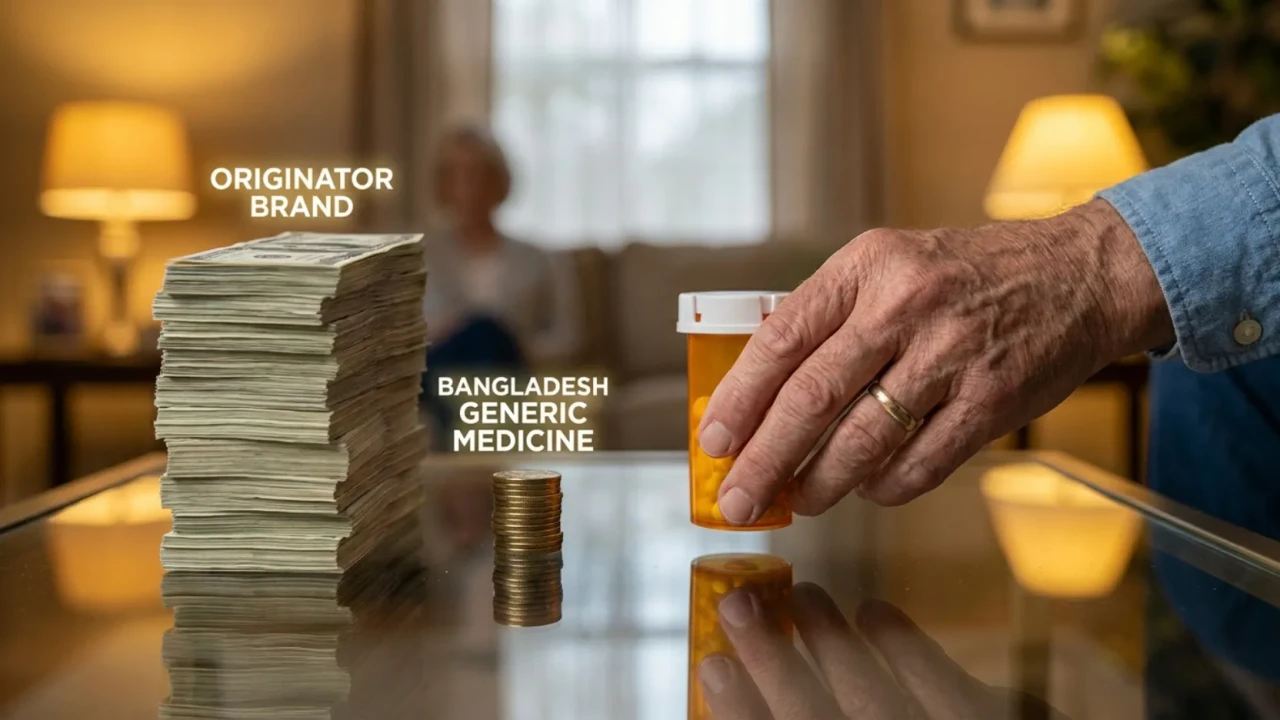
Price differentials between originator oncology brand medicines and WHO-GMP certified generics sourced from Bangladesh range from 60% to 99% lower per unit, depending on the molecule, dosage strength, order volume, and destination market. The table below reflects publicly available reference pricing for illustration purposes; actual wholesale pricing for oncology medicines from Bangladesh is volume-dependent and varies by buyer category. For competitive wholesale pricing benchmarks across the full top-10 generic oncology molecule portfolio, see the dedicated resource: Top 10 Generic Oncology Drugs Available for Bulk Import pricing benchmarks.
| Generic Name | Originator Brand Approx. Monthly Cost (USD) | Bangladesh Generic Approx. Monthly Cost (USD) | Estimated Saving |
| Imatinib Mesylate 400mg | Gleevec (Novartis) USD 8,000–12,000 | USD 60–150 | ~98–99% |
| Axitinib 5mg | Inlyta (Pfizer) USD 9,000–14,000 | USD 300–800 | ~92–96% |
| Larotrectinib 100mg | Vitrakvi (Bayer/Lilly) USD 32,000+ | USD 800–2,000 | ~93–97% |
| Niraparib 140mg | Zejula (GSK) USD 12,000–17,000 | USD 500–1,200 | ~90–96% |
| Selpercatinib 40mg | Retsevmo (Lilly) USD 18,000–22,000 | USD 600–1,500 | ~90–96% |
* Pricing figures are approximate and for reference only. Originator prices reflect US retail/WAC pricing as of 2025–2026. Bangladesh generic prices are indicative wholesale ranges depending on order volume, Incoterms, and destination country. Contact Mediaid Pharmacy for exact quotations.
The clinical and economic case for generic substitution is robust in peer-reviewed literature. Research published in the National Library of Medicine (PubMed Central) on generic imatinib cost-effectiveness confirms that the launch of generics reduced the price of branded imatinib globally, making the molecule more affordable and accessible across institutional procurement settings validating both the therapeutic equivalence and the health-economic rationale for sourcing WHO-GMP certified generic oncology medicines from Bangladesh.
How to Evaluate an Oncology Medicine Wholesale Supplier in Bangladesh 7 Due Diligence Checks
Not all wholesale pharmaceutical suppliers in Bangladesh operate to the same regulatory standard. Before committing to a first bulk order, institutional B2B buyers should complete the following seven due diligence checks to verify supplier credibility, product quality documentation, and regulatory standing. Mediaid Pharmacy meets all seven criteria as standard.
| 1 | WHO-GMP Certificate Validity and Scope | Request the original certificate (PDF with official seal). Confirm the issue date, expiry date, facility physical address, and product scope specifically that the certificate covers the dosage form and therapeutic category you are ordering (e.g., oral solid oncology cytotoxic). Reject any certificate older than three years without a confirmed renewal on record. |
| 2 | DGDA Drug Registration Verification | Verify that the specific product holds a valid Drug Registration Certificate from Bangladesh’s Directorate General of Drug Administration (DGDA). This confirms the product has been reviewed, analysed, and approved for manufacture and commercial sale in Bangladesh a prerequisite for a legitimate Free Sale Certificate and export clearance. |
| 3 | Certificate of Analysis (COA) Review | Review the batch-specific COA for every order. Confirm assay result (active ingredient purity, typically ≥98%), dissolution profile consistency with pharmacopoeial specification, microbiological limit test results, and remaining shelf life. A minimum 18–24 months’ remaining shelf life at time of delivery is the institutional B2B standard for oncology medicines. |
| 4 | Bioequivalence (BE) Data | For oncology generics substituting originator branded medicines in institutional formularies, bioequivalence (BE) data demonstrating pharmacokinetically equivalent performance to the reference product is required by most NMRAs and institutional procurement guidelines. Request the BE study summary or full report as part of your pre-qualification documentation. Failure to provide BE data is a disqualifying factor for most hospital tender submissions. |
| 5 | Established Export Track Record | Confirm the supplier has a documented, active export history to your region. Experienced exporters will have customs clearance familiarity for your destination country, established relationships with freight forwarders experienced in pharmaceutical handling, and current knowledge of country-specific import documentation requirements. Ask for buyer references from your region or verifiable export records where possible. |
| 6 | Packaging Integrity and Stability Compliance | Most oral solid oncology medicines (tablets and capsules) ship at ambient temperature (≤25–30°C) and do not require active cold chain. Confirm packaging integrity, heat-seal quality, and moisture barrier compliance with ICH Q1B stability guidelines particularly relevant for tropical Zone IVb destination countries (>30°C, >65% relative humidity). For liquid or injectable oncology formulations, confirm cold chain protocols with the supplier before ordering. |
| 7 | Pharmacovigilance and Post-Market Support | A credible B2B wholesale supplier maintains a pharmacovigilance system and provides a named contact for adverse event reporting, batch recall notifications, and market withdrawal procedures. Before committing to a long-term supply agreement, confirm the supplier’s pharmacovigilance protocol and their process for post-shipment quality queries, recall communication timelines, and regulatory authority coordination if required in your market. |
Frequently Asked Questions Sourcing WHO-GMP Oncology Medicines from Bangladesh
What does WHO-GMP certified mean for oncology medicines from Bangladesh?
WHO-GMP (Good Manufacturing Practice) certification confirms that a Bangladeshi pharmaceutical manufacturing facility meets the World Health Organization’s internationally mandated standards for pharmaceutical production covering quality control, contamination prevention, equipment validation, batch documentation, and personnel training. For oncology medicines, WHO-GMP certification is the minimum quality threshold required by UNICEF, the Global Fund, and most national medicines regulatory authorities to approve a supplier for institutional procurement. Mediaid Pharmacy supplies exclusively from WHO-GMP certified manufacturers in Bangladesh.
Is it legal to import generic oncology medicines from Bangladesh?
Yes. Bangladesh holds a WTO TRIPS Agreement exemption under Article 66.1 as a least-developed country (LDC), which permits its manufacturers to produce and export patented generic pharmaceutical molecules without originator licence fees until at least 1 January 2033. This makes the production and export of generic oncology medicines from Bangladesh legally compliant under international trade law. Importers must ensure compliance with their own country’s pharmaceutical import regulations, including obtaining required import licences and permits.
Which oncology medicines can I source wholesale from Bangladesh?
Bangladesh’s WHO-GMP certified manufacturers produce a comprehensive oncology portfolio of 65+ generic medicines including tyrosine kinase inhibitors (Imatinib, Axitinib, Larotrectinib, Selpercatinib, Brigatinib, Cabozantinib), PARP inhibitors (Niraparib, Olaparib), CDK4/6 inhibitors (Palbociclib), hormone therapies (Letrozole, Bicalutamide, Anastrozole, Tamoxifen), mTOR inhibitors, antimetabolites, and alkylating agents. For individual drug profiles and side-by-side wholesale pricing across the top 10 molecules, see the companion guide: Top 10 Generic Oncology Drugs Available for Bulk Import with pricing benchmarks.
What documents should I request from a Bangladesh oncology medicine wholesale supplier?
B2B buyers should request the following documentation package for every order: WHO-GMP Certificate (current, with matching facility address and product scope); Certificate of Analysis (COA) for the specific batch; Certificate of Origin (COO) from the Bangladesh Chamber of Commerce; Drug Registration Certificate from the DGDA; Free Sale Certificate (FSC); and a regulatory dossier or CTD module for new product registrations in the importing country. Mediaid Pharmacy provides this complete documentation set as standard for all wholesale orders.
How much cheaper are generic oncology medicines from Bangladesh compared to originator brands?
Generic oncology medicines from Bangladesh are typically 60–99% cheaper than originator brand equivalents. Generic Imatinib 400mg costs approximately USD 60–150 per monthly course versus USD 8,000–12,000 for branded Gleevec (Novartis). Generic Axitinib 5mg delivers the same VEGFR inhibition as Pfizer’s Inlyta at 92–96% lower wholesale cost. For the complete 10-molecule generic cancer drugs wholesale price comparison table, see: generic oncology drug bulk import pricing guide.
How do I place a bulk wholesale order with Mediaid Pharmacy?
Contact Mediaid Pharmacy via WhatsApp, phone, or WeChat at +8801773428128 or email info@mediaidpharmacy.com with your requirements: molecule name(s), required strength(s), quantity, destination country, and regulatory documentation needs. Mediaid Pharmacy will confirm stock availability, issue a Proforma Invoice, and guide you through payment, documentation, and worldwide shipping arrangements.
Does Mediaid Pharmacy ship oncology medicines to Africa, the Middle East, and Southeast Asia?
Yes. Mediaid Pharmacy exports WHO-GMP certified oncology medicines worldwide to Africa (Kenya, Nigeria, Ghana, Tanzania, Ethiopia, South Africa), the Middle East (UAE, Saudi Arabia, Egypt, Jordan), Southeast Asia (Philippines, Indonesia, Vietnam, Myanmar), South Asia (India, Sri Lanka, Nepal), Europe, and Latin America. Country-specific export documentation is prepared for each destination market. Contact the team for region-specific shipping timelines and Incoterm options.
What is the minimum order quantity (MOQ) for wholesale oncology medicines from Bangladesh?
Minimum order quantities at Mediaid Pharmacy vary by molecule, dosage form, and destination market. First-time institutional buyers and high-volume standing order clients are both accommodated. For an exact Proforma Invoice with MOQ, unit pricing, and Incoterms tailored to your specific order, contact the procurement team at +8801773428128 or info@mediaidpharmacy.com. NGO and government hospital buyers purchasing for public health programmes may qualify for special pricing tiers and extended credit terms.
📚 Continue Reading Procurement Guides
The following guides expand on the pricing benchmarks, disease-specific supply chains, and regulatory topics referenced throughout this article.
-
Top 10 Generic Oncology Drugs Available for Bulk Import With Wholesale Pricing Benchmarks
Individual clinical profiles, molecular targets, and side-by-side wholesale price comparisons for the 10 highest-volume generic cancer drugs available from Bangladesh. -
Imatinib Mesylate Wholesale Supplier: How Hospitals in Africa Are Cutting Leukemia Treatment Costs by 60%
Real-world procurement case study covering BCR-ABL-positive CML treatment cost reduction using WHO-GMP certified generic Imatinib sourced from Bangladesh. -
Lung Cancer Treatment Protocols and the Generic Medicines That Support Them (Updated 2026)
Current NSCLC and SCLC treatment protocol mapping including first-line Osimertinib, ALK inhibitors, RET inhibitors and WHO-GMP generic sourcing for each line of therapy. -
Breast Cancer Generic Drug Supply Chain: What Importers Need to Know in 2026
Procurement landscape for HER2-positive and BRCA-mutated breast cancer generics, including Niraparib, Palbociclib, and CDK4/6 inhibitors with supply chain and documentation notes. -
WHO Essential Medicines List: Which Cancer Drugs Are Approved and Where to Source Them at Scale
Complete reference mapping WHO EML-approved oncology molecules to verified wholesale sourcing options in Bangladesh, with priority tier and NMRA approval pathway notes.
Why Source Oncology Medicines from Mediaid Pharmacy?
Mediaid Pharmacy is one of Bangladesh’s most experienced and established generic oncology medicine wholesale suppliers, with an active export network spanning Africa, Asia, the Middle East, Europe, and Latin America. Mediaid Pharmacy sources directly from Beacon Pharmaceuticals Ltd. Bangladesh’s first and leading dedicated oncology pharmaceutical exporter and other WHO-GMP certified manufacturers, providing verified product quality, comprehensive regulatory documentation, and competitive B2B wholesale pricing for all institutional buyer categories.
|
Full WHO-GMP Documentation as Standard Every oncology medicine supplied by Mediaid Pharmacy is manufactured under WHO-GMP, cGMP, and ISO-certified production conditions. The complete documentation package WHO-GMP Certificate, COA, COO, DGDA Drug Registration Certificate, Free Sale Certificate, and Bioequivalence data where applicable is provided as standard with every wholesale shipment, ensuring smooth regulatory clearance and customs compliance at the destination country. |
65+ Generic Oncology Medicines Single-Supplier Procurement Mediaid Pharmacy stocks and exports 65+ generic oncology medicines spanning TKIs, PARP inhibitors, CDK4/6 inhibitors, hormone therapies, mTOR inhibitors, alkylating agents, BTK inhibitors, antimetabolites, and targeted biologics. Multi-molecule institutional orders are fulfilled from a single verified supplier, reducing procurement complexity, consolidating documentation, and cutting per-shipment logistics cost for high-volume buyers. |
|
Worldwide Shipping with Full Export Documentation Mediaid Pharmacy exports to all major import markets: Africa (Kenya, Nigeria, Ghana, Tanzania, Ethiopia, South Africa), Middle East (UAE, Saudi Arabia, Egypt, Jordan), Southeast Asia (Philippines, Indonesia, Vietnam, Myanmar), South Asia (India, Sri Lanka, Nepal), Europe (Romania, UK, Germany), and Latin America. The logistics team prepares the complete export documentation set Commercial Invoice, Packing List, COA, COO, Bill of Lading, and Dangerous Goods Declaration for cytotoxic agents for every shipment. |
Direct WhatsApp / WeChat Ordering Dedicated Account Management Mediaid Pharmacy’s procurement support team is directly reachable via WhatsApp, phone, and WeChat at +8801773428128 and by email at info@mediaidpharmacy.com. Dedicated account management is available for repeat institutional orders including standing purchase orders, advance stock reservation, multi-month supply planning, and regulatory documentation support for new market registrations. |
Conclusion: Bangladesh as Your Strategic B2B Source for WHO-GMP Certified Oncology Medicines
Bangladesh occupies a unique and legally protected position in the global pharmaceutical supply chain. The combination of the WTO TRIPS Article 66.1 exemption (valid until at least 2033), established WHO-GMP certified oncology manufacturing infrastructure, a 65+ product generic portfolio, and USD 213 million in annual pharmaceutical exports to 166 countries makes Bangladesh the most cost-effective and comprehensively documented single-country wholesale source for cancer medicines available to institutional buyers today. Procurement officers who complete the seven due diligence checks outlined in this guide, follow the five-step sourcing process, and partner with a verified supplier will access generic oncology medicines at wholesale prices that are 60–99% below originator brand levels without sacrificing WHO-GMP quality assurance, batch traceability, or regulatory compliance at any step.
For procurement officers, hospital formulary managers, oncology NGOs, and healthcare agencies seeking to reduce cancer drug expenditure without compromising quality, regulatory documentation, or supply continuity, Mediaid Pharmacy Bangladesh’s certified oncology medicine wholesale supplier provides the verified manufacturer access, complete documentation, and worldwide shipping capability needed to source confidently at scale.
Request Your Wholesale Oncology Medicine Proforma Invoice Today
Contact Mediaid Pharmacy to receive a formal Proforma Invoice with per-unit wholesale pricing, minimum order quantities, Incoterms, and complete documentation details for any oncology drug in the 65+ product portfolio.
📱 WhatsApp / Phone / WeChat: +8801773428128 | ✉ Email: info@mediaidpharmacy.com