
This guide is written for hospital procurement managers, pharmaceutical importers, oncology NGOs, and government health agencies seeking verified generic specialty medicine wholesale pricing and bulk import sourcing information. It profiles 10 commercially significant WHO-GMP certified generic medicines manufactured in Bangladesh including individual clinical profiles, molecular targets, primary indications, and side-by-side wholesale price benchmarks versus originator brands. The portfolio spans tyrosine kinase inhibitors, PARP inhibitors, BTK inhibitors, JAK inhibitors, and hepatology agents. Bangladesh manufactures 65+ generic cancer and specialty medicines under WHO-GMP, cGMP, and ISO-certified conditions, legally supported by the WTO TRIPS Article 66.1 exemption running until at least 2033, which keeps generic medicine prices 60–99% below originator brand levels. Mediaid Pharmacy is Bangladesh’s trusted specialty medicine wholesale supplier, connecting institutional buyers worldwide with WHO-GMP certified manufacturers including Beacon Pharmaceuticals Ltd. and Everest Pharmaceuticals Ltd. with full regulatory documentation and worldwide shipping on every order.
What Are Generic Specialty Medicines and Why Do Wholesale Prices Matter for Institutional Buyers?
A generic specialty medicine is a pharmaceutical product that contains the same active ingredient, in the same strength, dosage form, and route of administration as an originator-branded drug, manufactured after patent expiry or under a legal exemption, and demonstrated to be bioequivalent to the reference product. Generic specialty medicines are not inferior copies they are required by international regulatory standards, including WHO-GMP Good Manufacturing Practice guidelines, to meet the same identity, purity, potency, and bioavailability specifications as the originator brand before they are approved for manufacture and commercial sale. For institutional procurement, the performance difference between a WHO-GMP certified generic specialty medicine and its branded equivalent is clinically negligible. The cost difference, however, is transformative: generic specialty medicine wholesale prices from WHO-GMP certified Bangladeshi manufacturers run 60–99% below originator brand list prices.
For hospital formulary managers, government health ministries, and oncology procurement officers, the wholesale price of generic specialty medicines is the single most important lever for expanding patient access to targeted therapy within fixed procurement budgets. According to the National Cancer Institute (NCI), targeted cancer therapies including tyrosine kinase inhibitors (TKIs), PARP inhibitors, and BTK inhibitors now represent the majority of new oncology drug approvals globally, and many of these targeted agents have originator list prices of USD 3,000–21,000 per patient-month. Accessing clinically equivalent WHO-GMP certified generic versions of the same molecules at a fraction of that cost is not merely a procurement strategy it is a public health imperative for hospital systems in Asia, Africa, and the Middle East where oncology treatment budgets are severely constrained. For a complete overview of the regulatory, legal, and documentation framework for sourcing these medicines at institutional scale, see our comprehensive guide on bulk importing WHO-GMP certified specialty medicines from Bangladesh.
| Procurement Factor | Originator Branded Specialty Drug | WHO-GMP Generic from Bangladesh |
| Therapeutic Equivalence | Reference product; originator clinical data | Bioequivalent; same clinical outcome |
| Quality Standard | FDA cGMP / EMA GMP | WHO-GMP / cGMP / ISO certified |
| Monthly Cost (Typical TKI / PARP) | USD 3,000–21,000 | USD 100–1,600 |
| Patent / Legal Status | Active originator patent in most markets | WTO TRIPS LDC exemption until 2033 (Bangladesh) |
| Documentation | Full regulatory dossier | COA, COO, DGDA Certificate, FSC, BE data |
| Patients Reached Per USD 100K Budget | ~5–33 patients/year | 400–1,000 patients/year |
Why Bangladesh Offers the Most Competitive Generic Specialty Medicine Wholesale Prices Worldwide
Bangladesh is the world’s most strategically advantaged source of WHO-GMP certified generic specialty medicines for institutional bulk procurement. Three structural advantages unique to Bangladesh among all major pharmaceutical-exporting nations combine to produce generic medicine wholesale prices that no other country’s pharmaceutical supply chain can consistently replicate at comparable quality assurance levels.
|
1 WTO TRIPS Exemption Until 2033 As a least-developed country (LDC), Bangladesh holds a WTO-granted exemption under TRIPS Agreement Article 66.1 that allows domestic manufacturers to produce and export patented pharmaceutical molecules without originator patent licence fees. This exemption formally extended in November 2015 and running until at least 1 January 2033 is the foundational legal basis for Bangladesh’s generic medicine price advantage. Molecules that cost USD 3,000–21,000 per patient-month in originator markets are manufactured legally, under WHO-GMP conditions, and exported at 60–99% lower cost. This is why generic specialty medicine wholesale prices from Bangladesh are structurally, not incidentally, lower than anywhere else. |
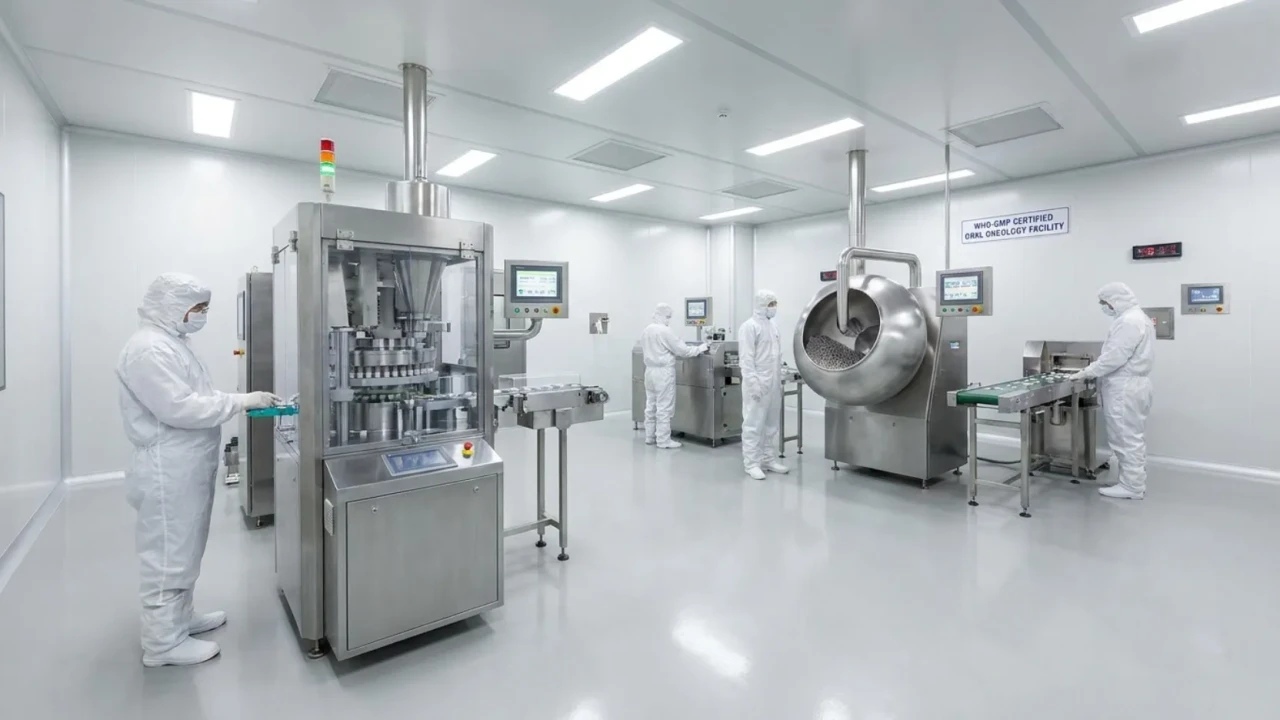
2 WHO-GMP Certified Oncology Manufacturing Leading Bangladeshi manufacturers including Beacon Pharmaceuticals Ltd. (Mymensingh) and Everest Pharmaceuticals Ltd. (Dhaka) operate dedicated oncology manufacturing blocks built to WHO-GMP, cGMP, and ISO standards, with dedicated cytotoxic production lines, laminar airflow containment, and full batch release documentation for every lot. This level of WHO-GMP manufacturing infrastructure rare among LDC pharmaceutical exporters qualifies Bangladesh-sourced generics for UNICEF Supply Division, Global Fund, and bilateral government institutional procurement programmes. According to data on Bangladesh’s pharmaceutical industry, the sector now exports to 166+ countries and generates USD 213 million in annual export revenue. For a full reference of which cancer drugs carry WHO Essential Medicines List approval and where to procure them at institutional scale, see our dedicated guide: WHO Essential Medicines List Cancer Drugs Approved and Where to Source Them at Scale. |
3 65+ Product Specialty Portfolio Bangladesh WHO-GMP manufacturers produce over 65 generic oncology and specialty drugs spanning all major therapeutic classes: tyrosine kinase inhibitors (TKIs), PARP inhibitors, CDK4/6 inhibitors, BTK inhibitors, JAK inhibitors, FXR agonists, hormone therapies, mTOR inhibitors, antimetabolites, and alkylating agents. For wholesale buyers, this depth means a single verified supplier can fulfil complex, multi-molecule institutional orders reducing procurement complexity, consolidating documentation, and cutting per-shipment logistics cost simultaneously. Browse the complete generic medicine catalogue at Mediaid Pharmacy to view current in-stock availability across all categories. |
Top 10 Generic Oncology & Specialty Medicines Available for Bulk Import Clinical Profiles and Wholesale Pricing
The following ten generic specialty medicines represent high commercial volume, wide therapeutic coverage, and strong institutional procurement demand across Bangladesh’s WHO-GMP certified export portfolio. Each profile includes the molecule’s mechanism of action, primary indication, FDA and WHO regulatory status, originator brand versus Bangladesh generic wholesale price benchmark, and direct availability status at Mediaid Pharmacy. All figures are indicative; actual wholesale pricing is volume-dependent contact the procurement team at +8801773428128 for a formal Proforma Invoice.
Drug #1 Axitinib 1mg / 5mg (Axinix) | Advanced Renal Cell Carcinoma
Axitinib is a potent and selective second-generation inhibitor of vascular endothelial growth factor receptors VEGFR-1, VEGFR-2, and VEGFR-3 the primary kinases driving tumour-associated angiogenesis and disease progression in renal cell carcinoma (RCC). FDA-approved in 2012 for advanced RCC following failure of one prior systemic therapy, Axitinib demonstrated superior progression-free survival compared to sorafenib in the Phase III AXIS trial. It is also approved in combination with pembrolizumab (KEYNOTE-426 protocol) as a first-line RCC regimen, significantly expanding its clinical utility. The drug’s high VEGFR selectivity over other kinases produces a clinically manageable toxicity profile, making it a preferred choice for both second-line and combination RCC protocols across hospital oncology programmes in Asia, Africa, and the Middle East.
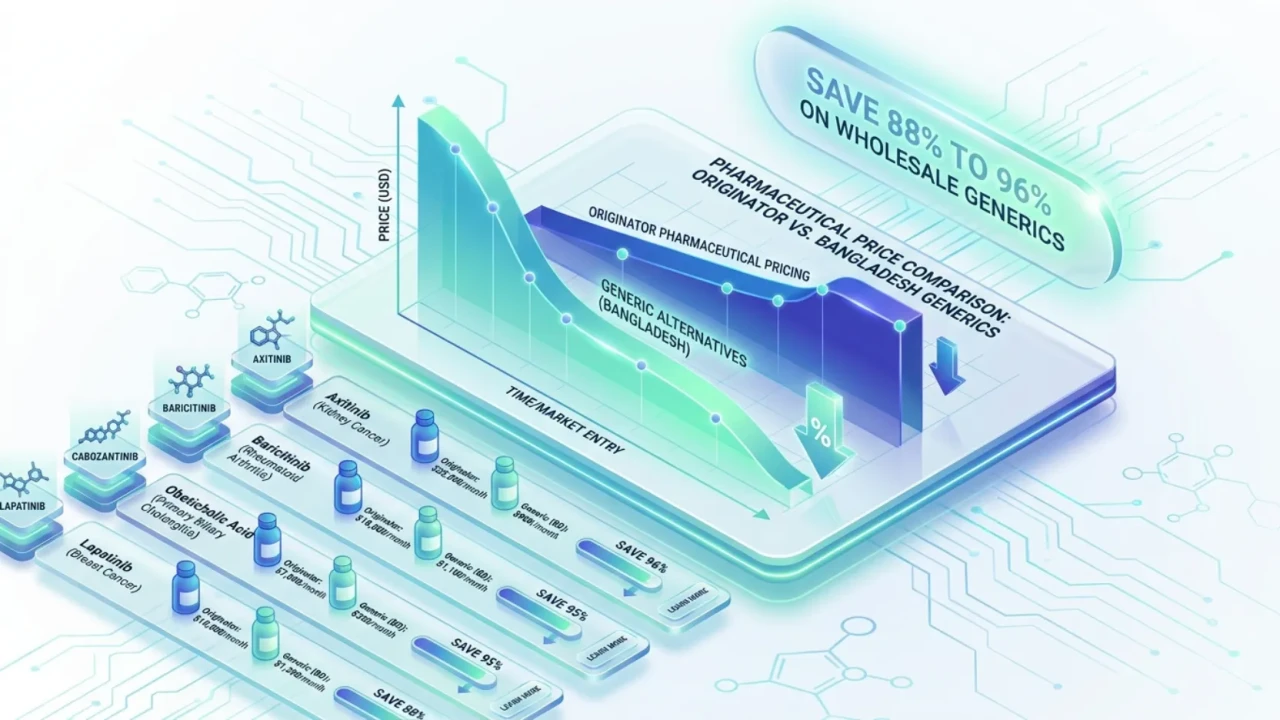
Axitinib represents one of the largest cost-saving opportunities in the renal cell carcinoma procurement space. Originator Inlyta (Pfizer) is priced at USD 9,000–14,000 per month at US wholesale acquisition cost, versus Bangladesh generic Axitinib at USD 300–800 per month a 92–96% procurement saving per patient. For procurement officers sourcing RCC medicines, this price differential fundamentally determines how many patients a fixed oncology budget can treat. Axitinib (Axinix 1mg / 5mg) is available in stock at Mediaid Pharmacy with full WHO-GMP batch documentation and worldwide shipping.
| Generic Name | Molecular Target | Primary Indication | Originator (Monthly USD) | Generic Wholesale (Monthly USD) | Saving |
| Axitinib 1mg / 5mg (Axinix) | VEGFR-1, VEGFR-2, VEGFR-3 | Advanced RCC (2nd-line and combination) | Inlyta (Pfizer) USD 9,000–14,000 | USD 300–800 | ~92–96% |
Drug #2 Baricitinib 2mg / 4mg (Baricinix) | Rheumatoid Arthritis & Alopecia Areata
Baricitinib is a selective and reversible inhibitor of Janus kinase 1 (JAK1) and Janus kinase 2 (JAK2) intracellular enzymes that transduce cytokine signalling through the JAK-STAT pathway, driving the inflammatory cascades underpinning rheumatoid arthritis (RA), alopecia areata (AA), and severe COVID-19. By inhibiting JAK1 and JAK2 with nanomolar potency (IC50 of 5.9 nM and 5.7 nM respectively), Baricitinib suppresses phosphorylation of STAT proteins downstream of pro-inflammatory interleukins including IL-6, IL-12, IL-23, and interferon signalling thereby reducing synovial inflammation in RA and halting the autoimmune follicle attack that drives hair loss in alopecia areata. FDA-approved in 2018 for moderate-to-severe active RA after inadequate response to TNF blockers, in 2022 for severe alopecia areata, and under Emergency Use Authorisation for hospitalised COVID-19 adults requiring supplemental oxygen, Baricitinib holds three distinct regulatory approvals across immunology and critical care, representing a uniquely versatile oral immune modulator.
Originator Olumiant (Eli Lilly) carries a monthly list price of USD 2,500–4,500, placing it beyond consistent reach for the majority of RA patients in lower-income markets. Generic Baricitinib from Bangladesh at USD 100–350 per month delivers the same JAK1/JAK2-directed efficacy at 88–96% lower wholesale cost. For rheumatology departments, infectious disease units, and dermatology programmes managing alopecia areata in Africa, the Middle East, and Southeast Asia, this price differential is the decisive factor in whether Baricitinib can be included in standard formularies at all. Baricitinib (Baricinix 2mg / 4mg) is available in stock at Mediaid Pharmacy.
| Generic Name | Molecular Target | Primary Indication | Originator (Monthly USD) | Generic Wholesale (Monthly USD) | Saving |
| Baricitinib 2mg / 4mg (Baricinix) | JAK1, JAK2 | Moderate-to-Severe RA; Severe Alopecia Areata; COVID-19 | Olumiant (Eli Lilly) USD 2,500–4,500 | USD 100–350 | ~88–96% |
Drug #3 Cabozantinib 20mg / 60mg (Cabozanix) | Advanced RCC, HCC & Metastatic MTC
Cabozantinib is a broad-spectrum oral multi-kinase inhibitor targeting MET (hepatocyte growth factor receptor), VEGFR-2, RET, AXL, and KIT tyrosine kinases a multi-target inhibitory profile that makes it uniquely effective across three high-burden oncology indications simultaneously. By blocking MET and VEGFR-2 in tandem, Cabozantinib disrupts the primary escape pathway that tumour cells use to evade VEGFR-only inhibitors like sunitinib and sorafenib, explaining its superior efficacy in previously-treated RCC patients. FDA approved in two distinct formulations Cometriq (capsules) for metastatic medullary thyroid cancer (MTC) in 2012, and Cabometyx (tablets) for advanced renal cell carcinoma (RCC) and hepatocellular carcinoma (HCC) in 2016 and 2019 respectively Cabozantinib covers the most commercially significant TKI-eligible oncology indications beyond CML and NSCLC.
Cabometyx originator pricing of USD 9,000–14,000 per month places it firmly in the inaccessible tier for institutional buyers in Asia, Africa, and the Middle East without a generic source. Generic Cabozantinib from Bangladesh at USD 400–1,000 per month a 92–96% saving enables oncology departments to include this multi-indication TKI in RCC, HCC, and MTC treatment protocols within realistic formulary budgets. For procurement officers managing multi-tumour-type oncology programmes, Cabozantinib’s breadth of indication makes it one of the highest-value single-molecule procurement additions available. Cabozantinib (Cabozanix 20mg / 60mg) is available in stock at Mediaid Pharmacy.
| Generic Name | Molecular Target | Primary Indication | Originator (Monthly USD) | Generic Wholesale (Monthly USD) | Saving |
| Cabozantinib 20mg / 60mg (Cabozanix) | MET, VEGFR-2, RET, AXL, KIT | Advanced RCC; HCC (post-sorafenib); Metastatic MTC | Cabometyx/Cometriq (Exelixis) USD 9,000–14,000 | USD 400–1,000 | ~92–96% |
Drug #4 Obeticholic Acid 5mg (Obetix) | Primary Biliary Cholangitis
Obeticholic Acid (OCA) is a selective and potent agonist of the Farnesoid X Receptor (FXR) a nuclear receptor expressed at high concentrations in the liver and intestine that serves as a master regulator of bile acid homeostasis, lipid metabolism, and hepatic inflammation and fibrosis. By activating FXR, Obeticholic Acid suppresses de novo bile acid synthesis from cholesterol, increases hepatocellular bile acid transport, and reduces hepatic exposure to accumulating bile acids the core pathogenic driver of primary biliary cholangitis (PBC), a progressive autoimmune liver disease that destroys intrahepatic bile ducts. FDA-approved in 2016 for PBC in combination with ursodeoxycholic acid (UDCA) in adults with an inadequate response to UDCA, or as monotherapy in patients unable to tolerate UDCA, Obeticholic Acid is the only FXR agonist approved for this indication and addresses a significant unmet clinical need in specialist hepatology and transplant centre formularies worldwide.
The originator Ocaliva (Intercept Pharmaceuticals) carried a monthly treatment cost of USD 5,000–8,000 before its voluntary US market withdrawal in September 2025. Generic Obeticholic Acid from Bangladesh remains available for institutional procurement at USD 200–500 per month representing 90–96% lower wholesale cost versus the former originator price level, enabling hepatology programmes and transplant centres in Asia, Africa, and the Middle East to include this FXR-targeted bile acid modulator in PBC treatment protocols. Obeticholic Acid (Obetix 5mg) is in stock at Mediaid Pharmacy with complete WHO-GMP documentation.
| Generic Name | Molecular Target | Primary Indication | Originator (Monthly USD) | Generic Wholesale (Monthly USD) | Saving |
| Obeticholic Acid 5mg (Obetix) | FXR (Farnesoid X Receptor) | Primary Biliary Cholangitis (PBC) 2nd-line or UDCA-intolerant | Ocaliva (Intercept) USD 5,000–8,000 | USD 200–500 | ~90–96% |
Drug #5 Lapatinib 250mg (Lapanix) | HER2-Positive Advanced Breast Cancer
Lapatinib is an orally active, potent, reversible dual inhibitor of the ErbB1 (EGFR / HER1) and ErbB2 (HER2 / neu) receptor tyrosine kinases a mechanism that distinguishes it from trastuzumab (which targets only the extracellular domain of HER2) by blocking intracellular kinase signalling from both receptors simultaneously. This dual-receptor inhibition is particularly clinically significant in tumours that have developed trastuzumab resistance, as alternative HER1/HER2 signalling routes that sustain tumour growth are blocked by Lapatinib’s intracellular action. FDA-approved in 2007, Lapatinib is indicated in combination with capecitabine for advanced or metastatic HER2-overexpressing breast cancer whose tumours have progressed on prior anthracycline, taxane, and trastuzumab therapy, and in combination with letrozole for postmenopausal women with HR-positive, HER2-overexpressing metastatic breast cancer for whom endocrine therapy is indicated. In emerging markets where HER2-positive breast cancer is diagnosed at advanced stages due to limited screening, Lapatinib represents a critical oral targeted therapy option.
Originator Tykerb/Tyverb (GlaxoSmithKline) carries a monthly treatment cost of USD 2,900–5,000 substantial for emerging-market breast cancer programmes. Generic Lapatinib from Bangladesh at USD 150–450 per month delivers 88–94% procurement savings and enables breast cancer units in Africa, Asia, and the Middle East to include a HER2-directed oral targeted therapy in their formularies. For broader breast cancer drug sourcing guidance, see our aligned resource on the breast cancer generic drug supply chain. Lapatinib (Lapanix 250mg) is in stock at Mediaid Pharmacy.
| Generic Name | Molecular Target | Primary Indication | Originator (Monthly USD) | Generic Wholesale (Monthly USD) | Saving |
| Lapatinib 250mg (Lapanix) | HER1 (EGFR), HER2 (ErbB2) dual | HER2+ Advanced / Metastatic Breast Cancer | Tykerb (GSK) USD 2,900–5,000 | USD 150–450 | ~88–94% |
Drug #6 Olaparib 150mg (Olaparix) | BRCA-Mutated Ovarian Cancer & HER2-Negative Breast Cancer
Olaparib is a potent, first-in-class oral inhibitor of Poly(ADP-ribose) polymerase enzymes PARP-1 and PARP-2 nuclear enzymes that catalyse single-strand DNA break repair via the base excision repair (BER) pathway. In tumour cells harbouring BRCA1 or BRCA2 mutations which are already deficient in homologous recombination (HR) DNA double-strand break repair PARP inhibition by Olaparib creates a state of synthetic lethality: the loss of both primary and backup DNA repair mechanisms results in unresolvable DNA damage, cell cycle arrest, and tumour cell death, while leaving HR-competent healthy cells largely unaffected. FDA-approved for BRCA-mutated advanced ovarian cancer maintenance therapy (SOLO-1 and SOLO-2 trials), germline BRCA-mutated HER2-negative metastatic breast cancer, BRCA-mutated metastatic castration-resistant prostate cancer, and BRCA-mutated metastatic pancreatic cancer, Olaparib holds the broadest approved indication scope of any PARP inhibitor currently in clinical use spanning four tumour types across the BRCA-mutated cancer spectrum.
Originator Lynparza (AstraZeneca) is priced at approximately USD 13,000–17,000 per month in the US, making it one of the most expensive standard-of-care cancer drugs for ovarian and breast cancer maintenance therapy programmes. Generic Olaparib 150mg from Bangladesh at USD 500–1,200 per month delivers 90–96% procurement savings, unlocking PARP inhibitor access for gynaecological oncology, breast oncology, and gastrointestinal oncology departments across Asia, Africa, and the Middle East. Olaparib 150mg (Olaparix) is in stock at Mediaid Pharmacy with full WHO-GMP batch documentation.
| Generic Name | Molecular Target | Primary Indication | Originator (Monthly USD) | Generic Wholesale (Monthly USD) | Saving |
| Olaparib 150mg (Olaparix) | PARP-1, PARP-2 | BRCA+ Ovarian (maintenance); HER2− Breast; Prostate; Pancreatic | Lynparza (AstraZeneca) USD 13,000–17,000 | USD 500–1,200 | ~90–96% |
Drug #7 Olaparib INN 50mg (Olanib) | BRCA-Mutated Cancers Lower-Strength Dose Formulation
Olanib 50mg contains Olaparib INN the identical active Poly(ADP-ribose) polymerase (PARP-1/-2) inhibitor as Olaparix 150mg, manufactured to the same WHO-GMP quality standards but supplied at a 50mg unit strength to support flexible dosing protocols. The lower 50mg strength formulation is clinically significant for institutional procurement programmes that require dose titration capability: clinicians managing PARP inhibitor toxicity profiles particularly haematological toxicities including anaemia, neutropenia, and thrombocytopenia routinely dose-reduce from standard 300mg daily (2 × 150mg) by stepping down to intermediate 200mg or 100mg daily doses, which the 50mg unit strength enables without tablet splitting. This formulation also supports weight-based or renal-adjusted dosing in paediatric or renally impaired patient populations where dose flexibility below 150mg increments is required by protocol.
For procurement officers managing ovarian cancer, HER2-negative breast cancer, or multi-indication PARP inhibitor programmes, stocking both the 150mg and 50mg unit strengths provides full dose-management flexibility within a single-supplier procurement framework reducing formulary complexity and ensuring continuous treatment for all dose levels. Generic Olaparib 50mg (Olanib) from Bangladesh at USD 200–600 per month delivers the same WHO-GMP quality assurance as the 150mg formulation at a 90–96% saving versus former originator price benchmarks. Olaparib INN 50mg (Olanib) is in stock at Mediaid Pharmacy.
| Generic Name | Molecular Target | Primary Indication | Originator (Monthly USD) | Generic Wholesale (Monthly USD) | Saving |
| Olaparib INN 50mg (Olanib) | PARP-1, PARP-2 | BRCA-Mutated Cancers Dose-Flexible Lower Strength Formulation | Lynparza (AstraZeneca) Reference | USD 200–600 | ~90–96% |
Drug #8 Osimertinib 40mg / 80mg (Tagrix) | EGFR-Mutated Non-Small Cell Lung Cancer
Osimertinib is a third-generation EGFR tyrosine kinase inhibitor (TKI) that irreversibly and selectively binds to mutant EGFR forms including the T790M resistance mutation, exon 19 deletions, and L858R exon 21 substitutions the three most clinically significant EGFR mutation types in non-small cell lung cancer (NSCLC). Unlike first- and second-generation EGFR TKIs (gefitinib, erlotinib, afatinib), which are rendered ineffective by the T790M gatekeeper mutation that develops in approximately 50–60% of patients after first-line EGFR TKI treatment, Osimertinib was specifically engineered to maintain potent inhibitory activity against T790M-harbouring EGFR while sparing wild-type EGFR significantly reducing the off-target skin and gastrointestinal toxicities that limit tolerability with earlier-generation agents. FDA-approved in 2015 for T790M-positive NSCLC (second-line) and in 2018 as first-line therapy for EGFR-mutated locally advanced or metastatic NSCLC based on FLAURA trial data, Osimertinib is now the gold-standard first-line EGFR-targeted therapy recommended by ESMO, NCCN, and WHO treatment guidelines for EGFR-mutated NSCLC worldwide.
Tagrisso (AstraZeneca) remains priced at USD 18,000–21,000 per month the second-highest monthly oncology drug cost in the NSCLC category placing it out of reach for the vast majority of EGFR-mutated NSCLC patients in Asia, Africa, and the Middle East without a generic source. EGFR mutations are the most prevalent oncogenic driver in lung cancer among Asian populations: EGFR mutation rates in Asian NSCLC patients reach 40–60%, versus 10–15% in Western populations, making Osimertinib procurement a disproportionately critical budget line for oncology departments across East, South, and Southeast Asia. Generic Osimertinib from Bangladesh at USD 700–1,600 per month delivers a 91–96% procurement saving and enables NSCLC treatment programmes to include this guideline-recommended first-line agent at institutional scale. For a full breakdown of how Osimertinib and other generic TKIs fit current NSCLC standard-of-care protocols, see our detailed reference on lung cancer treatment protocols and the generic medicines that support them (Updated 2026). Osimertinib (Tagrix 40mg / 80mg) is in stock at Mediaid Pharmacy.
| Generic Name | Molecular Target | Primary Indication | Originator (Monthly USD) | Generic Wholesale (Monthly USD) | Saving |
| Osimertinib 40mg / 80mg (Tagrix) | EGFR (T790M, exon 19 del, L858R) 3rd-Gen TKI | EGFR-Mutated NSCLC (1st-line); T790M+ NSCLC (2nd-line) | Tagrisso (AstraZeneca) USD 18,000–21,000 | USD 700–1,600 | ~91–96% |
Drug #9 Ponatinib 15mg (Ponatinix) | CML & Ph+ ALL with T315I Mutation
Ponatinib is a third-generation, pan-mutational BCR-ABL tyrosine kinase inhibitor (TKI) engineered to overcome resistance to all prior-generation BCR-ABL inhibitors, including the clinically most problematic T315I gatekeeper mutation a single threonine-to-isoleucine amino acid substitution at position 315 of the BCR-ABL kinase domain that confers resistance to all first-generation (imatinib) and second-generation (dasatinib, nilotinib) TKIs, historically leaving patients with T315I-mutated CML or Ph+ ALL with no effective oral therapeutic option. Ponatinib was specifically designed to accommodate the steric constraints imposed by the T315I substitution, maintaining potent BCR-ABL inhibitory activity (Ki <0.5 nM) against native BCR-ABL and all known single-point resistance mutations, earning it the designation as the only approved pan-mutational TKI for BCR-ABL-driven leukaemia. FDA-approved in 2012 for adults with T315I-positive CML or Ph+ ALL and for patients for whom no other TKI therapy is indicated, Ponatinib is also used at response-guided maintenance doses of 15mg once daily in chronic-phase CML patients who achieve major cytogenetic response the clinical context for the 15mg formulation profiled here.
Iclusig (Takeda/Incyte), the originator Ponatinib brand, carries a monthly list price of USD 8,000–15,000 placing it among the most expensive leukaemia drugs in the TKI class. Generic Ponatinib from Bangladesh at USD 350–900 per month delivers 90–95% procurement savings for CML and Ph+ ALL treatment programmes managing T315I-mutated or multi-TKI-resistant patients the patients who most urgently need this third-generation agent and for whom no substitute therapy exists. For haematology departments in Asia, Africa, and the Middle East managing BCR-ABL-positive leukaemia, generic Ponatinib is both a clinical necessity and a budget imperative. Ponatinib (Ponatinix 15mg) is in stock at Mediaid Pharmacy.
| Generic Name | Molecular Target | Primary Indication | Originator (Monthly USD) | Generic Wholesale (Monthly USD) | Saving |
| Ponatinib 15mg (Ponatinix) | BCR-ABL (pan-mutational incl. T315I) | CML (CP/AP/BP) T315I or TKI-resistant/intolerant; Ph+ ALL | Iclusig (Takeda/Incyte) USD 8,000–15,000 | USD 350–900 | ~90–95% |
Drug #10 Ibrutinib 140mg (Ibrutix) | CLL, Mantle Cell Lymphoma & Waldenström’s Macroglobulinemia
Ibrutinib is the first and most widely used irreversible inhibitor of Bruton’s Tyrosine Kinase (BTK) a non-receptor tyrosine kinase that functions as a critical signalling node in the B-cell antigen receptor (BCR) pathway, transmitting survival, proliferation, and tissue-homing signals in malignant B-lymphocytes. By covalently binding to cysteine residue Cys-481 in the BTK active site, Ibrutinib permanently inactivates BTK enzymatic activity, blocking BCR-mediated downstream signalling including PI3K/AKT and NF-κB pathways that sustain B-cell malignancy survival. This mechanism of irreversible BTK inhibition distinguishes Ibrutinib from earlier targeted agents and produces durable responses even in high-risk genomic subgroups including del(17p) and del(11q) CLL, TP53-mutated CLL, and patients who have failed prior chemoimmunotherapy where conventional therapy produces inadequate responses. FDA-approved across five indications chronic lymphocytic leukaemia (CLL/SLL), mantle cell lymphoma (MCL), Waldenström’s macroglobulinemia (WM), marginal zone lymphoma (MZL), and chronic graft-versus-host disease (cGVHD) Ibrutinib is the most multi-indication B-cell malignancy agent in the BTK inhibitor class.
Originator Imbruvica (Janssen/Pharmacyclics) carries a monthly list price of USD 8,200–12,000 for CLL and USD 10,900 for MCL representing the highest-volume haematological oncology drug spend for most hospital formularies treating B-cell lymphoid malignancies. Generic Ibrutinib from Bangladesh at USD 300–800 per month achieves a 90–96% procurement saving and enables haematology departments to include BTK inhibitor therapy in standard-of-care treatment protocols for CLL, MCL, and WM without budget-driven treatment deprioritisation. Given that Ibrutinib is now a continuous oral therapy for many CLL patients potentially dosed for several years the compounded annual savings versus originator pricing are among the most significant of any single generic oncology drug substitution. Ibrutinib (Ibrutix 140mg) is in stock at Mediaid Pharmacy with full WHO-GMP documentation.
| Generic Name | Molecular Target | Primary Indication | Originator (Monthly USD) | Generic Wholesale (Monthly USD) | Saving |
| Ibrutinib 140mg (Ibrutix) | BTK (Bruton’s Tyrosine Kinase) irreversible | CLL / SLL; MCL; Waldenström’s Macroglobulinemia; MZL; cGVHD | Imbruvica (J&J/Pharmacyclics) USD 8,200–12,000 | USD 300–800 | ~90–96% |
Quick Reference: All 10 Generic Specialty Medicines Wholesale Pricing Summary
| Generic Drug (Brand Name) | Strength | Indication | Originator Brand (Monthly USD) | Bangladesh Generic Wholesale (Monthly USD) | Cost Saving |
| Axitinib (Axinix) | 1mg / 5mg | Advanced RCC | Inlyta (Pfizer) USD 9,000–14,000 | USD 300–800 | ~92–96% |
| Baricitinib (Baricinix) | 2mg / 4mg | Rheumatoid Arthritis; Alopecia Areata | Olumiant (Lilly) USD 2,500–4,500 | USD 100–350 | ~88–96% |
| Cabozantinib (Cabozanix) | 20mg / 60mg | RCC; HCC; Metastatic MTC | Cabometyx (Exelixis) USD 9,000–14,000 | USD 400–1,000 | ~92–96% |
| Obeticholic Acid (Obetix) | 5mg | Primary Biliary Cholangitis (PBC) | Ocaliva (Intercept) USD 5,000–8,000 | USD 200–500 | ~90–96% |
| Lapatinib (Lapanix) | 250mg | HER2+ Breast Cancer | Tykerb (GSK) USD 2,900–5,000 | USD 150–450 | ~88–94% |
| Olaparib (Olaparix) | 150mg | BRCA+ Ovarian / Breast Cancer (maintenance) | Lynparza (AstraZeneca) USD 13,000–17,000 | USD 500–1,200 | ~90–96% |
| Olaparib INN (Olanib) | 50mg | BRCA-Mutated Cancers Dose-Flexible | Lynparza (AstraZeneca) Reference | USD 200–600 | ~90–96% |
| Osimertinib (Tagrix) | 40mg / 80mg | EGFR-Mutated NSCLC | Tagrisso (AstraZeneca) USD 18,000–21,000 | USD 700–1,600 | ~91–96% |
| Ponatinib (Ponatinix) | 15mg | CML / Ph+ ALL (T315I or TKI-resistant) | Iclusig (Takeda/Incyte) USD 8,000–15,000 | USD 350–900 | ~90–95% |
| Ibrutinib (Ibrutix) | 140mg | CLL / SLL; MCL; Waldenström’s | Imbruvica (J&J) USD 8,200–12,000 | USD 300–800 | ~90–96% |
Frequently Asked Questions Generic Specialty Medicine Bulk Import from Bangladesh
What are generic specialty medicines and how do they compare to originator branded drugs?
Generic specialty medicines are off-patent pharmaceutical equivalents of branded drugs that contain the same active ingredient, strength, dosage form, and route of administration as the originator product. Generic specialty medicines manufactured under WHO-GMP conditions are therapeutically equivalent to their branded counterparts they must demonstrate comparable bioavailability through bioequivalence studies. The critical procurement difference is cost: generic specialty medicine wholesale prices from WHO-GMP certified manufacturers in Bangladesh are 60–99% lower than originator brand list prices, allowing institutional buyers to treat dramatically more patients within the same budget without compromising treatment quality.
What is the wholesale price of generic Osimertinib (Tagrix) 80mg from Bangladesh?
The wholesale price of generic Osimertinib 80mg (Tagrix) from Bangladesh ranges from approximately USD 700–1,600 per patient-month depending on order volume, Incoterms, and destination country compared to USD 18,000–21,000 per month for branded Tagrisso (AstraZeneca), representing savings of approximately 91–96%. Osimertinib is the third-generation EGFR TKI of choice for EGFR-mutated NSCLC under current ESMO and NCCN guidelines and is the highest-priority procurement item for lung cancer programmes in Asia, where EGFR mutation rates reach 40–60% of all NSCLC cases. Contact Mediaid Pharmacy at +8801773428128 or info@mediaidpharmacy.com for exact volume-based pricing and Proforma Invoice.
Are generic specialty medicines from Bangladesh WHO-GMP certified?
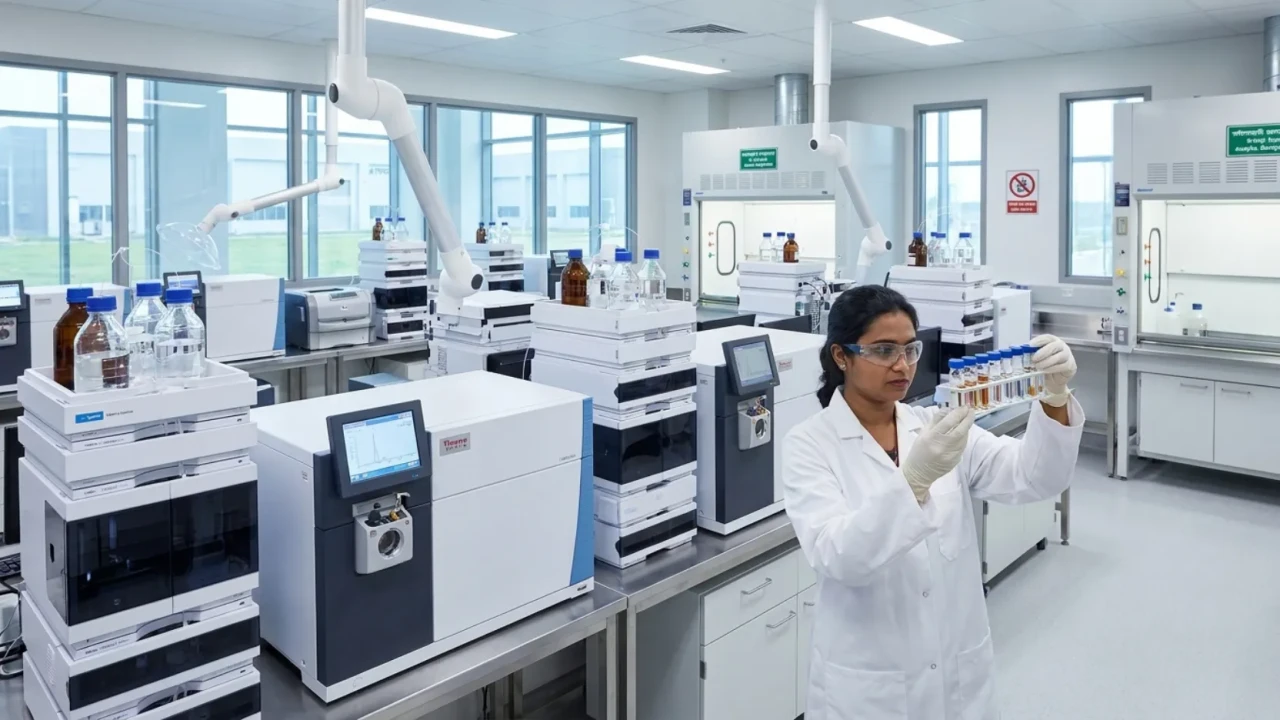
Yes. Leading Bangladeshi manufacturers including Beacon Pharmaceuticals Ltd. and Everest Pharmaceuticals Ltd. hold WHO-GMP, cGMP, and ISO certifications issued following physical facility inspections by WHO-authorised auditors. WHO-GMP certification for specialty medicines is the minimum quality threshold required by UNICEF Supply Division, the Global Fund, and most national medicines regulatory authorities (NMRAs) for institutional procurement approval. Mediaid Pharmacy sources exclusively from WHO-GMP certified Bangladeshi manufacturers and provides the full documentation package Certificate of Analysis (COA), Certificate of Origin (COO), DGDA Drug Registration Certificate, Free Sale Certificate (FSC), and Bioequivalence (BE) data with every wholesale order.
Which generic specialty medicines can I import in bulk from Bangladesh?
Bangladesh’s WHO-GMP certified manufacturers produce 65+ generic oncology and specialty medicines available for bulk import. The 10 high-demand molecules profiled in this guide Axitinib, Baricitinib, Cabozantinib, Obeticholic Acid, Lapatinib, Olaparib (150mg and 50mg), Osimertinib, Ponatinib, and Ibrutinib represent a cross-section of the available portfolio spanning VEGFR inhibitors, JAK inhibitors, multi-kinase inhibitors, FXR agonists, HER-directed agents, PARP inhibitors, EGFR TKIs, BCR-ABL TKIs, and BTK inhibitors. Mediaid Pharmacy maintains stock across the full 65+ product portfolio and ships worldwide with complete regulatory documentation.
Why are generic specialty medicine wholesale prices from Bangladesh so much lower than originator prices?
Generic specialty medicine wholesale prices from Bangladesh are 60–99% lower than originator prices due to three structural advantages unique to Bangladesh: (1) A WTO TRIPS Agreement exemption under Article 66.1 as a least-developed country (LDC), valid until at least 1 January 2033, permitting Bangladeshi manufacturers to produce patented pharmaceutical molecules without paying originator patent licence fees; (2) substantially lower manufacturing labour and overhead costs compared to Western pharmaceutical markets; and (3) established WHO-GMP certified oncology and specialty manufacturing infrastructure that achieves institutional-scale production efficiencies. This combination makes Bangladesh the most cost-competitive and legally compliant single-country source for WHO-GMP certified generic specialty medicines globally.
What documentation is required to bulk import generic specialty medicines from Bangladesh?
To bulk import generic specialty medicines from Bangladesh, buyers require the following documentation package from Mediaid Pharmacy: WHO-GMP Certificate (current, facility address matching shipment origin); batch-specific Certificate of Analysis (COA) confirming assay ≥98%, dissolution, and microbiological limits; Certificate of Origin (COO) from the Bangladesh Chamber of Commerce; DGDA Drug Registration Certificate; Free Sale Certificate (FSC); and Bioequivalence (BE) data. On the import side, buyers typically need an import licence or permit from their NMRA and, for cytotoxic agents, an End-User Certificate (EUC). Mediaid Pharmacy provides the complete export documentation package as standard for all orders. For the full documentation framework, see: the complete B2B guide to sourcing WHO-GMP specialty medicines from Bangladesh.
How can I request a wholesale price list for generic specialty medicines from Mediaid Pharmacy?
To request a formal wholesale price list or Proforma Invoice for generic specialty medicines, contact Mediaid Pharmacy directly via WhatsApp, phone, or WeChat at +8801773428128, or email info@mediaidpharmacy.com. Include your molecule requirements (name, strength, quantity), destination country, and any specific regulatory documentation needs. Mediaid Pharmacy will confirm stock availability and issue a formal Proforma Invoice with per-unit wholesale pricing, Incoterms, and lead time. NGO and government hospital buyers procuring for public health programmes may qualify for preferential pricing tiers. Visit Mediaid Pharmacy’s website for direct contact options.
What is the minimum order quantity (MOQ) for bulk generic specialty medicine imports?
Minimum order quantities at Mediaid Pharmacy vary by molecule, dosage form, and destination market. Both first-time institutional buyers placing initial evaluation orders and high-volume clients with standing purchase orders are accommodated. Higher-volume orders attract lower per-unit wholesale pricing, and multi-molecule consolidated orders reduce per-shipment logistics cost compared to separate single-molecule consignments. For an exact Proforma Invoice with MOQ, per-unit pricing, and Incoterms tailored to your specific order, contact the procurement team at +8801773428128 or info@mediaidpharmacy.com.
📚 Continue Reading Procurement Guides
The following guides expand on the sourcing frameworks, disease-specific supply chains, and regulatory documentation topics referenced throughout this article.
-
How to Source WHO-GMP Certified Oncology Medicines from Bangladesh: A B2B Buyer’s Guide
Step-by-step procurement framework covering manufacturer vetting, regulatory documentation, Incoterms selection, and import compliance for institutional buyers. -
Imatinib Mesylate Wholesale Supplier: How Hospitals in Africa Are Cutting Leukemia Treatment Costs by 60%
Real-world procurement case study covering BCR-ABL-positive CML treatment cost reduction using generic Imatinib sourced from Bangladesh. -
Lung Cancer Treatment Protocols and the Generic Medicines That Support Them (Updated 2026)
Current NSCLC and SCLC treatment protocol mapping including first-line Osimertinib, second-line options, and WHO-GMP generic sourcing for each line of therapy. -
Breast Cancer Generic Drug Supply Chain: What Importers Need to Know in 2026
Procurement landscape for HER2-positive and BRCA-mutated breast cancer generics, including Lapatinib, Olaparib, and CDK4/6 inhibitors with supply chain risk and documentation notes for 2026. -
WHO Essential Medicines List: Which Cancer Drugs Are Approved and Where to Source Them at Scale
Complete reference mapping WHO EML-approved oncology molecules to verified wholesale sourcing options in Bangladesh, with priority tier and NMRA approval pathway notes.
Why Source Generic Specialty Medicines at Wholesale from Mediaid Pharmacy?
Mediaid Pharmacy is one of Bangladesh’s most experienced and established generic specialty medicine wholesale suppliers, with an active export network spanning Africa, Asia, the Middle East, Europe, and Latin America. Mediaid Pharmacy sources directly from Beacon Pharmaceuticals Ltd. Bangladesh’s first and leading dedicated oncology pharmaceutical exporter and other WHO-GMP certified manufacturers, providing verified product quality, comprehensive regulatory documentation, and competitive B2B wholesale pricing for all institutional buyer categories.
|
Full WHO-GMP Documentation as Standard Every generic specialty medicine supplied by Mediaid Pharmacy is manufactured under WHO-GMP, cGMP, and ISO-certified production conditions. The complete documentation package WHO-GMP Certificate, COA, COO, DGDA Drug Registration Certificate, Free Sale Certificate, and Bioequivalence data where applicable is provided as standard with every wholesale shipment, ensuring smooth regulatory clearance and customs compliance at the destination country. |
65+ Generic Oncology & Specialty Drugs Single-Supplier Procurement Mediaid Pharmacy stocks and exports 65+ generic oncology and specialty drugs spanning all major therapeutic classes TKIs, PARP inhibitors, BTK inhibitors, JAK inhibitors, CDK4/6 inhibitors, FXR agonists, hormone therapies, mTOR inhibitors, and alkylating agents. Multi-molecule institutional orders are fulfilled from a single verified supplier, reducing procurement complexity, consolidating documentation, and cutting per-shipment logistics cost for high-volume buyers. |
|
Worldwide Shipping with Full Export Documentation Mediaid Pharmacy exports to all major import markets: Africa (Kenya, Nigeria, Ghana, Tanzania, Ethiopia, South Africa), Middle East (UAE, Saudi Arabia, Egypt, Jordan), Southeast Asia (Philippines, Indonesia, Vietnam, Myanmar), South Asia (India, Sri Lanka, Nepal), Europe (Romania, UK, Germany), and Latin America. The logistics team prepares the complete export documentation set Commercial Invoice, Packing List, COA, COO, Bill of Lading, and Dangerous Goods Declaration for cytotoxic agents for every shipment. |
Direct WhatsApp / WeChat Ordering Dedicated Account Management Mediaid Pharmacy’s procurement support team is directly reachable via WhatsApp, phone, and WeChat at +8801773428128 and by email at info@mediaidpharmacy.com. Dedicated account management is available for repeat institutional orders including standing purchase orders, advance stock reservation, multi-month supply planning, and regulatory documentation support for new market registrations. |
Conclusion: Accessing Generic Specialty Medicines at Wholesale Prices for Institutional Bulk Import
The ten generic specialty medicines profiled in this guide Axitinib (Axinix), Baricitinib (Baricinix), Cabozantinib (Cabozanix), Obeticholic Acid (Obetix), Lapatinib (Lapanix), Olaparib 150mg (Olaparix), Olaparib 50mg INN (Olanib), Osimertinib (Tagrix), Ponatinib (Ponatinix), and Ibrutinib (Ibrutix) represent high-value, high-demand generic medicines available for WHO-GMP certified bulk import from Bangladesh at 88–96% below originator brand list prices. Together, these molecules span advanced renal cell carcinoma, rheumatoid arthritis and alopecia areata, multi-indication kinase-driven cancers, primary biliary cholangitis, HER2-positive breast cancer, BRCA-mutated ovarian and breast cancer, EGFR-mutated non-small cell lung cancer, multi-TKI-resistant CML and Ph+ ALL, and B-cell lymphoid malignancies including CLL, MCL, and Waldenström’s macroglobulinemia covering the most prevalent and highest-cost targeted therapy categories in institutional procurement worldwide.
Bangladesh’s unique position combining the WTO TRIPS LDC exemption until 2033, established WHO-GMP oncology and specialty manufacturing infrastructure, and a 65+ product generic portfolio makes it the most cost-effective, legally compliant, and comprehensively documented single-country source of affordable targeted therapy for hospital procurement departments, pharmaceutical importers, oncology NGOs, and government health agencies operating across Asia, Africa, the Middle East, and Latin America. Mediaid Pharmacy Bangladesh’s certified generic specialty medicine wholesale supplier provides the verified manufacturer access, complete batch documentation, and worldwide shipping capability to support confident, compliant, large-scale procurement.
Request Your Generic Specialty Medicine Wholesale Price List Today
Contact Mediaid Pharmacy to receive a formal Proforma Invoice with per-unit wholesale pricing, minimum order quantities, and Incoterms for any or all 10 molecules listed in this guide and any other generic oncology or specialty drug in the 65+ product portfolio.
📱 WhatsApp / Phone / WeChat: +8801773428128 | ✉ Email: info@mediaidpharmacy.com