Description
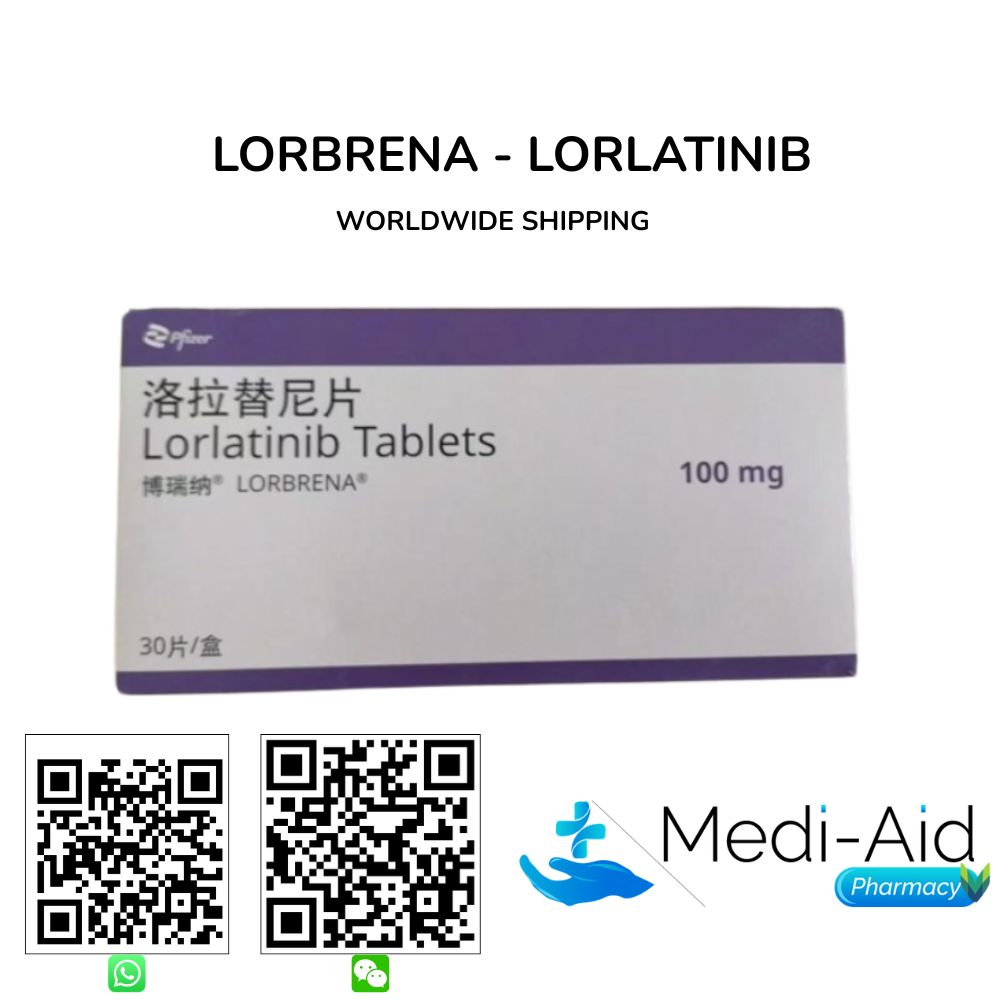
Lorbrena 100 MG (Lorlatinib) is a third-generation, macrocyclic ALK (anaplastic lymphoma kinase) and ROS1 (ROS proto-oncogene 1) tyrosine kinase inhibitor (TKI) supplied as 100 mg film-coated tablets in a 30-tablet pack (China-market packaging, Chinese brand name: 博瑞纳) and manufactured by Pfizer Inc. Its active ingredient, lorlatinib, is a brain-penetrant, highly selective macrocyclic kinase inhibitor designed to overcome the full spectrum of ALK resistance mutations that limit the efficacy of first-generation (crizotinib) and second-generation (alectinib, ceritinib, brigatinib) ALK inhibitors, and to achieve durable tumor control in the central nervous system (CNS) through clinically validated blood-brain barrier penetration.
In the pivotal CROWN Phase 3 trial (n=296 adults with previously untreated ALK-positive metastatic non-small cell lung cancer [NSCLC]), lorlatinib 100 mg produced a 72% reduction in the risk of disease progression or death versus crizotinib (HR 0.28; 95% CI, 0.19 to 0.41; p<0.0001), a 3-year progression-free survival (PFS) rate of 64% versus 19% with crizotinib, an overall response rate (ORR) of 76% versus 58%, and an intracranial objective response rate (IC-ORR) of 82% versus 23% with crizotinib among patients with measurable brain metastases at baseline. Searching for Lorbrena 100 MG Lorlatinib? Mediaid Pharmacy lists this product within its comprehensive lung cancer medicines portfolio and ships it worldwide.
Basic Product Information of Lorbrena 100 MG (Lorlatinib)
| Brand Name | Lorbrena 100 MG (Lorlatinib) |
| Product Name | Lorbrena |
| Chinese Package Name | 博瑞纳 |
| Generic Name | Lorlatinib INN |
| Drug Class | Third-Generation ALK (Anaplastic Lymphoma Kinase) and ROS1 (ROS Proto-Oncogene 1) Tyrosine Kinase Inhibitor; Macrocyclic Kinase Inhibitor; Targeted Anticancer Agent; Protein Kinase Inhibitor |
| Formulation | Film-Coated Tablets, Oral |
| Available Strength | 100 mg |
| Available Pack Size | 30 Tablets per Pack |
| Primary Indications and Dose | ALK-positive metastatic non-small cell lung cancer (NSCLC) in adults: (1) first-line treatment of adults with ALK-positive metastatic NSCLC; (2) treatment of ALK-positive metastatic NSCLC that has progressed on crizotinib and at least one other ALK inhibitor, or on alectinib or ceritinib as the first ALK inhibitor therapy for metastatic disease; (3) treatment of ROS1-positive metastatic NSCLC in applicable regulatory jurisdictions. Standard adult dose: 100 mg orally once daily, with or without food. No dose escalation schedule; 100 mg is both the starting and the approved therapeutic dose. Dose reduction to 75 mg once daily or 50 mg once daily for Grade 3 or Grade 4 adverse reactions. Maximum approved dose: 100 mg once daily. |
| Manufacturer / Brand | Pfizer Inc. (China-market packaging) |
| Market Packaging | China |
| Categories | Lung Cancer Medicines, Oncology Medicines, Original Molecule Medicines |
| Global Supplier | Mediaid Pharmacy, Worldwide Shipping Available |
| Storage Conditions | Store at 20 degrees C to 25 degrees C (68 degrees F to 77 degrees F); excursions permitted from 15 degrees C to 30 degrees C (59 degrees F to 86 degrees F). Keep in original container. Keep out of the reach of children. |
How Lorbrena 100 MG (Lorlatinib) Works: Third-Generation ALK and ROS1 Kinase Inhibition with CNS Penetration
Lorlatinib, the active ingredient in Lorbrena 100 MG, is a macrocyclic, highly selective, third-generation ALK (anaplastic lymphoma kinase) and ROS1 (ROS proto-oncogene 1) tyrosine kinase inhibitor engineered with two properties that distinguish it from all earlier-generation ALK inhibitors: exceptional breadth of ALK resistance mutation coverage and clinically validated central nervous system (CNS) penetration. At the 100 mg once-daily dose, lorlatinib delivers potent, sustained inhibition of ALK kinase activity across a comprehensive panel of resistance mutations that arise under therapeutic pressure from first-generation (crizotinib) and second-generation (alectinib, ceritinib, brigatinib) ALK inhibitors, including the gatekeeper mutation L1196M, the solvent-front mutations G1202R and D1203N (the most common resistance mechanism to alectinib), and multiple compound mutations that confer resistance to two or more prior ALK inhibitors simultaneously.
Lorlatinib binds ALK in a macrocyclic conformation that physically accommodates the enlarged binding pockets created by gatekeeper and solvent-front resistance mutations, maintaining tight inhibitory binding affinity where earlier-generation inhibitors are sterically displaced. ALK-positive NSCLC is driven by chromosomal rearrangements (most commonly EML4-ALK inversions on chromosome 2p) that create a constitutively active fusion kinase, providing continuous proliferation and survival signals in tumor cells expressing this oncogene. Lorbrena 100 MG is available through the Mediaid Pharmacy oncology medicines collection with worldwide delivery for clinical procurement and patient access programs.
Lorlatinib’s molecular architecture incorporates a rigid macrocyclic scaffold that constrains the molecule’s conformational flexibility, reducing the number of rotatable bonds and producing a lower topological polar surface area (TPSA) relative to its molecular weight. This molecular property correlates directly with enhanced passive CNS membrane permeability, enabling lorlatinib to cross the blood-brain barrier at clinically meaningful concentrations and achieve a brain-to-plasma concentration ratio of approximately 0.75 in preclinical models.
This CNS penetration directly translates to the intracranial activity demonstrated in the CROWN Phase 3 trial, where lorlatinib produced complete intracranial responses in 71% of patients with measurable brain metastases at baseline versus 8% with crizotinib, and an IC-ORR of 82% versus 23%. ALK-positive NSCLC affects approximately 25% of patients at initial presentation with brain metastases, and up to 70% develop CNS disease during the course of advanced illness, making CNS control a primary determinant of outcome in this patient population.
Lorlatinib at 100 mg once daily inhibits the ALK fusion kinase and all catalogued clinically relevant resistance mutations, blocking downstream PI3K-AKT-mTOR, RAS-MEK-ERK, and JAK-STAT3 signaling pathways that mediate proliferation, survival, invasion, and metastasis in ALK-dependent tumor cells. Healthcare providers sourcing lorlatinib for clinical oncology programs can explore the full lorlatinib medicines portfolio at Mediaid Pharmacy for worldwide consolidated delivery.
Lorlatinib also potently inhibits ROS1 kinase and its clinically relevant resistance mutations, including ROS1 G2032R (the most common resistance mutation to first-generation ROS1 inhibitors such as crizotinib and entrectinib), providing activity in ROS1-rearranged NSCLC that has progressed on earlier ROS1 inhibitors. From a pharmacokinetic standpoint, lorlatinib is metabolized primarily by CYP3A4 and, to a lesser extent, by CYP2C8, with the major circulating metabolite being lorlatinib isopropyl ester, which has no meaningful ALK inhibitory activity. Lorlatinib’s half-life of approximately 24 hours supports the once-daily oral dosing schedule, and steady-state plasma concentrations are reached within 5 to 7 days of continuous 100 mg once-daily administration.
A key pharmacological distinction is that lorlatinib functions as both a CYP3A4 substrate and a potent CYP3A4 inducer at therapeutic exposures, creating a bidirectional drug interaction profile that requires careful co-medication assessment before and throughout treatment. For Pfizer original molecule oncology treatments and companion targeted therapies, visit the Pfizer oncology medicines section at Mediaid Pharmacy.
Approved Indications and Dose Position of Lorlatinib 100 MG (Reference Label for Lorbrena 100 MG Lorlatinib)
Lorlatinib, the active ingredient in Lorbrena 100 MG, carries reference-label indications in ALK-positive metastatic NSCLC across multiple lines of therapy, and in ROS1-positive NSCLC in applicable regulatory jurisdictions. At 100 mg once daily, lorlatinib holds a uniquely defined dose position: it is the single approved therapeutic dose for all lorlatinib indications, with no dose escalation titration schedule. Unlike incretin-based therapies that require weeks of stepwise dose escalation before reaching a therapeutic maintenance level, lorlatinib 100 mg is initiated at its full therapeutic dose from Day 1 of treatment, making it one of the most straightforward targeted oncology prescribing models in advanced NSCLC. Prescribers should confirm locally approved indications on the Lorbrena product label and current national lung cancer and oncology management guidelines before initiating treatment.
|
First-Line Treatment of ALK-Positive Metastatic NSCLC (Frontline Monotherapy) Lorlatinib 100 mg once daily is indicated as a frontline single-agent treatment for adults with ALK-positive metastatic NSCLC confirmed by an approved companion diagnostic test for ALK rearrangement. Clinical validation is based on the CROWN Phase 3 trial (n=296), in which lorlatinib produced a PFS hazard ratio of 0.28 versus crizotinib (95% CI, 0.19 to 0.41; p<0.0001), a 3-year PFS rate of 64% versus 19% with crizotinib, an ORR of 76% versus 58%, a complete response rate of 30% versus 4%, and an IC-ORR of 82% versus 23% with crizotinib in patients with measurable brain metastases at baseline (complete intracranial response rate: 71% vs. 8%). For a full range of ALK-positive NSCLC treatments and companion lung cancer medicines, browse the lung cancer medicines collection at Mediaid Pharmacy. |
Later-Line Treatment After Prior ALK Inhibitor Therapy (Second-Line and Beyond for Lorlatinib) Lorlatinib 100 mg once daily is indicated for adults with ALK-positive metastatic NSCLC that has progressed on crizotinib and at least one other ALK inhibitor, or for patients who have progressed specifically on alectinib or ceritinib as the first ALK inhibitor therapy for metastatic disease. Clinical validation for later-line use is based on the Phase 1/2 study B7461001, in which lorlatinib produced an ORR of 47% in patients previously treated with crizotinib and at least one other ALK inhibitor, and an IC-ORR of 63% in evaluable patients with measurable brain metastases, confirming meaningful intracranial activity in heavily pre-treated CNS disease. For the complete lorlatinib product range, visit the lorlatinib medicines collection at Mediaid Pharmacy. |
Key Clinical Benefits of Lorbrena 100 MG (Lorlatinib)
|
72% Risk Reduction in Disease Progression or Death Versus Crizotinib: The Strongest Efficacy Separation in First-Line ALK-Positive NSCLC Lorlatinib 100 mg achieved an HR of 0.28 for PFS versus crizotinib in the CROWN Phase 3 trial (n=296; 95% CI, 0.19 to 0.41; p<0.0001), representing a 72% reduction in the risk of disease progression or death and the most substantial efficacy separation from a comparator ALK inhibitor recorded in any Phase 3 frontline NSCLC trial. The 3-year PFS rate of 64% for lorlatinib versus 19% for crizotinib confirms that this efficacy advantage is durable and sustained over 36 months of follow-up, not limited to an early divergence of survival curves. An ORR of 76% and a complete response rate of 30% for lorlatinib versus 4% for crizotinib further establish that lorlatinib 100 mg delivers deep, durable tumor shrinkage at the standard therapeutic dose in the frontline setting of ALK-positive NSCLC. |
82% Intracranial Response Rate in Brain Metastases: The Highest Documented Among All First-Line ALK Inhibitors in NSCLC Lorlatinib 100 mg produced an IC-ORR of 82% versus 23% with crizotinib in patients with measurable brain metastases at baseline in the CROWN trial, with a complete intracranial response (IC-CR) rate of 71% versus 8% for crizotinib. This level of CNS tumor control is the highest intracranial response rate documented in any Phase 3 first-line ALK inhibitor trial in NSCLC, and is attributable to lorlatinib’s molecularly engineered blood-brain barrier penetration properties. For ALK-positive NSCLC patients presenting with brain metastases at diagnosis (approximately 25% of all patients at first presentation), lorlatinib 100 mg provides clinically validated intracranial tumor control that no earlier-generation ALK inhibitor has matched in a randomized head-to-head trial, directly addressing the primary driver of neurological morbidity and treatment failure in advanced ALK-positive disease. |
Comprehensive Resistance Mutation Coverage: Active Against All Clinically Relevant Single and Compound ALK Kinase Domain Mutations Lorlatinib at 100 mg maintains potent ALK inhibitory activity against all catalogued clinically relevant single ALK resistance mutations, including L1196M (gatekeeper), G1202R (solvent front, primary alectinib resistance mechanism), D1203N, I1171T/N/S, and V1180L, and demonstrates activity against compound mutations (simultaneous mutations at two or more ALK kinase domain residues) that represent the highest resistance barrier for second-generation ALK inhibitors. This comprehensive resistance mutation profile is the mechanistic basis for lorlatinib’s clinical activity in patients who have progressed on two prior ALK inhibitors, and for its use as a first-line agent designed to preemptively suppress the emergence of single-mutation resistance that limits the durability of second-generation ALK inhibitors. For companion oncology medicines alongside lorlatinib, visit the oncology medicines collection at Mediaid Pharmacy. |
Drug Interactions and Important Safety Information for Lorbrena 100 MG (Lorlatinib)
The most clinically significant drug interactions for lorlatinib at the 100 mg therapeutic dose involve strong CYP3A inducers (contraindicated), strong CYP3A inhibitors, CYP3A4-sensitive substrates with narrow therapeutic windows, and hormonal contraceptives. Lorlatinib is both a CYP3A4 substrate (for its own metabolism) and a potent CYP3A4 inducer at therapeutic exposures, creating a clinically complex bidirectional pharmacokinetic interaction profile that requires comprehensive medication review before initiating and throughout Lorbrena 100 MG treatment. Unlike many targeted oncology agents with narrow, one-directional CYP interaction profiles, lorlatinib’s dual role as CYP3A4 substrate and CYP3A4 inducer means that co-administered medications can both alter lorlatinib plasma concentrations and be altered by lorlatinib, necessitating bidirectional interaction assessment at prescribing initiation and at each medication change throughout therapy.
Strong CYP3A inducers (rifampin, rifabutin, rifapentine, carbamazepine, phenytoin, phenobarbital, enzalutamide, and St. John’s Wort) are contraindicated during lorlatinib treatment, as co-administration with rifampin reduced lorlatinib AUC by 85% in a dedicated pharmacokinetic drug interaction study, rendering the approved 100 mg dose insufficient to maintain therapeutic lorlatinib plasma concentrations. This is an absolute contraindication and not a dose adjustment scenario: no lorlatinib dose increase has been validated to compensate for the magnitude of induction produced by rifampin or equivalent strong CYP3A inducers. Moderate CYP3A inducers (bosentan, efavirenz, modafinil, nafcillin) should be avoided; if clinically unavoidable, lorlatinib dose increase from 100 mg to 150 mg once daily may be considered after 3 weeks of stable co-administration, per reference prescribing information. Strong CYP3A inhibitors (clarithromycin, itraconazole, ketoconazole, ritonavir, voriconazole, grapefruit juice) increase lorlatinib exposure and should be avoided; if unavoidable, lorlatinib dose reduction from 100 mg to 75 mg once daily is recommended. Clinicians sourcing companion oncology medicines alongside Lorbrena 100 MG can explore the oncology medicines range at Mediaid Pharmacy.
CYP3A4 substrates with narrow therapeutic windows represent the second major interaction category at 100 mg lorlatinib. Because lorlatinib induces CYP3A4, it accelerates the metabolism of co-administered CYP3A4 substrates, reducing their plasma concentrations and potentially causing sub-therapeutic exposures. The most clinically consequential interactions include: hormonal contraceptives (combined oral contraceptives containing ethinyl estradiol, and CYP3A4-dependent progestin-only contraceptives), where lorlatinib induction reduces contraceptive plasma concentrations to sub-therapeutic levels, mandating non-hormonal contraception (intrauterine device, condom, or other barrier methods) as the primary contraception strategy throughout the entire lorlatinib treatment period; immunosuppressants (tacrolimus, cyclosporine, sirolimus, everolimus) in transplant recipients, requiring intensified therapeutic drug monitoring with dose adjustments guided by trough level measurements; midazolam and benzodiazepines primarily eliminated by CYP3A4, where reduced sedative exposures may affect procedural sedation adequacy; and statins primarily metabolized by CYP3A4 (atorvastatin, simvastatin, lovastatin), where lorlatinib-associated CYP3A4 induction reduces statin plasma concentrations, potentially reducing cardiovascular risk management efficacy at a time when lorlatinib-associated hyperlipidemia is simultaneously increasing cardiovascular risk.
Non-CYP3A4-dependent statins (rosuvastatin, pravastatin, fluvastatin) should be selected for cholesterol management throughout lorlatinib therapy to avoid this paradoxical interaction. Warfarin and vitamin K antagonists require more frequent INR monitoring, as lorlatinib’s net effect on warfarin R-enantiomer metabolism via CYP3A4 induction is clinically relevant and individualized. All patients must provide a complete medication list to their treating oncologist and clinical pharmacist before and throughout Lorbrena 100 MG treatment. For Pfizer oncology medicines available at Mediaid Pharmacy, visit the Pfizer brand page for a complete product catalog with worldwide delivery options.
Side Effects and Precautions of Lorbrena 100 MG (Lorlatinib)
|
Common Side Effects Edema (peripheral edema and generalized edema; the most frequently reported adverse event with lorlatinib 100 mg, occurring in approximately 55% of patients in the CROWN trial; ranges from mild ankle swelling to Grade 3 generalized edema requiring diuretic therapy; daily weight monitoring and limb elevation support management) Peripheral neuropathy (sensory and/or motor peripheral neuropathy reported in approximately 40% of patients; ranges from mild paresthesia to Grade 3 peripheral motor neuropathy requiring dose reduction to 75 mg or 50 mg once daily; patients should be assessed for neurological symptoms at each clinic visit) Cognitive effects (cognitive impairment, memory impairment, and confusion reported in approximately 20% to 27% of patients; generally Grade 1 to 2; attributable to lorlatinib’s CNS penetration that simultaneously enables intracranial antitumor activity; patients and caregivers must be counseled to report new neurological symptoms promptly) Hyperlipidemia (hypercholesterolemia and hypertriglyceridemia reported in more than 70% of patients receiving lorlatinib 100 mg; typically Grade 1 to 2 but requiring baseline lipid panel measurement and monitoring every 4 to 6 weeks during treatment; non-CYP3A4-dependent statin therapy [rosuvastatin, pravastatin] is recommended to avoid the CYP3A4 drug interaction that reduces statin exposures) Weight gain (reported in approximately 20% to 23% of patients; associated with lorlatinib’s metabolic effects, particularly hyperlipidemia and fluid retention; nutritional counseling and regular body weight monitoring are appropriate for long-term lorlatinib maintenance) Mood disorders and psychiatric effects (mood changes including depression, irritability, anxiety, and euphoria reported in approximately 17% to 21% of patients; may reflect lorlatinib’s CNS pharmacology; psychiatric baseline assessment and structured patient and caregiver counseling are warranted before treatment initiation) Hypertension (reported in approximately 18% of patients; managed with antihypertensive agents per standard cardiovascular guidelines; blood pressure monitoring at each clinic visit throughout treatment is recommended) Fatigue, arthralgia, and diarrhea (commonly reported but generally Grade 1 to 2; dose reduction to 75 mg once daily for Grade 3 fatigue that does not improve with supportive care within 2 weeks) |
Serious Warnings and Precautions Grade 3 to 4 CNS effects (severe cognitive impairment, psychosis, hallucinations, severe mood disorders, Grade 3 to 4 seizures): Lorlatinib’s blood-brain barrier penetration properties that deliver intracranial antitumor control also expose CNS tissue to pharmacologically active drug concentrations. Grade 3 or 4 CNS adverse events require immediate dose interruption. Recurring Grade 3 CNS events or any Grade 4 CNS event require permanent discontinuation of Lorbrena 100 MG. Patients with pre-existing psychiatric disorders require careful individual benefit-risk assessment by the prescribing oncologist before initiating lorlatinib. Patients and caregivers must receive explicit written and verbal instructions to report new or worsening neurological or psychiatric symptoms to the treating team immediately. Interstitial lung disease (ILD) and pneumonitis (including fatal cases): Lorlatinib-associated ILD or pneumonitis has been reported and requires immediate clinical evaluation when new or worsening respiratory symptoms occur (dyspnea, cough, fever) or when new radiographic infiltrates or ground-glass opacities are identified. Grade 1: consider dose interruption with monitoring. Grade 2: withhold lorlatinib until recovery to Grade 1 or baseline, then restart at 75 mg once daily. Grade 3 to 4 or recurrent Grade 2 ILD or pneumonitis: permanently discontinue Lorbrena 100 MG. Severe hyperlipidemia (Grade 3 to 4 hypertriglyceridemia or hypercholesterolemia): Lorlatinib-associated severe hyperlipidemia represents a clinically meaningful cardiovascular risk, particularly in patients with pre-existing cardiovascular disease, metabolic syndrome, or diabetes. Non-CYP3A4-dependent lipid-lowering therapy (rosuvastatin, pravastatin) must be initiated promptly for Grade 2 or above lipid elevations. Dietary modification and avoidance of high-fat intake help reduce triglyceride burden. Pancreatitis risk is elevated with severe hypertriglyceridemia; lipase and amylase monitoring is appropriate in patients developing triglycerides above 500 mg/dL. Hepatotoxicity: ALT and AST elevations have been reported with lorlatinib, including Grade 3 to 4 events. Liver function tests must be performed at baseline and monitored every 2 to 4 weeks during the first 3 months of treatment, then periodically thereafter. Lorlatinib must be withheld or permanently discontinued for Grade 3 to 4 hepatotoxicity per the approved dose modification schedule. Embryo-fetal toxicity: Lorlatinib can cause fetal harm based on animal reproductive studies and its mechanism of action as an ALK kinase inhibitor. Females of reproductive potential must use effective non-hormonal contraception during Lorbrena 100 MG treatment and for at least 6 months after the final dose (non-hormonal contraception is specifically mandated because lorlatinib CYP3A4 induction renders hormonal contraceptives unreliable during treatment). Male patients with female partners of reproductive potential must use effective contraception during treatment and for at least 3 months after the final dose. Breastfeeding is not recommended during treatment and for 7 days after the final dose. Consult your treating oncologist and obstetrician before starting or continuing Lorbrena 100 MG if you are pregnant, planning a pregnancy, or currently breastfeeding. |
Who Should Use Lorbrena 100 MG (Lorlatinib)?
Lorbrena 100 MG (Lorlatinib) is prescribed for clearly defined patient populations based on ALK or ROS1 molecular rearrangement status confirmed by an approved companion diagnostic test, line of therapy, prior ALK inhibitor exposure history, and individual clinical factors assessed by the treating thoracic oncologist or pulmonary oncologist.
First, Lorbrena 100 MG is indicated for adults with newly diagnosed ALK-positive metastatic NSCLC requiring systemic first-line therapy, where the CROWN Phase 3 trial data (HR 0.28 for PFS; 3-year PFS 64%; IC-ORR 82% in patients with brain metastases) establish lorlatinib as a leading standard-of-care frontline option in this molecular subtype per updated NCCN and ESMO guideline recommendations. Adults presenting with brain metastases at diagnosis represent the subpopulation with the highest urgency for lorlatinib as frontline therapy, given its demonstrated IC-ORR of 82% versus 23% for crizotinib and its IC-CR rate of 71%, outcomes that directly address the neurological morbidity and mortality risk of active intracranial ALK-positive NSCLC.
Second, Lorbrena 100 MG is indicated for adults with ALK-positive metastatic NSCLC that has progressed on crizotinib and at least one other ALK inhibitor, or for adults who have progressed on alectinib or ceritinib as the first ALK inhibitor therapy, recognizing lorlatinib’s unique capacity to overcome solvent-front resistance mutations (G1202R, D1203N) and compound mutations that develop under alectinib therapeutic pressure and that no other approved agent has demonstrated activity against.
Third, Lorbrena 100 MG is appropriate in applicable regulatory jurisdictions for adults with ROS1-positive metastatic NSCLC that has progressed on earlier ROS1 inhibitor therapy (crizotinib, entrectinib), where lorlatinib’s activity against ROS1 G2032R resistance mutations provides a clinically meaningful option in a setting with very limited approved treatment alternatives. Contraindications that must be assessed before prescribing Lorbrena 100 MG include: confirmed or required co-administration of strong CYP3A inducers (an absolute contraindication with no validated dose adjustment), confirmed hypersensitivity to lorlatinib INN or any product excipient, and severe hepatic impairment (Child-Pugh C) where no validated dose adjustment is established.
For comprehensive ALK-positive NSCLC treatment options and complementary oncology medicines, the Mediaid Pharmacy lung cancer medicines collection and the complete oncology medicines portfolio offer a wide selection of original molecule targeted therapies with worldwide delivery.
Global Supplier: Mediaid Pharmacy Worldwide Shipping for Lorbrena 100 MG (Lorlatinib)
Mediaid Pharmacy is a Dhaka-based supplier of specialty and oncology medicines with worldwide shipping to patients, clinics, hospitals, cancer centers, and distributors across all regions. Lorbrena 100 MG (Lorlatinib), manufactured by Pfizer Inc. in China-market packaging (Chinese brand name: 博瑞纳, 30 tablets per pack), is available with pricing quotations, stock confirmation, full product documentation, and end-to-end international delivery tracking for every order.
Thoracic oncology centers, lung cancer specialty clinics, hospital oncology pharmacies, distributors, and individual patients can contact the Mediaid Pharmacy team through WhatsApp, phone, or WeChat for all inquiries about Lorbrena 100 MG Lorlatinib stock availability, current pricing, and international delivery timelines to their specific country. Buyers sourcing lorlatinib for frontline ALK-positive NSCLC programs, establishing lorlatinib prescribing protocols for patients who have progressed on second-generation ALK inhibitors, or co-sourcing multiple oncology or lung cancer medicines in a single consolidated international shipment can browse the complete lorlatinib medicines collection and the broader lung cancer medicines collection at Mediaid Pharmacy before submitting a consolidated quotation request.
Why Choose Lorbrena 100 MG (Lorlatinib) from Mediaid Pharmacy?
Lorbrena 100 MG (Lorlatinib) provides thoracic oncologists, pulmonary oncologists, and lung cancer clinical teams with the reference-dose, Pfizer-original third-generation ALK and ROS1 tyrosine kinase inhibitor that the CROWN Phase 3 trial established as a leading standard of care in first-line ALK-positive metastatic NSCLC, with an HR of 0.28 for PFS versus crizotinib (95% CI, 0.19 to 0.41; p<0.0001), a 3-year PFS rate of 64%, a complete response rate of 30%, and a complete intracranial response rate of 71% in patients with brain metastases at baseline, outcomes that collectively represent the strongest frontline efficacy dataset in the history of ALK inhibitor therapy in NSCLC.
The 100 mg once-daily tablet format requires no injection, no reconstitution, and no titration schedule, supporting the simplest oral oncology prescribing experience: patients initiate lorlatinib at its full therapeutic dose from Day 1, with no week-by-week dose escalation and no transition phase between a sub-therapeutic initiation dose and a therapeutic maintenance dose. Each 30-tablet pack of Lorbrena 100 MG (China-market packaging) provides a 30-day supply at the 100 mg once-daily reference dose, matching the standard monthly oncology prescription and dispensing cycle.
Mediaid Pharmacy supplies Lorbrena 100 MG with full product documentation, specialist oncology supply support, and worldwide shipping from Dhaka. To source additional Pfizer oncology medicines, companion targeted therapies, or a complete lung cancer treatment panel alongside Lorbrena 100 MG, visit the Mediaid Pharmacy Pfizer medicines collection and contact the team for a personalized quotation.
Frequently Asked Questions About Lorbrena 100 MG (Lorlatinib)
What is Lorbrena 100 MG (Lorlatinib) used for?
Lorbrena 100 MG (Lorlatinib) is a third-generation ALK and ROS1 tyrosine kinase inhibitor used for: (1) first-line single-agent treatment of adults with ALK-positive metastatic non-small cell lung cancer (NSCLC), based on the CROWN Phase 3 trial demonstrating an HR of 0.28 for PFS versus crizotinib (p<0.0001) and an IC-ORR of 82% in patients with brain metastases at baseline; (2) treatment of ALK-positive metastatic NSCLC that has progressed on crizotinib and at least one other ALK inhibitor, or on alectinib or ceritinib as the first ALK inhibitor therapy for metastatic disease; and (3) treatment of ROS1-positive metastatic NSCLC in applicable regulatory jurisdictions. The standard adult dose is 100 mg orally once daily, with or without food, with no dose escalation schedule. Lorbrena 100 MG (Lorlatinib) is available at Mediaid Pharmacy with worldwide shipping.
What is the generic name of Lorbrena 100 MG?
The generic name of Lorbrena 100 MG is lorlatinib INN. The brand name is Lorbrena, developed and commercialized by Pfizer Inc. In China-market packaging, Lorbrena is identified by the Chinese brand name 博瑞纳. Lorbrena 100 MG is supplied as 100 mg film-coated tablets in a 30-tablet pack (China-market packaging), manufactured by Pfizer. Lorlatinib is classified as a third-generation ALK (anaplastic lymphoma kinase) and ROS1 tyrosine kinase inhibitor and is the active pharmaceutical ingredient responsible for all of Lorbrena’s antitumor activity. Mediaid Pharmacy distributes Lorbrena 100 MG (Lorlatinib) globally with worldwide shipping to patients, healthcare providers, oncology centers, and distributors.
What is the difference between lorlatinib and alectinib for ALK-positive NSCLC treatment?
Lorlatinib (Lorbrena 100 MG) and alectinib are both ALK inhibitors approved for ALK-positive NSCLC, but they differ in generation, resistance mutation coverage, CNS penetration, and clinical positioning. Alectinib is a second-generation ALK inhibitor indicated primarily for first-line ALK-positive NSCLC (3-year PFS of 52% in the ALEX trial versus 22% for crizotinib). Lorlatinib is a third-generation ALK inhibitor specifically designed to overcome the solvent-front resistance mutations, most importantly G1202R, that are the dominant resistance mechanism arising under alectinib treatment, meaning lorlatinib is the only approved agent with validated clinical activity in patients who have progressed on alectinib. In the CROWN trial, lorlatinib produced a 3-year PFS of 64% and an IC-ORR of 82% in patients with measurable brain metastases, and a complete intracranial response rate of 71%. The choice between lorlatinib and alectinib in the frontline setting is an individualized clinical decision made in consultation with the treating thoracic oncologist, guided by brain metastasis burden, co-medication profile, and individual tolerance to CNS-penetrant TKI-associated neurological and metabolic adverse effects.
What clinical results does lorlatinib 100 mg achieve in clinical trials?
Lorlatinib 100 mg produced the following outcomes in pivotal clinical trials: In the CROWN Phase 3 trial (first-line ALK-positive NSCLC vs. crizotinib, n=296): PFS hazard ratio 0.28 (p<0.0001); 3-year PFS rate of 64% vs. 19% for crizotinib; ORR of 76% vs. 58%; complete response rate of 30% vs. 4%; IC-ORR of 82% vs. 23% in patients with measurable brain metastases at baseline; complete intracranial response rate of 71% vs. 8% with crizotinib. In the Phase 1/2 study B7461001 (previously ALK inhibitor-treated patients): ORR of 47% in patients previously treated with crizotinib and at least one other ALK inhibitor; IC-ORR of 63% in patients with measurable brain metastases at baseline in the multi-ALK-inhibitor-treated subgroup. These results collectively establish lorlatinib 100 mg as the most efficacious approved single-agent frontline ALK inhibitor in NSCLC based on PFS and intracranial response criteria.
What are the side effects of Lorbrena 100 MG (Lorlatinib)?
The most common side effects of lorlatinib 100 mg are edema (approximately 55% of patients in the CROWN trial), peripheral neuropathy (approximately 40%), cognitive effects including memory impairment and confusion (approximately 20% to 27%), hyperlipidemia (hypercholesterolemia and hypertriglyceridemia in more than 70% of patients, typically Grade 1 to 2 but requiring statin management using non-CYP3A4-dependent agents), weight gain (approximately 20% to 23%), mood disorders including depression and irritability (approximately 17% to 21%), hypertension (approximately 18%), and fatigue. Serious adverse effects include Grade 3 to 4 CNS events (severe cognitive impairment, hallucinations, psychosis, seizures), interstitial lung disease (ILD) or pneumonitis (including fatal cases), severe hyperlipidemia, and hepatotoxicity (elevated ALT and AST). Discuss your individual risk profile with your treating thoracic oncologist or pulmonary oncologist before and during Lorbrena 100 MG treatment.
Is Lorbrena 100 MG (Lorlatinib) safe during pregnancy or while breastfeeding?
No. Lorlatinib can cause fetal harm based on animal reproductive and developmental toxicity studies and its mechanism of action as an ALK kinase inhibitor affecting proliferative signaling pathways that are critical to fetal development. Females of reproductive potential must use effective non-hormonal contraception during Lorbrena 100 MG treatment and for at least 6 months after the final dose. Non-hormonal contraception is specifically required throughout the entire treatment period because lorlatinib is a potent CYP3A4 inducer that reduces the plasma concentrations of hormonal contraceptives (combined oral contraceptives containing ethinyl estradiol and CYP3A4-metabolized progestins) to sub-therapeutic levels, rendering hormonal contraceptive methods unreliable during lorlatinib therapy. Male patients with female partners of reproductive potential must use effective contraception during treatment and for at least 3 months after the final lorlatinib dose. Breastfeeding is not recommended during treatment and for 7 days after the final dose. Consult your treating oncologist and obstetrician before starting or continuing Lorbrena 100 MG if you are pregnant, planning a pregnancy, or currently breastfeeding.
Can I order Lorbrena 100 MG (Lorlatinib) online with worldwide shipping?
Yes. Mediaid Pharmacy supplies Lorbrena 100 MG (Lorlatinib) to patients and healthcare providers globally. Contact Mediaid Pharmacy via WhatsApp, phone, or WeChat at +8801773428128, or email info@mediaidpharmacy.com for pricing, current stock availability, and international delivery details for your country.
Order Lorbrena 100 MG (Lorlatinib) with Worldwide Shipping
Phone / WhatsApp / WeChat: +8801773428128 | Email: info@mediaidpharmacy.com