
Description
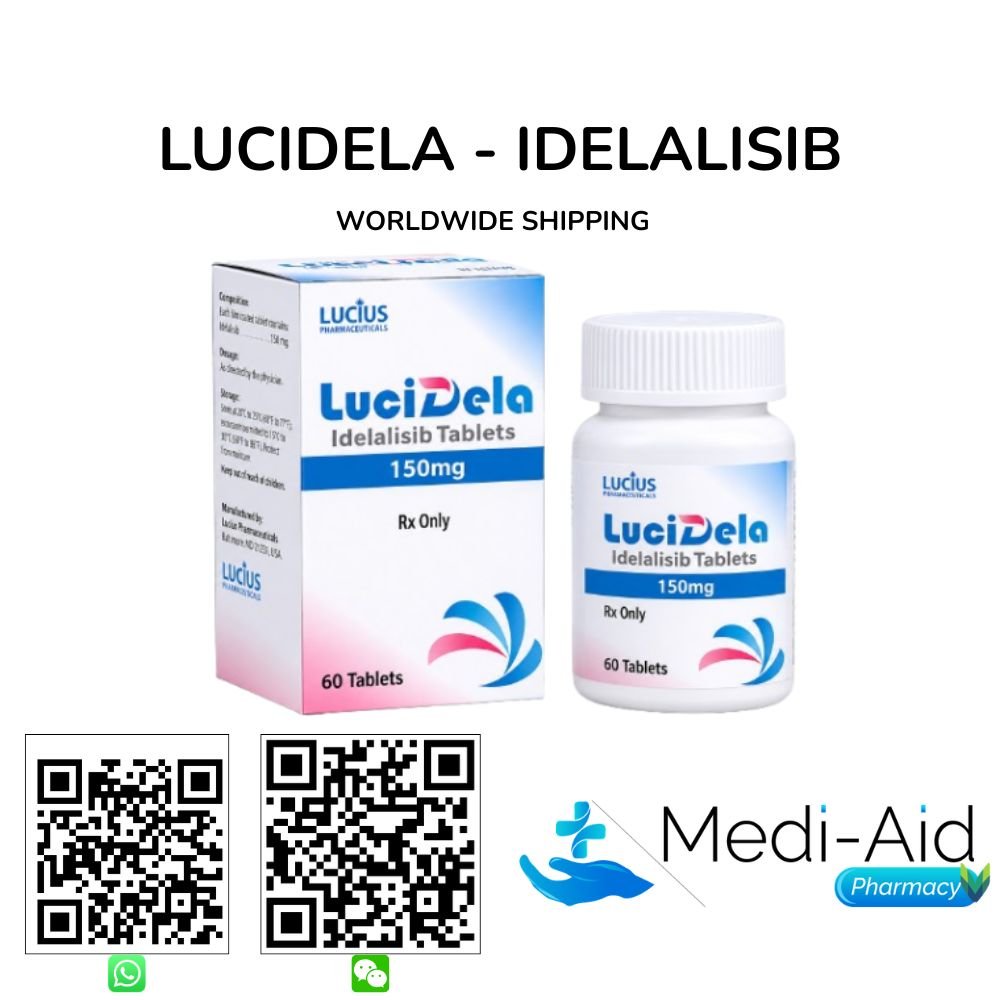
LuciDela 150 MG (Idelalisib) is an oral, selective phosphoinositide 3-kinase delta (PI3Kδ) inhibitor film-coated tablet available in a 150 mg strength, supplied in a pack of 60 tablets per pot, manufactured by Lucius Pharmaceuticals (Lao) Co., Ltd. of Laos. The active ingredient, idelalisib, is a first-in-class, orally bioavailable, highly selective inhibitor of PI3Kδ the isoform of phosphoinositide 3-kinase that is predominantly expressed in haematopoietic cells and constitutively activated in malignant B-lymphocytes with an in vitro biochemical IC₅₀ of approximately 2.5 nM against PI3Kδ, conferring greater than 40-fold selectivity over the PI3Kα, PI3Kβ, and PI3Kγ isoforms at clinically achieved plasma concentrations.
Idelalisib achieves its antitumour effect by blocking PI3Kδ-driven AKT and mTOR phosphorylation in malignant B cells, thereby suppressing the downstream BCR (B-cell receptor) and CXCR4/CXCR5 pro-survival signalling cascades that sustain chronic lymphocytic leukaemia (CLL), follicular lymphoma (FL), and small lymphocytic lymphoma (SLL) cell proliferation, survival, and lymph-node homing. This mechanism of action is entirely distinct from cytotoxic chemotherapy and from BCR::ABL1 or BTK kinase inhibition, positioning idelalisib as a targeted B-cell-pathway oncology agent in its own mechanistic class.
The reference-label dose of idelalisib for all approved adult indications is 150 mg twice daily (BID), administered orally with or without food. Each 60-tablet pot of LuciDela 150 MG provides a complete 30-day supply at this dose (2 tablets per day × 30 days = 60 tablets), delivered from a single procurement unit without supplementary strengths. LuciDela 150 MG is classified across Leukemia Medicines, Lymphoma Medicines, and Oncology Medicines categories, reflecting idelalisib’s approved clinical use across both CLL and indolent non-Hodgkin lymphoma (iNHL) subtypes.
In the definitive Phase III Study 116 (NCT01539512) in 220 patients with relapsed CLL, idelalisib plus rituximab reduced the risk of disease progression or death by 85% versus placebo plus rituximab (hazard ratio [HR] 0.15; 95% CI, 0.08–0.28; p<0.0001), with a median progression-free survival (PFS) that was not reached in the idelalisib arm versus 5.5 months with placebo plus rituximab, and an overall response rate (ORR) of 81% versus 13%. These data established idelalisib as a clinically transformative PI3Kδ inhibitor in relapsed CLL and underpinned the global regulatory approval of idelalisib that has benefited patients with relapsed B-cell malignancies worldwide.
Searching for LuciDela 150 MG Idelalisib? Mediaid Pharmacy stocks this product within its comprehensive leukemia medicines catalogue and ships worldwide.
Basic Product Information of LuciDela 150 MG (Idelalisib)
| Brand Name | LuciDela 150 MG (Idelalisib) |
| Product Name | LuciDela |
| Generic Name | Idelalisib |
| Drug Class | Selective Phosphoinositide 3-Kinase Delta (PI3Kδ) Inhibitor; B-Cell Receptor (BCR) Signalling Pathway Inhibitor; PI3K/AKT/mTOR Pathway Targeted Oncology Agent; First-in-Class PI3Kδ-Selective Kinase Inhibitor |
| Formulation | Film-Coated Tablet |
| Available Strengths | 150 mg per film-coated tablet |
| Available Pack Size | 60 Tablets per pot (30-day supply at the reference-label dose of 150 mg BID [2 tablets per day × 30 days = 60 tablets]; one pot per month for all approved adult indications) |
| Primary Indications | Relapsed Chronic Lymphocytic Leukaemia (CLL) in Combination with Rituximab (for patients for whom rituximab alone is considered appropriate therapy due to other co-morbidities); Relapsed Follicular B-cell Non-Hodgkin Lymphoma (FL) after at Least 2 Prior Systemic Therapies; Relapsed Small Lymphocytic Lymphoma (SLL) after at Least 2 Prior Systemic Therapies |
| Reference-Label Starting Dose | 150 mg BID (twice daily) for all approved adult indications; taken with or without food; swallowed whole with water (tablets must not be crushed, dissolved, or cut); therapy continued until disease progression or unacceptable toxicity under oncologist supervision |
| Manufacturer / Brand | Lucius Pharmaceuticals (Lao) Co., Ltd. / Lucius Pharmaceuticals |
| Country of Origin | Laos |
| Categories | Leukemia Medicines, Lymphoma Medicines, Oncology Medicines |
| Storage Conditions | Store below 30°C in a dry place, protected from light and moisture. Keep out of the reach of children. |
| Global Supplier | Mediaid Pharmacy Worldwide Shipping Available |
How LuciDela (Idelalisib) Works: Selective PI3Kδ Inhibition, BCR Signalling Pathway Blockade, and B-Cell Malignancy Pathway Extinction
Idelalisib, the active ingredient in LuciDela 150 MG film-coated tablets, is an orally bioavailable, first-in-class, highly selective phosphoinositide 3-kinase delta (PI3Kδ) inhibitor that targets the lipid kinase isoform predominantly expressed in haematopoietic cells and constitutively overactivated in the malignant B lymphocytes of chronic lymphocytic leukaemia (CLL), follicular lymphoma (FL), and small lymphocytic lymphoma (SLL). Phosphoinositide 3-kinases (PI3Ks) are a family of intracellular lipid kinases that catalyse the phosphorylation of phosphatidylinositol-4,5-bisphosphate (PIP₂) to generate phosphatidylinositol-3,4,5-trisphosphate (PIP₃), a second messenger that recruits and activates the serine/threonine kinase AKT (protein kinase B) at the inner plasma membrane.
The PI3K family comprises four class I isoforms PI3Kα (PIK3CA), PI3Kβ (PIK3CB), PI3Kγ (PIK3CG), and PI3Kδ (PIK3CD) with distinct tissue distribution and signalling roles. PI3Kδ is unique in its near-exclusive expression in haematopoietic and lymphoid tissues and its constitutive activation downstream of the B-cell receptor (BCR), CD28 co-stimulatory receptor, cytokine receptors (including IL-4R and CXCR4), and Toll-like receptors (TLRs) in malignant B cells. This haematopoietic restriction of PI3Kδ expression underpins idelalisib’s selective antitumour activity in B-cell malignancies relative to the broader toxicity profile that would be expected from non-selective pan-PI3K inhibition.
Idelalisib inhibits PI3Kδ kinase activity with an in vitro biochemical IC₅₀ of approximately 2.5 nM, with greater than 40-fold selectivity for PI3Kδ over PI3Kα (IC₅₀ ~820 nM), PI3Kβ (IC₅₀ ~565 nM), and PI3Kγ (IC₅₀ ~89 nM). This high isoform selectivity means that idelalisib blocks PI3Kδ-mediated PIP₃ generation in malignant B cells at concentrations that spare PI3Kα and PI3Kβ the dominant PI3K isoforms in solid-tissue insulin/IGF-1 and integrin signalling substantially narrowing the on-target toxicity burden compared with pan-PI3K inhibitors while preserving potent and durable B-cell-selective antitumour activity.
By blocking PI3Kδ, idelalisib abolishes AKT phosphorylation at Thr308 (PDK1-dependent) and Ser473 (mTORC2-dependent) in malignant B cells, disabling downstream activation of mTORC1 (p70S6K and 4E-BP1-mediated translational machinery) and directly suppressing the transcription factor FOXO1/FOXO3a nuclear exclusion that is required for B-cell survival gene expression. The net cellular consequences of idelalisib-induced PI3Kδ inhibition include: G₁ cell cycle arrest through restoration of FOXO-driven p27Kip1 expression; induction of intrinsic (mitochondrial pathway) apoptosis through Bim upregulation and MCL-1/BCL-2 downregulation; and suppression of CLL cell survival signals generated by stromal cell contact in the lymph node microenvironment particularly CXCL12/CXCR4- and CXCL13/CXCR5-mediated adhesion and retention signals that anchor malignant CLL cells within the proliferative lymph node niche.
Redistribution lymphocytosis is a clinically characteristic pharmacodynamic consequence of idelalisib therapy: within the first 1–8 weeks of treatment initiation, peripheral blood CLL lymphocyte counts increase transiently by a median of approximately 83% above baseline as idelalisib-driven CXCR4/CXCR5 downregulation disrupts lymph-node homing and forces malignant B cells out of the lymphoid microenvironment and into the bloodstream. This lymphocytosis is a pharmacodynamic on-target response not disease progression and is accompanied by simultaneous and sustained reduction in lymph node and spleen dimensions, confirming target engagement and antitumour activity. Redistribution lymphocytosis typically resolves within 24 weeks of continuous idelalisib therapy as the peripheral lymphocyte compartment reaches a new equilibrium.
Pharmacokinetics of idelalisib in LuciDela 150 MG film-coated tablets: following oral administration at 150 mg BID, idelalisib is rapidly absorbed with a median time to peak plasma concentration (Tmax) of approximately 1.5 hours. Oral bioavailability is approximately 84%, and administration with a high-fat meal increases the AUC by approximately 25% and Cmax by approximately 15%, though the clinical significance of this food effect is modest enough that idelalisib can be taken with or without food. Idelalisib is extensively protein-bound (approximately 93%) and undergoes hepatic metabolism primarily via aldehyde oxidase (AO) to form the major inactive metabolite GS-563117, with a secondary metabolic contribution from CYP3A4 and UGT1A4. The mean terminal plasma elimination half-life of idelalisib at steady state is approximately 8.2 hours, consistent with the twice-daily dosing schedule delivering sustained PI3Kδ inhibition throughout the 24-hour dosing interval. Oncologists managing CLL and lymphoma patients can review the full range of CLL and leukaemia treatment medicines at Mediaid Pharmacy, including LuciDela 150 MG Idelalisib by Lucius Pharmaceuticals.
Idelalisib is eliminated primarily via faecal excretion (approximately 78%) and to a lesser extent via urinary excretion (approximately 14%). No dose adjustment is required for patients with mild-to-moderate renal impairment; hepatic impairment data are limited and monitoring of liver function tests (LFTs) is mandatory throughout therapy due to idelalisib’s hepatotoxicity risk. The dose of LuciDela for each individual patient must be determined and monitored by the treating haematologist or oncologist, and idelalisib therapy must be prescribed and administered under the supervision of a qualified haematology-oncology specialist experienced in the management of B-cell malignancies.
Approved Indications of Idelalisib LuciDela 150 MG Reference Label
Idelalisib holds regulatory approval in adult patients across relapsed CLL, relapsed follicular B-cell non-Hodgkin lymphoma (FL), and relapsed small lymphocytic lymphoma (SLL) in the United States (FDA, approved July 2014), European Union (EMA), and numerous other countries globally. The LuciDela 150 MG film-coated tablet in a 60-tablet pot provides a complete 30-day supply at the reference-label dose of 150 mg BID across all three approved adult indications from a single procurement unit. Prescribers must confirm the exact locally approved indication and dose on the idelalisib product label before initiating LuciDela therapy, as label language and approved combinations may vary by regulatory jurisdiction.
|
Relapsed Chronic Lymphocytic Leukaemia (CLL) in Combination with Rituximab Idelalisib is approved in combination with rituximab for adult patients with relapsed CLL for whom rituximab monotherapy would be considered appropriate therapy due to other co-morbidities precluding cytotoxic chemoimmunotherapy. Reference-label dose: 150 mg BID (1 × LuciDela 150 MG tablet twice daily); each 60-tablet pot provides a complete 30-day supply. The pivotal Phase III Study 116 (NCT01539512) demonstrated an 85% reduction in the risk of progression or death with idelalisib plus rituximab versus placebo plus rituximab (HR 0.15; 95% CI, 0.08–0.28; p<0.0001); median PFS was not reached versus 5.5 months; ORR was 81% versus 13%; and overall survival at the interim analysis was significantly improved (HR 0.28; p=0.018). Oncologists managing relapsed CLL patients can review generic idelalisib tablets for CLL at Mediaid Pharmacy. |
Relapsed Follicular B-Cell Non-Hodgkin Lymphoma (FL) After ≥2 Prior Systemic Therapies Idelalisib monotherapy is approved for adult patients with relapsed follicular lymphoma (FL) who have received at least 2 prior systemic therapies, on the basis of accelerated approval. Reference-label dose: 150 mg BID (1 × LuciDela 150 MG tablet twice daily); each 60-tablet pot provides a 30-day supply. In the pivotal Phase II Study 101, idelalisib monotherapy achieved an ORR of 54% in patients with relapsed/refractory FL, with a median duration of response (DOR) of 11.4 months and a median PFS of 11 months, confirming clinically meaningful single-agent activity in this heavily pre-treated indolent lymphoma population. Haematologists can browse lymphoma medicines at Mediaid Pharmacy for comprehensive FL programme support. |
|
Relapsed Small Lymphocytic Lymphoma (SLL) After ≥2 Prior Systemic Therapies Idelalisib monotherapy is approved for adult patients with relapsed small lymphocytic lymphoma (SLL) who have received at least 2 prior systemic therapies. SLL is biologically identical to CLL but presents primarily in lymph nodes rather than blood. Reference-label dose: 150 mg BID (1 × LuciDela 150 MG tablet twice daily); 60-tablet pot delivers a 30-day supply. In Phase II Study 101, idelalisib achieved an ORR of 58% in relapsed/refractory SLL patients, with concurrent lymph node response in the majority of responders, confirming PI3Kδ inhibition as an effective targeted strategy in both nodal and peripheral compartments of this indolent B-cell malignancy. The LuciDela 150 MG (60 tablets per pot) is specifically aligned to deliver the 150 mg BID reference dose as 2 tablets per day, simplifying procurement and administration for SLL treatment programmes. |
Prescribing Considerations and Indication Eligibility LuciDela 150 MG Idelalisib is approved exclusively for adult patients (≥18 years) across all three indications; it is not approved for paediatric use. For CLL, the approved combination partner is rituximab only; idelalisib in combination with chemotherapy or in treatment-naïve CLL is not an approved indication and was associated with increased serious adverse event rates in clinical trial settings. Idelalisib monotherapy approval in FL and SLL is under accelerated approval contingent on confirmatory trial results; prescribers should verify the current approval status in their jurisdiction. Patients must undergo baseline LFT, CBC, and clinical assessment prior to initiating LuciDela therapy. Haematologists seeking broader PI3Kδ inhibitor and B-cell malignancy programme support can review oncology medicines at Mediaid Pharmacy. |
Drug Interactions and Important Safety Information for LuciDela 150 MG (Idelalisib)
The dominant pharmacokinetic drug interaction risk for idelalisib in LuciDela 150 MG film-coated tablets centres on its metabolism as a major CYP3A4 substrate (secondary metabolic pathway, alongside the primary aldehyde oxidase pathway). Strong CYP3A4 inhibitors including ketoconazole, itraconazole, voriconazole, posaconazole, clarithromycin, telithromycin, ritonavir, atazanavir, indinavir, lopinavir, nelfinavir, and saquinavir increase idelalisib systemic exposure and amplify the risk of idelalisib-related toxicity, particularly hepatotoxicity, severe diarrhoea/colitis, and pneumonitis. Co-administration of strong CYP3A4 inhibitors with LuciDela Idelalisib should be avoided wherever clinically possible; if unavoidable, dose reduction and intensified LFT and clinical monitoring are mandatory under oncologist supervision.
Strong CYP3A4 inducers including rifampicin, rifabutin, carbamazepine, phenobarbital, phenytoin, and St. John’s Wort (Hypericum perforatum) markedly accelerate idelalisib CYP3A4-mediated hepatic clearance, reducing idelalisib plasma concentrations and potentially compromising PI3Kδ inhibitory efficacy at the prescribed 150 mg BID dose. Concurrent use of strong CYP3A4 inducers with LuciDela Idelalisib must be avoided; where antiepileptic coverage or antimycobacterial therapy is clinically required, non-CYP3A4-inducing alternatives should be selected in consultation with the treating haematologist and pharmacist.
CYP3A4 substrate interactions (idelalisib as inhibitor): idelalisib is itself a moderate inhibitor of CYP3A4, and co-administration with CYP3A4 substrates with narrow therapeutic indices including certain immunosuppressants (cyclosporine, tacrolimus, sirolimus), benzodiazepines (midazolam, triazolam), ergot alkaloids, pimozide, lurasidone, and certain statins (simvastatin, lovastatin) may substantially increase the plasma concentrations of these co-administered CYP3A4-sensitive drugs and produce dose-dependent toxicity. The treating oncologist must review all co-administered medications for CYP3A4 interactions before initiating and throughout LuciDela Idelalisib therapy, and must consult current drug interaction databases when introducing new medicines during idelalisib treatment.
Immunosuppressant interactions and infection risk: idelalisib’s PI3Kδ inhibition suppresses regulatory T-cell (Treg) function and impairs immune homeostasis, increasing the risk of inflammatory and infectious complications. Concurrent use of systemic immunosuppressants (corticosteroids, methotrexate, mycophenolate, azathioprine) with LuciDela Idelalisib may both mask and compound inflammatory colitis and pneumonitis, complicating differential diagnosis and management. Prophylaxis against Pneumocystis jirovecii pneumonia (PJP) with trimethoprim-sulfamethoxazole (TMP-SMX) or an alternative (dapsone, atovaquone, or inhaled pentamidine) is mandatory throughout LuciDela Idelalisib therapy and for at least 2–6 months after discontinuation, as PJP pneumonia has been fatal in idelalisib-treated patients. CMV reactivation monitoring is recommended throughout therapy.
Anticoagulant and antiplatelet interactions: idelalisib-induced thrombocytopenia amplifies haemorrhagic risk when co-administered with anticoagulants (warfarin, DOACs: apixaban, rivaroxaban, edoxaban, dabigatran) or antiplatelet agents (aspirin, clopidogrel, ticagrelor). Warfarin dose monitoring with more frequent INR checks is recommended in patients receiving concurrent LuciDela Idelalisib. All patients must disclose their complete medication list including over-the-counter medicines, herbal supplements, and vitamins to their haematologist-oncologist before and throughout LuciDela Idelalisib therapy. Oncology teams sourcing concurrent medicines alongside idelalisib-based CLL and lymphoma treatment programmes at Mediaid Pharmacy can contact the team for multi-medicine consolidated supply.
Side Effects and Precautions of LuciDela 150 MG (Idelalisib)
|
Common Side Effects Diarrhoea and colitis (approximately 47% all grades; Grade 3–4 in approximately 14%): the most clinically significant gastrointestinal adverse event; idelalisib-associated diarrhoea can be immune-mediated colitis or non-inflammatory drug-related diarrhoea; Grade 3–4 events require immediate dose interruption, corticosteroid therapy (1–2 mg/kg/day prednisone equivalent) for immune colitis, and gastroenterology consultation; patients must report any increase in stool frequency exceeding 4–6 stools above baseline per day to their haematologist immediately Hepatotoxicity with ALT/AST elevation (all-grade transaminase elevation in approximately 35–79% of patients depending on monitoring frequency; Grade 3–4 ALT/AST elevation in approximately 16–18%): hepatotoxicity is the most common serious laboratory adverse event; LFT monitoring every 2 weeks for the first 3 months and monthly thereafter is mandatory; Grade ≥3 elevation requires dose interruption; Grade 4 or persistent Grade 3 requires permanent discontinuation Pneumonitis (approximately 4% all grades; fatal cases reported): presents as new or worsening cough, dyspnoea, hypoxia, bilateral infiltrates on chest imaging; requires immediate idelalisib dose interruption, respiratory evaluation, and in confirmed cases high-dose corticosteroids; permanent discontinuation required for Grade 3–4 events Haematological toxicity: neutropenia (Grade 3–4 in approximately 24–31%), thrombocytopenia (Grade 3–4 in approximately 8–11%), and anaemia (Grade 3–4 in approximately 5–8%); CBC with differential monitoring every 2 weeks for the first 3 months and monthly thereafter is mandatory; redistribution lymphocytosis (transient, pharmacodynamic; not disease progression) is expected in the first 8 weeks of therapy Fatigue (approximately 30%); nausea (approximately 29%); fever/pyrexia (approximately 28%); chills (approximately 19%); rash and dermatological reactions (approximately 21%); upper respiratory infections (approximately 20%); night sweats (approximately 17%); oedema (approximately 15%); decreased appetite (approximately 16%); headache (approximately 10%); dose interruption and reduction using the structured reference-label dose modification algorithm under oncologist supervision is the standard management pathway for Grade ≥3 adverse events |
Serious Warnings and Precautions (Black Box Warnings) Fatal and/or Serious Hepatotoxicity: Serious hepatotoxicity including fatal hepatic failure has been reported in idelalisib-treated patients. Liver function tests must be monitored every 2 weeks for the first 3 months of LuciDela therapy, then monthly thereafter, with more frequent monitoring if ALT/AST elevation is detected. Idelalisib must be withheld for Grade 3 ALT/AST elevations (5–20× ULN) and permanently discontinued for Grade 4 (>20× ULN) or for any Grade 3 event with associated total bilirubin elevation. All patients must avoid hepatotoxic concomitant medications throughout idelalisib therapy. Fatal and/or Serious Diarrhoea or Colitis: Fatal and life-threatening diarrhoea and immune-mediated colitis have been reported across idelalisib clinical development. Grade 3–4 diarrhoea/colitis requires immediate dose interruption, corticosteroid therapy (prednisone 1–2 mg/kg/day or equivalent), and in refractory cases permanent discontinuation. Antidiarrhoeal agents such as loperamide must not be used for idelalisib-associated colitis without first confirming the absence of infectious aetiology (C. difficile, CMV colitis); masking infective colitis with antidiarrhoeals has led to intestinal perforation. Fatal and/or Serious Pneumonitis: Cases of fatal pneumonitis have been reported. Any patient developing new or worsening respiratory symptoms cough, dyspnoea, hypoxia during LuciDela Idelalisib therapy requires immediate interruption of idelalisib, clinical assessment, chest CT, and pulmonary evaluation to differentiate infective pneumonia (bacterial, PJP, viral) from idelalisib-related inflammatory pneumonitis. Treatment with high-dose systemic corticosteroids and permanent idelalisib discontinuation are required for confirmed Grade ≥3 pneumonitis. Fatal and/or Serious Intestinal Perforation: Intestinal perforation, including fatal cases, has been reported in idelalisib-treated patients. Any patient developing acute or severe abdominal pain, peritoneal signs, fever, or bloody stool requires immediate cessation of LuciDela Idelalisib and urgent surgical evaluation. The risk of perforation is increased by concurrent antidiarrhoeal use masking colitis and by NSAID co-administration. Embryo-Fetal Toxicity and Reproductive Precautions: Idelalisib can cause fetal harm based on its mechanism of action and nonclinical reproductive toxicology data. Females of reproductive potential must use highly effective contraception during LuciDela Idelalisib treatment and for at least 1 month after the final dose. Males with female partners of reproductive potential must also use reliable contraception during therapy and for 1 month after the final dose. Breastfeeding must be discontinued before initiating LuciDela Idelalisib. Any patient who is pregnant, planning a pregnancy, or currently breastfeeding must discuss their individual circumstances with their treating haematologist before initiating therapy. |
Who Should Use LuciDela 150 MG (Idelalisib)?
LuciDela Idelalisib film-coated tablets are indicated for adult patients (aged 18 years and over) with the following relapsed B-cell haematological malignancies: relapsed CLL in combination with rituximab for patients in whom rituximab alone is appropriate based on co-morbidities, performance status, or renal impairment precluding cytotoxic chemoimmunotherapy regimens such as FCR (fludarabine, cyclophosphamide, rituximab) or BR (bendamustine, rituximab); relapsed FL after at least 2 prior systemic therapies (which must include an anti-CD20 monoclonal antibody and an alkylating agent); and relapsed SLL after at least 2 prior systemic therapies. LuciDela is not indicated for paediatric patients, and its use in combination with chemotherapy agents or in front-line CLL is not approved and has been associated with excess toxicity in clinical trial settings prescribers must adhere strictly to approved indication and combination partner labels.
The 60-tablet pot of LuciDela 150 MG provides a complete 30-day supply at 150 mg BID across all three approved adult indications without requiring supplementary product strengths, making LuciDela a procurement-efficient generic idelalisib option for multi-indication haematology programmes managing both CLL and indolent NHL patients simultaneously.
Before initiating LuciDela Idelalisib, treating haematologists and oncologists must assess: baseline hepatic function panel (ALT, AST, total bilirubin, alkaline phosphatase) given idelalisib’s hepatotoxicity risk; baseline haematological status (CBC with differential, platelet count) given the frequency of Grade 3–4 neutropenia and thrombocytopenia; baseline respiratory assessment (chest X-ray or CT if clinically indicated) to establish pre-treatment pulmonary status; baseline infectious disease status including CMV serology, hepatitis B surface antigen and core antibody screening (idelalisib can reactivate hepatitis B), and tuberculosis screening in endemic regions; and the complete concomitant medication list (CYP3A4 inhibitors and inducers, CYP3A4-sensitive substrates, anticoagulants, immunosuppressants, antifungals).
Mandatory prophylaxis against PJP pneumonia with TMP-SMX or an approved alternative must be initiated before the first dose of LuciDela Idelalisib and continued throughout therapy and for at least 2–6 months post-treatment, without exception. Oncologists seeking comprehensive targeted agent support across leukaemia and lymphoma treatment programmes can review the complete range of oncology medicines at Mediaid Pharmacy, including LuciDela 150 MG Idelalisib by Lucius Pharmaceuticals (Lao) Co., Ltd.
Global Supplier: Mediaid Pharmacy Worldwide Shipping for LuciDela 150 MG (Idelalisib)
Mediaid Pharmacy is a Dhaka-based supplier of oncology and specialty medicines with established worldwide shipping capacity. LuciDela 150 MG (Idelalisib) manufactured by Lucius Pharmaceuticals (Lao) Co., Ltd. of Laos formulated as film-coated tablets in a 60-tablet pot at 150 mg strength is stocked and available for international supply. All orders are supported by stock confirmation, pricing quotations, and end-to-end delivery tracking for international shipments.
Hospitals, specialist haematology-oncology centres, CLL and lymphoma treatment programmes, wholesale distributors, and patients in countries where idelalisib is approved can contact Mediaid Pharmacy through WhatsApp, phone, or WeChat for all enquiries about LuciDela Idelalisib for CLL and leukaemia at Mediaid Pharmacy, including current stock availability, per-unit pricing, and international freight timelines for your destination. Institutions and distributors sourcing multiple oncology medicines in a consolidated shipment can request a combined multi-product quotation directly from the Mediaid Pharmacy team.
Why Choose LuciDela 150 MG (Idelalisib) from Mediaid Pharmacy?
LuciDela is manufactured by Lucius Pharmaceuticals (Lao) Co., Ltd. of Laos and delivers idelalisib the first-in-class, selective PI3Kδ inhibitor whose 150 mg BID dose is validated by the definitive Phase III Study 116 in relapsed CLL: HR 0.15 for PFS versus placebo plus rituximab (p<0.0001); median PFS not reached versus 5.5 months; ORR 81% versus 13%; interim OS HR 0.28 (p=0.018) confirming idelalisib combined with rituximab as a transformative targeted therapy that delivers statistically and clinically superior outcomes in patients with relapsed CLL for whom cytotoxic chemoimmunotherapy is not appropriate.
The defining procurement advantage of sourcing LuciDela from Mediaid Pharmacy is complete reference-label dose coverage for all three approved adult indications from a single 150 mg strength in a 60-tablet pot: one pot per month at 150 mg BID covers relapsed CLL (in combination with rituximab), relapsed FL (after ≥2 prior therapies), and relapsed SLL (after ≥2 prior therapies) the entire approved idelalisib prescribing range, without requiring multiple product strengths or formulations, simplifying procurement logistics for haematology programmes managing patients across multiple B-cell malignancy indications simultaneously.
Mediaid Pharmacy supplies LuciDela Idelalisib in the 150 mg film-coated tablet format (60 tablets per pot) with worldwide shipping, prescription-verified order processing, and customs and importation documentation as required for international oncology medicine delivery. Every order is initiated with a prescription confirmation to ensure supply aligns with the treating oncologist’s clinical plan and local regulatory requirements. For oncology programmes requiring a broader panel of targeted, haematological, and supportive agents, the full Mediaid Pharmacy lymphoma medicines catalogue and oncology medicines catalogue are available to browse, and the team can be contacted directly for consolidated multi-medicine quotations and volume supply arrangements.
Frequently Asked Questions About LuciDela 150 MG (Idelalisib)
What is LuciDela 150 MG and what is its generic name?
LuciDela 150 MG is a branded generic idelalisib film-coated tablet manufactured by Lucius Pharmaceuticals (Lao) Co., Ltd. of Laos. The generic name of LuciDela is idelalisib the same active ingredient as the originator medicine Zydelig (idelalisib), developed by Gilead Sciences, Inc. and first approved by the US FDA in July 2014 as the first-in-class PI3Kδ inhibitor for three relapsed B-cell malignancy indications: relapsed CLL in combination with rituximab, relapsed follicular lymphoma after at least 2 prior systemic therapies, and relapsed small lymphocytic lymphoma after at least 2 prior systemic therapies. Each LuciDela film-coated tablet contains 150 mg of idelalisib. The 60-tablet pot of LuciDela provides a complete 30-day supply at the reference-label dose of 150 mg BID (2 tablets per day × 30 days = 60 tablets) for all approved adult indications making LuciDela a clinically aligned, cost-accessible generic idelalisib option for haematology-oncology programmes treating CLL, FL, and SLL worldwide.
How should LuciDela 150 MG (Idelalisib) tablets be taken?
LuciDela (Idelalisib) 150 MG film-coated tablets are taken orally twice daily (BID) at the dose prescribed by the treating haematologist or oncologist. The reference-label dose for all three approved adult indications relapsed CLL with rituximab, relapsed FL, and relapsed SLL is 150 mg BID: 1 × LuciDela 150 MG tablet in the morning and 1 × LuciDela 150 MG tablet in the evening, approximately 12 hours apart. Idelalisib can be administered with or without food. LuciDela film-coated tablets must be swallowed whole with a full glass of water crushing, breaking, dissolving, or splitting the tablet is strictly prohibited due to cytotoxic handling safety requirements. If a dose is missed and remembered within 6 hours of the scheduled time, the missed dose should be taken as soon as possible; if more than 6 hours have elapsed, the missed dose must be skipped and the regular dosing schedule resumed at the next scheduled time doubling up doses is not permitted under any circumstances. Patients must avoid all grapefruit, grapefruit juice, Seville oranges, and star fruit throughout LuciDela Idelalisib therapy, as these are CYP3A4 inhibitors that increase idelalisib plasma exposure. Patients must also inform their oncologist of all concomitant medications including antifungals, antivirals, antiepileptics, herbal preparations, supplements, and over-the-counter medicines before and throughout LuciDela therapy.
What are the most important side effects of LuciDela (Idelalisib) and how are they managed?
The most clinically significant and potentially fatal adverse effects of idelalisib which carry FDA Black Box Warning designations are hepatotoxicity (Grade 3–4 ALT/AST elevation in approximately 16–18%; managed with dose interruption, more frequent LFT monitoring, and permanent discontinuation for Grade 4 or severe recurrent Grade 3 events), severe diarrhoea/colitis (Grade 3–4 in approximately 14%; requires immediate idelalisib dose interruption, corticosteroid therapy at 1–2 mg/kg/day prednisone equivalent for immune colitis, and urgent gastroenterology assessment), pneumonitis (approximately 4%; requires immediate idelalisib cessation, respiratory evaluation, and high-dose systemic corticosteroids for confirmed inflammatory pneumonitis), and intestinal perforation (rare but potentially fatal; requires immediate surgical evaluation upon onset of acute abdominal pain, peritoneal signs, or bloody stool). Additional important adverse effects include Grade 3–4 neutropenia (approximately 24–31%), requiring mandatory CBC monitoring every 2 weeks for the first 3 months; PJP pneumonia (fatal cases reported; mandatory TMP-SMX prophylaxis required throughout therapy); CMV reactivation; serious skin reactions including Stevens-Johnson syndrome (rare; immediate idelalisib discontinuation required); and anaphylaxis and serious allergic reactions. Redistribution lymphocytosis a transient, pharmacodynamic increase in peripheral blood CLL lymphocyte count in the first 1–8 weeks of therapy is not disease progression and should not trigger treatment discontinuation. Any concerns about adverse effects must be reported immediately to the treating haematologist-oncologist.
What is the pivotal evidence base for idelalisib in relapsed CLL?
The pivotal evidence base for idelalisib in relapsed CLL is the Phase III Study 116 (NCT01539512), a randomised, double-blind, placebo-controlled trial in 220 patients with relapsed CLL who had received at least 1 prior therapy and were considered unsuitable for cytotoxic chemotherapy due to co-morbidities, reduced renal function (CrCl <60 mL/min), or inadequate bone marrow reserve. Patients were randomised 1:1 to receive idelalisib 150 mg BID plus rituximab (n=110) or placebo plus rituximab (n=110); the idelalisib dose corresponds directly to 1 × LuciDela 150 MG tablet twice daily, with a 60-tablet pot providing a complete 30-day supply. At the protocol-specified interim analysis conducted after 24 weeks, the independent data safety monitoring board stopped the trial early for overwhelming efficacy: idelalisib plus rituximab reduced the risk of progression or death by 85% versus placebo plus rituximab (HR 0.15; 95% CI, 0.08–0.28; p<0.0001); median PFS was not reached in the idelalisib arm versus 5.5 months with placebo plus rituximab; ORR was 81% versus 13% (p<0.0001); and OS was significantly improved (HR 0.28; 95% CI, 0.09–0.86; p=0.018) despite the trial being substantially underpowered for OS at this interim timepoint. These data confirmed idelalisib combined with rituximab as a transformative targeted therapy for relapsed CLL in patients ineligible for cytotoxic chemoimmunotherapy, establishing the 150 mg BID dose as the reference label for all clinical and commercial idelalisib use.
Is LuciDela 150 MG (Idelalisib) safe during pregnancy or while breastfeeding?
No. Idelalisib including in the LuciDela film-coated tablet formulation manufactured by Lucius Pharmaceuticals (Lao) Co., Ltd. can cause fetal harm based on its mechanism of action and confirmed nonclinical developmental toxicology data demonstrating embryotoxicity and fetotoxicity in animal reproductive studies. The PI3Kδ-mediated signalling pathway inhibited by idelalisib plays important roles in normal haematopoietic, immune, and vascular development during embryogenesis. Females of reproductive potential must use highly effective contraception during treatment with LuciDela Idelalisib and for at least 1 month after the final dose. Males with female partners of reproductive potential must use reliable contraception during treatment and for at least 1 month after the final dose. Breastfeeding must be discontinued before initiating LuciDela Idelalisib therapy, and must not be resumed until at least 1 month after the final dose, as it has not been established whether idelalisib or its metabolites are excreted in human breast milk. Any patient who is pregnant, planning a pregnancy, or currently breastfeeding must discuss their individual clinical circumstances urgently with their treating haematologist-oncologist before initiating or continuing LuciDela Idelalisib therapy.
Can I order LuciDela 150 MG (Idelalisib) online with worldwide shipping?
Yes. Mediaid Pharmacy supplies LuciDela 150 MG (Idelalisib) manufactured by Lucius Pharmaceuticals (Lao) Co., Ltd. of Laos film-coated tablets in 60-tablet pots at 150 mg strength to oncology centres, hospitals, wholesale distributors, and patients globally. Contact Mediaid Pharmacy via WhatsApp, phone, or WeChat at +8801773428128, or by email at info@mediaidpharmacy.com, for pricing on LuciDela Idelalisib 150 MG, current stock confirmation, and international delivery timelines for your destination country. Oncology teams sourcing LuciDela Idelalisib alongside other targeted agents for CLL, follicular lymphoma, SLL, and haematological malignancy programmes can browse the complete range of oncology medicines at Mediaid Pharmacy and request a consolidated multi-medicine quotation. All international orders are supported by prescription verification, export documentation, and customs clearance assistance as required.
Order LuciDela 150 MG (Idelalisib) with Worldwide Shipping
Phone / WhatsApp / WeChat: +8801773428128 | Email: info@mediaidpharmacy.com
Reviews
There are no reviews yet.