
Description
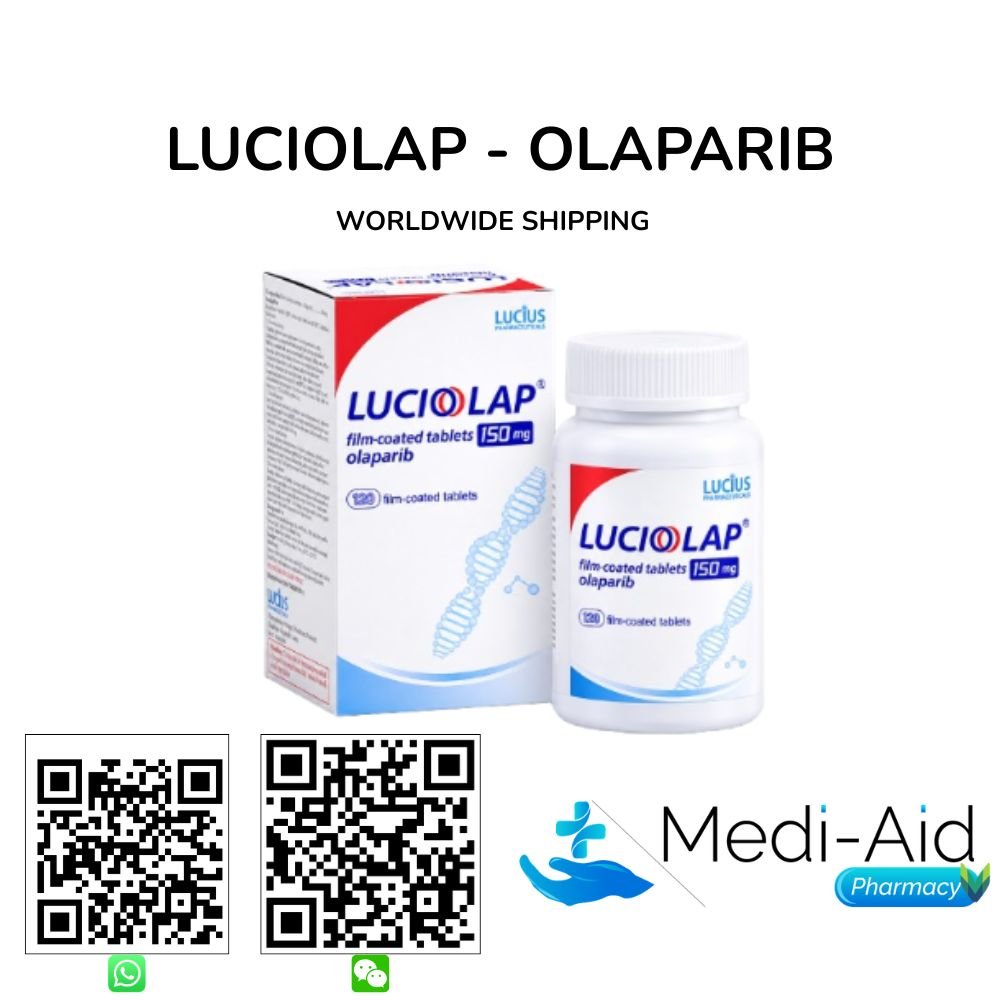
LuciOlap 150 MG (Olaparib) is an orally bioavailable, first-in-class, small-molecule poly ADP-ribose polymerase (PARP) inhibitor a targeted DNA damage response (DDR) agent that selectively inhibits PARP1 (poly ADP-ribose polymerase 1) and PARP2, exerting its antitumor effect through two mechanistically distinct and synergistic actions: (1) catalytic inhibition of PARP enzymatic activity, which blocks poly ADP-ribosylation (PARylation) and prevents PARP-mediated repair of single-strand DNA breaks (SSBs) via the base excision repair (BER) pathway; and (2) PARP trapping, in which olaparib stabilizes PARP-DNA complexes at SSB repair sites, physically entrapping PARP1/2 onto damaged DNA and preventing PARP release and recycling a mechanism that converts unrepaired SSBs into cytotoxic double-strand DNA breaks (DSBs) during DNA replication, which are lethal specifically in cancer cells carrying germline or somatic mutations in BRCA1 or BRCA2 (or other homologous recombination repair [HRR] pathway genes) because homologous recombination-deficient (HRD) tumor cells lack the molecular machinery to repair DSBs through the high-fidelity HR pathway, thereby triggering irreversible genomic instability, G2/M cell cycle arrest, and apoptotic cell death through a mechanism of synthetic lethality supplied as film-coated tablets, 150 mg strength, 120 tablets per pot, and manufactured by Lucius Pharmaceuticals (Lao) Co., Ltd. in Laos.
Olaparib, the active pharmaceutical ingredient (API) of LuciOlap, is the originator compound commercialized as Lynparza® by AstraZeneca and Merck (MSD), with multiple FDA-approved indications across four tumor types in BRCA-mutated and/or homologous recombination-deficient patient populations. The Phase 3 SOLO-1 trial demonstrated that first-line maintenance olaparib reduced the risk of disease progression or death by 70% versus placebo in BRCA1/2-mutated advanced ovarian cancer after platinum-based chemotherapy progression-free survival (PFS) HR 0.30 (95% CI 0.23–0.41; p<0.001), with a 5-year PFS rate of 48.3% versus 20.5% with placebo establishing first-line maintenance olaparib as a standard-of-care option for BRCA-mutated advanced ovarian cancer. The Phase 3 SOLO-2 trial demonstrated a median PFS of 19.1 months versus 5.5 months with placebo (HR 0.30; 95% CI 0.22–0.41; p<0.0001) in BRCA-mutated platinum-sensitive relapsed ovarian cancer, with updated 7-year overall survival showing a significant OS benefit (HR 0.55; 95% CI 0.40–0.76; p=0.0004).
In breast cancer, the Phase 3 OlympiAD trial demonstrated a median PFS of 7.0 months versus 4.2 months with single-agent chemotherapy (HR 0.58; 95% CI 0.43–0.80; p=0.0009) in BRCA-mutated HER2-negative metastatic breast cancer, and the Phase 3 OlympiA trial demonstrated a 3-year invasive disease-free survival (iDFS) rate of 85.9% versus 77.1% with placebo (HR 0.58; 95% CI 0.41–0.82; p<0.001) in BRCA1/2-mutated high-risk HER2-negative early breast cancer. In prostate cancer, the Phase 3 PROfound trial demonstrated a median radiographic PFS of 7.4 months versus 3.6 months with enzalutamide or abiraterone (HR 0.34; 95% CI 0.25–0.47; p<0.001) in BRCA1/2-mutated metastatic castration-resistant prostate cancer (mCRPC), with a statistically significant overall survival benefit (median OS 19.1 versus 14.7 months; HR 0.69; 95% CI 0.50–0.97; p=0.02).
Important: Olaparib carries two FDA Black Box Warnings: (1) Myelodysplastic Syndrome/Acute Myeloid Leukemia (MDS/AML) MDS/AML, including cases with fatal outcome, has been reported in approximately 1.5% of olaparib-treated patients across clinical trials; monitor complete blood counts (CBC) at baseline and monthly during the first 12 months of treatment, then periodically thereafter; do not start olaparib until patients have recovered from hematopoietic toxicity caused by prior chemotherapy; discontinue olaparib and refer for hematology evaluation if MDS/AML is confirmed; and (2) Embryo-Fetal Toxicity olaparib can cause fetal harm based on its mechanism of action and animal reproductive toxicology data; advise females of reproductive potential to use effective contraception during treatment and for 6 months after the last dose; males with female partners of reproductive potential or who are pregnant should use effective contraception during treatment and for 3 months after the last dose.
Additional serious risks include myelosuppression (Grade 3–4 anemia in approximately 21–23% of patients, requiring transfusions in a significant subset; Grade 3–4 neutropenia in 9–19%), pneumonitis (approximately 1–3% incidence, potentially fatal), and clinically significant drug interactions with CYP3A4 inhibitors and inducers that substantially alter olaparib plasma exposure (with strong CYP3A4 inhibitors, reduce the olaparib dose to 100 mg twice daily; avoid strong CYP3A4 inducers throughout olaparib therapy).
Searching for LuciOlap 150 MG Olaparib? Mediaid Pharmacy lists this product across its oncology medicines, ovarian cancer medicines, breast cancer medicines, prostate cancer medicines, and Lucius Pharmaceuticals medicines portfolios and ships it worldwide.
Basic Product Information of LuciOlap 150 MG (Olaparib)
| Brand Name | LuciOlap 150 MG (Olaparib) |
| Product Name | LuciOlap |
| Generic Name | Olaparib (developmental codes AZD2281 and KU0059436; a benzamide-class small-molecule PARP1/2 inhibitor that acts through both catalytic inhibition of PARP enzymatic activity and PARP trapping a mechanistically dual action that produces greater cytotoxicity than catalytic inhibition alone, particularly in BRCA1/2-mutated and homologous recombination-deficient tumors; the originator brand is Lynparza®, developed by KuDOS Pharmaceuticals Ltd. and subsequently acquired and commercialized by AstraZeneca in global collaboration with Merck & Co., Inc. [MSD]; first FDA approval [capsule formulation, advanced BRCA-mutated ovarian cancer]: December 19, 2014; tablet formulation [100 mg and 150 mg tablets] approval: August 17, 2017; subsequent FDA approvals: platinum-sensitive relapsed ovarian cancer maintenance [January 12, 2018]; HER2-negative BRCA-mutated metastatic breast cancer [OlympiAD; January 12, 2018]; BRCA-mutated metastatic pancreatic adenocarcinoma first-line maintenance [POLO; December 27, 2019]; HRR gene-mutated metastatic castration-resistant prostate cancer [PROfound; May 19, 2020]; BRCA1/2-mutated high-risk HER2-negative early breast cancer adjuvant therapy [OlympiA; March 11, 2022]; HRR-mutated mCRPC in combination with abiraterone [PROpel; May 31, 2023]) |
| Drug Class | PARP Inhibitor (PARPi); Poly ADP-Ribose Polymerase 1 (PARP1) Inhibitor; Poly ADP-Ribose Polymerase 2 (PARP2) Inhibitor; First-in-Class PARP Inhibitor; PARP Trapping Agent; DNA Damage Response (DDR) Targeting Agent; Homologous Recombination Deficiency (HRD)-Exploiting Agent; BRCA1/2 Synthetic Lethality Agent; Base Excision Repair (BER) Pathway Inhibitor; Small-Molecule Antineoplastic Agent; Oral Targeted Oncology Medicine; Companion Diagnostic-Linked Biomarker-Selected Therapy |
| Formulation | Film-Coated Tablet (oral administration; may be taken with or without food olaparib pharmacokinetic studies demonstrate that food does not clinically meaningfully affect olaparib Cmax or AUC, providing dosing flexibility; swallow tablets whole, do not crush, chew, or dissolve; if vomiting occurs after taking a dose, do not take a replacement dose on the same day resume the next scheduled dose at the next regular dosing time; two 150 mg tablets are taken together as a single dose, administered twice daily approximately 12 hours apart) |
| Available Strengths | 150 mg per film-coated tablet (LuciOlap 150 MG; the recommended starting dose of 300 mg twice daily requires two 150 mg tablets per dose administration, four 150 mg tablets per day; formal dose reductions per olaparib prescribing information are to 250 mg twice daily and then to 200 mg twice daily for toxicity management these intermediate dose reductions may require supplemental 100 mg olaparib tablet availability and should be managed under treating oncologist guidance; at 150 mg tablets only, a practical first dose reduction to 150 mg twice daily may be directed by the oncologist) |
| Available Pack Size | 120 tablets per pot (at the recommended starting dose of 300 mg twice daily [two 150 mg tablets twice daily = 4 tablets per day], one pot of LuciOlap 150 MG provides a 30-day supply, aligning precisely with standard monthly prescription dispensing cycles used by oncology pharmacy departments, hospital formularies, and patient access programs worldwide; at a reduced dose of 150 mg twice daily [2 tablets per day], one pot provides a 60-day supply; procurement teams planning continuous maintenance olaparib therapy including the 2-year OlympiA adjuvant treatment course or open-ended maintenance for advanced disease should factor the monthly supply architecture into multi-month procurement planning) |
| Dosing Schedule | Recommended Starting Dose: Olaparib 300 mg (two LuciOlap 150 MG film-coated tablets) orally twice daily, with or without food, taken approximately 12 hours apart at consistent times each day. Total Daily Dose: 600 mg (four 150 mg tablets). Treatment Duration by Indication: (1) First-line maintenance ovarian cancer (SOLO-1): continue until disease progression or unacceptable toxicity; (2) Platinum-sensitive relapsed ovarian cancer maintenance (SOLO-2): continue until disease progression or unacceptable toxicity; (3) Metastatic breast cancer (OlympiAD): continue until disease progression or unacceptable toxicity; (4) Early breast cancer adjuvant (OlympiA): 1 year of adjuvant olaparib (started within 12 weeks of completing neoadjuvant/adjuvant chemotherapy or definitive surgery); (5) Metastatic prostate cancer (PROfound/PROpel): continue until disease progression or unacceptable toxicity; (6) Metastatic pancreatic cancer first-line maintenance (POLO): continue until disease progression or unacceptable toxicity. Dose Reduction for Toxicity: First reduction: 250 mg twice daily; Second reduction: 200 mg twice daily; permanently discontinue if unable to tolerate 200 mg twice daily. Important Dose Modification for Drug Interactions: With strong CYP3A4 inhibitors (ketoconazole, itraconazole, clarithromycin, ritonavir): reduce olaparib to 100 mg twice daily. With moderate CYP3A4 inhibitors (fluconazole, erythromycin): reduce olaparib to 150 mg twice daily. Avoid concomitant strong or moderate CYP3A4 inducers. Renal Impairment: Mild (CrCl 51–80 mL/min): no dose adjustment required; Moderate (CrCl 31–50 mL/min): reduce starting dose to 200 mg twice daily. All dosing modifications must be directed by the treating oncologist. |
| Primary Indications | (1) First-Line Maintenance Therapy BRCA1/2-Mutated Advanced Ovarian, Fallopian Tube, or Primary Peritoneal Cancer (SOLO-1): Olaparib 300 mg twice daily as first-line maintenance for adult patients with deleterious or suspected deleterious BRCA-mutated advanced epithelial ovarian, fallopian tube, or primary peritoneal cancer who are in complete or partial response to first-line platinum-based chemotherapy. Based on Phase 3 SOLO-1 trial (NCT01844986; n=391): PFS HR 0.30 (95% CI 0.23–0.41; p<0.001); 5-year PFS rate 48.3% olaparib versus 20.5% placebo; not-reached median PFS versus 13.8 months with placebo. FDA approval: December 19, 2018 (tablet formulation).
(2) Maintenance Therapy BRCA1/2-Mutated Platinum-Sensitive Relapsed Ovarian Cancer (SOLO-2 / Study 19): Olaparib 300 mg twice daily as maintenance for adult patients with deleterious or suspected deleterious germline or somatic BRCA-mutated recurrent epithelial ovarian, fallopian tube, or primary peritoneal cancer who are in complete or partial response to platinum-based chemotherapy. Based on Phase 3 SOLO-2 trial (NCT01874353; n=295): median PFS 19.1 months versus 5.5 months with placebo (HR 0.30; 95% CI 0.22–0.41; p<0.0001); updated 7-year OS: HR 0.55 (95% CI 0.40–0.76; p=0.0004). FDA approval: August 17, 2017. (3) BRCA1/2-Mutated HER2-Negative Metastatic Breast Cancer (OlympiAD): Olaparib 300 mg twice daily for adult patients with deleterious or suspected deleterious germline BRCA-mutated, HER2-negative metastatic breast cancer who have been previously treated with chemotherapy in the neoadjuvant, adjuvant, or metastatic setting; patients with HR-positive breast cancer should have received a prior endocrine therapy or be considered inappropriate for endocrine therapy. Based on Phase 3 OlympiAD trial (NCT02000622; n=302): median PFS 7.0 months versus 4.2 months with chemotherapy (HR 0.58; 95% CI 0.43–0.80; p=0.0009). FDA approval: January 12, 2018. (4) Adjuvant Therapy BRCA1/2-Mutated High-Risk HER2-Negative Early Breast Cancer (OlympiA): Olaparib 300 mg twice daily for 1 year as adjuvant therapy for adult patients with deleterious or suspected deleterious germline BRCA-mutated, HER2-negative, high-risk early breast cancer who have been treated with neoadjuvant or adjuvant chemotherapy. Based on Phase 3 OlympiA trial (NCT02032823; n=1,836): 3-year iDFS 85.9% versus 77.1% with placebo (HR 0.58; 95% CI 0.41–0.82; p<0.001); 4-year iDFS HR 0.63. FDA approval: March 11, 2022. (5) HRR Gene-Mutated Metastatic Castration-Resistant Prostate Cancer mCRPC (PROfound): Olaparib 300 mg twice daily for adult patients with deleterious or suspected deleterious germline or somatic homologous recombination repair (HRR) gene-mutated mCRPC who have progressed following prior treatment with enzalutamide or abiraterone. Based on Phase 3 PROfound trial (NCT02987543; n=245 Cohort A [BRCA1/2]): median radiographic PFS 7.4 months versus 3.6 months (HR 0.34; 95% CI 0.25–0.47; p<0.001); confirmed OS benefit in BRCA1/2 cohort (median OS 19.1 vs 14.7 months; HR 0.69; p=0.02). FDA approval: May 19, 2020. (6) First-Line Maintenance Therapy BRCA1/2-Mutated Metastatic Pancreatic Adenocarcinoma (POLO): Olaparib 300 mg twice daily as first-line maintenance for adult patients with deleterious or suspected deleterious germline BRCA-mutated metastatic pancreatic adenocarcinoma whose disease has not progressed on at least 16 weeks of first-line platinum-based chemotherapy. Based on Phase 3 POLO trial (NCT02184195; n=154): median PFS 7.4 months versus 3.8 months with placebo (HR 0.53; 95% CI 0.35–0.82; p=0.004). FDA approval: December 27, 2019. |
| Manufacturer / Brand | Lucius Pharmaceuticals (Lao) Co., Ltd., Country of Origin: Laos (originator molecule and brand Lynparza® developed by KuDOS Pharmaceuticals Ltd. and commercialized by AstraZeneca in global collaboration with Merck & Co., Inc. [MSD]; first FDA approval of olaparib [capsule formulation]: December 19, 2014; tablet formulation approval [100 mg and 150 mg]: August 17, 2017; olaparib tablet formulation superseded the original capsule formulation and the 150 mg tablet is the current standard-of-care oral dose form for all approved olaparib indications) |
| Global Supplier | Mediaid Pharmacy, Worldwide Shipping Available |
| Storage Conditions | Store at controlled room temperature, 20°C to 25°C (68°F to 77°F); excursions permitted to 15°C to 30°C (59°F to 86°F). Store in the original container with the cap tightly closed. Protect from light and moisture. Keep out of reach of children. |
How LuciOlap (Olaparib) Works: PARP1/2 Inhibition, PARP Trapping, and Synthetic Lethality in BRCA-Mutated and Homologous Recombination-Deficient Cancer Cells
Olaparib (LuciOlap) is the founding first-in-class PARP inhibitor an orally bioavailable, small-molecule antineoplastic agent that exploits a fundamental vulnerability in cancer cell DNA repair biology to selectively kill tumor cells while sparing most normal cells with intact DNA repair machinery. Human cells continuously sustain DNA damage at a rate estimated at 10,000 to 1,000,000 molecular lesions per cell per day, the majority of which are single-strand breaks (SSBs) generated by reactive oxygen species, ionizing radiation, replication errors, and base excision repair (BER) intermediates.
PARP1 (poly ADP-ribose polymerase 1) and PARP2 are the primary sensors and initial responders to SSBs in mammalian cells: PARP1 detects SSBs through its N-terminal zinc-finger DNA-binding domains, binds to the break site, and rapidly catalyzes the synthesis of poly ADP-ribose (PAR) chains on itself (auto-PARylation) and on nearby chromatin-associated proteins, creating negatively charged polymer scaffolds that recruit and coordinate downstream BER repair factors including XRCC1, DNA polymerase-β, DNA ligase III, and PCNA to complete SSB repair within minutes.
Following PAR synthesis and repair factor recruitment, PARP1 undergoes auto-modification-induced conformational change, dissociates from the repaired DNA site, and recycles to repair subsequent SSBs throughout the cell cycle. This PARP-mediated BER cycle is the rapid-response primary repair pathway for the most common form of DNA damage in all human cells, and its intact function is essential for maintaining genome stability during normal cell physiology and especially during DNA replication.
Olaparib inhibits PARP1 and PARP2 through two mechanistically distinct and therapeutically synergistic actions that together produce its characteristic cytotoxicity in BRCA-mutated and HRD tumor cells. The first action is catalytic PARP inhibition: olaparib occupies the NAD+ (nicotinamide adenine dinucleotide) binding pocket within the catalytic domain of PARP1 and PARP2 through competitive inhibition at the poly ADP-ribose synthesis site, blocking PAR chain synthesis and preventing PARP from initiating SSB repair and signaling. The second and therapeutically critical action is PARP trapping: olaparib allosterically stabilizes the PARP-DNA binary complex formed when PARP1 or PARP2 binds to a SSB site, dramatically slowing or preventing the auto-PARylation-mediated conformational change that normally releases PARP from the repair site after catalytic activity.
The net result is that olaparib-treated cells accumulate PARP1 and PARP2 that are physically trapped as immovable complexes on single-strand break sites throughout the genome. These cytotoxic PARP-DNA complexes are far more lethal to cancer cells than simple catalytic inhibition of PARP enzymatic activity alone: as replication forks advancing through S-phase DNA encounter trapped PARP-DNA complexes on template DNA strands, the replication machinery stalls and collapses, generating replication-associated double-strand DNA breaks (DSBs) the most cytotoxic class of DNA damage at the sites of formerly stable SSBs.
PARP trapping potency, not simply catalytic PARP inhibition, is the primary driver of olaparib’s clinical cytotoxicity, which is why olaparib produces cancer cell death at clinically achievable plasma concentrations and why the principle of synthetic lethality with BRCA mutations translates from molecular biology to clinical efficacy across multiple tumor types.
The principle of synthetic lethality in which simultaneous deficiency of two genes or molecular pathways is lethal to cells, whereas deficiency of either alone is not is the foundational pharmacological rationale for olaparib’s tumor-selective cytotoxicity. BRCA1 and BRCA2 are critical components of the homologous recombination (HR) DNA repair pathway, which is the primary high-fidelity mechanism for repairing double-strand DNA breaks in normal dividing cells. BRCA1 participates in the initial recognition of DSBs, promotes DNA end-resection, and facilitates RAD51 loading onto single-stranded DNA to form the nucleoprotein filament required for homology searching.
BRCA2 directly loads and stabilizes RAD51 at DSB sites, enabling RAD51-mediated strand invasion into an intact homologous DNA template and templated DSB repair using the sister chromatid as a repair template during S and G2 phases. Germline or somatic loss-of-function mutations in BRCA1 or BRCA2 occurring in approximately 15–20% of ovarian cancers, 5–10% of breast cancers, 5–8% of prostate cancers, and 5–8% of pancreatic cancers abolish functional HR repair capacity, forcing HR-deficient cells to rely on error-prone alternative DSB repair pathways (non-homologous end joining [NHEJ], alternative end joining) that produce mutational errors.
When olaparib generates replication-associated DSBs in a BRCA-mutated tumor cell that lacks functional HR capacity, those DSBs cannot be accurately repaired: the cell cannot invoke the RAD51-mediated HR pathway, error-prone NHEJ introduces mutagenic insertions and deletions at DSB sites, structural chromosome rearrangements accumulate, and the compounding genomic instability triggers irreversible G2/M arrest and apoptotic cell death. Normal cells with two intact BRCA1/2 alleles can repair olaparib-generated DSBs through functional HR and survive, providing the tumor-selectivity window that defines synthetic lethality as a therapeutic mechanism.
The same HR-deficiency synthetic lethality mechanism extends beyond BRCA1/2 mutations to include somatic or germline mutations in other HRR pathway genes including PALB2, RAD51C, RAD51D, BRIP1, BARD1, ATM, CHEK1, CHEK2, CDK12, FANCL, PPP2R2A, and others collectively termed homologous recombination deficiency (HRD), which predicts sensitivity to PARP inhibition across multiple tumor types beyond BRCA1/2-mutation-defined populations. Visit the Mediaid Pharmacy ovarian cancer medicines portfolio for the complete range of PARP inhibitor and targeted oncology agents available with worldwide shipping.
Safety Profile, Black Box Warnings, and Drug Interactions: LuciOlap 150 MG (Olaparib)
| FDA Black Box Warnings | Warning 1 Myelodysplastic Syndrome / Acute Myeloid Leukemia (MDS/AML): MDS and AML, including cases with fatal outcomes, have been reported in patients treated with olaparib. The observed incidence of MDS/AML across olaparib clinical trials is approximately 1.5% (range 0.8–2.1% across individual trials), representing rare but serious hematologic malignancies that may emerge following PARP inhibitor-related genotoxic stress. MDS and AML typically present months to years after initiating PARP inhibitor therapy, and the majority of patients who developed MDS/AML had received prior chemotherapy and/or radiotherapy. Do not start LuciOlap (Olaparib) until patients have recovered from hematopoietic toxicity caused by prior chemotherapy (ANC ≥1.5×10⁹/L, platelet count ≥100×10⁹/L, hemoglobin ≥10 g/dL). Monitor CBC at baseline, then monthly for the first 12 months, then periodically thereafter for the duration of treatment. Discontinue olaparib if MDS or AML is confirmed on bone marrow biopsy and refer urgently to a hematologist for evaluation and treatment.
Warning 2 Embryo-Fetal Toxicity: Olaparib can cause fetal harm based on its mechanism of action (PARP inhibition during embryonic DNA replication and cell division) and animal reproductive toxicology data demonstrating adverse embryo-fetal developmental effects. Verify pregnancy status with a serum or urine pregnancy test before initiating LuciOlap in all females of reproductive potential. Advise females of reproductive potential to use effective non-hormonal or hormonal contraception (not solely condoms) during treatment and for 6 months after the last dose. Males with female partners of reproductive potential or who are pregnant should use effective contraception during treatment and for 3 months after the last dose. Olaparib may impair male fertility based on animal data; advise patients before initiating therapy and discuss fertility preservation. |
| Myelosuppression (Critical / Monitor) | Myelosuppression primarily anemia, neutropenia, and thrombocytopenia represents the most clinically significant hematologic toxicity of olaparib and the primary driver of dose modifications and transfusion requirements in clinical practice. Anemia is the most prevalent hematologic adverse reaction: all-grade anemia occurred in 44–46% of olaparib-treated patients across Phase 3 trials, with Grade 3 or higher anemia in approximately 21–23% of patients and transfusion requirements in a clinically significant subset. Neutropenia: all-grade neutropenia in approximately 19–27% of patients; Grade 3 or higher neutropenia in 9–19%. Thrombocytopenia: all-grade in 14–17%; Grade 3 or higher in 3–5%. Leukopenia: all-grade in approximately 15–25%. Monitoring and Management: Do not initiate olaparib until ANC ≥1.5×10⁹/L, platelet count ≥100×10⁹/L, and hemoglobin ≥10 g/dL. Monitor CBC at baseline, monthly for the first 12 months, and periodically thereafter. For Grade 3 or higher hematologic toxicity: interrupt olaparib until recovery to Grade 1 or lower (or baseline), then resume at the next dose reduction level. If hemoglobin <8 g/dL or the patient is symptomatic from anemia: consider red blood cell transfusion, investigate for other treatable causes (iron deficiency, B12/folate deficiency, hemolysis), interrupt olaparib, and resume at a reduced dose upon recovery. For persistent Grade 4 neutropenia or thrombocytopenia lasting greater than 28 days after dose interruption: consider bone marrow evaluation to exclude MDS/AML. Growth factor support (G-CSF) use should be directed by the treating oncologist within established supportive care guidelines. Patients and families managing olaparib-associated anemia at home should report fatigue, dyspnea on exertion, pallor, palpitations, or lightheadedness promptly to their oncology team for CBC evaluation. |
| Pneumonitis | Pneumonitis, including fatal cases, has been reported in patients receiving olaparib across clinical trials. The overall incidence of pneumonitis with olaparib is low (approximately 1–3%), but the potential severity including Grade 3 or higher events requiring corticosteroid therapy, oxygen support, or resulting in treatment discontinuation warrants clinical vigilance throughout the olaparib treatment course. Pneumonitis may present as new or worsening respiratory symptoms including cough, dyspnea, fever, and radiographic infiltrates; these symptoms must be distinguished from pulmonary infection, disease progression, pulmonary embolism, and other respiratory complications in the oncology patient population. Management: If pneumonitis is suspected, interrupt olaparib and conduct a thorough respiratory evaluation including chest CT imaging, pulmonary function testing, and infectious workup to exclude competing diagnoses. If Grade 1 pneumonitis: can continue olaparib with close monitoring if symptoms are minimal. If Grade 2 pneumonitis: interrupt olaparib, initiate corticosteroid therapy (prednisone 1 mg/kg/day or equivalent until resolution to Grade 1 or lower, then taper over minimum 4 weeks), resume at a reduced dose if resolved to Grade 1 within 28 days. If Grade 3 or higher pneumonitis, or any grade pneumonitis that does not improve to Grade 1 within 28 days of interruption: permanently discontinue olaparib. Patients should report new respiratory symptoms promptly to their oncology team, and clinicians should maintain pneumonitis in the differential diagnosis of any new pulmonary symptoms arising during olaparib therapy. |
| Other Adverse Reactions | Frequent adverse reactions in olaparib Phase 3 trials (incidence ≥10%) include: Nausea (56–77%; Grade 3: <2%) the most common non-hematologic adverse reaction; manage with antiemetics (ondansetron, metoclopramide, prochlorperazine) taken before meals; nausea typically peaks during the first month of therapy and diminishes in most patients by Week 12. Fatigue/Asthenia (48–66%; Grade 3: 3–8%) manage with activity pacing, sleep hygiene optimization, iron replacement if iron-deficiency anemia is contributing, and evaluation for other reversible contributors including hypothyroidism and nutritional deficiency. Vomiting (32–43%; Grade 3: <2%) manage with scheduled antiemetics, dose timing with food, and dose reduction if persistent Grade 2 or higher. Diarrhea (21–26%; Grade 3: <2%) manage with dietary modifications and loperamide on an as-needed basis. Headache (25–35%) typically mild and manageable with standard analgesics. Decreased Appetite (22–27%) nutritional assessment and dietary support recommended; weight monitoring at each clinic visit. Dysgeusia/Altered Taste (approximately 11%) advise dietary modifications and reassure that taste changes typically resolve with time. Abdominal Pain (approximately 18–20%) evaluate for gastrointestinal causes; usually manageable with dietary modification and analgesics. Stomatitis (11–14%) significantly less common with olaparib than with mTOR inhibitors; manage with good oral hygiene, gentle mouthwashes, and topical analgesics. All patients should undergo baseline CBC, comprehensive metabolic panel (including creatinine for renal function assessment), liver function tests, and pregnancy test (females of reproductive potential) before initiating LuciOlap (Olaparib) under the supervision of an experienced oncologist. |
| Drug Interactions | Strong CYP3A4 Inhibitors (Critical Dose Reduction Required): Strong CYP3A4 inhibitors substantially increase olaparib plasma exposure. Co-administration of itraconazole with olaparib increased olaparib AUC by approximately 2.7-fold (170%) and Cmax by approximately 42%. Avoid concomitant use of strong CYP3A4 inhibitors (ketoconazole, itraconazole, voriconazole, posaconazole, clarithromycin, nefazodone, ritonavir, saquinavir, lopinavir, indinavir, atazanavir, nelfinavir, and other strong CYP3A4 inhibitors including cobicistat-containing antiretroviral regimens, and grapefruit or grapefruit juice) during olaparib therapy. If a strong CYP3A4 inhibitor cannot be avoided, reduce the olaparib dose to 100 mg twice daily and monitor closely for olaparib-related toxicity. Moderate CYP3A4 Inhibitors (Dose Reduction Required): Moderate CYP3A4 inhibitors (fluconazole, ciprofloxacin, erythromycin, diltiazem, verapamil, amprenavir, aprepitant, atazanavir, cimetidine, and others) increase olaparib exposure; if concomitant use is unavoidable, reduce the olaparib dose to 150 mg twice daily. Strong CYP3A4 Inducers (Avoid Efficacy Reduction): Strong CYP3A4 inducers substantially reduce olaparib plasma concentrations, potentially diminishing therapeutic efficacy. Co-administration of rifampicin with olaparib reduced olaparib AUC by approximately 87% and Cmax by approximately 71%. Avoid concomitant use of strong CYP3A4 inducers (rifampicin, rifabutin, carbamazepine, phenytoin, phenobarbital, enzalutamide, apalutamide, and St. John’s Wort) throughout olaparib therapy; no dose adjustment of olaparib adequately compensates for the magnitude of exposure reduction produced by strong inducers. Moderate CYP3A4 Inducers: Avoid concomitant use (bosentan, efavirenz, etravirine, modafinil, nafcillin). P-glycoprotein (P-gp) and BCRP Substrates: Olaparib inhibits P-gp and breast cancer resistance protein (BCRP) in vitro; concomitant use with narrow therapeutic index P-gp substrates (digoxin, dabigatran) or BCRP substrates (rosuvastatin, sulfasalazine) may increase substrate exposure; monitor substrate-related toxicity and consider dose adjustment. All drug interaction management decisions must be directed by the treating oncologist and oncology pharmacist in consultation with the complete olaparib prescribing information. |
| Pregnancy & Lactation | Olaparib (LuciOlap) can cause fetal harm and is not recommended during pregnancy based on its mechanism of action (PARP1/2 inhibition during embryonic DNA replication and cell division, with expected anti-proliferative effects on rapidly dividing fetal tissues) and animal reproductive toxicology data demonstrating embryo-lethality, teratogenicity, and fetal developmental anomalies in rodent models at olaparib doses producing exposures below the recommended human clinical dose. PARP1 and PARP2 play essential roles in normal embryonic development including neural tube closure, cardiac organogenesis, and placental formation through their role in maintaining genome integrity in rapidly dividing embryonic cells, establishing the biological plausibility of embryo-fetal toxicity in humans. Verify pregnancy status with a serum or urine pregnancy test in all females of reproductive potential before initiating LuciOlap. Advise females of reproductive potential to use effective contraception during olaparib treatment and for at least 6 months after the last dose. Males with female partners who are pregnant or of reproductive potential should use effective contraception during olaparib treatment and for at least 3 months after the last dose. Olaparib may impair male fertility based on animal studies demonstrating spermatogenesis effects at olaparib exposures in the clinical range; advise male patients of this potential risk and discuss fertility preservation options including sperm cryopreservation with the treating oncologist before initiating olaparib therapy. There are no data on the presence of olaparib or its metabolites in human breast milk; because of the potential for serious adverse reactions including genotoxicity, developmental toxicity, and myelosuppression in breastfed infants, breastfeeding is not recommended during olaparib treatment and for at least 1 month after the last dose. All reproductive planning, fertility counseling, and contraceptive requirements should be discussed comprehensively with the treating oncologist and a reproductive medicine specialist before starting LuciOlap therapy. |
Who Should Use LuciOlap 150 MG (Olaparib)?
LuciOlap 150 MG (Olaparib) is indicated for adult patients with confirmed deleterious or suspected deleterious germline or somatic BRCA1/2 mutations and, for the prostate cancer indication, HRR gene mutations across four distinct tumor types: ovarian cancer, breast cancer, prostate cancer, and pancreatic cancer. All olaparib indications require companion diagnostic biomarker testing to identify eligible patients; HER2 status confirmation is additionally required for the breast cancer indications. BRCA1/2 mutation status should be established using FDA-approved companion diagnostic tests including the Myriad myChoice CDx (germline), Foundation Medicine FoundationOne CDx (somatic/germline), or equivalent validated laboratory assays before initiating LuciOlap for any indication.
First, adult patients with deleterious or suspected deleterious BRCA1/2-mutated advanced epithelial ovarian, fallopian tube, or primary peritoneal cancer who are in complete or partial response to first-line platinum-based chemotherapy represent the SOLO-1-defined primary first-line maintenance olaparib indication, which produced the most dramatic PFS benefit of any olaparib trial: a 70% reduction in the risk of disease progression or death (HR 0.30; 5-year PFS 48.3% vs 20.5% with placebo), establishing first-line maintenance olaparib as the foundational standard of care for BRCA-mutated advanced ovarian cancer in the post-platinum response setting.
The Phase 3 SOLO-1 trial (NCT01844986; n=391) enrolled patients with newly diagnosed BRCA1/2-mutated advanced (FIGO Stage III–IV) high-grade serous or endometrioid epithelial ovarian, fallopian tube, or primary peritoneal cancer who achieved complete or partial response to first-line platinum-taxane chemotherapy and randomized them 1:1 to olaparib 300 mg twice daily versus placebo maintained until disease progression. The 5-year follow-up demonstrated a sustained and clinically profound PFS benefit (median PFS not reached vs 13.8 months with placebo), with 48.3% of olaparib-treated patients remaining progression-free at 5 years compared to 20.5% of placebo-treated patients a 27.8 percentage-point absolute PFS benefit reflecting durable remission maintenance through continuous PARP inhibition in BRCA-deficient high-grade serous ovarian cancer.
Second, adult patients with deleterious or suspected deleterious BRCA1/2-mutated platinum-sensitive relapsed epithelial ovarian, fallopian tube, or primary peritoneal cancer who have achieved complete or partial response to platinum-based chemotherapy for relapsed disease represent the SOLO-2-defined maintenance olaparib indication in the recurrent setting. The Phase 3 SOLO-2 trial (NCT01874353; n=295) demonstrated a median PFS of 19.1 months with olaparib versus 5.5 months with placebo (HR 0.30; p<0.0001), and the landmark 7-year updated overall survival analysis demonstrated a significant OS benefit (HR 0.55; p=0.0004) making SOLO-2 one of very few PARP inhibitor trials demonstrating an OS benefit in ovarian cancer, and establishing maintenance olaparib as both a progression-free survival and overall survival-extending intervention in BRCA-mutated recurrent ovarian cancer.
A third ovarian cancer population eligible for olaparib patients in complete or partial response to platinum-sensitive relapsed disease without BRCA mutation selection (Study 19 indication) also represents an approved maintenance therapy population, with olaparib demonstrating PFS benefit versus placebo in an unselected platinum-sensitive relapsed ovarian cancer population (greatest benefit observed in BRCA-mutated patients) per the Study 19 Phase 2 randomized trial data.
Third, adult patients with deleterious or suspected deleterious germline BRCA1/2-mutated HER2-negative metastatic breast cancer who have received prior chemotherapy in the neoadjuvant, adjuvant, or metastatic setting represent the OlympiAD-defined olaparib indication in the metastatic breast cancer setting. The Phase 3 OlympiAD trial (NCT02000622; n=302) demonstrated a median PFS of 7.0 months with olaparib versus 4.2 months with single-agent chemotherapy (HR 0.58; 95% CI 0.43–0.80; p=0.0009) and a statistically significant improvement in time to second progression (PFS2: 13.2 vs 9.3 months; HR 0.57; p=0.0033). Patients with hormone receptor-positive (HR+) HER2-negative BRCA-mutated metastatic breast cancer who are candidates for olaparib should have received a prior endocrine therapy or be considered inappropriate for endocrine therapy before starting olaparib monotherapy.
For patients with BRCA1/2-mutated, HER2-negative, high-risk early breast cancer defined as having residual invasive disease after neoadjuvant chemotherapy, or as being high-risk based on nodal status, tumor size, or other pathological risk criteria the OlympiA adjuvant olaparib indication (1 year of olaparib 300 mg twice daily started within 12 weeks of completing neoadjuvant or adjuvant chemotherapy) demonstrated a 3-year iDFS rate of 85.9% versus 77.1% with placebo (HR 0.58; p<0.001), establishing adjuvant olaparib as a standard-of-care option for BRCA1/2-mutated high-risk HER2-negative early breast cancer.
Fourth, adult patients with deleterious or suspected deleterious germline or somatic HRR gene-mutated metastatic castration-resistant prostate cancer (mCRPC) who have progressed following prior treatment with enzalutamide or abiraterone represent the PROfound-defined mCRPC olaparib indication, based on Phase 3 PROfound (NCT02987543) data in BRCA1/2-mutated Cohort A demonstrating median radiographic PFS of 7.4 months versus 3.6 months (HR 0.34; p<0.001) and a significant OS benefit (median 19.1 vs 14.7 months; HR 0.69; p=0.02). LuciOlap is not indicated for patients with BRCA-wild-type or HRR-negative tumors (olaparib efficacy is contingent on underlying BRCA/HRR deficiency); patients who cannot tolerate mandatory baseline monitoring for myelosuppression and MDS/AML; or patients who are pregnant.
BRCA-mutated ovarian cancer patients, early breast cancer high-risk departments, metastatic breast cancer oncology units, prostate cancer programs managing post-ARSI mCRPC, and international hospital formularies sourcing oral targeted oncology medicines can contact Mediaid Pharmacy directly for LuciOlap 150 MG availability, pricing, and worldwide delivery.
Global Supplier: Mediaid Pharmacy Worldwide Shipping for LuciOlap 150 MG (Olaparib)
Mediaid Pharmacy is a Dhaka-based supplier of specialty targeted oncology, gynecologic oncology, and rare disease medicines with worldwide shipping to patients, BRCA-mutated ovarian and breast cancer oncology departments, adjuvant PARP inhibitor programs, metastatic prostate cancer treatment units, hospital pharmacies, oncology day units, patient access programs, and international distributors across all regions. LuciOlap 150 MG (Olaparib), manufactured by Lucius Pharmaceuticals (Lao) Co., Ltd. in Laos, is supplied as 150 mg film-coated tablets in 120-tablet pots, with pricing quotations, stock confirmation, full product documentation, and end-to-end international delivery tracking for every order.
The clinical and procurement significance of the 120-tablet pot format is directly tied to olaparib’s dosing architecture: at the recommended starting dose of 300 mg twice daily (four 150 mg tablets per day), one pot of LuciOlap 150 MG provides exactly a 30-day supply aligning the pot size with standard monthly prescription dispensing cycles used by oncology pharmacies, hospital formularies, and patient access programs globally. The OlympiA adjuvant treatment course for high-risk early breast cancer (1 year of olaparib 300 mg twice daily) requires approximately 12 pots at the standard dose (12 × 120 tablets = 1,440 tablets over one year), and procurement teams planning extended adjuvant olaparib supply programs for cohorts of BRCA1/2-mutated high-risk breast cancer patients can contact Mediaid Pharmacy for volume pricing and multi-month supply arrangements. For patients on dose-reduced olaparib schedules, the 120-tablet pot provides proportionally longer supply durations, improving procurement efficiency across all olaparib dose levels used in clinical practice.
BRCA-mutated ovarian cancer oncology departments managing first-line maintenance or relapsed maintenance olaparib programs; metastatic breast cancer oncology teams sourcing olaparib for BRCA-mutated HER2-negative disease; prostate cancer units managing post-ARSI mCRPC with BRCA/HRR-mutated disease; hospital formulary procurement departments co-sourcing LuciOlap with other oral targeted oncology medicines; and individual patients and families accessing PARP inhibitor therapy for BRCA-mutated ovarian cancer can contact the Mediaid Pharmacy team through WhatsApp, phone, or WeChat for LuciOlap 150 MG stock availability, current pricing, and international delivery timelines.
Why Choose LuciOlap 150 MG (Olaparib) from Mediaid Pharmacy?
LuciOlap (Olaparib) from Lucius Pharmaceuticals (Lao) Co., Ltd. delivers the validated PARP1/2 inhibition and PARP trapping mechanism of olaparib the world’s first approved PARP inhibitor and the PARP inhibitor with the most extensive Phase 3 clinical evidence base across any tumor type in the class as a precisely formulated 150 mg oral film-coated tablet in a clinically aligned 120-tablet pot providing a 30-day supply at the recommended 300 mg twice-daily starting dose. Olaparib is pharmacologically and clinically distinguished within its PARP inhibitor therapeutic class and within targeted oncology by four evidence-based attributes.
First, olaparib is the only PARP inhibitor with FDA-approved indications across four distinct tumor types ovarian cancer, breast cancer, prostate cancer, and pancreatic cancer representing the broadest clinical scope of any PARP inhibitor in the class (niraparib, rucaparib, and talazoparib each carry fewer approved tumor type indications), and reflecting the fundamental mechanistic universality of BRCA/HRD-mediated synthetic lethality across different cancer histologies.
This multi-tumor-type approval breadth is not simply a regulatory achievement: it reflects decades of systematic Phase 3 clinical development across SOLO-1, SOLO-2, OlympiAD, OlympiA, PROfound, POLO, and PROpel a clinical evidence base of over 5,000 biomarker-selected patients demonstrating consistent, statistically significant, clinically meaningful outcomes improvements across primary, maintenance, and adjuvant treatment settings, from first-line maintenance to late-line metastatic therapy, and from curative-intent early breast cancer to palliative metastatic ovarian disease.
No other PARP inhibitor has demonstrated overall survival benefits across multiple independent Phase 3 trials as has olaparib (SOLO-2 7-year OS benefit; PROfound Cohort A OS benefit), establishing olaparib’s status as a survival-extending standard of care rather than simply a progression-free survival agent.
Second, olaparib established the synthetic lethality paradigm in clinical oncology the first experimental proof that targeting a DNA repair vulnerability in BRCA-mutated cancer cells with a small-molecule inhibitor could produce durable clinical responses and survival benefits in patients who had exhausted conventional chemotherapy options making olaparib not merely a therapeutic agent but the foundational clinical validation of a biomarker-driven precision oncology strategy that has since expanded to encompass multiple PARP inhibitors, ATR inhibitors, WEE1 inhibitors, and other DDR-targeting agents in development.
The first-in-class status of olaparib confers the most mature long-term safety data (12+ years of post-approval pharmacovigilance), the most comprehensive companion diagnostic infrastructure (FDA-approved Myriad myChoice CDx and Foundation Medicine FoundationOne CDx companion diagnostics are validated for olaparib indications across multiple tumor types), and the most established clinical experience base across global oncology practices. The Phase 3 SOLO-2 7-year follow-up data demonstrating a statistically significant OS advantage (HR 0.55; p=0.0004) with a 7-year OS rate of 42.1% with olaparib versus 32.4% with placebo in BRCA-mutated platinum-sensitive relapsed ovarian cancer represent the longest-duration mature survival data available for any PARP inhibitor trial, validating olaparib’s durable OS benefit beyond the PFS endpoint that defined its initial regulatory approvals.
Third, olaparib provides a treatment option in the curative-intent early breast cancer adjuvant setting through the OlympiA indication for BRCA1/2-mutated high-risk HER2-negative early breast cancer representing the only PARP inhibitor with a regulatory approval in the curative-intent setting and expanding olaparib’s role from advanced disease palliation and maintenance to early-stage survival benefit. The OlympiA Phase 3 trial enrolled 1,836 patients with germline BRCA1/2-mutated HER2-negative early breast cancer and high-risk features (including triple-negative breast cancer with residual disease after neoadjuvant chemotherapy, or HR-positive early breast cancer with ≥4 positive lymph nodes or 1–3 positive nodes with other high-risk features) and demonstrated a 42% relative reduction in the risk of invasive disease or death (HR 0.58; 95% CI 0.41–0.82; p<0.001) at median 3.5-year follow-up establishing adjuvant olaparib as a new standard of care for a patient population with high residual risk after completing standard neoadjuvant or adjuvant chemotherapy and targeted therapy.
Fourth, olaparib is an orally self-administered, twice-daily tablet enabling complete outpatient cancer management without intravenous administration appointments the 300 mg dose (two LuciOlap 150 MG tablets twice daily, taken with or without food) provides pharmacokinetic flexibility unavailable with IV agents, preserving patients’ ability to maintain home routines, employment, and quality of life during continuous maintenance or adjuvant treatment courses. To source the complete range of PARP inhibitors, gynecologic oncology medicines, breast cancer medicines, and prostate cancer medicines, visit the Mediaid Pharmacy ovarian cancer medicines portfolio, the breast cancer medicines collection, the prostate cancer medicines range, and the Lucius Pharmaceuticals medicines portfolio, and contact the Mediaid Pharmacy team for a personalized pricing quotation.
Frequently Asked Questions About LuciOlap 150 MG (Olaparib)
What is LuciOlap 150 MG (Olaparib) used for?
LuciOlap 150 MG (Olaparib) is an oral first-in-class PARP1/2 inhibitor with multiple FDA-approved indications across four cancer types in BRCA-mutated and HRR-mutated patient populations: (1) first-line maintenance therapy for BRCA1/2-mutated advanced ovarian cancer after response to platinum-based chemotherapy Phase 3 SOLO-1 (5-year PFS 48.3% vs 20.5%; HR 0.30; p<0.001); (2) maintenance therapy for BRCA1/2-mutated platinum-sensitive relapsed ovarian cancer Phase 3 SOLO-2 (median PFS 19.1 vs 5.5 months; HR 0.30; p<0.0001; 7-year OS benefit: HR 0.55; p=0.0004); (3) BRCA1/2-mutated HER2-negative metastatic breast cancer Phase 3 OlympiAD (median PFS 7.0 vs 4.2 months; HR 0.58; p=0.0009); (4) high-risk BRCA1/2-mutated HER2-negative early breast cancer adjuvant therapy (1 year) Phase 3 OlympiA (3-year iDFS 85.9% vs 77.1%; HR 0.58; p<0.001); (5) HRR gene-mutated metastatic castration-resistant prostate cancer after prior ARSI therapy Phase 3 PROfound Cohort A (median radiographic PFS 7.4 vs 3.6 months; HR 0.34; p<0.001; OS benefit: median 19.1 vs 14.7 months; HR 0.69; p=0.02); and (6) BRCA1/2-mutated metastatic pancreatic adenocarcinoma first-line maintenance Phase 3 POLO (median PFS 7.4 vs 3.8 months; HR 0.53; p=0.004). The recommended dose is 300 mg (two LuciOlap 150 MG tablets) orally twice daily. LuciOlap 150 MG, 120 tablets per pot, is manufactured by Lucius Pharmaceuticals (Lao) Co., Ltd. in Laos and is available through Mediaid Pharmacy with worldwide shipping.
What is the generic name of LuciOlap?
The generic name of LuciOlap is olaparib (developmental codes AZD2281 and KU0059436). Olaparib is an orally bioavailable, first-in-class, small-molecule inhibitor of poly ADP-ribose polymerase 1 (PARP1) and poly ADP-ribose polymerase 2 (PARP2) belonging to the PARP inhibitor (PARPi) class of antineoplastic agents. Olaparib exerts antitumor activity through two synergistic mechanisms: catalytic inhibition of PARP1/2 enzymatic activity (blocking NAD+-dependent poly ADP-ribose synthesis) and PARP trapping (stabilizing cytotoxic PARP-DNA complexes at single-strand break repair sites, generating replication-fork-collapsing double-strand DNA breaks in tumor cells during S-phase). These PARP-DNA complexes produce synthetic lethality in cancer cells carrying BRCA1/2 mutations or other homologous recombination deficiency (HRD) features, because HRD tumor cells cannot repair the resulting double-strand DNA breaks through homologous recombination, leading to irreversible genomic instability and apoptotic cell death. The originator brand of olaparib for oncology indications is Lynparza®, developed by KuDOS Pharmaceuticals Ltd. and subsequently commercialized by AstraZeneca in collaboration with Merck (MSD), with the first FDA approval in December 2014. LuciOlap is manufactured by Lucius Pharmaceuticals (Lao) Co., Ltd. in Laos and is available as 150 mg film-coated tablets in 120-tablet pots. Mediaid Pharmacy distributes LuciOlap (Olaparib) globally to patients, ovarian cancer departments, breast cancer oncology teams, prostate cancer programs, and hospital pharmacies worldwide.
Does olaparib require BRCA testing or genetic testing before starting treatment?
Yes. All FDA-approved olaparib indications require confirmation of BRCA1/2 mutation status or HRR gene mutation status using an FDA-approved companion diagnostic test before initiating LuciOlap therapy olaparib has no established efficacy in BRCA-wild-type or HRR-negative tumors, and treatment in unselected patients without companion diagnostic testing is not consistent with the approved labeling or standard oncology practice. For ovarian, breast, and pancreatic cancer indications: BRCA1/2 mutation testing using the Myriad myChoice CDx assay (germline) or the Foundation Medicine FoundationOne CDx (somatic plus germline) or equivalent validated laboratory assay identifies patients whose tumors carry deleterious or suspected deleterious BRCA1/2 mutations (germline or somatic). For the prostate cancer (PROfound) indication: an FDA-approved HRR gene mutation test including Foundation Medicine FoundationOne CDx is required to identify the 15 HRR gene mutations (BRCA1, BRCA2, ATM, BRIP1, BARD1, CDK12, CHEK1, CHEK2, FANCL, PALB2, PPP2R2A, RAD51B, RAD51C, RAD51D, RAD54L) that define eligibility; Cohort A patients (BRCA1/2-mutated) derived the greatest benefit and the confirmed OS advantage in PROfound. Patients who have not undergone BRCA1/2 or HRR testing should be referred for germline genetic counseling and somatic tumor molecular profiling before olaparib therapy is considered. Patients without access to companion diagnostic testing in their local healthcare system should discuss testing pathways with their oncologist, as germline BRCA1/2 testing is available through multiple international laboratory services with sample-by-mail options. Visit the Mediaid Pharmacy breast cancer medicines collection for LuciOlap and the broader BRCA-targeted therapy portfolio.
How effective is olaparib for BRCA-mutated ovarian cancer?
Olaparib demonstrated transformative, statistically significant, and clinically meaningful improvements in PFS and overall survival across two landmark Phase 3 trials in BRCA-mutated ovarian cancer, establishing it as the most evidence-supported targeted maintenance therapy in gynecologic oncology. In the Phase 3 SOLO-1 trial (NCT01844986; n=391), which enrolled patients with newly diagnosed BRCA1/2-mutated advanced (Stage III–IV) high-grade serous or endometrioid ovarian cancer in complete or partial response to first-line platinum-taxane chemotherapy, first-line maintenance olaparib 300 mg twice daily versus placebo produced a PFS hazard ratio of 0.30 (95% CI 0.23–0.41; p<0.001) a 70% relative reduction in the risk of disease progression or death with a 5-year PFS rate of 48.3% with olaparib versus 20.5% with placebo, representing a 27.8 percentage-point absolute PFS advantage and nearly half of patients remaining progression-free at 5 years with a drug taken orally at home. In the Phase 3 SOLO-2 trial (NCT01874353; n=295), which enrolled patients with BRCA1/2-mutated platinum-sensitive relapsed ovarian cancer in complete or partial response to second-line (or beyond) platinum-based chemotherapy, maintenance olaparib achieved a median PFS of 19.1 months versus 5.5 months with placebo (HR 0.30; 95% CI 0.22–0.41; p<0.0001), with the 7-year updated overall survival analysis demonstrating a statistically significant OS benefit 7-year OS rate 42.1% olaparib versus 32.4% placebo (HR 0.55; 95% CI 0.40–0.76; p=0.0004) making SOLO-2 one of the only PARP inhibitor trials in ovarian cancer to demonstrate a significant OS advantage. LuciOlap 150 MG (Olaparib) is available through Mediaid Pharmacy with worldwide shipping; visit the ovarian cancer medicines collection for the complete PARP inhibitor and gynecologic oncology portfolio.
How effective is olaparib for BRCA-mutated breast cancer?
Olaparib demonstrated statistically significant and clinically meaningful PFS and iDFS benefits across two Phase 3 trials in BRCA1/2-mutated breast cancer, encompassing both the metastatic and early-stage settings. In the Phase 3 OlympiAD trial (NCT02000622; n=302) for BRCA-mutated HER2-negative metastatic breast cancer, olaparib 300 mg twice daily demonstrated a median PFS of 7.0 months versus 4.2 months with physician’s choice single-agent chemotherapy (capecitabine, eribulin, or vinorelbine) (HR 0.58; 95% CI 0.43–0.80; p=0.0009), representing a 42% relative reduction in the risk of disease progression or death, with improved time to second progression (PFS2) and objective response rate (59.9% vs 28.8%) also favoring olaparib. In the Phase 3 OlympiA trial (NCT02032823; n=1,836) for BRCA1/2-mutated, high-risk HER2-negative early breast cancer, adjuvant olaparib 300 mg twice daily for 1 year demonstrated a 3-year invasive disease-free survival rate of 85.9% versus 77.1% with placebo (HR 0.58; 95% CI 0.41–0.82; p<0.001; relative risk reduction 42%), and a 4-year distant disease-free survival benefit (HR 0.57), establishing that adjuvant olaparib in a curative-intent setting significantly reduces the risk of invasive recurrence or death beyond the benefit provided by standard chemotherapy and HER2-negative early breast cancer systemic therapy in BRCA-mutated high-risk patients. Visit the Mediaid Pharmacy breast cancer medicines portfolio for LuciOlap and the complete range of BRCA-targeted breast cancer therapies available with worldwide shipping.
What are the side effects of LuciOlap (Olaparib)?
The most clinically significant adverse effects of olaparib are myelosuppression, gastrointestinal toxicity, fatigue, and the rare but serious risks of MDS/AML and pneumonitis. Myelosuppression is the primary and most clinically monitored toxicity: anemia (all-grade 44–46%; Grade 3–4 in approximately 21–23% of patients), neutropenia (all-grade 19–27%; Grade 3–4 in 9–19%), thrombocytopenia (all-grade 14–17%), and leukopenia require CBC monitoring at baseline, monthly for the first 12 months, and periodically thereafter; dose interruption and/or reduction, and in some cases red blood cell transfusions for symptomatic anemia, may be required. Nausea (56–77%) is the most common non-hematologic adverse reaction: typically mild-to-moderate (Grade 3 <2%), peaking during the first 4–8 weeks and diminishing with continued therapy; managed with scheduled antiemetics and dietary modifications. Fatigue/Asthenia (48–66%) often occurs concurrently with anemia-related fatigue and improves with anemia management; Grade 3–4 fatigue in 3–8% of patients. Vomiting (32–43%) and Diarrhea (21–26%) are manageable with antiemetics, dietary modification, and loperamide respectively. MDS/AML rare but potentially fatal (approximately 1.5% incidence across trials) requires immediate discontinuation of olaparib and urgent hematologic evaluation if confirmed. Pneumonitis (1–3%) can be severe; new respiratory symptoms during olaparib treatment require prompt investigation and potential treatment interruption. Confirm baseline CBC, comprehensive metabolic panel, and pregnancy test status in all females of reproductive potential before initiating LuciOlap under the supervision of an experienced oncologist.
What is the difference between olaparib and other PARP inhibitors such as niraparib, rucaparib, and talazoparib?
Olaparib (LuciOlap), niraparib (Zejula), rucaparib (Rubraca), and talazoparib (Talzenna) are all clinically approved PARP inhibitors but differ in their PARP trapping potency, approved indications, dosing schedules, and toxicity profiles. PARP Trapping Potency: Talazoparib has the highest PARP trapping potency of the four approved agents; olaparib and rucaparib have intermediate trapping potency; niraparib has the lowest PARP trapping activity among the four, relying more heavily on catalytic PARP inhibition. Despite this hierarchy, clinical outcomes are not simply ordered by trapping potency pharmacokinetic properties, bioavailability, and tumor distribution also determine clinical efficacy. Approved Indications: Olaparib is the only PARP inhibitor FDA-approved across four tumor types (ovarian, breast, prostate, pancreatic), representing the broadest indication scope in the class. Niraparib is approved in ovarian cancer maintenance settings (platinum-sensitive relapsed) and first-line maintenance in advanced ovarian cancer (all-comers, not BRCA-restricted). Rucaparib held ovarian cancer approvals for BRCA-mutated recurrent epithelial ovarian cancer and for BRCA1/2-mutated mCRPC, but Clovis Oncology (originator) voluntarily withdrew rucaparib from the US market in September 2023. Talazoparib is FDA-approved for germline BRCA-mutated, HER2-negative locally advanced or metastatic breast cancer (OlympiAD-equivalent indication). Dosing Schedule: Olaparib is dosed at 300 mg twice daily; niraparib at 200–300 mg once daily; talazoparib at 1 mg once daily. Toxicity Profile Distinction: Niraparib has a higher incidence of thrombocytopenia (approximately 65% all-grade; Grade 3–4 in approximately 29% without dose individualization) and hypertension compared to olaparib; olaparib has a higher incidence of nausea compared to niraparib; talazoparib has a higher Grade 3–4 anemia incidence than olaparib in the metastatic breast cancer setting. Visit the Mediaid Pharmacy oncology medicines portfolio for LuciOlap and the complete targeted oncology range available with worldwide shipping.
How is LuciOlap 150 MG (Olaparib) administered?
Olaparib (LuciOlap 150 MG) is administered orally, twice daily, with or without food, taken at consistent times approximately 12 hours apart each day. The recommended starting dose is 300 mg (two LuciOlap 150 MG film-coated tablets) orally twice daily both 150 mg tablets are taken together as a single twice-daily dose, providing a total daily olaparib dose of 600 mg. Swallow tablets whole; do not crush, chew, or dissolve olaparib tablets. If vomiting occurs after taking a dose, do not take a replacement dose on that day resume the next scheduled dose at the next regular dosing time. Unlike neratinib, olaparib does not require food co-administration for adequate absorption, and pharmacokinetic studies have shown no clinically meaningful food effect on olaparib Cmax or AUC, providing patients the flexibility to take LuciOlap with or without a meal. Dose reductions for toxicity follow a stepwise protocol directed by the treating oncologist: first dose reduction to 250 mg twice daily, second dose reduction to 200 mg twice daily; permanently discontinue if unable to tolerate 200 mg twice daily. For patients with moderate renal impairment (creatinine clearance 31–50 mL/min), the starting dose should be reduced to 200 mg twice daily. For patients receiving concomitant strong CYP3A4 inhibitors: reduce olaparib to 100 mg twice daily; for moderate CYP3A4 inhibitors: reduce to 150 mg twice daily. Avoid all strong and moderate CYP3A4 inducers throughout olaparib therapy. All dosing decisions including initiation, modification, and discontinuation must be directed by the treating oncologist experienced in the use of targeted anticancer agents.
Is LuciOlap (Olaparib) safe during pregnancy or while breastfeeding?
LuciOlap (Olaparib) can cause fetal harm and is not recommended during pregnancy. Olaparib’s mechanism of action inhibiting PARP1 and PARP2, which play essential roles in DNA repair and cell division in rapidly proliferating embryonic tissues establishes the biological basis for embryo-fetal toxicity, and animal reproductive toxicology studies with olaparib demonstrated teratogenicity, embryo-lethality, and adverse fetal developmental findings at doses producing exposures below the recommended human clinical dose, consistent with the established role of PARP signaling in normal embryogenesis, neural tube closure, cardiac organogenesis, and placental development. Females of reproductive potential must use effective contraception during LuciOlap treatment and for at least 6 months after the last dose a longer post-treatment contraception period than required for many other targeted agents, reflecting the duration of potential olaparib-related reproductive risk. Males with female partners of reproductive potential or who are pregnant should use effective contraception during olaparib treatment and for at least 3 months after the last dose. Olaparib may impair male fertility based on animal studies showing spermatogenesis effects at clinically relevant exposures; advise male patients before initiating therapy and discuss fertility preservation options including sperm cryopreservation with the oncology team before starting LuciOlap. There are no human data on the presence of olaparib or its metabolites in breast milk; because of the potential for serious adverse reactions including genotoxicity and developmental toxicity in breastfed infants from PARP inhibitor exposure through human milk, breastfeeding is not recommended during olaparib treatment and for at least 1 month after the last dose. Verify pregnancy status before initiating LuciOlap in all females of reproductive potential, and discuss all reproductive planning and fertility preservation options with the treating oncologist before starting olaparib therapy.
Can I order LuciOlap 150 MG (Olaparib) online with worldwide shipping?
Yes. Mediaid Pharmacy supplies LuciOlap 150 MG (Olaparib), film-coated tablets, 120 tablets per pot, manufactured by Lucius Pharmaceuticals (Lao) Co., Ltd. in Laos, to patients, BRCA-mutated ovarian cancer oncology departments, first-line and relapsed maintenance olaparib programs, BRCA-mutated breast cancer treatment teams, metastatic prostate cancer (mCRPC) oncology units, pancreatic cancer oncology centers, hospital pharmacies, oncology day units, patient access programs, and healthcare providers and distributors globally. Contact Mediaid Pharmacy via WhatsApp, phone, or WeChat at +8801773428128, or email info@mediaidpharmacy.com for pricing, current stock availability, shipping options, and international delivery details for your country.
Order LuciOlap 150 MG (Olaparib) with Worldwide Shipping
Phone / WhatsApp / WeChat: +8801773428128 | Email: info@mediaidpharmacy.com

Reviews
There are no reviews yet.