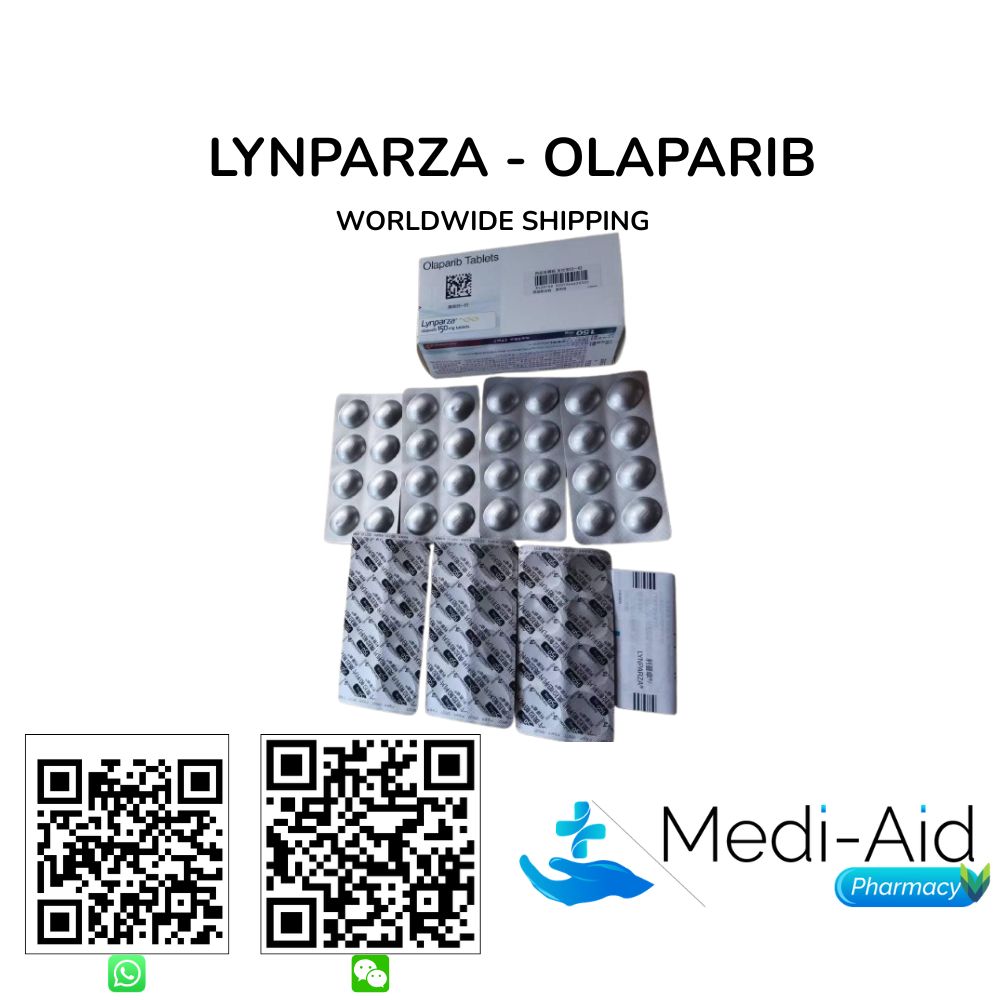
Description
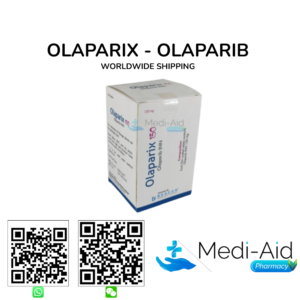
Lynparza 150 MG (Olaparib) marketed in China under the Chinese package name 利普卓 is a first-in-class oral PARP (Poly ADP-ribose polymerase) inhibitor supplied as 150 mg film-coated tablets and manufactured by AstraZeneca in China-market packaging. Its active ingredient, olaparib, selectively inhibits PARP1 and PARP2 enzymes the critical repair machinery for DNA single-strand breaks exploiting the mechanistic vulnerability of BRCA1- or BRCA2-deficient tumor cells that have lost the parallel homologous recombination (HR) pathway for double-strand DNA repair, a concept known as synthetic lethality.
At the standard dose of 300 mg twice daily (two 150 mg tablets BID), olaparib delivers continuous PARP inhibition that causes catastrophic DNA damage accumulation and selective apoptosis in HRD (homologous recombination deficiency)-positive and BRCA-mutated tumor cells across ovarian, breast, prostate, and pancreatic cancers while sparing normal cells that retain functional homologous recombination capacity. Lynparza 150 MG is the tablet formulation of olaparib and supports the approved 300 mg BID standard dosing regimen without the need for refrigeration or intravenous administration infrastructure. In the pivotal OlympiA Phase 3 adjuvant breast cancer trial (n=1,836 adults with germline BRCA-mutated, HER2-negative early high-risk breast cancer after neoadjuvant or adjuvant chemotherapy), olaparib produced a 4-year invasive disease-free survival (iDFS) of 82.7% versus 75.4% with placebo (HR 0.42; 95% CI 0.33–0.55; p<0.001) and a confirmed overall survival (OS) benefit (HR 0.68; 95% CI 0.47–0.97; p=0.009), establishing olaparib as the only PARP inhibitor with proven OS benefit in early breast cancer.
Searching for Lynparza 150 MG Olaparib? Mediaid Pharmacy lists this product within its comprehensive breast cancer medicines portfolio and ships it worldwide.
Basic Product Information of Lynparza 150 MG (Olaparib)
| Brand Name | Lynparza 150 MG (Olaparib) |
| Chinese Package Name | 利普卓 (Lì Pǔ Zhuō) |
| Generic Name | Olaparib |
| Drug Class | PARP (Poly ADP-ribose polymerase) Inhibitor; PARP1 and PARP2 Inhibitor; Antineoplastic Agent; Targeted Therapy for BRCA-Mutated and HRD-Positive Cancers; Synthetic Lethality-Based Oncology Agent |
| Formulation / Dosage Form | Film-Coated Tablets (Oral) |
| Available Strength | 150 mg (standard dose: 300 mg [two 150 mg tablets] taken orally twice daily [BID]) |
| Pack Size | Contact Mediaid Pharmacy for confirmed pack size availability and current stock details |
| Primary Indications | First-line maintenance treatment of germline or somatic BRCA-mutated (BRCAm) advanced ovarian, fallopian tube, or primary peritoneal cancer after response to first-line platinum-based chemotherapy; first-line maintenance with bevacizumab for HRD-positive advanced ovarian cancer; maintenance treatment of platinum-sensitive relapsed BRCAm ovarian cancer; adjuvant treatment of germline BRCAm, HER2-negative early high-risk breast cancer after chemotherapy; treatment of germline BRCAm, HER2-negative metastatic breast cancer; treatment of BRCAm metastatic castration-resistant prostate cancer (mCRPC) after enzalutamide or abiraterone; first-line mCRPC with abiraterone; maintenance treatment of germline BRCAm metastatic pancreatic adenocarcinoma (locally approved indications vary confirm China NMPA-approved label) |
| Manufacturer / Brand | AstraZeneca |
| Market Packaging | China |
| Categories | Breast Cancer Medicines; Ovarian Cancer Medicines; Prostate Cancer Medicines; Oncology Medicines; Original Molecule Medicines |
| Global Supplier | Mediaid Pharmacy, Worldwide Shipping Available |
| Storage Conditions | Store below 30°C. Store in the original packaging to protect from moisture. No refrigeration required. Keep out of the reach of children. |
How Lynparza 150 MG (Olaparib) Works: PARP1/2 Inhibition, Synthetic Lethality, and PARP Trapping in BRCA-Mutated and HRD-Positive Tumors
Olaparib, the active ingredient in Lynparza 150 MG, is the world’s first approved PARP (Poly ADP-ribose polymerase) inhibitor a pharmacological class that exploits a fundamental genetic vulnerability in tumor cells harboring defects in homologous recombination (HR)-mediated DNA repair, most commonly caused by germline or somatic mutations in the BRCA1 or BRCA2 tumor suppressor genes. PARP1 and PARP2 are nuclear enzymes that detect and repair DNA single-strand breaks (SSBs) through the base excision repair (BER) pathway; they function by synthesizing poly ADP-ribose chains on themselves and target proteins at the site of DNA damage, recruiting downstream BER components to restore DNA strand continuity.
In normal cells, inhibition of PARP-mediated SSB repair creates DNA double-strand breaks (DSBs) during replication, but these DSBs are efficiently corrected by the backup homologous recombination (HR) repair pathway relying on BRCA1 and BRCA2 as essential mediators of RAD51-driven DSB repair. In tumor cells where BRCA1 or BRCA2 function is lost through germline mutation, somatic mutation, or promoter methylation, the HR pathway is non-functional, and the PARP-inhibitor-induced DSBs cannot be repaired triggering synthetic lethality: the simultaneous functional loss of both PARP-mediated BER and HR-mediated DSB repair, which is lethal to the tumor cell but not to normal cells that retain functional HR. This mechanism of synthetic lethality defines olaparib’s selective antitumor activity and mechanistically distinguishes PARP inhibition from conventional cytotoxic chemotherapy.
Oncology specialists and procurement teams can review the complete range of oncology medicines available at Mediaid Pharmacy.
Olaparib’s mechanism of action operates through two complementary and synergistic molecular mechanisms at the 300 mg BID maintenance dose delivered by two Lynparza 150 MG tablets. The first mechanism is PARP catalytic inhibition: olaparib binds the NAD⁺ (nicotinamide adenine dinucleotide)-binding catalytic domain of PARP1 and PARP2 with high affinity and specificity (IC₅₀ approximately 1–5 nM for PARP1; approximately 0.6–2 nM for PARP2), blocking the enzymatic synthesis of poly ADP-ribose (PAR) chains on target proteins and preventing the initiation of BER at SSB sites.
The second and mechanistically more potent mechanism is PARP trapping: olaparib stabilizes the PARP1–DNA complex at sites of DNA damage, preventing the normal release of PARP1 from the DNA after auto-PARylation. These PARP1–DNA trapped complexes are structurally distinct from simple unrepaired SSBs; they constitute a far more cytotoxic DNA lesion type that physically blocks the replication fork machinery during S-phase, generating one-ended DSBs that are irreparable in the absence of functional HR. The potency of PARP trapping by olaparib substantially greater than that of catalytic inhibition alone explains why olaparib achieves clinical antitumor activity at doses that do not cause severe myelosuppression in all patients.
HRD (homologous recombination deficiency) extends beyond BRCA1/2 mutations to include somatic mutations or promoter methylation of other HR pathway genes (RAD51C, RAD51D, PALB2, BRIP1, CDK12), collectively defining a broader population of patients with HRD-positive tumors who may benefit from olaparib treatment beyond those with confirmed BRCAm. Healthcare providers sourcing Lynparza 150 MG and companion targeted oncology agents can browse the complete ovarian cancer medicines portfolio at Mediaid Pharmacy for consolidated worldwide procurement.
Lynparza 150 MG delivers the 150 mg tablet unit dose of olaparib two tablets (300 mg total) taken orally twice daily which is the approved standard dose for all indications, providing continuous 24-hour PARP inhibition through its oral bioavailability profile. The pharmacokinetic characteristics of olaparib at 300 mg BID: median Tmax approximately 1.5 hours, Cmax approximately 6 μg/mL, AUC at steady state approximately 34 μg·h/mL, plasma protein binding approximately 82%, volume of distribution approximately 167 L, terminal half-life (t½) approximately 11.9 hours supporting the twice-daily oral dosing schedule and confirming that steady-state PARP inhibitory drug concentrations are maintained continuously throughout the 12-hour dosing interval.
Olaparib is primarily metabolized by CYP3A4 (responsible for approximately 70% of clearance), with no active circulating metabolites contributing meaningfully to systemic pharmacological activity. Food does not affect olaparib bioavailability in a clinically meaningful way, though the prescribing information recommends administration with food to reduce nausea frequency. No dose adjustment is required for mild hepatic impairment (Child-Pugh A); data for moderate hepatic impairment are limited and require caution; olaparib is not recommended for severe hepatic impairment. Mild renal impairment (creatinine clearance 51–80 mL/min) does not require dose adjustment; for moderate renal impairment (CrCl 31–50 mL/min), the recommended dose is reduced to 200 mg BID (not 300 mg BID). Oncology centers sourcing Lynparza 150 MG in China-market packaging can explore the broader prostate cancer medicines collection at Mediaid Pharmacy for consolidated procurement and worldwide shipping.
The cross-tumor clinical activity of olaparib reflects the genomic ubiquity of BRCA mutations and HRD across solid tumor histologies. In the landmark SOLO-1 Phase 3 trial (n=391; first-line maintenance in BRCAm advanced ovarian cancer after complete or partial response to platinum-based chemotherapy), olaparib 300 mg BID produced a 7-year progression-free survival (PFS) rate of 46% versus 5% with placebo (HR 0.33; 95% CI 0.25–0.43) and a confirmed overall survival benefit at the 7-year data cut (HR 0.55; 95% CI 0.40–0.76; p=0.0004), making SOLO-1 one of the first maintenance therapy trials in solid tumor oncology to demonstrate a statistically significant OS benefit.
In the adjuvant breast cancer setting, the OlympiA Phase 3 trial (n=1,836; germline BRCAm HER2-negative early high-risk breast cancer) produced a 4-year iDFS of 82.7% versus 75.4% with placebo (HR 0.42; p<0.001) an absolute 7.3 percentage point improvement in invasive disease-free survival at 4 years alongside a confirmed OS benefit (HR 0.68; 95% CI 0.47–0.97; p=0.009), the first PARP inhibitor to demonstrate overall survival benefit in early-stage breast cancer. In metastatic castration-resistant prostate cancer, the PROfound Phase 3 trial (n=387; BRCAm cohort) produced a median radiographic progression-free survival (rPFS) of 7.4 versus 3.6 months with enzalutamide or abiraterone (HR 0.34; p<0.001), with an ORR of 33.3% versus 2.3% establishing olaparib as the standard-of-care targeted therapy in BRCAm mCRPC after second-generation androgen receptor inhibitor therapy.
Approved Indications of Lynparza 150 MG (Olaparib) Reference Label and China NMPA-Registered Indications
Olaparib, the active ingredient in Lynparza 150 MG, carries regulatory approvals across four tumor types in multiple clinical settings ovarian cancer, breast cancer, prostate cancer, and pancreatic cancer each requiring prior confirmation of the relevant BRCA mutation status or HRD status by a validated companion diagnostic test on tumor tissue (next-generation sequencing, allele-specific PCR, or FISH) or germline blood testing. The standard dose of 300 mg BID (two 150 mg tablets twice daily) applies across all approved indications, with dose reductions specified for tolerability or drug interactions. The China NMPA-approved label for Lynparza (利普卓) covers these settings; prescribers should confirm the currently registered China NMPA indications and any specific Chinese population data requirements on the Lynparza China product label before initiating treatment, as labeling details may differ from the global FDA/EMA reference prescribing information.
|
Ovarian Cancer First-Line and Maintenance Settings (SOLO-1: 7-Year OS HR 0.55; SOLO-2: PFS HR 0.30) Olaparib 300 mg BID is approved as first-line maintenance treatment of BRCAm advanced ovarian, fallopian tube, or primary peritoneal cancer after complete or partial response to first-line platinum-based chemotherapy SOLO-1 produced a 7-year PFS rate of 46% versus 5% (HR 0.33) and a confirmed OS benefit (HR 0.55; p=0.0004). In combination with bevacizumab for HRD-positive advanced ovarian cancer, PAOLA-1 produced median PFS 37.2 versus 17.7 months in BRCA-mutated HRD-positive patients (HR 0.31). For platinum-sensitive relapsed BRCAm ovarian cancer (SOLO-2), median PFS was 19.1 versus 5.5 months (HR 0.30; p<0.0001). For the complete ovarian cancer medicines range at Mediaid Pharmacy, visit the ovarian cancer portfolio. |
Breast Cancer Adjuvant Early and Metastatic Settings (OlympiA: iDFS HR 0.42; OlympiAD: PFS HR 0.58) Olaparib 300 mg BID is approved as adjuvant treatment of germline BRCAm, HER2-negative early high-risk breast cancer after neoadjuvant or adjuvant chemotherapy OlympiA (n=1,836) produced 4-year iDFS 82.7% versus 75.4% (HR 0.42; p<0.001) and OS benefit (HR 0.68; p=0.009). For germline BRCAm, HER2-negative locally advanced or metastatic breast cancer after prior chemotherapy, OlympiAD (n=302) produced median PFS 7.0 versus 4.2 months (HR 0.58; p<0.001) and ORR 59.9% versus 28.8%. For the full breast cancer medicines collection with worldwide shipping, visit Mediaid Pharmacy. |
Prostate Cancer and Pancreatic Cancer (PROfound: rPFS HR 0.34; PROPEL: rPFS HR 0.66 Overall) For BRCAm mCRPC after enzalutamide or abiraterone, PROfound (BRCA1/2 cohort, n=245) produced median rPFS 7.4 versus 3.6 months (HR 0.34; p<0.001); ORR 33.3% versus 2.3%; median OS 19.1 versus 14.7 months (HR 0.69; p=0.02). For first-line mCRPC with abiraterone, PROPEL (n=796) produced median rPFS 24.8 versus 16.6 months overall (HR 0.66; p<0.001); BRCA-mutated subgroup HR 0.23. For germline BRCAm metastatic pancreatic cancer maintenance, POLO produced median PFS 7.4 versus 3.8 months (HR 0.53; p=0.004). For the complete prostate cancer medicines range at Mediaid Pharmacy, visit the prostate cancer portfolio. |
Key Clinical Benefits of Lynparza 150 MG (Olaparib)
|
Proven Overall Survival Benefit in Two Tumor Types SOLO-1 Ovarian Cancer and OlympiA Breast Cancer Olaparib is the only PARP inhibitor to demonstrate statistically significant overall survival (OS) benefit in two separate tumor type Phase 3 trials. In SOLO-1 (BRCAm advanced ovarian cancer, first-line maintenance, 7-year data cut), olaparib produced an OS HR of 0.55 (95% CI 0.40–0.76; p=0.0004) a 45% reduction in the risk of death versus placebo, translating to a 7-year OS rate of 67.0% with olaparib versus 46.5% with placebo. In OlympiA (germline BRCAm HER2-negative early high-risk breast cancer, adjuvant treatment), olaparib produced an OS HR of 0.68 (95% CI 0.47–0.97; p=0.009), with a 3-year OS rate of 92.1% versus 88.3% with placebo making olaparib the first PARP inhibitor to demonstrate OS benefit in early breast cancer. These dual OS benefits across ovarian and breast cancer position olaparib not merely as a progression-delaying maintenance agent but as a molecule that measurably extends life in patients with BRCA-mutated tumors treated optimally at the correct disease stage. |
Oral Once-Twice-Daily Tablet Format No IV Infusion Infrastructure, Continuous Home-Based PARP Inhibition Lynparza 150 MG tablets deliver the 300 mg twice-daily olaparib regimen as an oral, outpatient-compatible treatment requiring no intravenous infusion center, no reconstitution, no infusion nursing time, and no weight-based dose calculation. Each dose consists of two 150 mg tablets taken orally twice daily morning and evening approximately 12 hours apart with or without food, allowing patients to self-administer their treatment at home throughout the full duration of maintenance or treatment-phase olaparib therapy. No refrigeration is required (storage below 30°C in original packaging); the oral tablet format eliminates cold-chain shipping requirements that apply to intravenous oncology biologics and ADCs, simplifying logistics for international patients, rural cancer centers, and healthcare systems in regions with limited infusion infrastructure. The continuous twice-daily dosing schedule maintains sustained PARP1/2 inhibition without treatment gaps, which is pharmacodynamically critical because intermittent PARP inhibition allows tumor cell DNA repair recovery between doses a gap that continuous BID dosing is specifically designed to prevent. |
Cross-Tumor BRCA-Targeted Activity Approved in Ovarian, Breast, Prostate, and Pancreatic Cancers Olaparib is the only PARP inhibitor with regulatory approvals across four distinct tumor histologies ovarian, breast, prostate, and pancreatic cancers reflecting the mechanistic universality of BRCA-mutation synthetic lethality regardless of the tissue of origin. In clinical practice, approximately 1 in 300 individuals carries a pathogenic germline BRCA1 or BRCA2 mutation; in ovarian cancer, germline and somatic BRCA mutations occur in approximately 20–25% of patients; in breast cancer, approximately 5–10% of patients have germline BRCAm; in prostate cancer, approximately 11–13% of mCRPC patients carry BRCA1/2 mutations. This cross-tumor eligibility means that oncologists treating patients with a confirmed BRCA mutation across multiple tumor types can consider olaparib within one oral targeted therapy framework significantly simplifying treatment planning for patients with BRCA-associated hereditary cancer syndromes who develop sequential primary tumors in different organs over their lifetime, a clinical scenario increasingly common as cancer genetic testing becomes routine in oncology practice. |
Drug Interactions and Important Safety Information for Lynparza 150 MG (Olaparib)
The most clinically significant drug interactions for olaparib involve CYP3A4 inhibitors and inducers, P-glycoprotein (P-gp) and BCRP (breast cancer resistance protein) substrates, myelosuppressive agents with overlapping hematologic toxicity profiles, and OATP1B1/1B3 transporter substrates. Olaparib is primarily metabolized by CYP3A4 responsible for approximately 70% of total olaparib clearance making olaparib’s systemic exposure highly sensitive to both inhibition and induction of CYP3A4 by concomitant medications. The pharmacokinetic interactions of CYP3A4 modulators with olaparib at the standard 300 mg BID dose are among the most clinically consequential in oral oncology practice, as exposures outside the therapeutic range increase either the risk of serious adverse events (over-exposure from inhibition) or the risk of treatment failure (under-exposure from induction). Olaparib itself inhibits BCRP, OATP1B1, and OCT1 transporters at clinically relevant concentrations meaning olaparib can increase the systemic exposure of co-administered substrates of these transporters. Oncology centers sourcing Lynparza 150 MG and companion oncology medicines can browse the complete breast cancer medicines range at Mediaid Pharmacy.
Strong CYP3A4 inhibitors are the highest-priority interaction class for olaparib at the 300 mg BID dose. Concomitant administration of itraconazole the prototypical strong CYP3A4 inhibitor increases olaparib AUC by approximately 2.7-fold at steady state, raising olaparib plasma exposure to levels associated with increased myelosuppression, nausea, and hepatotoxicity risk. Other strong CYP3A4 inhibitors contraindicated or requiring dose reduction with olaparib include: antifungals (voriconazole, posaconazole, ketoconazole); HIV protease inhibitors (ritonavir, lopinavir/ritonavir, atazanavir/ritonavir, cobicistat-boosted regimens); antibiotics (clarithromycin, telithromycin); and hepatitis C NS5A inhibitors (grazoprevir/elbasvir, which are increasingly prescribed in patients with cancer and concurrent HCV infection). If a strong CYP3A4 inhibitor cannot be avoided during olaparib 300 mg BID therapy, the olaparib dose must be reduced to 100 mg BID (not 150 mg BID) to compensate for increased exposure; this dose reduction requires careful pharmacokinetic judgment and must be prescribed by the treating oncologist.
Moderate CYP3A4 inhibitors (fluconazole, diltiazem, erythromycin, ciclosporin, aprepitant, amiodarone) increase olaparib AUC by approximately 50–100%, and require an olaparib dose reduction to 150 mg BID (one tablet twice daily) when concomitant use cannot be avoided. Strong CYP3A4 inducers (rifampicin, carbamazepine, phenytoin, phenobarbital, St. John’s Wort, enzalutamide itself which induces CYP3A4 at the enzalutamide doses used in prostate cancer treatment) reduce olaparib AUC by up to 87% to sub-therapeutic plasma concentrations that are likely to eliminate clinical efficacy. Concomitant use of strong CYP3A4 inducers with olaparib must be avoided entirely; the clinical oncologist and pharmacist must review every patient’s medication list specifically for CYP3A4 inducers including anticonvulsant co-medications in patients with CNS metastases and herbal supplements including St. John’s Wort before initiating olaparib and at each follow-up visit. For AstraZeneca-branded companion oncology medicines available at Mediaid Pharmacy, explore the AstraZeneca oncology medicines portfolio.
Myelosuppressive agents represent the most clinically consequential pharmacodynamic interaction class for olaparib. Olaparib’s dose-limiting hematologic toxicity anemia (all grades approximately 43%; Grade 3/4 approximately 16–21%), neutropenia (all grades approximately 18%; Grade 3/4 approximately 7–8%), and thrombocytopenia (all grades approximately 10%) can be substantially amplified by concomitant use of other myelosuppressive agents including cytotoxic chemotherapy (platinum agents, taxanes, gemcitabine, etoposide), androgen deprivation therapy (ADT) which independently suppresses erythropoiesis in patients with prostate cancer and immunosuppressants. Co-administration of olaparib with chemotherapy outside specifically approved combination regimens (olaparib plus bevacizumab in the PAOLA-1 regimen; olaparib plus abiraterone in the PROPEL regimen) is not supported by Phase 3 data and should only be undertaken within a clinical trial protocol.
Olaparib as a BCRP and OATP1B1 inhibitor: olaparib inhibits BCRP at clinically relevant concentrations increasing systemic exposure of BCRP substrates including rosuvastatin (AUC approximately doubled), sulfasalazine, and topotecan when co-administered; statin doses should be reviewed and potentially reduced when initiating olaparib in patients on concurrent statin therapy. Olaparib inhibits OATP1B1 potentially increasing exposure of OATP1B1 substrates including pravastatin, repaglinide, and several antidiabetic agents.
Warfarin and vitamin K antagonists: olaparib may reduce the systemic exposure of warfarin by approximately 23% via an uncertain mechanism; INR monitoring should be intensified when olaparib is initiated, dose-adjusted, or discontinued in patients on anticoagulation with vitamin K antagonists. All patients must disclose their complete medication list including prescription, over-the-counter, traditional Chinese medicine, and herbal preparations to their treating oncologist and clinical pharmacist before initiating Lynparza 150 MG and at every follow-up visit, as the CYP3A4-mediated PK interactions and transporter-mediated pharmacodynamic interactions create multiple clinically significant interaction risks that require proactive management. For the complete olaparib PARP inhibitor tablet range available at Mediaid Pharmacy with worldwide shipping, visit the oncology medicines collection.
Side Effects and Precautions of Lynparza 150 MG (Olaparib)
|
Common Side Effects Nausea (incidence approximately 72–75% across SOLO-1, OlympiAD, and PROfound at 300 mg BID; most events are Grade 1–2 and peak during the first 4–8 weeks of treatment; manage with antiemetic prophylaxis before each dose ondansetron 4–8 mg or metoclopramide 10 mg taken 30 minutes before olaparib is effective in most patients; administering olaparib with food or a light snack significantly reduces nausea intensity without affecting olaparib bioavailability; Grade 3 nausea requires dose interruption and consideration of first dose reduction to 250 mg BID) Fatigue and asthenia (incidence approximately 66–70%; typically moderate in severity and partially attributable to anemia-driven reduced oxygen delivery; assess hemoglobin, thyroid function, and nutritional status before attributing fatigue to non-specific drug effect; consider erythropoiesis-stimulating agents (ESAs) or transfusion support for symptomatic Grade ≥3 anemia-related fatigue where clinically appropriate) Anemia (all grades approximately 43%; Grade 3/4 approximately 16–21%; monitor complete blood count (CBC) at baseline, monthly for the first year of treatment, and periodically thereafter; withhold olaparib for hemoglobin <8 g/dL until recovery to ≥9 g/dL; dose reduce to 250 mg BID for recurrent Grade 3/4 anemia; blood transfusions and ESAs may be used per institutional protocols; parenteral iron supplementation addresses functional iron deficiency driven by inflammation-mediated hepcidin upregulation in cancer patients on olaparib) Vomiting (incidence approximately 32–40%; managed with the same antiemetic strategy as nausea; ensure patients have antiemetic rescue medication available at home for breakthrough episodes; IV antiemetics and hydration for patients with Grade 3 vomiting causing dehydration risk) Dysgeusia and taste disturbance (incidence approximately 27%; typically metallic taste affecting food palatability and contributing to decreased appetite; resolves in most patients after 8–12 weeks of treatment without dose modification; cold or room-temperature foods, rinsing with sodium bicarbonate solution before meals, and flavour-enhancing food preparation strategies reduce dysgeusia-driven nutritional compromise) Neutropenia (all grades approximately 18%; Grade 3/4 approximately 7–8%; monitor CBC monthly; withhold olaparib for Grade 3/4 neutropenia until recovery to Grade ≤2; G-CSF (filgrastim, pegfilgrastim) prophylaxis is recommended for patients with Grade ≥3 neutropenia or baseline risk factors including prior platinum-based chemotherapy, advanced age ≥65 years, or ECOG PS ≥2; permanently discontinue for MDS confirmed in the setting of prolonged neutropenia) Diarrhea (incidence approximately 26–30%; generally Grade 1–2; manage with dietary modification, loperamide as needed, adequate hydration; Grade 3 diarrhea requires olaparib dose interruption and fluid-electrolyte replacement; underlying causes including Clostridioides difficile or other infectious etiology should be excluded before attributing Grade 3 diarrhea to olaparib toxicity alone) Headache and decreased appetite (incidence approximately 25% and 24% respectively; headache typically tension-type and responsive to paracetamol/acetaminophen; appetite reduction requires nutritional monitoring, body weight tracking at each visit, and dietitian consultation for patients with ≥5% body weight loss during treatment) |
Serious Warnings and Precautions Myelodysplastic syndrome (MDS) and acute myeloid leukemia (AML) Black Box Warning: MDS and/or AML, including cases that were fatal, occurred in approximately 0.8–1.5% of patients receiving olaparib across clinical trials, with a median time to diagnosis of approximately 9 months after initiating olaparib. The majority of cases reported prior DNA-damaging therapy with platinum agents or other chemotherapy; however, cases have occurred in patients without prior chemotherapy exposure. Perform complete blood count testing (CBC with differential) at baseline, monthly for the first 12 months of olaparib treatment, and periodically thereafter; perform more frequent CBC if clinically indicated (unexplained fatigue, fever, infection, unusual bruising or bleeding, or declining blood counts over two or more sequential evaluations). If prolonged hematologic toxicity defined as anemia, neutropenia, thrombocytopenia, or pancytopenia not resolving within 4 weeks of olaparib dose interruption is confirmed, permanently discontinue Lynparza 150 MG and refer immediately to a hematologist for bone marrow aspirate and biopsy with cytogenetics; do not resume olaparib following confirmed MDS/AML. Report all confirmed MDS/AML cases per local pharmacovigilance regulations. Pneumonitis: pneumonitis, including fatal events, occurred in approximately 0.7–2.0% of patients receiving olaparib across clinical trials. Pneumonitis presents as new or worsening respiratory symptoms: dyspnoea, non-productive cough, chest discomfort, or fever with new pulmonary infiltrates on CT imaging. Olaparib-associated pneumonitis may occur early (within weeks of initiation) or late (after months of maintenance treatment). Withhold Lynparza 150 MG immediately upon suspected pneumonitis diagnosis pending investigation with HRCT and pulmonary function testing; permanently discontinue olaparib if Grade 2 or higher pneumonitis is confirmed by multidisciplinary review. Pneumonitis incidence is higher in East Asian patients the same ethnic population for whom the China-market Lynparza (利普卓) is primarily packaged based on class effects observed with other oral oncology agents; baseline HRCT and pulmonary function testing are recommended before initiating olaparib in Chinese patients with pre-existing pulmonary conditions, smokers, or patients with prior thoracic radiation. Venous thromboembolism (VTE): VTE including pulmonary embolism (PE) occurred in approximately 7–8% of patients receiving olaparib in the PROfound prostate cancer trial a higher incidence than in the ovarian or breast cancer trials (approximately 2–3%) reflecting the pro-thrombotic background risk of metastatic castration-resistant prostate cancer and concurrent ADT. Monitor for symptoms of DVT (leg swelling, warmth, erythema, pain) and PE (acute dyspnoea, pleuritic chest pain, tachycardia, desaturation) throughout olaparib treatment; low-molecular-weight heparin (LMWH) anticoagulation is recommended for confirmed VTE; olaparib may be resumed after therapeutic anticoagulation is established unless clinical circumstances require permanent discontinuation. New primary malignancy risk: as a genotoxic agent in preclinical studies, and given olaparib’s mechanism of causing DNA damage in dividing cells, patients on prolonged olaparib therapy should receive standard cancer surveillance appropriate to their age, sex, and individual cancer predisposition risk factors; the BRCA mutation carrier status itself carries substantially higher lifetime risks of multiple primary cancers (contralateral breast cancer, ovarian cancer in BRCA1/2 carriers, pancreatic cancer in BRCA2 carriers) independent of olaparib treatment comprehensive genetic counseling and surveillance planning should be part of the treating oncologist’s care coordination for all patients on olaparib. Embryo-fetal toxicity: olaparib can cause fetal harm based on its mechanism of action (PARP inhibition and DNA damage in rapidly proliferating fetal tissues) and nonclinical reproductive toxicity studies demonstrating embryolethality and fetal malformations at exposures below the human clinical exposure at 300 mg BID. Females of reproductive potential must use effective non-hormonal contraception (or hormonal contraception backed by a barrier method, given olaparib’s potential interaction with oral contraceptive metabolism) during Lynparza 150 MG treatment and for at least 6 months after the last dose. Male patients with female partners of reproductive potential must use effective contraception during treatment and for at least 3 months after the last dose based on male reproductive toxicity nonclinical data. Breastfeeding is not recommended during treatment and for at least 1 month after the last dose. Patients planning pregnancy should discuss the appropriate washout period with their treating oncologist; olaparib’s terminal half-life of approximately 11.9 hours supports near-complete systemic clearance within approximately 5–6 days following the last dose, but pre-conception planning in BRCA mutation carriers should incorporate multidisciplinary oncology, reproductive medicine, and genetic counseling expertise. |
Who Should Use Lynparza 150 MG (Olaparib)?
Lynparza 150 MG (Olaparib) is indicated for adult patients across four distinct tumor types and multiple clinical settings, each requiring prior molecular confirmation of BRCA mutation status or HRD status by a validated companion diagnostic.
Patient group 1 Ovarian cancer: Adults with advanced (Stage III/IV) epithelial ovarian, fallopian tube, or primary peritoneal cancer harboring germline or somatic BRCA1/2 mutations in complete or partial response to first-line platinum-based chemotherapy receive olaparib 300 mg BID as first-line maintenance treatment the setting in which SOLO-1 established a 7-year OS benefit. Adults with HRD-positive advanced ovarian cancer in complete or partial response to first-line platinum-based chemotherapy plus bevacizumab receive olaparib 300 mg BID combined with bevacizumab as first-line maintenance (PAOLA-1 regimen). Adults with BRCAm platinum-sensitive relapsed ovarian cancer in response to platinum re-challenge receive olaparib 300 mg BID as maintenance treatment (SOLO-2 regimen).
Patient group 2 Breast cancer: Adults with germline BRCA1/2 mutations, HER2-negative (IHC 0, IHC 1+, or IHC 2+/ISH-negative) early high-risk breast cancer who have completed neoadjuvant or adjuvant chemotherapy receive olaparib 300 mg BID for 1 year as adjuvant treatment the OlympiA indication demonstrating iDFS HR 0.42 and OS benefit. Adults with germline BRCA1/2 mutations, HER2-negative locally advanced or metastatic breast cancer receive olaparib 300 mg BID after prior chemotherapy (OlympiAD indication).
Patient group 3 Prostate cancer: Adults with germline or somatic BRCAm mCRPC who have progressed on or after enzalutamide or abiraterone receive olaparib 300 mg BID (PROfound indication; BRCA1/2 cohort rPFS HR 0.34 and OS HR 0.69). Adults with mCRPC without prior systemic therapy receive olaparib 300 mg BID plus abiraterone 1,000 mg daily plus prednisone 5 mg twice daily (PROPEL first-line mCRPC combination regimen; overall rPFS HR 0.66).
Patient group 4 Pancreatic cancer: Adults with germline BRCAm metastatic pancreatic adenocarcinoma who have not progressed after at least 16 weeks of first-line platinum-based chemotherapy receive olaparib 300 mg BID as maintenance treatment (POLO indication; median PFS 7.4 versus 3.8 months; HR 0.53; p=0.004).
Contraindications include: confirmed hypersensitivity to olaparib or any tablet excipient; active MDS or confirmed prior MDS; pregnancy; active breastfeeding; and concomitant use of strong CYP3A4 inducers (unless clinically unavoidable after oncologist review). For procurement of Lynparza 150 MG Olaparib in China-market packaging (利普卓) alongside AstraZeneca companion oncology medicines, visit the Mediaid Pharmacy AstraZeneca medicines portfolio and the complete ovarian cancer medicines collection for worldwide delivery.
Global Supplier: Mediaid Pharmacy Worldwide Shipping for Lynparza 150 MG (Olaparib)
Mediaid Pharmacy is a Dhaka-based supplier of specialty oncology, targeted therapy, and original molecule medicines with worldwide shipping to patients, oncology clinics, hospitals, cancer treatment centers, and pharmaceutical distributors across all regions. Lynparza 150 MG Olaparib, manufactured by AstraZeneca in China-market packaging (利普卓), is available as 150 mg film-coated tablets at the standard 300 mg BID dosing schedule (two tablets taken twice daily) requiring no refrigeration and no intravenous infusion infrastructure supplied with pricing quotations, stock confirmation, full product documentation, and end-to-end international delivery tracking for every order. As an oral solid dosage form requiring no cold-chain handling, Lynparza 150 MG is stored and shipped below 30°C with standard pharmaceutical dry-goods logistics in original sealed packaging to protect tablets from moisture, substantially simplifying international shipment compared with refrigerated oncology biologics.
Ovarian cancer centers, breast oncology clinics, uro-oncology departments, hospital pharmacy departments, cancer research programs, distributors, and individual patients can contact the Mediaid Pharmacy team through WhatsApp, phone, or WeChat for all inquiries about Lynparza 150 MG Olaparib stock availability, current pricing, and international delivery timelines to their specific country. Buyers sourcing olaparib 150 mg tablets in China-market packaging for BRCA-mutated ovarian, breast, prostate, or pancreatic cancer maintenance treatment programs, establishing institutional PARP inhibitor procurement programs, or co-sourcing multiple oncology medicines in a single consolidated international shipment can browse the complete breast cancer medicines portfolio, ovarian cancer medicines portfolio, and prostate cancer medicines portfolio at Mediaid Pharmacy before submitting a consolidated quotation request.
Why Choose Lynparza 150 MG (Olaparib) from Mediaid Pharmacy?
Lynparza 150 MG Olaparib from Mediaid Pharmacy gives oncologists, gynecologic oncologists, breast oncologists, uro-oncologists, and oncology procurement teams access to the world’s first and most comprehensively approved PARP inhibitor an original molecule medicine by AstraZeneca that has established the clinical standard for BRCA-targeted synthetic lethality therapy across ovarian, breast, prostate, and pancreatic cancers. Olaparib’s proven OS benefit in two Phase 3 trials SOLO-1 (ovarian cancer; OS HR 0.55; p=0.0004) and OlympiA (early breast cancer; OS HR 0.68; p=0.009) its 7-year PFS rate of 46% versus 5% in BRCAm advanced ovarian cancer (SOLO-1 first-line maintenance), its 4-year iDFS benefit of 82.7% versus 75.4% in early high-risk breast cancer (OlympiA), its rPFS benefit in BRCAm mCRPC (PROfound; HR 0.34), and its first-line mCRPC activity with abiraterone (PROPEL; HR 0.66 overall) collectively establish olaparib 300 mg BID as the unambiguous PARP inhibitor backbone across four tumor types for patients with confirmed BRCA mutation status.
The 150 mg oral tablet format delivering the 300 mg BID standard dose as two tablets twice daily in China-market packaging (利普卓) without refrigeration, IV infusion, or reconstitution requirements enables home-based, patient-self-administered continuous PARP inhibition that is logistically compatible with global treatment programs, remote oncology centers, and international patient populations. Mediaid Pharmacy supplies Lynparza 150 MG Olaparib with full product documentation, specialist oncology supply support, and worldwide shipping from Dhaka. To source AstraZeneca companion oncology medicines including Tagrisso, Imfinzi, or Farxiga or a complete multi-indication oncology panel alongside Lynparza 150 MG, visit the Mediaid Pharmacy AstraZeneca medicines section and the oncology medicines portfolio, and contact the team for a personalized procurement quotation.
Frequently Asked Questions About Lynparza 150 MG (Olaparib)
What is Lynparza 150 MG (Olaparib) used for?
Lynparza 150 MG (Olaparib) is a first-in-class oral PARP inhibitor approved in four cancer types: (1) ovarian cancer first-line maintenance in BRCAm advanced ovarian cancer (SOLO-1: 7-year OS HR 0.55; p=0.0004); first-line maintenance with bevacizumab in HRD-positive advanced ovarian cancer (PAOLA-1: median PFS 37.2 vs 17.7 months in BRCAm HRD-positive subgroup); maintenance in platinum-sensitive relapsed BRCAm ovarian cancer (SOLO-2: median PFS 19.1 vs 5.5 months; HR 0.30); (2) breast cancer adjuvant treatment of germline BRCAm HER2-negative early high-risk breast cancer (OlympiA: iDFS HR 0.42; p<0.001; OS HR 0.68; p=0.009); treatment of germline BRCAm HER2-negative metastatic breast cancer (OlympiAD: median PFS 7.0 vs 4.2 months; HR 0.58); (3) prostate cancer BRCAm mCRPC after abiraterone or enzalutamide (PROfound: rPFS HR 0.34; p<0.001; OS HR 0.69; p=0.02) and first-line mCRPC with abiraterone (PROPEL: rPFS HR 0.66); (4) pancreatic cancer germline BRCAm metastatic pancreatic cancer maintenance (POLO: PFS HR 0.53; p=0.004). Lynparza (利普卓) is manufactured by AstraZeneca in China-market packaging and is available from Mediaid Pharmacy with worldwide shipping.
What is the generic name of Lynparza 150 MG?
The generic name (International Nonproprietary Name, INN) of Lynparza 150 MG is olaparib. Olaparib is the world’s first approved PARP (Poly ADP-ribose polymerase) inhibitor, selectively inhibiting PARP1 and PARP2 enzymes to exploit synthetic lethality in BRCA1- or BRCA2-deficient tumor cells that have lost the homologous recombination DNA repair pathway. The Chinese package name for Lynparza in China-market packaging is 利普卓 (Lì Pǔ Zhuō). Lynparza 150 MG is manufactured by AstraZeneca and is supplied as film-coated tablets at 150 mg per tablet; the standard clinical dose is 300 mg (two 150 mg tablets) taken orally twice daily. Mediaid Pharmacy distributes Lynparza 150 MG Olaparib in China-market packaging globally with worldwide shipping to oncology centers, hospitals, distributors, and individual patients.
What is the dosage and administration schedule for Lynparza 150 MG?
The standard dose of Lynparza (olaparib) is 300 mg twice daily (BID) administered as two 150 mg tablets taken orally in the morning and in the evening, approximately 12 hours apart, with or without food (taking tablets with food reduces nausea). Tablets should be swallowed whole and must not be crushed, chewed, or dissolved. Treatment is continuous there are no planned treatment breaks or cycles and continues until disease progression, unacceptable toxicity, or completion of the specified treatment duration (1 year for the OlympiA adjuvant breast cancer indication). If a dose is missed, the patient should take the next scheduled dose at the regular time; the missed dose should not be made up. Dose reductions for adverse events: first reduction to 250 mg BID (one 150 mg tablet plus one 100 mg tablet, or two doses as prescribed); second reduction to 200 mg BID; permanently discontinue if 200 mg BID is not tolerated. For moderate renal impairment (CrCl 31–50 mL/min), reduce to 200 mg BID without confirmed adverse events. For strong CYP3A4 inhibitors, reduce to 100 mg BID; for moderate CYP3A4 inhibitors, reduce to 150 mg BID.
Does Lynparza (olaparib) require BRCA testing before treatment?
Yes confirmed BRCA mutation or HRD status testing is required for all olaparib indications except the PAOLA-1 bevacizumab combination regimen, which requires HRD-positive status (HRD includes both BRCAm and genomic instability score-positive tumors). For ovarian cancer first-line maintenance monotherapy (SOLO-1 indication), tumor tissue or germline testing must confirm BRCA1 or BRCA2 mutation (pathogenic or likely pathogenic). For breast cancer adjuvant and metastatic settings (OlympiA and OlympiAD indications), germline BRCA1/2 testing typically via a blood or saliva sample sent to a validated clinical genetic testing laboratory must confirm a pathogenic germline mutation. For prostate cancer (PROfound and PROPEL indications), germline or somatic BRCA1/2 mutation confirmed on tumor tissue NGS or cell-free DNA (ctDNA) liquid biopsy is required. For pancreatic cancer (POLO indication), germline BRCA1/2 testing must be confirmed. Patients who have not yet undergone BRCA testing should be referred to a clinical genetic counselor or their treating oncologist for germline or somatic testing using an FDA-, EMA-, or NMPA-approved companion diagnostic before olaparib is prescribed or dispensed.
What are the most important side effects of Lynparza 150 MG to monitor?
The most common side effects of Lynparza 150 MG include nausea (72–75%), fatigue (66–70%), anemia (43%), vomiting (32–40%), dysgeusia (27%), diarrhea (26–30%), and headache (25%). These are generally Grade 1–2 and manageable with antiemetic prophylaxis, hematologic monitoring, and dose modification. The most clinically serious adverse events requiring active monitoring include: MDS/AML (Black Box Warning) occurred in approximately 0.8–1.5% of patients; monitor CBC monthly for the first year; permanently discontinue for confirmed MDS/AML; pneumonitis (approximately 0.7–2.0%; permanently discontinue for Grade ≥2 confirmed pneumonitis; higher risk in East Asian patients); and VTE including pulmonary embolism (approximately 7–8% in mCRPC patients on concomitant ADT). Discuss your full side effect profile and individual MDS, pneumonitis, and VTE risk factors with your treating oncologist before and throughout Lynparza 150 MG treatment.
Can I order Lynparza 150 MG (Olaparib) online with worldwide shipping?
Yes. Mediaid Pharmacy supplies Lynparza 150 MG Olaparib in China-market packaging (利普卓) to oncology centers, hospitals, cancer treatment programs, distributors, and individual patients globally with worldwide shipping. Contact Mediaid Pharmacy via WhatsApp, phone, or WeChat at +8801773428128, or email info@mediaidpharmacy.com for current stock availability, pricing, and international delivery details for your country.
Order Lynparza 150 MG (Olaparib) with Worldwide Shipping
Phone / WhatsApp / WeChat: +8801773428128 | Email: info@mediaidpharmacy.com