
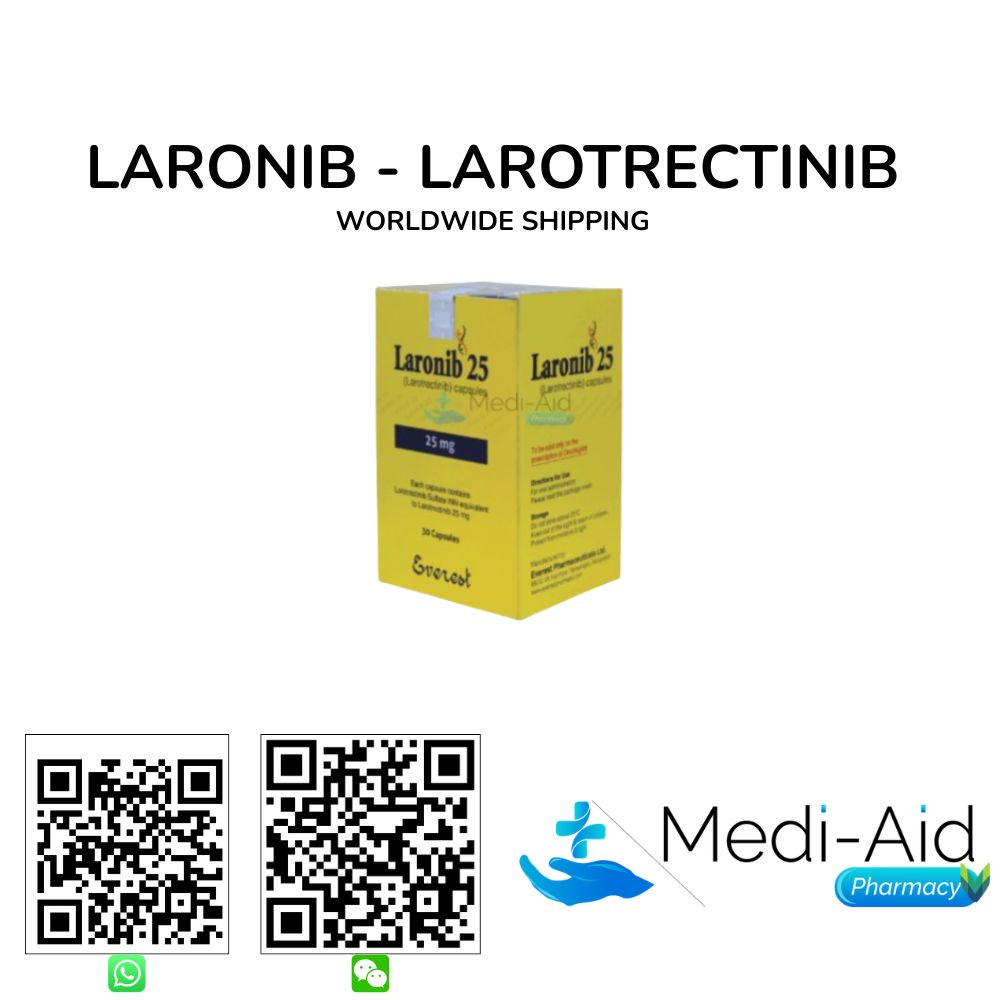
Laronib 25MG & 100MG (Larotrectinib)
Product Name : Laronib
Generic Name : Larotrectinib
Formulation : Capsule
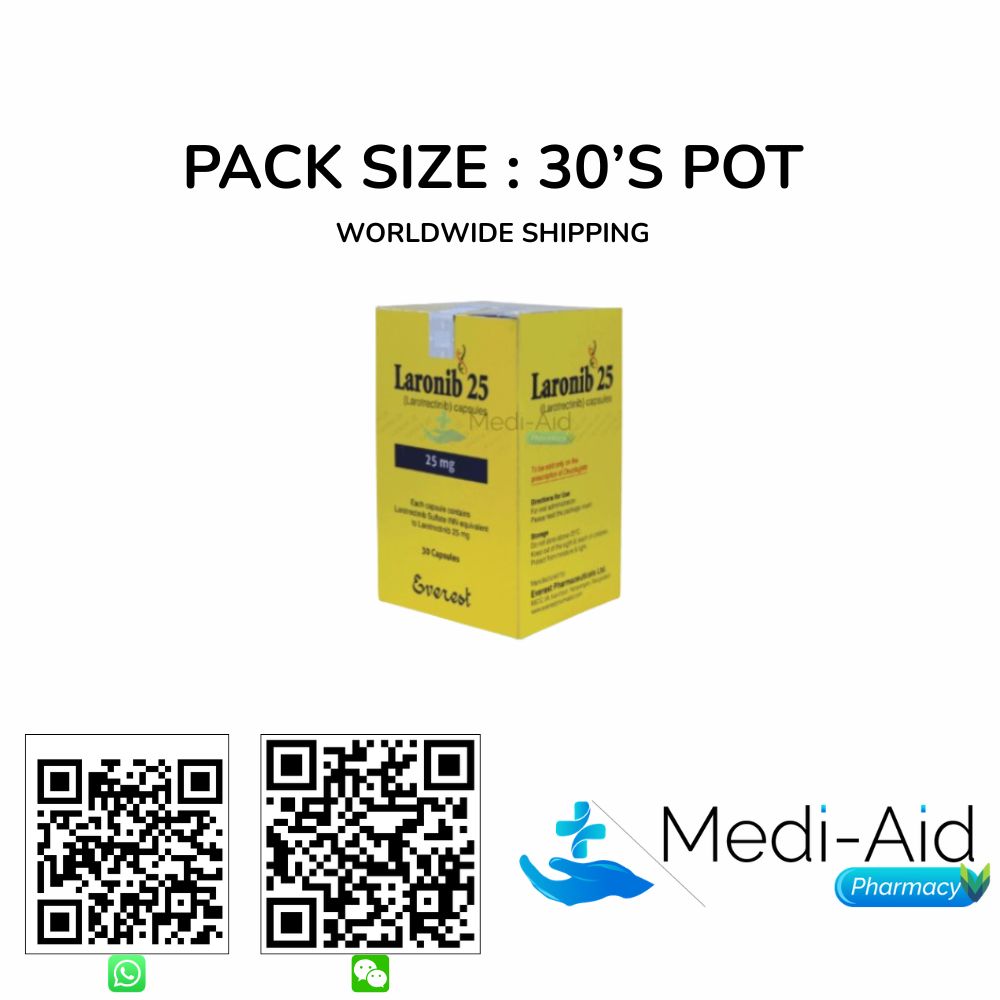
Available Pack Size : 30’s
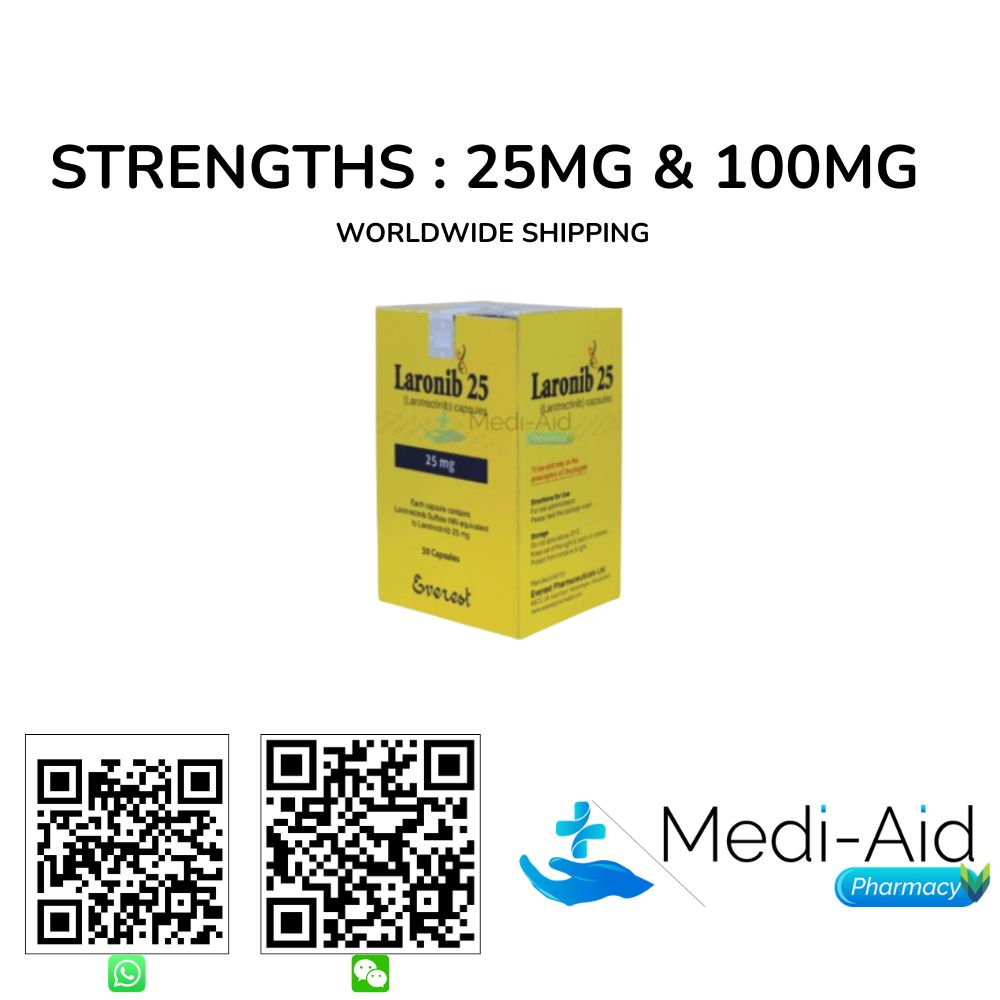
Available Strengths : 25mg & 100mg
Registrations : Export Only

Product Information
Laronib 25MG & 100MG (Larotrectinib) is an oral tropomyosin receptor kinase (TRK) inhibitor supplied as 25 mg and 100 mg capsules in a 30’s pack and registered for export only. Its active ingredient, larotrectinib, is a highly selective, ATP-competitive inhibitor of TRK A, TRK B, and TRK C the proteins encoded by the NTRK1, NTRK2, and NTRK3 genes and is used for the treatment of adult and pediatric patients with locally advanced or metastatic solid tumors harboring an NTRK gene fusion without a known acquired resistance mutation, where no satisfactory alternative therapy exists or the disease has progressed after prior treatment. Larotrectinib works by blocking the ATP-binding site of all three TRK kinase domains, suppressing constitutive fusion-driven signaling through the RAS/MAPK, PI3K/AKT, and PLCγ pathways, and inducing selective apoptosis in NTRK fusion-positive tumor cells regardless of tissue of origin. Searching for Laronib 25MG & 100MG Larotrectinib for international supply? Mediaid Pharmacy lists this product within its comprehensive oncology and specialty medicines portfolio, and ships it worldwide.
Basic Product Information of Laronib 25MG & 100MG (Larotrectinib)
| Brand Name | Laronib 25MG & 100MG (Larotrectinib) |
| Product Name | Laronib |
| Generic Name | Larotrectinib |
| Drug Class | Tropomyosin Receptor Kinase (TRK) Inhibitor, Tumor-Agnostic Targeted Anticancer Therapy |
| Formulation | Capsule |
| Available Strengths | 25 mg and 100 mg |
| Available Pack Size | 30’s (30 capsules per pack) |
| Primary Indication | Treatment of adult and pediatric patients with locally advanced or metastatic solid tumors harboring an NTRK gene fusion (NTRK1, NTRK2, or NTRK3) without a known acquired resistance mutation, with no satisfactory alternative therapy or disease progression after prior treatment, regardless of tumor histology |
| Registrations | Export Only |
| Originator Reference Brand | Vitrakvi (larotrectinib) by Bayer AG |
| Global Supplier | Mediaid Pharmacy, Worldwide Shipping Available |
| Storage Conditions | Store in a dry place away from light and moisture, at the temperature printed on the pack. Keep out of the reach of children. |
How Laronib (Larotrectinib) Works: TRK Inhibition Mechanism
Larotrectinib, the active ingredient in Laronib 25MG & 100MG, is a highly selective, ATP-competitive inhibitor of tropomyosin receptor kinase (TRK) A, TRK B, and TRK C the proteins encoded by NTRK1, NTRK2, and NTRK3, respectively. Under normal physiology, TRK receptors regulate neuronal survival and differentiation. When chromosomal rearrangements create NTRK gene fusions, the resulting fusion proteins are constitutively active kinases that continuously drive tumor cell proliferation, survival, and metastasis independent of ligand binding or regulatory controls.
Larotrectinib occupies the ATP-binding pocket of all three TRK kinase domains with sub-nanomolar potency and exceptional selectivity. This prevents the constitutively active TRK fusion protein from phosphorylating downstream effectors in the RAS/MAPK, PI3K/AKT, and PLCγ signaling pathways, shutting off the oncogenic signal that sustains tumor growth. Because larotrectinib targets the fusion-driven kinase activity rather than a tissue-specific receptor or ligand, it is effective across a broad spectrum of solid tumors in both adults and children a property that resulted in tumor-agnostic (tissue-agnostic) regulatory approvals in multiple jurisdictions. Oncologists building a complete treatment plan can review complementary targeted agents within the oncology medicines catalogue at Mediaid Pharmacy.
In the pooled analysis of the pivotal NAVIGATE and SCOUT trials (176 evaluable adult and pediatric patients across more than 20 solid tumor types), larotrectinib produced an objective response rate (ORR) of 79% (95% CI 72–85%), including 16% complete responses and 63% partial responses. The 12-month duration of response (DOR) rate was 73%, confirming that responses are durable well beyond initial tumour shrinkage. NTRK gene fusions are present in approximately 1% of all adult solid tumors but at significantly higher rates in certain rare cancers, including infantile fibrosarcoma and secretory carcinomas of the breast and salivary gland (above 90%) and congenital mesoblastic nephroma, making NTRK testing essential in these diagnoses.
Approved Indications of Larotrectinib (Reference Label for Laronib 25MG & 100MG)
Larotrectinib, the active ingredient in Laronib, was the first tumor-agnostic (tissue-agnostic) TRK inhibitor to receive regulatory approval internationally, indicating it based on the NTRK gene fusion biomarker present in the tumor rather than on the anatomical site of origin. Prescribers should confirm the exact approved indications for their jurisdiction using the locally applicable Laronib product label or the Vitrakvi originator reference label.
|
Adult Patients with NTRK Fusion-Positive Solid Tumors Larotrectinib is indicated for adult patients with locally advanced or metastatic solid tumors harboring an NTRK1, NTRK2, or NTRK3 gene fusion without a known acquired resistance mutation, whose disease has progressed following prior treatment or for whom there is no satisfactory standard-of-care alternative therapy. In the pooled NAVIGATE and SCOUT analysis, the ORR in adult patients was consistent with the overall 79% response rate observed across all age groups and more than 20 histological tumor types, confirming the breadth of activity regardless of tumor origin. |
Pediatric Patients with NTRK Fusion-Positive Solid Tumors Larotrectinib is indicated for pediatric patients (including infants from 1 month of age) with locally advanced, metastatic, or surgically unresectable solid tumors harboring an NTRK gene fusion where no satisfactory alternative treatment exists. In the SCOUT trial, which enrolled patients from 1 month to under 15 years, the ORR in the pediatric cohort exceeded 90% for NTRK fusion-positive tumors including infantile fibrosarcoma and congenital mesoblastic nephroma, establishing larotrectinib as a foundational therapy for NTRK-driven rare pediatric malignancies. |
Key Clinical Benefits of Laronib 25MG & 100MG (Larotrectinib)
|
High and Durable Tumor Response Across More Than 20 Histologies In the pooled NAVIGATE and SCOUT analysis (176 evaluable patients), larotrectinib delivered a 79% ORR (95% CI 72–85%) across more than 20 solid tumor types, with 16% complete responses and 63% partial responses. The 12-month duration of response rate was 73%, confirming that tumor control is sustained long after initial response an outcome rarely seen with cytotoxic chemotherapy in the same tumor types. |
Tumor-Agnostic Efficacy in Adults and Pediatric Patients From Infancy Larotrectinib is effective regardless of tumor origin, making it the treatment choice for any NTRK fusion-positive malignancy from lung and thyroid carcinoma to salivary gland secretory carcinoma, mammary analog secretory carcinoma, infantile fibrosarcoma, and congenital mesoblastic nephroma. This tissue-agnostic profile is especially critical for rare pediatric cancers where conventional chemotherapy options are limited and responses are poor. |
Favorable Tolerability Profile Compared With Cytotoxic Chemotherapy In the NAVIGATE and SCOUT trials, grade 3–4 adverse events were uncommon for most individual toxicities, and treatment discontinuation due to adverse events occurred in fewer than 5% of patients. The most frequently reported treatment-related adverse events fatigue, dizziness, nausea, and transaminase elevation were predominantly grade 1 or 2, supporting continuous oral dosing over extended treatment periods. |
Dosage and Administration of Laronib 25MG & 100MG (Larotrectinib)
Adults and Pediatric Patients Weighing ≥ 100 kg: The recommended dose of larotrectinib is 100 mg twice daily (approximately 12 hours apart), taken orally with or without food. Laronib 100MG capsules provide each full 100 mg dose in a single capsule.
Pediatric Patients Weighing < 100 kg: The recommended dose is 100 mg/m² twice daily (maximum 100 mg per dose), based on body surface area. Laronib 25MG capsules are available specifically to support lower and titrated pediatric dose levels that require precise dose construction below 100 mg per administration.
Dose Modifications: Doses are reduced in approximately 25% decrements (e.g., from 100 mg to 75 mg to 50 mg) for significant adverse reactions including grade 3–4 hepatotoxicity, grade 3–4 neurotoxicity, or other grade 3–4 intolerable effects. Laronib 25MG capsules support flexible dose reduction steps at each decrement level. Up to three dose reductions are permitted before treatment discontinuation is considered.
Renal Impairment: No dose adjustment is required for mild or moderate renal impairment. Data in severe renal impairment are limited, and use in this population requires close oncologist supervision.
Hepatic Impairment: Moderate hepatic impairment substantially increases larotrectinib exposure, and a dose reduction to approximately 75 mg twice daily may be required. Severe hepatic impairment may require further reduction to 50 mg twice daily per the reference label. Liver function should be tested before the first dose in all patients.
Pediatric Use: Larotrectinib has established efficacy and a defined safety profile in pediatric patients from 1 month of age. The SCOUT trial demonstrated an ORR exceeding 90% in the pediatric cohort, including infants with NTRK fusion-positive infantile fibrosarcoma a cancer for which effective, well-tolerated oral therapy was previously unavailable.
Clinical Monitoring Requirements During Laronib (Larotrectinib) Treatment
Structured clinical monitoring is mandatory throughout larotrectinib therapy. Hepatotoxicity is the primary laboratory concern: liver function tests (ALT and AST) should be measured at baseline, then every two weeks during the first month, monthly during months two through four, and periodically thereafter. Grade 3 transaminase elevations (greater than 5× the upper limit of normal) require treatment interruption and dose reduction upon recovery; grade 4 elevations require permanent discontinuation. Treatment should not be started in patients with active hepatic injury.
Central nervous system (CNS) adverse effects including dizziness, gait disturbance, paresthesia, cognitive slowing, and, in rare cases, confusion or delirium are among the most clinically important toxicities associated with larotrectinib. Patients should be assessed for neurological symptoms at every consultation. Those reporting dizziness, falls, or impaired balance must avoid driving and operating heavy machinery until symptoms resolve, and dose interruption or reduction is required for grade 3–4 neurological events. Complete blood counts are monitored periodically to identify anemia and neutropenia, which are common but usually grade 1 or 2 in severity. Prior to initiating treatment, oncologists must confirm NTRK gene fusion status with a validated next-generation sequencing (NGS), fluorescence in situ hybridization (FISH), or immunohistochemistry (IHC) assay. On disease progression during larotrectinib therapy, testing for acquired resistance mutations in the TRK kinase domain (including G595R, G639R, and G667C) guides subsequent treatment decisions, as second-generation TRK inhibitors may overcome specific resistance mechanisms.
Drug Interactions and Important Safety Information for Laronib 25MG & 100MG (Larotrectinib)
Larotrectinib is primarily metabolized by CYP3A4, making CYP3A4-modifying agents the most clinically significant drug interaction category. Strong CYP3A4 inhibitors including ketoconazole, itraconazole, clarithromycin, ritonavir, and grapefruit juice increase larotrectinib plasma exposure approximately 4.3-fold; concurrent use should be avoided, or the larotrectinib dose should be reduced by approximately 50% if avoidance is not feasible. Strong CYP3A4 inducers including rifampicin, carbamazepine, phenytoin, and St John’s Wort reduce larotrectinib exposure approximately 5.9-fold and must be avoided during treatment; if concurrent use is clinically unavoidable, approximately doubling the larotrectinib dose may be necessary per the reference Vitrakvi label.
Larotrectinib is also a CYP3A4 inhibitor at clinically relevant concentrations. Co-administration with CYP3A4 substrates that have narrow therapeutic indices such as certain immunosuppressants (tacrolimus, cyclosporine), antiarrhythmics, and anticoagulants requires caution and may need dose adjustment based on therapeutic drug monitoring. Patients must disclose all prescription medications, over-the-counter products, dietary supplements, and herbal preparations to their oncologist before starting Laronib. Women of reproductive potential must use effective non-hormonal contraception during treatment and for one week after the final dose, because larotrectinib can induce CYP3A4 and may reduce the efficacy of hormonal contraceptives. Breastfeeding must be discontinued during treatment and for one week after the final dose due to the potential for serious adverse reactions in nursing infants.
Side Effects and Precautions of Laronib 25MG & 100MG (Larotrectinib)
|
Common Side Effects Fatigue and asthenia Dizziness and balance disturbance Nausea and vomiting Anemia and decreased hemoglobin Elevated AST and ALT (liver enzymes) Musculoskeletal pain and arthralgia Constipation and abdominal pain Weight increase and peripheral edema Cough and dyspnea Decreased neutrophil and white blood cell counts |
Serious Warnings and Precautions Hepatotoxicity: assess liver function tests at baseline, every 2 weeks in month 1, monthly through month 4, then periodically. Interrupt or reduce dose for grade 3 elevations; discontinue permanently for grade 4. Neurotoxicity: assess for dizziness, gait disturbance, paresthesia, and cognitive changes at every visit. Patients must avoid driving if affected. Interrupt or reduce dose for grade 3–4 neurological events. CYP3A4 drug interactions: avoid concurrent strong CYP3A4 inhibitors and inducers; adjust larotrectinib dose if avoidance is not possible. Use non-hormonal contraception hormonal contraceptive efficacy may be reduced. Embryo-fetal toxicity: larotrectinib is not recommended during pregnancy based on animal reproduction data. Effective non-hormonal contraception is required during treatment and for 1 week after the final dose. Breastfeeding must be stopped during treatment and for 1 week after the final dose. |
Who Should Use Laronib 25MG & 100MG (Larotrectinib)?
Laronib 25MG & 100MG (Larotrectinib) is prescribed for adult and pediatric patients (from 1 month of age) with locally advanced, metastatic, or surgically unresectable solid tumors confirmed to harbor an NTRK1, NTRK2, or NTRK3 gene fusion without a known acquired resistance mutation, where disease has progressed on prior treatment or no satisfactory standard therapy is available. Eligibility requires biomarker confirmation by a validated next-generation sequencing (NGS), fluorescence in situ hybridization (FISH), or immunohistochemistry (IHC) assay applied to tumor tissue or plasma. Laronib is especially critical for patients with rare NTRK fusion-driven malignancies including infantile fibrosarcoma, secretory carcinoma of the breast and salivary gland, mammary analog secretory carcinoma (MASC), congenital mesoblastic nephroma, and papillary thyroid carcinoma with ETV6-NTRK3 rearrangement where NTRK fusion rates exceed 80–90% and where chemotherapy typically produces inferior results. Prescriptions are initiated and overseen by medical oncologists, pediatric oncologists, or gynecologic oncologists experienced with precision oncology and biomarker-guided targeted therapy. For patients who require a broader cancer care strategy, Mediaid Pharmacy’s oncology specialty medicines range offers a wide selection of targeted agents and supportive therapies for diverse tumor types.
Global Supplier: Mediaid Pharmacy Worldwide Shipping for Laronib 25MG & 100MG (Larotrectinib)
Mediaid Pharmacy is a Dhaka-based supplier of oncology and specialty medicines with worldwide shipping. Laronib 25MG & 100MG (Larotrectinib) is available in 30’s capsule packs in both the 25 mg and 100 mg strengths covering the full adult dosing range and pediatric dose-reduction increments and all orders are supported by pricing quotations, stock confirmation, regulatory documentation, and shipment tracking. Hospitals, oncology clinics, distributors, and patients can contact the Mediaid Pharmacy team through WhatsApp, phone, or WeChat for all enquiries regarding Laronib 25MG & 100MG Larotrectinib availability, pricing, and international delivery logistics. Buyers who require several cancer medicines within a single consignment can review the full oncology medicine collection at Mediaid Pharmacy before requesting a combined quotation.
Why Choose Laronib 25MG & 100MG (Larotrectinib) from Mediaid Pharmacy?
Laronib 25MG & 100MG (Larotrectinib) gives oncology teams a larotrectinib capsule backed by the landmark NAVIGATE and SCOUT trial data including a 79% ORR across more than 20 solid tumor types and a 73% 12-month duration of response rate and available for export in two flexible strengths (25 mg and 100 mg, both in 30’s packs) that support both full adult dosing and precisely titrated pediatric dose reductions. Mediaid Pharmacy supplies both pack configurations with clear product specifications, direct oncology specialist support, and worldwide shipping. Every order is initiated through a prescription-based enquiry to ensure supply is aligned with verified clinical need. To compare larotrectinib with other targeted agents or to source additional cancer therapies for a comprehensive treatment plan, visit the Mediaid Pharmacy oncology medicines section, then contact our team for a personalized quotation.
Frequently Asked Questions About Laronib 25MG & 100MG (Larotrectinib)
What is Laronib 25MG & 100MG (Larotrectinib) used for?
Laronib 25MG & 100MG (Larotrectinib) is a selective oral TRK inhibitor used for the treatment of adult and pediatric patients with locally advanced or metastatic solid tumors harboring an NTRK gene fusion (NTRK1, NTRK2, or NTRK3) without a known acquired resistance mutation, where no satisfactory alternative therapy exists or the tumor has progressed after prior treatment. Larotrectinib is approved in a tumor-agnostic manner it is effective across more than 20 solid tumor types regardless of histology making it the first such TRK inhibitor to receive international regulatory authorization.
What is the generic name of Laronib?
The generic name of Laronib is larotrectinib. Laronib is a capsule formulation available in 25 mg and 100 mg strengths, both in a 30’s pack, and is registered for export only. The originator reference brand for larotrectinib is Vitrakvi, developed by Loxo Oncology and commercialized by Bayer AG.
What is the correct dose of Laronib (Larotrectinib)?
The dose must always be determined by your treating oncologist. Based on the originator Vitrakvi reference label, the recommended dose for adults and for pediatric patients weighing 100 kg or more is 100 mg larotrectinib twice daily; for pediatric patients weighing under 100 kg, the dose is 100 mg/m² twice daily with a maximum of 100 mg per dose. Doses may be reduced in 25% decrements for significant adverse reactions. Never change your brand, strength, or dosing schedule without your oncologist’s guidance.
What strengths and pack sizes is Laronib available in?
Laronib is available as a 25 mg capsule and a 100 mg capsule, each supplied in a pack of 30 capsules. The 100 mg strength supports standard adult twice-daily dosing, while the 25 mg strength enables the dose reduction steps required for adverse reaction management and body surface area-based pediatric dosing. Contact Mediaid Pharmacy for current stock levels and international shipping details.
What are the side effects of Laronib (Larotrectinib)?
Common side effects of larotrectinib include fatigue, dizziness, nausea, anemia, elevated liver enzymes (ALT and AST), musculoskeletal pain, constipation, weight gain, and peripheral edema. Serious adverse reactions include hepatotoxicity (requiring liver function monitoring from baseline), neurotoxicity (gait disturbance, balance problems, paresthesia), and embryo-fetal toxicity. Regular liver function testing and neurological assessment are mandatory throughout treatment. Always discuss your individual risk profile with your oncologist before and during therapy.
What is an NTRK gene fusion and how is it tested?
An NTRK gene fusion is a chromosomal rearrangement in which all or part of the NTRK1, NTRK2, or NTRK3 gene joins with a partner gene, producing a constitutively active TRK fusion protein that continuously drives tumor cell proliferation and survival without normal regulatory control. NTRK gene fusion status is confirmed by validated next-generation sequencing (NGS), fluorescence in situ hybridization (FISH), or immunohistochemistry (IHC) of tumor tissue or plasma (liquid biopsy). Your oncologist will select the appropriate test based on available biopsy material, tumor type, and institutional testing capabilities.
What clinical trial data supports larotrectinib?
Larotrectinib is supported by data from the NAVIGATE trial (phase II, adult patients with NTRK fusion-positive solid tumors) and the SCOUT trial (phase I/II, pediatric patients). In the pooled analysis of 176 evaluable patients across more than 20 tumor types, larotrectinib achieved an objective response rate of 79% (95% CI 72–85%), with 16% complete responses. The 12-month duration of response rate was 73%. In the pediatric SCOUT cohort, ORRs for NTRK fusion-positive tumors including infantile fibrosarcoma exceeded 90%.
Is Laronib (Larotrectinib) safe during pregnancy or while breastfeeding?
No. Larotrectinib is not recommended during pregnancy; animal reproduction studies showed embryo-fetal toxicity at clinically relevant exposures. Women of reproductive potential must use effective non-hormonal contraception during treatment and for one week after the final dose, because larotrectinib may reduce the efficacy of hormonal contraceptives through CYP3A4 induction. Breastfeeding must also be discontinued during treatment and for one week after the last dose. Speak with your oncologist if you are pregnant, planning a pregnancy, or breastfeeding before starting Laronib.
Can I order Laronib 25MG & 100MG (Larotrectinib) online with worldwide shipping?
Yes. Mediaid Pharmacy supplies Laronib 25MG & 100MG (Larotrectinib) to patients, hospitals, and healthcare providers globally. Contact Mediaid Pharmacy via WhatsApp, phone, or WeChat at +8801773428128, or email info@mediaidpharmacy.com for pricing, stock availability, and full delivery details for your country.
Order Laronib 25MG & 100MG (Larotrectinib) with Worldwide Shipping
Phone / WhatsApp / WeChat: +8801773428128 | Email: info@mediaidpharmacy.com
Related products
-
Afanix 40 MG (Afatinib)
-
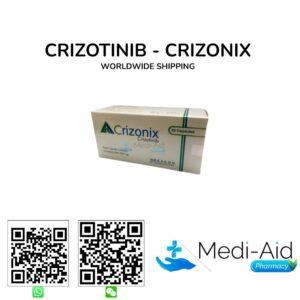
Crizotinib 250MG (Crizonix)
-
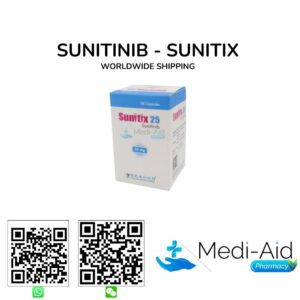
Sunitinib 50 MG (Sunitix)
-
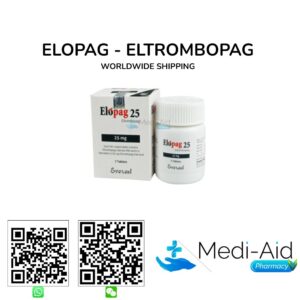
Elopag 50MG (Eltrombopag)
-
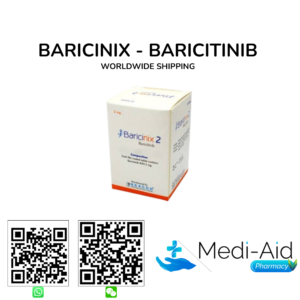
Baricinix 2MG & 4MG (Baricitinib)
-
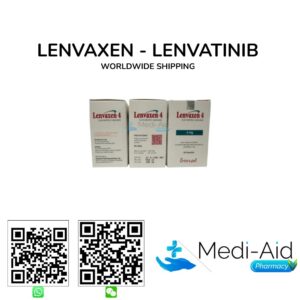
Lenvaxen 4 MG And 10 MG (Lenvatinib)
-
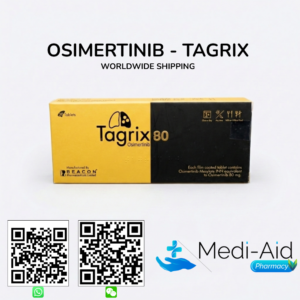
Osimertinib(Tagrix) 40MG & 80MG -(Osimertinib)
-
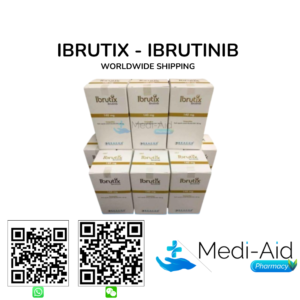
Ibrutix 140 MG (Ibrutinib)
-
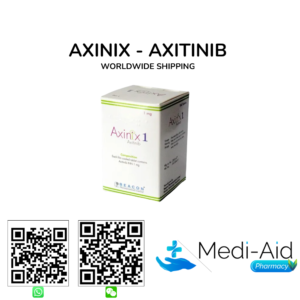
Axinix 1MG & 5MG (Axitinib)
-
Ibruxen 140 MG (Ibrutinib)