
Description
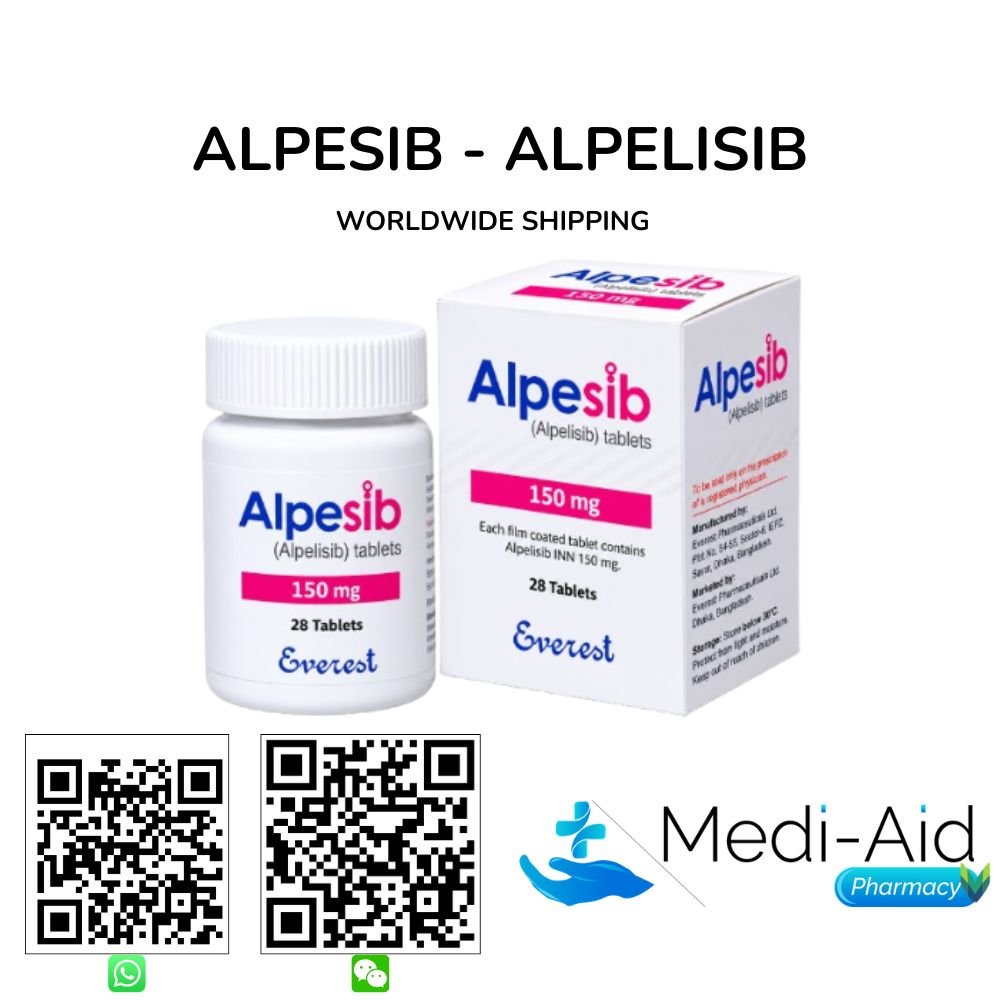
Alpesib 150 MG (Alpelisib) is a highly selective PI3Kα (phosphatidylinositol 3-kinase alpha) inhibitor film-coated tablet for the treatment of postmenopausal women and men with hormone receptor (HR)-positive, HER2-negative, PIK3CA-mutated advanced or metastatic breast cancer in combination with fulvestrant, manufactured by Everest Pharmaceuticals Ltd. in Bangladesh, supplied as 28 tablets per pot. In the pivotal Phase 3 SOLAR-1 trial (PIK3CA-mutated cohort, N=341), alpelisib plus fulvestrant achieved a median PFS of 11.0 months versus 5.7 months with placebo plus fulvestrant (HR 0.65; 95% CI: 0.50–0.85; P=0.00065) and an ORR of 26.6% versus 12.8%, establishing alpelisib as the first and most extensively validated PI3Kα inhibitor in PIK3CA-mutated HR+/HER2-negative breast cancer. Alpesib is available through Mediaid Pharmacy with worldwide shipping.
| Brand Name | Alpesib 150 MG (Alpelisib) |
| Product Name | Alpesib |
| Generic Name | Alpelisib (International Nonproprietary Name, INN) |
| Drug Class | Highly Selective PI3Kα (Phosphatidylinositol 3-Kinase Alpha) Inhibitor; Targeted Oral Oncology Agent; PIK3CA Mutation-Directed Breast Cancer Therapy; Kinase Inhibitor; PI3K/AKT/mTOR Pathway Inhibitor |
| Formulation | Film-Coated Tablet (Oral; must be taken with food at every dose; administered on a continuous once-daily basis in combination with fulvestrant until disease progression or unacceptable toxicity) |
| Available Strength | 150 mg Alpelisib per film-coated tablet |
| Available Pack Size | 28 Tablets per Pot. At the standard 300 mg daily dose (2 × Alpesib 150 mg tablets per day), one complete 28-day treatment cycle requires 56 tablets (2 × 28-tablet pots). At the first dose reduction of 250 mg/day, 28 tablets per cycle are required (with one additional 50 mg tablet from an alternate source). At the second dose reduction of 200 mg/day, one 28-tablet pot of Alpesib 150 MG is used alongside a supplementary 50 mg tablet as applicable per prescribing guidance. |
| Therapeutic Category | Breast Cancer Medicines; Oncology Medicines; PI3K Inhibitors; PIK3CA-Targeted HR+/HER2-Negative Breast Cancer Therapies; Everest Pharmaceuticals Medicines |
| Approved Indication | PIK3CA-Mutated, HR-Positive, HER2-Negative Advanced or Metastatic Breast Cancer: In combination with fulvestrant for the treatment of postmenopausal women and men with HR-positive, HER2-negative, PIK3CA-mutated advanced or metastatic breast cancer following progression on or after an endocrine-based regimen. PIK3CA mutation status must be confirmed by an approved companion diagnostic test before initiating Alpesib. In the SOLAR-1 Phase 3 trial, alpelisib plus fulvestrant significantly improved PFS (11.0 vs 5.7 months; HR 0.65) and ORR (26.6% vs 12.8%) versus placebo plus fulvestrant in the PIK3CA-mutated cohort (N=341). |
| Recommended Dose | Standard Dose: 300 mg orally once daily (2 × Alpesib 150 mg tablets simultaneously), taken with food, on a continuous basis in combination with fulvestrant 500 mg IM. First Dose Reduction: 250 mg once daily. Second Dose Reduction: 200 mg once daily. Permanently discontinue if 200 mg is not tolerated. |
| Manufacturer | Everest Pharmaceuticals Ltd., Bangladesh |
| Country of Origin | Bangladesh |
| Originator Reference Brand | Piqray (Alpelisib tablets, Novartis Pharmaceuticals), approved by the U.S. FDA on May 24, 2019, as the first PI3K inhibitor for HR-positive, HER2-negative, PIK3CA-mutated advanced or metastatic breast cancer. Alpesib contains Alpelisib INN at the clinically validated 150 mg oral film-coated tablet strength, manufactured by Everest Pharmaceuticals Ltd. in Bangladesh and supplied through Mediaid Pharmacy for international procurement. |
| Global Supplier | Mediaid Pharmacy, Worldwide Shipping Available |
| Storage Conditions | Store at controlled room temperature (20°C to 25°C); excursions permitted between 15°C and 30°C. Keep in the original pot with the closure tightly sealed. Protect from moisture and light. Keep out of the reach of children. |
What Is Alpesib 150 MG (Alpelisib)?
Alpesib 150 MG (Alpelisib) is a highly selective PI3Kα (phosphatidylinositol 3-kinase alpha) inhibitor film-coated tablet indicated in combination with fulvestrant for the treatment of postmenopausal women and men with hormone receptor (HR)-positive, human epidermal growth factor receptor-2 (HER2)-negative, PIK3CA-mutated advanced or metastatic breast cancer following progression on or after an endocrine-based regimen, manufactured by Everest Pharmaceuticals Ltd. in Bangladesh.
Each Alpesib tablet contains 150 mg of Alpelisib a potent, highly selective small-molecule kinase inhibitor that occupies the ATP-binding pocket of the PI3Kα catalytic domain with an IC50 of approximately 0.5 nM, achieving greater than 50-fold selectivity for PI3Kα over the PI3Kβ, PI3Kγ, and PI3Kδ isoforms at clinically achievable plasma concentrations. This exceptional PI3Kα selectivity is the molecular basis for alpelisib’s favorable pharmacological profile in PIK3CA-mutated breast cancer and its differentiation from non-selective pan-PI3K inhibitors associated with broader isoform-related toxicity.
Alpesib 150 MG tablets represent the Everest Pharmaceuticals Ltd. formulation of alpelisib the same active ingredient as the originator brand Piqray (Novartis, U.S. FDA approved May 24, 2019) at the same clinically validated 150 mg oral tablet strength. The recommended therapeutic dose is 300 mg orally once daily (2 × Alpesib 150 mg tablets, taken simultaneously) with food, on a continuous basis in combination with fulvestrant 500 mg intramuscularly on Days 1 and 15 of Cycle 1 and then Day 1 of every subsequent 28-day cycle.
Alpesib (Alpelisib) must be taken with food at every dose food significantly increases alpelisib bioavailability and systemic plasma exposure, and administration without food results in substantially reduced therapeutic drug concentrations that may compromise PI3Kα inhibitory activity. PIK3CA mutations, encoding the p110α catalytic subunit of phosphatidylinositol 3-kinase, occur in approximately 40% of HR+/HER2-negative breast cancers and represent the most frequent actionable oncogenic alteration in this breast cancer subtype.
In the pivotal Phase 3 SOLAR-1 trial (N=341 in PIK3CA-mutated cohort), alpelisib plus fulvestrant achieved a median PFS of 11.0 months versus 5.7 months with placebo plus fulvestrant (HR 0.65; 95% CI: 0.50–0.85; P=0.00065) representing a 35% reduction in the risk of progression or death and nearly doubling the duration of progression-free survival with an ORR of 26.6% versus 12.8% and a clinical benefit rate (CBR) of 61.5% versus 45.3%. Alpesib is available globally through Mediaid Pharmacy’s breast cancer medicines portfolio with worldwide shipping.
Mechanism of Action of Alpesib: Highly Selective PI3Kα Inhibition in PIK3CA-Mutated Breast Cancer
Alpesib (Alpelisib) exerts its antitumor activity through highly selective, potent competitive inhibition of the PI3Kα (p110α) isoform of phosphatidylinositol 3-kinase with an IC50 of approximately 0.5 nM for PI3Kα and greater than 50-fold selectivity over PI3Kβ, PI3Kγ, and PI3Kδ with particular clinical relevance in breast cancer driven by constitutively activating PIK3CA gene mutations. Alpelisib’s subnanomolar PI3Kα potency and isoform selectivity establish it as the first and most potent isoform-selective PI3Kα inhibitor approved for human breast cancer, with direct mechanistic implications for both clinical efficacy and the reduced class-effect toxicity compared to pan-PI3K inhibitors.
PI3K/AKT/mTOR Pathway Biology The Oncogenic Axis Targeted by Alpelisib: The PI3K/AKT/mTOR pathway is a central intracellular signal transduction cascade that governs tumor cell proliferation, survival, metabolism, angiogenesis, and resistance to endocrine therapy in breast cancer. Class I PI3Ks are heterodimeric lipid kinases composed of a catalytic subunit (p110α, p110β, p110γ, or p110δ) paired with a regulatory subunit; activation occurs downstream of receptor tyrosine kinases (RTKs) and G-protein-coupled receptors through phosphorylation and recruitment of the catalytic subunit to the plasma membrane.
Activated PI3K phosphorylates phosphatidylinositol-4,5-bisphosphate (PIP2) to produce phosphatidylinositol-3,4,5-trisphosphate (PIP3), which recruits and activates AKT (protein kinase B) through PDK1-mediated phosphorylation; activated AKT then phosphorylates and activates mTORC1, which drives ribosomal S6 kinase (S6K) and eukaryotic initiation factor 4E-binding protein 1 (4E-BP1) phosphorylation, promoting cap-dependent mRNA translation and tumor cell growth. PTEN phosphatase the primary negative regulator of this pathway dephosphorylates PIP3 back to PIP2; PTEN loss is among the most common co-occurring alterations in PIK3CA-mutated breast cancers, further amplifying PI3K pathway activation.
In HR+/HER2-negative breast cancer, PI3K pathway activation is also a primary mechanism of acquired endocrine therapy resistance: PIK3CA-mutated tumor cells bypass estrogen receptor (ER) transcriptional dependence through AKT-mediated phosphorylation of ERα on Ser167 and mTORC1-driven ER-independent proliferative signaling, reducing the efficacy of aromatase inhibitors and fulvestrant as single agents.
PIK3CA Mutations The Oncogenic Driver Targeted by Alpesib: PIK3CA mutations are somatic activating mutations in exons 9 (helical domain; E542K, E545K) and 20 (kinase domain; H1047R, H1047L) of the PIK3CA gene the most frequent hotspot mutations, collectively accounting for approximately 75–80% of all PIK3CA mutations in breast cancer that constitutively activate the p110α PI3K kinase domain independently of upstream receptor activation.
PIK3CA hotspot mutations reduce the auto-inhibitory interaction between the helical domain and the N-terminal SH2 domain of the p85 regulatory subunit (exon 9 mutations) or directly enhance the catalytic activity of the kinase domain (exon 20 mutations), resulting in constitutive PIP3 production, AKT activation, and continuous mTOR pathway signaling that drives cell proliferation, survival, and endocrine therapy resistance. PIK3CA mutations occur in approximately 40% of HR+/HER2-negative breast cancers, making PI3Kα the most actionable oncogenic target in this breast cancer subtype and mandating PIK3CA biomarker testing before initiating Alpesib therapy.
Alpelisib’s ATP-Competitive Binding and PI3Kα Selectivity Mechanism: Alpelisib is a morpholino-substituted aminothiazole compound designed for high-affinity, selective competitive binding to the ATP-binding cleft of the PI3Kα (p110α) catalytic domain through optimized non-covalent hydrogen bonding interactions with kinase hinge region residues and hydrophobic contacts with the specificity pocket of p110α. In PIK3CA-mutated breast cancer cells, alpelisib occupies the ATP-binding site of constitutively activated p110α, competitively displaces ATP, and blocks PI3Kα-mediated phosphorylation of PIP2 to PIP3, suppressing AKT phosphorylation at Thr308 and Ser473, mTORC1 activation, S6K/S6 phosphorylation, 4E-BP1 phosphorylation, and downstream translational promotion of pro-tumorigenic proteins, reducing tumor cell proliferation and survival signaling.
Importantly, PI3K pathway inhibition by alpelisib relieves negative feedback suppression of ERα transcription in breast cancer cells resulting in compensatory upregulation of ERα expression which provides the mechanistic rationale for the combination of alpelisib with fulvestrant: fulvestrant degrades ERα protein, preventing the ER-mediated proliferative escape from PI3K inhibition and producing synergistic anti-tumor activity in PIK3CA-mutated, HR+ breast cancer models demonstrated in both preclinical xenograft studies and the SOLAR-1 pivotal clinical trial.
PI3Kα Isoform Selectivity Clinical Significance of Alpelisib’s Metabolic Safety Profile: Alpelisib’s IC50 of approximately 0.5 nM for PI3Kα compared to IC50 values of greater than 25 nM for PI3Kβ, PI3Kγ, and PI3Kδ a selectivity ratio exceeding 50-fold is a deliberate pharmacological design feature that confers important clinical advantages. PI3Kα is the predominant PI3K isoform mediating insulin receptor and IGF-1R signaling in peripheral tissues including skeletal muscle, adipose, and liver; PI3Kα inhibition produces on-target hyperglycemia by disrupting insulin-stimulated glucose uptake in these tissues, an effect that is class-inherent to all PI3Kα-active agents.
Selective PI3Kβ inhibition, by contrast, would suppress platelet aggregation and reduce fertility, and PI3Kγ and PI3Kδ inhibition would suppress innate and adaptive immune responses respectively off-target toxicities that are minimized by alpelisib’s PI3Kα selectivity. While hyperglycemia remains the most frequent and clinically significant alpelisib toxicity, its predictable on-target mechanism enables systematic prevention and management with dietary carbohydrate restriction, prophylactic or concurrent metformin initiation, and structured blood glucose monitoring protocols, making alpelisib hyperglycemia a manageable class effect rather than an unpredictable adverse event.
Clinical Efficacy of Alpesib (Alpelisib): SOLAR-1 Phase 3 Trial Results
The clinical efficacy of Alpesib (Alpelisib) is established by the pivotal Phase 3 SOLAR-1 trial (NCT02437318) a randomized, double-blind, placebo-controlled trial that evaluated alpelisib plus fulvestrant versus placebo plus fulvestrant in 572 patients with HR-positive, HER2-negative advanced or metastatic breast cancer who had received at least one prior line of endocrine therapy. SOLAR-1 is the largest randomized controlled dataset for any PI3K inhibitor in breast cancer and the registration trial for alpelisib’s U.S. FDA approval (May 24, 2019) and international regulatory approvals. The trial enrolled postmenopausal women and men whose disease had progressed on or after aromatase inhibitor (AI)-based therapy, stratified by the presence of lung and/or liver metastases and prior CDK4/6 inhibitor treatment.
Patients were randomized 1:1 to receive either alpelisib 300 mg orally once daily or matched placebo, both in combination with intramuscular fulvestrant 500 mg on Days 1 and 15 of Cycle 1 and Day 1 of each subsequent 28-day cycle, until disease progression or unacceptable toxicity. The primary endpoint was investigator-assessed PFS in the PIK3CA-mutated cohort (N=341; alpelisib-fulvestrant n=169, placebo-fulvestrant n=172) identified by companion diagnostic testing of archival tumor tissue.
SOLAR-1 Primary Efficacy Results PIK3CA-Mutated Cohort (N=341): At a median follow-up of 20.0 months, alpelisib plus fulvestrant achieved a median PFS of 11.0 months (95% CI: 7.5–14.5) compared to 5.7 months (95% CI: 3.7–7.4) with placebo plus fulvestrant a statistically significant and clinically meaningful 5.3-month absolute improvement in median PFS and a 35% reduction in the hazard of progression or death (HR 0.65; 95% CI: 0.50–0.85; P=0.00065). The independent blinded review committee (IBRC)-assessed median PFS further supported the primary analysis: 11.1 months (95% CI: 7.3–16.8) with alpelisib-fulvestrant versus 3.7 months (95% CI: 2.1–5.6) with placebo-fulvestrant (HR 0.48; 95% CI: 0.32–0.71), representing a 52% risk reduction by IBRC assessment the strongest PFS signal from any PI3K inhibitor combination trial in breast cancer.
Critically, there was no PFS benefit from alpelisib in the PIK3CA-non-mutated cohort (median PFS 7.4 vs 5.6 months; HR 0.85; 95% CI: 0.58–1.25), confirming the absolute requirement for PIK3CA biomarker selection and the precision oncology nature of Alpesib therapy. The ORR in the PIK3CA-mutated cohort was 26.6% with alpelisib-fulvestrant versus 12.8% with placebo-fulvestrant (P=0.0006); among patients with measurable disease, ORR was 35.7% versus 16.2% (P=0.0002) more than doubling response rates compared to endocrine therapy alone. The clinical benefit rate (CBR; CR + PR + SD ≥24 weeks) was 61.5% with alpelisib-fulvestrant versus 45.3% with placebo-fulvestrant.
Final overall survival (OS) analysis demonstrated a numerically meaningful 7.9-month improvement in median OS: 39.3 months (95% CI: 34.1–44.9) with alpelisib-fulvestrant versus 31.4 months (95% CI: 26.8–41.3) with placebo-fulvestrant (HR 0.86; 95% CI: 0.64–1.15), though this did not cross the prespecified efficacy boundary for statistical significance, consistent with the trial’s design for PFS as the primary endpoint and the impact of post-progression crossover on OS power.
SOLAR-1 Efficacy Across Key Subgroups: The PFS benefit of alpelisib plus fulvestrant was consistent across prespecified subgroups. In patients with prior CDK4/6 inhibitor exposure (n=20), the PFS HR was 0.48 (95% CI: 0.17–1.36); in patients without prior CDK4/6 inhibitor (n=321), HR 0.67 (95% CI: 0.51–0.87), demonstrating maintained efficacy in both treatment-experienced and CDK4/6 inhibitor-naïve populations. In patients with visceral metastases (56.6% of the PIK3CA-mutated cohort), the alpelisib-fulvestrant combination maintained meaningful PFS reduction: HR 0.58 (95% CI: 0.37–0.90) for liver metastases and HR 0.65 (95% CI: 0.42–1.01) for lung metastases.
In patients with ctDNA-detected PIK3CA mutations (n=186 from the total population), the PFS HR was 0.55 (95% CI: 0.39–0.79) a 45% risk reduction supporting the sensitivity of liquid biopsy companion diagnostics for identifying alpelisib-eligible patients. These subgroup data confirm that Alpesib delivers clinically meaningful efficacy in PIK3CA-mutated HR+/HER2-negative advanced breast cancer regardless of metastatic pattern, treatment history, or prior CDK4/6 inhibitor exposure, making it a broadly applicable targeted therapy in the eligible population served by Mediaid Pharmacy’s breast cancer medicines collection.
Alpesib 150 MG (Alpelisib) Dosing, Administration, and Dose Modification Guidelines
The recommended dose of Alpesib (Alpelisib) is 300 mg orally once daily, taken as 2 × Alpesib 150 mg tablets simultaneously, with food, on a continuous basis, in combination with fulvestrant 500 mg administered intramuscularly on Days 1 and 15 of Cycle 1 (a loading dose regimen) and then on Day 1 of each subsequent 28-day cycle, until disease progression or unacceptable toxicity. At the standard 300 mg dose (2 Alpesib 150 mg tablets per day), one 28-day treatment cycle requires 56 tablets 2 × 28-tablet pots of Alpesib 150 MG.
Alpesib must be taken with food at every dose without exception; alpelisib bioavailability and peak plasma concentration (Cmax) increase significantly with food administration, and coadministration without food results in substantially reduced systemic exposure that may compromise therapeutic PI3Kα inhibitory activity. Patients should take Alpesib at the same time each day, preferably with a meal; if a dose is missed, it may be taken on the same day with food as soon as the patient remembers, but no dose should be doubled on the next day to make up for a missed dose.
Alpesib Dose Modification Schedule: Dose reductions are implemented for selected adverse reactions based on Common Terminology Criteria for Adverse Events (CTCAE) grade. The Alpelisib dose reduction sequence is: First reduction: 250 mg once daily (dose reduction of 50 mg from 300 mg standard); Second reduction: 200 mg once daily (dose reduction of 100 mg from 300 mg standard). Permanently discontinue Alpesib if the 200 mg dose level is not tolerated or if a third dose reduction is required.
The most common indications for dose interruption and reduction are Grade 3/4 hyperglycemia unresponsive to antidiabetic therapy optimization and dietary modification, Grade 3 rash or severe cutaneous reactions, Grade 3 diarrhea, and Grade 3 pneumonitis. For Grade 3+ hyperglycemia (fasting glucose >250 mg/dL or >13.9 mmol/L): withhold Alpesib and optimize antidiabetic therapy; resume at a reduced dose level once fasting glucose returns to ≤160 mg/dL on stable antidiabetic regimen; permanently discontinue for Grade 4 hyperglycemia (fasting glucose >500 mg/dL) or if Grade 3 hyperglycemia is not controlled within 21 days.
Initiate metformin prophylactically or concurrently with Alpesib initiation in all patients without contraindications; proactive metformin use significantly reduces the incidence and severity of alpelisib-related hyperglycemia. Monitor fasting blood glucose (FBG) or fasting plasma glucose (FPG) before initiating Alpesib, every week for the first 2 months, then monthly thereafter and as clinically indicated. Always confirm the complete Alpelisib dosing and management schedule with the treating oncologist before initiating Alpesib.
Alpesib 150 MG (Alpelisib) Safety Profile, Adverse Reactions, and Clinical Management
| Adverse Reaction / Safety Concern | Incidence, Mechanism, and Clinical Management |
|---|---|
| Hyperglycemia | Hyperglycemia is the most frequent and clinically significant adverse reaction of Alpesib (Alpelisib), occurring in approximately 64–65% of patients (all grades) and Grade 3 or higher in approximately 32.7–40% of patients in the SOLAR-1 trial the highest hyperglycemia frequency among approved oncology kinase inhibitors. Hyperglycemia is an on-target mechanistic class effect of PI3Kα inhibition: alpelisib blocks PI3Kα-mediated insulin receptor and IGF-1R signaling in insulin-responsive peripheral tissues (skeletal muscle, adipose, liver), reducing insulin-stimulated GLUT4 translocation and glucose uptake, and simultaneously activating hepatic gluconeogenesis through AKT2 dephosphorylation, producing fasting and postprandial hyperglycemia even in patients without pre-existing diabetes. Pre-existing type 2 diabetes or impaired fasting glucose at baseline significantly increases the risk of severe alpelisib-related hyperglycemia and should prompt endocrinology consultation before initiating Alpesib, as patients with poorly controlled diabetes (HbA1c ≥8.0% or fasting glucose >160 mg/dL at baseline) were excluded from SOLAR-1. Proactive management: initiate metformin 500 mg twice daily (titrated to 1000 mg twice daily as tolerated) at the start of Alpesib therapy or before initiation in all patients without contraindications metformin proactively reduces alpelisib-related hyperglycemia incidence and severity by improving hepatic insulin sensitivity and reducing gluconeogenesis. Monitor fasting plasma glucose (FPG) before initiating Alpesib, weekly for the first 2 months, and monthly thereafter; intensify monitoring to twice-weekly in patients with FPG >100 mg/dL at baseline or those on insulin or sulfonylurea. Adopt a low-carbohydrate, low-sugar dietary regimen concurrent with Alpesib initiation. For Grade 2 hyperglycemia (FPG 160–250 mg/dL): optimize antidiabetic therapy (metformin titration, add sulfonylurea or SGLT2 inhibitor as appropriate based on renal function and comorbidities); continue Alpesib without dose modification if controlled within 21 days. For Grade 3 hyperglycemia (FPG >250 mg/dL): withhold Alpesib, optimize antidiabetic therapy with endocrinology consultation, resume at next lower dose level once FPG ≤160 mg/dL on stable regimen. For Grade 4 hyperglycemia (FPG >500 mg/dL): permanently discontinue Alpesib. Exclude alpelisib initiation in patients with uncontrolled Type 1 or Type 2 diabetes mellitus as defined by HbA1c ≥7.5% at baseline. |
| Severe Cutaneous Reactions (SCARs) Black Box Warning | Severe and potentially life-threatening cutaneous reactions, including Stevens-Johnson Syndrome (SJS), erythema multiforme (EM), toxic epidermal necrolysis (TEN), and Drug Reaction with Eosinophilia and Systemic Symptoms (DRESS), have been reported with Alpelisib (Alpesib) carrying a U.S. FDA Black Box Warning requiring immediate recognition and action. These reactions typically present as rapidly progressing diffuse maculopapular or maculovesicular rash with mucosal involvement (oral, ocular, genital), fever, systemic symptoms (malaise, lymphadenopathy), or confluent skin blistering with epidermal detachment. Do not reinitiate Alpesib following the occurrence of any confirmed or suspected SJS, TEN, DRESS, or EM permanent discontinuation is mandatory. Before initiating Alpesib, counsel patients on the early warning signs of severe cutaneous reactions and instruct them to seek immediate medical evaluation if they develop a rapidly spreading rash, blistering, mucosal lesions, fever, or swelling of the face or lymph nodes. Pre-existing dermatologic conditions (eczema, psoriasis, pre-existing drug hypersensitivity) may increase risk and should be evaluated by a dermatologist before initiating Alpesib. At the first sign of a rash, assess severity by CTCAE grade and perform dermatology consultation. For rash not meeting SJS/TEN/DRESS criteria: Grade 1 rash (macular or papular eruption, <10% BSA) initiate oral antihistamine and topical low-to-mid-potency corticosteroid; continue Alpesib without dose modification. Grade 2 rash (10–30% BSA) initiate oral systemic antihistamine and topical corticosteroid, consider systemic corticosteroid for rapidly progressing lesions; continue Alpesib if manageable. Grade 3 rash (>30% BSA or limiting self-care activities): withhold Alpesib until improvement to ≤Grade 1, then resume at a reduced dose with dermatology follow-up. Grade 4 or suspected SCARs: permanently discontinue Alpesib and initiate appropriate dermatologic emergency management including systemic corticosteroids and/or intravenous immunoglobulin as directed by dermatology. |
| Diarrhea and GI Toxicity | Diarrhea is among the most frequent adverse reactions with Alpesib (Alpelisib), occurring in approximately 58% of patients (Grade 3 in approximately 6.7%) in the SOLAR-1 trial, reflecting PI3K pathway involvement in intestinal epithelial secretory regulation and GI motility. Alpelisib-related diarrhea typically begins within the first 2–4 weeks of therapy and can significantly impact patient quality of life and nutritional status if not proactively managed. Management: initiate antidiarrheal therapy (loperamide 4 mg at first onset, then 2 mg after each loose stool, not exceeding 16 mg per day) at the first sign of diarrhea without waiting for escalation; instruct patients to initiate loperamide self-management immediately. Maintain adequate oral hydration (≥2 L/day of non-caffeinated, non-alcoholic fluids). Evaluate and supplement electrolytes (potassium, magnesium, sodium) as clinically indicated by diarrhea frequency and severity. Avoid laxatives, stool softeners, and high-fiber supplements during active diarrhea episodes. For Grade 1 diarrhea (<4 stools/day above baseline): continue Alpesib, initiate loperamide. For Grade 2 diarrhea (4–6 stools/day above baseline or nocturnal stooling): continue Alpesib with close monitoring, optimize antidiarrheal therapy, consider dietary modification (BRAT diet; avoid high-fat, spicy, and high-fiber foods). For Grade 3 diarrhea (≥7 stools/day above baseline or hospitalization): withhold Alpesib until ≤Grade 1, then resume at a reduced dose. Nausea occurs in approximately 45% (Grade 3 ~2.9%) and is managed with scheduled antiemetics (ondansetron 8 mg 30 minutes before Alpesib with food) and small, frequent, bland meals; vomiting (~27%) managed similarly with dose administration with a larger meal where possible. |
| Rash and Dermatologic Toxicity | Rash occurs in approximately 36% of alpelisib-treated patients in SOLAR-1, with Grade 3 rash in approximately 9.9% the highest Grade 3 rash incidence among approved PI3K inhibitors, reflecting the central role of PI3Kα signaling in keratinocyte and dermal homeostasis. Alpelisib-related rash typically manifests as a maculopapular, erythematous eruption of the trunk, extremities, and face, often appearing in the first 1–4 weeks of therapy; in some patients it may progress to a diffuse, confluent pattern with pruritus and occasional vesicle formation. Critically, all rashes must be assessed for features of severe cutaneous reactions (mucosal involvement, fever, rapid BSA progression, blistering) before initiating standard rash management, as SCARs require immediate permanent discontinuation rather than graded management. For non-SJS/TEN/DRESS/EM rash: initiate oral antihistamine (loratadine 10 mg daily or cetirizine 10 mg daily) at the first sign of Grade 1 rash as secondary prevention; apply topical corticosteroid (triamcinolone 0.1% cream or betamethasone 0.1% cream) twice daily to affected areas. For Grade 2 rash: add a short course of oral prednisolone (0.5 mg/kg/day for 7–10 days, then taper) if topical management alone is inadequate; continue Alpesib if rash is not worsening. For Grade 3 rash: withhold Alpesib until improvement to ≤Grade 1, then resume at a reduced dose; conduct dermatology assessment. Dermatology consultation at baseline is recommended for all patients with a personal or family history of drug hypersensitivity, atopic dermatitis, or immune-mediated skin conditions before initiating Alpesib. |
| Pneumonitis | Pneumonitis, including interstitial lung disease (ILD), has been reported in patients receiving Alpesib (Alpelisib), occurring in approximately 1.5–2% of patients (Grade 3 in approximately 1%). Alpelisib-related pneumonitis is an immune-mediated adverse reaction reflecting PI3K pathway involvement in alveolar macrophage and pulmonary immune cell signaling; it can present as new or worsening dyspnea, non-productive cough, chest discomfort, hypoxia, or radiographic infiltrates (ground glass opacities, consolidation, interstitial infiltrates) on CT imaging, and may be clinically indistinguishable from infectious pneumonia, disease progression, or radiation pneumonitis. Baseline pulmonary function assessment (spirometry, DLCO) is recommended in patients with pre-existing lung disease, prior pulmonary irradiation, or concurrent pulmonary medications before initiating Alpesib. Promptly evaluate any new respiratory symptoms (dyspnea, cough, fever, decreased oxygen saturation) with CT chest imaging and pulmonary consultation; exclude infectious etiology before attributing respiratory symptoms to alpelisib-related pneumonitis. For Grade 1 pneumonitis (asymptomatic radiographic findings): continue Alpesib with close respiratory monitoring every 2 weeks. For Grade 2 pneumonitis (symptomatic, not requiring supplemental oxygen): withhold Alpesib; consider systemic corticosteroids (prednisolone 1 mg/kg/day for 2–4 weeks then taper); resume Alpesib at a reduced dose after resolution to ≤Grade 1. For Grade 3 or 4 pneumonitis (severe hypoxia, requiring hospitalization or mechanical ventilation): permanently discontinue Alpesib and initiate high-dose systemic corticosteroids with pulmonology management. |
| Drug Interactions CYP3A4 and Other Pathways | Alpelisib (Alpesib) is a substrate of CYP3A4 and a moderate inducer of CYP3A4 at clinically relevant concentrations, making CYP3A4 interactions bidirectional. As a CYP3A4 substrate: strong CYP3A4 inducers (rifampin, carbamazepine, phenytoin, phenobarbital, enzalutamide, apalutamide, St. John’s Wort, lumacaftor) may reduce alpelisib plasma concentrations by approximately 50–80%, substantially diminishing therapeutic PI3Kα inhibitory exposure and potentially compromising efficacy avoid co-administration of strong CYP3A4 inducers with Alpesib; substitute non-inducing alternatives (e.g., levetiracetam for carbamazepine/phenytoin; azithromycin or doxycycline for rifampin in non-mycobacterial infections) where clinically feasible. As a moderate CYP3A4 inducer: alpelisib may reduce plasma concentrations of sensitive CYP3A4 substrates with narrow therapeutic indices (e.g., hormonal contraceptives, cyclosporine, tacrolimus, selected antiepileptics, warfarin, rivaroxaban) dose adjustment or enhanced monitoring of CYP3A4 substrates may be required during Alpesib therapy. As a BCRP (breast cancer resistance protein) inhibitor: alpelisib may increase plasma concentrations of BCRP substrates (rosuvastatin, topotecan, irinotecan) monitor for BCRP substrate-related toxicity and adjust co-medication doses as clinically indicated. H2 receptor antagonists (famotidine, ranitidine, nizatidine) and proton pump inhibitors (PPIs) reduce gastric pH and decrease alpelisib solubility, resulting in significantly reduced alpelisib absorption and systemic exposure; avoid co-administration of alpelisib with H2RAs or PPIs where clinically feasible; if unavoidable, administer Alpesib with food and separate from acid-reducing agents by as long as possible within the daily dosing schedule. Disclose all medications, supplements, and herbal products to the treating oncologist before initiating Alpesib. |
| Hepatotoxicity and Liver Function Monitoring | Elevations of liver transaminases (ALT, AST), alkaline phosphatase (ALP), and total bilirubin have been reported in patients receiving Alpesib (Alpelisib). Hepatic toxicity may reflect direct PI3K pathway involvement in hepatocyte metabolism and survival, or drug interactions between alpelisib (as a CYP3A4 inducer) and co-administered hepatically metabolized agents. Monitor hepatic function tests (ALT, AST, total bilirubin, ALP, GGT) at baseline before initiating Alpesib and at regular intervals throughout treatment; more frequent monitoring (every 2 weeks during the first cycle) is warranted in patients with pre-existing hepatic dysfunction, concurrent hepatotoxic medications, or active alcohol use. For Grade 3+ AST/ALT elevation (≥5× ULN): withhold Alpesib until resolution to ≤Grade 1, investigate and exclude alternative etiologies (viral hepatitis, drug-induced liver injury from co-medications, disease progression with hepatic involvement), then resume at a reduced dose level if the elevation resolves and no alternative hepatotoxic cause is identified. For signs of drug-induced liver injury meeting Hy’s Law criteria (ALT or AST ≥3× ULN with total bilirubin ≥2× ULN in the absence of cholestasis or an alternative explanation): permanently discontinue Alpesib and refer for hepatology consultation. Patients with pre-existing severe hepatic impairment (Child-Pugh C) have not been adequately studied with alpelisib; use with caution in Child-Pugh B and avoid in Child-Pugh C until further safety data are available. |
| Pregnancy and Contraception | Alpelisib (Alpesib) can cause fetal harm when administered to a pregnant person. PI3Kα signaling plays critical roles in placental development, embryonic organ morphogenesis, and fetal metabolic programming; PI3Kα inhibition during organogenesis carries teratogenic risk supported by the essential developmental roles of PI3K pathway signaling across multiple organ systems. Verify pregnancy status by serum or urine pregnancy test before initiating Alpesib in patients of reproductive potential. Advise patients of reproductive potential to use effective non-hormonal contraception during Alpesib treatment and for a clinically appropriate interval after the last dose; note that alpelisib, as a moderate CYP3A4 inducer, may reduce the efficacy of hormonal contraceptives (combined oral contraceptives, progestogen-only pills, hormonal IUDs, implants) by increasing their metabolism barrier contraception (condoms, diaphragm) is recommended as the primary contraceptive method during Alpesib therapy to avoid this drug interaction. Male patients with female partners of reproductive potential should use effective contraception during Alpesib treatment and for an appropriate period after the last dose. Whether alpelisib or its metabolites are present in human breast milk is unknown; given the potential for serious adverse reactions in nursing infants from PI3K pathway inhibition, advise patients not to breastfeed during Alpesib treatment and for a clinically appropriate interval after the last dose. Consult the treating oncologist and, where appropriate, an obstetrician or reproductive medicine specialist before initiating Alpesib in any patient of reproductive potential. |
Who Should Use Alpesib 150 MG (Alpelisib)?
Alpesib 150 MG (Alpelisib) is indicated for postmenopausal women and men with HR-positive, HER2-negative, PIK3CA-mutated advanced or metastatic breast cancer who have received prior endocrine-based therapy, in combination with fulvestrant, as confirmed by an approved companion diagnostic test for PIK3CA mutation status. PIK3CA mutations occur in approximately 40% of HR+/HER2-negative breast cancers the most frequent actionable oncogenic alteration in this subtype and are enriched in tumors with prior aromatase inhibitor exposure, longer disease duration, and lobular histology.
The SOLAR-1 Phase 3 data (N=341 PIK3CA-mutated cohort; median PFS 11.0 vs 5.7 months; HR 0.65) establishes alpelisib plus fulvestrant as the most extensively validated PI3K-targeted combination in PIK3CA-mutated HR+/HER2-negative advanced breast cancer, demonstrating consistent efficacy across patient subgroups defined by metastatic site, CDK4/6 inhibitor history, and number of prior therapy lines.
Postmenopausal women and men with PIK3CA-mutated HR+/HER2-negative advanced breast cancer who have progressed on or after at least one prior endocrine-based regimen most commonly an aromatase inhibitor (letrozole, anastrozole, exemestane) with or without a CDK4/6 inhibitor (palbociclib, ribociclib, abemaciclib) represent the primary Alpesib target population validated in SOLAR-1. In the endocrine therapy-resistant second-line setting, alpelisib plus fulvestrant delivered a confirmed ORR of 26.6% and a clinical benefit rate of 61.5%, compared to historical second-line endocrine therapy response rates of 10–15% in unselected HR+ advanced breast cancer, demonstrating the substantial clinical benefit of PI3Kα inhibition in PIK3CA-mutated tumors that have acquired endocrine resistance.
Patients with PIK3CA-mutated HR+/HER2-negative advanced breast cancer following CDK4/6 inhibitor-containing first-line therapy represent a growing clinical population for Alpesib in the second-line setting, supported by SOLAR-1 subgroup data showing a 52% PFS risk reduction (HR 0.48; 95% CI: 0.17–1.36) in CDK4/6 inhibitor-pre-treated patients and the BYLieve trial evidence of alpelisib plus fulvestrant efficacy following CDK4/6 inhibitor progression. Patients with visceral metastatic disease (liver, lung) and PIK3CA-mutated HR+/HER2-negative breast cancer where rapid disease control is a clinical priority represent a particularly important population for Alpesib, given the ORR of 35.7% in measurable disease within SOLAR-1 and maintained PFS benefit with HR 0.58 in liver-metastatic patients.
Patients who are NOT appropriate for Alpesib include those whose tumors do not harbor a confirmed PIK3CA mutation on companion diagnostic testing; patients with uncontrolled Type 1 or Type 2 diabetes (HbA1c ≥7.5% or fasting glucose >160 mg/dL at baseline); patients with a history of severe cutaneous reactions to prior medications; patients requiring mandatory co-administration of strong CYP3A4 inducers that cannot be substituted; pregnant patients; patients with active interstitial lung disease; and patients with inflammatory breast cancer. Breast oncology centers and procurement programs sourcing Alpesib for their patient population can explore the complete breast cancer medicines portfolio and the full Everest Pharmaceuticals medicines collection at Mediaid Pharmacy before requesting a consolidated supply quotation.
Global Supplier: Mediaid Pharmacy Worldwide Shipping for Alpesib 150 MG (Alpelisib)
Mediaid Pharmacy is a Dhaka-based specialty oncology medicines supplier with worldwide shipping capability, serving patients, breast oncology centers, medical oncology programs, hospitals, NGO treatment programs, and international healthcare providers across all regions. Alpesib 150 MG (Alpelisib), manufactured by Everest Pharmaceuticals Ltd. in Bangladesh, is supplied as 150 mg oral film-coated tablets in 28-tablet pots with each 28-day treatment cycle at the standard 300 mg dose requiring 56 tablets (2 × 28-tablet pots), at the 250 mg first dose reduction requiring supplementary dose management, and at the 200 mg second dose reduction requiring 28 tablets (1 × 28-tablet pot) with pricing quotations, stock availability confirmation, full product documentation, certificate of analysis, and end-to-end international delivery tracking for every order.
Individual patients with PIK3CA-mutated HR+/HER2-negative advanced breast cancer, breast oncologists and medical oncologists managing PIK3CA-mutated metastatic breast cancer caseloads, hospital formulary and pharmacy departments managing alpelisib access programs, NGO oncology program procurement coordinators, and international distributors can contact Mediaid Pharmacy through WhatsApp, phone, or WeChat for all inquiries regarding Alpesib 150 MG Alpelisib stock availability, current pricing, and international delivery timelines to specific destination countries. Procurement teams co-sourcing Alpesib with other oncology medicines or the full range of Everest Pharmaceuticals medicines can browse both portfolios at Mediaid Pharmacy before requesting a combined quotation.
Why Choose Alpesib 150 MG (Alpelisib) from Mediaid Pharmacy?
Alpesib 150 MG (Alpelisib) gives breast oncologists, medical oncologists, and PIK3CA-mutated HR+/HER2-negative advanced breast cancer patients access to the first and most extensively validated selective PI3Kα inhibitor in PIK3CA-mutated breast cancer an agent whose subnanomolar PI3Kα potency, greater than 50-fold isoform selectivity, mandatory food-enhanced oral bioavailability, and robust Phase 3 SOLAR-1 clinical validation (median PFS 11.0 vs 5.7 months; HR 0.65; ORR 26.6% vs 12.8%) establish it as the definitive targeted therapy in PIK3CA-mutated HR+ advanced breast cancer manufactured by Everest Pharmaceuticals Ltd. in Bangladesh and available globally through Mediaid Pharmacy.
The four clinical attributes that most distinguish Alpesib (Alpelisib) from all other treatment options in PIK3CA-mutated HR+/HER2-negative advanced breast cancer are: its exceptional PI3Kα selectivity, its Phase 3 SOLAR-1 pivotal trial validation, its mechanistically rational combination with fulvestrant, and its proactively manageable adverse reaction profile with structured hyperglycemia prevention protocols.
Exceptional PI3Kα selectivity and potency represent the defining pharmacological attributes of alpelisib (Alpesib). An IC50 of approximately 0.5 nM for PI3Kα with greater than 50-fold selectivity over PI3Kβ, PI3Kγ, and PI3Kδ enables near-complete PI3Kα kinase saturation at achievable clinical plasma concentrations while minimizing off-target isoform inhibition; this selectivity distinguishes alpelisib from earlier pan-PI3K inhibitors and underpins its superior therapeutic index, manageable toxicity profile, and the ability to use it on a continuous daily schedule rather than intermittent dosing required by less-selective PI3K inhibitors. Phase 3 SOLAR-1 pivotal trial validation median PFS 11.0 months versus 5.7 months with placebo plus fulvestrant (HR 0.65; 95% CI: 0.50–0.85; P=0.00065); ORR 26.6% versus 12.8%; CBR 61.5% versus 45.3%; and a 7.9-month numerical OS improvement (39.3 vs 31.4 months) in the PIK3CA-mutated cohort (N=341) makes Alpesib (Alpelisib) the only PI3K inhibitor with a positive Phase 3 randomized controlled trial in breast cancer and the only PI3K inhibitor with U.S. FDA approval in this indication.
Mechanistically rational combination with fulvestrant: PI3Kα inhibition by alpelisib relieves feedback suppression of ERα transcription in breast cancer cells, upregulating ERα expression and creating a mechanistic vulnerability to ER degradation by fulvestrant; this PI3K-ER signaling cross-talk is the biological foundation for the synergistic anti-tumor activity of alpelisib plus fulvestrant demonstrated in both preclinical models and the SOLAR-1 clinical trial, making this combination the most biologically and clinically validated PI3K inhibitor-based regimen in breast cancer. Proactively manageable adverse reaction profile: while hyperglycemia is the most frequent adverse reaction (64–65% all grades; 32.7% Grade 3+), its on-target, predictable mechanism enables systematic prevention through concurrent metformin initiation, structured blood glucose monitoring (weekly for first 2 months), and low-carbohydrate dietary guidance an evidence-based risk mitigation approach that substantially reduces the incidence and severity of hyperglycemia without compromising alpelisib exposure or PI3Kα inhibitory activity, making Alpesib a safely administrable targeted therapy in appropriately managed patients.
Everest Pharmaceuticals Ltd. manufactures Alpesib in Bangladesh at the clinically validated 150 mg oral film-coated tablet strength, and Alpesib is available through Mediaid Pharmacy with full product documentation, specialist supply coordination, and worldwide shipping. To source additional Everest Pharmaceuticals oncology medicines or review the complete range of breast cancer treatment medicines at Mediaid Pharmacy, visit the Everest Pharmaceuticals oncology medicines collection and contact the Mediaid Pharmacy team for a personalized quotation.
Frequently Asked Questions About Alpesib 150 MG (Alpelisib)
What is Alpesib 150 MG (Alpelisib) used for?
Alpesib 150 MG (Alpelisib) is a highly selective PI3Kα (phosphatidylinositol 3-kinase alpha) inhibitor film-coated tablet indicated in combination with fulvestrant for the treatment of postmenopausal women and men with hormone receptor (HR)-positive, HER2-negative, PIK3CA-mutated advanced or metastatic breast cancer following progression on or after an endocrine-based regimen. Alpelisib selectively inhibits PI3Kα with an IC50 of approximately 0.5 nM, suppressing constitutive PI3K-AKT-mTOR oncogenic signaling in PIK3CA-mutated breast cancer cells and addressing the PI3K-mediated endocrine therapy resistance that drives disease progression in approximately 40% of HR+/HER2-negative breast cancers. In the pivotal Phase 3 SOLAR-1 trial (PIK3CA-mutated cohort, N=341), alpelisib plus fulvestrant achieved a median PFS of 11.0 months versus 5.7 months with placebo plus fulvestrant (HR 0.65; 95% CI: 0.50–0.85; P=0.00065) and an ORR of 26.6% versus 12.8%, establishing alpelisib as the first PI3K inhibitor to demonstrate a positive randomized Phase 3 outcome in breast cancer. The recommended dose is 300 mg orally once daily (2 × Alpesib 150 mg tablets) with food. Alpesib is manufactured by Everest Pharmaceuticals Ltd. in Bangladesh and is available through Mediaid Pharmacy with worldwide shipping to patients, oncology centers, hospitals, and healthcare providers globally.
What is the generic name of Alpesib?
The generic name of Alpesib is Alpelisib (International Nonproprietary Name, INN). Alpesib is the brand name registered by Everest Pharmaceuticals Ltd. for the Alpelisib 150 mg film-coated tablet manufactured in Bangladesh, supplied as 28 tablets per pot. The originator reference brand is Piqray (Alpelisib tablets, Novartis Pharmaceuticals), approved by the U.S. FDA on May 24, 2019, as the first selective PI3K inhibitor approved for HR-positive, HER2-negative, PIK3CA-mutated advanced breast cancer. Alpesib contains Alpelisib INN at the same clinically validated 150 mg oral film-coated tablet strength as the Piqray originator formulation. For the complete range of Everest Pharmaceuticals medicines available at Mediaid Pharmacy, explore the Everest Pharmaceuticals product collection.
What is the recommended dose of Alpesib 150 MG (Alpelisib)?
The recommended dose of Alpesib (Alpelisib) is 300 mg orally once daily taken as 2 × Alpesib 150 mg tablets simultaneously with food, on a continuous basis in combination with fulvestrant 500 mg intramuscularly on Days 1 and 15 of Cycle 1 and on Day 1 of each subsequent 28-day cycle. Alpesib must be taken with food at every dose; food substantially increases alpelisib bioavailability and is pharmacologically required for consistent therapeutic drug exposure. At the standard 300 mg dose (2 tablets per day), each 28-day treatment cycle requires 56 tablets (2 × 28-tablet pots of Alpesib 150 MG). Dose reductions: 250 mg once daily for first reduction; 200 mg once daily for second reduction; permanently discontinue if 200 mg is not tolerated. Initiate metformin prophylactically before or at the start of Alpesib therapy in all patients without contraindications to minimize hyperglycemia risk. Always confirm the complete Alpelisib dosing and management schedule with the treating oncologist before initiating Alpesib. For the full range of breast cancer medicines at Mediaid Pharmacy, explore the complete breast cancer medicines collection.
What are the side effects of Alpesib 150 MG (Alpelisib)?
The most common adverse reactions with Alpelisib (Alpesib) from the SOLAR-1 trial include: hyperglycemia (approximately 64–65%; the most frequent, caused by on-target PI3Kα inhibition in insulin signaling; Grade 3/4 in approximately 32.7–40%; managed with dietary carbohydrate restriction, prophylactic metformin, and structured blood glucose monitoring), diarrhea (approximately 58%; Grade 3 ~6.7%), nausea (approximately 45%), fatigue (approximately 42%), rash (approximately 36%; Grade 3 ~9.9%), decreased appetite (approximately 36%), stomatitis (approximately 30%), weight loss (approximately 27%), vomiting (approximately 27%), and alopecia (approximately 20%). The two most clinically significant safety concerns requiring proactive monitoring are: (1) Hyperglycemia (Grade 3/4 in approximately 32.7–40%) managed with prophylactic metformin initiation, low-carbohydrate dietary guidance, weekly FPG monitoring for the first 2 months, and structured dose modification protocols; (2) Severe Cutaneous Reactions (SCARs), including Stevens-Johnson Syndrome, erythema multiforme, toxic epidermal necrolysis, and DRESS carrying a U.S. FDA Black Box Warning and requiring immediate permanent discontinuation of Alpesib upon occurrence. For the full range of oncology medicines available at Mediaid Pharmacy, explore the complete oncology medicines collection.
What is PIK3CA mutation and why is it required for Alpesib (Alpelisib) eligibility?
PIK3CA mutations are somatic activating mutations in the PIK3CA gene, encoding the p110α catalytic subunit of phosphatidylinositol 3-kinase (PI3K), that constitutively activate PI3Kα kinase activity independently of upstream receptor tyrosine kinase signaling. The most common PIK3CA hotspot mutations in breast cancer are E542K and E545K (exon 9, helical domain) and H1047R and H1047L (exon 20, kinase domain), which collectively account for approximately 75–80% of all PIK3CA mutations and produce constitutive AKT phosphorylation, mTOR pathway activation, and endocrine therapy resistance in HR+/HER2-negative breast cancer cells. PIK3CA mutations occur in approximately 40% of HR+/HER2-negative breast cancers, making PI3Kα the most actionable oncogenic alteration in this breast cancer subtype. PIK3CA mutation testing by an approved companion diagnostic FoundationOne CDx (tissue biopsy) or the therascreen PIK3CA RGQ PCR Kit (tissue or liquid biopsy) is mandatory before initiating Alpesib. Alpelisib is not indicated for HR+/HER2-negative breast cancer without a confirmed PIK3CA mutation; only tumors with confirmed PIK3CA mutations qualify a patient for Alpesib therapy, as SOLAR-1 demonstrated no PFS benefit in the PIK3CA-non-mutated cohort (HR 0.85). For PIK3CA-mutated breast cancer treatment options, explore breast cancer medicines available at Mediaid Pharmacy.
What drugs interact with Alpesib 150 MG (Alpelisib)?
Alpelisib (Alpesib) is both a CYP3A4 substrate and a moderate CYP3A4 inducer, making bidirectional CYP3A4 interactions clinically significant. Strong CYP3A4 inducers (rifampin, carbamazepine, phenytoin, phenobarbital, enzalutamide, apalutamide, St. John’s Wort) may reduce alpelisib plasma concentrations by approximately 50–80%, substantially diminishing therapeutic PI3Kα inhibitory exposure avoid co-administration and substitute non-inducing alternatives. Alpelisib, as a moderate CYP3A4 inducer, may reduce the efficacy of sensitive CYP3A4 substrates including hormonal contraceptives (requiring switch to barrier contraception), immunosuppressants (cyclosporine, tacrolimus), and selected antiepileptics monitor and adjust co-medication doses as clinically indicated. As a BCRP inhibitor, alpelisib may increase plasma concentrations of BCRP substrates (rosuvastatin, topotecan) monitor for related toxicities. H2 receptor antagonists (famotidine, ranitidine) and proton pump inhibitors (PPIs) reduce alpelisib absorption by increasing gastric pH; avoid co-administration where feasible. Alpelisib also affects blood glucose regulation monitor and adjust antidiabetic medications closely. Disclose all medications, supplements, and herbal products to the treating oncologist before initiating Alpesib. For additional Everest Pharmaceuticals oncology products, visit the Everest Pharmaceuticals medicines collection.
Can I order Alpesib 150 MG (Alpelisib) online with worldwide shipping?
Yes. Mediaid Pharmacy supplies Alpelisib 150 mg tablets by Everest Pharmaceuticals Ltd. to patients, breast oncology centers, medical oncology programs, hospitals, NGO treatment programs, and healthcare providers globally. Contact Mediaid Pharmacy via WhatsApp, phone, or WeChat at +8801773428128, or email info@mediaidpharmacy.com for pricing, current stock availability, and international delivery details for your country.
Order Alpesib 150 MG (Alpelisib) with Worldwide Shipping
Phone / WhatsApp / WeChat: +8801773428128 | Email: info@mediaidpharmacy.com



Reviews
There are no reviews yet.