
Description
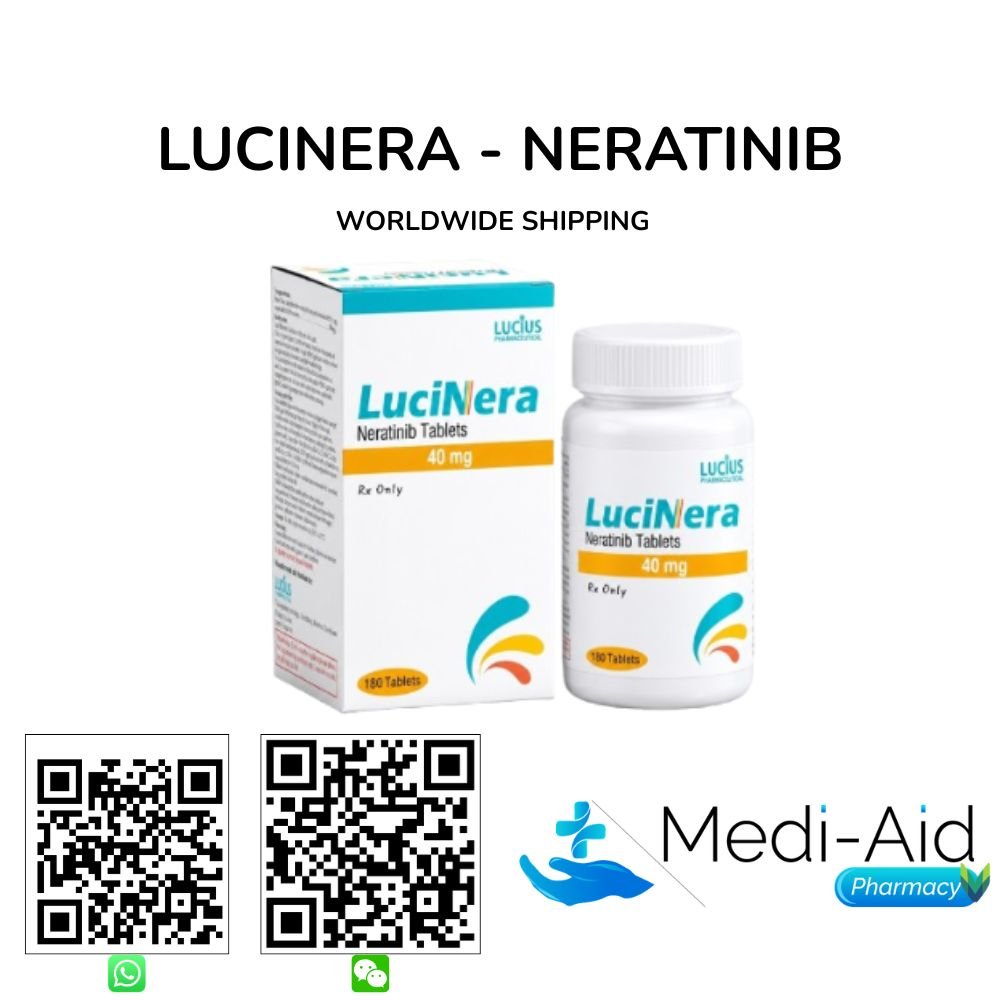
LuciNera 40 MG (Neratinib) is a second-generation, orally bioavailable, irreversible pan-HER (ErbB) tyrosine kinase inhibitor (TKI) – a small-molecule, covalent kinase inhibitor that selectively and potently binds to cysteine residues in the adenosine triphosphate (ATP)-binding domains of HER1 (EGFR, Cys-773), HER2 (Cys-805), and HER4 (Cys-803) via an acrylamide Michael acceptor warhead, forming a permanent covalent bond that irreversibly suppresses autophosphorylation and downstream oncogenic signaling through the RAS/RAF/MEK/ERK and PI3K/AKT/mTOR pathways, thereby blocking proliferation, survival signaling, and tumor progression in HER2-overexpressing and HER2-amplified breast cancer cells – supplied as film-coated tablets, 40 mg strength, 180 tablets per bottle, and manufactured by Lucius Pharmaceuticals (Lao) Co., Ltd. in Laos.
Neratinib, the active pharmaceutical ingredient (API) of LuciNera, carries FDA-approved indications for HER2-positive breast cancer in both the early-stage extended adjuvant setting and the advanced/metastatic setting. The Phase 3 ExteNET trial demonstrated that neratinib 240 mg/day for 12 months after trastuzumab-based adjuvant therapy reduced the risk of invasive disease-free survival (iDFS) events by 27% versus placebo at 5 years – iDFS rate 90.8% versus 86.6% (HR 0.73; 95% CI 0.57-0.92; p=0.0091) – establishing extended adjuvant neratinib as a standard-of-care option for patients with early-stage HER2-positive breast cancer following trastuzumab, with the greatest absolute iDFS benefit demonstrated in the hormone receptor-positive (HR+)/HER2-positive subgroup (HR 0.60 at 5-year follow-up). The Phase 3 NALA trial demonstrated that neratinib 240 mg/day plus capecitabine versus lapatinib plus capecitabine achieved a median progression-free survival (PFS) of 8.8 months versus 6.6 months (HR 0.76; 95% CI 0.63-0.93; p=0.0059) in patients with HER2-positive metastatic breast cancer who had received two or more prior HER2-directed therapies, along with a statistically significant reduction in the cumulative incidence of CNS metastasis interventions (22.8% vs 29.2%; p=0.043).
Important: Diarrhea is the primary dose-limiting toxicity of neratinib, occurring in up to 95% of patients in trials without prophylaxis; mandatory loperamide prophylaxis (loperamide 4 mg three times daily for Weeks 1-2, then 4 mg twice daily for Weeks 3-8, then 4 mg as needed up to 16 mg/day for Weeks 9-52) is required for all patients and has substantially reduced Grade 3 diarrhea incidence from approximately 40% without prophylaxis to approximately 17% with prophylaxis in the CONTROL trial.
Additional serious risks include hepatotoxicity (Grade 3 ALT/AST elevation in approximately 9% of patients; mandatory baseline and periodic liver function test monitoring at baseline, 3, 6, and 9 months), embryo-fetal toxicity (contraindicated in pregnancy; effective contraception required during treatment and for 1 month after the last dose in females and 3 months after the last dose in males), and clinically significant drug interactions with strong CYP3A4 inhibitors and inducers.
Proton pump inhibitors (PPIs) reduce neratinib Cmax by 71% and AUC by 65% and must be avoided throughout neratinib therapy; substitute with an H2-receptor antagonist taken at least 3 hours after the neratinib dose if acid suppression is required. Searching for LuciNera 40 MG Neratinib? Mediaid Pharmacy lists this product across its oncology medicines, breast cancer medicines, and Lucius Pharmaceuticals medicines portfolios and ships it worldwide.
Basic Product Information of LuciNera 40 MG (Neratinib)
| Brand Name | LuciNera 40 MG (Neratinib) |
| Product Name | LuciNera |
| Generic Name | Neratinib (also referred to by its developmental code HKI-272; an irreversible, covalent pan-HER tyrosine kinase inhibitor and second-generation ErbB inhibitor with superior receptor residence time and pharmacodynamic duration compared to reversible first-generation HER2 TKIs such as lapatinib; the originator brand is Nerlynx, developed originally by Pfizer and subsequently acquired and commercialized by Puma Biotechnology, Inc.; first FDA approval for extended adjuvant HER2-positive breast cancer: 17 July 2017; second FDA approval in combination with capecitabine for metastatic HER2-positive breast cancer: 26 February 2020) |
| Drug Class | Irreversible Pan-HER Tyrosine Kinase Inhibitor (TKI); Covalent ErbB Inhibitor; HER2 Inhibitor; EGFR/HER1 Inhibitor; HER4 Inhibitor; Second-Generation HER2-Targeted Agent; Small-Molecule Covalent Kinase Inhibitor; Antineoplastic Agent; Targeted Oncology Agent; Oral Cancer Medicine; HER2-Directed Breast Cancer Therapy; ErbB Family Inhibitor |
| Formulation | Film-Coated Tablet (oral administration; must be taken with food – administration without food substantially reduces neratinib absorption and plasma exposure; swallow tablets whole, do not crush, split, or chew; if vomiting occurs after taking a dose, do not take an additional dose that day – resume the next scheduled dose the following day; six 40 mg tablets are taken together as a single once-daily dose) |
| Available Strengths | 40 mg per film-coated tablet (LuciNera 40 MG; the recommended starting dose of 240 mg/day requires six 40 mg tablets taken together once daily; dose reductions for toxicity are achieved by reducing the number of 40 mg tablets: first reduction to 200 mg/day [five tablets], second reduction to 160 mg/day [four tablets], third reduction to 120 mg/day [three tablets]; permanently discontinue if unable to tolerate 120 mg/day) |
| Available Pack Size | 180 tablets per bottle/box (at the recommended starting dose of 240 mg once daily [six 40 mg tablets per day], one bottle provides a 30-day supply; the 12-month extended adjuvant treatment course as established by the Phase 3 ExteNET trial requires approximately 12 bottles total at the starting dose; at reduced doses – 200 mg, 160 mg, or 120 mg daily – one bottle provides 36, 45, or 60 days of supply respectively) |
| Dosing Schedule | Recommended Starting Dose: Neratinib 240 mg (six LuciNera 40 MG film-coated tablets) orally once daily with food, taken at the same time each day. Mandatory Loperamide Prophylaxis (All Patients – Initiated Day 1): Weeks 1-2: loperamide 4 mg three times daily; Weeks 3-8: loperamide 4 mg twice daily; Weeks 9 through end of treatment: loperamide 4 mg as needed (maximum 16 mg/day). Loperamide prophylaxis is a non-negotiable component of neratinib therapy and must begin on the same day as the first neratinib dose. Dose Reduction for Toxicity (First Reduction): 200 mg once daily (five 40 mg tablets). Second Reduction: 160 mg once daily (four 40 mg tablets). Third Reduction: 120 mg once daily (three 40 mg tablets). Permanently discontinue if unable to tolerate 120 mg/day. Duration: 12 months (one year) for the extended adjuvant indication; continue until disease progression or unacceptable toxicity for the metastatic indication. Important Drug Interaction Guidance: Avoid concomitant strong CYP3A4 inhibitors and inducers; avoid all PPIs throughout therapy – if acid suppression is necessary, use an H2-receptor antagonist taken at least 3 hours after neratinib. Consult the treating oncologist for all dose modification decisions. |
| Primary Indications | (1) Extended Adjuvant Treatment of Early-Stage HER2-Positive Breast Cancer (ExteNET): Neratinib 240 mg/day for 12 months as extended adjuvant therapy for adult patients with early-stage HER2-overexpressed/amplified breast cancer following adjuvant trastuzumab-based therapy. Based on Phase 3 ExteNET trial (NCT00878709; n=2,840): 5-year iDFS 90.8% vs 86.6% (HR 0.73; 95% CI 0.57-0.92; p=0.0091) – a 27% relative risk reduction in invasive disease or death. Greatest absolute benefit in HR+/HER2-positive subgroup (HR 0.60 at 5 years). FDA approval: 17 July 2017.
(2) Advanced or Metastatic HER2-Positive Breast Cancer in Combination with Capecitabine (NALA): Neratinib 240 mg/day plus capecitabine 1,500 mg/m2/day (750 mg/m2 twice daily on Days 1-14 of a 21-day cycle) for adult patients with advanced or metastatic HER2-positive breast cancer who have received two or more prior anti-HER2-based regimens in the metastatic setting. Based on Phase 3 NALA trial (NCT01808573; n=621): median PFS 8.8 months vs 6.6 months with lapatinib plus capecitabine (HR 0.76; 95% CI 0.63-0.93; p=0.0059); statistically significant reduction in cumulative incidence of CNS intervention: 22.8% vs 29.2% (p=0.043). FDA approval: 26 February 2020. |
| Manufacturer / Brand | Lucius Pharmaceuticals (Lao) Co., Ltd., Country of Origin: Laos (originator molecule and brand Nerlynx developed by Pfizer and subsequently acquired and commercialized by Puma Biotechnology, Inc.; first FDA approval for extended adjuvant HER2-positive breast cancer: 17 July 2017; second FDA approval for metastatic HER2-positive breast cancer in combination with capecitabine: 26 February 2020) |
| Global Supplier | Mediaid Pharmacy, Worldwide Shipping Available |
| Storage Conditions | Store at room temperature, 20°C to 25°C (68°F to 77°F); excursions permitted to 15°C to 30°C (59°F to 86°F). Store in the original container with the lid tightly closed. Protect from light and moisture. Keep out of the reach of children. |
How LuciNera (Neratinib) Works: Irreversible Pan-HER Tyrosine Kinase Inhibition and Covalent ErbB Receptor Blockade in HER2-Positive Breast Cancer
Neratinib (LuciNera) is an orally bioavailable, second-generation small-molecule kinase inhibitor that functions as an irreversible, covalent pan-HER tyrosine kinase inhibitor targeting three members of the ErbB receptor tyrosine kinase family: HER1 (EGFR/ErbB1), HER2 (ErbB2/neu), and HER4 (ErbB4). The ErbB/HER receptor family consists of four transmembrane glycoprotein receptor tyrosine kinases – HER1, HER2, HER3, and HER4 – that regulate normal cell proliferation, differentiation, survival, and migration through homo- and heterodimerization-driven intracellular signaling cascades.
HER2 gene amplification or protein overexpression, occurring in approximately 15-20% of all invasive breast cancers, constitutively activates downstream RAS/MAPK and PI3K/AKT/mTOR signaling, driving unchecked tumor cell proliferation, resistance to apoptosis, enhanced angiogenesis, and aggressive metastatic behavior. HER2-amplified breast cancer historically carried a poor prognosis without HER2-targeted therapy, but the sequential clinical development of anti-HER2 agents – beginning with trastuzumab (Herceptin), extending through pertuzumab, ado-trastuzumab emtansine (T-DM1), trastuzumab deruxtecan (T-DXd), lapatinib, and neratinib – has fundamentally transformed outcomes across the HER2-positive disease spectrum from early-stage adjuvant settings through late-line metastatic disease.
Neratinib’s mechanism of action is fundamentally distinguished from first-generation, reversible HER2 TKIs such as lapatinib and erlotinib by the nature of its receptor binding kinetics. Neratinib contains an acrylamide Michael acceptor group – a reactive electrophilic warhead positioned within its quinoline scaffold – that forms an irreversible covalent thioether bond with specific cysteine residues located within the ATP-binding cleft of each targeted ErbB kinase domain: Cys-773 in HER1 (EGFR), Cys-805 in HER2, and Cys-803 in HER4.
This covalent bond formation permanently inactivates the kinase active site on each receptor molecule to which neratinib binds, precluding ATP from binding, blocking autophosphorylation of tyrosine residues in the receptor’s intracellular activation loop, and preventing transphosphorylation of receptor heterodimer partners required for signal propagation. Because the bond is irreversible, receptor function cannot recover until the affected receptor protein is degraded and replaced by newly synthesized receptor – a process requiring hours to days – giving neratinib a fundamentally different pharmacodynamic profile compared to reversible TKIs that dissociate from their targets continuously as plasma drug concentrations decline.
The pharmacodynamic consequence of irreversible binding is prolonged, near-complete suppression of HER1, HER2, and HER4 phosphorylation that outlasts the plasma half-life of the drug itself (approximately 7-17 hours), ensuring sustained pathway silencing throughout the once-daily dosing interval even during plasma trough periods when reversible TKIs have substantially reduced target occupancy.
Downstream of HER2 kinase inhibition by neratinib, two principal oncogenic signaling cascades are suppressed. The RAS/RAF/MEK/ERK (MAPK) pathway – which transmits growth factor signals to the nucleus driving transcription of cyclin D1, c-Fos, and other proliferative genes controlling G1-to-S phase cell cycle entry – is blocked at the receptor level by prevention of SOS-GEF-mediated RAS activation through adaptor proteins GRB2 and SHC, which normally dock to phosphorylated tyrosine residues on the activated HER receptor complex.
The PI3K/AKT/mTOR pathway – which controls cell survival, protein synthesis, cell cycle progression, and resistance to apoptosis – is suppressed at its most upstream activating input: HER3, which lacks intrinsic kinase activity but is the most potent activator of PI3K through its six PI3K-binding YXXM motifs, cannot be transphosphorylated and activated by HER2 when HER2 kinase is irreversibly silenced by neratinib.
The dual suppression of RAS/MAPK and PI3K/AKT/mTOR pathways through covalent HER2 inhibition produces arrest of tumor cells in G1 phase of the cell cycle via cyclin D1 downregulation and CDK4/6 dephosphorylation, and induction of apoptosis in HER2-dependent cancer cells through suppression of AKT-mediated pro-survival signals and release of BAD-mediated mitochondrial apoptotic signaling.
Two additional mechanistic attributes of irreversible pan-HER inhibition with neratinib carry critical clinical relevance relative to resistance mechanisms and CNS penetration.
First, resistance mutations emerging in the HER2 kinase domain under selection pressure from reversible TKIs – particularly the HER2 L755S mutation documented in lapatinib-resistant tumors, which reduces lapatinib binding affinity by steric displacement at the binding site – do not prevent neratinib’s covalent bond formation at Cys-805, which is structurally distinct from the L755 position, thereby potentially overcoming a defined subset of acquired reversible-TKI resistance mechanisms.
Second, neratinib’s higher lipophilicity (log P approximately 4.6) compared to trastuzumab (which crosses the blood-brain barrier minimally) and compared to lapatinib facilitates greater central nervous system (CNS) penetration – a pharmacologically and clinically important property given that CNS metastases develop in 25-50% of patients with HER2-positive metastatic breast cancer throughout the disease course and represent one of the greatest unmet therapeutic needs in HER2-positive advanced disease management.
The Phase 3 NALA trial demonstrated that neratinib plus capecitabine produced a statistically significant reduction in the cumulative incidence of CNS intervention compared to lapatinib plus capecitabine (22.8% vs 29.2%; p=0.043), consistent with neratinib’s preclinical and translational CNS efficacy data and supporting the clinical rationale for preferring neratinib over lapatinib in patients at high risk of or with established CNS metastases. Visit the Mediaid Pharmacy breast cancer medicines portfolio for the complete range of HER2-targeted agents available with worldwide shipping.
Safety Profile, Warnings, and Drug Interactions: LuciNera 40 MG (Neratinib)
| Primary Warning | Neratinib (Nerlynx) does not carry an FDA black box warning. However, the following warnings and precautions are clinically critical and are specified in the full prescribing information: Diarrhea (the primary dose-limiting toxicity; mandatory loperamide prophylaxis required for all patients initiated on Day 1 of therapy); Hepatotoxicity (monitor liver function tests at baseline, 3 months, 6 months, 9 months, and as clinically indicated); Embryo-Fetal Toxicity (neratinib can cause fetal harm; contraindicated during pregnancy); and clinically significant Drug Interactions with PPIs, strong CYP3A4 inhibitors, and strong CYP3A4 inducers. |
| Diarrhea (Critical / Dose-Limiting) | Diarrhea is the most common and clinically most significant adverse reaction associated with neratinib and represents the primary reason for dose reduction and treatment discontinuation. In the Phase 3 ExteNET trial without routine prophylaxis, diarrhea occurred in 95% of neratinib-treated patients (Grade 3: 40%) versus 35% with placebo. The CONTROL trial prospectively evaluated loperamide prophylaxis regimens and demonstrated that the intensive prophylaxis schedule (loperamide 4 mg TID x 2 weeks, 4 mg BID x 6 weeks, then PRN) reduced Grade 3 diarrhea to approximately 17% and substantially reduced the median duration of Grade 3 episodes and hospitalizations. Mandatory Loperamide Prophylaxis Schedule: Weeks 1-2: loperamide 4 mg three times daily; Weeks 3-8: loperamide 4 mg twice daily; Weeks 9 through end of treatment: loperamide 4 mg as needed, maximum 16 mg/day. Prophylaxis must be initiated on Day 1 of neratinib therapy. For Grade 1 diarrhea during prophylaxis: add additional loperamide doses up to 16 mg/day, encourage fluid intake, and advise dietary modifications (BRAT diet, avoidance of high-fiber and lactose-containing foods). For Grade 2 diarrhea: intensify loperamide, consider fluid replacement, and monitor for dehydration. For Grade 3 diarrhea: interrupt neratinib; upon resolution to Grade 1 or lower, resume at the next dose reduction level. For Grade 4 diarrhea or diarrhea not controlled despite maximum loperamide: permanently discontinue neratinib. Educate patients and caregivers comprehensively on the expected incidence, prophylaxis schedule, dietary guidance, and escalation criteria before initiating neratinib therapy. |
| Hepatotoxicity | Hepatotoxicity defined by Grade 3 or higher ALT or AST elevations occurred in approximately 9% of neratinib-treated patients in the ExteNET trial versus 4% with placebo. Grade 4 ALT or AST elevations occurred in less than 1% of neratinib-treated patients. Monitor liver function tests (ALT, AST, and total bilirubin) at baseline, every 3 months for the first 9 months of treatment, and as clinically indicated thereafter. Withhold neratinib for Grade 3 or higher ALT or AST elevation (greater than 5x the upper limit of normal [ULN]); resume at the same or reduced dose only after resolution to Grade 1 or lower. Permanently discontinue for Grade 4 ALT or AST elevation (greater than 20x ULN), or for any ALT or AST elevation greater than 3x ULN accompanied by total bilirubin greater than 2x ULN (potential Hy’s Law criteria for drug-induced liver injury). Assess baseline liver function in all patients; patients with severe hepatic impairment (Child-Pugh C) should receive a reduced starting dose of 120 mg/day under oncologist supervision. |
| Other Adverse Reactions | Other frequent adverse reactions in the ExteNET and NALA trials (incidence greater than or equal to 10%) include: nausea (43-44%), abdominal pain (36-45%), fatigue (27-31%), vomiting (26-28%), decreased appetite (16-18%), weight loss (approximately 12%), and skin toxicity – including acneiform papulopustular rash, paronychia, and dry skin – characteristic of HER1/EGFR inhibition (approximately 10-18%). Nausea management: antiemetics (ondansetron, prochlorperazine) on an as-needed basis; dietary modifications including small, frequent meals and avoidance of foods that exacerbate nausea. Skin toxicity management: topical antibiotics (clindamycin gel) for papulopustular eruptions, topical corticosteroids for inflammatory components, and intensive moisturizers for xerosis (dry skin); oral doxycycline 100 mg twice daily for Grade 2 or higher acneiform rash; dose reduction if Grade 3 or higher skin toxicity persists. Monitor CBC at baseline and periodically during treatment; stomatitis (mouth sores) is rare with neratinib but distinct from the high stomatitis incidence associated with mTOR inhibitors. Weight loss and decreased appetite require nutritional assessment and dietary support, particularly during the initial high-toxicity weeks 1-4 of treatment when diarrhea incidence and severity are highest. |
| Drug Interactions | Proton Pump Inhibitors (PPIs – Critical Interaction): Co-administration of lansoprazole 30 mg once daily for 5 days reduced neratinib Cmax by 71% and AUC by 65% in pharmacokinetic studies. Avoid concomitant use of PPIs throughout the entire duration of neratinib therapy. If acid-reducing therapy is medically necessary, H2-receptor antagonists or antacids are preferred alternatives; if an H2-receptor antagonist is used, administer neratinib at least 3 hours after the H2RA dose. Strong CYP3A4 Inhibitors (ketoconazole, itraconazole, voriconazole, clarithromycin, nefazodone, ritonavir, saquinavir, nelfinavir, indinavir, atazanavir, lopinavir, grapefruit, and grapefruit juice): Substantially increase neratinib plasma exposure through CYP3A4 inhibition, increasing the risk of neratinib-related toxicities; avoid concomitant use. If a strong CYP3A4 inhibitor cannot be avoided, reduce the neratinib dose under oncologist supervision with close toxicity monitoring. Strong CYP3A4 Inducers (rifampin, rifabutin, carbamazepine, phenytoin, phenobarbital, St. John’s Wort): Substantially reduce neratinib plasma concentrations, potentially reducing therapeutic efficacy; avoid concomitant use throughout neratinib therapy. P-glycoprotein (P-gp) Substrates: Neratinib inhibits P-glycoprotein in vitro; concomitant administration of P-gp substrates with a narrow therapeutic index (such as digoxin) may increase substrate exposure and require monitoring or dose adjustment. |
| Pregnancy & Lactation | Neratinib can cause fetal harm and is contraindicated during pregnancy. Animal reproductive toxicology studies demonstrated adverse effects on embryo-fetal development at exposures below the recommended human dose, consistent with the known role of ErbB/HER family signaling in normal cardiac organogenesis, neural crest cell migration, and placental development. Pan-HER inhibition by neratinib blocks signaling pathways (HER1, HER2, HER4) that are essential for normal fetal cardiac septal development and ventricular trabeculation, presenting inherent teratogenic risk throughout gestation. Females of reproductive potential must use effective contraception during neratinib treatment and for at least 1 month after the last dose. Males with female partners of reproductive potential should use effective contraception during neratinib treatment and for at least 3 months after the last dose. Neratinib may impair male fertility based on animal reproductive toxicology data; advise patients of this risk before initiating therapy and discuss fertility preservation options including sperm banking with the treating oncologist. There are no data on the presence of neratinib in human breast milk; because of the potential for serious adverse reactions including growth and developmental toxicity in breastfed infants, breastfeeding is not recommended during neratinib treatment and for at least 1 month after the last dose. Verify pregnancy status with a serum or urine pregnancy test in all females of reproductive potential before initiating LuciNera. Discuss all reproductive planning, fertility counseling, and contraceptive requirements with the treating oncologist before starting neratinib therapy. |
Who Should Use LuciNera 40 MG (Neratinib)?
LuciNera 40 MG (Neratinib) is indicated for adult patients across two distinct HER2-positive breast cancer clinical contexts – early-stage extended adjuvant therapy following trastuzumab, and advanced/metastatic third-line-or-later therapy in combination with capecitabine – where the irreversible pan-HER kinase inhibition mechanism of neratinib provides a clinically validated, statistically significant survival benefit over the respective standard-of-care comparator. Both FDA-approved indications require confirmation of HER2 overexpression or HER2 gene amplification by an approved companion diagnostic test (immunohistochemistry [IHC] 3+ or fluorescence in situ hybridization [FISH] with HER2/CEP17 ratio greater than or equal to 2.0) before initiating LuciNera therapy.
First, adult patients with early-stage HER2-overexpressed/amplified breast cancer who have completed adjuvant trastuzumab-based therapy (with or without pertuzumab) within the preceding 12 months, particularly those with node-positive disease, HR+/HER2+ co-expression, or residual disease features that identify them as higher risk for invasive recurrence – represent the primary ExteNET-defined extended adjuvant indication for neratinib.
The Phase 3 ExteNET trial (NCT00878709) enrolled 2,840 patients with HER2-positive early breast cancer who had completed trastuzumab-based neoadjuvant or adjuvant therapy and randomized them to neratinib 240 mg/day versus placebo for 12 months, beginning within 2 years (updated protocol: within 1 year) of the last trastuzumab dose. At the 5-year follow-up, the invasive disease-free survival (iDFS) rate was 90.8% in the neratinib arm versus 86.6% in the placebo arm (HR 0.73; 95% CI 0.57-0.92; p=0.0091) – a 27% relative reduction in the risk of invasive disease or death.
Pre-specified subgroup analysis demonstrated the greatest absolute iDFS benefit in the HR+/HER2-positive subgroup (5-year iDFS: 91.2% neratinib vs 86.8% placebo; HR 0.60) compared to the HR-negative/HER2-positive subgroup (HR 0.95), supporting preferential consideration of extended adjuvant neratinib in HR+/HER2+ patients. The ExteNET benefit was consistent across node-positive patients (HR 0.68 at 5 years) and patients who had received prior pertuzumab alongside trastuzumab-based adjuvant therapy, relevant to the current standard of practice of dual HER2 blockade with trastuzumab plus pertuzumab in early HER2-positive breast cancer.
Second, adult patients with confirmed HER2-positive advanced or metastatic breast cancer who have received two or more prior anti-HER2-based regimens in the metastatic setting – typically including first-line trastuzumab plus pertuzumab plus taxane (CLEOPATRA-based), second-line ado-trastuzumab emtansine (T-DM1, EMILIA-based) or trastuzumab deruxtecan (T-DXd, DESTINY-Breast03-based) – are candidates for the NALA-defined neratinib plus capecitabine indication. The Phase 3 NALA trial (NCT01808573) enrolled 621 patients with centrally confirmed HER2-positive metastatic breast cancer who had received 2 or more prior HER2-directed regimens and randomized them to neratinib 240 mg/day plus capecitabine 1,500 mg/m2/day (750 mg/m2 BID, Days 1-14, q21d) versus lapatinib 1,250 mg/day plus capecitabine (standard dose).
NALA met both primary endpoints: blinded independent central review (BICR)-assessed PFS (median 8.8 months vs 6.6 months; HR 0.76; p=0.0059) and time to intervention for CNS metastases (cumulative incidence 22.8% neratinib arm vs 29.2% lapatinib arm; p=0.043). The CNS benefit of neratinib plus capecitabine versus lapatinib plus capecitabine in the NALA trial is particularly clinically meaningful given that approximately 35-50% of patients with HER2-positive metastatic breast cancer develop CNS metastases throughout their disease course, and reducing the need for whole-brain radiation therapy or stereotactic radiosurgery through a systemic oral regimen provides direct quality-of-life and neurocognitive benefit.
LuciNera is not indicated for: patients with HER2-negative breast cancer (neratinib has no established efficacy in HER2-negative tumors); patients with severe hepatic impairment (Child-Pugh C) without dose reduction to 120 mg/day under specialist supervision; patients who cannot receive mandatory loperamide prophylaxis; patients currently receiving PPIs who cannot be transitioned to an alternative acid-reducing agent; or patients who are pregnant. HER2-positive early breast cancer oncology departments, extended adjuvant therapy programs, metastatic breast cancer oncology units, hospital pharmacies managing HER2 breast cancer treatment, and individual patients and families accessing targeted oncology medicines can contact Mediaid Pharmacy directly for LuciNera 40 MG availability, pricing, and worldwide delivery.
Global Supplier: Mediaid Pharmacy Worldwide Shipping for LuciNera 40 MG (Neratinib)
Mediaid Pharmacy is a Dhaka-based supplier of specialty targeted oncology, breast cancer, and rare disease medicines with worldwide shipping to patients, HER2-positive breast cancer oncology departments, early-stage extended adjuvant neratinib programs, metastatic breast cancer treatment units, hospital pharmacies, oncology day units, patient access programs, and international distributors across all regions. LuciNera 40 MG (Neratinib), manufactured by Lucius Pharmaceuticals (Lao) Co., Ltd. in Laos, is supplied as 40 mg film-coated tablets in 180-tablet bottles, with pricing quotations, stock confirmation, full product documentation, and end-to-end international delivery tracking for every order.
The clinical and procurement significance of the 180-tablet bottle format is directly tied to neratinib’s dosing architecture: at the recommended starting dose of 240 mg/day (six 40 mg tablets per day), one bottle of LuciNera 40 MG provides exactly a 30-day supply, aligning the bottle size with standard monthly prescription dispensing cycles used by oncology pharmacies, hospital formularies, and patient access programs globally.
The 12-month treatment duration of the extended adjuvant indication (as established by the Phase 3 ExteNET trial) requires approximately 12 bottles at the 240 mg/day starting dose (12 x 180 tablets = 2,160 tablets total over one year), and procurement teams planning extended adjuvant neratinib supply programs for cohorts of HER2-positive breast cancer patients completing trastuzumab can contact Mediaid Pharmacy for volume pricing and multi-month supply arrangements. For patients on dose-reduced neratinib schedules (200 mg, 160 mg, or 120 mg/day), the 180-tablet bottle provides 36, 45, or 60 days of supply respectively, offering procurement efficiency across all dose levels used in clinical practice.
HER2-positive early breast cancer oncology departments managing extended adjuvant programs; metastatic breast cancer oncology teams sourcing third-line neratinib plus capecitabine; hospital formulary procurement departments co-sourcing LuciNera with other oral targeted oncology medicines; and individual patients and families accessing neratinib for HER2-positive breast cancer treatment can contact the Mediaid Pharmacy team through WhatsApp, phone, or WeChat for LuciNera 40 MG stock availability, current pricing, and international delivery timelines.
Why Choose LuciNera 40 MG (Neratinib) from Mediaid Pharmacy?
LuciNera (Neratinib) from Lucius Pharmaceuticals (Lao) Co., Ltd. delivers the validated irreversible pan-HER tyrosine kinase inhibition mechanism of neratinib – a molecule with two distinct FDA-approved indications spanning early-stage HER2-positive breast cancer extended adjuvant therapy (ExteNET; FDA 2017) and advanced/metastatic HER2-positive breast cancer in combination with capecitabine (NALA; FDA 2020) – as a precisely formulated 40 mg oral film-coated tablet in a clinically aligned 180-tablet bottle providing a 30-day supply at the recommended 240 mg/day starting dose. Neratinib is pharmacologically and clinically distinguished within its HER2-targeted therapeutic landscape by four evidence-based attributes.
First, neratinib is the only orally administered irreversible pan-HER (ErbB) tyrosine kinase inhibitor with an FDA-approved indication in the early-stage extended adjuvant setting for HER2-positive breast cancer – the clinical context in which most HER2-positive patients who complete primary trastuzumab-based therapy are eligible, and where the absolute survival benefit of extended adjuvant HER2 pathway blockade through a mechanistically distinct, irreversible oral TKI is greatest in the HR+/HER2+ subgroup (40% relative risk reduction; HR 0.60 at 5 years in the ExteNET pre-specified subgroup analysis). No other approved oral TKI has demonstrated efficacy in this post-trastuzumab extended adjuvant setting in a Phase 3 trial of comparable scale (n=2,840, 5-year follow-up), establishing neratinib as uniquely positioned within the HER2-positive early breast cancer treatment continuum between primary trastuzumab-based adjuvant therapy and any subsequent systemic treatment at recurrence.
Second, neratinib is the only approved oral TKI that demonstrated a statistically significant reduction in the cumulative incidence of CNS metastasis interventions in HER2-positive metastatic breast cancer (22.8% vs 29.2% with lapatinib plus capecitabine; p=0.043 in NALA). CNS metastases represent one of the most clinically devastating complications of HER2-positive metastatic breast cancer, occurring in 25-50% of patients throughout the disease course, and an oral regimen that meaningfully reduces the need for whole-brain radiation therapy or stereotactic radiosurgery carries direct benefit for neurocognitive function, quality of life, and disease management burden.
Third, neratinib provides a pharmacological mechanism – irreversible covalent HER2 kinase inactivation – that is distinct from antibody-based HER2 blockade (trastuzumab, pertuzumab, T-DM1, T-DXd) and from reversible small-molecule TKIs (lapatinib), providing therapeutic activity in tumors that have developed resistance to these agent classes through HER2 kinase domain mutations, receptor trafficking alterations, or downstream pathway bypass mechanisms that do not affect neratinib’s covalent bond formation at Cys-805. The mechanism provides a rational pharmacological basis for neratinib’s activity after prior anti-HER2 antibody and reversible TKI therapy, supporting its positioning as a differentiated option in sequenced HER2-positive breast cancer therapy.
Fourth, neratinib is an orally self-administered, once-daily tablet enabling complete outpatient management without clinic visits for drug administration – the 240 mg dose (six 40 mg LuciNera tablets taken together once daily with food) allows patients to continue a 12-month extended adjuvant treatment course at home with regular clinical monitoring visits for toxicity assessment rather than scheduled infusion appointments, preserving quality of life and reducing the healthcare system resource burden of monthly intravenous drug administration. LuciNera 40 MG is manufactured by Lucius Pharmaceuticals (Lao) Co., Ltd. and is available through Mediaid Pharmacy as 180-tablet bottles.
To source the complete range of HER2-directed therapies, breast cancer medicines, and oncology medicines, visit the Mediaid Pharmacy breast cancer medicines portfolio, the oncology medicines collection, and the Lucius Pharmaceuticals medicines range, and contact the team for a personalized quotation.
Frequently Asked Questions About LuciNera 40 MG (Neratinib)
What is LuciNera 40 MG (Neratinib) used for?
LuciNera 40 MG (Neratinib) is an oral irreversible pan-HER tyrosine kinase inhibitor with two FDA-approved indications in HER2-positive breast cancer: (1) as extended adjuvant therapy for adult patients with early-stage HER2-overexpressed/amplified breast cancer following adjuvant trastuzumab-based therapy – based on Phase 3 ExteNET trial (5-year iDFS 90.8% vs 86.6%; HR 0.73; p=0.0091; 27% relative risk reduction) – FDA approval 17 July 2017; and (2) in combination with capecitabine for adult patients with advanced or metastatic HER2-positive breast cancer who have received two or more prior anti-HER2-based regimens in the metastatic setting – based on Phase 3 NALA trial (median PFS 8.8 months vs 6.6 months; HR 0.76; p=0.0059; statistically significant CNS intervention reduction: 22.8% vs 29.2%; p=0.043) – FDA approval 26 February 2020. The recommended starting dose is 240 mg (six LuciNera 40 MG tablets) once daily with food. LuciNera 40 MG, 180 tablets per bottle, is manufactured by Lucius Pharmaceuticals (Lao) Co., Ltd. in Laos and is available through Mediaid Pharmacy with worldwide shipping.
What is the generic name of LuciNera?
The generic name of LuciNera is neratinib (developmental code HKI-272). Neratinib is an orally bioavailable, irreversible, covalent pan-HER tyrosine kinase inhibitor belonging to the ErbB family inhibitor class of antineoplastic agents. Neratinib is structurally distinguished from first-generation reversible HER2 TKIs by its acrylamide Michael acceptor warhead, which forms permanent covalent thioether bonds with Cys-773 in HER1, Cys-805 in HER2, and Cys-803 in HER4, producing sustained suppression of all three ErbB receptors beyond the drug’s plasma half-life. The originator brand of neratinib for oncology indications is Nerlynx, developed originally by Pfizer and subsequently acquired and commercialized by Puma Biotechnology, Inc., with the first FDA approval for extended adjuvant HER2-positive breast cancer on 17 July 2017. LuciNera is manufactured by Lucius Pharmaceuticals (Lao) Co., Ltd. in Laos and is available as 40 mg film-coated tablets in 180-tablet bottles. Mediaid Pharmacy distributes LuciNera (Neratinib) globally with worldwide shipping to patients, breast cancer oncology departments, hospital pharmacies, and HER2-positive breast cancer treatment programs worldwide.
What is the difference between neratinib and lapatinib for HER2-positive breast cancer?
Neratinib (LuciNera) and lapatinib (Tykerb) are both oral HER2 tyrosine kinase inhibitors but differ fundamentally in binding mechanism, receptor target scope, clinical indications, and CNS activity. Neratinib is an irreversible, covalent pan-HER inhibitor targeting HER1, HER2, and HER4 via permanent covalent bond formation with cysteine residues in each kinase domain; lapatinib is a reversible, competitive inhibitor targeting HER1 and HER2 that continuously dissociates from the kinase active site as plasma drug concentrations decline throughout the dosing interval. The irreversible binding of neratinib produces pharmacodynamic target suppression that outlasts plasma drug exposure, and may overcome specific resistance mechanisms (HER2 L755S mutation, increased ATP-competitive displacement) that reduce lapatinib efficacy. Neratinib is FDA-approved for early-stage extended adjuvant HER2-positive breast cancer after trastuzumab (ExteNET; no Phase 3 data support lapatinib in this post-adjuvant setting) and for third-line metastatic HER2-positive breast cancer in combination with capecitabine (NALA; neratinib demonstrated superior PFS over lapatinib in the head-to-head comparison: 8.8 months vs 6.6 months). Neratinib demonstrated a statistically significant reduction in CNS intervention rates in the NALA trial (22.8% vs 29.2%; p=0.043) – a benefit not demonstrated by lapatinib in any comparable Phase 3 head-to-head CNS endpoint analysis. Visit the Mediaid Pharmacy breast cancer medicines collection for the complete range of HER2-targeted agents available with worldwide shipping.
How is LuciNera 40 MG (Neratinib) administered?
Neratinib (LuciNera 40 MG) is administered orally, once daily, at the same time each day, with food. Administration with food is a mandatory requirement – pharmacokinetic studies demonstrated that taking neratinib in a fasted state substantially reduces Cmax and total drug exposure (AUC), and consistent administration with food ensures reproducible plasma drug levels throughout the treatment course. The approved starting dose is 240 mg (six LuciNera 40 MG film-coated tablets) once daily with food – all six tablets are taken together as a single once-daily dose. Swallow tablets whole; do not crush, split, or chew neratinib tablets. If vomiting occurs after taking a dose, do not take an additional dose on the same day; resume the next scheduled dose the following day. The mandatory loperamide prophylaxis schedule (4 mg TID x Weeks 1-2, 4 mg BID x Weeks 3-8, then 4 mg as needed [maximum 16 mg/day] through the end of treatment) must be initiated on Day 1 concurrently with the first neratinib dose – this is not optional and must be in place before the patient takes the first tablet. Dose reductions for toxicity follow a stepwise protocol: 200 mg/day (five 40 mg tablets), then 160 mg/day (four 40 mg tablets), then 120 mg/day (three 40 mg tablets); permanently discontinue if 120 mg/day is not tolerated. Avoid all PPIs throughout therapy; if acid suppression is needed, use an H2-receptor antagonist taken at least 3 hours after neratinib. All dosing modifications must be directed by the treating oncologist.
What are the side effects of LuciNera (Neratinib)?
The most clinically significant adverse effects of neratinib are diarrhea, hepatotoxicity, nausea, and skin toxicity. Diarrhea is the primary and most frequent dose-limiting toxicity, occurring in up to 95% of patients; mandatory loperamide prophylaxis (loperamide 4 mg three times daily for Weeks 1-2, 4 mg twice daily for Weeks 3-8, then 4 mg as needed up to 16 mg/day for Weeks 9 through end of treatment) is required for all patients and has reduced Grade 3 diarrhea incidence from approximately 40% in early ExteNET cohorts without prophylaxis to approximately 17% with the CONTROL trial prophylaxis regimen. Patient education on the prophylaxis schedule and diarrhea management must occur before the first dose. Hepatotoxicity: Grade 3 or higher ALT/AST elevation occurred in approximately 9% of neratinib patients; LFTs must be monitored at baseline, 3 months, 6 months, and 9 months. Nausea (43-44%), abdominal pain (36-45%), vomiting (26-28%), and fatigue (27-31%) are common and typically manageable with antiemetics and dietary modifications. Skin toxicity including acneiform papulopustular rash, paronychia, and dry skin occurs in a subset of patients due to HER1/EGFR inhibition; topical antibiotics, corticosteroids, and moisturizers are first-line management. Weight loss (approximately 12%) and decreased appetite (16-18%) require nutritional monitoring and dietary support. Always establish baseline liver function tests, CBC, and pregnancy test status in all females of reproductive potential before initiating LuciNera under the supervision of an experienced oncologist.
How effective is neratinib for early-stage HER2-positive breast cancer?
Neratinib demonstrated a clinically meaningful and statistically significant improvement in invasive disease-free survival (iDFS) in the Phase 3 ExteNET trial (NCT00878709) – the definitive Phase 3 study establishing extended adjuvant pan-HER TKI therapy as a standard-of-care option following trastuzumab-based adjuvant treatment in HER2-positive early breast cancer. The ExteNET trial enrolled 2,840 patients with HER2-positive early breast cancer who had completed trastuzumab-based neoadjuvant or adjuvant therapy and randomized them 1:1 to neratinib 240 mg/day versus placebo for 12 months, with a median follow-up of 5.2 years. At 5-year follow-up, the primary endpoint of iDFS was met: 90.8% in the neratinib arm versus 86.6% in the placebo arm (HR 0.73; 95% CI 0.57-0.92; p=0.0091), corresponding to a 27% relative reduction in the risk of invasive disease or death. The pre-specified subgroup analysis identified the HR+/HER2+ co-expressing subgroup as the cohort with the greatest absolute benefit from extended adjuvant neratinib: 5-year iDFS 91.2% neratinib versus 86.8% placebo (HR 0.60) – a 40% relative risk reduction in this HR+/HER2+ population, which represents approximately 50% of all HER2-positive breast cancers. The ExteNET benefit was maintained across patients with node-positive disease and patients who had received prior pertuzumab as part of their trastuzumab-based adjuvant regimen. LuciNera 40 MG (Neratinib) is available through Mediaid Pharmacy with worldwide shipping; visit the breast cancer medicines collection for the complete HER2-targeted therapy portfolio.
Is LuciNera (Neratinib) safe during pregnancy or while breastfeeding?
LuciNera (Neratinib) can cause fetal harm and is contraindicated during pregnancy. Animal reproductive toxicology studies demonstrated adverse embryo-fetal developmental effects at exposures below the recommended human dose, consistent with the established roles of HER1, HER2, and HER4 signaling in normal embryonic cardiac organogenesis, neural crest cell migration, placental vasculogenesis, and fetal organ development. Pan-HER kinase inhibition by neratinib blocks signaling pathways essential for normal fetal cardiac septal formation and ventricular trabeculation, presenting inherent risks throughout all trimesters of gestation. Females of reproductive potential must use effective contraception during neratinib treatment and for at least 1 month after the last dose. Males with female partners of reproductive potential should use effective contraception during neratinib treatment and for at least 3 months after the last dose. Neratinib may impair male fertility based on animal reproductive toxicology data; advise patients of this potential risk and discuss fertility preservation options including sperm banking or egg/embryo cryopreservation with the treating oncologist before initiating therapy. There are no data on the presence of neratinib in human breast milk; because of the potential for serious adverse reactions in the breastfed infant, breastfeeding is not recommended during neratinib treatment and for at least 1 month after the last dose. Verify pregnancy status with a serum or urine pregnancy test before initiating LuciNera in all females of reproductive potential. Discuss all aspects of reproductive planning, fertility counseling, and contraceptive requirements with the treating oncologist before starting neratinib therapy.
Can I order LuciNera 40 MG (Neratinib) online with worldwide shipping?
Yes. Mediaid Pharmacy supplies LuciNera 40 MG (Neratinib), film-coated tablets, 180 tablets per bottle, manufactured by Lucius Pharmaceuticals (Lao) Co., Ltd. in Laos, to patients, HER2-positive breast cancer oncology departments, early-stage extended adjuvant therapy programs, metastatic breast cancer treatment units, hospital pharmacies, oncology day units, patient access programs, and healthcare providers globally. Contact Mediaid Pharmacy via WhatsApp, phone, or WeChat at +8801773428128, or email info@mediaidpharmacy.com for pricing, current stock availability, shipping options, and international delivery details for your country.
Order LuciNera 40 MG (Neratinib) with Worldwide Shipping
Phone / WhatsApp / WeChat: +8801773428128 | Email: info@mediaidpharmacy.com


Reviews
There are no reviews yet.